HIV Prevention: Early Detection, Reduction of Risk, and Treatment
Understanding how to prevent HIV, early signs of it, falls squarely within health and wellbeing management. The formula is really simple: avoid the virus and test for it as much as possible.
02 October 2024
4 min read
1141
Immediate Action Post-Exposure
If you think you may have been exposed to HIV in the last 72 hours, seek medical care right away. Your health care provider will see if you qualify for PEP—a preventive treatment that can stop HIV from taking hold in your body.
Risk Reduction Strategies
Preventing the onset of early signs and symptoms of HIV infection largely involves the avoidance of acquiring the very virus itself. Here are some practices that you can consider to reduce the risk:
Never share needles or syringes.
Always wear latex condoms when having sexual intercourse.
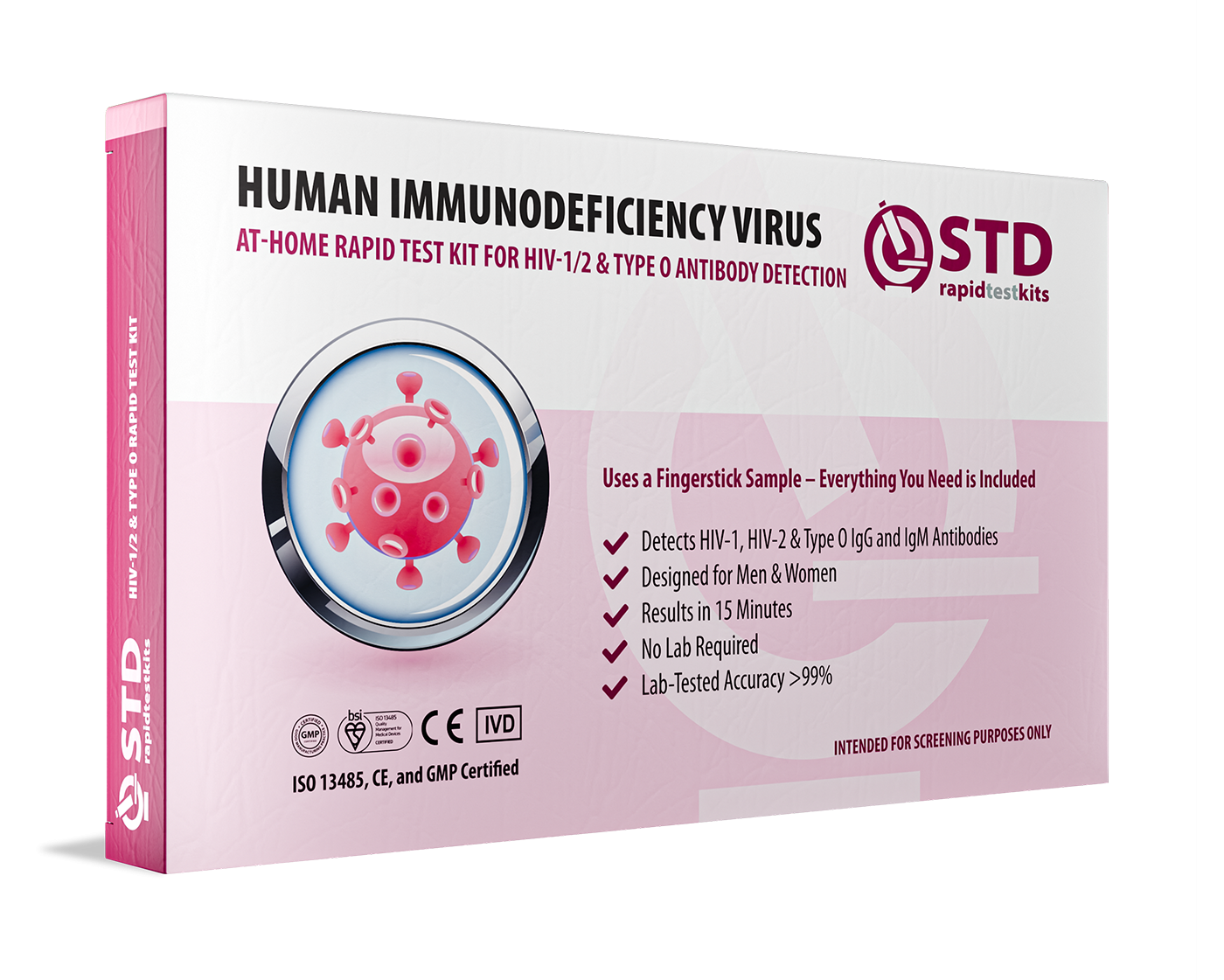
Set a regular health checkup. An HIV rapid test kit will be able to diagnose your blood for the presence of HIV antibodies.
Understanding HIV Infection
The replication of the genetic code of HIV into the DNA of an infected individual occurs upon infection. Acute HIV infection symptoms can appear in 2-4 weeks from the date of infection. It then subsidizes once the antibodies develop in the body against the virus. Afterwards, it is possible for HIV to remain latent for a couple of years but is still infecting more cells and weakening the immune system very slowly.
The symptoms of acute HIV infection are similar in both males and females. The treatment should be availed as early as possible because many of them do not develop symptoms and therefore remain unaware of their infection with the virus. An untreated HIV infection will always progress into AIDS.
HIV Statistics
According to the Centers for Disease Control and Prevention, at the end of 2016, about 1.1 million people in America were living with HIV. In 2018 alone, it reported 37,832 new diagnoses; this amount only reflects people in the United States, and 62% of those were men who have sex with men. From 2010 to 2016, new cases have gone down by 9%, though as of 2020, an estimated 1.2 million people are living with the virus in the United States.
Early Signs of HIV Infection
Swollen Lymph Nodes: A common symptom of acute HIV infection, usually seen around the neck, groin, or under the armpits.
Sore Throat: Painful inflammation in the throat, making swallowing food and drinking difficult.
Loss of Appetite: A symptom caused due to acute HIV infection.
Skin Rash: A reddish rash may develop on any part of the body during acute HIV infection.
Fever and Headaches: Common symptoms that may last for 2 to 3 weeks, before suddenly starting and vanishing.
Digestive Problems: Symptoms like vomiting, diarrhea, and nausea can occur.
Fatigue and Neurological Problems: Chronic fatigue, difficulty walking, balance issues, and other concentration problems may occur.
Other Symptoms: Night sweats, muscle pains, and ulcers in the mouth, genital area, and esophagus can also be seen.
Asymptomatic Cases
Many years or even decades may elapse without exhibiting any symptom at all. If an individual suspects an HIV infection, then testing should be done.
HIV Treatment
Although still incurable, early diagnosis and effective treatment can starkly reduce the progression of the disease. It was indicated in a 2013 study that people with HIV could expect to have a near-normal life expectancy if antiretroviral therapy begins before serious immune system compromise.
HIV Testing: First Line of Defense
Testing for HIV is important for prevention. Many healthcare providers offer rapid test kits for HIV, which speed up the detection of HIV antibodies in the blood. Those exposed to high-risk activities, such as people who have unprotected sex or share needles, should consider getting tested often.
HIV/AIDS Treatment: Turning a Once Deadly Disease into a Manageable Illness
Even though there is no complete cure for HIV/AIDS, medical advancements have turned it into a manageable condition. Antiretroviral therapy (ART) can reduce the viral load, helping the immune system recover and fight infections. A 2013 study showed that with early treatment, people living with HIV can have an almost normal life expectancy if they start treatment before significant immune system damage occurs.
Monitoring HIV
The problem with HIV is that it progresses silently, with diverse symptoms. Hence, early detection is key. Prevention must start with education about its risk factors and safer behaviors, such as condom use and not sharing needles.
Testing regularly, early detection, and timely treatment go a long way in minimizing the risk of HIV. As we envision an HIV-free world, these measures put the virus under our control, turning a once-fatal disease into a manageable condition. Practicing safer habits like regular testing and seeking treatment early will keep HIV in check.







 For Men & Women
 Results in Minutes
 No Lab Needed
 Private & Discreet


