







How Public Health Campaigns Are Fighting STD Stigma and Encouraging Testing
Effects of Sexually Transmitted Diseases on Emotional Well-being
What an STD Diagnosis Does to Your Emotions
Feelings that may be provoked by an STD diagnosis include:
- Guilt and shame: Partly because of the associated social stigma, many individuals blame themselves for acquiring an STD.
- Issues of anxiety: Fears of exposure, risk of rejection, and possible health consequences later in life are all extremely troubling.
- Feelings of depression: These often occur when an individual perceives him- or herself negatively, such as "damaged" or "undesirable." These are common but seldom discussed as fear of what others might think is overwhelming.

Stigma and Its Function
Institutionalized stigma perpetuates the disgrace and reluctance to speak out about sexually transmitted diseases. Most of this stigma greatly hinders open interactions and the seeking of assistance. Many people are afraid of stigma and thus cannot reach mental health resources or even sexually transmitted disease testing.
Psychological Consequences Over Time
Some of the long-term effects on mental health which could occur due to an infection of sexual transmission, not treated or with stigma, are:
- Social anxiety: Fear of exposing one's social status, or even getting intimate.
- Low self-esteem: Feelings of not ever being good enough or being worthy of anything persist.
- PTSD: This may result mainly when there was some form of violence or force applied in acquiring the STD.
Order Now $129.00 $343.00 Check Your STD Status in Minutes
Test at Home with Remedium
7-in-1 STD Test Kit Claim Your Kit TodaySave 62%
 For Men & Women
 Results in Minutes
 No Lab Needed
 Private & Discreet
For all 7 tests
A Revolution in Mental Health Care: Breaking the Cycle of Stigma
Let's Make Talking About STDs a Norm
Dismantling stigma begins with an honest conversation. Society can be changed and empathy raised through education and sharing one's personal experiences.
Get Help for Your Mental Health
People may want to see a professional counselor or therapist to work through their emotions and learn how to be more resilient. A mental health professional can provide a safe place for you to work through any shameful, guilty, or concerned feelings you may have.
Get the Facts—For You and Others
Knowledge is power. One of the major myths about sexually transmitted infections is that they are unstoppable and uncurable. Help break the myths by passing on accurate information to your community.
Encourage the Use of Regular Check-Ups
In matters of physical and mental health, testing is key. You are able to take control over your life and eliminate doubt once you know what your status is.
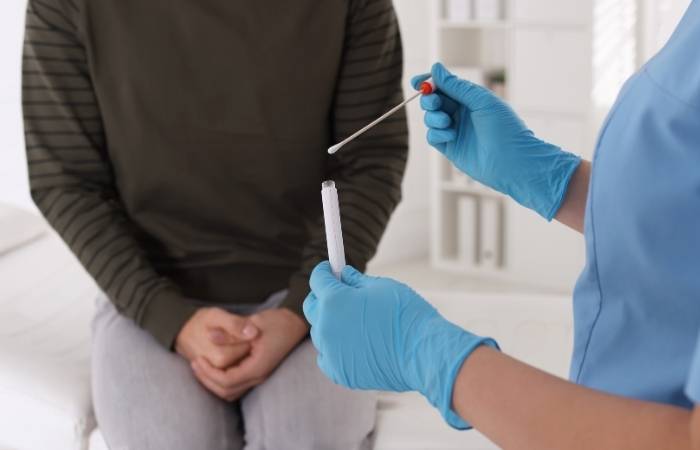
How Important STD Testing Is to Your Mind
Less Stress with More Knowledge
One thing that causes a great deal of anxiety for some people is concern over one's sexual health. When you get your STD tested regularly, you may finally rest easy knowing that you have a clear way forward.
Relationship Support
Disclosing one's sexually transmitted disease status openly helps to build intimacy and trust in relationships. Doing the test together can make persons not feel so alone and also at a lesser risk of being rejected.
Encouraging Active Health Choices
People feel more in control of their health when they make testing for sexually transmitted diseases a part of their health routine. An at-home STD test kit is an available discreet and convenient option for people not wanting to visit a clinic.
Next Big Thing: Creating Awareness About Mental Health Along With Sexually Transmitted Diseases
New studies show that mental health now stands out as a critical determinant of the prevention and treatment of sexually transmitted diseases. A new study published in The Lancet found that individuals who receive mental health services are more likely to get treated for STDs and follow through with appointments. In addition, research has shown that increasing testing rates and improving mental health outcomes, community-based education initiatives significantly reduce stigma associated with STDs.
Order Now $119.00 $294.00 Check Your STD Status in Minutes
Test at Home with Remedium
6-in-1 STD Test Kit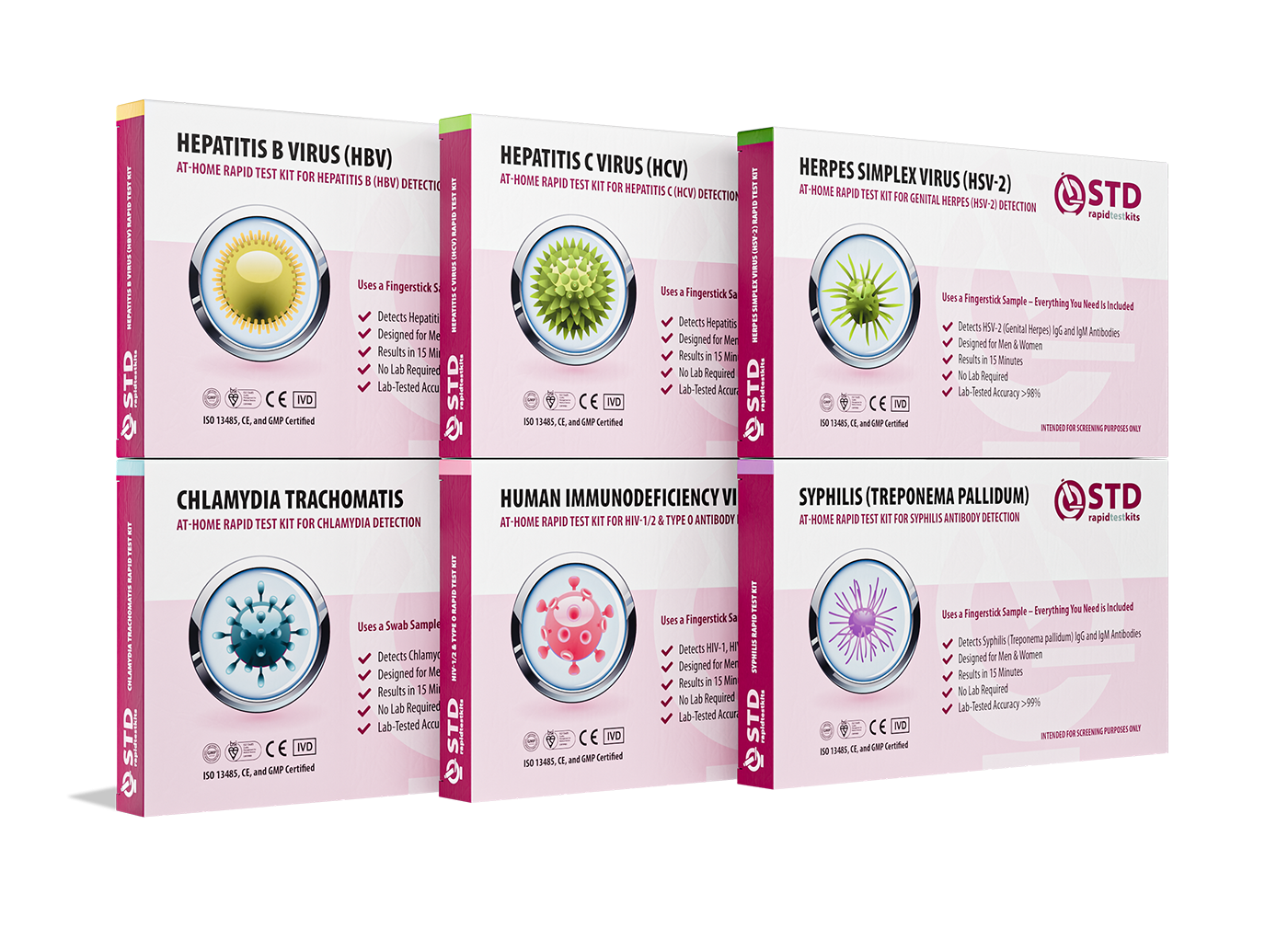 Claim Your Kit TodaySave 60%For Men & WomenResults in MinutesNo Lab NeededPrivate & Discreet
For all 6 tests
FAQs
1.- What are the psychological effects of sexually transmitted diseases?
The feelings of shame, guilt, and apprehension that may attend sexually transmitted diseases can be magnified by social stigma. Depression and social anxiety constitute long-term mental health consequences of unresolved negative emotions.
2.- Why are STDs thought to have such a draconian stigma?
The stigma involves incorrect information, practices not accepted in society, and poor perceptions about sexual health. This makes it a little more challenging to seek help and to have open discussions.
3.- Can mental health support improve the management of STDs?
Support from mental health professionals can ease the emotional and psychological burden of an STD diagnosis, reduce feelings of isolation, and inspire people to take action such as getting treatment or testing more frequently.
4.- What are some of the more common psychological effects?
Other side effects include depression due to self-judgment, loss of self-esteem, and fear due to disclosure. Social withdrawal or irrational fear of intimacy may also be experienced by some persons.
5.- How do people deal with nerves related to sexually transmitted diseases?
Fears can be conquered through counseling, information, and open communication with a healthcare provider. Other benefits of periodic testing include learning about your health and taking charge.
6.- Are there support groups available to deal with the emotional or psychological impact of sexually transmitted diseases?
Counseling and support services can be offered by a range of organizations; these include sexual health clinics to online mental health platforms. You may reach for support to process your feelings and get the necessary care.
7.- How does regular testing for STDs affect one's mental health?
Testing gives the individual control over their health, which reduces anxiety and builds confidence. At-home test kits have made it easier than ever to take a preventative test for sexually transmitted diseases.
8.- Will stigma decrease if partners talk about STDs?
The subject becomes more normalized, misconceptions are reduced, and trust is achieved through open communication. The very fact that both spouses are responsible for their sexual health is a plus.
9.- How does society support reducing STD stigma?
The shame associated with sexual health will be overcome only through open discussions, public education, and resources that include everyone. The need to understand and show empathy should also be emphasized.
10.- Do some populations have a higher risk for mental health concerns with sexually transmitted diseases?
Research has documented that members of marginalized communities, including individuals identifying as LGBTQ+, may also experience increased stigma and other mental health concerns related to sexually transmitted diseases due to institutional forms of discrimination.
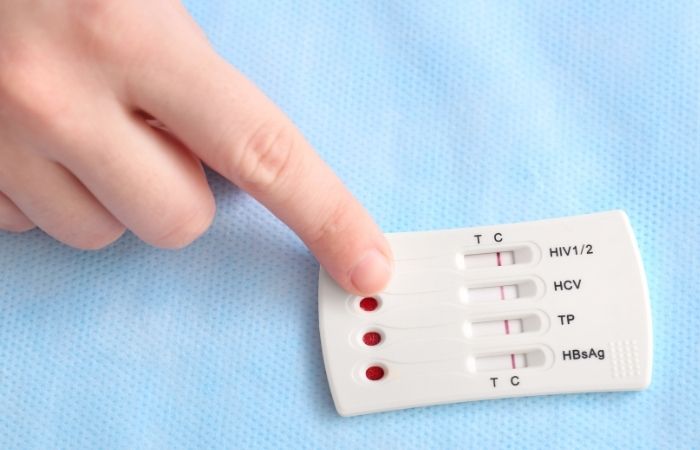
Keep Health at the Forefront
This is why one should now pay more attention to his or her emotional and sexual well-being. Knowing your status is the first step in understanding and treating the connection between sexually transmitted diseases and mental health. Eradicate stigma and safely protect your health with our at-home discreet, reliable, and hassle-free STD test kits. Take your first step to understanding and self-assurance by buying your test kit today!
Sources
1.- The Connection Between Mental Health and STDs in the LGBTQ+ Community
2.- Stigma and Barriers to STD Prevention
3.- PubMed: STD-Related Mental Health Implications


