Understanding STDs Transmitted from Animals to Humans: Facts and Myths
While discussing sexually transmitted diseases, most people feel they pass only between individuals. As a matter of curiosity, one may look into some zoonotic diseases, which are actually infections that can be carried between animals and human hosts. This brings to our consideration whether these diseases encompass sexual ones. Can STDs Be Transmitted from Animals? Can any of those infections in wildlife be transferred to humans? Not really, but some myths are hanging on, and the truth about zoonotic STDs is a good deal more complex and needs thoughtful examination.
The article discusses the myths and realities of STDs said to be transmitted from animals to humans. We are going to talk about the zoonotic risks, the overlapping of the infections, and underline the importance of prevention and testing.
28 November 2024
7 min read
3147
What Are Zoonotic Diseases?
Zoonotic diseases are those types of diseases that can be transmitted from animals to humans. The causative agents include bacteria, viruses, and parasites. It is important to understand zoonotic diseases in order to prevent their spread and protect public health.
Zoonotic diseases, also referred to as zoonoses, are those infections that can be transmitted from animals to humans. The WHO estimates that more than 60% of new infectious diseases emerging in the world are zoonotic. For infections like rabies and avian flu, the zoonotic transmission is well-documented, while the inclusion of STDs in this category is debatable.
Key Characteristics of Zoonotic Diseases
Methods of Transmission: Through direct contact, bites, scratching, ingesting contaminated food, or contacting infective wastes.
Common Zoonotic Diseases: Rabies, Lyme disease, and toxoplasmosis.
In regard to sexually transmitted diseases, it's complex to tell whether sexual contact between animals and humans results in infections or that the same infections occur just coincidentally.
How Likely Are Animals to Spread Human Sexually Transmitted Diseases?
Certain STDs, like HIV and syphilis, are specific to humans and rely on direct person-to-person transmission. Certain animal infections do manifest symptoms and biological characteristics of the infection similar to that of human STDs. This is what we know:
Koalas and Chlamydia: Koalas can be infected with Chlamydia pecorum, which is a different strain from that of Chlamydia trachomatis that infects humans. Koala chlamydia does not infect humans, but it shares similarities in the way diseases can affect various species.
Brucellosis: An infection caused by Brucella bacteria, brucellosis can be transmitted from animals such as cattle, goats, and pigs to humans, usually through contaminated food or direct contact with the animals. Although it is not categorized under sexually transmitted diseases, it can cause genital infections in humans that have symptoms similar to some STDs.
Simian Foamy Virus (SFV): SFV is a type of retrovirus occurring in primates. It can be transmitted to humans if there is direct exposure to blood. The sexual transmission is yet under investigation, but its very presence indicates the possibility of other risks from animals to humans.
Mycoplasma Infections: A variety of Mycoplasma bacteria may affect humans and animals, although not necessarily any established evidence from sexual transmission between species to the other.
Common Misconceptions About Zoonotic STDs
There are several myths about zoonotic STDs that originate from exaggerated stories or misunderstanding scientific research. Here are some of the most common misunderstandings:
Myth 1: Animals Can Pass HIV to Humans. HIV originated from a virus known as simian immunodeficiency virus (SIV), which is found in primates, but it eventually evolved to human-specific. HIV cannot be transmitted to or from animals.
Myth 2: Zoophilia Leads to STDs in Humans. It is worth noting that bestiality, while both unethical and illegal, may result in bacterial and parasitic infections. However, it does not involve the traditional sexually transmitted diseases like gonorrhea or syphilis.
Myth 3: Wildlife STDs Can Easily Spread to Humans. Most STDs in animals are species-specific and do not normally transfer to humans due to genetic and biological barriers.
Zoonotic Diseases That Resemble STDs
Although zoonotic STDs do not exist, several of the zoonotic diseases can present with symptoms almost similar to the ones for STDs. Therefore, they may be confused or misdiagnosed.
Brucellosis: Symptoms include painful genital and fever that could easily be mistaken for gonorrhea or chlamydia.
Leptospirosis: A bacterial infection contracted through animal urine. Its symptoms include genital rash and irritation, and thus herpes.
Toxoplasmosis: An infection caused by a parasite called Toxoplasma gondii. Undercooked meat, water that is contaminated, and even the feces of cats all carry the parasite. Symptoms usually do not occur, but it can be serious. Toxoplasmosis is often associated with cats and causes general flu-like symptoms, not unlike the early stages of HIV.
Trichomoniasis in Animals: A parasitic infection of cattle and birds. The disease is specific to a particular species and is not transmitted to humans.
How to Avoid Zoonotic Risks
The occurrence of zoonotic STDs is infrequent. However, for maintaining public health, it becomes important to avoid zoonotic diseases. Here are some useful ways to avoid problems:
Maintain a Safe Distance: Never touch wildlife or any other animal of which you are not aware.
Cleanliness: Make sure to wash your hands well after you handle animals or clean up after your pets.
Cook Animal Products Thoroughly: Heat kills the bacteria in meat and dairy products, so make sure to cook them all the way through.
Stay Up-to-Date with Vaccinations: Vaccinating your pets is a sure way to protect them against diseases that can easily be prevented, such as rabies.
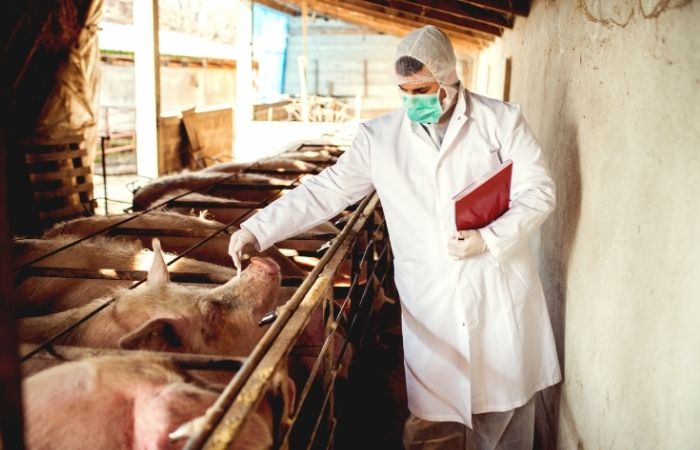
Safety Through Personal Protection: Wearing gloves and masks when handling animals—especially in veterinary and agricultural environments—is in order.
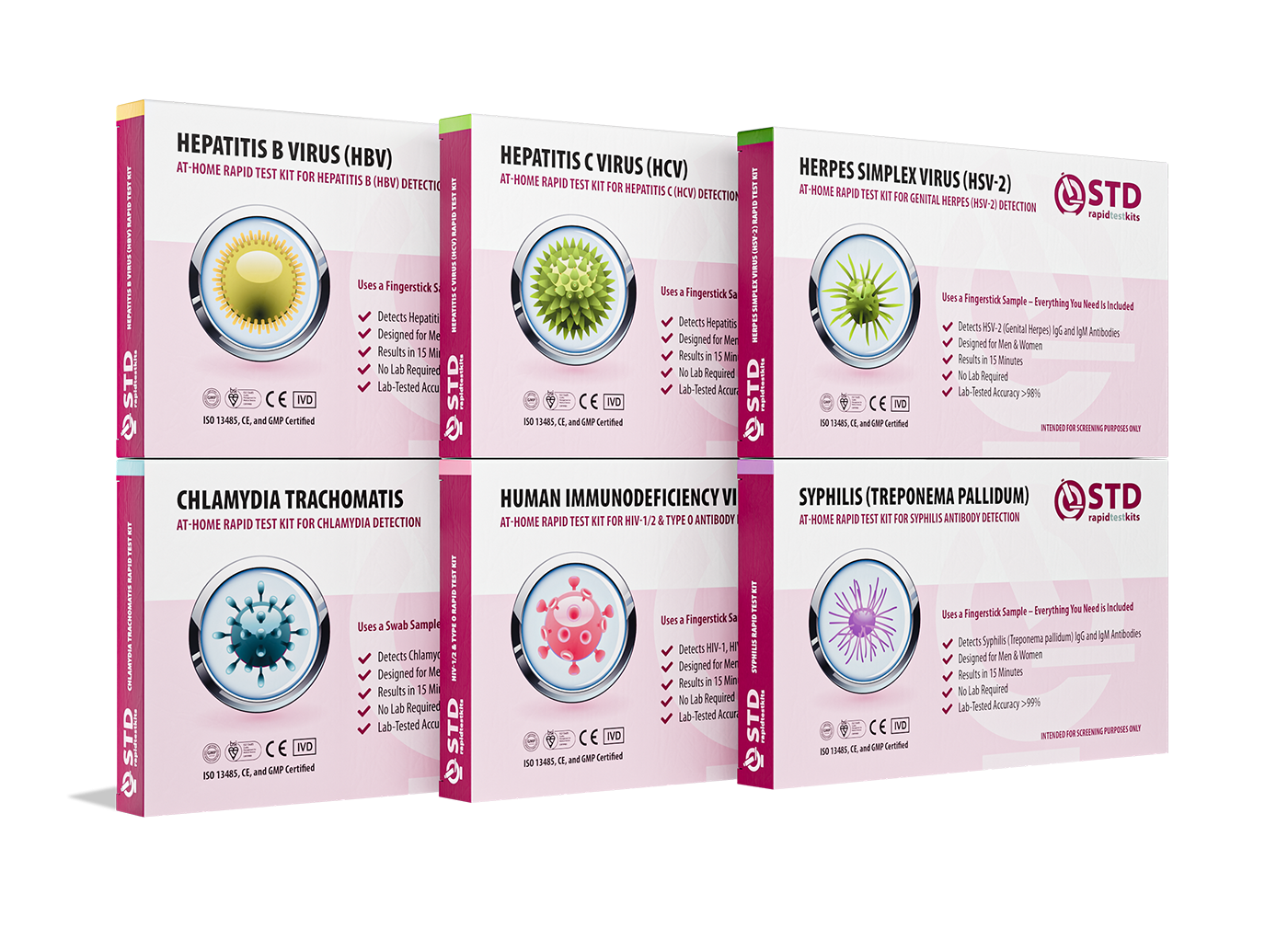
While the aforementioned zoonotic STDs are rare, regular testing for STDs is an essential part of sexual health. At-home STD test kits provide a discreet and hassle-free way to monitor one's health. These test kits detect chlamydia, gonorrhea, syphilis, and other common infections in individuals, thus enabling them to take control of their health without visiting a clinic.
Key Facts About Zoonotic STDs
Most STDs in humans are specific to our species and cannot be passed to or from animals.
Zoonotic diseases that are similar to the STDs, such as brucellosis and leptospirosis, highlight the fact that precise diagnosis is really important.
Many myths about zoonotic STDs arise not from scientific facts, but rather from incorrect information.
Prevention strategies, followed by regular testing for the presence of STDs, are efficient ways of keeping oneself from the probable risks.
Frequently Asked Questions
1.- Can STDs be acquired by humans from animals?
Some of the zoonotic diseases have symptoms resembling STDs, but most human STDs are specific to humans and cannot be transmitted by animals.
2.- What animal diseases are like STDs?
Brucellosis, leptospirosis, and toxoplasmosis are animal diseases that have symptoms like some human STDs, but they are not spread through sexual contact.
3.- How can I protect myself from zoonotic infections?
Avoid infected animals, practice good hygiene, and cook meat and other animal products thoroughly.
4.- Can humans contract STDs from animals?
Some zoonotic diseases can show symptoms similar to STDs, but most human STDs are specific to humans and cannot be passed on by animals.
5.- What can I do to protect myself from zoonotic diseases?
Avoid animals, practice good hygiene, and cook animal foods thoroughly.
6.- At-home STD testing is important because...?
Testing in private ensures early detection, reduces spread, and encourages regular monitoring of sexual health.
7.- Why is regular testing important for zoonotic risks?
It provides reassurance, especially for symptoms overlapping with zoonotic diseases.
8.- What are the risks of consuming undercooked meat?
Undercooked meat may carry zoonotic infections, including toxoplasmosis, which mimic STDs.
9.- What zoonotic infections mimic HIV symptoms?
Toxoplasmosis can cause flu-like symptoms resembling early HIV stages.
10.- Do zoonotic infections spread sexually?
While zoonotic diseases like leptospirosis can resemble STDs, they are not spread sexually.
Protect Your Health!
Zoonotic STDs are an interesting topic in which many questions arise, but the truth is not as scary as some myths may lead one to believe. Zoonotic diseases are important and can be transmitted to humans, but they do not commonly overlap with human STDs. Being aware, maintaining good hygiene, and using resources such as at-home STD test kits are important actions to take in protecting your health. Begin to take care of your health today; being aware and taking precautions are your strongest tools.








 For Men & Women
 Results in Minutes
 No Lab Needed
 Private & Discreet