Untreated sexually transmitted illnesses have a variety of health effects, including physical and reproductive health. Inability to recognize and treat STDs will lead to issues that may impair fertility in both men and women. This article discusses the impact of untreated chlamydia, gonorrhea, and syphilis infections on fertility, the necessity of early identification, and how to preserve your reproductive health.
05 November 2024
9 min read
1511
The Relationship Between Untreated STDs and Infertility
Most sexually transmitted illnesses begin as manageable infections, but if left untreated, they become quiet destroyers of fertility. Most STDs have no symptoms, and the person might live with the illness and unintentionally transmit it to another person. Such infections frequently result in irreparable harm to the reproductive system. Let's look at how the most prevalent untreated STDs may affect fertility:
Chlamydia: Chlamydia is a prevalent sexually transmitted infection that rarely causes symptoms. If left untreated, the reproductive organs may become inflamed and scarred. Chlamydia can cause pelvic inflammatory disease, or PID, which can damage the fallopian tubes and lead to infertility in women. In males, chlamydia can infect the epididymis, a tube that transports sperm, causing severe swelling and sterility.
Gonorrhea: The second most common sexually transmitted bacterial infection, caused by still another bacterium. If it is left untreated, serious consequences may occur. In females, this can result in PID and subsequent infertility due to scarring in the reproductive system. Men who have untreated gonorrhea may develop inflammation known as epididymitis, which can impede sperm flow and lead to infertility.
Syphilis: Although uncommon, syphilis is a potentially deadly infection if left untreated. Syphilis has a potential to spread to many organs throughout its tertiary stage, including the reproductive system. It can cause pregnancy difficulties, reducing fertility and even resulting in congenital impairment.
The Impact of Untreated STDs on Female Fertility
These infections are especially concerning in terms of female fertility because some untreated STDs can develop illnesses such as PID. Here's how these infections disproportionately affect women:
Pelvic Inflammatory Diseases: PID, an infection of the female reproductive organs, is usually caused by untreated chlamydia and gonorrhea. PID infection causes inflammation, which can scar the fallopian tubes and make it more difficult for an egg to travel from the tube to the uterus. This scarring may raise the chance of infertility and ectopic pregnancies, which are potentially lethal and occur when a fertilized egg implants outside of the uterus.
Chronic Pain and Ectopic Pregnancy: Chronic pelvic discomfort in women is the most common sign of untreated STDs, and it typically indicates late-stage reproductive system damage. Furthermore, obstructed or damaged fallopian tubes caused by PID can raise the likelihood of ectopic pregnancies, jeopardizing future fertility and, in severe cases, becoming life-threatening.
Endometritis: Some sexually transmitted infections can cause an infection of the uterine lining. If left ignored, it can cause pain, inflammation, and decreased fertility. It will be harder to conceive in the future.
How Untreated STDs Affect Male Fertility
While infertility is generally linked with female difficulties in conceiving, untreated STDs have equally, if not more, severe effects on male fertility. Here are a few examples of how untreated illnesses might impair your manhood:
Epididymitis: If left untreated, chlamydia and gonorrhea can cause inflammation of the epididymis. Pain may be connected with swelling, which can cause scarring and impede the sperm route. If this persists, it may impair the quality and amount of sperm, further lowering fertility.
Prostatitis: In rare cases, a few STDs, particularly chlamydia, induce inflammation of the prostate gland. These changes can cause pain, difficulty with ejaculation, and pathological changes in sperm quality, all of which can have an impact on fertility.
Reduced Sperm Quality: Chronic inflammation caused by an untreated STD can affect sperm motility, or the ability of sperm to swim properly, as well as morphology, or sperm shape, both of which are key variables in attaining pregnancy. Poor sperm quality affects the chances of conception and may be a cause of unexplained infertility in males.
If these are left unattended, the worst-case scenario includes scarring and sperm duct blockage. This is known as obstructive azoospermia, which means that no sperm is discovered in the semen, preventing pregnancy unless medical intervention is performed.
Early Diagnosis and Treatment
Early detection and treatment are the most effective approaches to safeguard fertility and reproductive health. Many problems of untreated STDs can be avoided if the infections are detected early and treated promptly. Regular testing is critical, especially for sexually active people who face a higher risk. Here's why early detection is so important:
Preventing Long-Term Consequences: Early treatment can remove the infection before it causes lasting damage to the reproductive system.
Preventing the Spread to Others: Early diagnosis allows you to avoid unintentionally transmitting sexually transmitted diseases to other partners, which protects the health of others.
Preventing Expensive Treatments: The most common sequelae of untreated STDs are PID and epididymitis, which are typically expensive to cure. Furthermore, such treatments necessitate more intensive medical care. Testing or preventive measures are typically less expensive and less invasive.
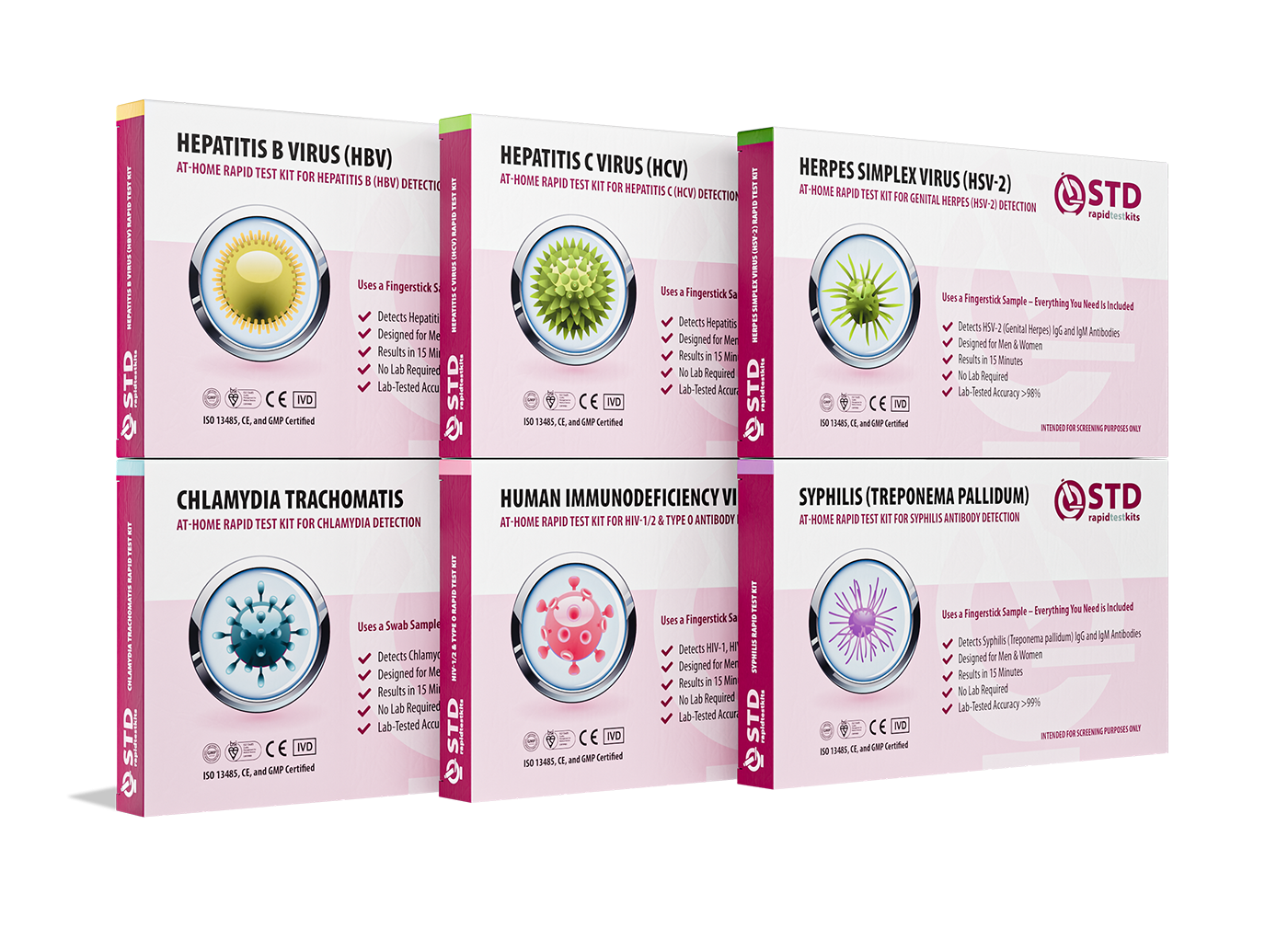
At-home testing for sexually transmitted illnesses is the most inconspicuous approach to receive a diagnosis without having to visit a clinic. These tests will undoubtedly benefit those who want to keep track of their health in solitude. Here's how home testing can improve reproductive health:
Convenience and Privacy: Because you can take the test from home, you can test for STDs whenever you want. It provides a sense of control over the situation as well as privacy, which is far superior to going to a clinic.
Early Detection: Routine testing allows you to detect the infection before major issues arise, decreasing the impact on fertility. If you are sexually active, testing every six months is recommended, especially if you have several partners or do not use protection consistently.
Early Therapy: Home testing findings alert you early, allowing you to seek therapy that may lessen the risk of long-term damage. If your test results are positive, your health expert can advise you on the next actions to take and, if necessary, treatment options.
Take Action to Protect Fertility
Untreated STDs have a serious impact on fertility, but they are avoidable. You can protect your reproductive future by being proactive about your sexual health. Here is a look at some of the measures you can use:
Routine Testing: Make regular STD testing part of your routine. This will aid you in early infection detection. If you are sexually active and have several partners, it is recommended that you get tested every few months.
Use Protection: Condoms and other barrier measures serve to reduce the risk of transmitting STD. This can preserve not just your health but also that of your partner, even in a long-term relationship.
Stay Informed: Being aware of the hazards associated with STDs will help you make informed decisions regarding your health. Understanding how infections might affect fertility is an important step toward taking control for your reproductive destiny.
Discuss Testing with Partners: Open discussion about being tested for STDs and protection will show your partner that you value trust and lower the chance of exposure. Getting tested jointly or sharing recent test findings can contribute to a healthier or more informed relationship.
Frequently Asked Questions
1.- Which untreated STDs can result in infertility? Untreated chlamydia, gonorrhea, and syphilis can render both men and women sterile--that is, incapable of reproducing. These infections can induce inflammation and scarring in the reproductive organs, perhaps blocking the sperm route in males or the fallopian tubes in females.
2.- How do untreated STDs induce infertility in women? If left untreated, STDs in women can develop to pelvic inflammatory disease, an infection that causes inflammation and scarring of the upper genital tract (fallopian tubes and uterus). Scarring can impede the transit of the egg from the ovary to the uterus, increasing the risk of infertility or ectopic pregnancy.
3.- Can untreated STDs cause infertility in males? Yes, if left untreated, STDs can affect male fertility. Infections such as chlamydia and gonorrhea can cause epididymitis (epididymis inflammation) or prostatitis (prostate inflammation), decreasing sperm quality and causing reproductive problems.
4.- Can STD-induced infertility be reversed? Early treatment may prevent some STDs from causing lasting harm; nevertheless, if the infection has caused scarring or other damage to the reproductive organs, the effects for fertility are irreversible. This is why early detection and timely treatment are so important.
5.- How often should I get an STD test to safeguard my fertility? Testing is normally recommended if you are sexually active, and it is especially important if you have several sexual partners. There are some silent cases of sexually transmitted diseases, and testing every six months can be critical in detecting such infections early and managing them appropriately to minimize long-term consequences.
6.- Are home testing for sexually transmitted illnesses effective in detecting infections that influence fertility? Yes, at-home FDA-approved STD tests are effective for the most common illnesses, such as chlamydia and gonorrhea. They will be an easy way to monitor your health, while further testing at a clinic may be recommended if a positive result is obtained.
7.- What are the symptoms of an STD that may impair fertility? STDs may cause no symptoms at all, which is why frequent testing is so important. When symptoms appear, they may include pelvic discomfort, abnormal discharges, pain while urinating, or testicular swelling. These are the clear indicators that one should see a doctor and get tested as soon as feasible.
8.- Are fertility therapies beneficial for infertility caused by an untreated STD? Scarring or obstructed tubes can sometimes be overcome with reproductive procedures such as IVF. The efficacy of treatments depends on the extent of the injury, therefore early detection and prevention of consequences are critical.
9.- Is it safe to try to have a baby if I have had an STD in the past? Yes, you can still conceive as long as the STD was treated and no permanent harm was done to the reproductive organs. Consult a health practitioner if you have any reproductive issues related to previous infections.
10.- Why is early detection so critical in the prevention of STD-related infertility? This early detection enables early treatment, which prevents infections from progressing and causing damage to the reproductive structures. As a result, it is an important step in maintaining fertility and avoiding difficulties caused by untreated sexually transmitted diseases.
Take Responsibility for Your Health
Early detection is critical to protecting your fertility. STDs can have long-term consequences if not treated, but the fact that regular testing can detect infections before they become serious complications is a saving grace. Take control of your health today by investing in a dependable at-home STD kit and gaining confidence in your current and future well-being.








 For Men & Women
 Results in Minutes
 No Lab Needed
 Private & Discreet


