Published: November 2025 | Last updated: May 2026 | Editorial review and quality control: Martina N.
Can you still get pregnant after an STD?
Yes, in most cases. Promptly treated chlamydia or gonorrhea rarely causes lasting fertility damage. The risk rises when an infection sits untreated for weeks or keeps recurring, because inflammation can scar the fallopian tubes in women or the epididymis in men. With a documented past STD, ask for a fertility evaluation before the standard twelve-month mark.
Most people who finish a course of antibiotics for chlamydia or gonorrhea recover with no lasting impact on their ability to conceive. That is the headline reality, and it deserves to be said first, because the topic carries a lot of needless dread. The harder reality follows close behind: when an infection sits silently for weeks or months before treatment, the inflammation it sets off can scar the fallopian tubes, the lining of the uterus, or the epididymis in ways antibiotics cannot reverse. The cure clears the bacteria. It does not always undo the structural damage the bacteria left behind.
This guide walks through what actually changes inside the body during an untreated STI, which infections carry the highest fertility risk, how fertility testing works for both partners after a known infection, and when to push for a workup instead of waiting another year on the standard "keep trying" timeline.
Key Takeaways
- Chlamydia often causes no noticeable symptoms, so fertility damage can surface years later when someone tries to conceive.
- Most fertility loss after STDs is preventable with prompt antibiotic treatment; the risk climbs sharply when infection persists past a few weeks or recurs.
What Treatment Doesn't Always Undo
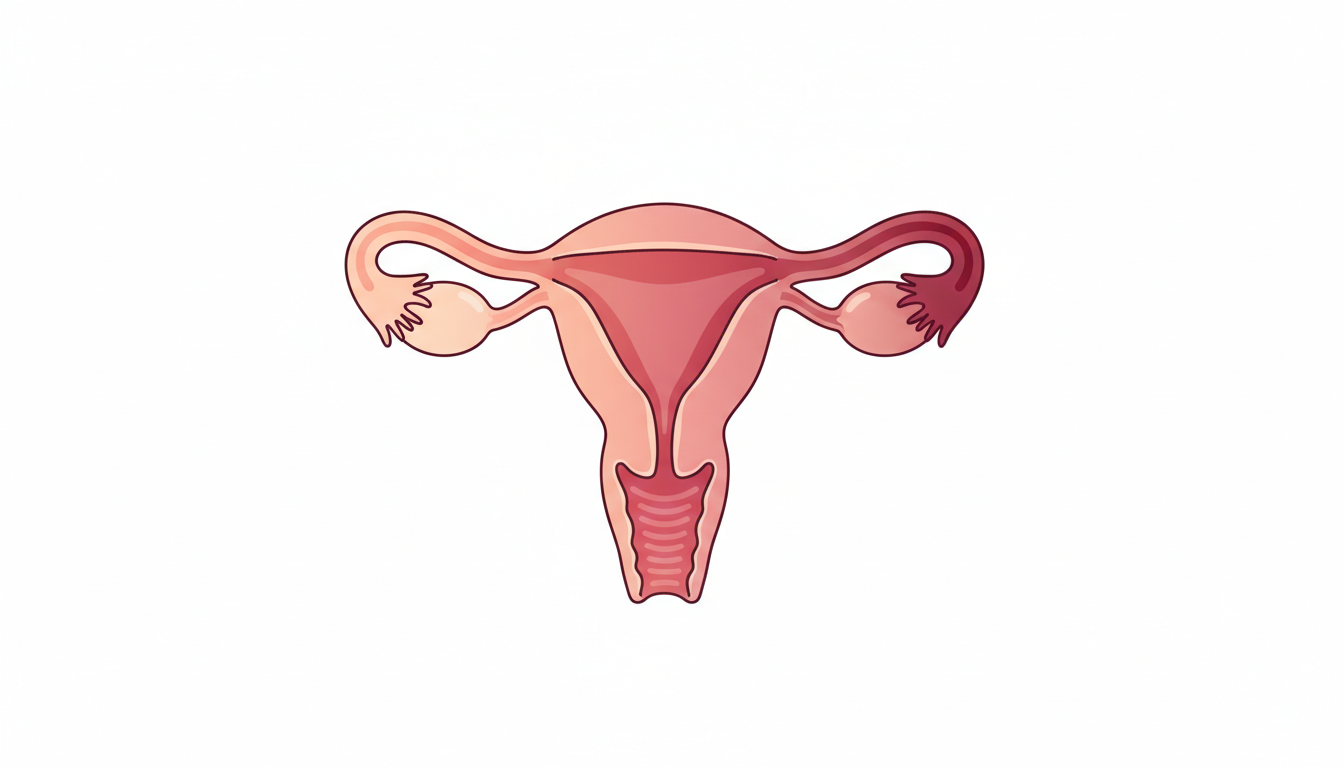
Antibiotics do their job efficiently. A short course of doxycycline (or azithromycin in specific cases) clears the bacterial load of chlamydia reliably when taken correctly. The problem is that the body has already been responding to the infection the entire time it was present. White blood cells flood the affected tissue. Cytokines drive inflammation. In the cervix that inflammation usually resolves with the infection. In the upper reproductive tract, where the tissues are more delicate and where adhesions form readily, that same inflammatory response can leave behind scar tissue that does not retract once the bacteria are gone.
The clinical term for this upper-tract complication is pelvic inflammatory disease, or PID. The CDC's PID overview says this distinction plainly: prompt treatment can prevent further complications, but it "won't undo any damage that has already happened to your reproductive system." The NHS likewise describes PID as a common complication of untreated chlamydia or gonorrhea that can leave lasting scarring. PID is most often caused by untreated chlamydia or gonorrhea, and it can damage the uterus, fallopian tubes, or surrounding pelvic tissue without producing distinctive symptoms. Some women experience pelvic pain, fever, irregular bleeding, or unusual discharge. Many experience nothing they would identify as PID at all. Either way, the scarring can be permanent, and it is the single most common pathway from an STD to long-term fertility loss.
For men, the parallel structural problem is epididymitis: inflammation of the coiled tube behind each testicle that stores and matures sperm. Untreated chlamydia or gonorrhea is a frequent cause. Most cases respond to antibiotics with no lasting impact. A subset cause enough scarring to reduce sperm count, alter motility, or partially obstruct sperm transport. As with PID, the change can be invisible until a couple is trying to conceive and a semen analysis flags it.
- Tubal scarring that narrows or fully blocks the passage from ovary to uterus.
- Damaged fimbriae, the delicate finger-like ends of the fallopian tubes that catch a released egg.
- Hydrosalpinx, a fluid-filled blockage that can leak inflammatory contents into the uterus and impair implantation.
- Ectopic pregnancy risk, where a fertilized egg implants in a partially scarred tube instead of reaching the uterus.
How Chlamydia and Gonorrhea Reach the Reproductive Tract
Both infections begin where exposure happens. In women, that is usually the cervix. In men, it is usually the urethra. From there, in a minority of untreated cases, the bacteria ascend. Chlamydia trachomatis and Neisseria gonorrhoeae both have surface proteins that let them attach to and invade the epithelial cells lining the genital tract. Once they cross from the cervix into the uterus, they can keep climbing into the fallopian tubes and even into the pelvic cavity around the ovaries.
The body's response is what does the damage. Inflammation in the fallopian tubes causes the delicate finger-like fimbriae at the end of each tube to swell and stick together. The tube itself can develop adhesions where its inner walls fuse, narrowing or fully blocking the passage that an egg uses to travel from ovary to uterus. In severe cases the tube fills with fluid, a condition called hydrosalpinx, which not only blocks the tube but also leaks an inflammatory environment into the uterus that interferes with embryo implantation.
Whether ascent happens depends on how long the infection persists, the strength of the host immune response, and prior exposure. Repeat infections raise the risk substantially because each round of inflammation builds on whatever scarring the last round left behind. Even brief periods of untreated infection can initiate inflammatory responses, though the most serious structural damage typically requires prolonged infection or repeated episodes.
Which STDs Most Threaten Fertility, and How
Not every STD carries the same risk profile. Chlamydia and gonorrhea sit at the top of the list because they are common, frequently asymptomatic, and have a clear mechanism for ascending into the upper reproductive tract. Others affect fertility through different pathways: pregnancy outcomes (syphilis), local inflammation that affects sperm function (trichomoniasis), or downstream complications of cervical procedures (HPV).
The table below summarizes the main routes by which each common STD intersects with fertility for both partners.
| STD | Fertility impact in women | Fertility impact in men |
|---|---|---|
| Chlamydia | Tubal scarring, PID, ectopic pregnancy risk | Epididymitis, possible reduction in sperm motility |
| Gonorrhea | Tubal blockage, pelvic adhesions, PID | Epididymitis, occasional sperm-quality decline |
| Syphilis | Pregnancy complications including miscarriage and congenital syphilis | Rarely affects fertility directly when treated |
| Trichomoniasis | Vaginal inflammation, increased preterm birth risk | Linked in some studies to reduced sperm function |
| HPV | Usually no fertility impact; cervical procedures may complicate cervical mucus | Minimal direct impact on fertility |
How Fast Does Fertility Damage Start?
This is the question that worries people most: if I had an infection for six months without knowing, was that long enough to do something permanent? There is no single threshold. Damage depends on which infection, which person's immune response, and whether the infection actually ascended into the upper reproductive tract or stayed confined to the cervix.
That said, the timeline can be shorter than people expect. PID can begin within weeks of an untreated chlamydia or gonorrhea infection. Most women who go on to develop tubal infertility from PID had at least one episode of inflammation that was either undiagnosed or treated late. The longer infection persists, the more likely it is to ascend; the more times it ascends, the more scarring accumulates. Repeated PID episodes drive the steepest fertility losses.
The World Health Organization estimated 129 million new chlamydia infections globally in 2020, most of them silent. A meaningful fraction went untreated long enough to begin ascending, which is why STI-related tubal damage remains a leading cause of female infertility worldwide.
For men, the comparable story is somewhat slower because the epididymis is a self-contained structure with its own inflammatory recovery pattern. A single, well-treated case of chlamydial epididymitis usually resolves with no lasting fertility impact. Repeat or prolonged untreated cases are the ones that show up later in semen analyses as borderline counts or reduced motility.
PID can begin within weeks of an untreated chlamydia or gonorrhea infection. Each episode of inflammation adds to whatever scarring the previous round left behind, and repeated episodes drive the steepest long-term fertility losses.
The Silent Infection Problem
Chlamydia is sometimes called the silent infection for a reason. According to the CDC's chlamydia fact sheet, the infection often produces no symptoms at all, yet "it can cause serious health problems, even without symptoms." The symptoms that do appear (mild discharge, slight burning during urination, intermenstrual spotting, vague pelvic discomfort) are easy to mistake for a yeast infection, a urinary tract infection, hormonal cycle changes, or even a new condom causing irritation.
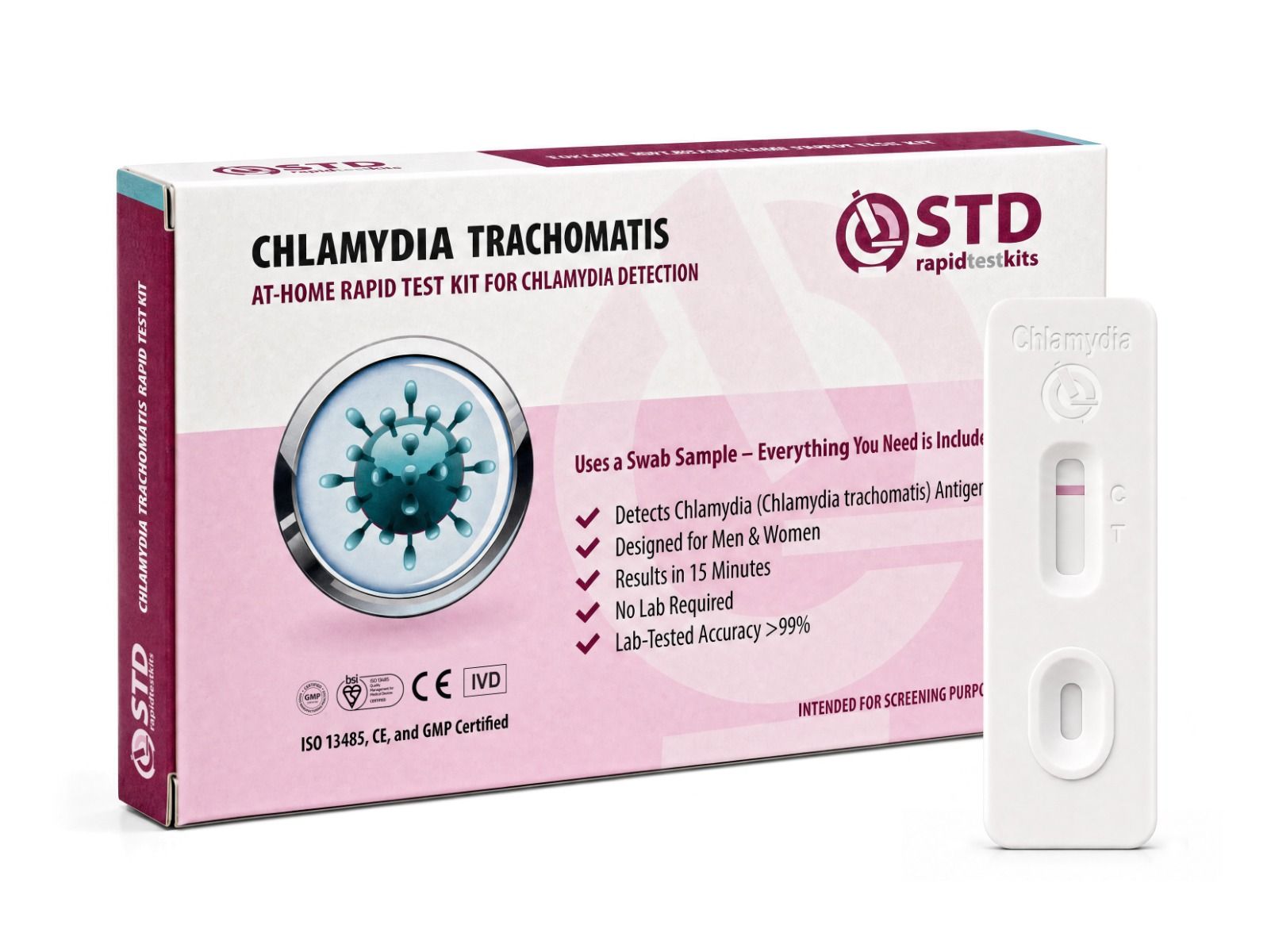
That dynamic is what makes chlamydia particularly damaging from a fertility standpoint. People do not test for an infection they do not know they have. Clinicians do not screen everyone at every visit. Insurance coverage for asymptomatic STI screening has improved but is still not universal. Months pass; sometimes years. By the time someone notices the issue, it tends to be because they are trying to conceive and not succeeding. Self-collected screening, including an at-home chlamydia test, gives people a way to check between clinic visits rather than waiting for a symptom that may never come.
Gonorrhea behaves similarly, though its symptoms are slightly more likely to be noticeable than chlamydia's, especially in men. Trichomoniasis, syphilis, and HPV also produce silent or near-silent infections in many cases. The CDC's annual chlamydia screening recommendation for sexually active women under 25 exists for this exact reason: symptom-based testing alone catches only a fraction of fertility-relevant infections. The damage pattern follows the same biology whether an infection is felt or not, so the absence of symptoms is not the same as the absence of harm.
Symptoms That Can Signal Pelvic Inflammatory Disease
Many PID infections cause no clear symptoms at all, which is exactly why routine screening protects fertility better than waiting for warning signs. Having one or more of these does not confirm PID; only a clinician can diagnose it.
- Pain or tenderness low in the abdomen or pelvis Common
- Unusual vaginal discharge, sometimes with an odor Common
- Pain or bleeding during or after sex Less common
- Bleeding between periods, or heavier periods than usual Less common
- Burning or pain when urinating Less common
- Fever, sometimes with chills, during an active infection Rare
Reinfection Compounds the Risk
People sometimes treat a positive STI result as a single bad chapter to close out. The data suggests something different. CDC guidance consistently shows that reinfection within months of treatment is common, almost always because partners were not treated simultaneously. Each reinfection brings its own round of inflammation, and each round of inflammation has the chance to scar tissue that the previous round may have already weakened.
This compounding effect is the strongest predictor of long-term tubal damage. A single, promptly treated infection rarely produces lasting fertility loss. Three or four reinfections over a few years dramatically raise the odds. The pattern is the same for gonorrhea, where repeat infections are the leading driver of severe pelvic adhesions in young women and a common cause of chronic epididymitis in young men.
The straightforward fix is partner notification and treatment. If you test positive, your sexual partners from the past two months (or longer if applicable to the specific infection) should also be tested and treated, regardless of whether they have symptoms. Both partners should finish the full antibiotic course before resuming unprotected sex. Most U.S. clinics offer expedited partner therapy (EPT), where a clinician provides antibiotics for a partner without requiring a separate in-person visit; it is available in most states and is the standard of care when an in-person partner visit is impractical. The CDC also recommends retesting about three months after treatment, because that window is long enough for any new exposure to register. If partner notification feels awkward, an at-home test gives a person a private way to confirm their own status first.
This article is published by stdrapidtestkits.com, which sells at-home rapid lateral-flow STI tests; the kit below is suggested because it fits the retesting use case described above, not because of any commercial benefit to the publisher.
- Treat all partners from the past two months, whether or not they have symptoms.
- Both partners finish the full antibiotic course before resuming unprotected sex.
- Expedited partner therapy (EPT) lets a clinician treat a partner without a separate visit; it is available in most U.S. states.
- Retest about three months after treatment to catch any reinfection.
When Trying to Conceive Isn't Working
Standard fertility-clinic guidance is to start a workup after twelve months of unprotected sex without conception, or six months for people over 35 (CDC reproductive health guidance). That timeline assumes nothing in the medical history flags earlier action. A confirmed past STD does flag earlier action, especially if the infection was chlamydia, gonorrhea, or any infection that produced PID symptoms. Pelvic pain, irregular bleeding, fever, or unusual discharge during the active phase of an infection raise the chance that the upper reproductive tract was involved.
People often blame timing or stress when conception is slow. Both can matter. So can sleep, weight, smoking, age, and a dozen other variables. The aim is to make sure the workup includes the tests that would identify post-STD damage if it exists. A standard fertility evaluation does not always check tubal patency early; sometimes that test gets pushed to the second or third visit. If you have a known infection history, bring it up at the first appointment so the right tests get ordered first.
For male partners, the analogous step is a semen analysis early in the workup. Sperm count, motility, and morphology together describe what the sperm are physically doing. If the analysis shows borderline values, the conversation widens to include past infections and any evidence of epididymitis.
- A documented past chlamydia or gonorrhea infection, especially if treatment was delayed.
- Pelvic pain, fever, irregular bleeding, or unusual discharge at the time of any past infection (signs the upper tract was involved).
- A confirmed reinfection history, or a partner who was not treated alongside you.
- Testicular pain or swelling at the time of any past infection in a male partner.
Fertility Testing After a Past STD
The diagnostic question after a past STD is usually structural: are the fallopian tubes still open, is the sperm transport pathway intact, and is the pelvic environment supportive for implantation? A hysterosalpingogram, an X-ray that passes contrast dye through the uterus and fallopian tubes to show whether they are open (MedlinePlus), is usually the central test. Most of these questions are answered by a small number of well-established tests that any reproductive endocrinology clinic can order. None of them are dramatic; all of them are routine parts of a standard fertility workup, and bringing up your STD history early is the simplest way to make sure the right ones get ordered first.
| Test | Who it is for | What it shows |
|---|---|---|
| Hysterosalpingogram (HSG) | People with ovaries who have a uterus | Whether the fallopian tubes are open or blocked, and whether the uterine cavity is normally shaped |
| Anti-Mullerian Hormone (AMH) blood test | People with ovaries | Estimate of ovarian reserve, the remaining egg supply |
| Semen analysis | People with testes | Sperm count, motility, morphology, and ejaculate volume |
| Repeat STI screening | Both partners | Confirms no active infection is still present that could affect conception or pregnancy |
| Pelvic ultrasound | People with ovaries | Identifies hydrosalpinx, fibroids, ovarian cysts, and other structural issues |
Can the Damage Be Reversed?
Some damage genuinely is reversible. Mild inflammation and partial tubal narrowing can sometimes resolve on their own, especially in younger people who treat infections promptly. Surgical procedures (laparoscopic adhesiolysis, tubal cannulation, removal of a hydrosalpinx) can restore patency in a subset of cases and meaningfully improve natural-conception odds. Outcomes are best with limited, accessible scarring; results are less reliable when damage is extensive across both tubes.
Other damage is functionally permanent but workable. If both fallopian tubes are completely blocked, IVF bypasses the tubes entirely by retrieving eggs and sperm directly and transferring an embryo into the uterus, which is typically not affected by chlamydia-related scarring. For tubal-factor infertility specifically, IVF success rates are generally comparable to those for other infertility diagnoses in similar age groups. If sperm count is severely reduced, intracytoplasmic sperm injection (ICSI) lets a single healthy sperm be injected directly into an egg, requiring far fewer functional sperm than natural conception. Intrauterine insemination (IUI) sits between timed natural conception and full IVF for moderate male-factor cases. These technologies are how many people whose fertility was affected by past STDs go on to have children.
For men with sperm-quality issues from past epididymitis, lifestyle and medical interventions sometimes help: addressing varicoceles if present, optimizing weight and sleep, avoiding heat exposure, and in some cases supplements like CoQ10 or zinc that have modest evidence for sperm parameters. Severe cases may still need IVF with ICSI, but moderate cases sometimes respond to slower, less invasive approaches.
STIs such as gonorrhoea and chlamydia are major causes of pelvic inflammatory disease and infertility in women.
How At-Home STD Testing Fits Into Fertility Planning
If you are thinking about pregnancy and have any past or uncertain STD history, baseline screening for both partners is a reasonable first move, and at-home testing is often the easiest place to start. The goal is to confirm that nothing active is currently circulating that could either affect conception or pose a risk during pregnancy. Active untreated chlamydia or gonorrhea during pregnancy can be transmitted to the baby at delivery, and active syphilis carries serious congenital risks. Confirming clearance before trying to conceive removes that variable.
At-home rapid tests are useful for this baseline check because they are private, fast, and remove the barrier of clinic scheduling for both partners. A flat upfront price with no clinic visit, copay, or separate lab fee also makes regular screening realistic to keep up. The tradeoff is that they use lateral-flow chemistry, which has lower analytical sensitivity than the laboratory NAAT tests a clinic would run. A positive at-home result should be confirmed at a clinic, and a negative result during a window period or after a known recent exposure may need a follow-up lab test for full confidence. The two are complementary, with each filling gaps the other cannot. Broader at-home STI test kits let both partners screen for several infections in one sitting.
For couples already in fertility care, treating any active STIs in both partners before continuing is standard practice. Even a low-grade trichomoniasis infection in one partner can affect the success of natural conception, IUI, or IVF cycles.
An at-home rapid test fits well for: baseline screening before trying to conceive, a private partner check, or confirming clearance after completing antibiotics.
Go to a clinic for laboratory NAAT testing if: you have active symptoms, you had a known recent exposure that falls inside the window period for the infection, or your at-home test came back positive and needs confirmation.
Should You Push for Fertility Testing Now?
Do you have a documented past chlamydia, gonorrhea, or PID diagnosis?
Yes: Confirm your current status first with an at-home or clinic test, then raise the history at your first fertility appointment and ask for tubal-patency testing (HSG) early rather than waiting out the standard timeline.
Have you been trying to conceive for six months or more without success?
Yes: Request a fertility referral now. Ask for an HSG for the partner with ovaries and a semen analysis for the partner with testes at the same visit, and have both partners complete a repeat STI screen before starting any treatment.
No: Make sure both partners have a current clean STI screen, then keep trying. Re-evaluate and request a workup if six months pass (or twelve if there is no past STD history) without conception.
Guidance only. A healthcare provider can advise based on your full history.
Frequently asked questions
- Can I still get pregnant if I had chlamydia in the past?
- Usually, yes. Most people who treated chlamydia promptly go on to conceive without problems. The risk of fertility loss rises substantially when the infection went untreated for weeks or recurred multiple times, because that is when PID and tubal scarring are most likely. If you have been trying to conceive for six to twelve months without success and have a documented past chlamydia infection, ask for a hysterosalpingogram (HSG) to check whether the fallopian tubes are open.
- Can chlamydia still affect my fertility if I was treated and never had symptoms?
- Yes, it can. Antibiotics stop the infection from doing further damage, but they cannot reverse scarring already in place. About 1 in 8 women with a history of pelvic inflammatory disease later experience difficulty getting pregnant, per CDC data. Untreated infection can ascend and damage the fallopian tubes whether or not the person notices anything, so a clear symptom record does not mean the upper tract was spared.
- How long does it take for an STD to damage fertility?
- There is no fixed clock. Damage can only begin once the infection ascends into the upper reproductive tract, and PID can start within weeks of an untreated chlamydia or gonorrhea infection. A single, promptly treated infection often leaves no lasting mark. The risk is cumulative: longer untreated stretches and repeat infections drive most serious scarring, because each round of inflammation builds on the last.
- Does gonorrhea affect sperm quality?
- It can. Untreated gonorrhea can inflame the epididymis, the tube where sperm mature, and that inflammation may reduce sperm motility or count even after the infection is treated. Most single, promptly treated cases resolve without lasting impact. Recurrent or prolonged untreated cases are the ones most likely to show up later as borderline values on a semen analysis.
- I was treated years ago. Could there still be hidden damage?
- Possibly, depending on how long the infection was active before treatment and whether PID symptoms were present at the time. A clean current STI test confirms there is no active infection but does not rule out structural damage from a past one. Imaging of the fallopian tubes (HSG) and a semen analysis are the direct ways to check whether prior infections left structural changes.
- Can at-home STD tests really help with fertility planning?
- Yes, as a baseline screen. They are private, fast, and let both partners check status without the friction of clinic scheduling. The caveat is that at-home rapid tests use lateral-flow chemistry, which is less sensitive than laboratory NAAT testing. Positive results need clinic confirmation, and negative results during a known exposure window may need a follow-up lab test.
- What does a hysterosalpingogram (HSG) feel like?
- Most patients describe it as crampy, similar to a heavy menstrual cramp, lasting a few minutes during the procedure. Dye is passed through the cervix into the uterus and tubes while X-ray imaging tracks where it flows. If both tubes are open, the dye spills into the pelvic cavity and the test is reassuring. If one or both are blocked, the dye stops, indicating where the obstruction is. Over-the-counter pain relievers about an hour before the test help with the cramping.
- Is infertility from STDs permanent?
- Sometimes. Severely scarred or fully blocked fallopian tubes may not reopen on their own. IVF bypasses the tubes entirely, and ICSI addresses severe sperm-count reduction by requiring only a small number of viable sperm. Many people with meaningful fertility damage from past STDs go on to have children through these routes.
- U.S. Centers for Disease Control and Prevention. Pelvic inflammatory disease (PID) overview, including the cited estimate that about 1 in 8 women with a history of PID experience difficulties getting pregnant and the explicit statement that treatment will not undo damage already done.
- U.S. Centers for Disease Control and Prevention. Chlamydia fact sheet, including the asymptomatic-infection statement, the recommendation to retest about three months after treatment, and reinfection risk.
- U.S. Centers for Disease Control and Prevention. Reproductive health: infertility frequently asked questions, including evaluation timelines (twelve months, or six months over age 35) and risk factors.
- U.K. National Health Service. Pelvic inflammatory disease and chlamydia overview pages, covering common STI causes, symptoms, fertility complications, and routine screening guidance.
- World Health Organization. Sexually transmitted infections fact sheet, source of the verbatim pull-quote on STIs as major causes of PID and infertility, and the estimate of 129 million new chlamydia infections in 2020.
- MedlinePlus (U.S. National Library of Medicine, NIH). Hysterosalpingography: description of the X-ray dye test used to check whether the fallopian tubes are open.
