Could That Burning Sensation Be Syphilis from Unprotected Sex?
A burning sensation after unprotected sex is always a concern. Although these are typically the first thought, such as a urinary tract infection or even a yeast infection, this symptom can present itself as the beginning of a sexually transmitted disease, such as syphilis. Syphilis is the serious infection caused by the bacterium Treponema pallidum that may cause devastating damages to health in that almost all organs of the human body can be affected in case of an infection not treated. In this respect, symptoms attributed to syphilis, diagnosis and treatment; application of self-testing kits for a sexually transmitted infection and the reasons early detection is crucial will be discussed.
30 September 2024
6 min read
2315
Learning About Syphilis: Important Facts
It is considered "the great imitator" since the disease can take any symptom from other diseases. The development of the disease is progressive: primary, secondary, latent, and tertiary each with its related set of symptoms.
Primary Syphilis
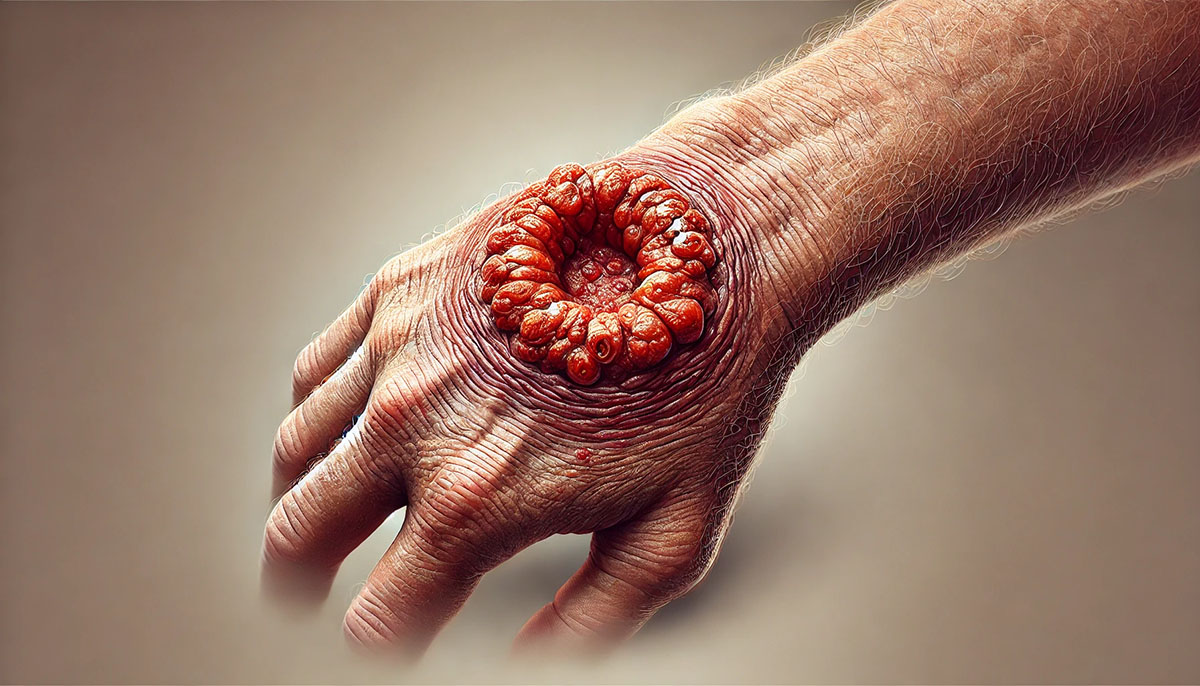
The first symptom of syphilis is a small, painless sore called chancre. It appears at the site of bacterial invasion—that is, around the genitals, rectum, or mouth. It is firm, round, and painless; thus, it may easily be overlooked. This stage, which lasts from 3 to 6 weeks, may heal by itself, but the disease has remained in the body without its treatment.
Secondary Syphilis
Syphilis, if left untreated in the primary stage, progresses to the disease of secondary syphilis. In the course of this disease, one finds skin rashes and mucous membrane lesions. The rash may appear anywhere on the body but is most frequent on the palms of the hand and soles of the feet. Other symptoms and signs of the infection include:
Fever
Swollen lymph nodes
Sore throat
Patchy hair loss
Headaches
Weight loss
Muscle ache
Fatigue
Symptoms may disappear spontaneously without treatment; however, this will not prevent the infection from progressing to latent and perhaps the tertiary stages.
Latent Syphilis
The latent stage is one where the syphilis is within the body and fails to visibly manifest its presence through symptoms. Further, it can persist in this manner for a long period. During this latency period, the disease is destructive to the organs of the body, and on advancing to tertiary syphilis, this can be of serious consequence.
Tertiary Syphilis
Tertiary syphilis is the most serious stage and can occur anywhere from 10 to 30 years after the initial infection. Several organ systems may be involved in this stage, including:
Heart
Blood vessels
Brain
Nerves
Eyes
Liver
Bones
Joints
In this stage of tertiary syphilis, damage to the various body systems can result in some of the most serious complications, including blindness, dementia, paralysis, and death.
Syphilis and Its Effects on Different Parts of the Human Body
Syphilis can occur on any part of the body, but depending on the stage, it may be:
Genitals: The primary ulcer most commonly appears at the site of entry of the bacteria into the genitals.
Oral/Throat: There may be sores in the mouth or throat, occasionally, especially in an oral sexual relationship.
Skin: The rash of the second stage may occur anywhere on the skin and may include the palmar surface of the hands and the soles of the feet.
Internal Organs: It destroys the internal organs, such as heart, liver, and blood vessels in tertiary syphilis.
Nervous System: Neurosyphilis, tertiary syphilis, can affect the nervous system and lead to serious neurological complications.
Less Common Manifestation of Syphilis
While the infection is more noted for the characteristic sores and rashes, there are some other less common symptoms of this infection which do tend to make its diagnosis difficult. These include:
Gummas: Soft tumor-like growths that may appear in the skin, bones, liver, and other organs.
The infection may rarely cause hearing loss, although this is so in the case when infection has spread to the ears.
Vision Problems: Generally, vision problems, such as blindness, might take place due to ocular syphilis.
Cardiovascular Problems: The tertiary form of syphilis has the ability to cause cardiovascular damage and may ultimately result in aneurysms or heart valve disease.
The Importance of Early Detection and Testing
Syphilis can be serious, and testing early is critical. If you think you have been exposed to syphilis, especially if you are having such symptoms as burning, sores, or a rash, get tested for syphilis. Fortunately, syphilis is curable; treatment generally consists of a course of antibiotics, including penicillin.
STD Self-Testing Kits
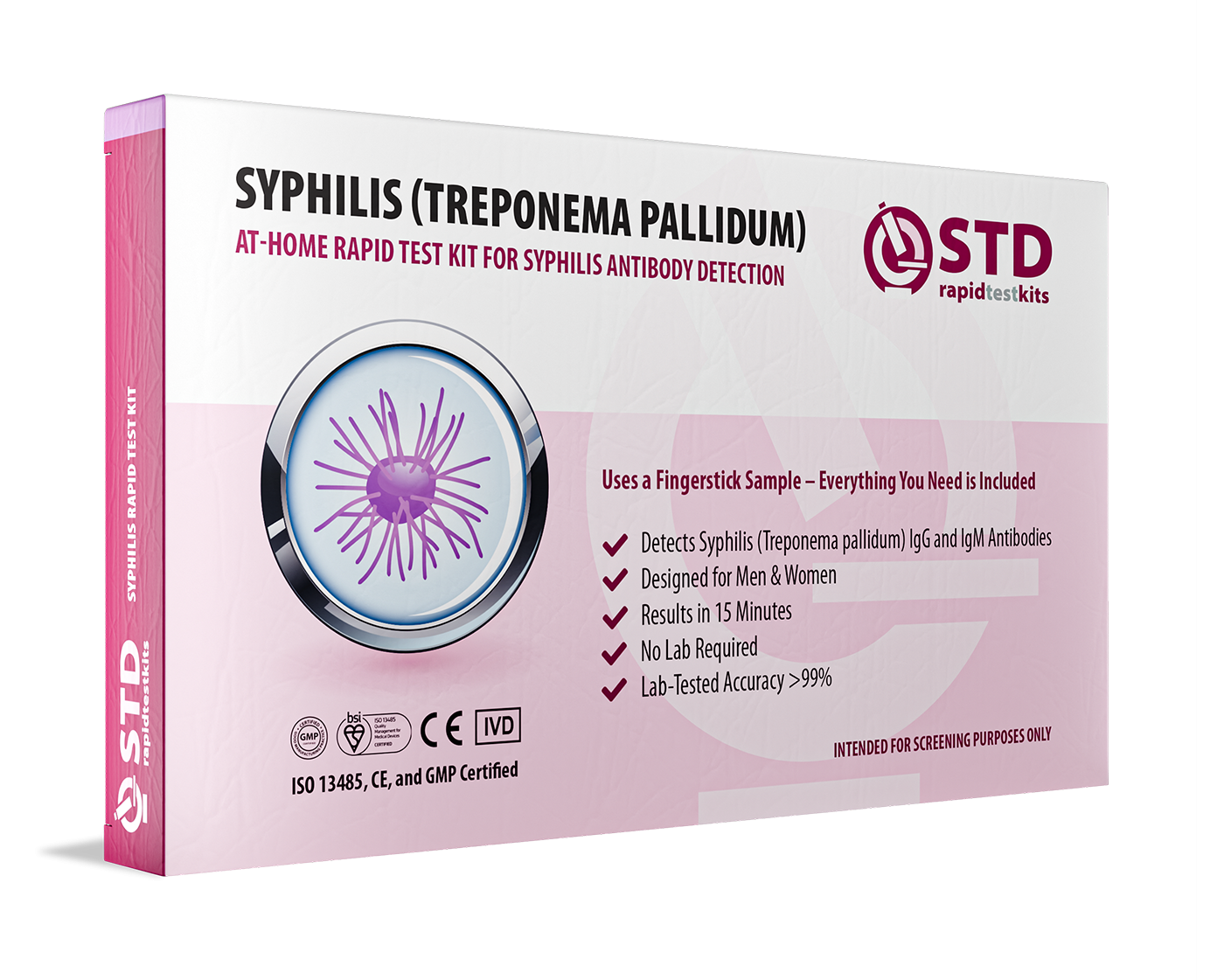
The testing kits give one privacy in the comfort of his home; they are quick, and results are always accurate if one has contracted an infection. The testing kit for syphilis will help a person know whether he or she has been infected and thus seek immediate treatment to stop the infection from going into another stage.
"Self-testing kits for STDs, including syphilis, are a very superior option for early detection."
Apart from syphilis testing kits, other common STD testing kits are for diagnosing chlamydia, gonorrhea, and hepatitis. They are quite easy to operate, and the results come out in just a few minutes. Testing is important, especially when you have different sexual partners or you enjoy unprotected sex for the sake of your health and that of your partner.
In case your test results prove you indeed have syphilis, your doctor will further prescribe antibiotics to rid you of the infection. The most usual treatment for syphilis includes penicillin, which is super-effective once the medication has been given in the early stages of the disease. In cases where a person is allergic to penicillin, a doctor may consider other antibiotics such as doxycycline or tetracycline.
It is also necessary to inform the sexual partners so testing and treatment can be given when needed. In addition to that, follow-up blood tests may commonly be recommended just to make sure that the infection has totally disappeared.
Get Tested to Protect Your Health
A burning sensation after unprotected sex can be a warning that syphilis or some other STD has been contracted. Being able to identify signs and risk factors for syphilis, one may diagnose it early and thus seek treatment. Through the self-testing kits for STDs, you are free with your sexual health to detect the infection while there is still time before serious damage has been caused in your body.
Don't wait any longer; get tested today if you're showing symptoms or have been exposed to a certain STD, and start working at protecting your health and well-being.







 For Men & Women
 Results in Minutes
 No Lab Needed
 Private & Discreet