Is It Possible to Contract an STI Without Ejaculation?
STIs are generally one of the least considered issues when one is getting ready to enter a new sexual relationship. One of the most frequently asked questions is whether or not an STI can be contracted without ejaculation. This article shall answer that and provide you with very important information you can use to help in protection against STIs.
08 October 2024
4 min read
3596
How STIs Are Transmitted
STIs are typically spread by sexual contact, which, for many people, includes vaginal, oral, and anal sex. However, STIs can be transmitted without having what most people ordinarily think of as "full" intercourse. An STI can be passed through the exchange of an infected person's bodily fluids—semen, vaginal fluid, blood, and breast milk—via shared sex toys or skin-to-skin contact during intimate touching. Some STIs can be passed from an infected mother to her child during pregnancy or childbirth.
Transmission: With or Without Ejaculation?
Contrary to the myth, STIs can be contracted without ejaculation. While a person's risk does increase with ejaculation, other bodily fluids, such as vaginal fluid, pre-ejaculate, or pre-cum, and blood can transmit STIs. Skin-to-skin or genital-to-genital contact can also facilitate transmission of other STIs.
The Pulling Out Fallacy
Pulling out before ejaculation is no way a foolproof method against acquiring sexually transmitted infections. This is because infectious material may be found in bodily fluids from pre-cum and vaginal fluid. Pulling out also does not prevent skin-to-skin contact that may also lead to transmission of sexually transmitted infections.
Is One Exposure Enough?
STI infection can occur after just one sexual encounter. However, the more exposures you have, the greater the risk of infection becomes. Thus, the more one is exposed to a certain virus, bacteria, or parasite, the more likely the chances of infection are.
Greatest Risk Factors of STIs
While anyone who is sexually active can be diagnosed with an STI, there exist a few factors that further increase the risk of infection. These include:
Multiple sexual partners
Ignoring use of condoms and dental dams
Abuse of drugs intravenously
Poor immune system
Having unprotected sex with a person suffering from an STI
Successful Prevention Methods Against STIs
Abstinence is the surest way of protecting yourself from contracting STIs. However, if sexually active, most decrease the rates of STI transmission by using condoms or dental dams during sex. This acts as a very good protective barrier for contact that reduces the chances of transmitting an STI. Open dialogues on sexual health with one's current or potential partners also go a long way in mitigating risks. Prior regular STI testing before sexual contact is quite prudent in protecting one's health.
Myth-Busting: Ejaculation Is Not Compulsory
Many of them also labor under the misapprehension that one has to ejaculate to cause STIs. That is a complete and utter lie. STIs are passed through other body fluids and skin-to-skin contacts, not from the fluids of ejaculation or seminal fluids alone. For example, certain STIs like herpes and HPV are contracted by mere skin and mucous membrane contact or abrasion and do not require ejaculation at all.
Pre-Ejaculate Fluid and the Transmission of STIs
Another thing to consider is pre-ejaculate fluid, also more commonly known as "pre-cum". It's a clear, lubricating fluid that the penis can emit prior to ejaculation. The fluid itself may contain infectious agents that can give someone an STI, so even without the occurrence of an ejaculation, there's still a risk of getting the infection.
The Role of STI Symptoms
It is essential to note that whether symptoms are present or not doesn't correlate with whether one can transmit an STI. Most STIs are asymptomatic and will not show symptoms at times. For this reason, one can be infected and pass a given infection to another person even when ejaculation may or may not occur.
Unprotected Sex and STI Risk
The risk of an STI is greatly increased if the sex involves ejaculation and/or no protection. Condoms and dental dams are kinds of protection that prevent the sharing of bodily fluids as well as limit skin-to-skin contact, minimizing the chance of acquiring STIs.
STI Testing: How and Why to Get Tested
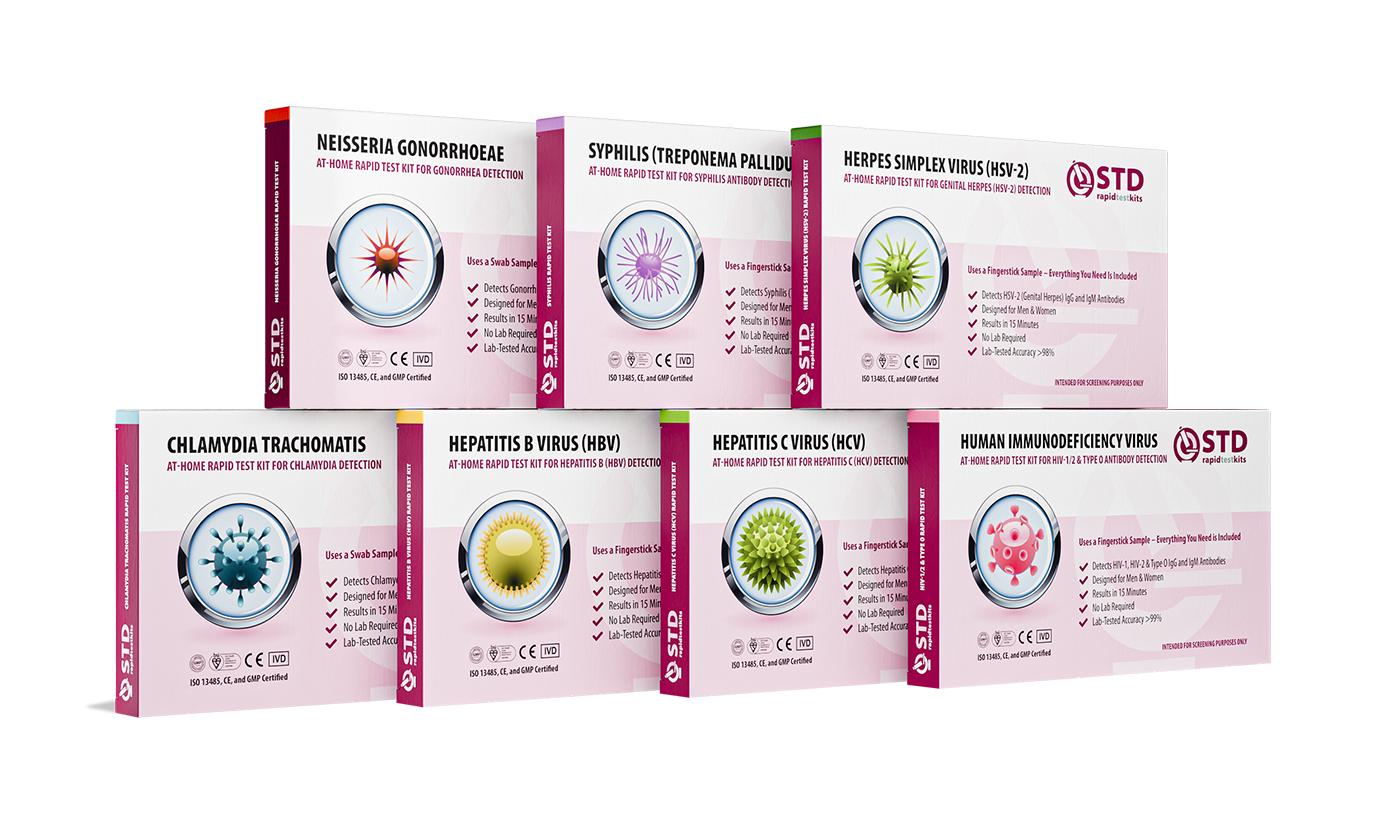
Regular STI testing is part of good sexual health maintenance if your sex involves semen. STDRapidtestkits.com offers do-it-yourself testing kits that provide results in minutes and allow the convenience of testing at home, privately. Many STIs have no symptoms for a long period of time, so early detection and treatment are important. It helps not only in early identification for effective treatment but also in preventing the further spread of the infection. Moreover, you can take charge of your health and prevention of STI transmission through trusted services like STDRapidtestkits.com.








 For Men & Women
 Results in Minutes
 No Lab Needed
 Private & Discreet


