Chlamydia is a quiet, sometimes symptomless infection that can cause serious health complications if not treated. Despite the fact that it can remain asymptomatic, it is necessary to learn about the implications of this STD, particularly for women.
08 October 2024
6 min read
3134
Unmasking Chlamydia: An Overview
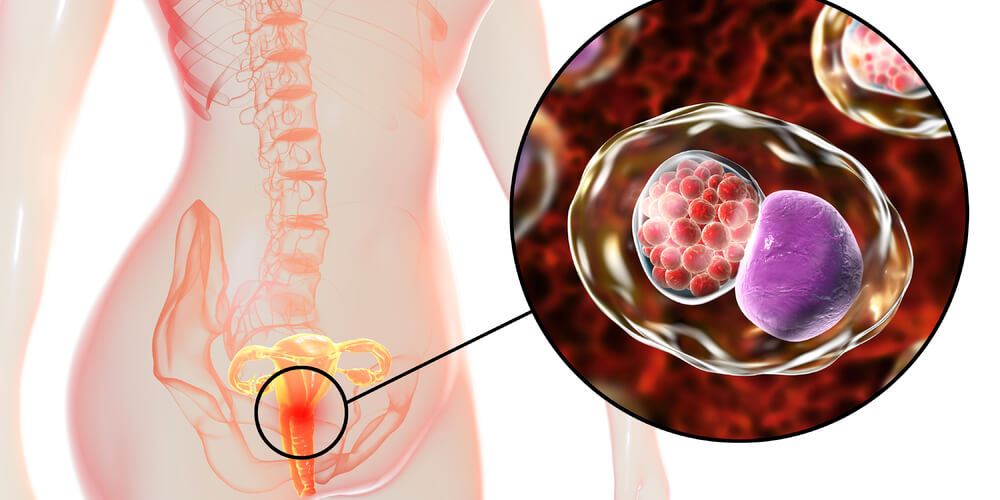
Chlamydia is an STD brought about by a bacterium known as Chlamydia trachomatis. This disease is one of the most common STDs, and it is approximated that 2.9 million Americans are infected annually. The mode of transmission is through anal, vaginal, and oral sex. People of both sexes can easily get infected with this disease, but this does not imply that its infection rate is equivalent among the two sexes. Therefore, its incidence is strikingly high among females aged between 15 and 24 years. The Centers for Disease Control and Prevention proposes annual chlamydia and gonorrhea testing for all women who are sexually active and under the age of 25.
Since reinfection can occur, no immunity is ever established against chlamydia. The disease therefore requires continued attention and safe sex practices, including consistent usage of condoms to reduce the risk of reinfection.
Easy, Private, and Fast STD Testing
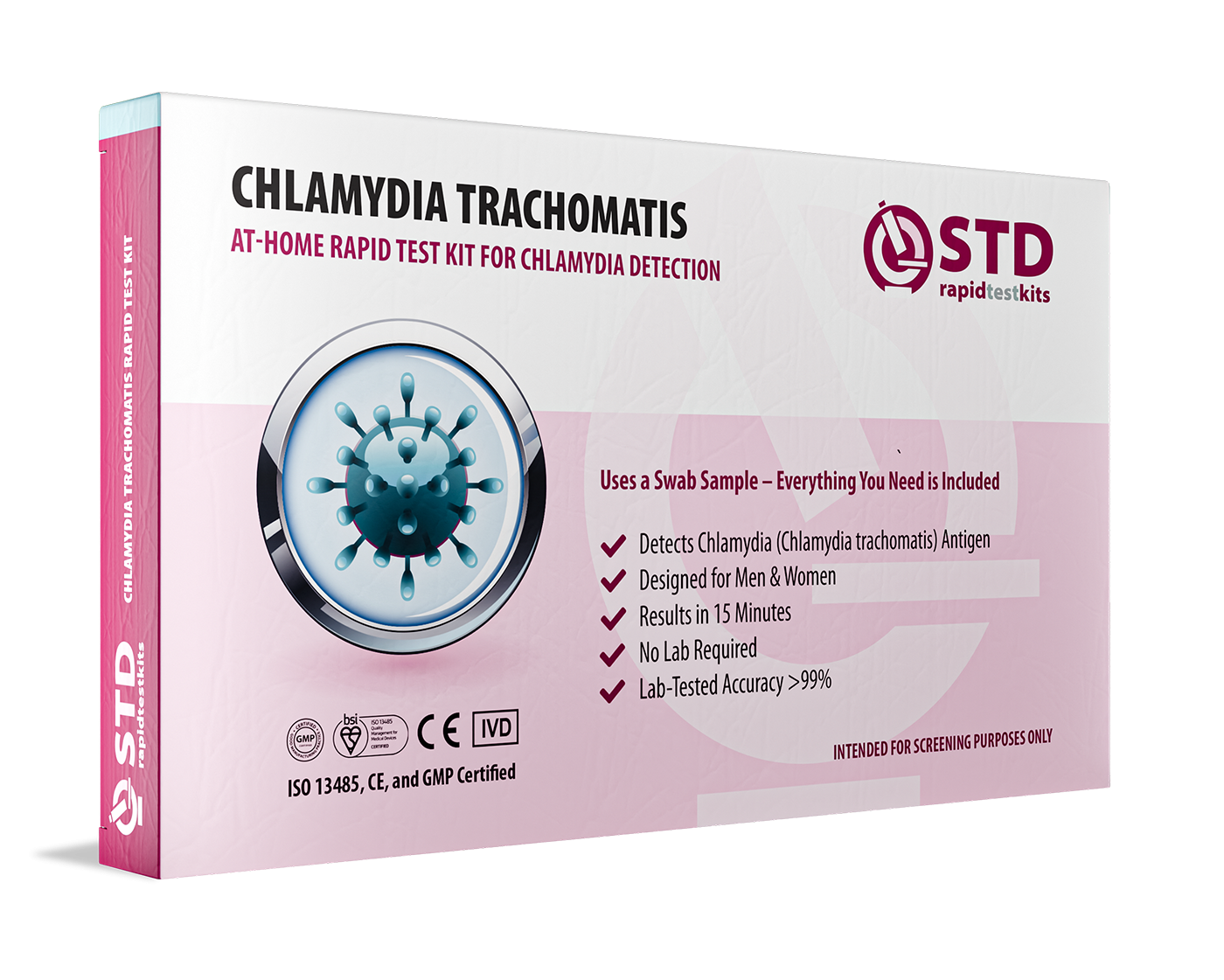
STDRapidTestKits.com offers a Chlamydia & Gonorrhea Test that can be taken in the privacy of one's home. This test kit is a convenient and private alternative to traditional testing, confidentially providing results within days through our secure online portal. This product is part of a six-panel test for common sexually transmitted infections.
However, not all women with chlamydia exhibit symptoms. Since most of its symptoms can be mistaken for other conditions, the only sure diagnosis of chlamydia is by testing.
The Detailed Analysis of Symptoms of Chlamydia
The symptoms of chlamydia are rather nonspecific, hence, the disease is easily mistaken for something else; therefore, this STD is usually underdiagnosed. Symptoms may take a few weeks to show up after being infected, and they vary in severity from person to person.
Abnormal Vaginal Discharge: For most women, a clear or milky discharge is normal. When chlamydia changes the color, consistency, or smell, this means infection may be present. The yellowish or strong-smelling discharge can be observed by the infected individual.
Dysuria: Pain or burning while urinating, also known as dysuria, is a possible symptom of chlamydia infection. This symptom alone occurs in so many types of urinary conditions that great caution is needed to avoid self-diagnosis and instead seek professional medical attention.
Abdominal or Pelvic Pain: One symptom for some women with chlamydia includes lower abdominal or pelvic pain. The pain may be mild or sharp and also fluctuate between constant and on-and-off pain. It is often mistaken for menstrual cramps, yet ongoing discomfort could mean chlamydia.
Dyspareunia: Painful intercourse, or dyspareunia, is another symptom of chlamydia. Pain during or after sexual intercourse may also occur.
Inter-menstrual and Post-coital Bleeding: Abnormal bleeding from females is one of the most common symptoms of chlamydia. This manifests through bleeding between periods and bleeding after intercourse. These bleeding patterns should never be ignored and must be consulted immediately with a doctor.
Understanding Asymptomatic Chlamydia
Asymptomatic chlamydia is one of the most highly prevalent STIs. This is because in almost 70-80% of cases, women do not exhibit symptoms, making recognition and subsequent treatment difficult. If left untreated, this silent progression might lead to serious complications such as PID and infertility. This calls for routine screening among sexually active individuals, especially those in high-risk categories, as a necessary measure needed to counteract the silent spread of infection.
Health Hazards of Chlamydia in Women
Pelvic Inflammatory Disease (PID): If left unattended, chlamydia can spread beyond the urogenital tract to the uterus, fallopian tubes, or ovaries, causing PID. Symptoms of PID are similar to chlamydia and include bleeding between periods or after sex, lower abdominal pain, fever or chills, painful urination, abnormal vaginal discharge, and painful sex.
Ectopic Pregnancy: An ectopic pregnancy occurs when a fertilized egg attaches itself outside the uterus—usually on the cervix or ovaries. A pregnancy of this kind is non-viable and may rupture the fallopian tube or cause internal bleeding, necessitating immediate treatment or surgery.
The CDC recommends screening for chlamydia and gonorrhea in all pregnant women less than 25 years of age. It extends this recommendation to pregnant women aged over 25 years with any one of several risk factors, including having multiple sexual partners or a new sexual partner.
When to Seek Medical Attention
Since most people with chlamydia are asymptomatic, periodic testing is especially important for sexually active younger women and men, especially those under 25 years and those with a new or multiple sexual partners. If you have any of the symptoms described above or if you have a sexual partner who has been diagnosed with chlamydia, see a healthcare provider about getting tested. The sooner you get tested and treated, the less likely you will experience long-term complications or pass the infection on to others.
Treating Chlamydia
Treatment for chlamydia is based upon antibiotics prescribed by a health care professional. An infected patient should take the full treatment of medication, even after symptoms disappear. A repeat test may be ordered by a health professional to make sure the infection has been treated and cured.
Chlamydia FAQs
How is Chlamydia Like Gonorrhea? Like chlamydia, gonorrhea is a bacterial STD that can result in the same symptoms and health complications, including PID. Symptoms of gonorrhea in women can include painful urination, abnormal vaginal discharge, and bleeding between periods.
Can Chlamydia Affect Fertility in Women? If left untreated, chlamydia can lead to complications such as PID in women, which may further result in infertility. It is estimated that 10-40% of women with a history of untreated chlamydia and gonorrhea infections develop infertility due to PID. Thus, early diagnosis and treatment of these sexually transmitted infections are of vital importance for maintaining reproductive health.
It is important that all sexually active people know its symptoms, risks, and treatment. Thanks to STDRapidTestKits.com, confidential, easy, fast testing is at your fingertips to protect yourself from this silent condition. Testing regularly and practicing safe sex may protect you from some real disastrous health consequences brought on by untreated chlamydia.







 For Men & Women
 Results in Minutes
 No Lab Needed
 Private & Discreet


