Chronic Sore Throat Might Be a Symptom of Infection with an STD or STI
Sore throats are a common issue that usually cures itself. In some instances, though, a lingering sore throat can be indicative of something worse. STDRapidTestKits.com is going to dive into a deeper analysis regarding the connection between sore throats and STD/STI infections. We will try to show several symptoms and possible causes of the prolonged sore throat, describe home remedies that could work, teach when one needs professional medical help, and many other things.
08 October 2024
6 min read
14299
Revealing the Signs and Symptoms of a Sore Throat
Everyone experiences different sore throat issues. The symptoms all are different because the actual cause of the issue differs. Typically, someone who has a sore throat might have the following symptoms:
A lingering pain in the throat
Swallowing painful or difficult
Difficulty swallowing
Swollen neck and jaw glands
Red tonsils
White patches or pus on or around tonsils
Hoarseness or muffled voice
Signs Something More May Be Causing Your Sore Throat
Depending on whether it's an infection that's causing your sore throat, you may also develop any of the following symptoms:
Fever
Cough
Runny nose
Sneezing
Body aches
Headaches
Nausea or vomiting
Unraveling the Possible Causes of Sore Throats
Viral Infections
Common culprits for sore throats include viral infections: the common cold, flu, mono, measles, chickenpox, and croup. The Centers for Disease Control and Prevention indicates that COVID-19-mostly caused by the SARS-CoV-2 virus-is a possible cause of developing a sore throat.
Sore Throats and HIV Infections
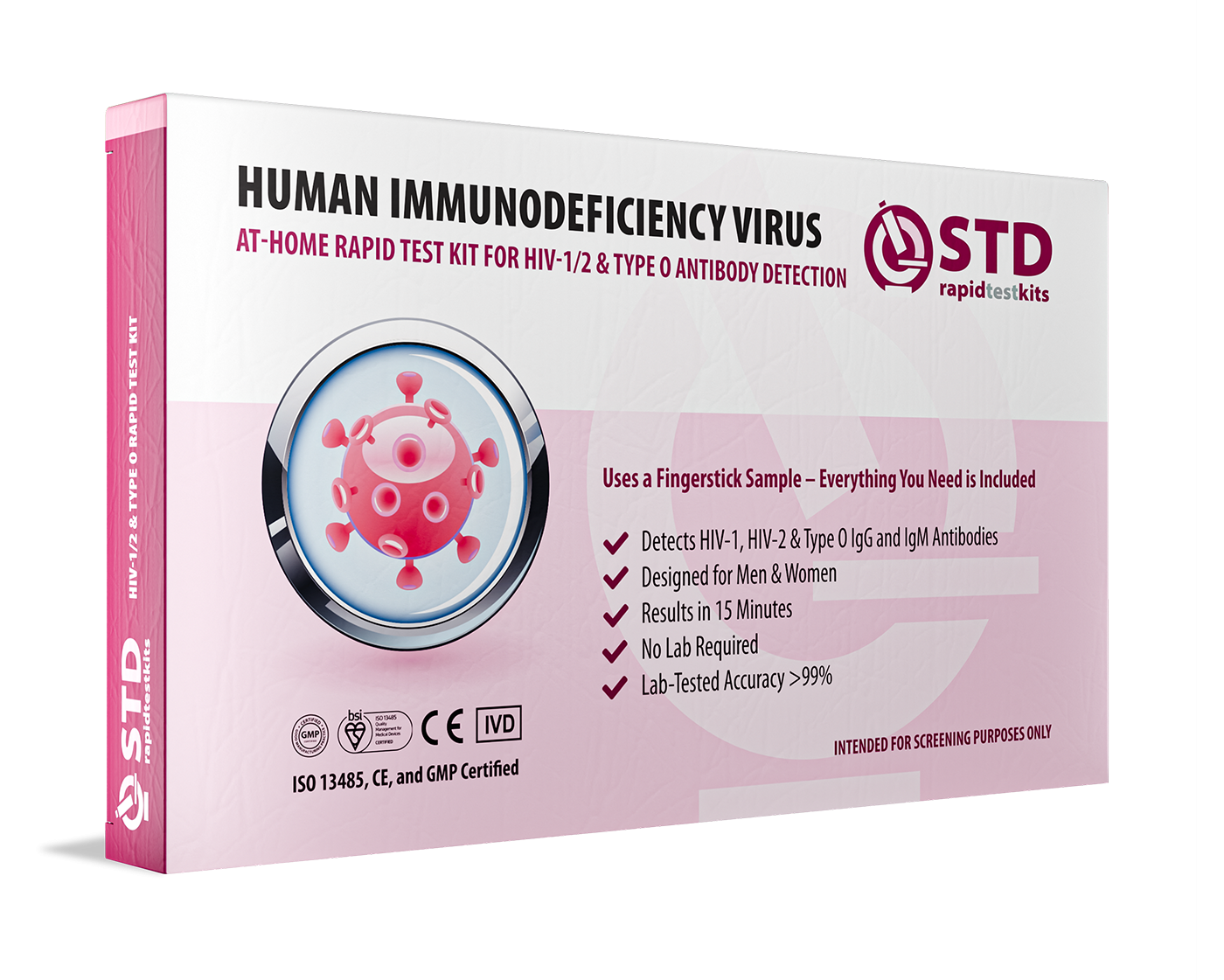
The human immunodeficiency virus, or HIV, can also be responsible for a sore throat and flu symptoms. In patients with HIV, oral thrush, a fungal infection, may extend their case of sore throat. If not treated, HIV can destroy the immune system and bring about AIDS. This is why, if you encounter early symptoms of HIV, it would be a good idea to get yourself tested. A discreet, convenient test for discovering your HIV status in the privacy of your own home is available at STDRapidTestKits.com.
Several bacterial infections may cause a sore throat, but the most frequent cause of a sore throat is by Streptococcus pyogenes that causes strep throat infection. The symptoms of strep throat infection include a sore throat, pain while swallowing, fever, red and swollen tonsils with white patches, small red spots on the roof of the mouth, and swollen lymph nodes located in the front of the neck. The throat may also be painful from other types of bacterial infections such as tonsillitis and adenoiditis.
Whooping Cough
Whooping cough, also called pertussis, a bacterial infection, also results in a sore throat when the infection begins. The infection is transmitted from person to person through droplets that become airborne or by close contact with the infected person. A mild, dry cough usually appears a day or two after the sore throat.
Allergies
If you have allergies to something such as mold, dust, pollen, or your pet's dander, an allergy attack can cause your throat to become sore. Allergies can also trigger postnasal drip that may irritate the throat.
Dry Air and Nasal Congestion
Dry air irritates the throat while chronic nasal congestion causes continued dry sore throat as the sufferer usually breathes through their mouth.
Epiglottitis
Epiglottitis is an inflammation of the tissue flap at the back of your throat that can cause severe pain and difficulty swallowing and breathing.
Irritants
Repeated exposure to irritants such as cigarette smoke, excessive alcohol consumption, and ongoing yelling can cause chronic sore throats. Also, smoking and exposure to second-hand smoke increases your risk for oral, throat, and voice box cancers.
GERD
GERD is a digestive condition wherein stomach acid goes backward into your esophagus and may cause a sore throat. Other symptoms may include a burning sensation in your throat and in your chest, hoarseness, acid taste in your mouth, a sensation of a lump in your throat, and regurgitation.
Home Remedies to Soothe a Sore Throat
In case one has a sore throat, the following home remedies may help soothe it by trying one or more of the following:
Fluids: Take in warm fluids, like chicken broth or tea, which are believed to help bring up mucous and soothe an irritated throat. If cold fluids feel more tolerable, sip a glass of ice water.
Gargling: Gargling with salt water diminishes swelling and inflammation in the throat. Another effective option is baking soda; it can help dissolve mucus and, on occasion, contribute to the control of acid reflux.
Steam: Steam can help calm a dry throat and loosen mucus. The same might be achieved with a hot shower.
Throat Lozenges: These are candies one can take that dissolve in your mouth and coat an irritated throat. Having ice cubes or hard candy to suck on can have a similar effect.
Rest: Sleep and lie down in a position one feels comfortable in, with the head being propped up in order to relieve some pressure off the throat's back. Your voice needs some rest, too.
How to Prevent Sore Throat: Some Useful Proactive Tips
The best way to avoid sore throats is minimizing exposure to germs. Following are some practical ways:
Wash your hands thoroughly- especially when in public places
Never share utensils for eating and personal items.
Always cough or sneeze into your elbow or a tissue, then properly dispose of it
Carry hand sanitizer with you when soap and water aren't available
When to Seek Medical Attention
American Academy of Otolaryngology -Head and Neck Surgery advises that the following symptoms might require a visit to a doctor:
Sore throat that is severe, and lasts more than one week
Difficulty swallowing or breathing
Pain when you try to open your mouth wide, or moving your jaw ache
Joint pain or ear pain
Rash
Fever above 101° F (38.3° C)
Blood in your saliva or mucus
Repeated episodes of sore throat
Lumps on your neck
Hoarseness lasting over two weeks
Swollen face and neck
While some sore throats do not need medical treatment, you should see your health expert when symptoms are not getting better or are getting worse, or when you have weakened immunity due to HIV, chemotherapy, or other medicines that lower immunity.
Seek immediate medical attention if:
Your symptoms are severe, or you're getting worse fast
You're having difficulty breathing
You make a high-pitched sound with each breath-known as stridor
You have difficulty swallowing
Closing Thoughts
A sore throat can be caused by almost anything, from minor irritants up to life-threatening infections such as HIV. If you are unsure about your recurring sore throat, best to consult your health professional. And, for peace of mind, if you experience HIV symptoms along with your sore throat, take an at-home HIV test at STDRapidTestKits.com.








 For Men & Women
 Results in Minutes
 No Lab Needed
 Private & Discreet


