







Last updated: March 2026
Yes, you can still have sex after an STD diagnosis, but timing and protection matter more than most people realize. The real question isn’t “can you,” it’s “when is it actually safe?”
Getting diagnosed with an STD can feel like your sex life just hit pause. For a lot of people, the first thought isn’t even about treatment, it’s: “Does this mean I can’t have sex anymore?” The answer is much more nuanced than a simple yes or no. Some infections clear quickly with treatment, others stay in your body long-term, and each one changes what “safe” actually means in a slightly different way.
Here’s the direct answer: you can have sex after an STD diagnosis, but only once you’re no longer contagious or you’ve taken steps to reduce transmission risk. That timing depends on the specific infection, how it behaves in your body, and whether treatment has fully done its job. Jumping back in too early is one of the most common ways people accidentally pass infections to partners, or end up reinfecting themselves.

People are also reading: How to Feel Sexy Again After Testing Positive for an STD
Can You Have Sex After an STD Diagnosis at All?
Short answer: yes, but not immediately, and not without understanding what’s going on in your body.
One of the biggest misconceptions about STDs is that a diagnosis somehow permanently shuts down your sex life. It doesn’t. What it does is introduce a temporary (and sometimes ongoing) need to manage risk. The difference between “safe” and “risky” sex after an STD comes down to whether the infection is still active and transmissible at the moment you’re having sex.
Picture the moment most people are in: you’ve just seen your test result, maybe sitting on your phone screen, and now you’re replaying your last sexual encounter while also wondering about the next one. The instinct is to either panic and avoid sex completely, or assume treatment will fix everything instantly. Neither is accurate. The reality sits right in the middle.
Biologically, an STD is considered transmissible when enough of the pathogen, bacteria, virus, or parasite, is present in bodily fluids or skin tissue to pass to another person. That means even if you feel completely normal, you can still be contagious. And on the flip side, symptoms going away doesn’t always mean the infection is gone.
For example, infections like chlamydia and gonorrhea are caused by bacteria that live in mucosal tissues, the urethra, cervix, throat, or rectum. Treatment works by eliminating those bacteria, but it takes time for the antibiotics to fully clear the infection from your system. During that window, sex can still spread it.
Things are different when it comes to viral infections like HIV or herpes. The virus stays in your body for a long time, but how likely you are to spread it depends on how active it is. Some people with herpes can go a long time without passing it on, while others can do so when the virus is shedding or during active outbreaks.
The key takeaway here is simple but important: having an STD doesn’t mean “no sex.” It means your timing, awareness, and decisions matter a lot more than before.
When Are You Actually Contagious? (The Biology Explained)
This is where things get real, because “feeling fine” has almost nothing to do with whether you’re contagious.
Contagiousness depends on whether the infection is actively present in a form that can transfer to another person. For most STDs, that means one of two things is happening: either the pathogen is present in bodily fluids (like semen, vaginal fluid, or blood), or it’s active on the skin or mucosal surfaces where contact happens during sex.
Chlamydia and gonorrhea are two examples. These bacteria can get inside the cells that line the urinary and reproductive tracts. They make copies of themselves inside those cells, and when there are enough of them, they can be passed on during sexual contact. Even if symptoms like burning or discharge go away, the bacteria may still be there unless treatment has completely gotten rid of them.
Now, think about herpes. The herpes simplex virus acts very differently; it hides in nerve cells and can wake up at any time. When it comes back to life, it moves to the skin and can cause sores that are easy to see. But here’s the part most people don’t realize: transmission can also happen during “asymptomatic shedding,” when the virus is present on the skin without visible symptoms. According to research published via the NCBI, asymptomatic shedding is a major reason herpes spreads even when people think they’re in the clear.
HIV works differently again. It’s transmitted through blood and certain bodily fluids, and contagiousness is directly tied to viral load, the amount of virus in the bloodstream. When treatment lowers the viral load to levels that can't be found, the risk of transmission drops to zero. This is a point of agreement among global health organizations like the World Health Organization.
So what does all this mean in real life?
It means contagiousness is not based on guesswork, symptoms, or how long it “feels like it’s been.” It’s based on whether the infection is still biologically active in your body. That’s why timing, especially after treatment or exposure, is everything.
This is also where people get tripped up the most. Someone finishes treatment, feels fine, and assumes they’re no longer contagious. But depending on the infection, there can still be a short window where the pathogen hasn’t been fully cleared, or where reinfection is possible if a partner hasn’t been treated at the same time.
And yes, reinfection is a real thing. If you and a partner both have the same bacterial STD and only one of you gets treated, having sex too soon can pass the infection right back. It’s often called the “ping-pong effect,” and it’s one of the most frustrating (and avoidable) cycles in sexual health.
Understanding contagiousness isn’t about memorizing medical terms, it’s about knowing when your body is actually safe for someone else. That’s the line that defines whether sex is responsible or risky after a diagnosis.
Check Your STD Status in Minutes
Test at Home with Remedium6-in-1 STD Test Kit
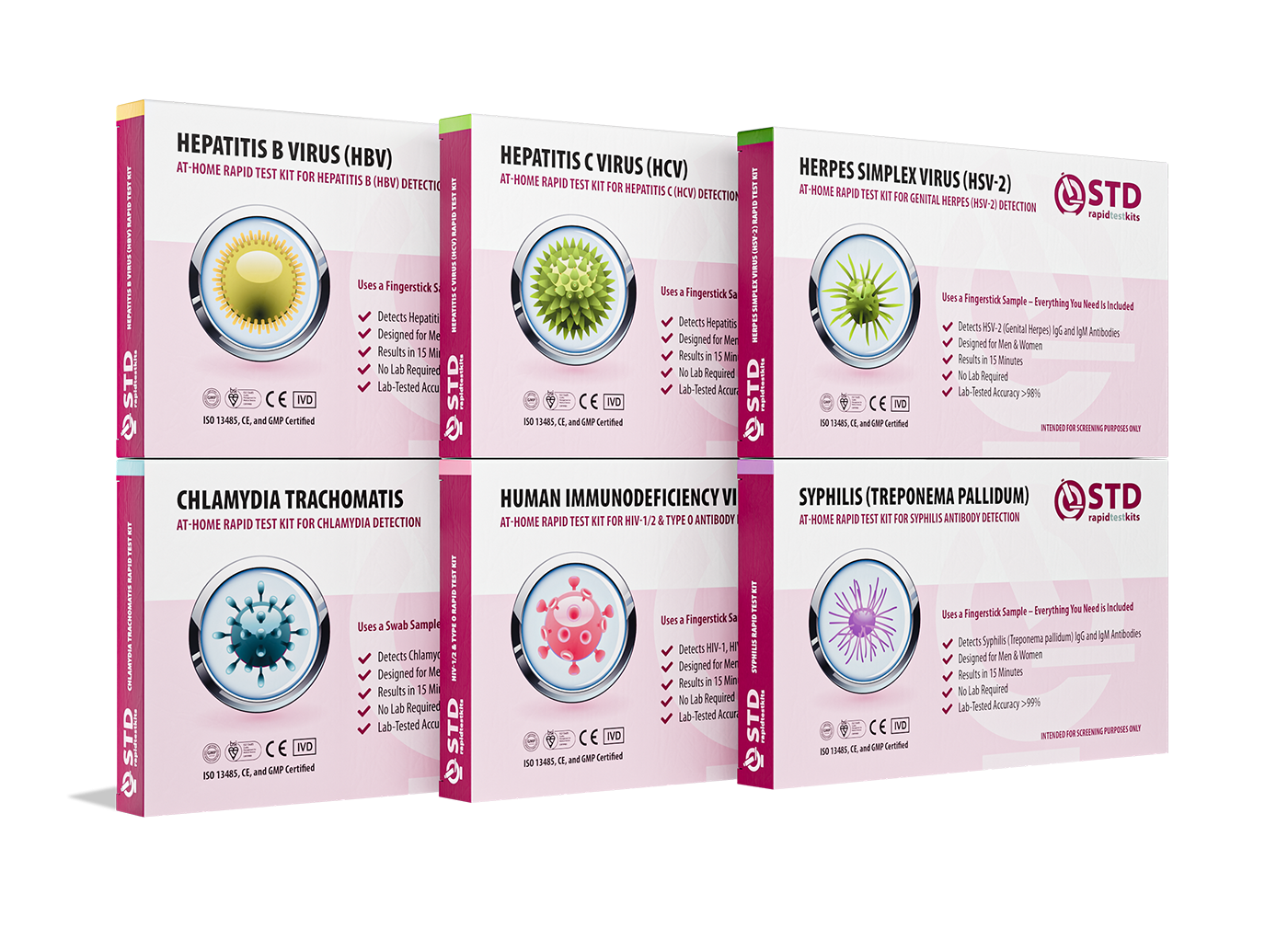
 For Men & Women
 Results in Minutes
 No Lab Needed
 Private & Discreet
Order Now $119.00 $294.00
For all 6 tests
How Long Should You Wait Before Having Sex Again?
This is the part everyone wants a clear answer to, and honestly, it’s where most people get it wrong.
The timing of when you can safely have sex again depends on two things happening in your body: the infection being fully cleared (for bacterial STDs) or the transmission risk being reduced to a controlled level (for viral STDs). That process is not instant, even if treatment starts right away.
For bacterial infections like chlamydia and gonorrhea, treatment works by killing the bacteria, but your body still needs time to fully eliminate them from infected tissues. During that period, even if symptoms fade quickly, the infection can still be present at a microscopic level, meaning it’s still transmissible.
This is why health guidelines consistently recommend waiting before resuming sex. According to public health guidance from the CDC, people treated for infections like chlamydia or gonorrhea should avoid sexual contact until treatment is complete and enough time has passed to ensure the bacteria are gone.
Now here’s where it gets practical. Most people assume “I took the medication, so I’m fine.” But biologically, the infection doesn’t disappear the second treatment begins. There’s a short but important lag between treatment and full clearance, and that’s exactly when transmission risk is still on the table.
Let's make this clearer:
| STD Type | What Determines Safety |
|---|---|
| Chlamydia | After completing treatment and allowing time for bacteria to fully clear from tissues |
| Gonorrhea | After treatment completion and confirmation the infection is no longer present |
| Syphilis | After treatment and follow-up testing confirms response |
| Herpes (HSV-1/HSV-2) | When there are no active outbreaks or skin lesions, the risk is lower outside of shedding periods. |
| HIV | When treatment lowers the viral load to levels that can't be found |
| Hepatitis B/C | It depends on how active the virus is and how well it is being treated. |
There is no one-size-fits-all "wait X days" answer for every STD. That's because each infection acts differently on a biological level.
There’s also a second layer most people don’t think about, your partner. Even if your infection is treated, if your partner hasn’t been tested or treated, you can get reinfected the next time you have sex. This is one of the most common reasons people feel like an STD “came back” when in reality it was passed back and forth.
You can probably picture how this plays out. You feel better, symptoms are gone, things go back to normal, and then a week or two later, the same symptoms show up again. It’s frustrating, confusing, and completely avoidable with proper timing and coordination.
So the real answer to “how long should you wait?” is this:
You wait until the infection is no longer active in your body and any partner involved has also addressed their status. That’s the difference between moving forward safely and restarting the cycle.
At-Home STD Testing, When to Test Before Sex Again
If there’s one thing that gives you actual clarity in this situation, it’s testing. Not guessing, not symptom-checking, testing.
Because here’s the truth most people don’t hear clearly enough: the only way to know if you’re no longer contagious is to confirm what’s happening in your body. And that’s exactly where at-home STD testing becomes incredibly useful, it lets you verify your status without waiting weeks for appointments or second-guessing your symptoms.
Different STDs require different types of tests based on how the infection behaves in the body.
For bacterial infections like chlamydia and gonorrhea, the gold standard is a NAAT (nucleic acid amplification test). This test detects the genetic material of the bacteria, which means it can confirm whether the infection is still present even if symptoms have disappeared.
For viral infections like HIV, syphilis, herpes, and hepatitis, blood tests are used. These tests detect antibodies or viral markers that indicate whether your body has been exposed to or is currently managing an infection.
Timing matters, a lot more than most people expect. If you test too early, your body may not have produced enough detectable markers yet, which can lead to a false negative result. That doesn’t mean you’re clear, it just means the test was taken before your body could show it.
Here are the exact testing windows you need to follow:
- Chlamydia: test from 14 days after exposure
- Gonorrhea: test from 3 weeks after exposure
- Syphilis: test from 6 weeks after exposure
- HIV: test at 6 weeks for first indicator, retest at 12 weeks for certainty
- Herpes HSV-1 and HSV-2: test from 6 weeks after exposure
- Hepatitis B: test from 6 weeks after exposure
- Hepatitis C: test from 8–11 weeks after exposure
This timing is based on how each infection develops inside the body. Chlamydia bacteria, for example, can be found within 14 days because they multiply quickly. HIV, on the other hand, involves a more complex immune response, which is why confirmation requires a longer window.
So what do your results actually mean?
If you tested within the right time frame and got a negative result, it means the test didn't find the infection. There's still a chance the infection is there but not yet detectable if you tested too soon. That’s where retesting comes in.
A positive result means the infection is confirmed. At that point, you should avoid sex that could transmit the infection until it’s been properly managed or treated. This is not about restriction, it’s about preventing transmission and protecting both you and your partner.
Retesting is recommended when there’s a possibility the first test was taken during the window period. Biologically, your body needs time to either accumulate detectable levels of bacteria or produce antibodies. Testing again after that window closes gives you a definitive answer.
If you want clarity without the waiting-room anxiety, using a comprehensive at-home kit like a full-panel STD test allows you to check multiple infections at once. For many people, this is the fastest way to stop the mental spiral and get a clear answer about whether it’s actually safe to move forward.
Because at the end of the day, this isn’t just about “can I have sex again?”, it’s about knowing, with confidence, when you’re not putting someone else at risk.

People are also reading: Bumps, Blisters, or Ulcers? Genital Sores and the STDs Behind Them
Is Sex Ever 100% Safe After an STD?
This is where the conversation gets honest, because “safe” doesn’t always mean “zero risk.”
Even after treatment or during long-term management of an STD, most sexual activity exists on a spectrum of risk, not a binary safe/unsafe switch. The goal isn’t perfection, it’s reducing the chance of transmission as much as realistically possible.
Let's talk about condoms first, since people often think of them as the answer to everything. Condoms are very good at lowering the risk of sexually transmitted diseases (STDs) that spread through bodily fluids, such as chlamydia, gonorrhea, and HIV. That's because they keep infected fluids from touching a partner's mucosal tissues by acting as a physical barrier.
But here’s the nuance most people don’t hear clearly enough: condoms don’t cover all skin. That matters a lot for infections like herpes and HPV, which spread through skin-to-skin contact rather than fluids alone. If the virus is present on an area not covered by a condom, transmission is still possible.
This doesn’t mean protection is pointless, far from it. It just means protection works differently depending on the infection.
| STD Type | Protection Effectiveness |
|---|---|
| Chlamydia / Gonorrhea | High protection with condoms due to fluid-based transmission |
| HIV | Very high protection with condoms; near-zero risk with undetectable viral load |
| Herpes (HSV-1/HSV-2) | Moderate protection; risk remains due to uncovered skin areas |
| HPV | Moderate protection; skin contact can still transmit virus |
| Syphilis | Variable protection depending on sore location |
So when people ask, “Is it ever 100% safe?”, the honest answer is: not always. But it can be very low risk when the right conditions are met.
For example, someone who has completed treatment for a bacterial STD, tested negative afterward, and is using protection is operating at extremely low transmission risk. Similarly, someone living with HIV who has achieved an undetectable viral load cannot sexually transmit the virus, a concept widely known as U=U (Undetectable = Untransmittable), supported by major health organizations.
What matters most is understanding which category your situation falls into. Because once you know that, you’re no longer guessing, you’re making informed decisions.
What Happens If You Have Sex Too Soon?
In this case, a small mistake in timing can make a problem much worse than you thought it would be.
Having sex too soon after an STD diagnosis, especially before treatment has fully worked or before testing confirms you’re clear, can lead to two main outcomes: transmission to your partner, or reinfection back to you.
Transmission is the more obvious one. If the infection is still active in your body, sex provides a direct pathway for it to move into someone else’s system. And because many STDs don’t cause immediate symptoms, your partner might not even realize they’ve been exposed until much later.
But reinfection is the one that catches people off guard.
Here’s how it usually plays out: you get treated, your partner doesn’t (or hasn’t yet), and you resume sex thinking everything is fine. The bacteria or virus is still present in your partner’s body, so it gets passed right back to you. Suddenly, it feels like the infection “didn’t go away”, when in reality, it came right back.
This back-and-forth cycle is incredibly common with infections like chlamydia and gonorrhea. It’s not about treatment failure, it’s about timing and coordination.
There’s also a psychological layer here that’s worth acknowledging. A lot of people feel pressure to “get back to normal” quickly, especially in relationships. But rushing that timeline often creates more stress in the long run, not less.
Think about it this way: waiting a little longer to be sure you’re in the clear is a short-term pause that prevents a long-term loop of confusion, retesting, and repeated treatment.
And if you’re unsure where you stand, this is where testing again, using something like a targeted STD test, can give you a definitive answer before you make that decision.
Check Your STD Status in Minutes
Test at Home with Remedium8-in-1 STD Test Kit
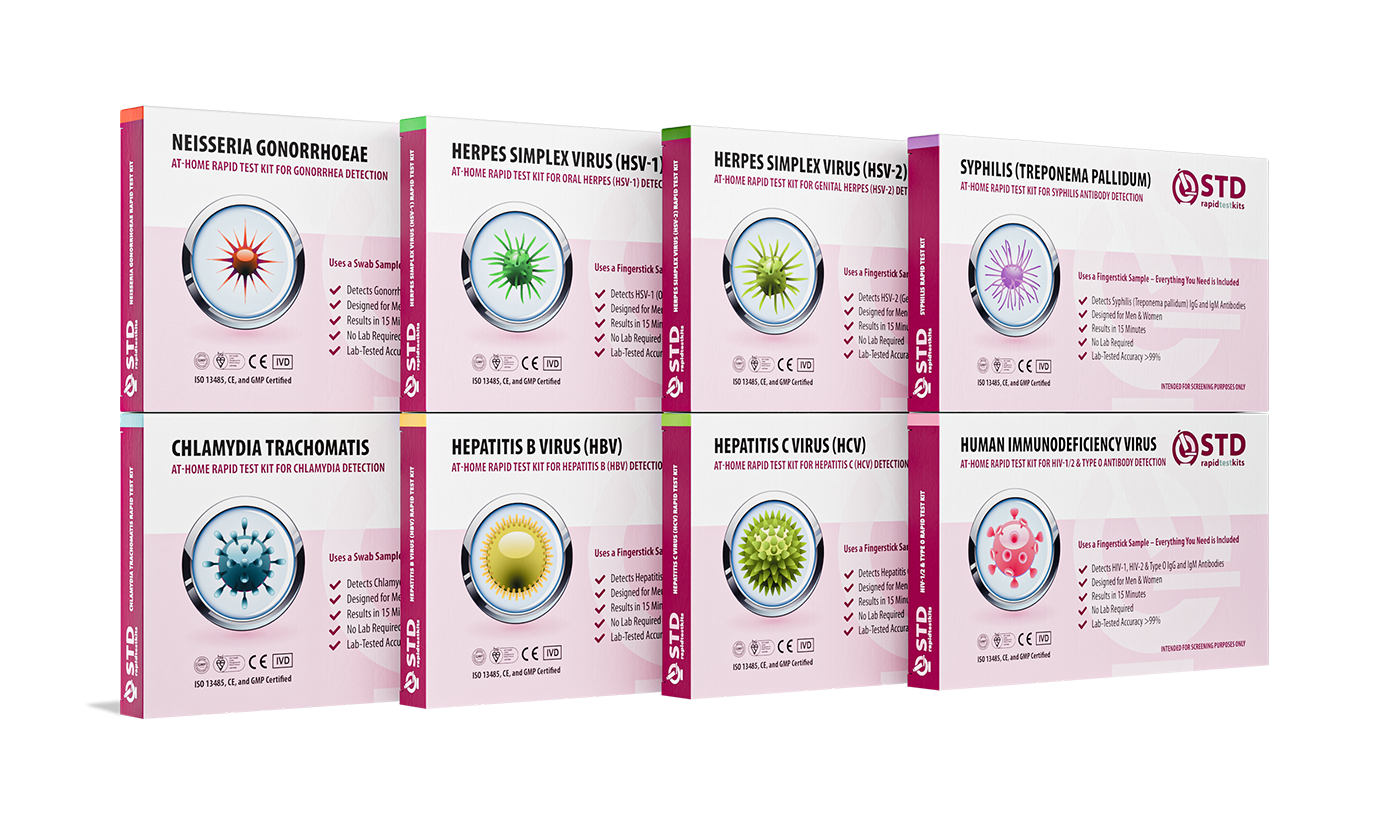 For Men & WomenResults in MinutesNo Lab NeededPrivate & Discreet
Order Now $149.00 $392.00
For all 8 tests
How to Talk to Your Partner Without Making It Weird
This is often the hardest part, not the biology, not the timing, but the conversation.
Telling a partner about an STD diagnosis can feel uncomfortable, but in reality, it’s a normal part of being sexually responsible. And how you approach it makes a huge difference in how it’s received.
Most people imagine this conversation going badly, awkward silence, judgment, or panic. But in real life, it’s usually much more straightforward, especially when you’re clear and factual about what’s going on.
You don’t need a script. You just need clarity.
Something as simple as: “Hey, I got tested recently and found out I have [infection]. I’m taking care of it, but I want to make sure we’re both on the same page before we have sex again.”
That approach does three important things at once. It shows responsibility, it provides information, and it keeps the conversation grounded instead of emotional or vague.
It also shifts the focus from blame to action, which is exactly where it should be. STDs are incredibly common, and most sexually active people will deal with one at some point. The difference isn’t whether it happens, it’s how it’s handled.
If anything, having this conversation early and clearly tends to build trust rather than damage it. It shows that you’re paying attention, that you respect your partner’s health, and that you’re not avoiding reality.
And if the conversation feels awkward? That’s normal too. Most things worth saying in sexual health conversations are a little uncomfortable at first, but they get easier every time you have them.
Because at the end of the day, being able to talk openly about this is part of what actually makes sex safer, not just physically, but relationally too.
By the time you reach this point, the picture should be clearer: sex after an STD diagnosis isn’t off-limits, it just requires timing, awareness, and a couple of smart decisions. Once those pieces are in place, you’re not guessing anymore. You’re in control.
FAQs
1. Can I have sex right after I start STD treatment?
Not yet. This is one of the most common mistakes people make. Starting treatment doesn’t instantly clear the infection, your body still needs time to fully eliminate it. Even if you feel better the next day, you could still pass it on. Give it the proper time to work before jumping back in.
2. If my symptoms are gone, doesn’t that mean I’m safe?
Unfortunately, no. Symptoms are a terrible indicator of whether you’re still contagious. A lot of STDs can hang around quietly even after the obvious signs disappear. So while it feels like you’re in the clear, biologically, you might not be yet.
3. How do I actually know when I’m no longer contagious?
The only way to know for sure is timing plus testing. Finish treatment, wait the appropriate window, and confirm with a test if needed. Guessing based on how you feel is where people accidentally transmit infections.
4. Is using a condom enough if I want to have sex sooner?
It helps, a lot, but it’s not a magic shield. Condoms are very effective for infections spread through fluids, like chlamydia or HIV. But for skin-to-skin infections like herpes or HPV, they don’t cover everything, so some risk can still be there.
5. What actually happens if I have sex too early?
Two main things can happen: you pass the infection to your partner, or you end up right back where you started. That second one surprises people. If your partner hasn’t been treated yet, the infection can bounce right back to you, and suddenly you’re dealing with it all over again.
6. Do both of us really need to get treated?
Yes, this part is non-negotiable. If only one person gets treated, sex can reintroduce the infection immediately. Think of it less like “your issue” or “their issue” and more like a shared loop that needs to be closed on both sides.
7. Be honest, can I still have a normal sex life after this?
Yes, absolutely. This isn’t the end of anything. Most STDs are either fully treatable or manageable. Once you understand your timing and risk, sex goes back to being… just sex. Not a constant worry.
8. Is it okay to have sex while I’m waiting for test results?
It’s better to wait. That in-between period is exactly when people unknowingly pass something on. Waiting might feel frustrating in the moment, but it’s a short pause that prevents a much bigger headache later.
9. Can I get the same STD again after I’ve had it?
Yes, and this catches people off guard. Your body doesn’t build reliable immunity to most STDs. So if you’re exposed again, especially from an untreated partner, you can get reinfected.
10. What’s the smartest way to get back to sex without stressing about it?
Keep it simple: finish treatment, respect the timing, confirm with testing if needed, and use protection where it makes sense. Once you’ve checked those boxes, you’re not guessing anymore, you’re making a clear, informed decision.
Take Control of Your Sexual Health, Know Before You Guess
By now, one thing should be clear: sex after an STD diagnosis isn’t off-limits, but guessing is where people get into trouble. The difference between “probably fine” and actually safe comes down to knowing what’s happening in your body.
If you want that clarity without waiting weeks or second-guessing symptoms, using a comprehensive STD combo test kit lets you check multiple infections at once. If you’re looking for something more specific, you can also explore individual STD tests tailored to your situation.
And if you’re not sure where to start, you can browse all available options directly on the STD Rapid Test Kits homepage. The goal isn’t to create fear, it’s to give you certainty. Because once you know your status, you can move forward without hesitation.
How We Sourced This: Our article was constructed based on current advice from the most prominent public health and medical organizations, and then molded into simple language based on the situations that people actually experience, such as treatment, reinfection by a partner, no-symptom exposure, and the uncomfortable question of whether it “came back.” In the background, our pool of research included more diverse public health advice, clinical advice, and medical references, but the following are the most pertinent and useful for readers who want to verify our claims for themselves.
Sources
1. CDC, Sexually Transmitted Infections Overview
2. WHO, Sexually Transmitted Infections Fact Sheet
4. CDC, STD Treatment Guidelines
7. WHO — The Role of HIV Viral Suppression in Improving Individual Health and Reducing Transmission
About the Author
Dr. F. David, MD is a board-certified infectious disease specialist focused on STI prevention, diagnosis, and treatment. He writes with a direct, sex-positive, stigma-free approach designed to help readers get clear answers without the panic spiral.
Reviewed by: Rapid STD Test Kits Medical Review Team | Last medically reviewed: March 2026
This article is for informational purposes and does not replace medical advice.


