






Quick Answer: Testicle pain is urgent if it’s sudden, severe, or paired with nausea, swelling, or a high-riding testicle. Gradual, mild, or position-dependent pain is more likely non-urgent, but still worth checking, especially if it lasts.
When Pain Hits Out of Nowhere: The Situations You Don’t Wait On
There’s a specific kind of testicle pain that doesn’t ask politely. It shows up suddenly, sharply, and often with enough intensity to stop you mid-sentence. This is the category where instinct matters, because your body is signaling something that may be time-sensitive.
The most critical condition in this category is testicular torsion. This happens when the cord supplying blood to the testicle twists. Blood flow drops off quickly, and without treatment, the tissue can begin to die. It’s not subtle, and it’s not something that improves with rest.
People who experience torsion often describe it the same way: “It went from zero to unbearable in minutes.” The pain may wake you up from sleep. You might notice nausea or even vomiting. One testicle can sit higher than the other or feel like it’s turned at an odd angle.
| Symptom | Why It Matters |
|---|---|
| Sudden, severe pain | Often linked to torsion or acute injury |
| Nausea or vomiting | Common with torsion due to nerve response |
| High-riding or twisted testicle | Classic torsion sign |
| Rapid swelling or redness | Possible infection or trauma |
Other urgent causes include trauma, like a direct hit during sports, and something called an incarcerated hernia, where part of the intestine gets trapped in the groin. These don’t always look dramatic at first, but the pain tends to escalate quickly and doesn’t settle with time.
If your pain fits this pattern, the rule is simple: don’t wait it out. This is ER territory.
People are also reading: How to Tell Someone You Have HSV-1 (Without Losing the Relationship)
The Slow Build: When Pain Creeps In Instead of Exploding
Not all testicle pain arrives like a lightning strike. In fact, a lot of cases start as a dull awareness, something you notice when walking, sitting, or adjusting your position. This slower onset often points toward inflammation or infection rather than a surgical emergency.
One of the most common causes here is epididymitis. That’s inflammation of a small coiled tube behind the testicle, and it’s frequently linked to infections, including sexually transmitted ones like Chlamydia and Gonorrhea.
The difference in how it feels matters. Instead of sharp, instant pain, you get a gradual increase in discomfort. The testicle may feel tender, especially when touched. Some people notice burning during urination or discharge, while others just feel a persistent ache that doesn’t quite go away.
“It wasn’t unbearable. It just kept getting worse over two days until I realized something was off.”
Infections don’t always scream, they often linger. That’s why people delay getting checked, especially when symptoms feel manageable. But untreated infections can lead to complications, including fertility issues in rare cases.
| Pattern | Likely Cause |
|---|---|
| Pain builds over 1–2 days | Infection (epididymitis) |
| Tender behind testicle | Inflamed epididymis |
| Pain improves when lifted | Classic infection sign |
| Burning urination | Possible STI or UTI |
If there’s even a chance your symptoms are infection-related, this is where testing becomes part of the conversation. You can start that process privately with an at-home STD test kit, which helps you move from guessing to knowing without the awkward clinic wait.
Because here’s the truth: guessing wrong is what keeps infections around longer than they should be.
Check Your STD Status in Minutes
Test at Home with Remedium7-in-1 STD Test Kit
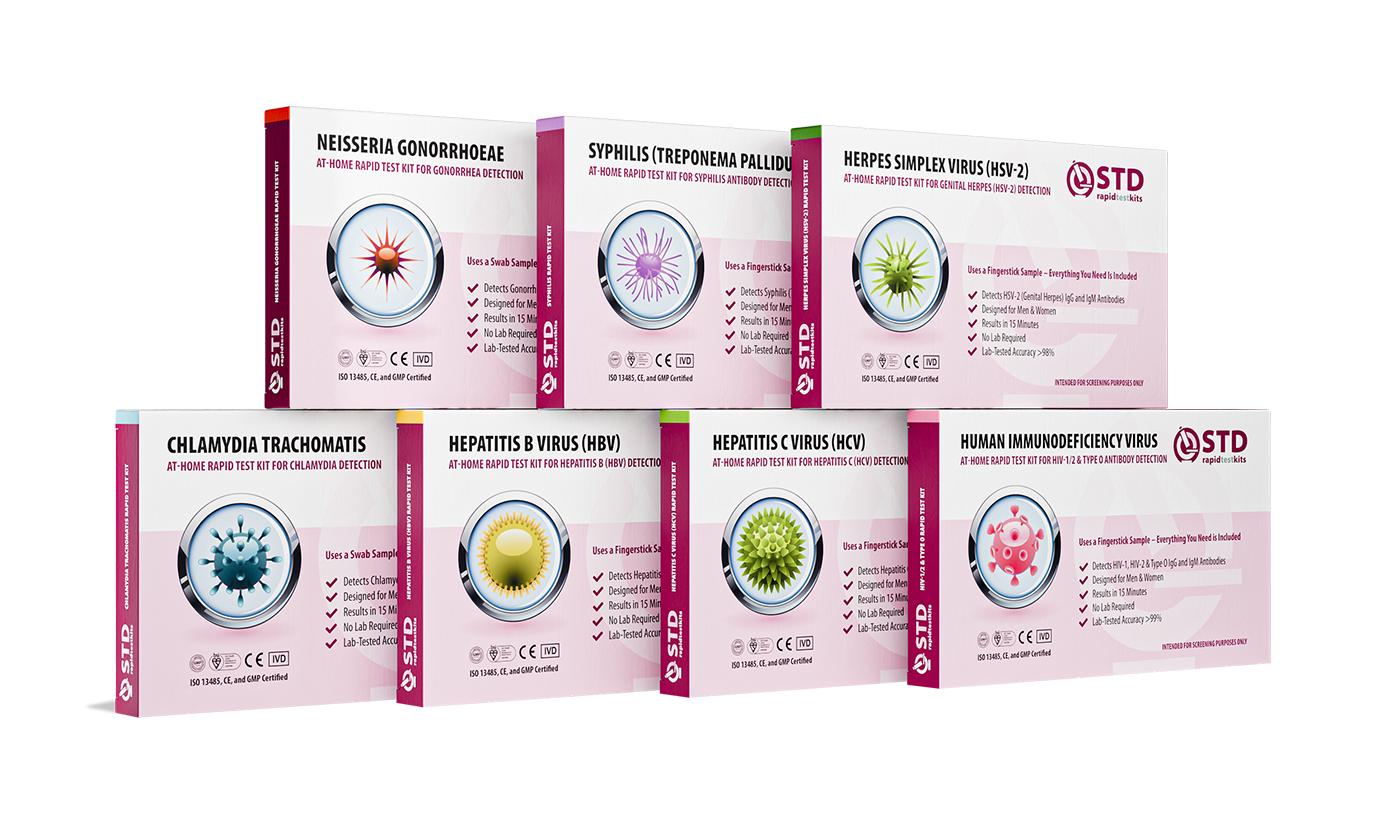
 For Men & Women
 Results in Minutes
 No Lab Needed
 Private & Discreet
Order Now $129.00 $343.00
For all 7 tests
That Low, Lingering Ache: The Stuff That Feels Scary But Usually Isn’t
Then there’s the third category, the one that causes the most mental spiral because it doesn’t behave dramatically. It’s not sudden. It’s not severe. It’s just… there. A dull ache. A sense of heaviness. Something that makes you check more often than you want to admit.
This is where conditions like varicocele and hydrocele tend to live. They’re common, often harmless, and rarely urgent, but they don’t always feel harmless when you’re the one experiencing them.
A varicocele is essentially enlarged veins in the scrotum. People often describe it as feeling like a “bag of worms,” especially when standing. The discomfort tends to build slowly and gets worse after long periods of standing, working out, or even at the end of the day.
Hydrocele, on the other hand, is fluid buildup. It usually presents as swelling without much pain. It can feel strange, full, heavy, unfamiliar, but it’s typically not dangerous.
| Condition | What It Feels Like | Urgency Level |
|---|---|---|
| Varicocele | Dull ache, heaviness, worse standing | Low |
| Hydrocele | Painless swelling, fluid feeling | Low |
| Muscle strain | Mild ache after activity | Low |
There’s also referred pain, the kind that doesn’t actually originate in the testicle at all. Kidney stones, lower back issues, even nerve irritation can send pain signals into the scrotum. It feels local, but the source is somewhere else entirely.
“I thought something was wrong with my testicle, but it turned out to be a kidney stone. The pain just… traveled.”
This category is tricky because it’s easy to dismiss something important, or obsess over something harmless. The balance is paying attention without spiraling.
So… Is This an STD or Not? The Question Most People Are Afraid to Ask Out Loud
This is the part people hesitate to Google directly, but it’s often sitting in the background: could this be an STD?
The honest answer is yes, some infections can cause testicle pain, but they don’t usually look like emergencies. They show up as that gradual discomfort we talked about earlier, often with other subtle clues.
If you’re dealing with testicle pain plus any of the following, it’s worth considering an infection:
- Burning when you pee: Often linked to urethral infection
- Discharge: Clear, white, or yellow fluid
- Pain after sex: Especially within days after exposure
- Tenderness behind the testicle: Classic epididymitis pattern
What’s important here is timing. STD-related pain usually doesn’t hit instantly. It builds. It evolves. And because it’s not dramatic, it’s easy to rationalize away.
That’s how people end up stuck in limbo, waiting, guessing, hoping it resolves on its own. Sometimes it does. But sometimes it doesn’t, and the longer it lingers, the more complicated things can get.
This is where taking control matters. If there’s even a small question in your mind, using something like a combo STD home test kit can give you clarity quickly and privately.
Because uncertainty is often worse than the answer.

People are also reading: Painful Peeing, No UTI? Here's What Else It Could Be
How to Read Your Body Without Panicking (But Without Ignoring It Either)
There’s a moment most people hit during this experience. You’re not in unbearable pain, but you’re also not comfortable. You keep checking. You keep thinking about it. And your brain keeps bouncing between “it’s nothing” and “what if this is serious?”
This is where pattern recognition matters more than intensity. Because not all pain is equal, and your body is usually more consistent than it feels in the moment.
Start with how the pain began. Sudden, sharp, and severe pain is always treated differently than something that crept in over a day or two. If it exploded out of nowhere, especially with nausea or swelling, that’s not something to monitor at home.
Now look at behavior. Does the pain change when you shift positions? Does it ease when you lie down or support the area? Pain that responds to movement or support is more likely to be non-urgent, while pain that stays intense no matter what you do deserves faster attention.
Then there’s the question people don’t always ask: is anything else happening in your body?
| What You Notice | What It Usually Points To |
|---|---|
| Pain + nausea | Possible torsion (urgent) |
| Pain + urinary symptoms | Infection or STI |
| Pain after lifting/exercise | Strain or mild injury |
| Persistent dull ache | Varicocele or non-urgent cause |
The goal here isn’t to diagnose yourself perfectly. It’s to decide your next move with more clarity and less panic. Because doing nothing out of fear and rushing to the ER for something mild are both stressful in different ways.
“I kept waiting for it to get worse before doing anything. It didn’t, but it also didn’t go away. That’s when I finally got checked.”
That middle space, where symptoms linger but don’t escalate, is where most people get stuck. And it’s also where small decisions matter most.
What to Do Next (Without Guessing or Spiraling)
If there’s one thing to take from all of this, it’s that you don’t need to figure everything out alone. You just need to take the next right step based on what your body is showing you.
If your pain was sudden, severe, or came with nausea, swelling, or a visibly different testicle position, skip everything else and go to the ER. That’s not overreacting, that’s exactly what you’re supposed to do.
If your symptoms are gradual, manageable, but persistent, especially if there’s any chance of infection, this is where testing and evaluation come in. You don’t need to wait for things to get worse to take action.
And if your pain is mild, occasional, and clearly tied to movement, strain, or posture, monitoring it for a short period is reasonable. But “monitoring” doesn’t mean ignoring it indefinitely. If it sticks around, it deserves attention.
This is also where access matters. Not everyone wants to walk into a clinic right away, especially when symptoms feel uncertain or personal. That’s why at-home options exist, to bridge that gap between concern and clarity.
Taking control doesn’t have to be dramatic. Sometimes it’s just deciding you’re done guessing.
Check Your STD Status in Minutes
Test at Home with Remedium8-in-1 STD Test Kit
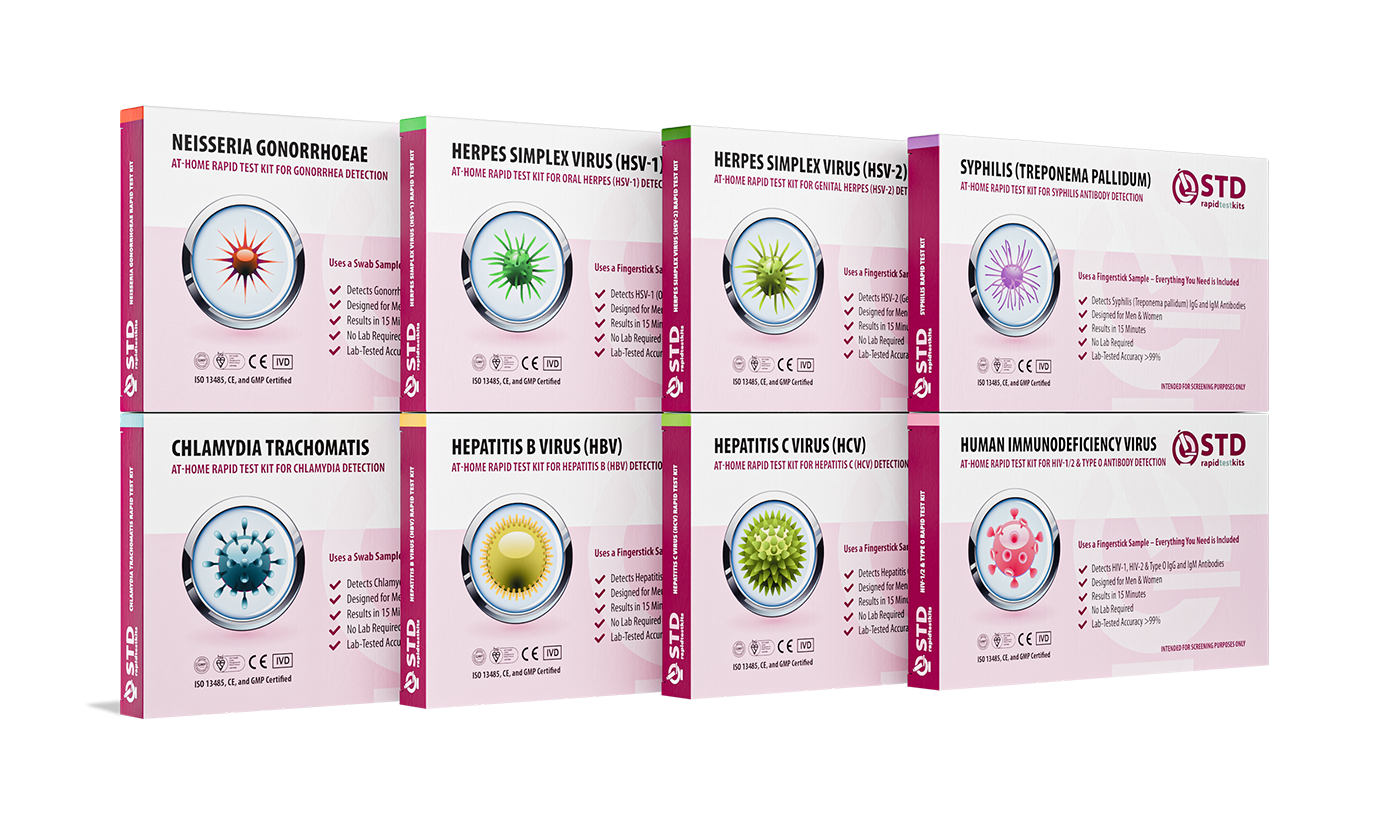 For Men & WomenResults in MinutesNo Lab NeededPrivate & Discreet
Order Now $149.00 $392.00
For all 8 tests
The Part No One Talks About: Waiting, Watching, and Second-Guessing
There’s a stretch of time that doesn’t get enough attention, the hours or days where nothing is clearly wrong, but nothing feels fully right either. You’re not doubled over in pain, but you’re not relaxed. You keep checking. You shift how you sit. You Google the same symptoms three different ways hoping for a clearer answer.
This is where most people live when it comes to testicle pain, not in emergencies, but in uncertainty. And uncertainty has a way of dragging things out longer than they need to be.
“I kept thinking, if it was serious it would be worse by now. But it didn’t get worse… it just didn’t go away.”
The problem with that logic is simple: not everything dangerous gets dramatically worse right away, and not everything harmless disappears quickly. Some conditions just hover in that middle ground, waiting for you to either act, or ignore them long enough that they become harder to deal with.
So here’s a more grounded way to think about it. If your symptoms are changing, spreading, or picking up new features, like urinary discomfort, swelling, or pain after sex, that’s movement. Movement means it’s time to stop observing and start doing something about it.
If nothing is changing but nothing is resolving either, that’s also a signal. Stable doesn’t always mean safe, it can just mean unresolved. And unresolved issues don’t fix themselves through patience alone.
The goal isn’t to monitor forever. It’s to give your body a short window to settle, and then make a decision. Not based on fear, but based on what’s actually happening in front of you.
FAQs
1. I woke up with sudden testicle pain, do I actually need to go to the ER or am I overreacting?
If it hit fast, feels intense, and especially if your stomach flipped with nausea, that’s not your body being dramatic, that’s a red flag. Testicular torsion doesn’t ease up with a shower or a nap, and waiting it out can cost you time you don’t have. This is one of those moments where overreacting is safer than underreacting.
2. It’s not severe, just this annoying ache… do I really need to do anything?
Annoying doesn’t mean meaningless. A slow, lingering ache is often something like inflammation or a mild condition, but your body doesn’t usually repeat discomfort for no reason. If it’s still there after a couple of days, or keeps coming back, that’s your cue to stop watching and start checking.
3. Be honest, does testicle pain automatically mean STD?
No, not even close. But here’s the real answer: if there’s any chance of exposure and the pain showed up gradually, it’s on the list. Infections like Chlamydia or Gonorrhea don’t usually crash in, they creep in. Testing isn’t about assuming the worst, it’s about removing the question mark.
4. What’s the difference between “bad pain” and “just sore”?
Bad pain interrupts you. It stops your train of thought, changes how you move, maybe even makes you nauseous. “Just sore” tends to sit in the background, you notice it, but you can function through it. If your body is forcing your attention, that’s worth taking seriously.
5. Why does it sometimes hurt more when I’m standing or at the end of the day?
That pattern actually points away from emergencies. Conditions like varicocele tend to worsen with gravity, meaning more discomfort after standing or moving around. It’s not fun, but it’s usually not dangerous, it’s more of a “get it checked when you can” situation.
6. I keep checking it… and now it feels worse. Am I making it worse?
You’re not imagining that. Constant checking, adjusting, and pressing can absolutely make the area more sensitive. There’s a difference between being aware and accidentally aggravating it. Give it some space, literally, and see how it behaves without interference.
7. It hurt after sex, should I be worried?
Not automatically. Sometimes it's just temporary pressure or tight muscles, especially if things got a little too excited. But if it keeps happening, or shows up with other symptoms like burning or discharge, that’s when you stop brushing it off and start connecting the dots.
8. I'm fine because I don't have any swelling or redness.
Not necessarily. A lot of people assume visible changes are required for something to be serious, but that’s not always true. Some infections and even early torsion cases don’t look dramatic at first. Absence of swelling lowers the odds, it doesn’t eliminate them.
9. How long is too long to wait this out?
If it’s mild, giving it 24–48 hours to settle isn’t unreasonable. But if you’re still thinking about it days later, or it hasn’t improved, you’ve crossed from “monitoring” into “delaying.” At that point, getting answers is the smarter move.
10.I don’t want to go to a clinic yet, what’s my first step?
Then start where you are. If there’s even a small chance this could be infection-related, an at-home test can give you clarity without the whole waiting room experience. You don’t need to be 100% sure to take action, you just need to be tired of guessing.
You Deserve Clarity, Not Guesswork
Testicle pain hits differently. It’s not just physical, it gets in your head fast. One minute you’re brushing it off, the next you’re deep in worst-case scenarios. The goal isn’t to panic over every sensation. The goal is to recognize what your body is actually telling you, and respond accordingly.
If the pain came out of nowhere and feels intense, don’t hesitate, get urgent care. If it’s building slowly or tied to symptoms like burning or discomfort after sex, start thinking infection and get tested. And if it’s mild but lingering, don’t let “it’s probably nothing” turn into weeks of uncertainty. Each step you take replaces guessing with something solid.
Don’t sit in that in-between space longer than you need to. If there’s even a small chance infection is part of the picture, start with a discreet option like the Combo STD Home Test Kit. No waiting rooms, no awkward conversations, just answers. And honestly, answers feel a lot better than guessing.
How We Sourced This Article: This guide blends emergency medicine standards, urology references, and sexual health research to distinguish urgent from non-urgent causes of testicle pain. We reviewed clinical guidelines on testicular torsion, epididymitis, and scrotal pain evaluation, along with peer-reviewed studies and public health resources. The goal is simple: accurate, real-world guidance without clinical overwhelm.
Sources
1. The Centers for Disease Control and Prevention's overview of sexually transmitted infections
2. Fact Sheet on Sexually Transmitted Infections from the World Health Organization
3. PubMed – Epididymitis and Testicular Conditions Research
4. American Urological Association – Male Reproductive Health Guidelines
6. MSD Manual Professional Edition – Scrotal Pain
About the Author
Dr. F. David, MD is a board-certified infectious disease specialist who focuses on preventing STIs, diagnosing them, and teaching patients. His work combines clinical accuracy with a straightforward, stigma-free approach that helps people make choices without fear or confusion.
Reviewed by: Daniel S. Kline, MD, Urology | Last medically reviewed: March 2026
This article is for informational purposes only and does not replace professional medical advice, diagnosis, or treatment.


