







Quick Answer: If you think you have STD symptoms, tell your partner directly and calmly, focus on shared health (not blame), and suggest getting tested together as the next step.
This Isn’t a Confession, It’s a Health Conversation
A lot of people walk into this talk like they’re about to admit wrongdoing. Their tone gets shaky, they over-explain, or they start apologizing before they’ve even said what’s going on. That energy can accidentally make the situation feel heavier than it needs to be.
Here’s the grounded reality: symptoms are not proof of anything yet. You don’t know what’s going on, and neither do they. Many infections are asymptomatic, and others can come from past exposures long before a relationship started.
When you approach this as a shared health conversation instead of a confession, everything shifts. You’re not saying “I did something wrong.” You’re saying, “Something might be off, and we should handle it together.” That framing matters more than any perfect wording.
What to Say (When Your Brain Is Spiraling)
This is where people get stuck, staring at their phone, rewriting the message ten times, or rehearsing a speech that never feels right. You don’t need perfect language. You need something real, simple, and grounded.
Daniel, 27, described it like this:
“I kept trying to make it sound less serious than it was, and it just made me sound sketchy. Once I just said it straight, it actually got easier.”
Here are versions that actually work in real life:
- Direct: “Hey, I’ve been having some symptoms that don’t feel normal, and I think we should talk about it.”
- Reassuring: “I don’t know what it is yet, it might be nothing, but I want us to handle it responsibly.”
- Collaborative: “I think it makes sense for both of us to get tested so we know what’s going on.”
Notice what’s not in these scripts: accusations, assumptions, or panic. You’re not diagnosing yourself. You’re opening a conversation.
Timing the Conversation So It Doesn’t Explode
When you say it matters just as much as what you say. Bringing this up in the wrong moment can make even a calm message feel confrontational.
The conversation tends to go better when it happens in a setting where both of you can actually process it. That means not in the middle of sex, not as someone is heading out the door, and definitely not dropped casually in a crowded environment.
Best-case setup:
| Better Timing | Risky Timing |
|---|---|
| Private, calm setting | During or right after sex |
| No time pressure | Before work or travel |
| Emotionally neutral moment | During an argument |
You’re not trying to create a perfect moment, you’re just avoiding a bad one. That alone reduces defensiveness dramatically.

People are also reading: Herpes or Pimple? What That Bump Really Means, According to Doctors
What If They Think You’re Blaming Them?
This is one of the biggest fears: that the conversation will immediately turn into “So you think I gave this to you?” Even if you don’t say it, that assumption can surface fast.
The way you phrase things upfront can prevent that spiral. You want to remove blame before it even has a chance to enter the room.
Try language like:
“I’m not assuming anything about where this came from. I just want us to be on the same page and take care of it.”
That sentence does a lot of heavy lifting. It signals safety, avoids accusations, and keeps the focus where it belongs, on health, not history.
Don’t Just Drop the Problem, Bring a Plan
A conversation without a next step can feel like emotional freefall. You say something’s wrong, and then both of you are left sitting in uncertainty. That’s where anxiety spikes.
What steadies the moment is offering a path forward. Not a dramatic one, just a practical next move.
This is where testing comes in. You can make it more concrete and actionable by not leaving it open-ended.
For example:
"I'd rather get tested and know for sure than guess."
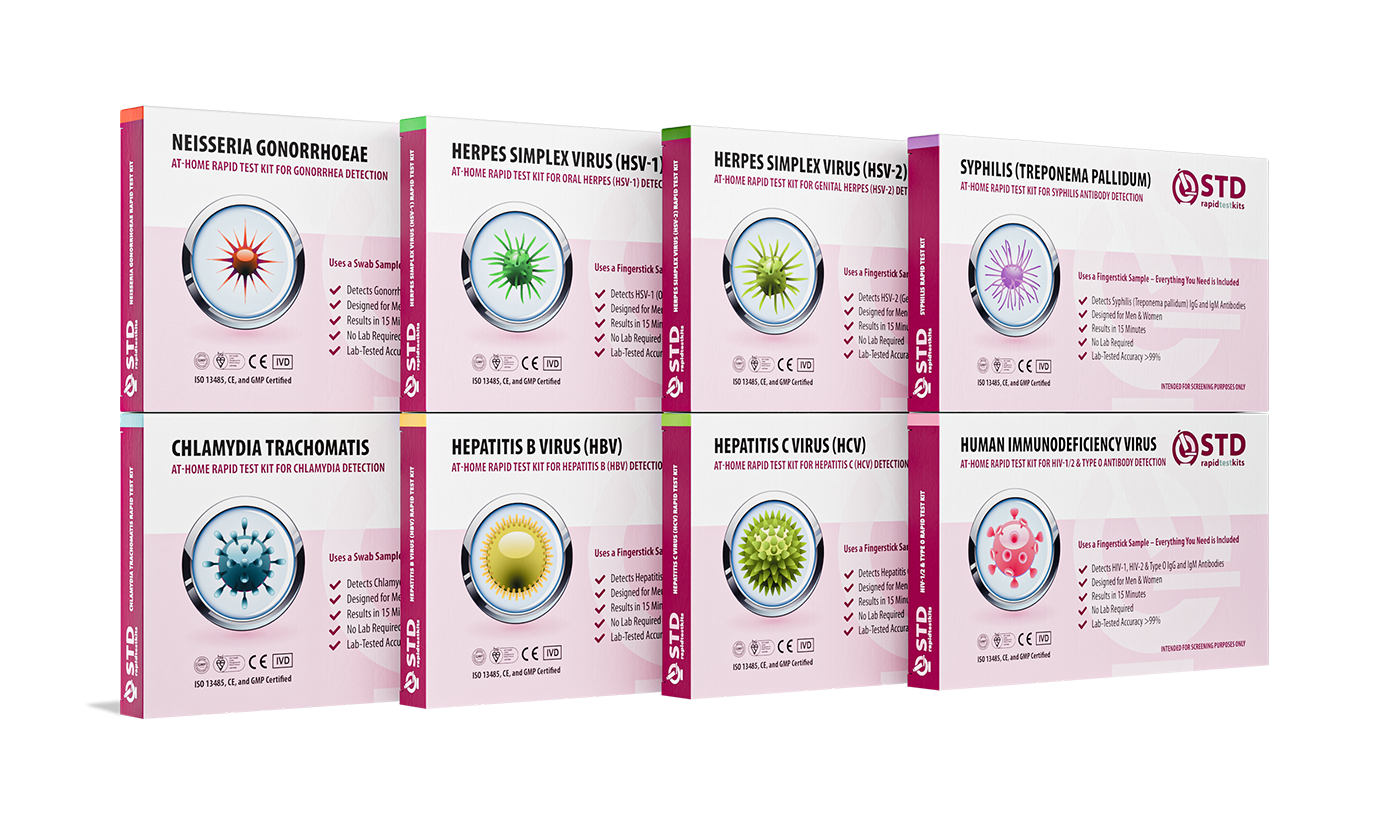
There are ways to keep things private and simple if you don't want to go to a clinic right now. You can look into STD Rapid Test Kits, which let you test at home without anyone knowing and get answers without making things worse.
That shift, from uncertainty to action, is what helps both of you breathe again.
How This Conversation Changes Based on Your Situation
Not every relationship looks the same, and this conversation shouldn’t either. The tone shifts depending on whether you’re in a long-term relationship, something new, or something casual.
| Situation | How to Approach It |
|---|---|
| Long-term partner | Emphasize teamwork and shared health decisions |
| New relationship | Keep it honest but low-pressure, avoid assumptions |
| Casual partner | Be direct, brief, and respectful, no over-explaining |
In a casual situation, it can be as simple as:
“Hey, I wanted to give you a heads-up, I’m having some symptoms and getting tested. You might want to do the same just to be safe.”
That’s it. Clear, respectful, and done.
When the Reaction Isn’t What You Hoped For
You can say everything “right” and still get a reaction that throws you off. That’s the part no one really prepares you for. Your partner might go quiet, get defensive, ask sharp questions, or spiral into their own anxiety.
Alina, 31, shared what that moment felt like:
“He immediately said, ‘So you think I cheated?’ and I just froze. That wasn’t even what I meant, but I didn’t know how to recover.”
This is where people panic and either backtrack too much or escalate. The goal isn’t to control their reaction, it’s to stay grounded in your intention.
If things get tense, bring it back to center:
“I’m not trying to figure out where this came from right now. I just want us to handle it responsibly.”
That line keeps the focus on the present instead of turning the conversation into an investigation.
Check Your STD Status in Minutes
Test at Home with Remedium7-in-1 STD Test Kit

 For Men & Women
 Results in Minutes
 No Lab Needed
 Private & Discreet
Order Now $129.00 $343.00
For all 7 tests
The Fear Underneath All of This (Let’s Name It)
Most people aren’t actually afraid of the conversation itself. They’re afraid of what it might mean about them. There’s this quiet, persistent thought: “What if they think I’m dirty? What if this changes how they see me?”
That fear is built on stigma, not reality. STDs are common, often asymptomatic, and part of being sexually active, not a moral judgment. But emotionally, it can still feel loaded.
Rafael, 24, put it bluntly:
“I wasn’t scared of the test. I was scared of how I’d be seen after.”
This is why your tone matters so much. When you speak about it calmly, without shame, you’re modeling how it should be treated. You’re setting the emotional temperature of the conversation.
Common Mistakes That Make This Harder Than It Needs to Be
Most people don’t mess this up because they’re careless, they do it because they’re overwhelmed. But there are a few patterns that almost always make things worse.
| Common Mistake | Better Approach |
|---|---|
| Waiting too long to say anything | Bring it up early, even if you're unsure |
| Sounding apologetic or guilty | Stay neutral and factual |
| Jumping to conclusions about an STD | Acknowledge uncertainty until tested |
| Turning it into “who gave what” | Focus on next steps, not blame |
One of the biggest traps is assuming symptoms automatically equal an STD. They don’t. Things like irritation, yeast infections, or even friction can mimic similar signs. Staying grounded in “I don’t know yet” keeps the conversation honest and less charged.
Do You Tell Them Before You Get Tested?
This question comes up constantly, especially in those first anxious hours of noticing symptoms. The instinct is to wait, to get answers first so you can present something clear and contained.
But waiting can sometimes create more tension later, especially if your partner feels like they were left out of something that affects them too.
Here’s how to think about it:
If you’re actively seeing or sleeping with someone, it’s usually better to say something early, even if it’s just:
“I’m noticing some symptoms and getting tested. I’ll keep you updated, but I wanted you to know.”
This approach does two things. It keeps transparency intact, and it avoids turning the eventual conversation into a surprise.
And if you want to move quickly without the logistics of scheduling appointments, something like a combo STD home test kit can help you get clarity from home while you’re still in that uncertain window.
What If You’re Wrong?
Let’s say you have the conversation, get tested, and it turns out to be nothing. People worry this will feel like overreacting or causing unnecessary stress.
But here's the truth: you didn't overreact; you did the right thing. You saw something, talked about it, and then did what you said you would do. That’s not embarrassing. That’s exactly how sexual health should work.
These times often build trust instead of breaking it, in fact. They show that you're not afraid to show your true self, even when it's hard.
What This Conversation Actually Builds (If You Let It)
It might not feel like it in the moment, but this kind of honesty is what creates real safety in a relationship. Not just physical safety, but emotional safety too.
Because the truth is, sex isn’t risk-free. But communication can make it a lot safer. When you’re able to say, “Something might be off,” without fear of being shamed or blamed, that’s a different level of trust.
And if that safety isn’t there? This conversation will reveal that too. Which, as uncomfortable as it is, is still valuable information.

People are also reading: You Don’t Have to Feel Sick to Be Infected
Should You Say This Over Text or In Person?
This is one of those decisions that feels bigger than it should. You’re staring at your phone wondering if texting is easier, or if it makes things worse. The answer depends less on “rules” and more on your reality in that moment.
If you’re panicking, avoiding the conversation, or feel like you might back out entirely, texting can actually help you get the words out. It creates a buffer that lets both of you process without immediate pressure.
Lina, 26, explained it this way:
“I knew if I waited to say it in person, I’d keep putting it off. Texting helped me just say it clearly without overthinking their reaction in real time.”
But if you’re in a more established relationship, or you know your partner values direct communication, in-person tends to feel more grounded and less ambiguous.
| Texting | In Person |
|---|---|
| Easier if you’re anxious or avoiding | Better for emotional clarity |
| Gives space to process | Reduces misinterpretation |
| Good for casual or early connections | Stronger for serious relationships |
If you do text, keep it simple and human. Not clinical, not robotic.
“Hey, I wanted to let you know I’ve been having some symptoms and I’m getting tested. I think it’s something we should both be aware of.”
That’s enough. You don’t need to write a novel.
What to Say If You’re Really Scared
There’s a specific kind of fear that hits here. Not just nerves, but that tight, sinking feeling like this conversation could change everything. When you’re in that state, your brain either wants to avoid it completely or overcomplicate it.
This is where grounding yourself matters more than finding perfect words. You don’t need to sound impressive, you need to sound real.
Try anchoring yourself with something like:
“This is a little uncomfortable to bring up, but I’d rather be honest than avoid it.”
That line does two things. It acknowledges the discomfort without letting it control the conversation, and it signals that honesty is your priority.
People respond to that more than perfection.
Turning the Conversation Into Action (Not Anxiety)
Once the conversation happens, there’s usually a moment where both of you sit in uncertainty. That’s where things can either spiral or stabilize. The difference is whether you move into action.
Instead of looping in “what if” thoughts, shift into something concrete. Testing is the simplest way to move forward without guessing.
This is how that change can sound natural:
“Rather than stressing about it, I think we should just get tested and know for sure.”
That sentence reframes everything. You’re no longer stuck in fear, you’re moving toward clarity.
At-home options can make things a lot easier if you don't want to do something because of privacy or convenience. If you use something like a discreet test from STD Rapid Test Kits, you won't have to wait days for appointments or deal with uncomfortable visits to the clinic.
The easier you make the next step, the less overwhelming the situation feels.
What Happens After You Get Results
This is the part people don’t think about until they’re in it. You’ve had the conversation, you’ve tested, and now you’re waiting, or you already have an answer. What happens next depends on the result, but the communication pattern stays the same: clear, calm, and direct.
If results are negative, the conversation doesn’t become pointless, it becomes proof that you handled things responsibly. That matters.
If something does come back positive, most common STDs are treatable, manageable, or both. The conversation shifts from uncertainty to logistics: treatment, timing, and making sure both partners are informed.
The key is that you’ve already built the foundation by speaking up early. That makes everything that follows easier to navigate.
Check Your STD Status in Minutes
Test at Home with Remedium8-in-1 STD Test Kit
 For Men & WomenResults in MinutesNo Lab NeededPrivate & Discreet
Order Now $149.00 $392.00
For all 8 tests
This Is About More Than Just This Moment
It might feel like this conversation is a one-time crisis. But it’s actually part of a bigger pattern, how you and your partner handle uncomfortable, real-life situations together.
Do you avoid hard conversations? Do you face them directly? Do you support each other when things feel uncertain?
This moment answers those questions in real time.
And while it might not feel like it, handling this with honesty and calmness is one of the strongest signals of trust you can give, or receive.
FAQs
1. Do I really have to tell my partner if I just have symptoms?
Yeah, if you’re sleeping with them, they deserve a heads-up. You don’t need to show up with a diagnosis or a full medical breakdown. Just something like, “Hey, something feels off and I’m getting it checked out.” That alone keeps things honest without turning it into a big dramatic reveal.
2. What if I’m overreacting and it turns out to be nothing?
Then you’re the person who actually communicates instead of disappearing into denial. That’s not embarrassing, that’s rare. Think of it like this: nobody gets mad at someone for saying, “Hey, I might be sick,” and then finding out it’s nothing. Sexual health shouldn’t be treated any differently.
3. Should I wait until I get tested so I have answers first?
You can, but waiting can make the conversation heavier later. If days go by and then you suddenly drop, “Hey, I had symptoms and got tested,” it can feel like something was hidden. A simple early heads-up keeps it clean: you’re not presenting a problem, you’re sharing a process.
4. What if they immediately think I’m blaming them?
This happens more than people admit. You say “symptoms” and they hear “accusation.” The fix is to get ahead of it: “I’m not assuming anything about where this came from, I just want us to handle it.” That one line can completely change the tone of the conversation.
5. How do I say it without making it weird?
It’s going to be a little weird, that’s normal. The goal isn’t to eliminate awkwardness, it’s to avoid confusion. Short, clear, human beats polished and perfect. The more you try to make it sound “smooth,” the more unnatural it usually comes out.
6. Is texting okay or is that a bad move?
Honestly? If texting is what gets you to actually say it, then text. A lot of people freeze in person and never bring it up. Just don’t write a novel, keep it grounded: “Hey, I’ve got some symptoms and I’m getting tested. Thought you should know.” Clean, respectful, done.
7. What if we only hooked up once, do I still need to say something?
Yes, but this doesn’t need to turn into a whole conversation. Think “heads-up,” not “heart-to-heart.” One message, respectful tone, no over-explaining. You’re giving them information, not asking for anything.
8. What if they get mad or shut down?
That reaction is usually fear wearing a different outfit. Stay steady. Don’t match their intensity. You can literally say, “I get that this is stressful, I’m not trying to start a fight, I just want us to deal with it.” If they keep escalating, that’s not about your delivery anymore.
9. How fast do I need to bring this up?
Sooner than your anxiety wants you to. The longer you wait, the more your brain builds it into this huge, impossible conversation. In reality, earlier is almost always easier, even if it’s just a quick, “Hey, something’s off and I’m checking it out.”
10. What’s the next step after I tell them?
Don’t sit in the “what if” spiral, get answers. Testing turns a stressful guess into something concrete you can actually deal with. Whether it’s a clinic visit or a discreet at-home test, clarity is what calms everything down.
You Deserve Clarity, Not Guesswork
This talk is important because it touches on sex, health, and being weak all at the same time. But strip it down, and it’s simple: something might be off, and you’re choosing not to ignore it. That’s not dramatic, that’s responsible.
You don’t need perfect timing, perfect wording, or perfect certainty. You need honesty, a calm approach, and a next step. Say what’s happening, keep blame out of it, and move toward answers instead of assumptions. That’s how you protect both your health and the connection you have with someone.
Don’t wait and spiral. If there’s even a small chance something’s going on, start with clarity. A discreet option like the Combo STD Home Test Kit lets you get real answers without turning your life upside down. Private, simple, and way better than guessing.
How We Sourced This Article: This guide combines clinical guidance from major public health organizations with real-world communication patterns observed in sexual health counseling. We looked at research on STI disclosure, partner communication, and how people act when they find out they have a STI to make sure the advice is both medically accurate and how people really talk about these things.
Sources
1. Centers for Disease Control and Prevention – Sexually Transmitted Infections Overview
2. Planned Parenthood: Basic Information About STDs and Testing
3. NHS—An Overview of Sexually Transmitted Infections
4. World Health Organization – Sexually Transmitted Infections Fact Sheet
5. Mayo Clinic – Sexually Transmitted Diseases (STDs) Overview
6. Johns Hopkins Medicine – Sexually Transmitted Diseases
7. Healthline – Sexually Transmitted Diseases (STDs) Guide
8. CDC – STD Prevention and Communication
About the Author
Dr. F. David, MD is a board-certified infectious disease specialist whose main focus is on preventing STIs, testing for them, and teaching patients about them. His work combines clinical knowledge with a direct, stigma-free approach that helps people make smart, confident choices about their sexual health.
Reviewed by: Dr. Elena Marquez, MD, Infectious Disease Specialist | Last medically reviewed: March 2026
This article is for informational purposes only and does not replace professional medical advice, diagnosis, or treatment.


