Toilet Seat STDs: Myth or Real Risk? What Science Says
You sit down in a public bathroom. Maybe you hover. Maybe you wipe the seat three times. And somewhere in the back of your mind, there’s that quiet panic: “What if I catch something?” It’s one of the most common sexual health fears, and one of the most misunderstood.
26 March 2026
19 min read
750
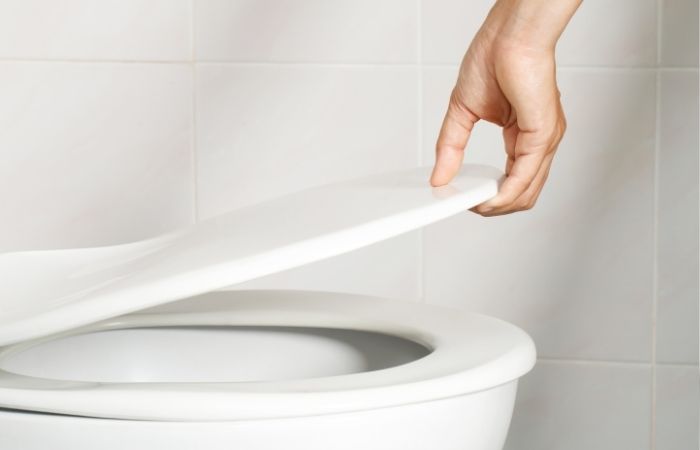
Quick Answer: Can you get an STD from a toilet seat? No, STDs do not spread through toilet seats because they cannot survive long outside the human body or penetrate intact skin.
The Fear Is Real, Even If the Risk Isn’t
Let’s start with the part no one says out loud: this fear isn’t irrational, it’s learned. Most people first hear about sexually transmitted infections in a mix of half-truths, jokes, and warnings that don’t quite explain how anything actually spreads. So your brain fills in the gaps.
That’s how toilet seats became the villain. They’re public, they’re shared, and they feel like a place where “anything” could happen. But biology doesn’t work based on vibes, it follows very specific rules about how infections survive and spread.
A 24-year-old patient once put it bluntly during a consult: “I hadn’t had sex in months, but I used a gas station bathroom and spiraled for two days thinking I had chlamydia.” That kind of anxiety is incredibly common, and almost always misplaced.
“I kept Googling ‘STD from toilet seat symptoms’ and convincing myself something felt off,” she said. “It was just stress.”
What Actually Needs to Happen for an STD to Spread
For an STD to move from one person to another, a few very specific conditions have to line up. This isn’t random. It’s not casual contact. It’s not brief exposure to a surface.
Most STDs, like Chlamydia, Gonorrhea, and HIV, require direct contact with infected bodily fluids. Others, like Herpes or HPV, rely on close skin-to-skin contact, usually during sexual activity.
Here’s the key detail people miss: your skin is actually a powerful barrier. Intact skin, like your thighs or buttocks, does not easily allow these pathogens in. That means sitting on a surface, even one that feels questionable, doesn’t create a realistic transmission pathway.
How STDs Really Spread vs. What People Think
STD
How It Spreads
Toilet Seat Risk
Chlamydia
Sexual fluids (vaginal, anal, oral)
No risk
Gonorrhea
Sexual fluids
No risk
Herpes
Skin-to-skin contact with sores
Extremely unlikely
HPV
Skin-to-skin genital contact
No realistic risk
HIV
Blood, semen, vaginal fluids
No risk
It's clear that transmission needs direct, close contact, not a shared surface.
Why Toilet Seats Don’t Work as a Transmission Route
To understand why this myth doesn’t hold up, you have to think about what happens the moment a virus or bacteria leaves the body. Most STD-causing organisms are fragile. They are made to live in warm, wet places, like inside the human body, not on cold, dry surfaces.
Once exposed to air, temperature changes, and drying conditions, these organisms begin to break down quickly. Some die within seconds to minutes. Even the more resilient ones lose the ability to infect.
There’s also the issue of access. Even if a pathogen lived on a toilet seat, it would still have to get into your body through a mucous membrane or an open wound. Just touching skin that isn't broken isn't enough.
“People imagine germs jumping from the seat into their body,” one clinician explained. “But infection doesn’t work like that. It needs a pathway, and a toilet seat doesn’t provide one.”
The Only Edge Cases People Worry About
Now let’s address the “what if” scenarios, the ones that keep people up at night. What if the seat was just used? What if there was visible fluid? What if you had a cut?
Transmission is still very unlikely, even in these unusual cases. The timing would have to be right away, the pathogen would have to stay alive, and there would have to be direct contact with a weak entry point.
In real-world conditions, these factors almost never align. That’s why public health organizations consistently state that STDs are not spread through toilet seats, shared bathrooms, or casual contact.
Common Toilet Seat Fears vs. Reality
Fear
Reality
“Someone used it right before me”
Pathogens lose viability quickly outside the body
“What if there was fluid on the seat?”
Exposure, survival, and entry point would all have to be in sync.
“I had a small cut”
Still very unlikely without direct fluid exchange
“Public bathrooms are dirty”
Being dirty doesn't mean you're at risk of getting an STD.
Being dirty and being a real way for STDs to spread are not the same thing. A lot of the time, those two things get mixed up, but they are not the same.
So Why Does This Myth Stick Around?
Part of it is how we’re taught to think about sex and infection. When conversations about STDs are vague or fear-based, people start attaching risk to anything that feels “contaminated.” Public toilets fit that narrative perfectly.
There’s also a layer of stigma. It can feel easier, emotionally, to believe you got something from a toilet seat than from a sexual encounter. That doesn’t mean people are lying, it means they’re trying to make sense of something scary.
“I remember thinking, there’s no way this came from sex,” another patient shared. “So I kept going back to the bathroom I used that week.”
This is where myth-busting actually matters, not just for accuracy, but for helping people focus on real risks, real testing timelines, and real next steps.
What You Should Actually Pay Attention To
If toilet seats aren’t the issue, then what is? The answer is much more straightforward, and much more useful.
STDs spread through:
Direct sexual contact: vaginal, anal, or oral sex
Skin-to-skin contact: especially with active sores or lesions
Exchange of bodily fluids: semen, vaginal fluids, blood
That means your actual risk comes from partners, protection use, and timing, not from bathrooms, seats, or surfaces.
And here’s where things shift from myth to action: if you’re worried about exposure, the most important thing isn’t retracing where you sat. It’s understanding when to test and what to look for.
“But I Haven’t Had Sex…”, When Anxiety Fills in the Blanks
This is the moment where most people get stuck. You haven’t had sex recently, or at least not in a way that feels “risky.” Then something feels off. Maybe it’s itching, a bump, discharge, or just a vague sense that your body isn’t acting normal.
So your brain starts building a story. And toilet seats suddenly feel like the only explanation that makes sense.
A 29-year-old patient once told me, “I hadn’t hooked up in weeks. I used a public restroom, and two days later I felt irritation. I was convinced that was it.” But when we unpacked it, the timeline didn’t match any STD incubation period. What she was feeling turned out to be a mild yeast imbalance, completely unrelated.
This is where the myth becomes harmful. It redirects your attention away from what actually matters: your real exposure history, your symptoms, and your testing window.
Symptoms That Get Blamed on Toilet Seats (But Shouldn’t Be)
Many of the symptoms people associate with “toilet seat STDs” are real, but the cause is usually something else entirely. Bodies are sensitive. Skin reacts. Hormones shift. And not every genital symptom equals an STD.
Here’s where confusion tends to happen:
Common Symptoms and What They’re Often Mistaken For
Symptom
Common Assumption
More Likely Cause
Itching
“I caught something from a toilet”
Irritation, yeast infection, hygiene products
Small bumps
“STD from surface contact”
Ingrown hairs, friction, razor burn
Burning sensation
“Toilet seat infection”
UTI, dehydration, irritation
Discharge changes
“Public bathroom exposure”
Hormonal changes, BV, yeast
The problem isn’t that these symptoms are imaginary. It’s that they’re being connected to the wrong cause. And when that happens, people either panic unnecessarily, or delay testing when they actually need it.
Case Study: “I Knew It Had to Be the Bathroom”
Daniel, 31, hadn’t thought much about STDs in years. He was in between partners and hadn’t had sex recently. Then, after a weekend trip, he noticed a slight burning sensation when urinating.
“The only thing that made sense was the airport bathroom,” he said. “It was crowded, kind of gross. I just assumed I picked something up there.”
But when we walked through his history, something else came up. About three weeks earlier, he’d had unprotected oral sex, something he hadn’t initially considered “risky.” That timing aligned perfectly with a possible Gonorrhea infection.
Testing confirmed it. Not from a toilet seat. Not from a surface. From a real, but overlooked, sexual exposure.
“I was focused on the wrong thing the whole time,” he admitted. “I didn’t even think about that encounter until you asked.”
This is exactly how myths interfere with clarity. They give you a false sense of where risk comes from, and distract you from where it actually lives.
When You Should Actually Consider Testing
This is where things shift from fear to control. If you’re wondering whether you could have an STD, the question isn’t “Did I sit somewhere risky?” It’s “Have I had a potential exposure?”
You should consider testing if:
There was unprotected sex (oral, vaginal, or anal)
A partner has symptoms or tested positive
You’re experiencing new or unusual symptoms
You want routine screening for peace of mind
Timing matters too. Different infections show up at different points after exposure. Testing too early can give false reassurance, while testing at the right time gives you real answers.
That’s why guessing based on a toilet seat, or any surface, doesn’t help. It skips over the timeline that actually determines whether a test will be accurate.
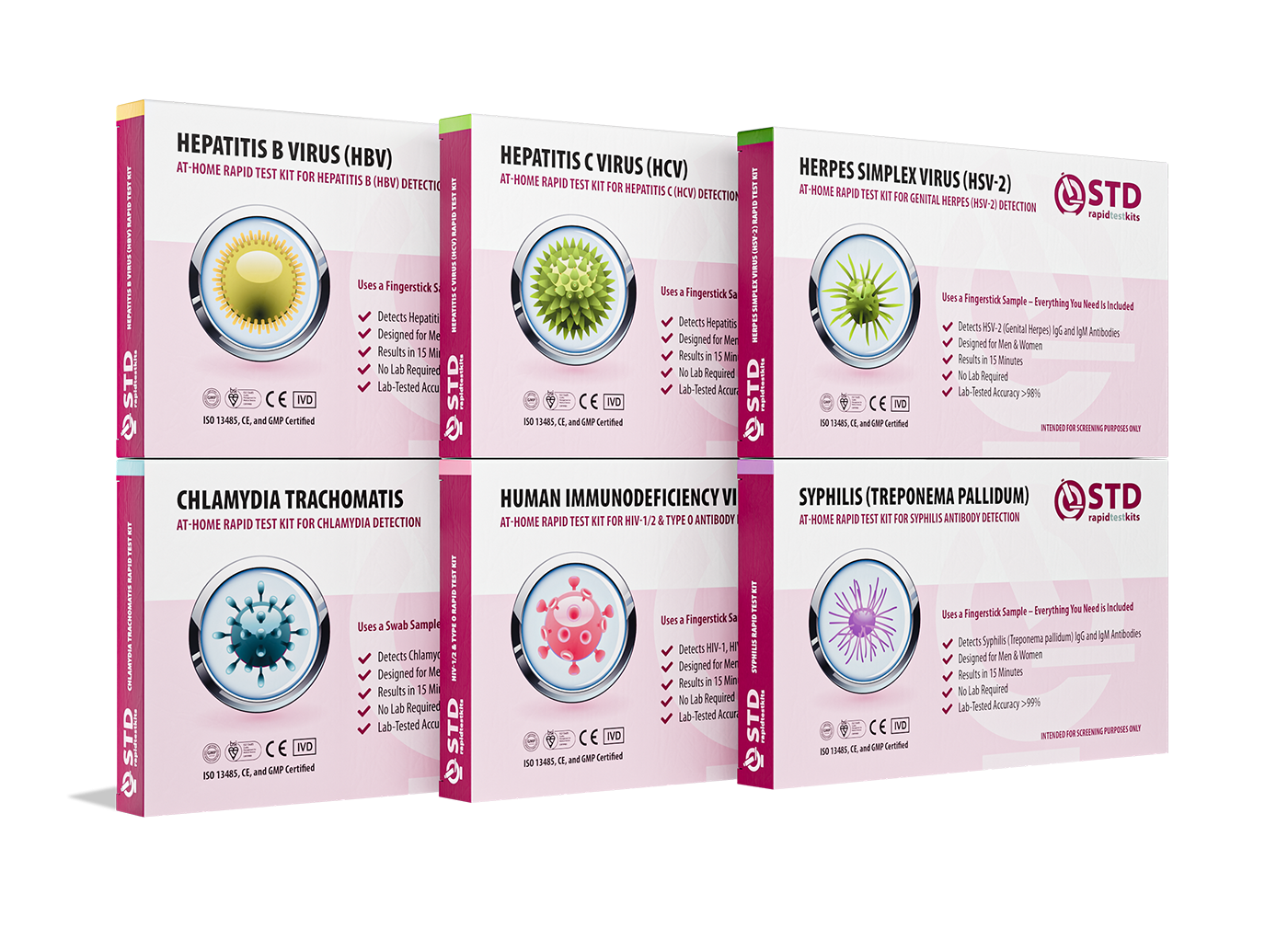
Don’t wait and wonder. If you're not sure, you can use a combo at-home STD test kit to quickly and privately check for more than one infection at once. No clinic waiting room, no awkward conversations, just clear results.
The Bigger Risk Isn’t Toilet Seats, It’s Misinformation
Here’s the part that doesn’t get talked about enough: the toilet seat myth doesn’t just create unnecessary fear. It also creates blind spots.
When people focus on low-risk scenarios, they often overlook higher-risk ones. They delay testing because they think, “Well, I didn’t do anything that risky.” Or they assume symptoms must be from something harmless because they can’t connect them to a specific moment.
This is how infections quietly spread, not through toilet seats, but through gaps in understanding.
“I wish someone had just explained how this actually works,” one patient said after a delayed diagnosis. “I was worried about all the wrong things.”
Accurate information doesn’t just reduce anxiety. It helps you make better decisions, about protection, testing, and your own health.
What About Other Surfaces, Towels, Sheets, or Gym Equipment?
If toilet seats aren’t a risk, what about other shared surfaces? This is where nuance matters.
Most STDs don't live long enough or in the right conditions to spread through things. But this only happens very rarely, usually when there is direct contact and bodily fluids.
The risk is still very low, though, when compared to direct contact.
For example:
Herpes could theoretically transfer through very fresh contact with an active sore, but this is rare and not considered a common route
HPV prefers direct skin contact and does not spread effectively via surfaces
Chlamydia and Gonorrhea do not survive well outside the body at all
The takeaway is consistent: surfaces are not the main story. Human contact is.
Let’s Reset the Narrative
You’re not going to get an STD from sitting on a toilet seat. Not in a public restroom. Not at home. Not from toilet paper. That fear might feel real, but the biology doesn’t support it.
What is real is your ability to understand your risk, get tested when it matters, and take control of your health without shame or guesswork.
If you’ve been spiraling over a bathroom visit, take a breath. Then redirect that energy toward something useful: checking your actual exposure risk and deciding whether testing makes sense for you.
Because clarity doesn’t come from avoiding toilet seats. It comes from knowing how your body, and these infections, actually work.
What Science Actually Says About STD Survival Outside the Body
Let’s strip this down to biology, not fear, not assumptions, not internet myths. The question isn’t just “Can you get an STD from a toilet seat?” It’s: can the organisms that cause STDs even survive long enough outside the body to infect you?
For most infections, the answer is no. These pathogens are built for one environment, the human body. Once they leave it, they start to break down quickly because of the air, changes in temperature, and lack of moisture.
This isn't just a guess. A lot of research has been done on it, and the results are the same for all major health organizations: it doesn't last long outside the body, and touching surfaces isn't very dangerous.
How Long Common STDs Survive Outside the Body
Infection
Survival Outside Body
Surface Transmission Risk
Chlamydia
Very short (minutes)
None
Gonorrhea
Very short (minutes)
None
HIV
Seconds to minutes
None
Herpes
Short, fragile outside host
Extremely unlikely
HPV
Can persist briefly on surfaces
Not a realistic route
Even in the rare cases where a virus might persist slightly longer, persistence does not equal transmission. The conditions required to move from a surface into your body simply aren’t there.
The Difference Between “Possible” and “Realistic” Risk
This is where a lot of online confusion comes from. People read that something is “technically possible” and interpret that as “likely enough to worry about.” But in medicine, those are very different categories.
Yes, in an extremely controlled, unlikely scenario, you could construct a chain of events where transmission from a surface might occur. But outside of a lab setting, those conditions don’t happen in real life.
What matters is realistic risk, the kind that actually shows up in real-world cases. And when it comes to STDs, that risk overwhelmingly comes from direct human contact, not objects.
“We don’t see cases from toilet seats,” one provider explained. “We see cases from people. That’s the difference.”
Here’s the part that can quietly cause harm. When someone believes they got an STD from a toilet seat, they often disconnect it from their actual sexual history. That can delay testing, delay treatment, and sometimes lead to complications.
Instead of asking, “When was my last exposure?” the focus becomes, “What surface did I touch?” And that shift, subtle as it seems, can push people away from the answers they actually need.
It can also create false reassurance. Someone might dismiss symptoms because they believe their only “risk” was a toilet seat, which they’ve been told is impossible. So they wait. And wait. And hope it resolves on its own.
Sometimes it does. Sometimes it doesn’t.
“I kept telling myself it couldn’t be an STD,” one patient shared. “Because I hadn’t done anything ‘risky.’ But I just didn’t understand what risk actually meant.”
If You’re Worried Right Now, Here’s What Actually Helps
If you’re reading this because you’re anxious, maybe after using a public bathroom, maybe after noticing something unusual, pause for a second. The goal isn’t to dismiss your concern. It’s to redirect it toward something useful.
Start with two questions:
Have I had any sexual contact that could carry risk?
Am I noticing symptoms that are new or persistent?
If the answer to either is yes, testing makes sense. Not because of a toilet seat, but because of your actual exposure profile.
If the answer is no, then what you’re feeling is likely something else entirely, irritation, stress, hormonal shifts, or a non-STD condition. And that’s important too, because it helps you avoid unnecessary panic.
You deserve clarity, not guesswork. If you want a private, straightforward way to check, you can use a discreet at-home STD testing option and get answers without overthinking every possibility.
FAQs
1. Can you get an STD from a toilet seat if it’s still warm?
No, and the warmth is just psychological fuel for the panic. A warm seat only means someone was there recently, not that anything infectious is hanging around waiting for you. STDs don’t linger like that, they break down fast once they leave the body.
2. Okay, but what if the toilet seat looked dirty?
Totally fair reaction, no one likes a sketchy bathroom. But “dirty” doesn’t equal STD risk. You might be dealing with general bacteria (the kind that makes you want to wash your hands immediately), not sexually transmitted infections, which need very specific conditions to spread.
3. Can you catch herpes by sitting on a toilet?
No, herpes needs skin-to-skin contact, usually with a sore that is open. It can't survive on surfaces that are cold and dry. This is not how herpes spreads, unless the toilet seat is somehow involved in a very unlikely situation.
4. What if there was fluid on the seat and I didn’t notice?
This is one of those late-night spiral thoughts. Even then, the chain of events required, fresh infectious fluid, immediate contact, and a direct entry point into your body, is incredibly unlikely. In real life, this just doesn’t happen.
5. Can you get HPV from a public toilet?
No. HPV spreads through close, intimate skin contact, not from sitting on shared surfaces. It’s one of the most common viruses out there, but toilet seats aren’t part of its playbook.
6. Why does this story about toilet seats and STDs seem so real?
Because it gives your brain a “safe” explanation. It’s easier to blame a surface than to think about sexual exposure or uncertainty. That doesn’t make you irrational, it just means no one ever explained the science clearly.
7. I haven’t had sex in a while, so where are my symptoms coming from?
Great question, and this is where things get real. A lot of symptoms people blame on “toilet seat STDs” are actually things like yeast infections, irritation, UTIs, or even just friction. Your body can react for a lot of reasons that have nothing to do with an STD.
8. So when should I actually worry about an STD?
Not when you sit down, when you’ve had sexual contact that could carry risk. That includes oral sex, unprotected sex, or a partner whose status you don’t know. That’s where your attention should go.
9. Do STDs live on surfaces at all?
Briefly, in some cases, but not in a way that leads to infection. Think of it like this: survival doesn’t equal transmission. These organisms are fragile outside the body and lose their ability to infect pretty quickly.
10. What’s the smartest next step if I’m anxious right now?
Zoom out and look at your actual risk. If there’s been a real exposure or symptoms that don’t feel normal, testing is the move. If not, you can let go of the toilet seat theory, it’s not where the story starts.
You Deserve Clarity, Not Guesswork
Sitting on a toilet seat didn’t put you at risk, even if your brain keeps replaying the moment like it did. That fear is common, but it’s pointed in the wrong direction. STDs don’t come from surfaces. They come from specific kinds of contact, with specific timing, and understanding that changes everything.
If you’ve had recent sexual exposure, test. If you’re noticing symptoms, don’t dismiss them, but don’t mislabel them either. And if neither applies, you can let this one go. Not everything uncomfortable is dangerous, and not every fear deserves your energy.
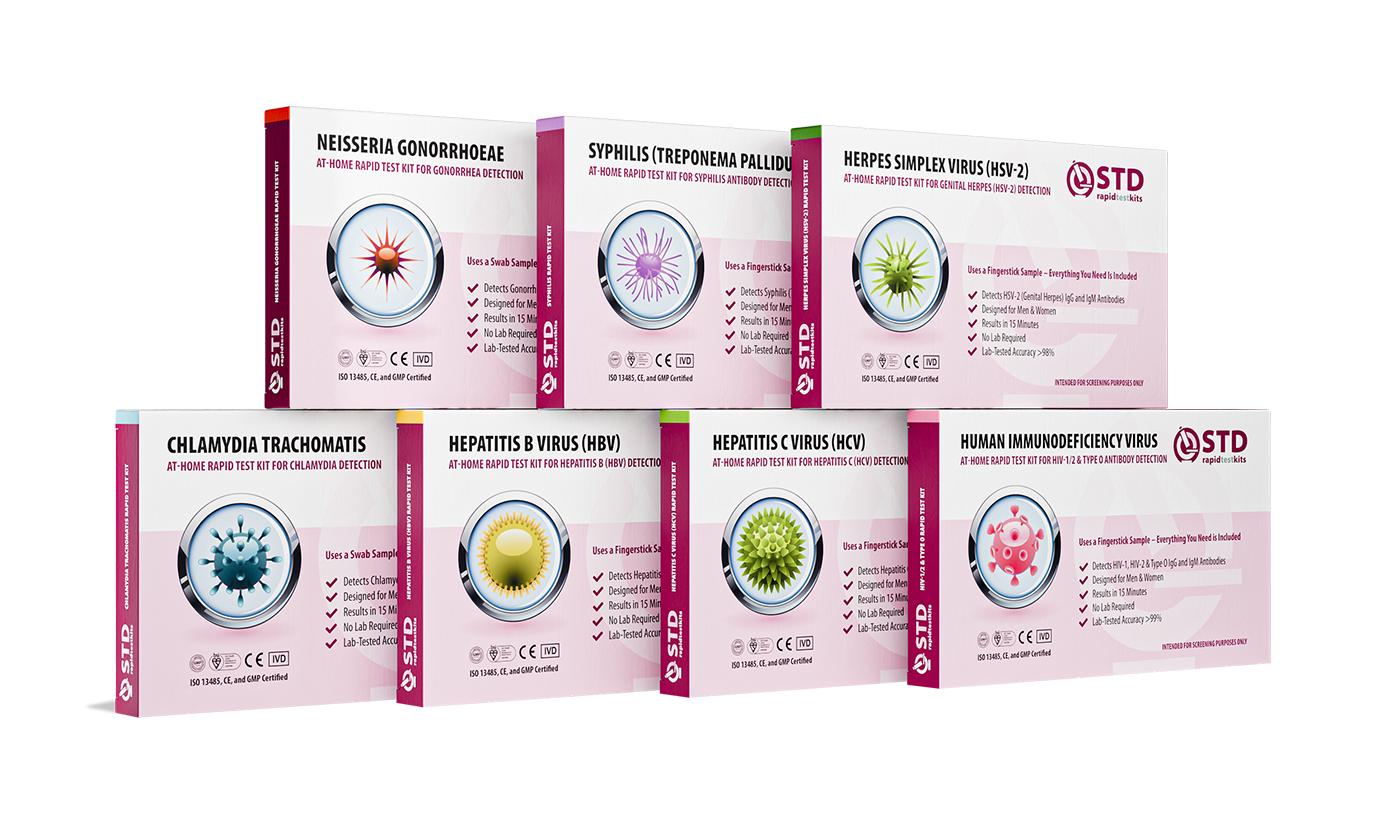
Don’t wait and wonder. If infection is even a small possibility, start with a discreet screen like the Combo STD Home Test Kit. Your results are private. Your peace of mind is real. And clarity always beats guessing.
How We Sourced This Article: This guide draws from current clinical guidance on sexually transmitted infections, including transmission pathways, environmental survival data, and real-world case patterns. We reviewed public health resources, peer-reviewed infectious disease research, and patient-reported scenarios to separate persistent myths from medically grounded reality. The goal is simple: accurate science, explained in a way that actually helps people make decisions.
Dr. F. David, MD is a board-certified expert in infectious diseases who helps stop, find, and treat STIs. His method is easy to understand and supports sexual health. It puts patient empowerment, privacy, and clinical accuracy at the top of the list.
Reviewed by: Dr. Adrian Castillo, MD, Infectious Disease Specialist | Last medically reviewed: March 2026
The purpose of this article is not to give you medical advice, but to give you information.








 For Men & Women
 Results in Minutes
 No Lab Needed
 Private & Discreet