





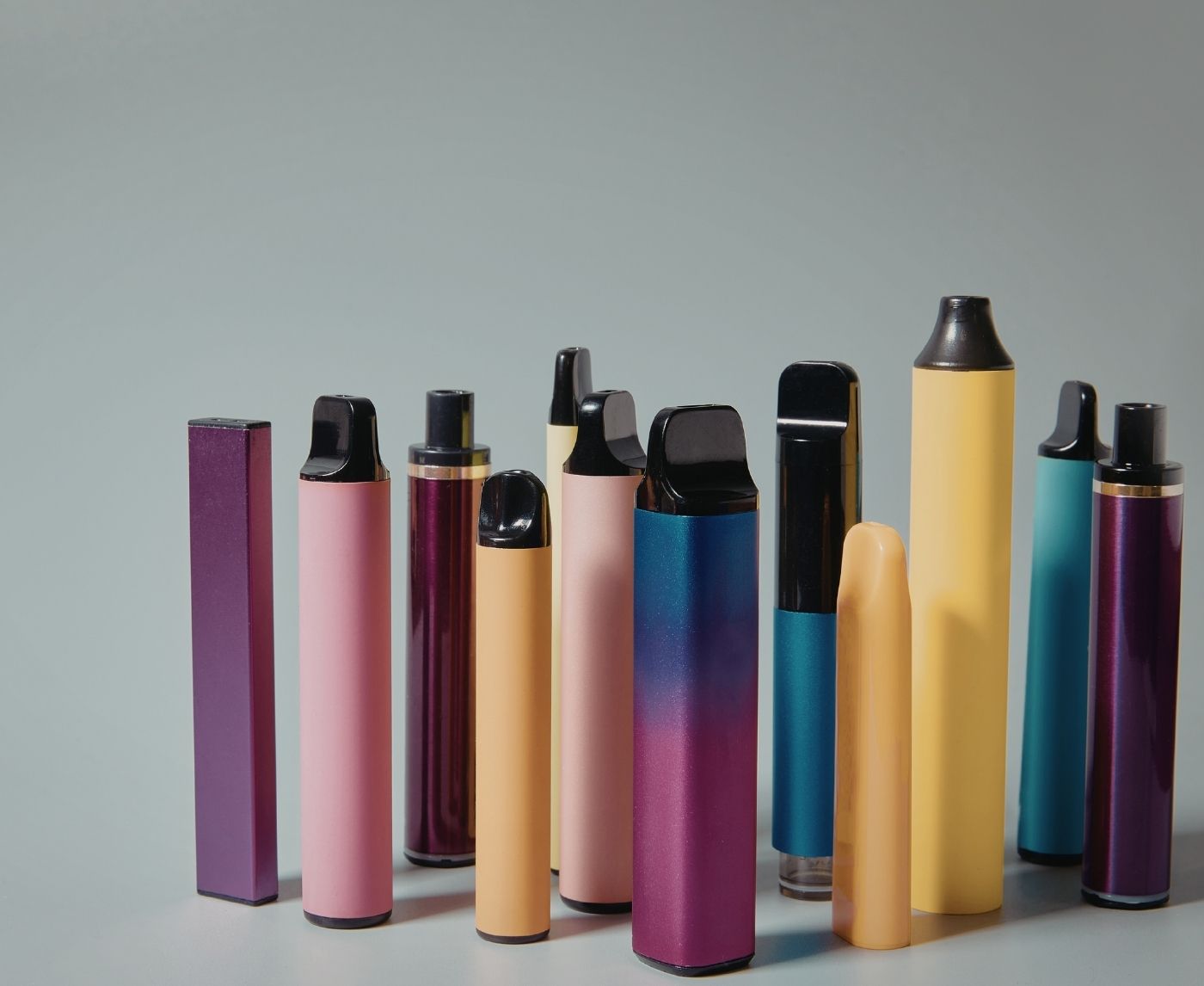

Quick Answer: You cannot get most STDs from sharing a vape, including chlamydia, gonorrhea, or HIV. In rare cases, oral herpes (HSV-1) could spread if someone has an active cold sore and you share immediately after.
This Fear Isn’t Random, It Comes From How STDs Are Talked About
Let’s be honest: most people weren’t taught how STDs actually spread. Instead, they were given vague warnings, “be careful,” “don’t share things,” “you can catch something.” That lack of clarity sticks. So when you share something that touches someone else’s mouth, your brain fills in the blanks.
And Google doesn’t always help. You’ll find answers that are either overly clinical or wildly alarmist. Neither one actually answers the real question: what’s the realistic risk here?
“I literally spiraled after sharing a vape at a party,” one 22-year-old said. “I didn’t even know what I was scared of, just that it felt like I messed up.”
That feeling, uncertainty mixed with shame, is exactly why this myth sticks around. So let’s break it down properly.
What Actually Counts as an STD Transmission Route?
Sexually transmitted infections don’t spread randomly. They require specific conditions, usually involving direct contact with infected fluids or skin in areas where the virus or bacteria can enter the body.
Most STDs need one of the following:
- Sexual contact: Vaginal, anal, or oral sex
- Direct skin-to-skin contact: Especially for infections like Herpes or HPV
- Exchange of bodily fluids: Such as semen, vaginal fluids, or blood
A vape? It doesn’t involve any of those in a meaningful way. There’s no deep fluid exchange, no sustained skin contact, and no internal exposure. That’s why infections like chlamydia, gonorrhea, or HIV are simply not transmitted through sharing objects like vapes.
This isn’t a “low risk” situation, it’s a no transmission pathway situation for those infections.

People are also reading: Can Birth Control Trigger a Herpes Outbreak? Here’s What Science Says
So Why Does Herpes Keep Coming Up?
This is where things get more nuanced, and where most of the confusion lives.
Herpes (HSV-1), the type that usually causes cold sores, spreads through direct contact with infected skin or saliva. That includes kissing, oral sex, or close mouth-to-mouth contact. So technically, yes, anything that touches the mouth could become a possible transmission point.
But here’s the part most people miss: herpes doesn’t survive well outside the body. It’s fragile. It needs immediate, direct transfer to stay infectious.
That means that a lot of very specific things would have to happen at the same time for herpes to spread through a vape:
- Active outbreak: The person has a cold sore that is easy to see.
- Immediate sharing: You use the vape right after them
- Direct contact: The virus transfers quickly before it dies
Even then, the risk is considered low. Not impossible, but far from likely.
“People think herpes is everywhere, waiting on surfaces,” one clinician explained. “In reality, it’s a pretty delicate virus. It doesn’t linger the way people imagine.”
What Can vs What Can’t Spread from Sharing a Vape
| Infection | Can It Spread via Vape? | Why or Why Not |
|---|---|---|
| Chlamydia | No | Requires sexual fluid exchange |
| Gonorrhea | No | Does not survive on surfaces like vape tips |
| HIV | No | Cannot transmit through saliva or objects |
| HPV | Extremely unlikely | Requires direct skin-to-skin contact |
| Herpes (HSV-1) | Possible but rare | Only with active sores and immediate contact |
When you look at it this way, the fear starts to shrink. Most STDs simply aren’t built to spread through objects like this.
The Stuff You’re More Likely to Catch (That Isn’t an STD)
If anything spreads through shared vapes, it’s usually not an STD at all. It’s the same stuff you could catch from sharing drinks, utensils, or cigarettes.
That includes:
- Cold viruses: Especially if someone is actively sick
- Flu: Spread through respiratory droplets
- Mono (the “kissing disease”): Much more likely than herpes in this context
This is where a lot of confusion happens. People feel symptoms, like a sore throat or lip irritation, and immediately jump to “STD.” But the cause is often something way more common and less stigmatized.
“I thought I had something serious,” one college student said. “Turned out to be mono. I wish someone had told me that was way more likely.”
Understanding this difference matters. It shifts the conversation from fear to clarity.
What About Saliva, Can STDs Spread That Way?
This is one of the most Googled questions for a reason. Saliva feels like a gray area. It’s not as intimate as sex, but it’s still contact. So what’s the real deal?
Most STDs do not spread through saliva alone. Even in oral sex, transmission usually requires mucous membrane contact, not just spit.
Here’s a quick breakdown:
| STD | Spread Through Saliva Alone? |
|---|---|
| Herpes (HSV-1) | Sometimes (if active sores) |
| HIV | No |
| Chlamydia | No |
| Gonorrhea | No |
This is why sharing a vape doesn’t line up with how these infections actually spread. The biology just doesn’t support it.
Check Your STD Status in Minutes
Test at Home with Remedium7-in-1 STD Test Kit
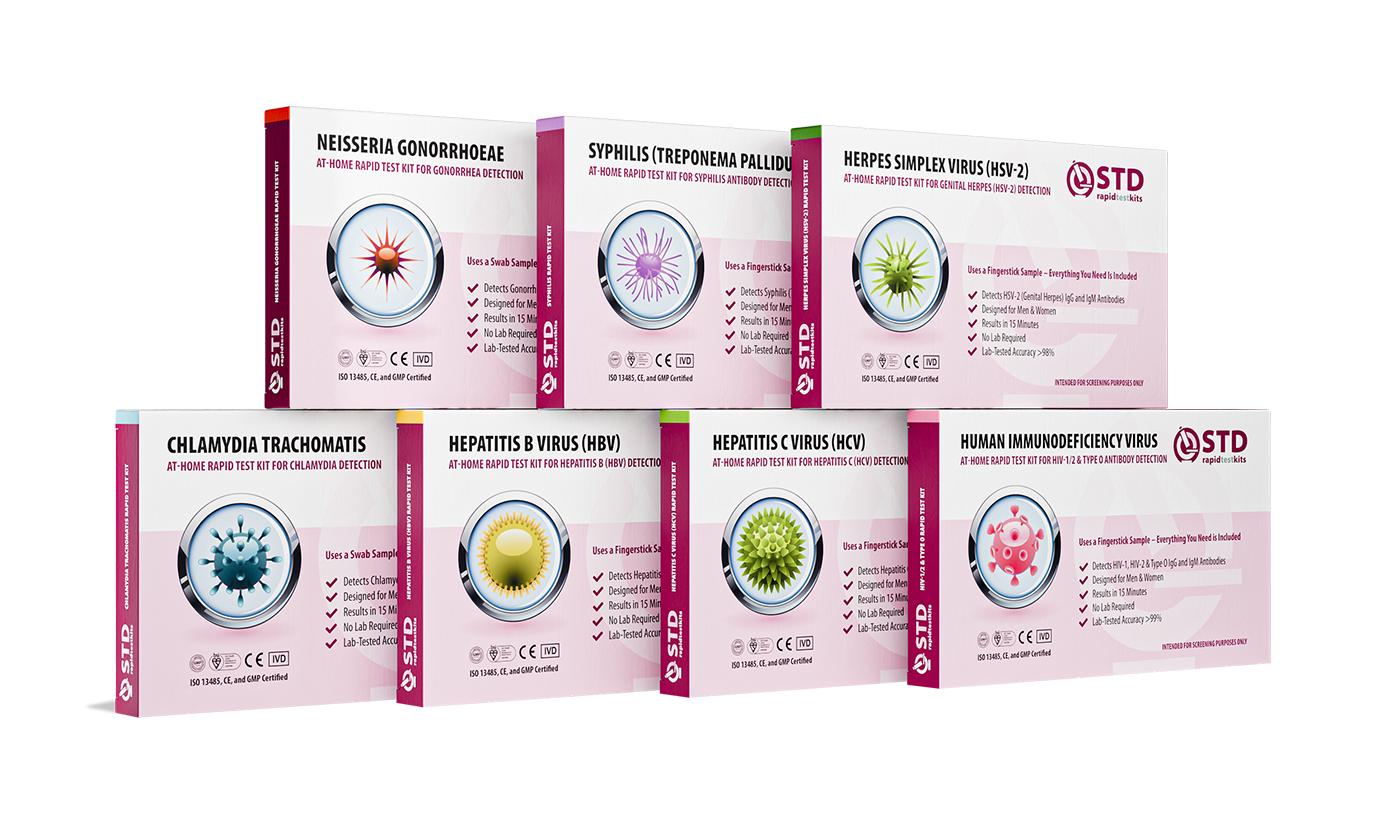
 For Men & Women
 Results in Minutes
 No Lab Needed
 Private & Discreet
Order Now $129.00 $343.00
For all 7 tests
When Should You Actually Be Concerned?
Let’s ground this in reality. If you shared a vape and now you’re worried, here’s what actually matters.
You might consider risk if:
- You saw an active cold sore on the other person’s lips
- You used the vape immediately after them with no time gap
- You now have a tingling, blister-like sore forming on your lip
If none of those apply, your risk is extremely low. Not “probably fine”, genuinely minimal.
And if you’re unsure, testing is always an option. You can look into private options like at-home STD testing kits that give you peace of mind without the stress of going to a clinic.
Because the real problem isn't always exposure; it's the anxiety that comes after.
“I Shared a Vape… Now I’m Spiraling”, Let’s Talk About That Feeling
There’s a very specific kind of anxiety that hits after moments like this. It’s not loud at first. It starts as a passing thought, “wait, should I be worried?”, and then it snowballs into late-night searches, symptom checking, and worst-case scenarios.
And here’s the truth most people won’t say out loud: this reaction isn’t really about the vape. It’s about how we’ve been taught to think about STDs. The idea that one small mistake could lead to something permanent or shameful runs deep.
“I couldn’t stop thinking about it,” one 19-year-old shared. “Even though I knew it didn’t make sense, I kept checking my lips in the mirror.”
That kind of hyper-awareness can make normal sensations feel like symptoms. A dry lip becomes a “tingle.” A tiny irritation becomes “maybe a sore.” Your brain fills in the blanks because it’s trying to protect you, but it doesn’t always get the science right.
What Early Herpes Symptoms Actually Feel Like (So You’re Not Guessing)
If herpes were to spread, which again, is rare in this situation, it doesn’t show up randomly or subtly. There’s usually a very specific pattern, especially with oral herpes.
One of the first signs is often a strong tingling, itching, or burning feeling in one spot on the lip or around the mouth. This isn't just a little bit of pain; it's localized and won't go away. Within a day or two, small fluid-filled blisters may appear, often clustered together.
Those blisters eventually break, crust over, and heal. The whole process is visible and evolves over several days. It’s not something that quietly appears and disappears overnight.
Compare that to things people commonly mistake for herpes:
- Chapped lips: Dry, cracked skin from weather or dehydration
- Pimples: Single bumps, often not clustered or blister-like
- Irritation: From vaping itself, especially with flavored or harsh products
Knowing the difference matters. It helps you respond based on reality, not fear.
The Timeline People Get Wrong About STDs and Symptoms
One of the biggest drivers of panic is timing. Someone shares a vape, then notices something the next morning and assumes the two are connected. But most infections, especially herpes, don’t work that fast.
There’s a window period. That’s the time between exposure and when symptoms or test results become detectable. For oral herpes, symptoms typically take a few days to a week to appear after a new exposure.
If you feel something immediately or within hours, it’s almost certainly not an STD. It’s more likely irritation, dryness, or just your awareness kicking into overdrive.
This is where a lot of unnecessary stress happens, people connect events that aren’t biologically linked.
Where Testing Fits In (And Where It Doesn’t)
Testing can be empowering, but only when it’s used at the right time and for the right reasons. Not every moment of anxiety needs a test, and not every exposure creates a meaningful risk.
If you share a vape, you don't need to get tested for most STDs. There’s no exposure pathway for infections like chlamydia, gonorrhea, or HIV in this scenario.
For herpes, testing is typically only useful if you have visible symptoms. Swab tests require an actual sore to be accurate. Blood tests exist, but they don’t tell you when or how you were exposed, and they can create more confusion than clarity.
That said, if you’re someone who prefers certainty over waiting, options like the at-home combo STD test kit can give you a broader picture of your sexual health. Not because of the vape, but because regular testing is a smart, proactive habit.
“I realized I wasn’t actually worried about the vape,” one user said. “I just hadn’t been tested in a while.”
That insight matters. Sometimes the trigger isn’t the risk, it’s the reminder.
People are also reading: How Risky Are Sex Parties? What You Need to Know About STDs
The Bigger Myth: “You Can Catch STDs From Anything”
This idea shows up everywhere. Public bathrooms, towels, drinks, toilet seats, and now, vapes. It’s rooted in a misunderstanding of how fragile most STD-causing organisms actually are outside the human body.
Bacteria like those responsible for chlamydia and gonorrhea don’t survive long on surfaces. Viruses like HIV break down quickly once exposed to air. Even herpes, while more resilient than some, still needs very specific conditions to spread.
STDs aren’t lurking on random objects waiting to infect you. They rely on close, direct, and usually intimate contact.
When you understand that, a lot of these fears lose their grip.
So… Should You Stop Sharing Vapes?
Not necessarily, but it depends on your comfort level and awareness.
From an STD perspective, sharing a vape is low risk to the point of being negligible. But from a general health standpoint, it’s still sharing something that touches someone else’s mouth.
If you want to reduce even minor risks, you can:
- Avoid sharing if someone has visible sores or is clearly sick
- Wipe the mouthpiece between uses
- Be mindful in crowded or high-contact settings
These aren’t rules, they’re just ways to stay aware without feeding unnecessary fear.
Because at the end of the day, this isn’t about eliminating all risk. It’s about understanding which risks are real, and which ones just feel real in the moment.
What Science Actually Says About Viruses on Surfaces
A lot of the fear around sharing a vape comes from one big question: how long can viruses live outside the body? It’s a fair question, and the answer is what clears up most of the confusion.
Most STD-causing organisms are not built to survive in the open air. They need the human body, specifically warm, moist environments, to stay active. Once they’re exposed to air, temperature changes, and dry surfaces, they begin to break down quickly.
For example, the viruses and bacteria responsible for infections like chlamydia and gonorrhea can’t survive on inanimate objects long enough to infect someone. By the time you pick up a vape someone else used, even a few seconds later, the conditions are already working against transmission.
Herpes is slightly different, but still limited. It doesn’t “live” on surfaces the way people imagine. It needs immediate transfer from active skin to another person’s skin. Without that, it loses viability fast.
So when people ask if STDs can live on a vape, the more accurate answer is: not in a way that realistically leads to infection.
The Real Risk Equation (It’s More Specific Than You Think)
Instead of thinking in terms of “possible vs impossible,” it helps to think in terms of conditions. Transmission isn’t random, it’s conditional.
For something like oral herpes to spread through a vape, all of the following would need to line up:
- Visible, active cold sore shedding virus
- Direct saliva contact with the mouthpiece
- Immediate use by another person before the virus degrades
- Entry point like a small crack or sensitive area on your lips
That’s a narrow window. And even when those conditions exist, transmission still isn’t guaranteed, it’s just biologically possible.
This is very different from how herpes typically spreads, which is through sustained contact like kissing or oral sex. A quick pass of a vape doesn’t create the same exposure.
What People Often Feel After Sharing a Vape (And Why It’s Misleading)
Here’s something that doesn’t get talked about enough: vaping itself can cause mild irritation. Your lips may feel dry, sensitive, or a little swollen after being exposed to heat, chemicals, flavors, or repeated contact.
If you're already anxious, that feeling can easily be mistaken for something worse.
Common post-vape sensations include:
- Dryness: Lips feeling tight or chapped
- Warmth or tingling: Especially after frequent use
- Minor irritation: From flavors or repeated contact
It's easy to mistake normal reactions for symptoms when you add that to being more aware. Your brain is looking for danger, so everything seems bigger.
This doesn’t mean you’re overreacting, it means you’re human. But it does mean the sensation isn’t necessarily what you think it is.
When It’s Actually Worth Paying Attention
Most of the time, sharing a vape leads to nothing. But there are a few situations where it’s reasonable to stay alert, not alarmed, just aware.
Pay closer attention if:
- You noticed a clear cold sore on someone’s lips before sharing
- You develop a cluster of blisters within several days
- The area becomes painful, not just dry or irritated
Even then, the next step isn’t panic, it’s observation. See how things evolve over a few days. Herpes follows a recognizable pattern, and it doesn’t stay subtle.
If something does develop, that’s when testing or medical guidance makes sense. Not before.
Check Your STD Status in Minutes
Test at Home with Remedium8-in-1 STD Test Kit
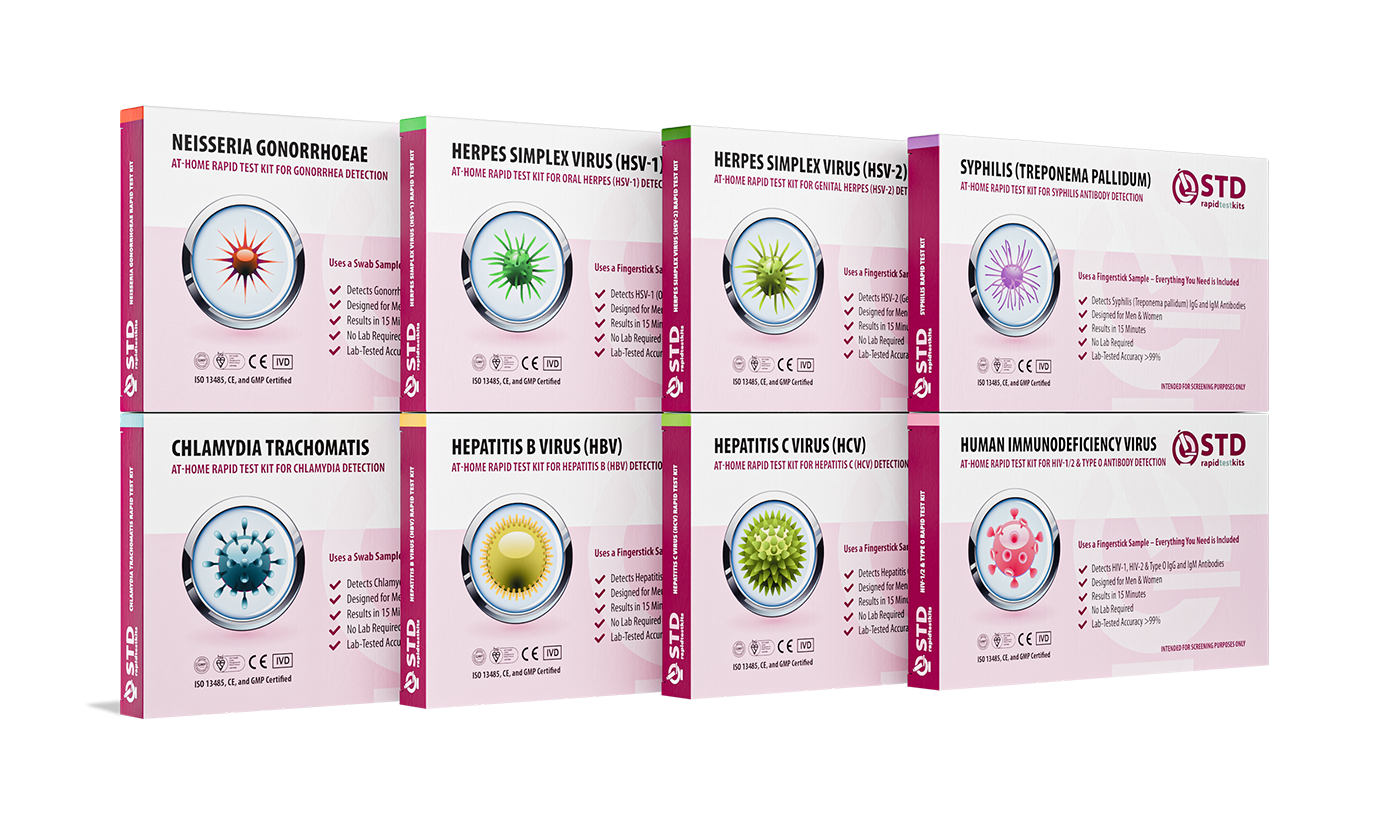 For Men & WomenResults in MinutesNo Lab NeededPrivate & Discreet
Order Now $149.00 $392.00
For all 8 tests
A Quick Reality Check You Can Come Back To
If you ever find yourself spiraling after sharing a vape, come back to this:
- You cannot get most STDs from sharing a vape
- Herpes transmission in this context is possible but rare
- Symptoms don’t appear instantly, they follow a timeline
- Most sensations you notice right away are not STDs
And if you want peace of mind beyond this one situation, regular testing is always a solid move. You can check your status privately with options available at STD Rapid Test Kits, without turning one moment into a bigger stress cycle.
Because clarity shouldn’t feel complicated, and it definitely shouldn’t feel scary.
FAQs
1. Can you actually get herpes from sharing a vape, or is that just internet paranoia?
It’s not pure paranoia, but it’s close. The only real way it could happen is if someone had an active cold sore and you used the vape immediately after them. In real life, that chain of events is pretty rare, which is why doctors don’t consider this a common transmission route.
2. I shared a vape and now my lip feels tingly… is that how herpes starts?
Short answer: probably not. That “tingly” feeling people talk about with herpes is usually very specific and shows up right before visible blisters, not just a vague sensation. What you’re feeling is way more likely dryness, irritation, or your brain going into hyper-alert mode.
3. Okay but be honest, should I be worried right now?
If there was no visible cold sore involved, you can relax. Seriously. This isn’t one of those “low risk but still scary” situations, it’s one of those “your brain is filling in gaps because no one explained this clearly” situations.
4. Can you get other STDs from sharing a vape, like chlamydia or gonorrhea?
No, and this one’s very straightforward. Those infections need sexual contact and specific bodily fluids to spread. A vape just doesn’t create that kind of environment, no matter how many people hit it.
5. What’s actually more likely to spread from sharing a vape?
The boring stuff, colds, flu, maybe mono if someone’s actively sick. It’s the same risk as sharing a drink at a party. Not glamorous, not taboo, just everyday germs doing their thing.
6. How long would it take for herpes symptoms to show up if it did happen?
Usually a few days, sometimes up to a week. Not overnight, not a few hours later while you’re still thinking about it. If you’re checking your lips the same night, you’re way ahead of the biology.
7. What does a real herpes outbreak actually look like?
It’s not subtle. You’re looking at small, clustered blisters that show up in one spot, often after a noticeable tingling or burning feeling. They don’t come and go in a few hours, they stick around, evolve, and heal over several days.
8. Is sharing a vape basically the same as kissing someone?
Not really. Kissing involves direct, sustained skin-to-skin contact, which is exactly how herpes prefers to spread. A vape is quick, indirect, and way less ideal for transmission.
9. I feel like I messed up, should I get tested just in case?
You don’t need to test because of a vape. But if this moment made you realize you haven’t checked your status in a while, that’s actually a solid reason to test. Not out of fear, just out of taking care of yourself.
10. Why does this feel so scary even if the risk is low?
Because nobody ever gave you a clear rulebook. When something involves mouths, contact, and “what if,” your brain fills in the blanks with worst-case scenarios. Once you understand how transmission actually works, that fear usually loses a lot of its power.
You Deserve Clarity, Not Spiral Googling
Sharing a vape can feel like a small moment that turns into a big question later. It’s not really about the vape, it’s about that split second where you wonder if you crossed a line you didn’t understand. The risk itself isn't what stays; it's the uncertainty.
The reality is simpler than your search history makes it seem. Most STDs don’t spread this way. Herpes only becomes a concern under very specific conditions, and even then, it’s uncommon. When you understand how transmission actually works, the situation shrinks back down to what it really was: a shared object, not a high-risk exposure.
If you’ve had recent sexual contact and just want to be sure, testing is a smart move, but not because of a vape. If it’s about peace of mind, start with something discreet like the Combo STD Home Test Kit. No waiting rooms, no guessing, just answers you can trust.
How We Sourced This Article: This guide is based on the latest clinical research on how STDs spread, including how viruses act outside of the body and what conditions need to be present for infection to happen. We looked at advice from public health officials, peer-reviewed studies on how long the herpes simplex virus can live, and real-life patient worries to tell the difference between real risks and common myths. The goal: give you clarity that’s both medically accurate and actually usable in real life.
Sources
1. Centers for Disease Control and Prevention – Genital Herpes Overview
2. Centers for Disease Control and Prevention – STD Transmission Basics
3. World Health Organization – Herpes Simplex Virus Fact Sheet
5. Mayo Clinic – Herpes Simplex
6. Planned Parenthood – Herpes
7. Healthline – Can You Get Herpes from Sharing a Drink?
About the Author
Dr. F. David, MD is a board-certified infectious disease doctor who specializes in preventing, diagnosing, and treating STIs. His direct, sex-positive approach puts clinical accuracy, clarity, privacy, and patient empowerment first.
Reviewed by: Dr. Emily Carter, MD, Infectious Disease Specialist | Last medically reviewed: March 2026
This article is for information only and should not be taken as medical advice.


