The sad reality of STDs often creates anxiety, confusion, and many questions in one's mind. The very basic question people ask themselves is when do I get myself checked for STDs? This is where the term STD incubation period comes in.
A crucial part of any sort of disease testing is what's known as the incubation period: the time between the initial contact with an infected person and when symptoms manifest. Very often, if you test too soon, the infection could be so minute as to be undetectable. If you test too late, you may well no longer have the infection.
08 October 2024
8 min read
15016
Incubation Period of STDs
One consideration, however, in testing for STDs is incubation time. This is the length of time between initial infection and the manifestation of symptoms. It is, in effect, the length of time in which one may be unaware of any infection. You might not show an infection if you do it early, and if you do it really late, you may not find out you have been infected.
The complication is that different incubation periods may vary among all types of STDs. This said, this guide will help in understanding when the best time is to get tested depending on whatever type of STD you suspect you have contracted.
STDs - A Common Reality
Contrary to the general notion, STDs are very common. According to the CDC, one in five people had an STD in 2018. That statistic alone makes regular testing-especially if you feel like you may have been exposed-all the more relevant.
Testing: The Key to Prevention
Why is testing so important?
Stopping the Spread: Knowing that you're infected will have you taking precautions in order not to spread the disease to others.
Treatment Assurance: Once a proper diagnosis has been performed, you are sure of getting the right treatment. If an STD occurs to be life-threatening, as HIV is, timely diagnosis and treatment may improve long-term health outcomes drastically.
Recognizing Symptoms: You should know that the symptoms in men and women of all types of STDs may let you detect them in the very beginning.
If you suspect that you may have an STD, have yourself tested right away. This won't only save your health, but it will also avoid the spread of infection in the process.
Decoding the Incubation Periods of Common STDs
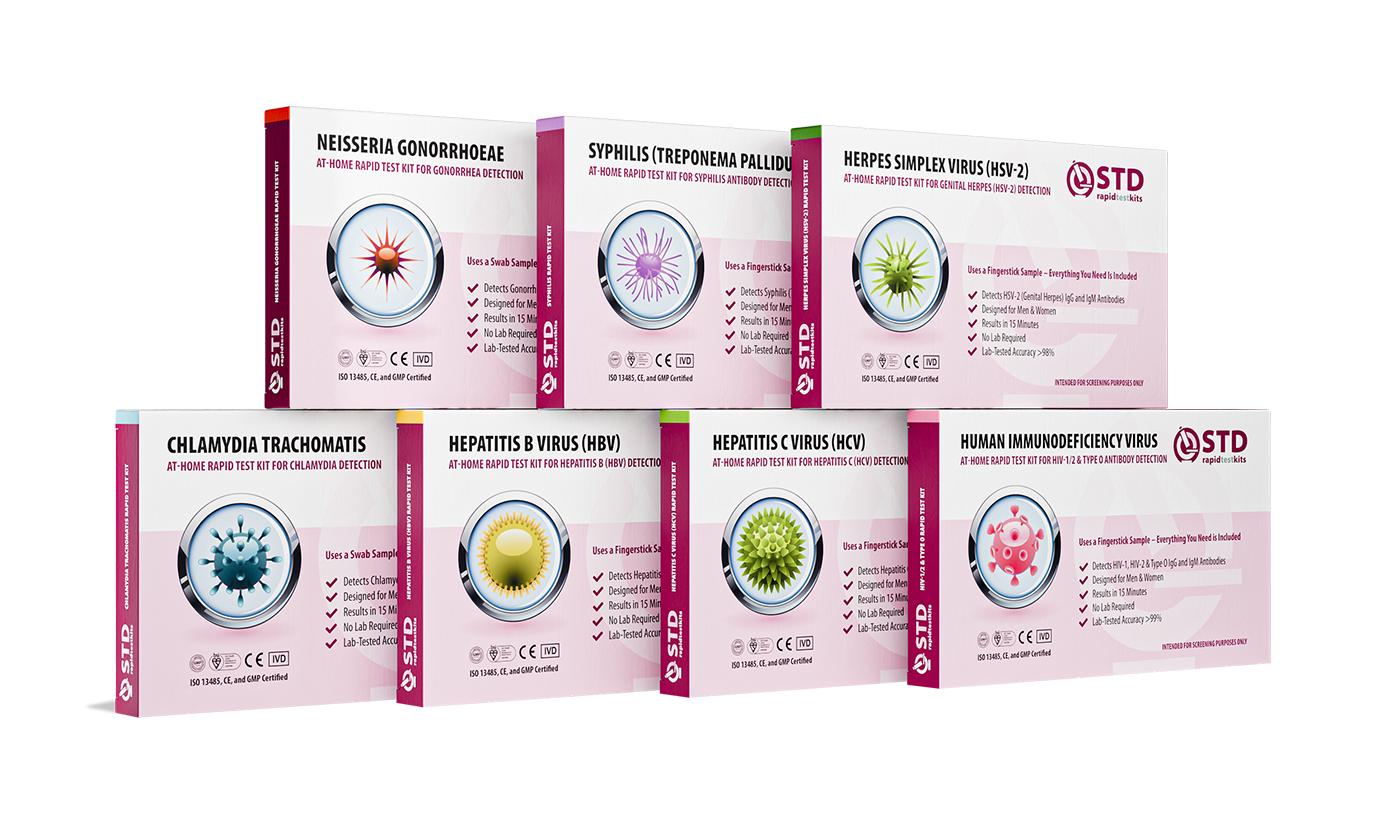
Timing is everything when it comes to taking an STD test, but how will you know when the time is right? Allow us to take you behind the scenes and into the incubation periods of seven common STDs that will help you make an informed decision.
HIV
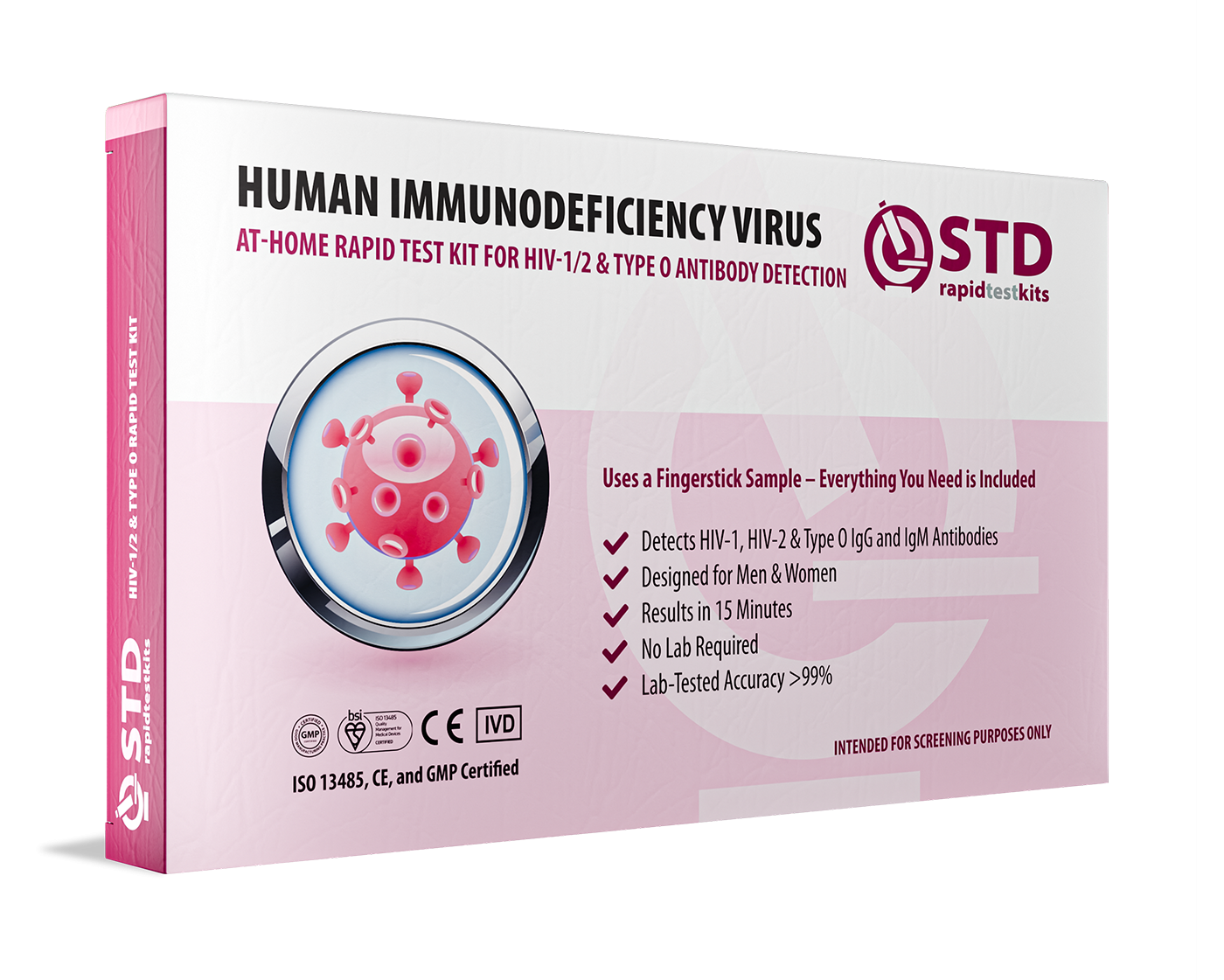
If medically left unattended, HIV can be lethal. Fortunately, there have been a number of medical breakthroughs that could reduce the risk of acquiring it or improving the quality if infection occurs, such as with PrEP and PEP. Acute symptoms of HIV can appear a few days following exposure. The common symptoms include fever, headache, diarrhea, rash, muscle pain, and loss of appetite. This would usually appear about 14 days after exposure.
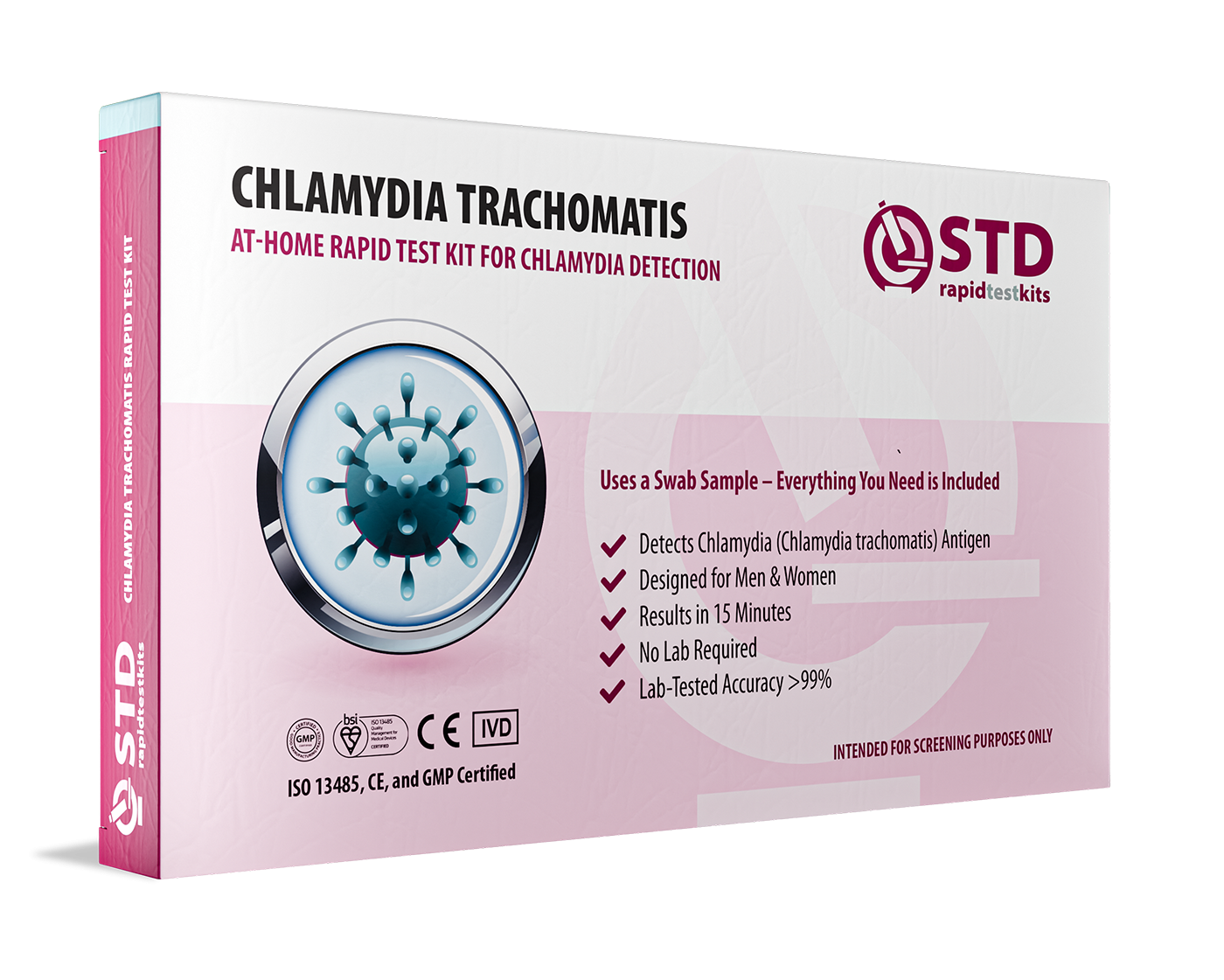
Chlamydia is another one of the most common STDs. These infections can cause far-reaching health problems if left untreated, such as infertility, both in men and women, pelvic inflammatory disease, and ectopic pregnancy. The incubation periods for symptomatic Chlamydial infections include 7-21 days. Not everyone who has chlamydia develops symptoms, making it tough to know when to seek testing.
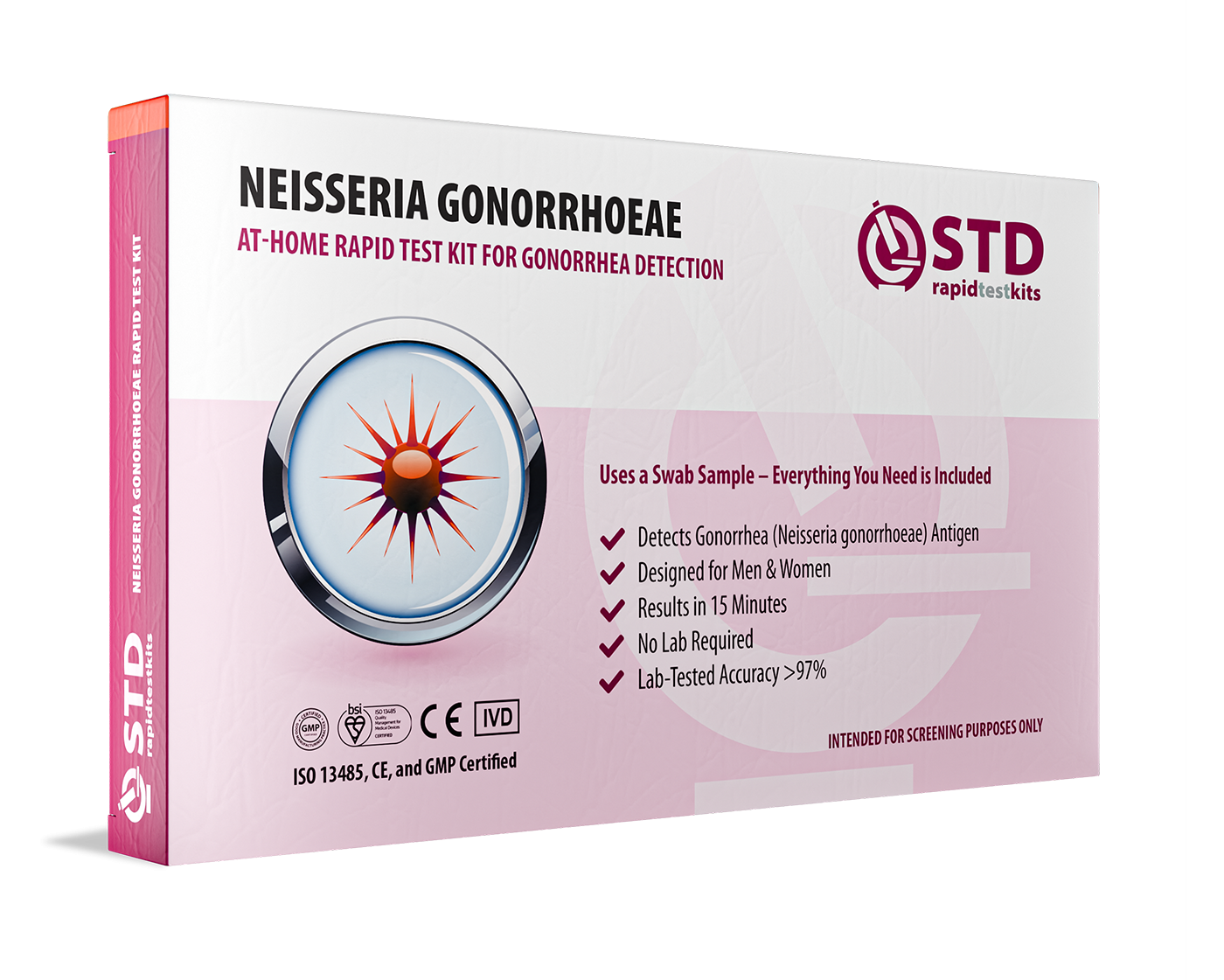
Whereas the second most reported STD in the U.S.-gonorrhea-may be asymptomatic and, thus go undetected and unreported. It is estimated that gonorrhea has an incubation period of 1–14 days for symptomatic infections. Typically, symptoms develop near the beginning of this period for cis men or individuals with a penis and toward the end of this period for cis women or individuals with a vagina.
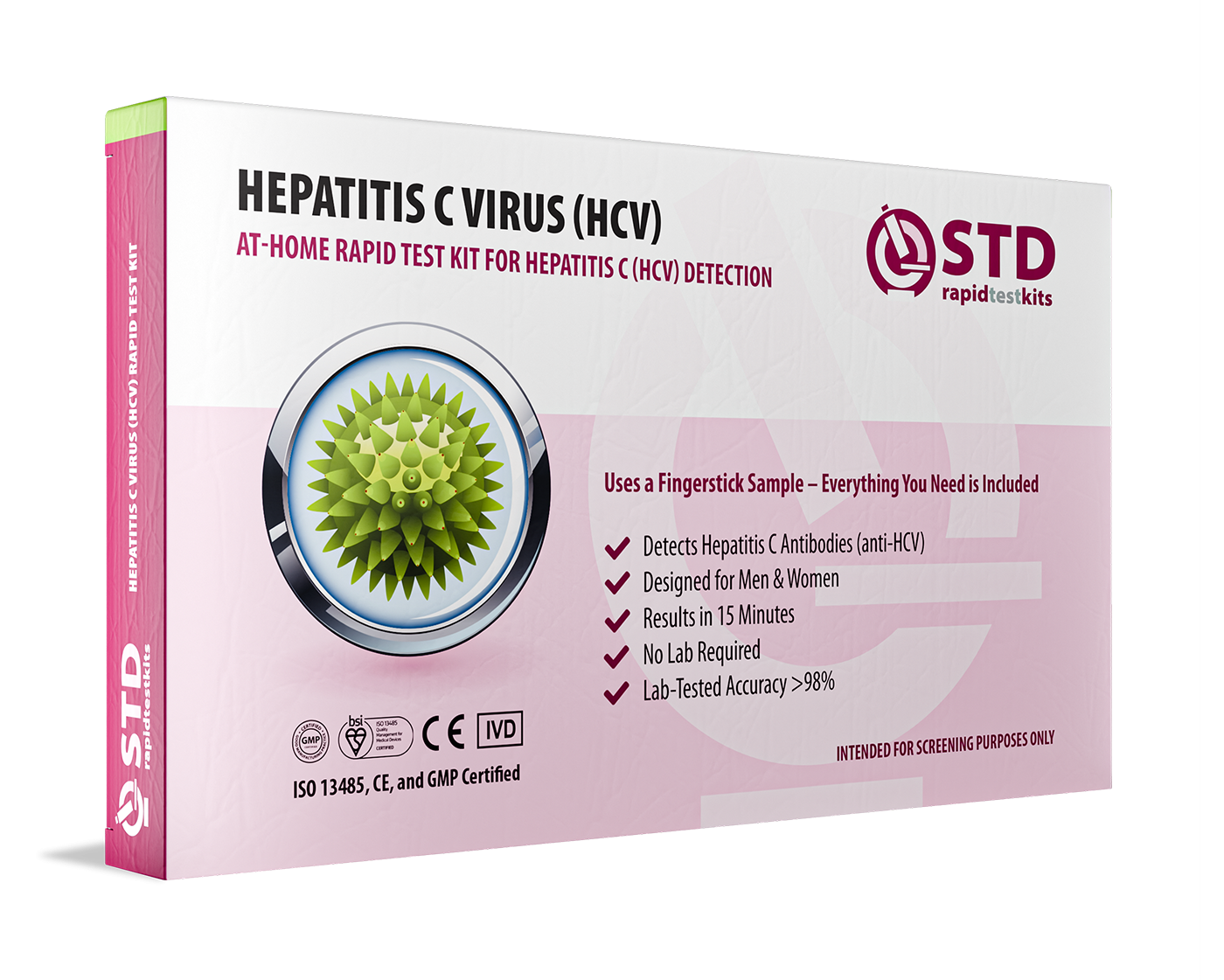
Hepatitis C is a viral infection and tends to be limited to the liver. The incubation period, in symptomatic patients, is very long and ranges between 2-12 weeks. Most people who have contracted Hep C do not have symptoms whatsoever. If you are not monogamous or practice activities that put you at risk, it would be wise to get tested for STD's on a regular basis.
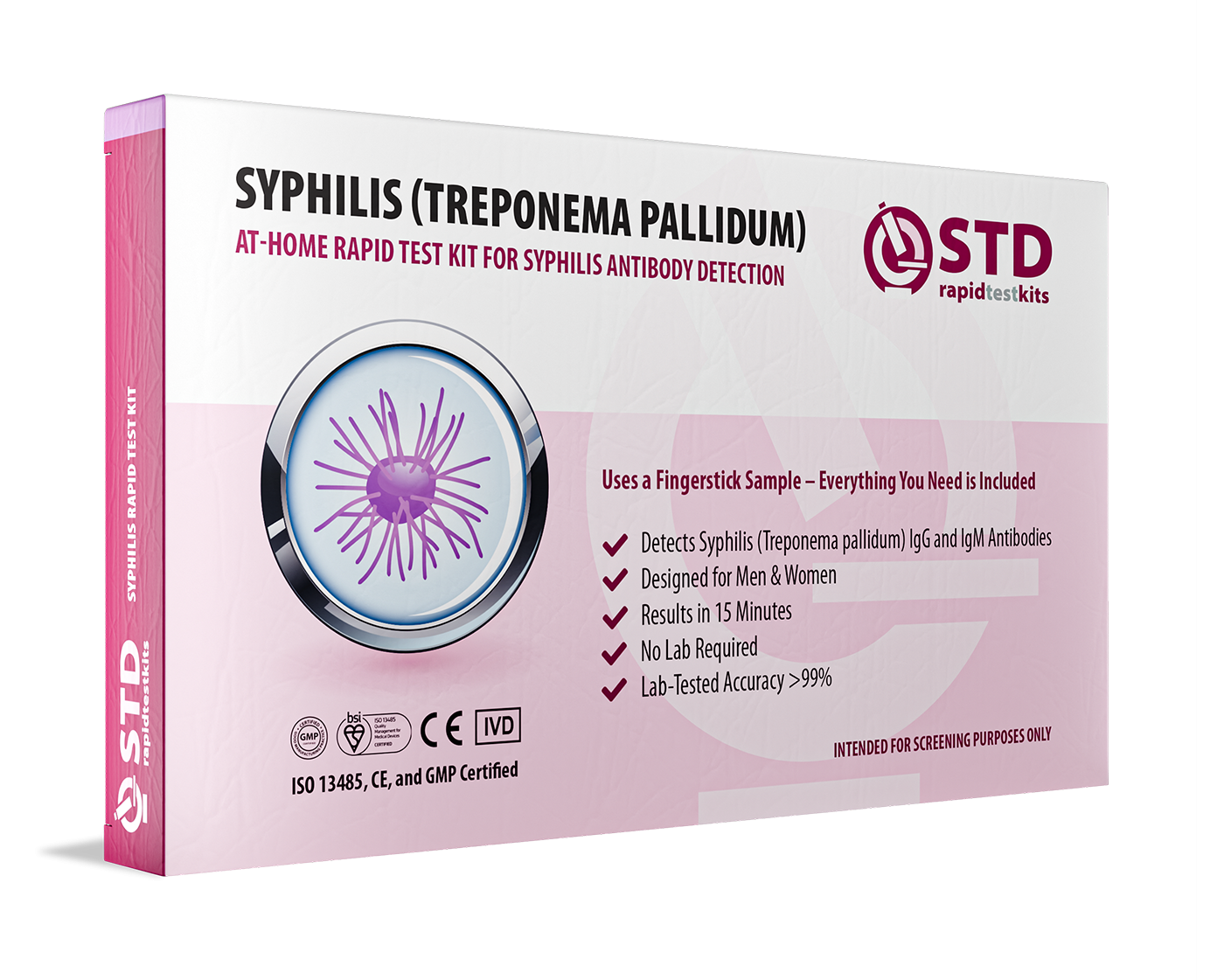
Syphilis is a very sneaky STD that, if left uncured, may stay in your body for years or decades. The development of syphilis consists of four stages: primary, secondary, tertiary, and latent. Each of these stages has a different incubation period.
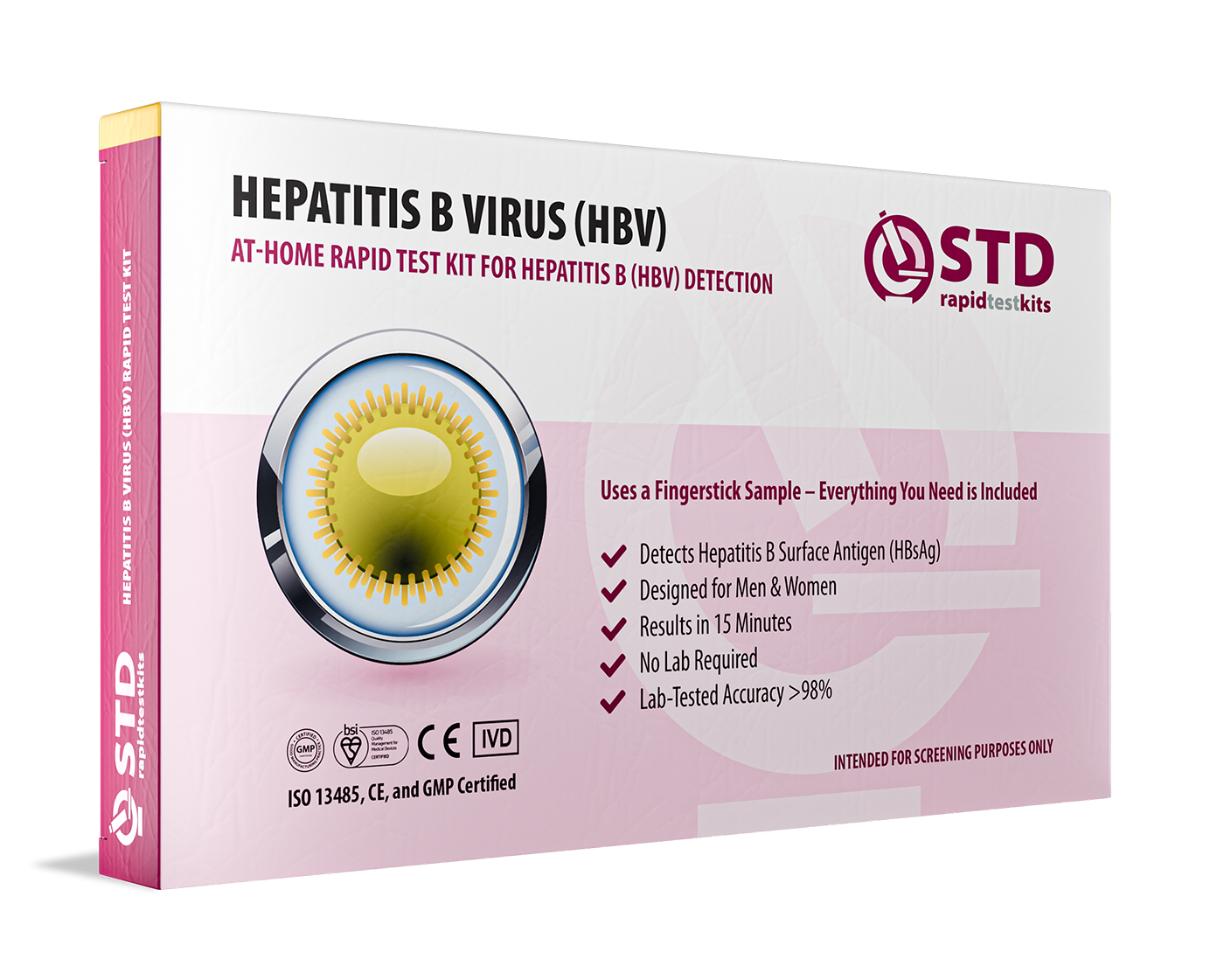
Hepatitis B is a serious viral infection that can be transmitted through direct contact with the infected body fluid. Symptoms of Hepatitis B usually arise within one to four months-28 to 160 days-after the exposure, though in certain cases they start to appear as early as two weeks. The majority of the cases are asymptomatic; however, symptomatic signs and symptoms include fever, tiredness, loss of appetite, yellowish complexion of the skin and mucous membranes, and dark urine.
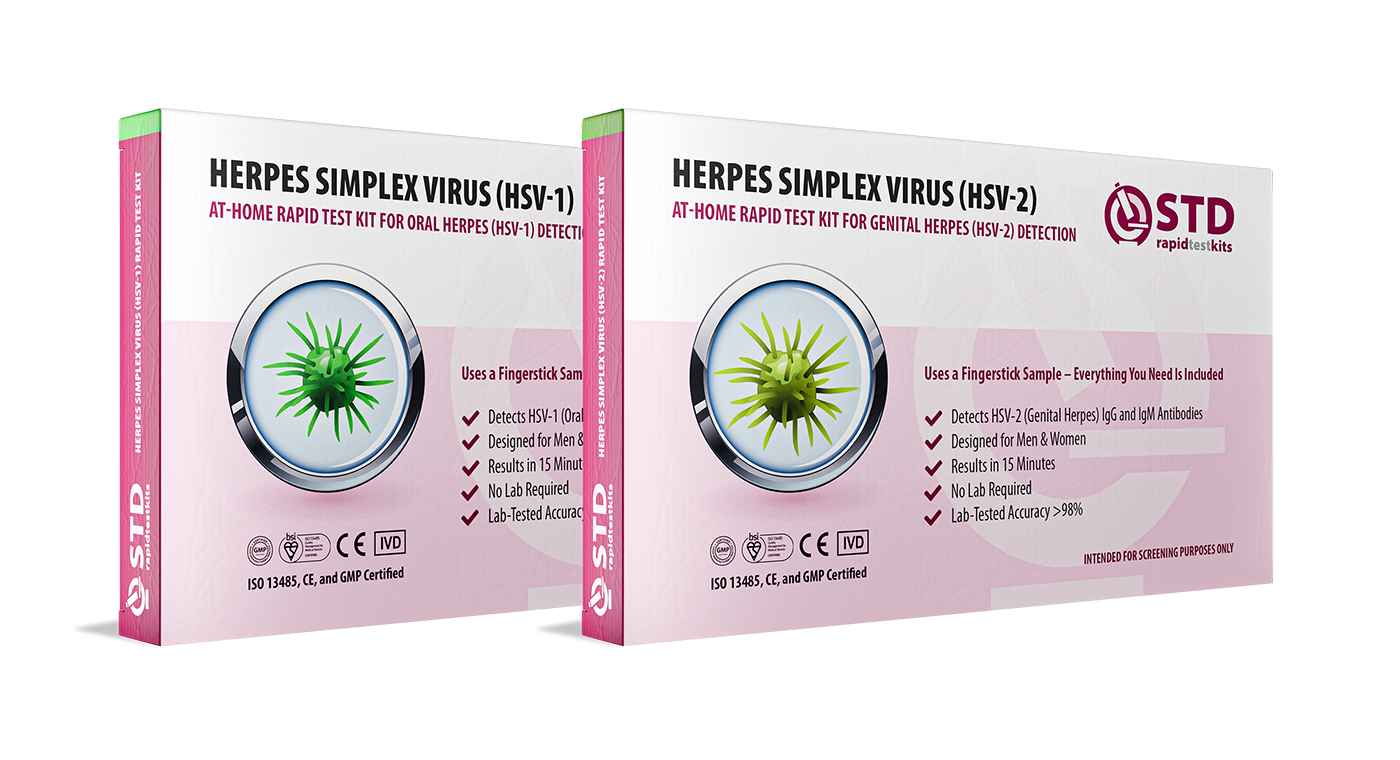
Genital herpes, caused by two strains of the herpes simplex virus—Types 1 and 2—is a very common STD. The incubation period for the onset of symptoms is unknown. However, you can prevent the disease by being aware of your partners' sexual history and their STD status.
Check Your STD Status in Minutes
Test at Home with Remedium Genital & Oral Herpes Test Kit
Frequently Asked Questions About STD Incubation Periods
What is an STD incubation period?
The incubation period of an STD is the time from the date of exposure to the disease up to the date when symptoms first appear. It is the time the body takes to develop the STD. This, of course, depends on which STD one is considering and varies from a few days to weeks or even years.
Can I test for STDs during the incubation period?
Testing during the incubation period may result in false negatives since the infection might not have reached a detectable level. Because of this, it is wise to wait after the estimated incubation period of an STD before testing.
Can I give someone an STD while the disease is in its incubation period?
Yes, you can give someone an STD while it's in its incubation period. This makes regular testing and protection critical for the prevention of STDs.
What is the incubation period for some common STDs?
The incubation period of STDs is very different. Symptoms of HIV may only appear some days to several weeks after exposure. In chlamydia and gonorrhea, the incubation is usually within 1-2 weeks, but in syphilis, symptoms can take as short as one week to as long as three months to emerge. Symptoms of Hepatitis C may be manifested anywhere from one to twelve weeks. For further details on a certain incubation period, consult a health professional or information from a reputable source.
Can an incubation period of an STD be shortened or lengthened?
Incubation periods are generally consistent for each STD, but sometimes they are influenced by the individual's factors, such as the person's general health and strength of his or her immune system, and the severity of exposure sustained.
If I don't have symptoms, does that mean I don't have an STD?
Not always, because many STDs are asymptomatic; meaning they may show no noticeable symptoms, and most especially during the beginning stages. This is why testing regularly will ensure that one gets early detection and treatment, even when no symptoms have appeared.
STDRapidTestKits.com: Convenient, Quick, and Reliable STD Testing
Sometimes, the incubation periods of different STDs can be puzzling. But timely and regular STD testing holds the key to one's good health.
STDRapidTestKits.com provides the convenience, speed, and surety for this. The result can be made available within as short a time as 10 minutes from the home-use rapid test kits without having to see any doctor or sending a sample to any laboratory.
You can put your sexual life in order from the comfort of your home; it comes with discreet shipping. If the results happen to show positive, you can go ahead and consult your health expert for further treatment. These tests shall be within an inexpensive budget so that one may look after their health.
STDRapidTestKits.com revolutionizes the way people test for STDs. Thanks to this website, testing for STDs has never been easier or more accessible. You are able to keep your sexual health regular through testing and taking immediate action as soon as symptoms show up with every test.








 For Men & Women
 Results in Minutes
 No Lab Needed
 Private & Discreet