





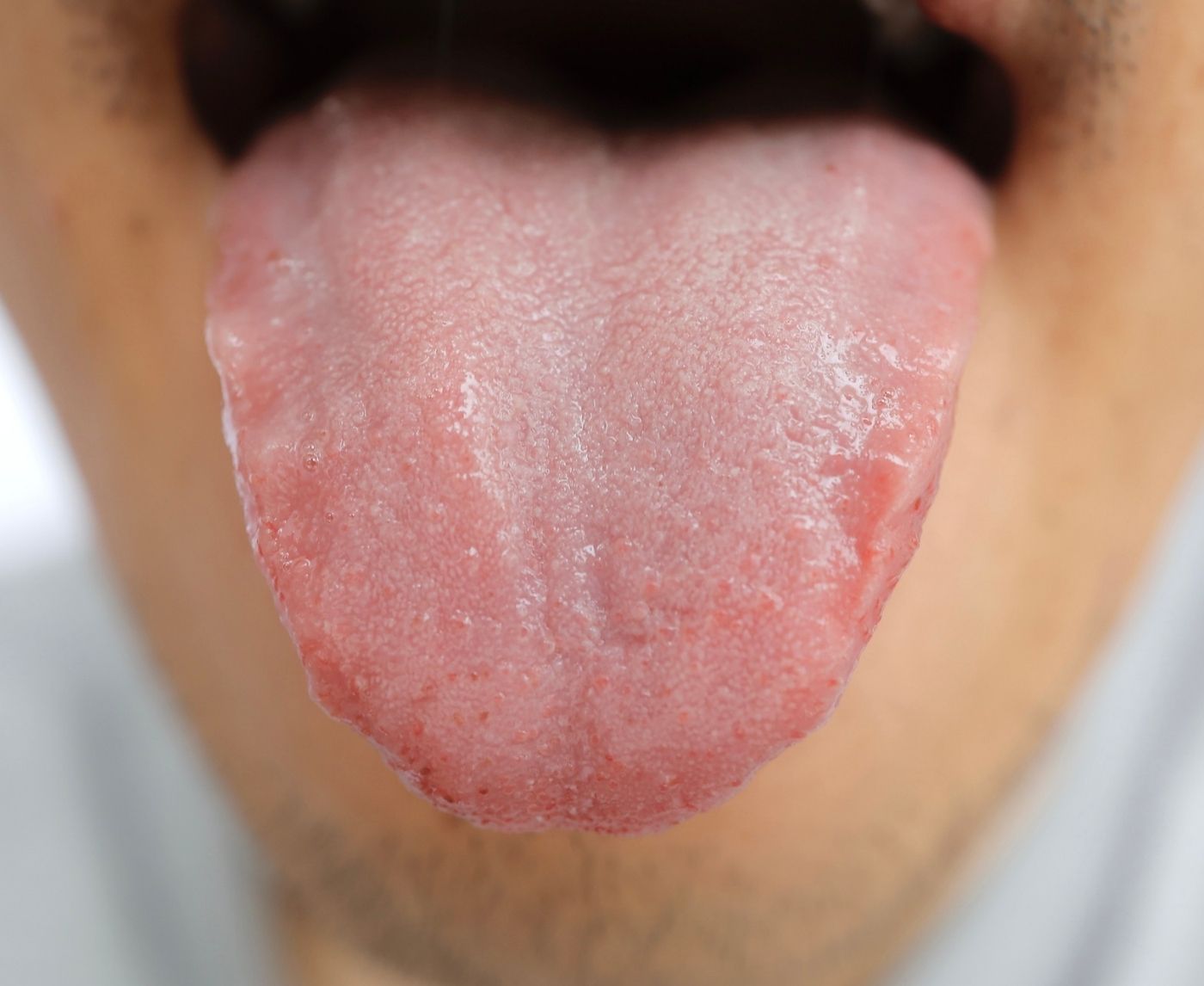

Quick Answer: Early HIV symptoms in the mouth can include white patches (oral thrush), sores, or gum inflammation, but these signs are not specific to HIV and often have more common explanations. Doctors look at patterns, timing, and risk, not just one symptom.
This Is Where Most People Spiral, And Why It Happens
There’s a specific kind of anxiety that comes from mouth symptoms. You can see them. You can feel them. And unlike something hidden, they’re right there every time you swallow, eat, or check the mirror again. It becomes a loop, look, worry, search, repeat.
One patient once described it like this: “I kept sticking my tongue out under different lights like it was going to suddenly confess something.” That’s the emotional reality behind searches like “white tongue HIV or thrush.” It’s not just curiosity, it’s fear looking for certainty.
Here’s the truth most websites skip: HIV rarely announces itself through the mouth alone. Doctors don’t diagnose HIV based on a tongue, a sore, or even a cluster of oral symptoms. They look at the whole picture, timing, exposure, immune response, and testing history.
What Doctors Actually Look For (Not Just What Google Shows You)
When clinicians examine possible early HIV symptoms in the mouth, they’re not just scanning for anything unusual. They’re asking very specific questions: How long has this been here? Is it getting worse? Are there other symptoms? Was there a recent exposure?
The mouth can reflect immune changes, but it’s not a standalone diagnostic tool. Many oral symptoms related to HIV appear when the immune system is already weakened, rather than right after exposure.
Here’s a grounded breakdown of what tends to come up in real clinical settings:
| Symptom | What It Looks Like | Common Causes | HIV Relevance |
|---|---|---|---|
| White coating on tongue | Creamy or patchy film | Oral thrush, dehydration, poor oral hygiene | Possible, but usually later-stage or immune-related |
| Mouth ulcers | Small, painful sores | Stress, minor injury, viral infections | Non-specific; not diagnostic |
| Red or swollen gums | Inflammation, bleeding | Gingivitis, plaque buildup | Can occur with immune suppression |
| Persistent lesions | Unusual patches or sores that don’t heal | Various infections or irritation | Needs evaluation, but not HIV-specific |
The key takeaway here is simple but important: none of these symptoms alone confirm HIV. They are clues, not conclusions.

People are also reading: How to Read a Chlamydia Rapid Test Without Getting It Wrong
White Tongue Isn’t a Diagnosis, It’s a Starting Point
Let’s talk about the one that sends people into the deepest spiral: a white tongue. It’s one of the most searched symptoms tied to HIV, and also one of the most misunderstood.
White tongue can come from something as simple as dehydration or as common as oral thrush, which is a yeast overgrowth. Thrush itself can happen for many reasons, antibiotics, stress, smoking, diabetes, or even just a disrupted oral microbiome.
A patient once said, “I saw one article that said white patches could be HIV, and that was it, I couldn’t unsee it.” That’s the danger of symptom-only thinking. The internet often skips context, but medicine never does.
Doctors look for patterns with thrush: Is it persistent? Is it spreading? Is it paired with other systemic symptoms like fever, fatigue, or swollen lymph nodes? Without that broader picture, a white coating is just a white coating, not a diagnosis.
The Timing Question Everyone Asks (But Rarely Gets a Straight Answer)
One of the most common searches is: “How long after exposure do HIV mouth symptoms start?” The honest answer is that early HIV symptoms typically show up as a flu-like illness, not isolated mouth issues.
In the acute phase, usually 2 to 4 weeks after exposure, people may experience fever, sore throat, fatigue, and swollen glands. Mouth symptoms can happen, but they’re usually part of a bigger picture, not the only sign.
This is where timing matters more than appearance. A sore that shows up three days after a hookup is far more likely to be irritation or a common ulcer than anything related to HIV. The body simply doesn’t work that fast in this context.
If there’s one thing doctors wish more people understood, it’s this: symptoms are unreliable, testing is not.
When It’s Not HIV (And Why That’s Actually the Most Likely Scenario)
Most mouth symptoms people worry about turn out to be something far more common. That doesn’t mean your concern is irrational, it just means your brain is jumping to the most feared possibility instead of the most probable one.
Here’s what frequently gets mistaken for HIV-related oral symptoms:
| Condition | Key Features | Why It Causes Confusion |
|---|---|---|
| Oral thrush | White patches, mild discomfort | Often linked online to HIV |
| Canker sores | Painful ulcers inside the mouth | Look alarming but very common |
| Geographic tongue | Patchy, map-like appearance | Unusual look triggers concern |
| Dry mouth | White film, bad breath | Can mimic coating or infection |
One person put it bluntly: “I was convinced it was something serious, and my dentist just said, ‘You need water and less stress.’” That moment, when fear meets reality, is often surprisingly anticlimactic.
You Don’t Have to Guess, You Can Actually Know
This is the part where things shift from spiraling to clarity. Because no matter what your mouth looks like right now, there’s one way to move out of uncertainty: testing.
If you’re worried about HIV, don’t stay stuck analyzing symptoms that can’t give you a definitive answer. Take back control of your health and get real information.
Don’t wait and wonder. You can get answers privately and quickly with an at-home STD testing kit designed for accuracy and discretion.
If you want broader peace of mind, a combo STD home test kit can check for multiple infections at once, because sometimes it’s not about one symptom, it’s about the full picture.
As one patient said after finally testing: “The relief wasn’t just the result, it was not having to guess anymore.”
Check Your STD Status in Minutes
Test at Home with Remedium6-in-1 STD Rapid Test Kit

 For Men & Women
 Results in Minutes
 No Lab Needed
 Private & Discreet
Order Now $119.00 $294.00
For all 6 tests
When Mouth Symptoms Actually Matter More (And When Doctors Lean In)
There’s a difference between something that looks unusual and something that raises a clinical eyebrow. Doctors don’t panic over every sore or coating, but they do pay attention when certain patterns show up together or refuse to go away.
One clinician described it this way: “It’s not the symptom, it’s the persistence, the context, and the company it keeps.” That means a single mouth ulcer isn’t alarming. But multiple symptoms, lasting longer than expected, paired with systemic signs? That’s when the conversation changes.
Here are some times when oral symptoms are more important in an HIV test:
| Pattern | What It Suggests | Doctor’s Next Step |
|---|---|---|
| Symptoms lasting 2+ weeks | Not resolving like typical irritation | Further evaluation, possible testing |
| Multiple oral issues at once | Possible immune involvement | Full symptom review |
| Paired with fever or fatigue | Systemic response | Consider acute infection screening |
| Recent high-risk exposure | Timing becomes relevant | Recommend HIV testing window check |
This is the nuance that gets lost online. It’s not about spotting one scary-looking symptom, it’s about understanding how your body is behaving overall.
The Myth That “HIV Shows Up in the Mouth First”
This idea circulates constantly: that HIV starts in the mouth, or that your tongue will somehow reveal the truth before anything else does. It sounds believable because the mouth feels like a visible, accessible place to look for answers.
But medically, that’s not how it works. Early HIV, what doctors call acute HIV infection, typically behaves more like a viral illness affecting the entire body. Think fever, sore throat, body aches, and fatigue. Mouth symptoms can appear, but they’re not the headline act.
One person shared, “I kept checking my tongue like it was a test result.” That instinct is human. But the reality is this: your mouth cannot confirm or rule out HIV. It can only raise questions that testing needs to answer.
Even oral thrush, which is often linked to HIV in online searches, is far more common in people without HIV. It becomes more relevant in later stages of immune suppression, not typically in the earliest window after exposure.
What Doctors Ask You That Google Never Does
When you walk into a clinic worried about symptoms, the conversation doesn’t start with your tongue, it starts with your story. Doctors ask questions that Google never can, and those answers shape everything that follows.
They want to know about timing: when symptoms started, how they’ve changed, and what was happening in your life before they appeared. They ask about exposures, not to judge, but to understand risk realistically.
A patient once said, “I expected the doctor to stare at my mouth. Instead, they asked about my last three months.” That’s because diagnosis is contextual, not visual.
Here’s the kind of internal checklist clinicians are running:
- Timing: Do symptoms align with known HIV window periods?
- Pattern: Are symptoms isolated or systemic?
- Risk: Was there a realistic exposure pathway?
- Progression: Is everything getting better, worse, or staying the same?
That’s why two people with identical mouth symptoms can get completely different assessments. The symptom is the same, but the story isn’t.
Let’s Talk About Oral Sex, Because Everyone Is Thinking It
This is one of the most quietly searched questions: “Can I get HIV from oral sex, and would it show up in my mouth?” The anxiety here is real, and it often goes unspoken in conversations with partners or even doctors.
The short answer is that HIV transmission through oral sex is extremely low risk, especially compared to vaginal or anal sex. That doesn’t mean zero risk, but it does mean the odds are far lower than most people fear when they’re staring at a new mouth symptom.
And importantly, even in rare cases where transmission could occur, HIV doesn’t “start” in the mouth in a visible way. It doesn’t create a signature sore or coating that marks the moment of infection.
One person described the mental loop like this: “I kept thinking, what if this is where it started?” But that’s not how HIV behaves biologically. The virus affects the immune system systemically, it doesn’t leave a calling card on your tongue.

People are also reading: False Negatives, Co-Infections, and Mistimed Tests: What Rapid Tests Miss
The Emotional Side No One Writes About (But Everyone Feels)
There’s a quiet kind of fear that comes with symptoms you can see but don’t understand. It’s not just about health, it’s about uncertainty, stigma, and the stories your brain starts telling you when you don’t have answers yet.
“I felt embarrassed even thinking about asking someone,” one person admitted. That’s the part we don’t talk about enough. HIV anxiety isn’t just medical, it’s emotional, social, and deeply personal.
But here’s the grounding truth: worrying about HIV doesn’t mean you did something wrong. It means you’re human, you’re aware, and you want clarity.
And clarity doesn’t come from staring at symptoms. It comes from testing, from real data, and from stepping out of the guessing game.
So What Should You Actually Do Right Now?
If you’ve made it this far, you’re probably in that in-between space, something feels off, but nothing feels certain. That’s the hardest place to be, because your brain keeps trying to turn symptoms into answers. And the truth is, it just can’t.
The next step isn’t more Googling or comparing your tongue to photos online. It’s getting real, objective information. Because whether it’s HIV or something completely unrelated, you deserve clarity, not guesswork.
Here’s how doctors think about next steps when someone presents with mouth symptoms and concern about HIV:
| Your Situation | What It Likely Means | Best Next Step |
|---|---|---|
| Single mouth symptom, no risk exposure | Most likely common oral condition | Monitor, improve oral care, reduce stress |
| Persistent symptoms (2+ weeks) | Needs evaluation, not necessarily HIV | See a dentist or doctor |
| Symptoms + recent possible exposure | Timing becomes important | Get tested based on window period |
| Multiple symptoms + flu-like illness | Could align with acute infection phase | Seek medical advice + testing |
The goal here isn’t to scare you, it’s to move you out of uncertainty and into something concrete. Because the longer you stay in “maybe,” the louder your anxiety gets.
Testing Windows: Why Timing Matters More Than Symptoms
This is where most people get tripped up. They focus on symptoms, but doctors focus on timing. That’s because HIV doesn’t become detectable immediately after exposure, it takes time for the body to produce measurable markers.
So even if your mouth feels different, testing too soon can make you feel safe when you're not or cause you to be confused when you don't need to be. That's why it's more important to understand the window period than to look at every feeling.
Here’s a simplified breakdown:
| Test Type | Earliest Detection | Best Accuracy Window |
|---|---|---|
| RNA (NAT) test | 10–14 days | 2–3 weeks |
| 4th gen blood test | 18–45 days | 4–6 weeks |
| Rapid finger-prick test | 3–8 weeks | 6–12 weeks |
This is why someone can have symptoms and still test negative early on, or have no symptoms at all and test positive later. Symptoms don’t follow a predictable script, but testing windows do.
If you’re unsure where you fall in that timeline, the safest move is to test at the appropriate time and repeat if needed. That’s how doctors eliminate doubt, not by chasing symptoms, but by confirming results.
Taking Back Control (Instead of Letting Symptoms Control You)
There’s a moment where this shifts from fear to action. It usually happens when someone realizes they’ve been staring at the same symptom for days, hoping it will explain itself. And it never does.
You don’t have to stay in that loop.
Take back control of your health. If HIV is even a question in your mind, the fastest way to answer it is with a reliable, private test. You can start with an at-home STD testing kit that gives you clarity without the waiting room anxiety.
If you want a broader check, especially if you’re unsure what’s causing your symptoms, a combo STD home test kit can screen for multiple infections at once, so you’re not left guessing between possibilities.
One person said it best: “The moment I ordered the test, I felt better. Not because I had answers yet, but because I stopped avoiding them.”
Check Your STD Status in Minutes
Test at Home with Remedium8-in-1 STD Test Kit
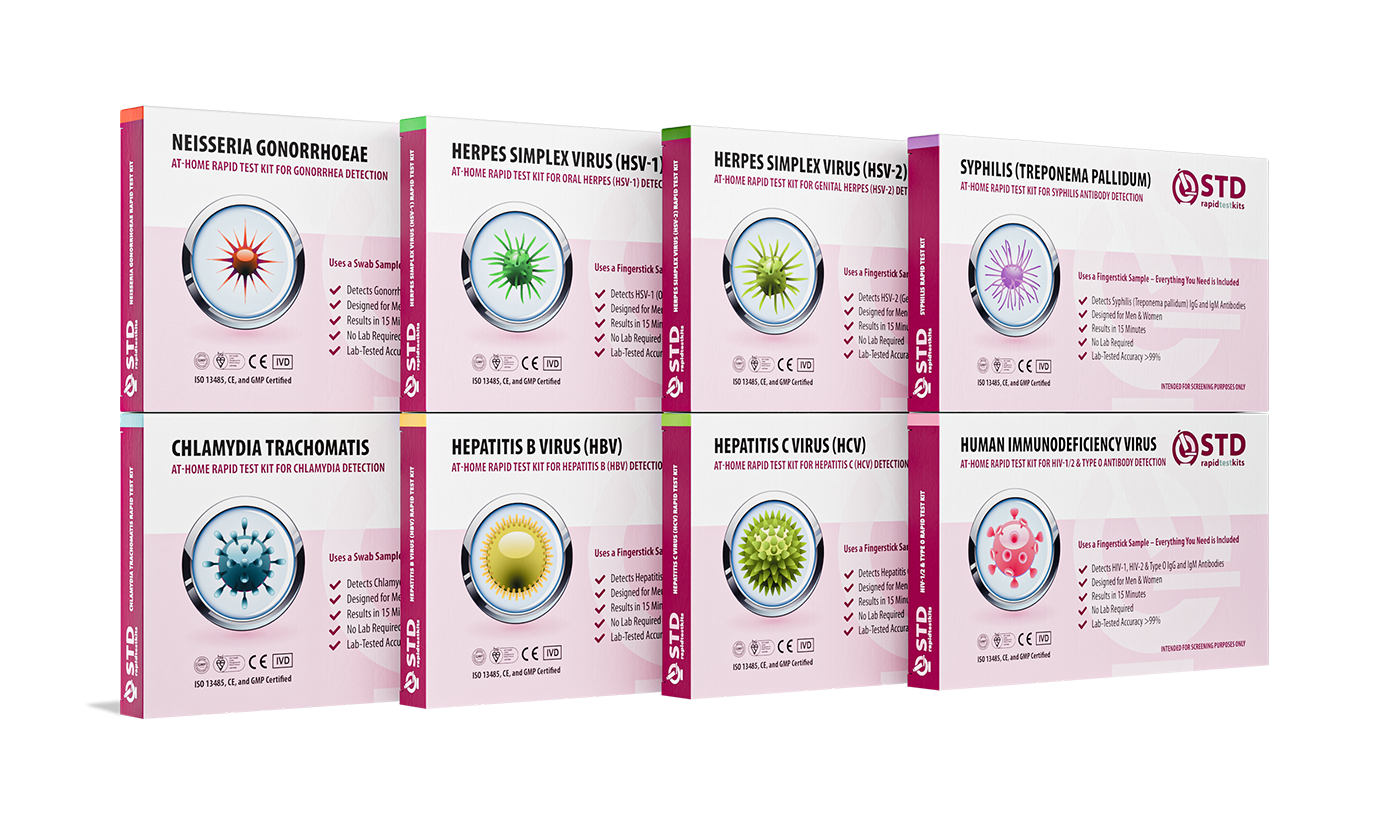 For Men & WomenResults in MinutesNo Lab NeededPrivate & Discreet
Order Now $149.00 $392.00
For all 8 tests
What Doctors Wish You Knew Before You Panic
If there’s one message clinicians consistently try to get across, it’s this: symptoms are messy, inconsistent, and often misleading. Your body doesn’t speak in clean, labeled signals, and it definitely doesn’t follow Google’s checklist.
A white tongue doesn’t equal HIV. A mouth sore doesn’t confirm anything. And the absence of symptoms doesn’t guarantee safety either. That’s why medical decisions are never based on appearance alone.
Instead, doctors rely on a combination of timing, risk assessment, and testing. It’s less dramatic than symptom-spotting, but far more accurate.
So if you’re staring at your reflection right now, wondering what your mouth is trying to tell you, here’s the honest answer: it’s not telling you enough. And that’s okay. Because you have better tools than guessing.
FAQs
1. I woke up with a white tongue, be honest, should I be freaking out about HIV?
No, you don’t need to jump straight to HIV. A white tongue is incredibly common and usually comes down to things like dry mouth, bacteria buildup, or oral thrush, none of which are rare or dangerous on their own. Doctors don’t see a white tongue and think “HIV”, they think “let’s look at the bigger picture.”
2. I have a mouth sore that’s not going away… is that how HIV starts?
Not really. Most mouth sores are just canker sores doing what they always do, show up uninvited, hurt for a few days, then disappear. HIV-related issues don’t typically show up as a single stubborn sore; they tend to come with other symptoms and a clear timeline that makes medical sense.
3. Okay but what if it’s white patches AND soreness, does that change things?
It adds context, but it still doesn’t point straight to HIV. That combo is often just oral thrush or irritation, especially if you’ve been stressed, run down, or recently took antibiotics. Doctors would only get concerned if it’s persistent, worsening, and paired with other systemic symptoms.
4. Can HIV actually show up in your mouth first, like before anything else?
This is one of those ideas that sounds right but isn’t. HIV doesn’t quietly start in your mouth and wait for you to notice, it affects your whole body, and early symptoms usually feel more like the flu than a dental issue. Your mouth isn’t a preview screen for HIV.
5. I had oral sex and now my mouth feels weird, am I overthinking this?
Probably, yes, but that’s a very human response. The risk of HIV from oral sex is extremely low, and even in rare cases, it wouldn’t show up as a specific mouth symptom like a coating or sore. What you’re feeling is real, but it’s much more likely to be something common and harmless.
6. Why do I keep checking my tongue like it’s going to give me an answer?
Because uncertainty makes your brain want control, and your mouth is something you can actually see. It turns into this loop, check, compare, Google, repeat. But your tongue isn’t going to confirm anything, no matter how many times you look at it.
7. If it’s probably not HIV, why do the symptoms feel so intense?
Because once you’re paying attention, everything feels amplified. Stress can dry your mouth, irritate tissues, and even make normal sensations feel abnormal. It doesn’t mean you’re imagining things, it just means your awareness is turned all the way up.
8. Should I still get tested even if this is probably nothing?
If there’s any real chance of exposure, yes, get tested. Not because your symptoms are convincing, but because testing is the only way to stop the “what if” cycle. It’s less about proving something is wrong and more about confirming that you’re okay.
9. I tested negative but my mouth still looks weird, what now?
That usually means the two things aren’t connected. Either you tested too early and need to follow the proper window period, or, more commonly, your mouth symptoms have a completely different explanation. At that point, a dentist or general doctor is actually more helpful than another HIV search.
10. What’s the one thing you wish people understood about HIV symptoms?
That they’re unreliable. Seriously. Some people feel everything, some feel nothing, and most symptoms overlap with everyday illnesses. The only thing that consistently tells the truth is a properly timed test, not your mouth, not Google, not guesswork.
You Deserve Clarity, Not Guesswork
A weird coating. A sore that lingers. A feeling you can’t quite explain. Mouth symptoms have a way of pulling your attention in and refusing to let go. The goal isn’t to panic over every change. The goal is to understand what matters, and what doesn’t.
If there was no real exposure, this is almost always something common and manageable. If symptoms stick around, get them checked, dentists and primary care doctors see this every day. And if there’s even a small question about HIV, don’t try to decode your body like it’s sending you a message. Just test.
Don’t wait and wonder. If HIV is even a possibility, start with a private, reliable option like the Combo STD Home Test Kit. You get answers without the spiral, without the guessing, and without handing your peace of mind over to a search bar.
How We Sourced This Article: This guide combines clinical guidance from organizations like the CDC, WHO, and NHS with peer-reviewed research on oral manifestations of HIV. We also incorporated real-world symptom patterns observed in patient care to separate common oral conditions from HIV-specific concerns. The goal was simple: reduce unnecessary panic while keeping medical accuracy intact.
Sources
1. NHS – A Look at HIV Symptoms
2. Mayo Clinic: What causes HIV/AIDS and how to know if you have it
3. Fact Sheet on HIV from the World Health Organization
4. Planned Parenthood: Information about HIV and AIDS
7. Merck Manual Consumer Version – Human Immunodeficiency Virus (HIV) Infection
8. aidsmap – Mouth Problems and HIV
About the Author
Dr. F. David, MD is a board-certified infectious disease doctor who specializes in preventing, diagnosing, and treating STIs. He has a direct, sex-positive approach that puts clarity, privacy, and patient empowerment first, along with clinical accuracy.
Reviewed by: Board-Certified Infectious Disease Specialist | Last medically reviewed: March 2026
This article is only meant to give information and should not be used as medical advice.


