






Quick Answer: Testicle pain or swelling is an emergency when it appears suddenly, becomes severe, is accompanied by nausea or vomiting, or causes one testicle to sit higher than the other. These symptoms may signal testicular torsion, which requires treatment within hours to prevent permanent damage.
The Moment Most Men Realize Something Isn’t Right
Daniel, 27, remembers the exact moment he noticed the swelling. He had finished a long shift at work and jumped into the shower. As he reached down to wash, he froze.
“One side just felt… bigger,” he later said. “At first I thought maybe I bumped it at the gym. But then the pain started creeping in.”
Stories like this happen every day. Sometimes the cause turns out to be an infection that can be treated with antibiotics. Other times it’s fluid buildup or irritation. But occasionally the body is signaling something much more urgent.
The testicles are extremely sensitive organs supplied by delicate blood vessels and nerves. When something interferes with blood flow, pressure, or infection in that area, symptoms can escalate quickly. That’s why doctors treat sudden swelling or pain in the scrotum as something worth evaluating immediately.
When Testicle Pain Becomes a True Medical Emergency
Most people expect emergencies to be dramatic. In real life, medical emergencies often start with small signs that get worse quickly. With testicle pain or swelling, certain warning signs strongly suggest that immediate care is needed.
Doctors often watch for a cluster of symptoms that indicate blood flow to the testicle may be compromised. When blood flow is interrupted, tissue can begin to suffer damage surprisingly fast.
The condition most associated with this type of emergency is testicular torsion, where the spermatic cord twists and cuts off circulation. According to clinical research and emergency medicine guidelines, the window to restore blood flow before permanent damage occurs can be as short as six hours.
That is why sudden pain in the testicle is treated differently than gradual discomfort.
| Symptom | Why It Matters |
|---|---|
| Sudden severe testicle pain | May indicate twisting of the spermatic cord cutting off blood flow |
| One testicle positioned higher than the other | Classic physical sign doctors look for with torsion |
| Nausea or vomiting with scrotal pain | Often triggered by severe nerve irritation from torsion |
| Rapid swelling within hours | Indicates internal inflammation or compromised circulation |
| Severe tenderness or hardness | Can signal tissue distress requiring urgent evaluation |
If these symptoms appear together, doctors recommend going to the emergency room rather than waiting for a regular clinic appointment.
People are also reading: Can You Get HPV in a Monogamous Relationship? Here’s the Truth
Why Timing Matters More Than Most People Realize
The reason doctors treat sudden testicle pain so seriously comes down to blood supply. The testicles rely on a thin cord of arteries and veins called the spermatic cord. When that cord twists, blood flow stops.
Tissue starts to break down when it doesn't get enough oxygen. The longer blood flow is blocked, the more likely it is that the testicle won't fully heal. In serious cases, surgery may be needed to get rid of the damaged tissue.
That’s why emergency physicians use the phrase “time is testicle.” It sounds blunt, but it captures the urgency involved.
Fortunately, when treated quickly, testicular torsion can often be corrected with surgery that untwists the cord and restores circulation. Many patients recover completely when they seek care early.
When Swelling Develops More Slowly
Not every time your testicle swells up do you need to go to the ER. In a lot of cases, the swelling gets worse over the course of hours or days. This pattern usually means that there is inflammation or infection, not torsion.
One of the most common causes is epididymitis, an inflammation of the epididymis, the coiled tube that stores sperm behind the testicle.
Marcus, 31, described his experience this way:
“It didn’t hit all at once. The ache started slowly over a couple days. By the third day the swelling was obvious and walking felt uncomfortable.”
Gradual symptoms like this still require medical care, but they are usually evaluated through urgent care clinics or primary doctors rather than emergency departments.
Infections that cause swelling may come from urinary tract bacteria or sexually transmitted infections like chlamydia or gonorrhea. These infections can spread through the reproductive tract and trigger inflammation in nearby structures.
Doctors often use physical exams, ultrasound imaging, and lab tests to figure out what's wrong because symptoms can be similar.
Common Causes of Testicle Swelling
Knowing what might have caused something can help you understand why some situations need emergency care and others don't.
| Condition | Typical Symptoms | Urgency Level |
|---|---|---|
| Testicular torsion | Sudden severe pain, nausea, high testicle position | Emergency |
| Epididymitis | Gradual swelling, tenderness, fever or urinary symptoms | Urgent medical care |
| Orchitis | Inflammation of testicle often from infection | Urgent |
| Hydrocele | Fluid buildup that makes things swell without pain | Usually non-emergency |
| Varicocele | Veins that are bigger than normal can cause a dull ache or heaviness. | Routine evaluation |
The main difference is usually how quickly the symptoms show up and how bad they get.
Sudden, severe pain almost always deserves immediate medical attention. Gradual swelling may allow time for medical evaluation, but it should never be ignored.
How Doctors Tell the Difference Between an Emergency and an Infection
One of the most stressful parts of testicle pain is the uncertainty. The symptoms can feel dramatic, and many men worry about whether they’re overreacting or ignoring something serious. In the emergency department, doctors follow a fairly structured process to figure out what’s happening.
The first step is always a physical examination. Doctors look for changes in the color of the skin, how it swells, where the testicles are, and how painful it is. Subtle clues, such as whether lifting the testicle relieves pain, can point toward inflammation rather than torsion.
But taking the test isn't always enough. A Doppler ultrasound is something that doctors often use to check the blood flow to the testicle. This scan lets them see if blood flow is normal or blocked. When blood flow seems to be less than normal or not there at all, it is a strong sign of torsion and needs to be treated right away with surgery.
When blood flow looks normal, doctors begin investigating other causes like infection or fluid buildup.
Check Your STD Status in Minutes
Test at Home with Remedium6-in-1 STD Test Kit
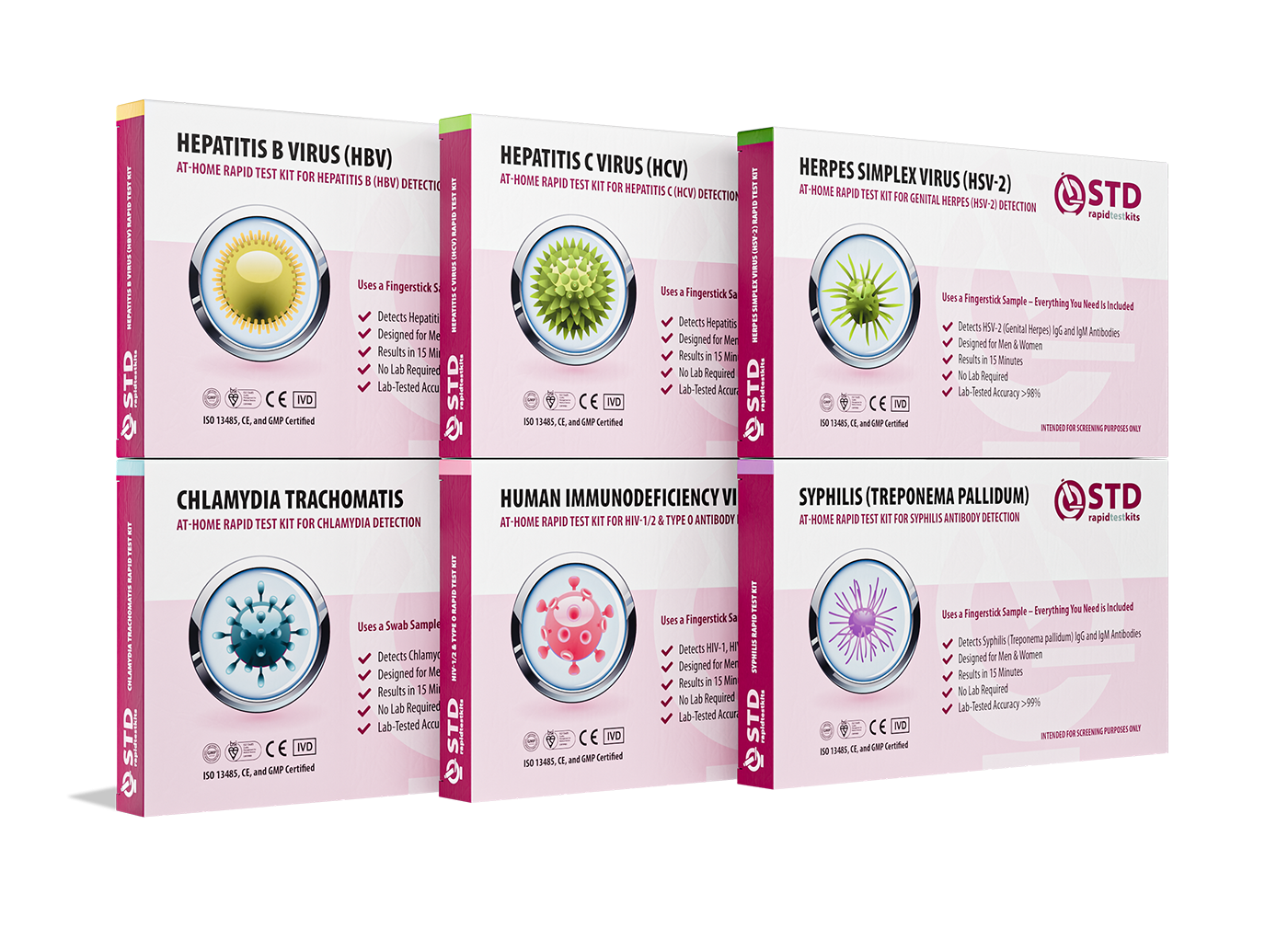
 For Men & Women
 Results in Minutes
 No Lab Needed
 Private & Discreet
Order Now $119.00 $294.00
For all 6 tests
The Role Infections Can Play in Testicle Swelling
While sudden torsion is the most urgent cause of scrotal pain, infections account for a large number of swollen testicle cases seen in clinics and urgent care centers.
Epididymitis is the most common type of infection. When bacteria get into the epididymis, the area around the testicle gets red, sore, and swollen.
Epididymitis is often associated with sexually transmitted infections in younger sexually active males. Chlamydia and gonorrhea are examples of organisms that can move through the urethra and reproductive tract, which can irritate the epididymis.
Jordan, 24, recalls how confusing his symptoms were:
“I thought I just had sore muscles from the gym. But then I noticed swelling and a dull ache that wouldn’t go away. When the doctor said it might be an infection, I realized I should’ve gotten checked sooner.”
In these cases, the usual treatment is antibiotics, rest, and anti-inflammatory drugs. Once the infection is found and treated, most patients get better quickly.
However, doctors still emphasize that symptoms should be evaluated quickly. Infection-related swelling can worsen if ignored.
What Happens If You Wait Too Long
Many men delay seeking help because they hope symptoms will disappear on their own. It’s a common reaction, especially when the symptoms involve a private area of the body.
But waiting can sometimes make the problem worse.
If you wait too long to treat torsion, it could permanently hurt the testicle. Infections like epididymitis can get worse if they aren't treated, and they can even spread further through the reproductive tract.
Doctors frequently remind patients that seeking care early almost always leads to simpler treatment and better outcomes.
“I almost didn’t come in,” said Rafael, 33, who experienced sudden swelling one evening. “But the pain kept getting worse. The doctor later told me another hour or two could’ve made things much worse.”
Symptoms That Usually Mean You Can Wait for Urgent Care
While some symptoms demand immediate emergency care, others suggest a less urgent condition that can be evaluated within the same day or next day.
Gradual symptoms are the biggest clue. When swelling develops slowly rather than appearing suddenly, it often indicates inflammation rather than torsion.
| Symptom Pattern | Possible Cause |
|---|---|
| Gradual swelling over several days | Inflammation or infection |
| Mild dull ache rather than sharp pain | Varicocele or epididymitis |
| Swelling without intense tenderness | Fluid buildup such as hydrocele |
| Symptoms paired with urinary burning | Possible infection or STD |
Even when symptoms appear mild, doctors still recommend evaluation. The goal isn’t to create panic, it’s to prevent missed diagnoses.
Why STD Testing Sometimes Becomes Part of the Conversation
When infections are suspected, healthcare providers often recommend testing for sexually transmitted infections. This isn’t meant as a judgment. It’s simply part of ruling out the most common causes of inflammation in younger men.
Infections like chlamydia and gonorrhea can exist without obvious symptoms at first. When untreated, they can spread through the reproductive tract and trigger swelling, pain, and fever.
Testing helps doctors identify the correct antibiotic treatment and prevent the infection from spreading further.
For people who prefer privacy or faster answers, many patients choose discreet home options. Services such as the Combo STD Home Test Kit allow testing for several infections from home with confidential results.
Knowing the cause of symptoms often brings immediate relief, both medically and emotionally.

People are also reading: How to Use an At-Home HPV Test Without Screwing It Up
The Simple Rule Many Urologists Share With Patients
Doctors often give patients a surprisingly simple rule when it comes to scrotal pain.
If the pain is sudden and intense, treat it as an emergency. If the swelling develops gradually or produces mild discomfort, it still needs medical attention but may be evaluated outside the emergency department.
This rule isn’t perfect, but it helps many patients decide how quickly to seek help when symptoms appear unexpectedly.
The most important thing to remember is that you should never ignore pain in your testicles. Even if the cause is small, getting checked makes sure that serious conditions are ruled out early.
How to Protect Your Health When Something Feels Off
One of the hardest parts about symptoms involving the testicles is the hesitation that comes with them. Many men wait longer than they should before seeking medical care. Sometimes it’s embarrassment. Sometimes it’s uncertainty about whether the symptoms are serious enough to justify a doctor’s visit.
But doctors consistently emphasize that testicle symptoms are not something to “wait out.” When something changes in the scrotum, swelling, pain, tenderness, or a noticeable lump, it’s your body asking for attention.
Urologists often say that patients almost never regret coming in too early. The real regret tends to come from waiting too long.
A Practical Checklist for Deciding What to Do
If you suddenly notice swelling or pain, it can help to pause and assess the situation using a few simple questions. These are similar to the questions doctors ask when patients arrive in the emergency department.
| Question | What It May Suggest |
|---|---|
| Did the pain appear suddenly and severely? | Possible torsion, go to ER |
| Did swelling develop gradually over days? | More likely infection or inflammation |
| Do you feel nausea or vomiting with the pain? | Common with torsion emergencies |
| Is there burning during urination or discharge? | Possible infection or STD |
| Did symptoms start after an injury? | Trauma or internal swelling |
This kind of checklist can’t replace medical evaluation, but it can help guide your decision in the moment.
What Doctors Usually Do During Evaluation
When someone arrives with testicle pain or swelling, doctors move quickly through a sequence of steps designed to identify emergencies first.
Physical examination is usually followed by ultrasound imaging to evaluate blood flow. If torsion is suspected, surgeons may proceed directly to surgery because waiting for additional tests can waste critical time.
When infection appears more likely, doctors may order urine tests or STD screening to identify the underlying cause. Antibiotics are typically prescribed once bacterial infection is confirmed or strongly suspected.
The good news is that most of the things that can make your testicles swell can be treated if they are found early.
Check Your STD Status in Minutes
Test at Home with Remedium8-in-1 STD Test Kit
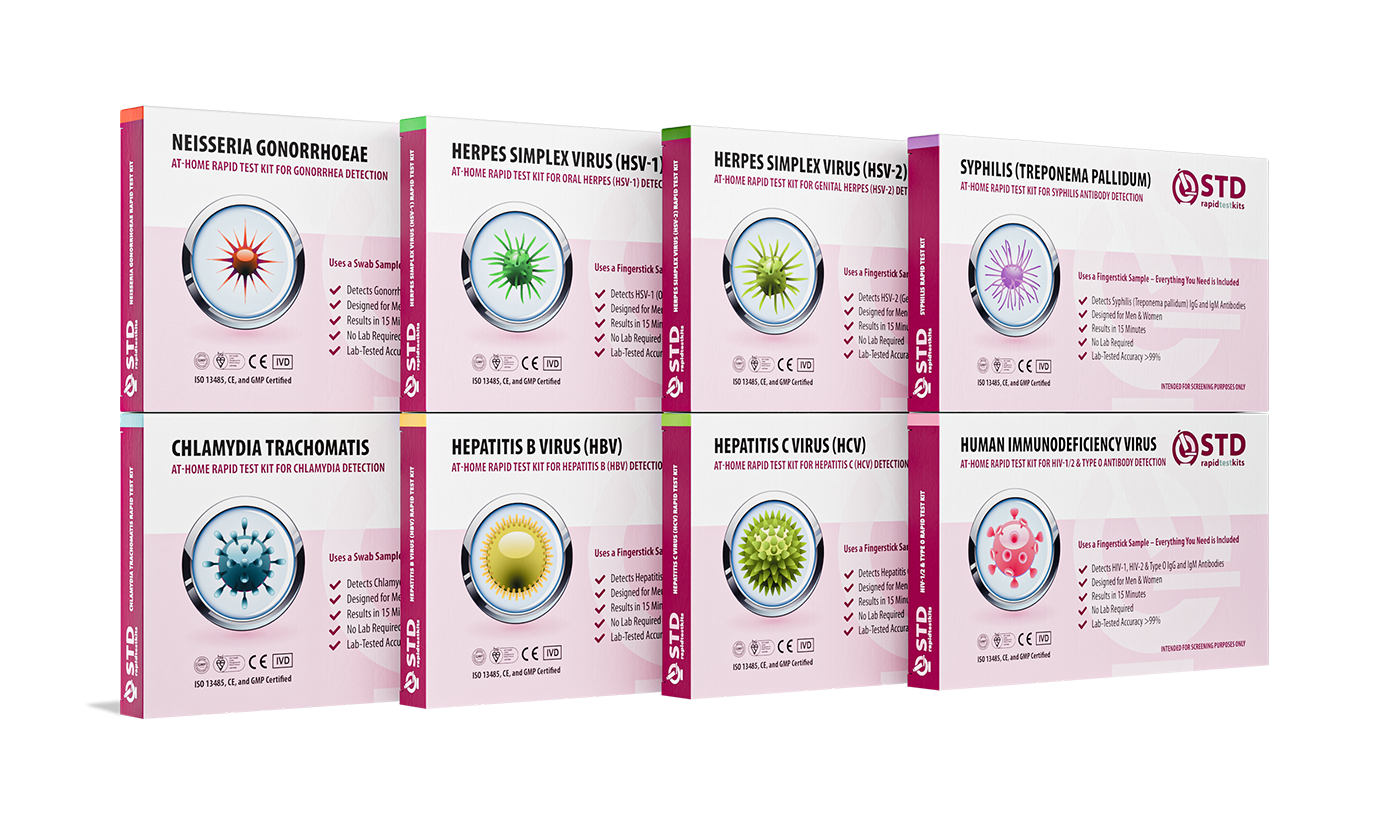 For Men & WomenResults in MinutesNo Lab NeededPrivate & Discreet
Order Now $149.00 $392.00
For all 8 tests
Understanding the Emotional Side of These Symptoms
Symptoms involving reproductive health can trigger intense anxiety. Many patients immediately worry about fertility, long-term damage, or serious illness. These concerns are completely understandable.
The truth is that most cases of swollen testicles go away with the right care. Antibiotics work for infections, fluid buildup can often be watched, and even surgical conditions can get better quickly if they are treated right away.
The key factor that influences recovery is timing. Acting early allows doctors to intervene before complications develop.
How At-Home STD Testing Fits Into the Picture
Because infections are a common cause of epididymitis and related swelling, testing for sexually transmitted infections sometimes becomes part of the diagnostic process.
Many people prefer the privacy of testing at home before scheduling appointments. Modern kits allow individuals to screen for multiple infections discreetly and receive results confidentially.
If you have symptoms that could mean an infection, websites like the STD Rapid Test Kits homepage can help you get tested without having to go to a clinic or wait a long time.
Knowing if there is an infection can help you make decisions about treatment and avoid problems.
FAQs
1. I woke up with testicle pain. Should I panic?
Not panic, but don’t ignore it either. If the pain hit suddenly and feels sharp or intense, that’s a “drop everything and get checked” situation because conditions like testicular torsion can develop fast. If it’s more of a dull ache that crept in over a day or two, it’s less likely to be an emergency, but it still deserves a same-day check with a doctor.
2. How do I know if it’s torsion or just an infection?
How the pain starts is the most important clue. Torsion usually happens all of a sudden, like a bolt of lightning, and it hurts a lot. It can also make you feel sick or throw up. Epididymitis and other infections tend to come on more slowly. They usually start with a dull ache that gets worse over time and then becomes swollen and painful.
3. Is it normal for one testicle to be a little bigger than the other?
Yes, it's normal for things to be a little uneven. Most people have one testicle that is a little lower or looks a little bigger than the other. A sudden change, like one side getting noticeably bigger, harder, or more painful within hours, is not normal.
4. Can sex cause a swollen testicle?
Sometimes. Rough sex, hard work, or small injuries can make the scrotum hurt for a short time. But if the swelling gets worse after that or is accompanied by a fever or burning during urination, it could mean that you have an infection that needs to be treated.
5. Can an STD actually make your testicle swell?
Yes, and it surprises a lot of people. Chlamydia and gonorrhea are two infections that can move through the reproductive tract and cause swelling and pain in the epididymis. This is one of the reasons why doctors often suggest STD testing when someone comes in with unexplained swelling in the scrotum.
6. What does epididymitis pain usually feel like?
Many people say it hurts a lot in their groin or testicle, like a heavy, dragging pain. It usually gets worse over time instead of coming out all at once. You might feel the pain more when you walk, sit, or cross your legs.
7. What if the swelling doesn't hurt at all?
It's still important to check out swelling that doesn't hurt. Swelling can happen without pain because of fluid buildup, cysts, or conditions like hydroceles. Doctors say you should look into any new change because painless lumps can sometimes be early signs of testicular cancer.
8. How long should I wait before seeing a doctor?
If pain appears suddenly, don’t wait, go to the emergency room right away. For slower swelling or mild discomfort, it’s still wise to get checked within 24 hours. The earlier doctors see it, the easier it usually is to treat.
9. Could exercise or the gym cause testicle swelling?
Heavy lifting, cycling, or intense workouts can sometimes cause irritation or strain in the groin area. That kind of soreness usually improves with rest. But if swelling appears, keeps growing, or feels unusually painful, it’s worth getting evaluated to rule out something more serious.
10. What’s the biggest mistake people make with testicle pain?
Waiting it out. Many men hope the discomfort will fade overnight, especially if they feel embarrassed talking about it. But when symptoms involve the testicles, getting checked early can make a huge difference in both treatment and peace of mind.
You Deserve Clarity, Not Guesswork
Testicle pain or swelling can flip your brain into worst-case-scenario mode in seconds. That reaction is human. Your body is protective of this area for a reason. But the goal isn’t to panic every time something feels off, it’s to recognize when your body is sending a signal you shouldn’t ignore.
If the pain hits suddenly and hard, treat it like an emergency and get medical help right away. If swelling crept in slowly, get it checked within a day and rule out infections or inflammation. Either way, the smartest move is replacing uncertainty with real information.
And if infection could be part of the picture, especially after recent sexual contact, testing is one of the quickest ways to regain control. A discreet screen like the Combo STD Home Test Kit lets you check for common infections privately, from home, without the stress of waiting weeks for answers.
When it comes to your health, it's always better to know than to guess.
How We Sourced This Article: This guide blends clinical guidance from urology organizations, emergency medicine references, and sexually transmitted infection research. We reviewed medical literature on testicular torsion, epididymitis, and scrotal pain evaluation to ensure the emergency symptoms and treatment timelines are medically accurate. All clinical distinctions are supported by reputable medical institutions and peer-reviewed research.
Sources
1. Centers for Disease Control and Prevention – Sexually Transmitted Infections
3. Urology Care Foundation – Testicular Torsion
4. World Health Organization – Sexually Transmitted Infections Fact Sheet
5. American Academy of Family Physicians – Evaluation of Scrotal Masses
About the Author
Dr. F. David, MD is a board-certified infectious disease specialist focused on STI prevention, diagnosis, and treatment. He combines clinical precision with a direct, sex-positive approach that prioritizes clarity, privacy, and patient empowerment.
Reviewed by: Michael R. Levin, MD, Urology | Last medically reviewed: February 2026
This article is only meant to give you information and should not be used as medical advice.


