






Quick Answer: HIV causes the most deaths among sexually transmitted infections worldwide. Although treatment has improved dramatically, hundreds of thousands of people still die each year from HIV-related illness when the infection goes undiagnosed or untreated.
The STD Responsible for the Most Deaths Worldwide
The sexually transmitted infection responsible for the most deaths globally is HIV (Human Immunodeficiency Virus). Despite massive medical progress over the last three decades, HIV still causes hundreds of thousands of deaths each year.
According to global health organizations, roughly 630,000 people die annually from HIV-related illnesses. These deaths rarely happen suddenly. Instead, they occur when the virus quietly damages the immune system over time, leaving the body unable to fight infections and certain cancers.
Many people are surprised to learn that HIV itself doesn't usually kill people directly. The virus makes the immune system weaker until other illnesses, like tuberculosis, pneumonia, or severe infections, can kill you. People often call this stage AIDS, which is the most severe stage of HIV that hasn't been treated.
Yet the real story behind HIV deaths isn’t just biology. It’s timing. People who know their status early and receive treatment often live nearly normal lifespans. The majority of deaths occur when infections remain undiagnosed for years.
Why HIV Still Causes So Many Deaths
At first glance, it might seem strange that HIV still leads STD mortality when treatments exist. Antiretroviral therapy can suppress the virus so effectively that many people live decades with HIV. Some even reach undetectable viral levels, meaning the virus cannot be passed to sexual partners.
The problem isn’t that treatment doesn’t work. The problem is that millions of people still don’t realize they are infected.
HIV can remain almost completely silent for years. Someone might experience mild flu-like symptoms early on, but those symptoms often disappear. After that, the virus can quietly replicate while a person feels healthy.
By the time symptoms become obvious, the immune system may already be severely damaged. This delay between infection and diagnosis explains why the virus continues to cause deaths globally.
Another factor is access. In many regions of the world, routine STD testing isn’t as widely available as it is in wealthier countries. People may live with the virus for years without any medical care.
But even in countries with advanced healthcare systems, stigma plays a role. Some people delay testing because they’re afraid of the result or worried about being judged.

People are also reading: Your STD Testing Cheat Sheet: What to Get and When
How STD Deaths Compare Across Infections
HIV dominates global STD mortality, but it’s not the only infection that can lead to serious complications. Several other sexually transmitted infections can contribute to death under certain circumstances, especially when left untreated.
To understand the global reality, it helps to look at how different infections compare.
| Infection | Estimated Annual Deaths | How Deaths Occur |
|---|---|---|
| HIV | ~630,000 | Immune system collapse leading to opportunistic infections |
| HPV | ~340,000+ | Cervical cancer and other HPV-related cancers |
| Hepatitis B | ~820,000 | Liver disease and liver cancer |
| Syphilis (untreated) | Rare but possible | Organ damage and neurological complications |
Not all hepatitis B cases are sexually transmitted, but sexual contact is a major transmission route.
This comparison highlights something important: while several infections can contribute to serious disease, HIV remains the single STD most directly associated with global mortality.
When an STD Becomes Life-Threatening
Most sexually transmitted infections do not immediately lead to severe illness. In fact, many infections start with mild symptoms, or none at all. The danger appears when infections go untreated long enough to damage organs or immune defenses.
HIV is the clearest example of this progression. The virus slowly destroys CD4 cells, which help the body coordinate immune responses. As these cells decline, the body becomes vulnerable to infections that healthy immune systems easily control.
This progression often happens in stages:
| Stage | What Happens | Symptoms |
|---|---|---|
| Acute Infection | Virus spreads rapidly in the body | Flu-like symptoms, fever, fatigue |
| Chronic Stage | Virus replicates slowly | Often no symptoms for years |
| AIDS | Immune system severely weakened | Severe infections, cancers, weight loss |
Without treatment, this process can take several years. With treatment, however, it can be stopped or dramatically slowed.
That difference, knowing versus not knowing, is why testing plays such a central role in global health efforts.
The Hidden Factor Behind Most STD Deaths: Late Diagnosis
When doctors study why HIV still causes the most STD deaths, the pattern is consistent: late diagnosis.
Many people who die from HIV complications were infected years earlier. During that time, the virus gradually damaged their immune system without being detected.
By the time symptoms appear, treatment becomes more complicated. The body may already be fighting multiple infections.
This is why public health experts emphasize routine testing, even for people who feel completely healthy.
One physician explained it simply during an HIV awareness campaign: “The virus is dangerous when it’s invisible. The moment someone knows their status, we can treat it.”
Testing has become easier than ever. Clinics offer rapid screening, and many people now use discreet home testing kits that allow them to check their status privately.
For people who prefer privacy, options like at-home STD testing provide quick results without needing a clinic visit.
Knowing your status is often the single step that prevents the worst outcomes.
Check Your STD Status in Minutes
Test at Home with Remedium7-in-1 STD Test Kit
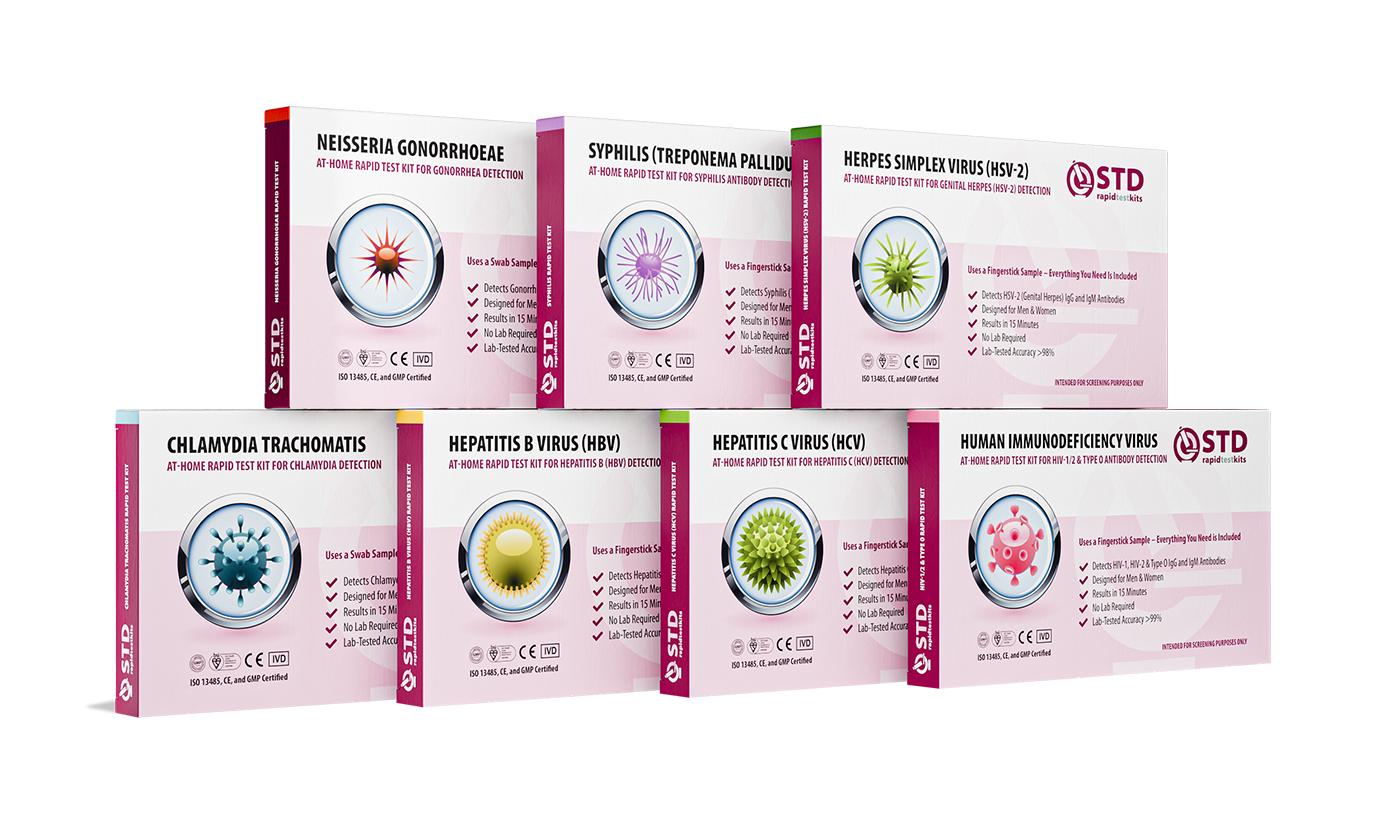
 For Men & Women
 Results in Minutes
 No Lab Needed
 Private & Discreet
Order Now $129.00 $343.00
For all 7 tests
The Role of Testing in Preventing STD Deaths
Modern medicine has changed the outlook for many sexually transmitted infections. Treatments now exist for HIV, hepatitis, and bacterial infections that once caused devastating complications.
The challenge isn’t whether treatment exists, it’s whether people receive it early enough.
Routine screening allows infections to be detected during the earliest stages. When HIV is identified early, antiretroviral therapy can suppress the virus and protect the immune system. Many people diagnosed early live long, healthy lives.
Testing also reduces transmission. People who know their status can take steps to protect partners and begin treatment immediately.
For people who prefer testing at home, options such as a rapid HIV test kit provide results quickly and discreetly.
The goal isn’t to create anxiety about STDs. It’s to remove uncertainty. Once you know your status, decisions become clearer and treatment becomes possible.
Why the Global Reality Is Changing
Although HIV still causes the most deaths among sexually transmitted infections, the global picture has improved dramatically over the past two decades.
At the peak of the epidemic in the early 2000s, HIV-related deaths were far higher than they are today. Expanding treatment access, education, and prevention programs have saved millions of lives.
Scientists now understand the virus far better than they did when HIV first emerged in the 1980s. Treatment regimens are simpler, medications are more effective, and prevention strategies such as pre-exposure prophylaxis (PrEP) reduce infection risk dramatically.
But progress depends on awareness. The virus spreads most easily when people assume they’re safe without testing.
In other words, the most powerful tool against the deadliest STD in the world is knowledge.
What This Means for You
Reading about STD mortality statistics can sound alarming, but the takeaway is actually encouraging. The infections that once caused widespread deaths are now far more manageable when detected early.
Most people who test regularly and receive treatment never experience the severe complications that historically made these infections dangerous.
Testing is simply a form of information, the same kind of information people seek when they check cholesterol levels or blood pressure.
If you’ve ever found yourself searching questions like “what STD kills the most people” or “can untreated STDs be deadly,” that curiosity is actually a healthy instinct. It’s the same curiosity that leads people to take control of their health.
If you want clarity about your status, you can explore discreet options through STD Rapid Test Kits, which provide confidential testing tools designed for use at home.
The reality is simple: the deadliest STD worldwide is also one of the most preventable when people know their status.
People are also reading: Is It Herpes or Something Else? Post-Sex Rash Breakdown
How the Deadliest STD Spread So Widely
To understand why HIV still causes the most deaths among sexually transmitted infections, it helps to zoom out from individual cases and look at the global picture. HIV is not just a medical issue, it’s also a story about access, education, and timing.
The virus first gained worldwide attention in the early 1980s, when doctors began noticing clusters of unusual infections in otherwise healthy adults. Doctors didn't know what was making the immune system stop working back then. Scientists had to do years of research before they could find the virus that is now known as HIV.
Once people understood the virus, public health efforts moved quickly. Testing programs expanded, prevention campaigns spread, and treatments began improving. But HIV had already established itself globally, and it moves in ways that make it difficult to completely eliminate.
Unlike infections that cause obvious symptoms right away, HIV can remain quiet for years. Someone may carry the virus without realizing it, especially if they were never tested after exposure. During that time, transmission can still occur.
This is why HIV spread across continents before many people even knew it existed. By the time awareness increased, millions of infections had already occurred.
Even today, the virus continues to affect communities unevenly. Some regions have excellent access to testing and medication, while others still struggle with limited healthcare infrastructure.
Where HIV Deaths Are Highest Around the World
Another reason HIV still leads STD mortality worldwide is geographic disparity. The burden of HIV deaths is not evenly distributed across the globe.
Some countries have good treatment programs that help people with HIV live long lives. In some places, the virus can spread without being stopped because people can't get the medicine and tests they need.
| Region | Approximate Share of Global HIV Deaths | Key Contributing Factors |
|---|---|---|
| Sub-Saharan Africa | ~65% | Limited healthcare access, testing gaps, economic barriers |
| Asia and the Pacific | ~20% | Large populations, uneven treatment availability |
| Latin America | ~8% | Healthcare disparities and late diagnosis |
| North America & Europe | ~7% | Better treatment access but persistent stigma and testing delays |
The encouraging trend is that deaths have been steadily declining in many regions. Expanded treatment programs and improved screening are saving lives every year.
But the table also shows why HIV still leads STD mortality globally. Even small treatment gaps can translate into large numbers when millions of people are living with the virus.
Check Your STD Status in Minutes
Test at Home with Remedium6-in-1 STD Test Kit
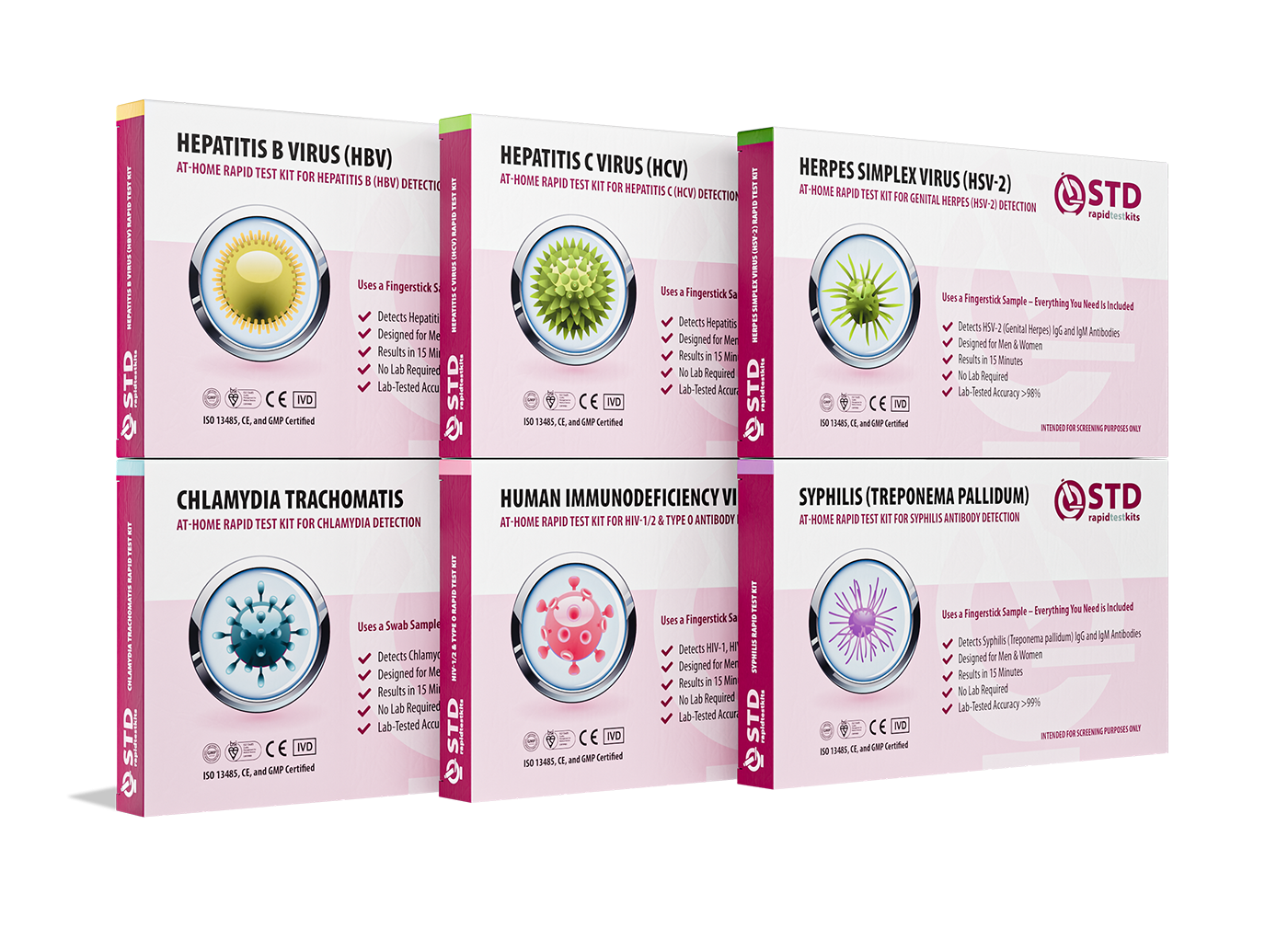 For Men & WomenResults in MinutesNo Lab NeededPrivate & Discreet
Order Now $119.00 $294.00
For all 6 tests
What Doctors Wish More People Understood About STD Risk
Ask infectious disease specialists what frustrates them most about HIV, and many will say the same thing: the infection is far more manageable than people think, if it’s detected early.
Modern HIV medications can suppress the virus so effectively that it becomes nearly undetectable in the bloodstream. When that happens, the immune system remains strong and the risk of transmission drops dramatically.
But treatment only works once someone knows they have the virus.
Doctors often see two very different scenarios in their clinics. One patient comes in shortly after a possible exposure, gets tested, and begins treatment quickly if necessary. Their long-term outlook is excellent.
Another patient may not test for years because they feel fine. By the time symptoms appear, the immune system may already be severely compromised.
These two timelines can lead to completely different outcomes, even though the infection started the same way.
This is why sexual health experts emphasize routine testing as part of normal healthcare. It’s not about assuming risk or assigning blame. It’s about catching infections early enough that they never become dangerous.
The paradox of HIV is that the deadliest STD worldwide is also one of the most manageable when people know their status.
FAQs
1. Which STD actually causes the most deaths worldwide?
The answer is HIV. Even with modern medicine, HIV is still the sexually transmitted infection that kills the most people around the world. Most people don't know that the virus only becomes deadly after years of not being treated, during which time it slowly weakens the immune system until the body has trouble fighting off common infections.
2. Wait, can an STD really kill you?
It can, but usually not overnight and rarely in the dramatic way people imagine. In most cases the danger comes from long-term damage. Untreated HIV weakens the immune system, HPV can trigger cancers like cervical cancer, and hepatitis B can slowly destroy the liver. The common thread is time, these infections become dangerous when they go unnoticed or untreated for years.
3. How many people actually die from HIV each year?
Roughly 600,000 to 650,000 people worldwide die each year from HIV-related illness. That number used to be much higher two decades ago, before effective treatments became widely available. The encouraging part is that most of those deaths are preventable when people get diagnosed early and start treatment.
4. If HIV is the deadliest STD, why don’t we hear about it as much anymore?
Because treatment changed the story. In many countries, HIV is now managed as a long-term condition rather than a death sentence. But globally, many infections are still diagnosed late or in places where treatment access is limited. So the virus hasn’t disappeared, it’s just quieter in parts of the world where medicine has caught up.
5. Could someone have HIV and not know it?
Absolutely. That’s one of the reasons it spreads so easily. After the initial infection, many people feel completely normal for years. No pain, no obvious symptoms, nothing dramatic, just a virus slowly working in the background. That’s why routine testing is so important, even when you feel perfectly healthy.
6. Besides HIV, what other STDs can become life-threatening?
A few others can cause serious problems if ignored long enough. Certain strains of HPV are linked to cancers such as cervical cancer. Hepatitis B, which can be transmitted through sex, can lead to liver failure or liver cancer. Even syphilis, when untreated for many years, can damage the brain, heart, and nervous system.
7. If someone tests positive for HIV today, what happens next?
Usually, the first step is to do confirmatory testing and then start antiretroviral therapy. Many people take one pill a day and keep their viral load low, which shows how well modern HIV drugs work. When the virus is suppressed like that, people can live long lives and dramatically reduce the risk of passing it to partners.
8. Do symptoms always show up before HIV becomes dangerous?
Not necessarily, and that’s the tricky part. Some people experience flu-like symptoms shortly after infection, but those often disappear within a week or two. After that, the virus may remain silent for years while slowly weakening the immune system. That quiet period is exactly why testing matters.
9. How soon after a risky encounter should someone test for HIV?
It depends on the type of test. Some rapid tests detect infection within a few weeks, while others are most accurate after about 4–6 weeks. If someone had a recent exposure, healthcare providers often recommend testing once early and then repeating the test later to confirm the result.
10. What’s the simplest way to reduce the risk of deadly STD complications?
Three things make the biggest difference: regular testing, honest conversations with partners, and early treatment if something shows up. Think of testing like checking your blood pressure or cholesterol, it’s simply information. And in the case of HIV and other STDs, that information can literally save lives.
You Deserve Answers, Not Uncertainty
Learning that HIV causes the most deaths among sexually transmitted infections can sound intimidating at first. But the real takeaway is simpler than the statistics make it seem: the danger almost always comes from not knowing. HIV becomes serious when it’s invisible for years, quietly weakening the immune system without treatment.
Testing changes that story completely. When people know their status early, treatment can protect the immune system and allow them to live long, healthy lives. What once felt like a frightening unknown becomes a manageable medical condition with clear next steps.
If there’s even a small question about your status, start with a private screen like the INSTI Rapid HIV Test. The process is quick, discreet, and designed to give you clarity without a clinic visit. Knowing your status doesn’t create problems, it solves uncertainty.
How We Sourced This Article: This article combines global epidemiology data on HIV and sexually transmitted infections with guidance from major health authorities. We reviewed reports from the World Health Organization, UNAIDS, and the Centers for Disease Control and Prevention to confirm global mortality estimates and clinical progression patterns. The goal was to translate medical research on HIV and STD complications into clear, accessible explanations while maintaining clinical accuracy.
Sources
1. Fact Sheet on HIV/AIDS from the World Health Organization
2. UNAIDS: World HIV Statistics
3. World Health Organization – HPV and Cervical Cancer
4. The World Health Organization says that hepatitis B is a disease.
5. The Centers for Disease Control and Prevention have a fact sheet about syphilis.
6. Data and statistics on HIV/AIDS around the world from the World Health Organization
7. Our World in Data – HIV/AIDS Global Data
About the Author
Dr. F. David, MD is a board-certified infectious disease specialist focused on sexually transmitted infections, prevention strategies, and diagnostic testing. His work centers on making complex sexual health information clear, practical, and stigma-free so people can make informed decisions about their health.
Reviewed by: Clinical Review Board, Sexual Health | Last medically reviewed: February 2026
This article is for informational purposes only and does not replace professional medical advice, diagnosis, or treatment.


