Unfortunately, it is tortuous to navigate the sensitive landscape that is sexual health. However, understanding and protecting against sexually transmitted infections is an issue that simply cannot be understated. Our main concern here is chlamydia, an STI that, owing to its prevalence and possible aftermath, deserves particular attention. The following paper, therefore, will provide a profound overview regarding how to avoid chlamydia and maintain good sexual health.
08 October 2024
5 min read
1833
Understanding Chlamydia: A Closer Look
Chlamydia is the most reported STI within the United States; it is brought about by a bacterium known as Chlamydia trachomatis. It has been trending upwards during these past few years—in 2015, CDC termed it an epidemic. It is approximated to infect around 131 million people annually, with the greatest burden in the age bracket from 15 to 24 years.
This is due in part to how easily the infection can be transmitted between partners who are not presenting with symptoms. The apparent lack of symptoms does not translate to the infection being any less benign.
Health Consequences of Chlamydia
Implications for Males
Health consequences that may be illustrated to men who contract chlamydia include prostatitis, an inflammation of the prostate gland, and epididymitis, inflammation of the testicles.
Consequences for Female Patients
The complications witnessed in females from chlamydia infection include infertility brought about by fallopian tube scarring, PID, and an increased risk of ectopic pregnancy.
Effects on Pregnant Persons
This infection during childbirth could be transmitted to the child by an infected mother, thus making the child suffer from pneumonia or serious eye infections.
8 Easy Ways to Avoid Getting Chlamydia
The surest way to prevent chlamydia is through abstinence from sexual intercourse. However, knowing this may not be very realistic for most people in this modern time, so here are eight real and practical ways to protect yourself and keep your reproductive health in good shape.
1. Condom Regularly
The best means of preventing chlamydia is the use of a male condom. Male condoms are a type of barrier birth control. Wearing a condom reduces the risk of giving or getting chlamydia by up to 75% if used perfectly.
How to Use Condom for Better Efficacy
They should be kept in a cool, dry place.
The preferred materials for the condoms should either be polyurethane or latex.
The date of expiration has to be considered.
A lubricant should be applied to reduce the risk of tear.
2. Dental Dams
If you have your doubts about the status of your partner, then during oral sex, use a dental dam. The dental dam is a thin latex membrane that can be used over the vagina or anus to prevent transmission via bodily fluids to prevent chlamydia.
3. Don't Douche
Some of you might think that this cleans you and gives some protection, but actually, it puts you at greater risk of getting STIs like chlamydia. Just leave your vagina to take care of its flora.
4. Don't Rely on Spermicide
Water-based spermicides, as opposed to belief, don't protect against chlamydia.
5. Clean Your Sex Toys
If you use sex toys, then clean and disinfect them afterward. You may also wear a condom and some lubricant on the sex toys used for penetration; do not share them, especially between several sexual partners.
6. Learn to Recognize Symptoms
One can get early detection of the infection when one is aware of the symptoms of chlamydia. Symptoms differ in genders and include painful sex, unusual discharge, or painful pelvic or testicular aching.
7. Regular Screenings for STIs
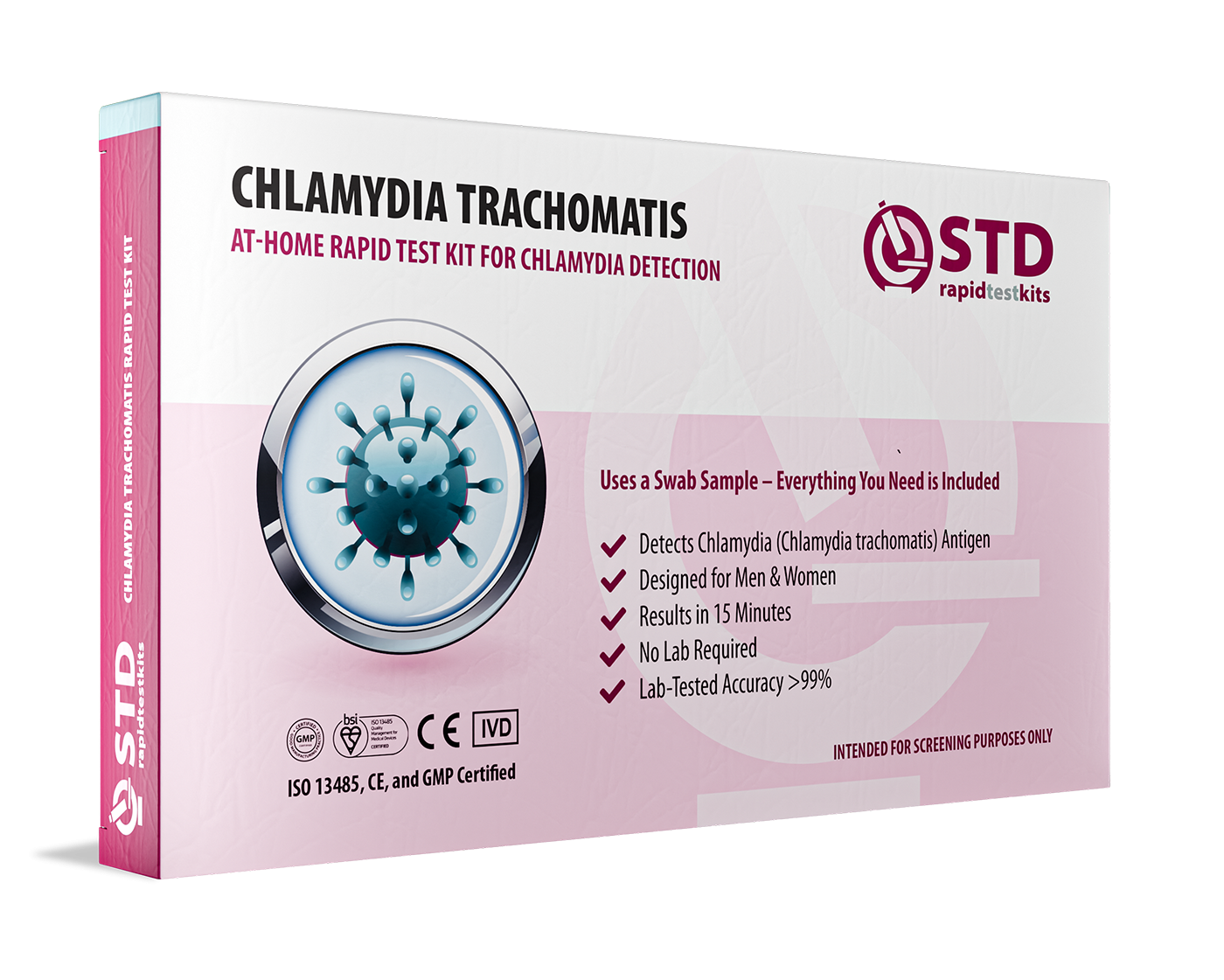
Testing regularly for STIs is also a way of prevention, especially for those who are sexually active and with multiple partners. STDRapidTestKits.com has a chlamydia test that you can do in your home and provide results in just 10 minutes. If you already have other STIs, then it is also worth getting tested for gonorrhea and syphilis.
8. Be Open to Your Partners
The most critical methods of maintaining your sexual health may be honest discussions with your partner(s) about STIs, frequency of testing, and sexual history.
Chlamydia Treatment Options
If you get tested and find that you have chlamydia, even after you take precautions to avoid getting it, do not freak out. The infection is curable with antibiotics in all. Make sure you take all of your medication on time, do not have sex while you're being treated, and don't give anyone your medication.
Remember, you will want to retest three months post-treatment due to the possibility of reinfection.
The Elusive Chlamydia Vaccine
While promising trials for a chlamydia vaccine have taken place in 2019, by 2022, it is not available. Until such a vaccine is developed the above preventive measures are our best weapons to help prevent chlamydia.
Making It Easier to Get Tested for STIs with STDRapidTestKits.com
It's a great way of prevention, regular testing, but the hassle entailing scheduling, going into the doctor's office, and waiting for the lab results can easily turn it into a nuisance to do on a regular basis. STDRapidTestKits.com home test kits will make this process less cumbersome and allow taking care of one's sexual health with efficient results in just 10 minutes.








 For Men & Women
 Results in Minutes
 No Lab Needed
 Private & Discreet


