






Quick Answer: A 12 week syphilis test is considered highly accurate. By three months after exposure, almost everyone who has Syphilis will have developed detectable antibodies, meaning a negative blood test at this point is generally considered conclusive.
The Moment People Finally Breathe Again: Why the 12-Week Mark Matters
In sexual health clinics, the same story plays out every week. Someone sits across from a nurse or doctor and says something like, “I tested earlier and it was negative… but I read online that I should wait twelve weeks.” The waiting period can feel endless, especially when anxiety fills the space between tests.
The reason the 12-week timeline exists comes down to how Syphilis tests work. Most modern blood tests do not detect the bacteria itself. Instead, they detect antibodies, proteins your immune system produces when it recognizes an infection. These antibodies take time to build up in your bloodstream.
Doctors call this delay the “window period.” During the window period, a person may be infected but the test still comes back negative because the body hasn’t produced enough antibodies yet. By the time you reach roughly three months after exposure, the immune response is almost always strong enough for standard blood tests to detect.
“When patients hit the twelve-week mark with a negative result, that’s usually the point where we can confidently rule out infection from that exposure,” explains one sexual health clinician.
That’s why many public health guidelines, including those from major sexual health organizations, use 90 days as the definitive testing milestone.
The Syphilis Testing Timeline: What Happens Inside the Body
Understanding why twelve weeks matters becomes much clearer when you look at what’s happening biologically after exposure. Syphilis is caused by a bacterium called Treponema pallidum. Once it enters the body, it begins multiplying slowly while the immune system learns to recognize the infection.
Antibody tests gradually become more reliable as this immune response develops. The difference between testing at four weeks versus twelve weeks isn’t small, it’s the difference between catching most infections and catching nearly all of them.
| Time After Exposure | What May Be Happening | Test Reliability |
|---|---|---|
| 2–3 weeks | Bacteria multiplying, immune response just beginning | Low detection rate |
| 4–6 weeks | Many people develop detectable antibodies | Moderate reliability |
| 6–8 weeks | Most infections detectable | High reliability |
| 12 weeks | Antibody response fully developed in nearly all cases | Very high reliability |
This gradual increase in accuracy explains why many people test multiple times after a possible exposure. An early test can provide reassurance, but the twelve-week test is usually the one doctors rely on to close the case.
It’s also worth remembering that Syphilis develops in stages. The first stage often includes a painless sore called a chancre. The second stage may involve rashes, fever, swollen lymph nodes, or fatigue. These symptoms can appear weeks after infection, sometimes before a blood test turns positive.
That’s why timing matters so much. Testing too early can create confusion, especially if symptoms appear later.
People are also reading: What’s the Best At-Home STD Test? Here’s What the Results Showed
6 Weeks vs 12 Weeks: Why Doctors Prefer the Later Test
People frequently ask whether testing at six weeks is “good enough.” The honest answer is that it’s helpful, but not always definitive.
At six weeks, many infections are detectable. But not every immune system responds at the exact same speed. Some people produce detectable antibodies earlier, while others take longer.
| Testing Time | What It Tells You | Limitations |
|---|---|---|
| 4–5 weeks | Some infections detected | Higher chance of false negatives |
| 6 weeks | Many infections detected | Still within window period for some cases |
| 12 weeks | Nearly all infections detectable | Considered definitive for that exposure |
Think of it like taking a photograph that’s slowly coming into focus. A six-week test gives you a pretty clear picture, but the twelve-week test is the sharpest image doctors can get.
“Testing earlier can be helpful for peace of mind,” says one infectious disease specialist. “But if we want to completely rule out infection from a specific encounter, we usually recommend the three-month test.”
That doesn’t mean early testing is pointless. Many people test earlier simply to reduce anxiety. If the result is negative at six weeks and negative again at twelve weeks, the conclusion becomes extremely reliable.
When a 12-Week Test Might Not Be the End of the Story
For the vast majority of people, a negative twelve-week test means the chapter is closed. But medicine always leaves room for rare exceptions.
If certain risk factors are present, doctors may suggest retesting from time to time. These situations are uncommon, but they can influence how quickly antibodies develop or how likely reinfection might be.
Some examples include:
- Ongoing exposure: A partner may have been infected after the initial encounter.
- Immune system suppression: Certain medical conditions can slow antibody development.
- New symptoms: If you have rashes, sores, or flu-like symptoms that don't make sense, you might need to take another test.
However, these scenarios are the exception, not the rule. Most people who test negative at twelve weeks can safely move forward without worrying that a hidden infection will suddenly appear months later.
A lot of people online have this fear. On forums and social media, people often talk about the worst-case scenarios, which makes it seem like infections can stay hidden forever. In reality, modern testing is extremely reliable when used at the right time.
One patient once described the relief after receiving their final negative test result: “I had spent three months googling every symptom and reading every horror story online. When the doctor said the twelve-week result was conclusive, it felt like someone finally turned off the alarm in my head.”
Order Now $129.00 $343.00 Check Your STD Status in Minutes
Test at Home with Remedium
7-in-1 STD Test Kit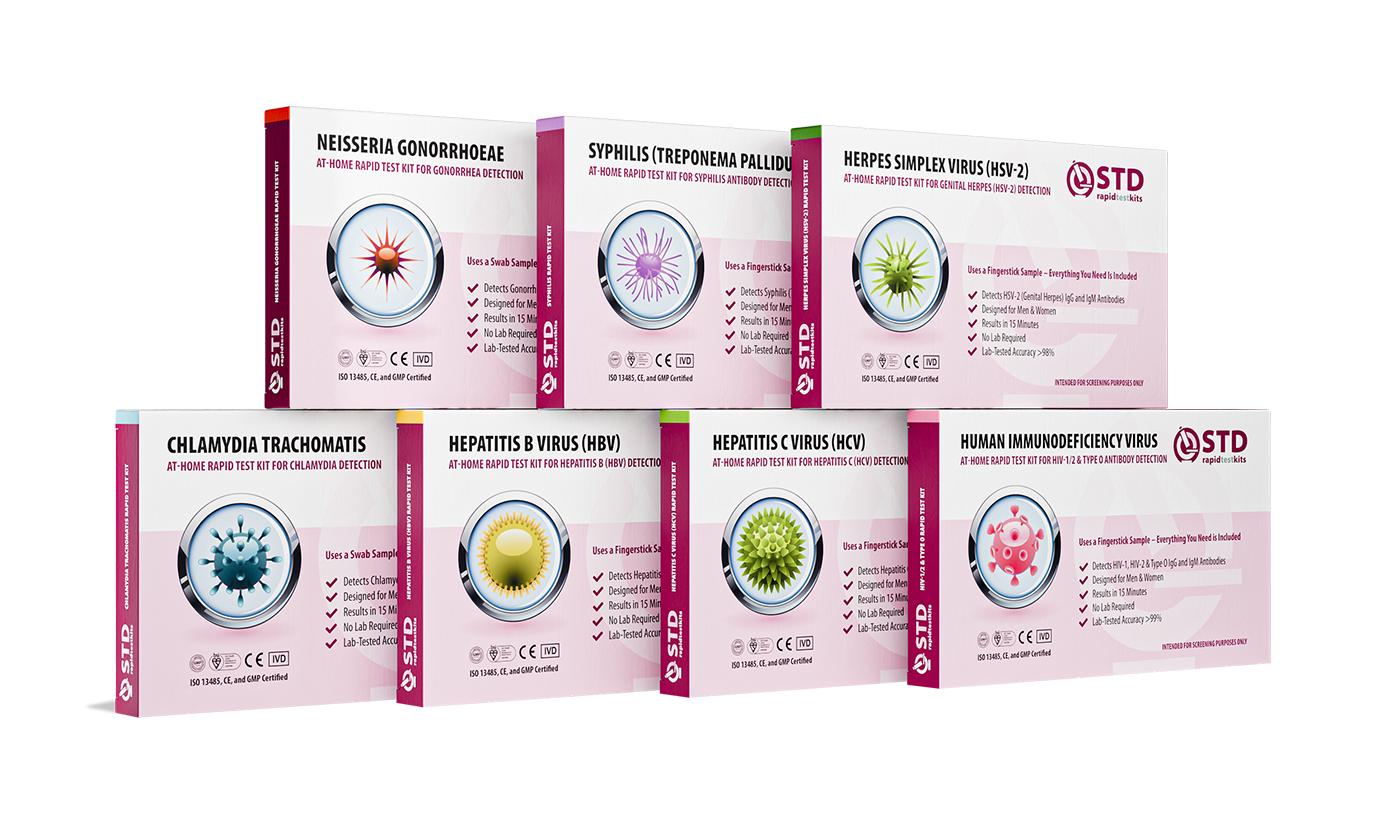
 For Men & Women
 Results in Minutes
 No Lab Needed
 Private & Discreet
For all 7 tests
Testing From Home vs a Clinic: Does Accuracy Change?
Another question that comes up frequently is whether at-home testing changes the reliability of results. In most cases, the answer depends more on timing than on location.
Many modern rapid tests and mail-in kits use the same antibody detection methods used in clinics. When used correctly, and when taken after the window period, they can provide very dependable results.
At-home testing can also remove one major barrier: hesitation. For some people, privacy concerns or scheduling challenges delay testing longer than necessary.
If you prefer testing privately, you can learn more about discreet testing options at STD Rapid Test Kits.
For people who want a broader screening, combination kits like the combo STD home test kit allow testing for multiple infections from home.
The most important factor isn’t where the test happens. It’s when it happens.
What Doctors Wish People Knew About Syphilis Testing
Sexual health professionals often see the same cycle of anxiety repeat itself. Someone experiences a possible exposure, searches the internet late at night, tests early, and then worries the result might be wrong.
One thing clinicians emphasize repeatedly is that Syphilis is both detectable and treatable. Early detection leads to simple treatment, typically with antibiotics.
The bigger problem is often uncertainty, not infection itself.
“The hardest part for patients is the waiting,” one clinic nurse says. “But by the twelve-week mark, we have extremely reliable information.”
If you’ve reached that point with a negative test result, the science is on your side. Your immune system has had enough time to respond, and modern blood tests are designed specifically to detect that response.
Why Timing Matters More Than the Test Itself
One of the biggest misconceptions about Syphilis testing is that accuracy depends mostly on the type of test you take. In reality, the single most important factor is timing. The same test that might miss an infection at three weeks could be extremely reliable at twelve weeks.
This is because the test is measuring your immune response, not the bacteria directly. After exposure, your immune system needs time to recognize the infection and produce detectable antibodies. If you test before that response is fully developed, the result may come back negative even if the infection is present.
That’s the heart of the “window period.” It’s not that tests are unreliable, it’s that biology takes time.
“People often think the test failed if they hear about window periods,” explains one sexual health nurse. “But really it just means the immune system hasn’t raised the flag yet.”
By twelve weeks, however, that flag has almost always been raised. Antibodies are circulating in the bloodstream, which is exactly what modern serology tests are designed to detect.
This is why clinicians tend to frame the testing process as a timeline rather than a single moment. Early tests provide clues. Later tests provide confirmation.

People are also reading: UTI Symptoms That Turned Out to Be an STD
Incubation vs Window Period: Two Timelines People Mix Up
Another reason people feel confused about Syphilis testing is that two different timelines get discussed online: incubation periods and window periods. They sound the same, but they mean very different things.
The incubation period describes how long it takes for symptoms to appear after infection. The window period describes how long it takes for a test to detect the infection. Those two clocks don’t always move at the same speed.
| Timeline Type | What It Means | Typical Range |
|---|---|---|
| Incubation Period | Time from infection to first symptoms | 10–90 days (average ~3 weeks) |
| Testing Window Period | Time from infection to detectable antibodies | Up to about 12 weeks |
This explains a situation that sometimes worries people: symptoms may appear before a test becomes positive. For example, someone might develop a small sore two or three weeks after exposure but still test negative because the immune response is still building.
When that happens, doctors typically recommend repeating the blood test later in the window period. The goal isn’t to chase symptoms, it’s to let the immune system catch up so the test can see what’s really happening.
Real Exposure Scenarios Doctors See All the Time
When people search online about Syphilis testing, the context behind the question is often the same: a specific moment that suddenly feels uncertain in hindsight.
Sometimes it’s a new partner. Sometimes it’s a condom that slipped or broke. Occasionally it’s a message from a past partner saying they tested positive for something and suggesting everyone get checked.
Doctors hear these stories constantly, and they tend to follow similar timelines.
Take someone who had a potential exposure and tests at four weeks. The result comes back negative, which is reassuring but not final. At six or seven weeks they test again, still negative. By the time they reach twelve weeks, the final test provides the answer they’ve been waiting for.
“Most patients are already relieved by the second test,” one clinician explains. “The twelve-week result is just the confirmation that nothing was missed.”
In some cases, people skip early testing entirely and simply wait for the three-month mark. This approach avoids the emotional rollercoaster of multiple tests and focuses directly on the point when accuracy is highest.
Neither strategy is wrong. Some people prefer earlier reassurance, while others would rather wait for the most definitive result.
Check Your STD Status in Minutes
Test at Home with Remedium6-in-1 STD Test Kit
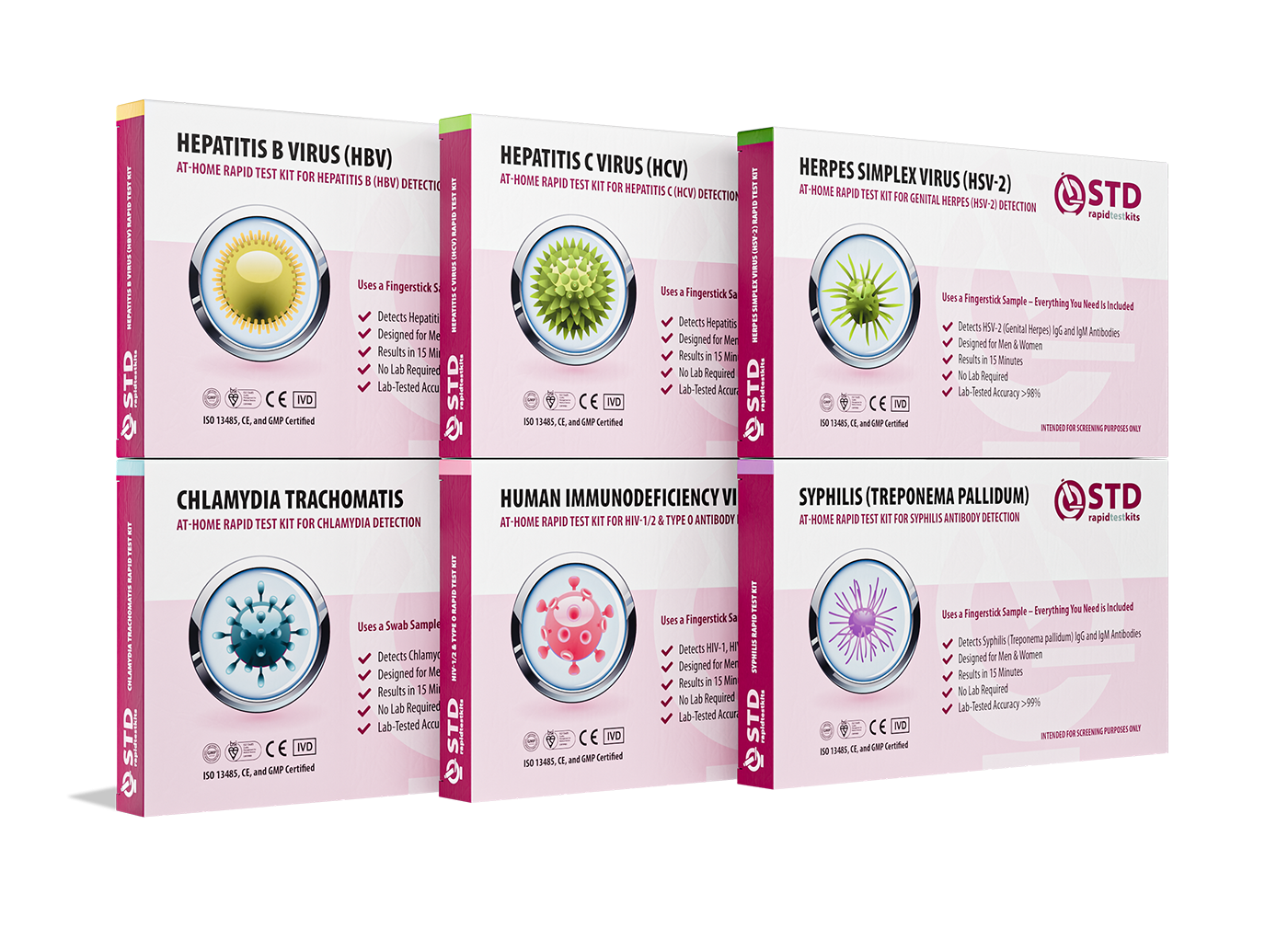 For Men & WomenResults in MinutesNo Lab NeededPrivate & Discreet
Order Now $119.00 $294.00
For all 6 tests
Reducing False Negatives: Practical Tips Before Testing
Although modern Syphilis tests are highly reliable, a few simple practices can help make sure the results you receive are as accurate as possible.
First, pay attention to timing. Testing too early is the most common reason a result might miss an infection. If you’re unsure about timing, many clinicians recommend testing once early and then repeating the test at the twelve-week mark.
Second, when you use an at-home test, be sure to carefully follow the instructions for collecting the sample. Small things, like the amount of the sample or when it was tested, can change the results.
Finally, consider the broader context of your sexual health. If there have been multiple partners or exposures within a short period, testing for more than one infection may make sense.
That’s one reason combination panels have become increasingly common. Instead of testing for a single infection, they screen for several of the most common STDs at once.
The main point is clear: accuracy isn't just about the test. It's about knowing when to use it, how to use it correctly, and how the body reacts to infection.
FAQs
1. So if my syphilis test is negative at 12 weeks… am I actually in the clear?
In most cases, yes, you can finally unclench your shoulders. By the 12-week mark, your body would have had plenty of time to produce antibodies if Syphilis were present. Doctors generally consider a negative test at this point reliable for that exposure. If there hasn’t been any new risk since then, you can usually move forward without second-guessing every little symptom.
2. Why does everyone online keep saying “wait 12 weeks” for syphilis testing?
Because antibodies take time to show up. Early on, the bacteria can be in the body while your immune system is still gearing up to respond. Around three months, that immune response is fully developed in almost everyone, which means tests can finally catch nearly every infection.
3. I tested at 6 weeks and it was negative. Should I still worry?
A six-week result is already a very good sign. Many infections would be detectable by then. But doctors usually suggest a follow-up at 12 weeks simply to close the window period and remove the last bit of uncertainty.
4. Can syphilis stay hidden and suddenly show up after a negative test months later?
That’s one of the most common fears people bring into clinics. In reality, if your test is negative at 12 weeks and there hasn’t been another exposure, it’s extremely unlikely that Syphilis will “appear later.” The infection doesn’t quietly hide from blood tests for months once antibodies are present.
5. What if I had symptoms but my test was negative?
Timing matters. Early symptoms, like a painless sore, can sometimes appear before antibodies become detectable. If something unusual is going on with your body, it’s worth talking to a healthcare provider and possibly repeating the test at the right interval.
6. Does a syphilis test look for the bacteria itself?
Usually no. Most routine tests are actually looking for antibodies your immune system creates in response to the infection. Think of it less like spotting the burglar and more like spotting the alarm system that went off after the break-in.
7. Are at-home syphilis tests trustworthy?
Many are. A lot of modern home tests use the same antibody detection methods used in clinics. The key factor isn’t where you test, it’s when. If you’re testing after the window period and following the instructions carefully, the results can be very dependable.
8. What’s the very first symptom of syphilis?
A chancre is a painless sore that is a classic early sign. It usually shows up where the bacteria entered the body, such as the mouth, genitals, or anus. It can be hard to see, especially if it's small or hidden, which is the hard part.
9. Do people always have symptoms with syphilis?
Not at all. Some people never notice obvious symptoms, especially early on. That’s one reason testing is so important, sometimes the only way to know what’s going on is through a blood test.
10. If someone does test positive, is syphilis treatable?
Yes, and this part often surprises people. Syphilis is very treatable, especially when caught early. A course of antibiotics can clear the infection, which is why getting tested and treated promptly makes such a huge difference.
You Deserve Clarity, Not Guesswork
Waiting for a final test result can mess with your head. Three months can feel like a long stretch when every small rash, headache, or random Google search suddenly feels suspicious. But the science behind Syphilis testing is actually pretty straightforward: antibodies take time to appear, and by twelve weeks the vast majority of infections are detectable.
If you’ve reached that point and your test is negative, most doctors consider that result reliable for the exposure you were worried about. In other words, you’ve crossed the line where uncertainty usually fades and the data becomes clear.
If testing privately helps you take control of the situation, start with a discreet screen like the Combo STD Home Test Kit. Your results stay private, the process is straightforward, and getting answers tends to feel a lot better than living inside the question.
How We Sourced This Article: This guide combines current clinical guidance on Syphilis testing timelines with peer-reviewed research on serologic detection and antibody development. To make it easier to understand, we read medical articles from journals on infectious diseases and public health advice from global health organizations to explain how accurate tests are, how long they take, and when to get them.
Sources
1. Centers for Disease Control and Prevention – Syphilis Fact Sheet
2. World Health Organization – Syphilis Overview
3. NHS – Syphilis Symptoms and Testing
4. Mayo Clinic – Syphilis Overview
5. World Health Organization – Sexually Transmitted Infections Fact Sheet
6. Planned Parenthood – Syphilis: Symptoms, Testing, and Treatment
7. Centers for Disease Control and Prevention – Syphilis Treatment Guidelines
About the Author
Dr. F. David, MD is a board-certified infectious disease specialist focused on STI prevention, diagnosis, and treatment. His work centers on translating complex sexual health science into practical, stigma-free guidance that helps people make informed decisions about testing and treatment.
Reviewed by: Daniel R. Castillo, MD, Infectious Disease | Last medically reviewed: March 2026
This article is meant to give you information and should not be used as a substitute for professional medical advice.


