How Does One Get Chlamydia if Not Sexually Active?
Chlamydia is one of the most common sexually transmitted infections among most sexually active people across the globe. However, it remains treatable and curable with proper medical treatment on time. This post would outline detailed discussions about various aspects of Chlamydia such as its modes of transmission, identification of its signs and symptoms, significant risk factors, and preventive measures. Having good knowledge about them will help you in achieving optimal sexual health.
08 October 2024
4 min read
1838
What is Chlamydia?
Often referred to colloquially as "the clap" or "the clam", Chlamydia is a common STI able to infect a number of different body parts: the mouth, reproductive organs, urethra, rectum, and cervix. The good news, however, is that Chlamydia is easily diagnosed and quickly treatable with a course of basic antibiotics.
Firstly, transmission of Chlamydia occurs between individuals through intimate sexual contact. It does not discriminate whether it is vaginal, anal, or oral sex. Surprisingly, full sexual penetration or ejaculation is not a prerequisite in its transmission; sharing of unwashed or unprotected sex toys is also capable of its transmission.
On the other hand, numerous myths are linked with infection of Chlamydia. It's essential to note that the infection doesn't occur due to casual contact like hugging, kissing, sharing meals, and using the same toilet seats. This infection is only transmitted from an infected expectant individual to her baby at birth through a non-sexual route.
Understanding the Risk Factors of Chlamydia
Anyone can get a chlamydia infection, but certain factors may increase one's likelihood. These include being less than 25 years old, being a man who has sex with men, practicing sex work, or having multiple sexual partners. It also provides that those assigned female at birth run a higher risk. If you fall into these categories of being at higher risk, testing should be done regularly, preferably every three to six months.
Recognizing Chlamydia: The Signs and Symptoms
One major problem with Chlamydia is that most infected individuals may not eventually show any symptoms. This is where the sneakiness of the infection dictates the need for regular testing. However, when symptoms do appear, they are different for each sex.
Abnormal discharge or a burning sensation when urinating can occur in both vulva and penis owners.
In penis owners, swelling of one or both testicles can also occur.
Other symptoms may be of the anus, which include rectal pain, anal discharge, and anal bleeding.
Other possible symptoms include fever, itching or burning at the head of the penis, unusual bleeding from the vagina, painful sex, and discomfort in the pelvic region.
Testing for Chlamydia: The Basics - Why and How
It is important to have regular Chlamydia testing. Because the majority of people do not develop symptoms, an infection may be passed on unknowingly. Laboratory testing is required to diagnose Chlamydia using swabs or samples of urine. If sexually active, testing should be offered annually or within a month of unprotected sex. High-risk individuals need more frequent testing.
Chlamydia during pregnancy can lead to complications such as preterm delivery, neonatal eye infections or respiratory tract infection, low birth weight, and perinatal death. Testing for the infection, therefore, is supposed to be part of the first prenatal visit of the pregnant person. Since reinfection is so common, re-testing after three months of treatment is advisable.
Complications of Untreated Chlamydia
Leaving Chlamydia either diagnosed or untreated can cause serious long-term health complications, particularly in those AFAB. Complications include Pelvic Inflammatory Disease, which can be caused by testicular infections, though rarely, in men. Scarring and blocked Fallopian tubes could result in ectopic pregnancies and chronic pelvic and/or abdominal pain due to PID.
Untreated Chlamydia will also increase the risk of transmission and heighten the risk of acquiring an HIV infection.
Treatment of Chlamydia: A No-Nonsense Approach
Chlamydia can be treated with a course of antibiotics. Partners from the last 60 days need to be tested for the infection to assist in preventing the spread. While one is undergoing treatment, there should be no sexual contact.
Proactive Approach: Preventing Chlamydia
Even though it is curable, the most reasonable way of managing Chlamydia is its prevention. This includes candidly talking about sexual health with both health providers and partners, practicing safer sexual behaviors, and getting tested regularly.
Safeguarding Your Sexual Health with STDRapidtestkits.com
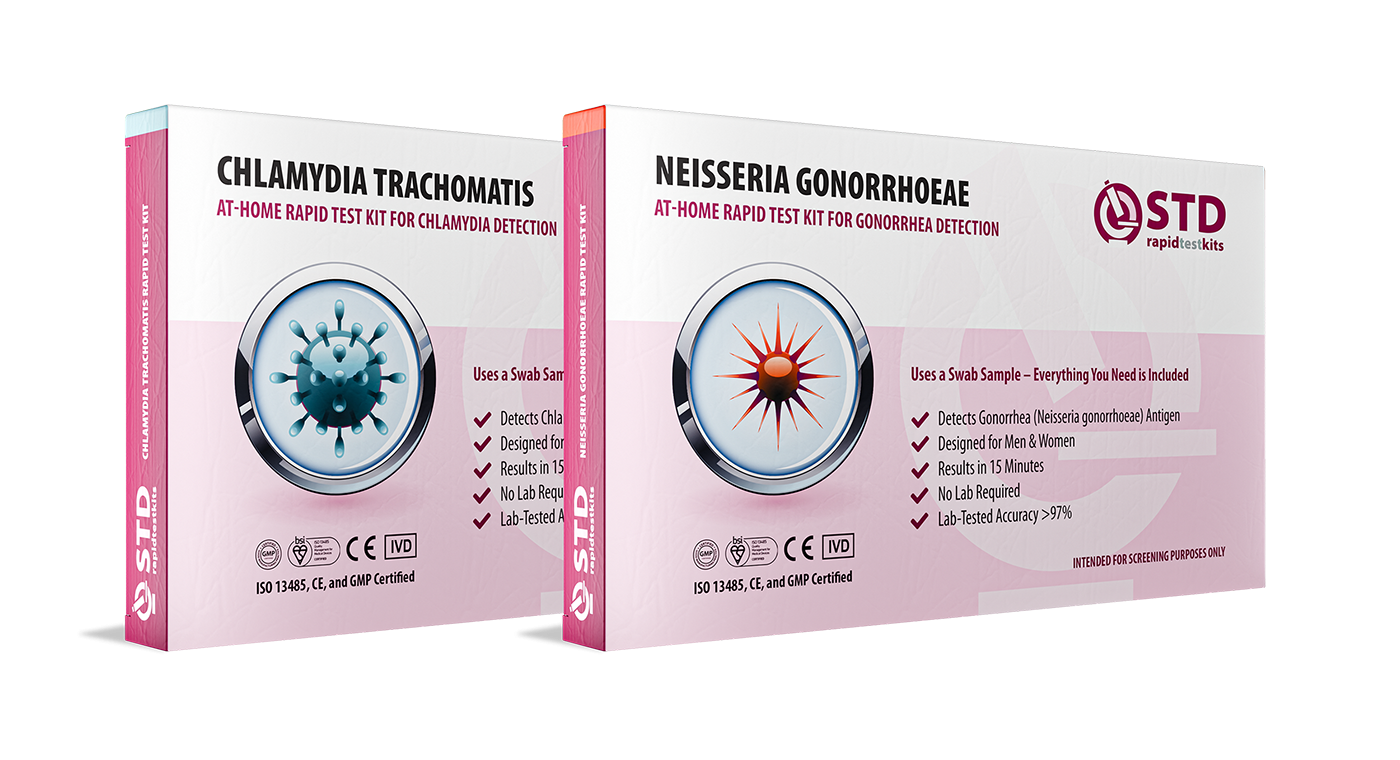
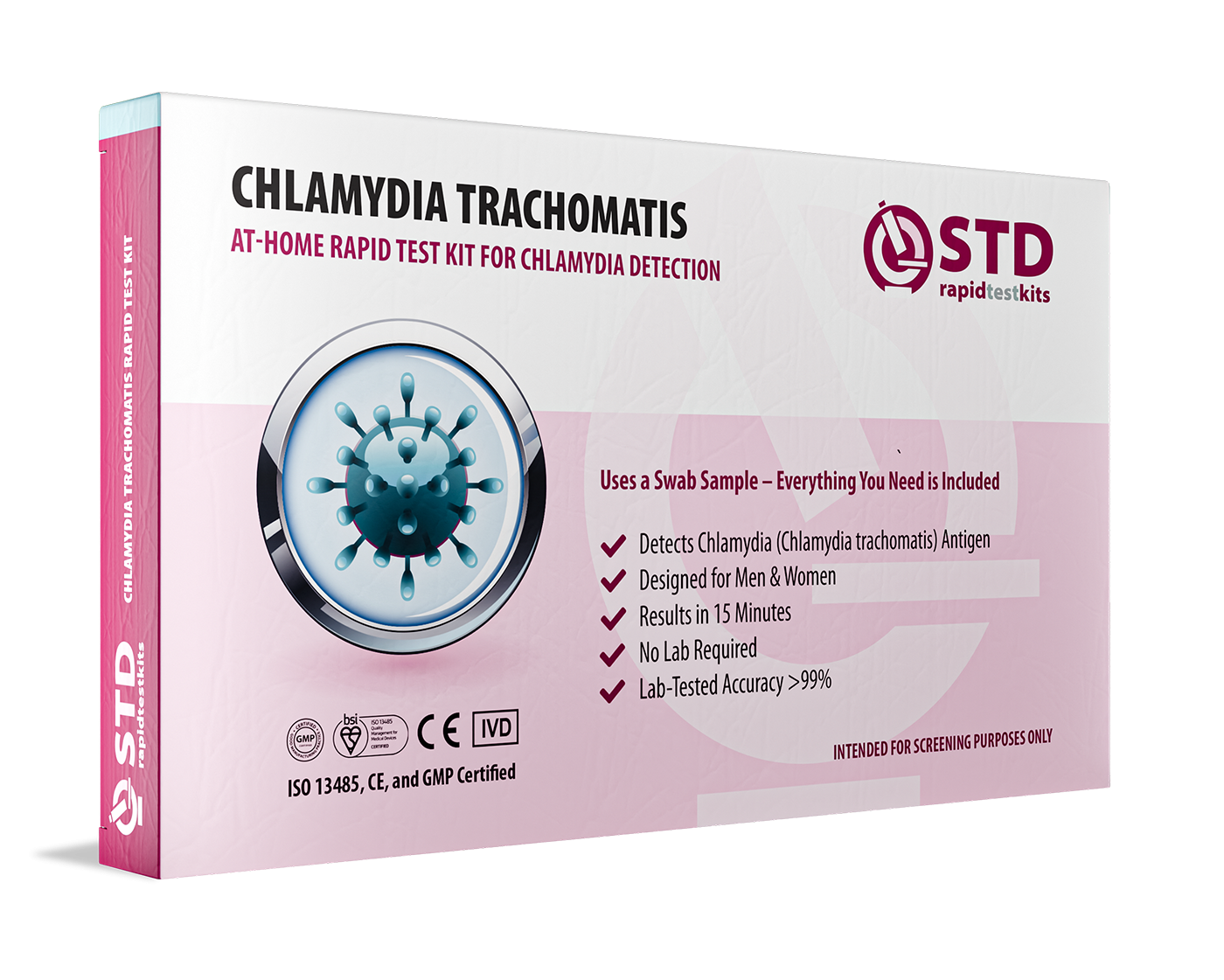
Safeguarding your sexual health has never been simpler than it is through STDRapidtestkits.com. The website provides user-friendly, self-testing, at-home test kits. Among those test kits, the Chlamydia & Gonorrhea Test Kits hold great importance. With very high concern for keeping your matter private and producing instant results within less than a 10-minute time span, these test kits are the ultimate in convenience and precision for immediate results in under 15 minutes.
Check Your STD Status in Minutes
Test at Home with Remedium Chlamydia & Gonorrhea Test








 For Men & Women
 Results in Minutes
 No Lab Needed
 Private & Discreet