Can a Baby Be Born With Syphilis? What Congenital Syphilis Means
It’s a question many expecting parents never imagine asking until a doctor brings it up during routine prenatal screening. You’re pregnant, you’re doing everything right, and then suddenly someone mentions testing for Syphilis. For some people, that word feels like it belongs in history books or public health warnings, not in a prenatal appointment.
But the reality is more complicated. Congenital Syphilis happens when a baby becomes infected with Syphilis before birth, usually during pregnancy. It’s preventable, treatable, and something doctors are actively watching for, but when testing is missed or treatment comes too late, babies can be affected.
12 March 2026
19 min read
779
Quick Answer: A baby can be born with syphilis if the infection passes from a pregnant person to the fetus through the placenta. This condition, called congenital syphilis, can occur at any stage of pregnancy but is usually preventable with early prenatal testing and treatment.
How Syphilis Can Reach a Baby Before Birth
Syphilis is caused by a bacterium called Treponema pallidum. Once the infection enters the bloodstream, it doesn’t just stay localized to one part of the body. It travels. That’s what allows it to cross the placenta and infect a developing fetus.
The placenta acts as a lifeline between parent and baby, delivering oxygen and nutrients. Unfortunately, infections circulating in the bloodstream can also pass through this same pathway. When untreated Syphilis reaches the placenta, the bacteria can move into the fetus’s circulation.
This transfer can happen at almost any point during pregnancy, though the risk increases if the infection is recent or untreated. Doctors often emphasize testing early because catching the infection before it spreads to the fetus dramatically reduces complications.
Public health researchers describe congenital infection in very practical terms: it’s not about morality or behavior. It’s about biology and timing. If the bacteria are in the bloodstream during pregnancy, they can potentially reach the baby.
Why Many Pregnant People Don’t Realize They Have Syphilis
One of the most frustrating realities about Syphilis is how easily it hides. The infection often begins with a small sore called a chancre. It’s painless, usually appears in a private area, and can disappear within a few weeks even without treatment.
That disappearing act tricks people into thinking nothing serious happened. The infection hasn’t gone away, it has simply moved deeper into the body.
Doctors often explain that the early stages of Syphilis are sometimes called “the great imitator.” Symptoms may be mild, mistaken for something else, or missed entirely. A person can feel completely healthy while the bacteria quietly circulate in the bloodstream.
This is exactly why routine prenatal testing exists. Many people diagnosed with Syphilis during pregnancy had no idea they were infected. One infectious disease specialist summarized it bluntly:
“Most congenital syphilis cases don’t happen because someone ignored symptoms. They happen because there were no symptoms at all.”
What Happens If a Baby Is Exposed During Pregnancy
When Syphilis reaches the fetus, the effects depend on timing, treatment, and how long the infection has been active. Some babies develop symptoms before birth. Others may appear healthy at delivery but develop signs weeks or months later.
Doctors classify congenital infection into two broad patterns: early congenital syphilis and late congenital syphilis. The difference usually comes down to when symptoms appear.
Early congenital infection tends to appear during infancy. Late congenital infection may not show clear signs until childhood.
The symptoms doctors watch for can affect several parts of a baby’s body, including the skin, bones, liver, and nervous system.
Table 1: Possible Early Signs of Congenital Syphilis in Infants
Body System
Possible Signs
Skin
Rashes, peeling skin, sores
Liver and spleen
Enlargement, jaundice
Bones
Inflammation affecting bone development
Respiratory
Persistent nasal discharge sometimes called “snuffles”
Not every baby shows obvious signs immediately. In fact, many infants with congenital infection appear completely healthy at birth. That’s one reason pediatricians sometimes perform additional tests when prenatal records suggest possible exposure.
A pediatric infectious disease doctor once described congenital syphilis this way:
“The absence of symptoms doesn’t mean the infection isn’t there. It just means the story isn’t finished yet.”
Some children with untreated congenital Syphilis develop symptoms years later. These late complications can affect the bones, teeth, hearing, and vision.
Historically, doctors identified a group of classic findings sometimes associated with late congenital infection.
Table 2: Examples of Late Complications Linked to Untreated Congenital Syphilis
Area Affected
Possible Outcome
Teeth
Distinctive dental changes sometimes called Hutchinson teeth
Hearing
Progressive hearing loss
Bones
Bone deformities or joint problems
Eyes
Inflammation affecting vision
These outcomes are far less common today in places where prenatal screening and treatment are available. Still, they illustrate how serious untreated infection can become.
The key message many pediatric specialists emphasize is simple: congenital syphilis is not inevitable. Most cases can be prevented with testing and treatment during pregnancy.
Why Prenatal Screening Is So Important
Because Syphilis can be silent, prenatal screening is one of the most important protective tools in modern obstetric care. In many countries, testing happens during the first prenatal visit and may be repeated later in pregnancy if risk factors are present.
The test itself is straightforward, usually a simple blood test that looks for antibodies produced in response to the infection.
If the infection is detected early, treatment can dramatically reduce the risk of congenital transmission. In many cases, treating the pregnant person with antibiotics prevents the baby from becoming infected at all.
Timing matters. When treatment happens early enough, doctors can often stop the infection before it reaches the fetus.
“Congenital syphilis is one of the most preventable infections in medicine,” a maternal-fetal specialist explained. “But prevention only works if we know the infection is there.”
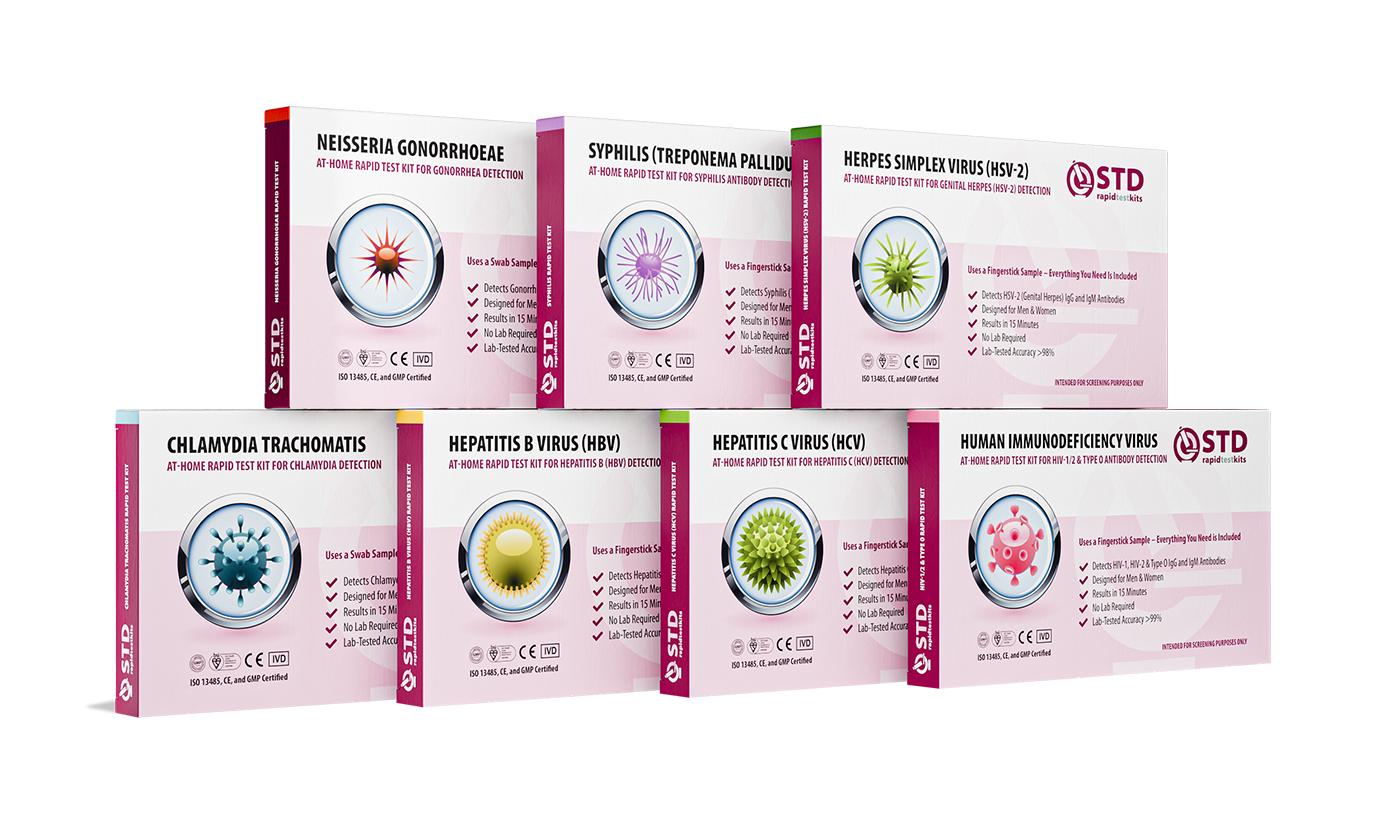
If someone has concerns about exposure outside of prenatal care, discreet testing options are also available. Reliable screening kits can be ordered through STD Rapid Test Kits, allowing people to check their status privately and seek medical care if needed.
How Treatment Protects Both Parent and Baby
Penicillin is the standard treatment for syphilis in pregnant women. This antibiotic has been around for a long time and still works well against the bacteria that cause the infection.
When administered early enough, treatment does more than clear the infection in the pregnant person. It also reduces the chance that the bacteria will reach the baby.
Doctors sometimes describe treatment as creating a protective window. Once the infection is eliminated from the bloodstream, the pathway to the fetus closes.
Even when congenital infection is suspected, early treatment after birth can improve outcomes. Pediatricians may use antibiotics and monitoring to ensure the baby clears the infection.
The key point is that congenital syphilis is not a life sentence. With modern medicine, many babies exposed to the infection can recover fully when diagnosed and treated appropriately.
The Reality Behind Rising Congenital Syphilis Cases
In recent years, public health officials have been sounding the alarm about something many people assumed was mostly a problem of the past: rising rates of Syphilis, including infections passed to babies during pregnancy. The increase has surprised many clinicians, especially because the infection is both diagnosable and treatable.
According to data reported by the Centers for Disease Control and Prevention, cases of congenital syphilis have increased significantly in several countries over the last decade. Researchers point to a combination of factors: gaps in prenatal care, missed testing opportunities, and the fact that many adults don’t realize they’re infected.
It's also important to know how social factors affect the numbers. It can be harder to get tested or treated if you don't have health insurance, have trouble getting around, or are embarrassed about sexually transmitted infections.
A community health nurse who works in maternal clinics explained it in very human terms:
“Most people I meet are trying to do the right thing for their baby. When congenital syphilis happens, it’s usually because the system missed them somewhere along the way.”
This is why many public health programs now emphasize routine screening multiple times during pregnancy in higher-risk regions. The goal isn’t to scare people, it’s to make sure infections are caught early enough to prevent transmission to the baby.
How Doctors Diagnose Congenital Syphilis
Diagnosis of congenital Syphilis often begins with a review of prenatal records. If a pregnant person tested positive during pregnancy or had incomplete treatment, pediatricians may run additional tests after the baby is born.
These evaluations usually involve blood tests that look for antibodies to the bacteria. Because antibodies can cross the placenta, interpreting newborn test results sometimes requires careful comparison with the parent’s results.
Doctors may also use additional examinations when needed. These can include imaging studies to evaluate bone development or laboratory tests to check liver function.
The process can feel overwhelming for families, but pediatric infectious disease teams are accustomed to guiding parents through each step. Their focus is both diagnosis and reassurance.
“Parents hear the word ‘syphilis’ and panic,” one pediatrician said during a clinical training session. “But when we detect it early, treatment is very effective.”
Preventing Congenital Syphilis Starts With Testing
The most powerful tool against congenital Syphilis isn’t complicated technology or expensive treatment. It’s testing.
Routine screening during pregnancy is designed to catch infections before they have a chance to affect the baby. In many healthcare systems, the first test happens early in pregnancy and may be repeated during the third trimester.
For people who may not have immediate access to prenatal care, screening options outside the clinic can also play a role. At-home testing kits, when used correctly, can help identify infections earlier and encourage people to seek medical treatment.
If someone suspects exposure or simply wants peace of mind, a comprehensive option like the STD Rapid Test Kits Combo Home Test can screen for several common infections privately.
Testing isn’t about blame. It’s about information, and information gives people the power to protect themselves and their families.
What Prenatal Care Actually Does to Prevent Congenital Syphilis
One of the reasons doctors talk so much about testing for Syphilis during pregnancy is simple: prevention works extremely well when infections are caught early. In fact, congenital syphilis is widely considered one of the most preventable infectious diseases affecting newborns.
During a routine prenatal visit, screening for syphilis is usually done through a blood test. The test looks for antibodies the immune system produces when it encounters the bacteria Treponema pallidum. These tests are inexpensive, fast, and reliable, which is why many national health guidelines recommend screening early in pregnancy.
Most obstetricians test at the first prenatal appointment, which often happens during the first trimester. In areas where infection rates are rising, healthcare providers may repeat testing later in pregnancy, usually in the third trimester or at delivery.
The reason for repeated testing isn’t suspicion or stigma. It’s simply recognition that infections can occur after the first test. A negative result early in pregnancy doesn’t guarantee someone will remain negative for the entire pregnancy.
“Testing twice isn’t about mistrust,” one maternal health specialist explained. “It’s about catching infections early enough that treatment protects both the parent and the baby.”
When syphilis is identified during pregnancy, treatment with penicillin can eliminate the infection and dramatically reduce the chance that the bacteria will cross the placenta.
Understanding the Timing: Why Early Detection Matters
The timing of infection during pregnancy plays a major role in how congenital Syphilis develops. Earlier infections during pregnancy give the bacteria more time to reach the fetus, while infections detected and treated quickly are far less likely to cause complications.
Medical researchers often describe congenital infection as a race between diagnosis and transmission. If treatment happens before the bacteria reach the fetus, the baby may never be exposed at all.
Table 3: How Timing of Infection Influences Congenital Syphilis Risk
Timing During Pregnancy
Potential Risk Level
Impact of Treatment
Early pregnancy infection
Higher risk if untreated
Early treatment often prevents fetal infection
Mid-pregnancy infection
Moderate risk
Prompt antibiotics reduce complications
Late pregnancy infection
Variable risk depending on stage
Treatment still important to protect the baby
This timing factor is why prenatal care providers stress both early screening and follow-up testing when it's needed. Doctors can do more to help if they find an infection early on.
Even in situations where treatment happens later in pregnancy, medical teams can still reduce the risk of serious complications for the baby.
Despite the effectiveness of screening and treatment, congenital Syphilis still occurs. When researchers investigate these cases, the causes are often surprisingly practical rather than mysterious.
Prenatal care doesn't always start early in pregnancy, which means there isn't much time for screening and treatment. In some cases, infections happen after a negative test but before delivery.
Healthcare access also plays a role. Transportation problems, gaps in insurance coverage, and fear of being judged can all make it harder to get to prenatal visits. When care is interrupted, routine screenings may never happen.
Public health teams studying congenital syphilis have also found that many adults who test positive had no idea they were infected. Because symptoms may disappear or never appear at all, infections can remain undetected without testing.
One epidemiologist who studies congenital infections summarized the issue in a research briefing:
“The tragedy of congenital syphilis is that we already know how to prevent it. Every missed case represents a moment where testing or treatment didn’t happen in time.”
What Parents Should Know if Congenital Syphilis Is Diagnosed
Receiving a diagnosis of congenital Syphilis for a newborn can be frightening. The word “syphilis” carries historical stigma, and hearing it associated with a newborn can trigger intense anxiety for families.
Pediatric infectious disease specialists, however, emphasize something that often surprises parents: treatment is highly effective when the infection is identified early.
Babies diagnosed with congenital infection are usually treated with antibiotics under careful medical supervision. Doctors may also monitor the infant’s blood tests over time to ensure the infection has cleared.
Doctors may set up follow-up visits to check on things like hearing, vision, and bone growth. These checkups help pediatricians find problems early so they can treat them right away.
A lot of the time, parents are afraid that the diagnosis means their child will be sick for the rest of their life. In reality, many infants treated promptly recover without long-term health problems.
“The earlier we treat congenital syphilis, the better the outcomes,” one pediatric specialist explained. “Many babies go on to grow and develop completely normally.”
Testing Before Pregnancy Can Also Help Protect Future Babies
Another important piece of the prevention conversation happens before pregnancy even begins. Routine sexual health screening can identify infections long before someone becomes pregnant.
For people who are sexually active or planning to start a family, knowing their Syphilis status is simply part of responsible health care. Early detection allows treatment before pregnancy, eliminating the possibility of congenital infection entirely.
Some people choose to get tested at their primary care doctor's office or a clinic.Some people prefer home testing options because they are easier to use and more private.They don't need to make an appointment to get screened.
With reliable at-home testing kits like those from STD Rapid Test Kits, people can find infections early and get medical help right away if they need it.
Whether testing happens in a clinic or at home, the goal is the same: early information that allows people to protect their health and the health of future children.
Why the Conversation About Congenital Syphilis Is Changing
For a long time, many people assumed Syphilis was mostly a disease from another era, something discussed in textbooks but rarely encountered in everyday life. In reality, infectious diseases don’t disappear simply because public awareness fades.
Over the past decade, public health researchers have documented rising syphilis rates in several regions. As adult infections increase, the risk of congenital transmission naturally follows. When more adults are infected, more pregnancies occur where screening and treatment become critically important.
That shift has prompted doctors and health agencies to talk more openly about congenital Syphilis. The goal isn’t to alarm people. It’s to ensure that the infection stays visible enough that testing, prevention, and treatment remain routine parts of healthcare.
The modern message from clinicians is straightforward: congenital syphilis is serious, but it is also preventable when healthcare systems catch infections early.
When people first hear about congenital Syphilis, it can feel frightening. The idea that an infection could reach a baby before birth understandably raises anxiety. But medical professionals often emphasize a more reassuring perspective.
First, prenatal screening is highly effective at detecting infections early. Second, antibiotics can treat syphilis and significantly reduce the risk of transmission to the baby. And third, pediatric treatment options are available if a newborn is diagnosed.
In other words, the system of prenatal care exists specifically to prevent outcomes like congenital infection.
Most parents who follow recommended prenatal visits will be screened automatically. For those who may not yet be in prenatal care, seeking testing sooner rather than later is one of the most protective steps available.
“The goal isn’t perfection,” one obstetrician told a prenatal class. “The goal is making sure infections are caught early enough that we can treat them.”
FAQs
1. Can a baby actually be born with syphilis?
Yes, it can happen, but it’s not as mysterious as it sounds. If a pregnant person has untreated Syphilis, the bacteria can move through the placenta and reach the baby during pregnancy. Doctors call that congenital syphilis. The good news is that routine prenatal testing catches most infections early enough that treatment stops this from happening.
2. Wouldn’t someone know if they had syphilis while pregnant?
Surprisingly, not always. Early Syphilis can be quiet, a small painless sore that disappears or symptoms that feel like a mild rash or flu. Many people who test positive during pregnancy are genuinely shocked because they never noticed anything unusual. That’s exactly why doctors test for it even if someone feels perfectly healthy.
3. How does syphilis get to the baby?
Think of the placenta as a shared highway between parent and baby. It carries oxygen and nutrients to the fetus. When Syphilis bacteria are in the blood, they can sometimes cross that same path and infect the baby before it is born.
4. If a pregnant person gets treated, does that protect the baby?
In most cases, yes. Treatment with penicillin can clear the infection and dramatically reduce the chance of it reaching the baby. That’s why doctors move quickly when a test comes back positive, the earlier treatment happens, the better the protection.
5. What might congenital syphilis look like in a newborn?
Some babies show signs right away, like a rash, a runny nose, or an enlarged liver. Others look completely healthy when they’re born and only develop symptoms later. Because of this, pediatricians keep a close eye on babies who may have been exposed and run tests if anything seems off.
6. Is congenital syphilis treatable after a baby is born?
Yes, and that surprises many parents. Doctors usually treat babies with congenital syphilis with antibiotics in the hospital so they can keep a close eye on them. Many babies who get the infection early on get better and grow up healthy.
7. Why do doctors sometimes test for syphilis more than once during pregnancy?
Because infection can happen at any point during pregnancy. Someone might test negative in the first trimester but be exposed months later. Repeating the test in the third trimester helps doctors catch new infections before delivery.
8. Is congenital syphilis common?
It’s still relatively uncommon overall, but health officials have noticed an increase in recent years. Most cases happen when prenatal testing didn’t occur or treatment was delayed. When screening happens on time, the infection is usually caught before it affects the baby.
9. Should people test for syphilis before trying to get pregnant?
It’s a smart move. Many doctors recommend STI screening when someone is planning a pregnancy, especially if they haven’t been tested recently. Knowing your status early removes one more worry once pregnancy begins.
10. What if someone thinks they were exposed to syphilis while pregnant?
The best step is to contact a healthcare provider right away. Testing is simple, and if treatment is needed, starting quickly can make a huge difference. The earlier doctors know what’s going on, the easier it is to protect both parent and baby.
You Deserve Answers, Not Uncertainty
Hearing the words congenital Syphilis can make anyone’s stomach drop. The idea that an infection could reach a baby before birth feels frightening. But medicine isn’t guessing here. We understand how the infection spreads, how to detect it early, and how to stop it.
If you’re pregnant, follow the testing schedule your doctor recommends. If exposure is even a possibility, don’t wait for symptoms, Syphilis often stays silent. Testing removes the guesswork and gives doctors the chance to treat the infection before it ever reaches a developing baby.
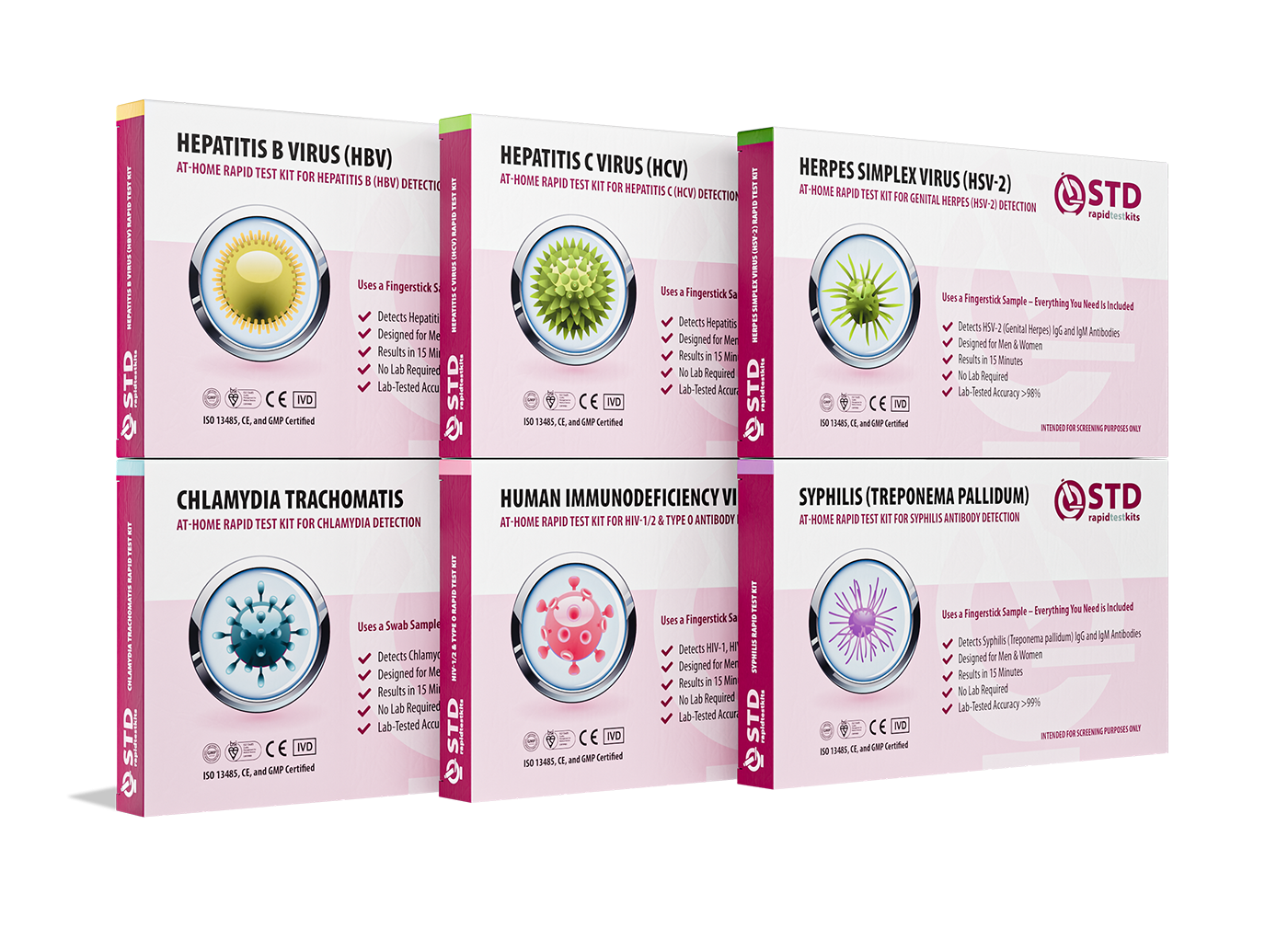
If you’re unsure about your status or simply want peace of mind, start with a discreet screen like the Combo STD Home Test Kit. Your results stay private. Your health decisions stay yours. And clarity always beats wondering.
How We Sourced This Article: This guide draws on clinical guidance from infectious disease specialists, obstetric screening protocols, and peer-reviewed research on congenital Syphilis. We reviewed public health reports on maternal-fetal transmission, epidemiology data from national surveillance systems, and medical literature on prenatal testing and treatment outcomes. The goal is to translate clinical knowledge into clear, practical information without stigma or unnecessary alarm.
Dr. F. David, MD is a board-certified infectious disease specialist focused on STI prevention, diagnosis, and treatment. He combines clinical precision with a direct, sex-positive approach that prioritizes clarity, privacy, and patient empowerment.
Reviewed by: Board-Certified Infectious Disease Specialist | Last medically reviewed: March 2026
This article is only meant to give you information and should not be used as medical advice.









 For Men & Women
 Results in Minutes
 No Lab Needed
 Private & Discreet