In this comprehensive guide, we will talk about STIs and STDs, their differences and similarities, modes of transmission, and everything else. We will be looking at common STIs and STDs, following which are the symptoms related to them, busting some popular myths, and then the preventive measures. This guide means to educate you in striving for good sexual health and help dispel any lingering doubt you may have.
07 October 2024
5 min read
15873
STIs and STDs: Unpacking the Differences
Before entering into the details, a better understanding of what essentially makes the difference between STIs and STDs is required. Simply put, the difference basically lies in the names: the words "infection" and "disease." While infections are usually temporary and curable, diseases are long-standing in nature and sometimes even chronic.
STIs: Understanding Them More Closely
Public health experts define an infection as the presence and multiplication of an infectious agent in the body. Such infectious agents can include bacteria or parasites. These infections may or may not progress into a disease. This distinction makes STIs typically curable and temporary. Now let's explore some common STIs:
Bacterial Vaginosis (BV): Unlike other STIs, BV is not strictly sexually transmitted. It is a type of vaginitis that shares similar symptoms with a yeast infection and is also successfully treatable with antibiotics.
Chlamydia: This is an infection caused by the bacterium Chlamydia trachomatis. The most common age group is 19-25-year-olds. If treated early enough with antibiotic medication, it will prevent PID.
Gonorrhea: Caused by a bacterium known as Neisseria gonorrhoeae, gonorrhea needs treatment right away so that the infection is not spread and further damage to the reproductive organs is prevented.
Syphilis: The infection is caused by Treponema pallidum. Infection can be diagnosed through tests and indicates past or present infection. According to the CDC, there were almost 134,000 infections in the year 2020.
Trichomoniasis: This parasite causes an infection that can last for weeks or even years if left untreated. The infection usually goes away with prescribed antibiotics that treat the infection.
Pubic Lice: Also known as "crabs," this parasitic infection is treated in much the same way as head lice.
Pelvic Inflammatory Disease (PID): Though treatable, if left untreated, PID can cause irreparable damage to the reproductive organs.
STDs Exposed
Unlike STIs, STDs are the result of viruses that remain in the body, active or dormant, making them, by definition, chronic diseases. Here are a few examples:
Hepatitis: Particularly, Hepatitis C needs timely treatment as the symptoms lead to liver diseases or failure.
Herpes: Caused by herpes simplex virus, it occurs in the genitals and mouth. In 2018, it was estimated that about 572,000 new infections had been reported in the U.S. among ages 14-49 years.
HIV: A chronic virus, meaning one will be on medications for the virus for their whole life. With medication, a person with HIV can bring the count of the virus down in their body and live a very long, healthy life.
HPV: The most common STD in America. Often self-limiting within two years but causing many problems if it does not resolve, such as genital warts and cancer.
Transmission of STIs and STDs
Both STIs and STDs are sexually transmitted, meaning they are spread primarily by sexual contact - vaginal, anal, and oral sex. Additional modes of transmission for many STIs and STDs include touching infected skin lesions or contacting contaminated fluids while the organism remains viable, and by shared sex toys.
Finding the Commonality: STIs and STDs
Despite their differences, both STIs and STDs share two common traits. One, they are sexually transmitted in that they migrate from one person to another through sexual contact. Two, they cannot be conclusively diagnosed without testing, except for a few conditions that can be diagnosed without tests.
The Role of STDRapidtestkits.com in Sexual Health Testing
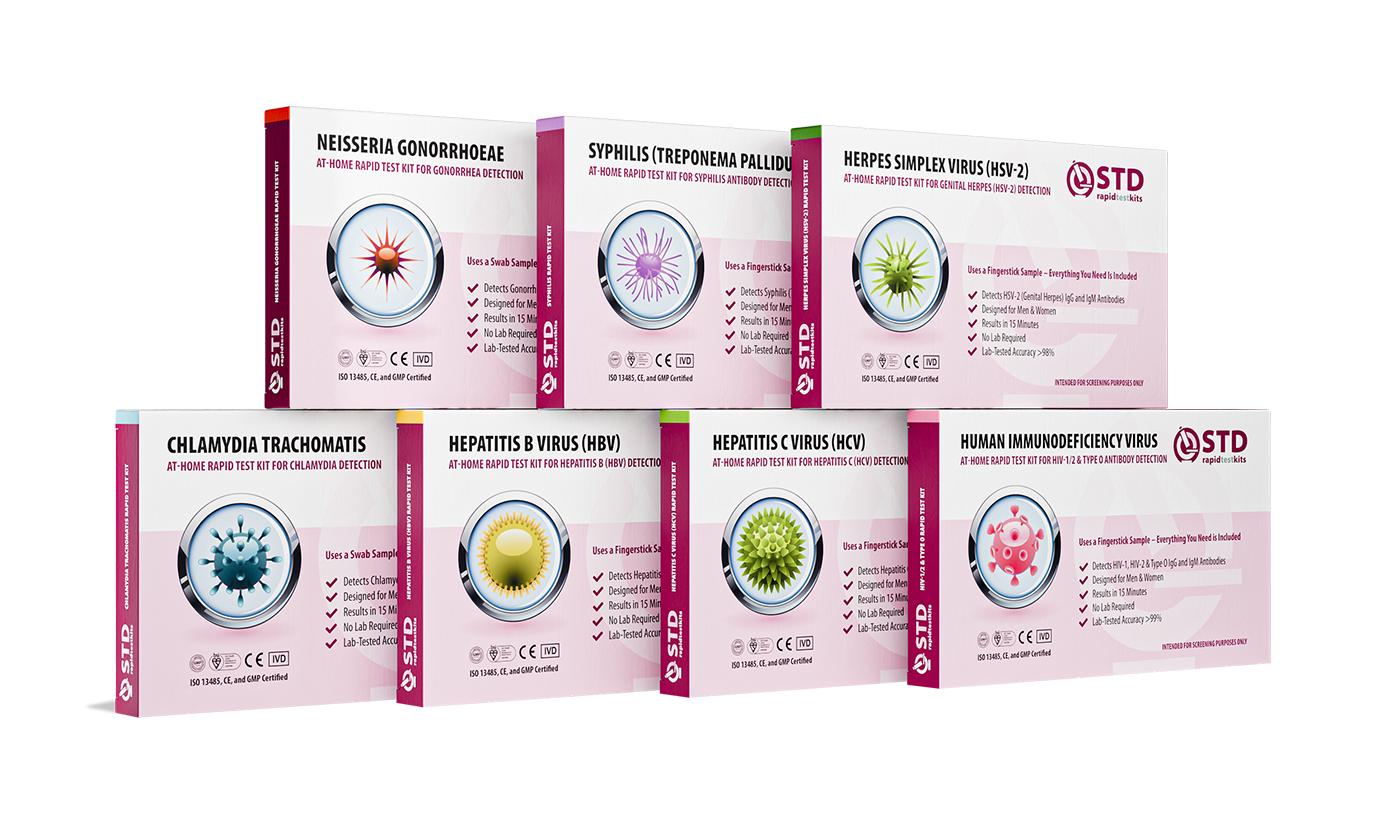
Due to the wide field it covers, bodies like STDRapidtestkits.com have emerged to take the responsibility of being convenient assistants for confidential home sexual health testing with fast results.
Protecting Your Sexual Health: Protection and Screening
Protective Shield: Condoms or dental dams can decrease the risk of acquiring or transmitting an STI/STD dramatically. Remember, this will reduce risks but not eliminate them completely. Therefore, the protection must be used always and correctly.
Why Routine Checks Mean So Much: Many STDs/STIs are asymptomatic—they literally have no noticeable symptoms whatsoever. It is for this reason that regular sexual health check-ups are very important, even if you feel perfectly well. The sooner you can detect any complications, the more your chances of avoiding them and unknowingly passing on an infection to others.
Open Communication with Your Partner: Discussing sexual health with your partner is important. This may include discussing previously diagnosed STIs/STDs, the date of the last test, and sexual history to significantly lower transmission chances.
Recognizing Common Symptoms
While most STIs/STDs are asymptomatic, here are some of the more common symptoms: pain during intercourse, unusual discharge, an itching/irritating sensation in the genital area, unusual blisters/sores, and painful urination. If you have any of these symptoms, consult a medical professional immediately to get tested for an STI/STD.
Debunking Myths and Misconceptions About STIs and STDs
Common myths include that you cannot get an STD through oral or anal sex, that you cannot contract the same STD more than once, and that if you are using contraception, such as the birth control pill, you cannot acquire a sexually transmitted disease. All of these are false. You can acquire a sexually transmitted disease through any sexual contact, you can become reinfected with the same STD, and birth control pills prevent pregnancy, not acquiring a sexually transmitted infection.
Conclusion: Informed is Good, Safe is Better
Understanding the differences and similarities between the two, including modes of transmission, common symptoms, and prevention strategies, becomes crucial in taking care of one's sexual health. By far, testing regularly, communicating openly, and practicing protection during sexual activity are considered some of the best ways to prevent STIs/STDs. Taking care of your sexual health is not anything to be ashamed of. Stay safe, stay informed, and help create a less judgmental world about STIs and STDs.







 For Men & Women
 Results in Minutes
 No Lab Needed
 Private & Discreet


