






Quick Answer: Chlamydia is completely curable with the correct antibiotics. Most infections clear within 7–14 days of treatment. However, people can get chlamydia again if they’re exposed later, which is why doctors recommend retesting after treatment.
The Simple Truth: Yes, Chlamydia Is Curable
Let’s start with the part most people want to hear first: chlamydia is one of the most treatable sexually transmitted infections. In fact, when diagnosed early and treated with the correct antibiotics, the cure rate is extremely high. Most patients clear the infection completely after a single course of medication.
Chlamydia is caused by a type of bacteria known as Chlamydia trachomatis. The good news is that antibiotics like azithromycin and doxycycline work very well against it. These medicines stop the bacteria from growing, which gives your body time to get rid of the infection completely. The bacteria are gone, so the infection is gone.
Dr. Elena Ramirez, an infectious disease physician who frequently treats STIs, explains it this way:
“Unlike viral infections such as herpes or HIV, chlamydia is bacterial. That’s why antibiotics can eliminate it entirely.”
This distinction is important. Many people confuse STDs that stay in the body permanently with those that are fully curable. Chlamydia falls firmly in the curable category.
However, the story doesn’t end there. Doctors still emphasize follow-up testing and safe practices for one reason: reinfection is surprisingly common.
How Chlamydia Treatment Actually Works
Most of the time, chlamydia is treated with a short course of antibiotics. Depending on the prescription, this may be a single dose or medication taken over about a week. While the exact regimen varies slightly between clinics and countries, the goal is always the same, destroy the bacteria completely.
Most people start to feel better in a few days. After starting treatment, symptoms like burning when you pee or strange discharge often get better quickly. Just because the symptoms go away doesn't mean the infection is gone for good.
The bacteria still need time to get out of the body. That's why doctors stress that you should finish the whole course of medicine, even if you start to feel better.
| Medication | Typical Duration | How It Works |
|---|---|---|
| Azithromycin | Single dose | Stops bacterial protein production |
| Doxycycline | 7 days | Prevents bacterial growth and replication |
Doctors usually tell patients not to have sex during this treatment window. This keeps you from giving the infection to your partners or getting it back by accident before the medicine has fully worked.
In most cases, the infection is eliminated entirely within about one to two weeks. Once the bacteria are gone, they do not “hide” in the body or reactivate later.
People are also reading: Think You Got a “Full” STD Panel? Hep B Is Usually Missing
Why People Think Chlamydia Isn’t Fully Curable
If chlamydia is so treatable, why do so many people believe it stays in the body forever?
The confusion usually comes from one of three situations: reinfection, testing too early, or untreated complications that appear later.
Take the story of Jordan, 24, who thought his infection had never gone away.
“I took the antibiotics and felt fine. A couple months later I tested positive again. I was convinced the medicine didn’t work.”
But when doctors looked closer, the explanation was straightforward. Jordan’s partner had never been treated, and the infection had simply been passed back again.
This happens more often than people realize. Public health studies estimate that roughly 1 in 5 people treated for chlamydia get reinfected within several months.
That statistic doesn’t mean the treatment failed. It means someone was exposed again.
Another common scenario is testing too soon after finishing antibiotics. Dead bacterial fragments can sometimes remain detectable for a short time, leading to confusing results. Doctors usually recommend waiting several weeks before retesting unless symptoms continue.
How Long It Takes for Chlamydia to Clear
Most people want to know exactly when the infection is gone. While there isn’t a single universal timeline for every patient, doctors have a good general understanding of how long the process takes.
| Time After Starting Antibiotics | What’s Happening in the Body |
|---|---|
| 1–3 days | Symptoms often begin improving |
| 7 days | Most bacterial activity stops |
| 10–14 days | Infection typically cleared |
| 3 months | Recommended retesting window |
This is why healthcare providers often recommend waiting at least a week before having sex again. It gives the medication time to completely eliminate the bacteria.
And even though treatment works extremely well, doctors still encourage follow-up testing, usually around three months later, to make sure reinfection hasn’t occurred.
If you're unsure about your status or want to check sooner, discreet at-home options like those available at STD Rapid Test Kits allow people to test privately without waiting weeks for a clinic appointment.
When Chlamydia Becomes Dangerous, And Why Treatment Matters
Because chlamydia is curable, some people underestimate it. The infection often causes mild symptoms, or no symptoms at all, which can make it easy to ignore. But untreated chlamydia can quietly cause serious complications over time.
The bacteria can travel upward through the reproductive system, triggering inflammation and long-term damage. This is why doctors stress early testing and treatment even when symptoms seem minor.
Dr. Marcus Lee, a sexual health clinician who works in community STI clinics, describes what he sees regularly:
“Many patients come in thinking chlamydia is harmless because they didn’t feel anything at first. But the complications we treat months later, especially fertility issues, are completely preventable with early antibiotics.”
That’s the frustrating part of chlamydia. The infection itself is easily curable, but the damage from untreated infection can sometimes last much longer.
| Affected Area | Possible Complication | Why It Happens |
|---|---|---|
| Uterus / Fallopian tubes | Pelvic inflammatory disease (PID) | Infection spreads upward and causes inflammation |
| Testicles | Epididymitis | Inflammation around sperm ducts |
| Reproductive system | Fertility problems | Scarring caused by long-term infection |
| Eyes / throat | Localized infections | Bacteria spread through contact |
These complications don’t happen to everyone, but they highlight why testing and treatment matter. The sooner the infection is diagnosed, the easier it is to cure with antibiotics and avoid long-term problems.
Check Your STD Status in Minutes
Test at Home with Remedium6-in-1 STD Rapid Test Kit

 For Men & Women
 Results in Minutes
 No Lab Needed
 Private & Discreet
Order Now $119.00 $294.00
For all 6 tests
Reinfection Is the Real Reason People Test Positive Again
One of the most common misconceptions about chlamydia is the idea that it “comes back” on its own. In reality, the bacteria don’t hide in the body waiting to reactivate. If someone tests positive again after treatment, it almost always means they were exposed again.
This often happens when a partner was never treated. Even if one person completes antibiotics, the infection can easily pass back during sex.
Consider the experience of Alex, 27, who shared his story with a sexual health educator:
“I took the medication and assumed everything was fine. Two months later my test was positive again. Turns out my partner never picked up their prescription.”
Situations like this are why doctors emphasize treating all partners at the same time. If both people are treated together and avoid sex for about a week, the chances of reinfection drop dramatically.
Healthcare providers often summarize the rule this way:
- Treat everyone involved. Any recent partner should be tested or treated.
- Pause sexual activity. Wait about 7 days after finishing antibiotics.
- Think about taking the test again. A follow-up test helps make sure everything is clear.
These steps are simple, but they make a huge difference in preventing the frustrating cycle of repeated infections.
Why Doctors Recommend Retesting After Treatment
Even though antibiotics cure chlamydia very effectively, most doctors recommend testing again about three months after treatment. This isn’t because the infection usually survives the medication. Instead, it’s because reinfection happens more often than many people realize.
Public health programs have found that a significant number of patients are exposed again within months, often from partners who never realized they were infected.
Retesting serves two purposes. First, it confirms the infection has cleared. Second, it catches any new infection early before complications develop.
A lot of people don't know this, but testing is also easier and more private than they think. You can find out if you have chlamydia with modern screening methods that use urine samples or swabs. A lot of people test themselves at home when they can't get to the clinic.
For example, at-home chlamydia rapid test kits let people check their status quickly and privately without having to go to a clinic.
These tools don't take the place of professional medical care, but they can make it easier to get tested on a regular basis, especially for people who want privacy or faster answers.
Symptoms Can Disappear Before the Infection Is Fully Gone
Another reason people are unsure if chlamydia can be cured is because the symptoms act strangely. Many infections produce symptoms that fade quickly once treatment begins. That improvement can create the illusion that the infection disappeared overnight.
But symptoms and infection aren’t always perfectly synchronized.
Some people notice burning during urination or unusual discharge for several days after treatment begins. Others see symptoms vanish almost immediately. Both situations are normal and don’t necessarily reflect whether the bacteria are fully gone yet.
Sexual health educator Nadia Patel often explains this to patients who worry their antibiotics didn’t work:
“Symptoms improving quickly is a good sign, but it doesn’t mean the bacteria disappeared instantly. The medication still needs time to finish the job.”
This is why doctors repeat the same advice over and over: finish every dose of medication, avoid sex for about a week, and consider retesting later.
When those steps are followed, chlamydia is not just treatable, it’s typically eliminated completely.

People are also reading: Sex Workers of Color and the STD Double Bind No One Talks About
Can Chlamydia Ever Stay in Your Body Permanently?
This question shows up in search engines constantly, and it usually comes from anxiety after a diagnosis. People hear about lifelong infections like herpes or HIV and assume all sexually transmitted infections behave the same way.
Chlamydia does not.
Because it’s a bacterial infection, antibiotics can eliminate it completely. Once the bacteria are destroyed, they do not remain dormant in the body or reactivate years later.
That being said, chlamydia that isn't treated can sometimes leave lasting damage even after the infection is gone. Scarring in reproductive organs or chronic pelvic pain may remain if the infection went untreated for a long time. This is why doctors emphasize testing early rather than waiting for symptoms to appear.
But the key point is simple: the infection itself does not permanently live in the body once treated correctly.
Think of it the same way you would think about strep throat. The bacteria cause an infection, antibiotics kill the bacteria, and the illness resolves. Chlamydia follows the same basic biological logic.
What Doctors Tell Patients After a Positive Chlamydia Test
In sexual health clinics, doctors often notice that patients focus heavily on the diagnosis itself and less on the next steps. The reality is that the treatment plan is usually straightforward.
Most clinicians give patients a simple roadmap that looks something like this:
| Step | Why It Matters |
|---|---|
| Take the full course of antibiotics | Ensures all bacteria are eliminated |
| Avoid sex for about 7 days | Prevents spreading or reinfection |
| Notify recent partners | Stops the infection cycle |
| Retest within 3 months | Detects possible reinfection |
Many clinics now also offer partner treatment programs where medication can be provided for partners even before they visit a doctor themselves. The goal is simple: stop the bacteria from circulating between people.
Following these steps dramatically reduces the chances of another positive test later.
Testing Is Easier and More Private Than It Used to Be
One reason people delay testing is embarrassment. For decades, STD testing meant clinic waiting rooms and uncomfortable conversations. That barrier caused many infections to go undiagnosed.
Today, testing options are far more flexible. Clinics still offer laboratory testing, but many people also choose discreet home testing kits that provide results privately.
For instance, people can use at-home combo STD tests that come with multi-infection screening kits to check for common infections like chlamydia without having to go anywhere.
These kits can be very helpful for regular checkups, tests after treatment, or when it's hard to get an appointment at a clinic.
Regardless of where the test happens, the important part is that testing actually happens. Chlamydia is extremely common, and many people never experience symptoms.
Check Your STD Status in Minutes
Test at Home with Remedium7-in-1 STD Test Kit
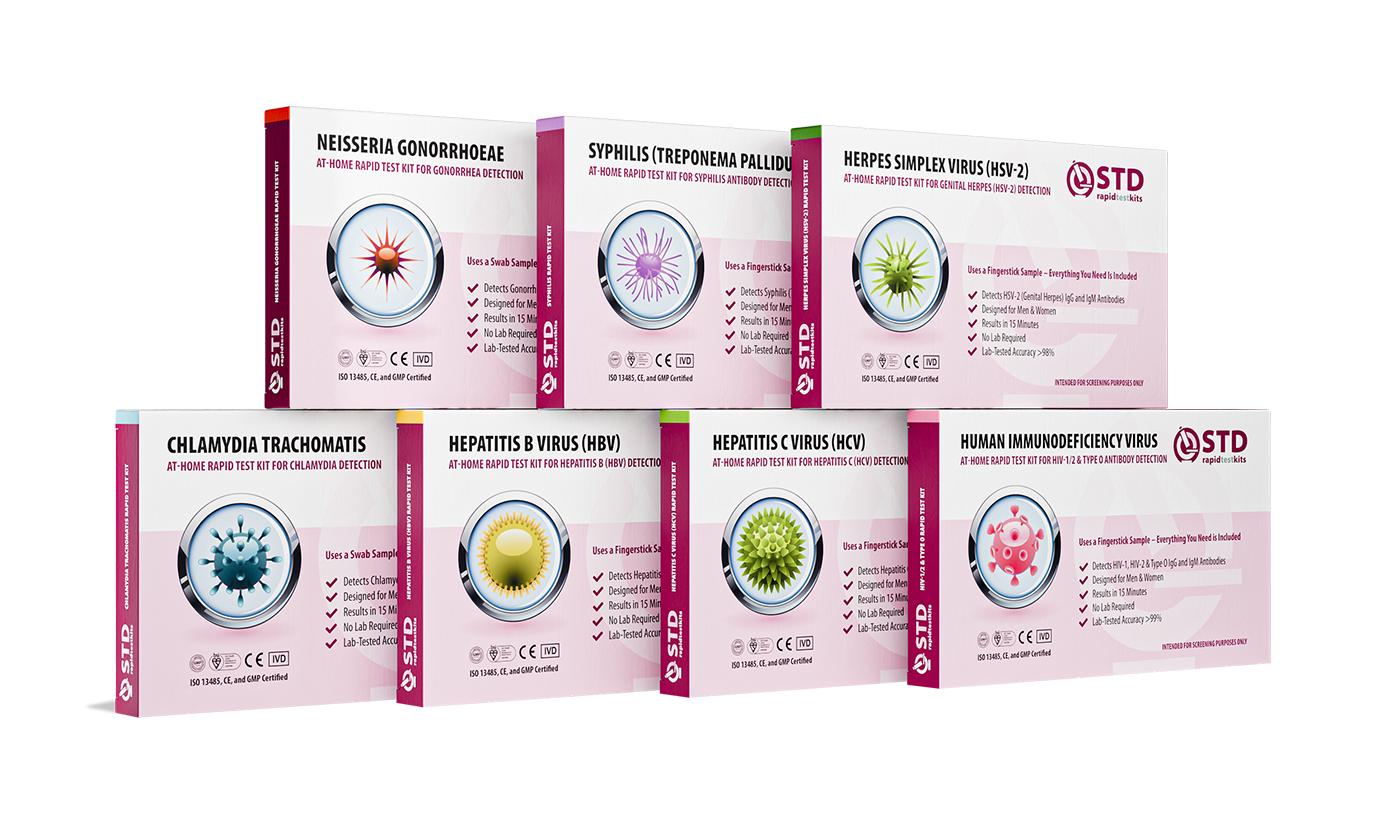 For Men & WomenResults in MinutesNo Lab NeededPrivate & Discreet
Order Now $129.00 $343.00
For all 7 tests
Why Regular Testing Matters Even After Treatment
Because chlamydia often causes no symptoms, the infection can spread quietly through sexual networks. Someone may feel perfectly healthy while still carrying the bacteria and unknowingly passing it to partners.
This is why sexual health experts say that adults who are sexually active, especially those who are with new partners, should get tested often.
The Centers for Disease Control and Prevention, for example, recommends annual chlamydia screening for sexually active women under 25 and for older individuals with higher risk factors. Men who have sex with men are also advised to test regularly.
Regular testing helps catch infections early, when treatment is easiest and complications are unlikely.
One sexual health counselor described the mindset shift this way:
“Testing shouldn’t be something people only do when they’re scared. It should be as normal as a dental checkup.”
When people approach testing this way, infections like chlamydia become much less intimidating. They’re simply medical conditions that can be diagnosed, treated, and resolved.
FAQs
1. Can chlamydia actually be cured completely?
Yes. Chlamydia is a bacterial infection, which means antibiotics can wipe it out completely when taken correctly. Most people clear the infection within a couple of weeks. What sometimes confuses people is reinfection, meaning the bacteria didn’t come back on their own, but were passed again through a partner who still had it.
2. How long does it really take for chlamydia to go away after antibiotics?
In most cases, the bacteria are cleared within about 7 to 14 days after starting treatment. You might feel better much sooner, sometimes within a couple of days, but the medication still needs time to finish the job. It's like putting out a campfire: the flames go out quickly, but you wait until the embers die out before you leave.
3. If I took the medication, how do I know the infection is gone?
The only way to know for sure is testing. Doctors usually suggest a follow-up test about three months later, mainly to check for reinfection rather than treatment failure. If your symptoms disappear and you followed the treatment instructions, there’s a very strong chance the infection cleared successfully.
4. Why do people sometimes test positive again after treatment?
Most of the time, it’s not the original infection hanging around. It’s reinfection. If a partner didn’t get treated, or if a new partner had the infection, it can pass right back again. This is why doctors stress partner testing and waiting about a week after antibiotics before having sex again.
5. Can chlamydia stay hidden in the body for years?
Untreated chlamydia can linger quietly for a long time because many people never notice symptoms. But once it’s treated with antibiotics, the bacteria don’t hide in the body waiting to reappear later. If someone tests positive years later, it almost always means they were exposed again.
6. Does chlamydia ever go away on its own?
Occasionally the immune system may suppress the infection, but counting on that is risky. Untreated chlamydia can slowly damage reproductive organs, sometimes without obvious warning signs. Antibiotics are simple, fast, and far safer than waiting to see what happens.
7. Can you get chlamydia again from the same partner?
Absolutely. If both partners aren’t treated at the same time, the infection can bounce back and forth. Doctors sometimes call this the “ping-pong effect.” Treating everyone involved, and pausing sex for about a week, breaks that cycle.
8. What if my symptoms haven’t disappeared yet?
Mild irritation or discharge can take several days to fully settle down even after treatment begins. But if symptoms persist beyond a couple of weeks, it’s smart to check in with a healthcare provider. Occasionally another infection or irritation may be involved.
9. Do I really need to test again if I feel fine?
Yes, and this surprises a lot of people. Chlamydia is famous for being silent, meaning many reinfections cause no symptoms at all. A simple follow-up test a few months later helps catch anything early and keeps you, and your partners, protected.
10. Is chlamydia something to panic about?
No. It’s common, it’s treatable, and millions of people deal with it every year. The real risk isn’t the infection itself, it’s ignoring it. Test, treat, move forward. Sexual health works best when we treat it like any other part of healthcare: straightforward, stigma-free, and solvable.
You Deserve Clarity, Not Guesswork
A positive chlamydia result can feel heavier than it actually is. The word “STD” carries a lot of emotional baggage, but medically speaking, this infection is straightforward. It’s bacterial, it responds extremely well to antibiotics, and for most people it clears quickly once treated.
The real goal isn’t panic. It’s clarity. Take the medication exactly as prescribed, make sure partners are treated too, and give your body the short window it needs to clear the bacteria completely. A simple follow-up test later removes the last bit of uncertainty.
If you’d rather skip the waiting room and get answers privately, start with a discreet screen like the Combo STD Home Test Kit. Your results stay private. Your health decisions stay yours. And knowing your status always feels better than guessing.
How We Sourced This Article: This guide combines current clinical guidelines on chlamydia treatment with peer-reviewed infectious disease research and public health recommendations. We reviewed medical literature on bacterial STI treatment success rates, reinfection patterns, and screening practices to ensure accuracy while keeping the explanation accessible. Only established medical authorities and research publications informed the clinical guidance presented here.
Sources
1. Centers for Disease Control and Prevention – Chlamydia Fact Sheet
2. NHS – Chlamydia Overview and Treatment
3. National Institutes of Health – Treatment and Reinfection Patterns in Chlamydia
4. World Health Organization – Sexually Transmitted Infections Fact Sheet
5. Planned Parenthood – Chlamydia Overview and Treatment
6. MedlinePlus – Chlamydia Infections
7. CDC – Chlamydia Treatment Guidelines
About the Author
Dr. F. David, MD is a board-certified infectious disease specialist who works to stop, diagnose, and treat STIs. He combines clinical precision with a direct, sex-positive approach that prioritizes clarity, privacy, and patient empowerment.
Reviewed by: Michael R. Levin, MD, Urology | Last medically reviewed: February 2026
You should not use this article as medical advice; it is only meant to give you information.


