






Quick Answer: Gonorrhea can absolutely happen more than once. Treatment clears the current infection, but it does not create immunity, which means exposure to an untreated partner or a new infected partner can lead to reinfection.
The First Surprise: Treatment Doesn’t Create Immunity
One of the biggest misconceptions about sexually transmitted infections is the idea that your body “learns” from them the way it does with certain childhood illnesses. Many people subconsciously expect that once they’ve had something and treated it, their immune system will recognize it next time and prevent it.
That simply isn’t how gonorrhea works. The bacteria responsible for the infection, Neisseria gonorrhoeae, is particularly good at avoiding long-term immune memory. It can change the structure of proteins on its surface, which means the immune system often treats each new exposure like an entirely new threat.
In practical terms, that means someone who had gonorrhea last year is just as vulnerable to catching it again today as someone who has never had it before. The antibiotics remove the bacteria from the body, but they don’t leave behind protective immunity.
A public health researcher once summarized it bluntly during a clinic training: “With gonorrhea, the reset button gets hit every time.” That’s why reinfection is such a major focus in sexual health guidelines.
If someone resumes sex with a partner who was never treated, the bacteria can move right back into the body. The same thing can happen with a new partner who carries the infection without symptoms.
The Reinfection Loop Doctors Call “Ping-Pong Transmission”
Clinicians sometimes use the phrase “ping-pong infection” to describe one of the most common reinfection patterns. It happens when partners unintentionally pass the infection back and forth.
Imagine a couple where one partner tests positive and receives antibiotics. The symptoms clear, everything seems resolved, and they resume sex. But if the other partner never tested or treated the infection, the bacteria can move right back during the next sexual encounter.
From the perspective of the newly treated partner, it can feel like the infection somehow “came back.” In reality, it’s a new infection caused by the same untreated exposure.
“I thought the medication didn’t work,” said one patient during a follow-up appointment. “But it turned out my partner never realized they had it.”
This happens more often than people think because gonorrhea frequently causes no symptoms at all. Someone can carry and transmit it without feeling sick, which makes it easy for infections to circulate silently between partners.
That’s why treatment guidelines almost always emphasize something many people overlook: both partners should be treated before resuming sex.

People are also reading: Tingling Lips Before a Cold Sore: What That Feeling Really Means
Why Symptoms Don’t Always Warn You
Another reason gonorrhea can seem to “come back” is that symptoms are unpredictable. Some people develop noticeable signs quickly, while others experience nothing at all.
In people with penises, symptoms might include burning during urination or unusual discharge. In people with vaginas, the infection may cause pelvic discomfort, bleeding between periods, or increased discharge, but it can also remain completely silent.
The throat and rectum are also common infection sites, and infections there frequently produce no obvious symptoms. Someone may feel completely healthy while still carrying bacteria capable of spreading during oral, vaginal, or anal sex.
Because of this, testing, not symptoms, is what actually confirms whether the infection is present or gone.
| Body Area | Possible Symptoms | How Often Symptoms Appear |
|---|---|---|
| Genitals (penis) | Burning urination, discharge | Common but not guaranteed |
| Genitals (vagina) | Pelvic pain, discharge, bleeding | Often mild or absent |
| Throat | Occasional sore throat | Usually none |
| Rectum | Discomfort, discharge, itching | Often none |
Because infections can be invisible, many reinfections occur simply because someone didn’t realize exposure was happening again.
The Timing Mistake That Leads to Reinfection
Even when both partners are aware of the infection, timing matters more than many people realize. Gonorrhea treatment works quickly, but the body still needs time to clear the bacteria completely.
Most treatment guidelines recommend avoiding sex for at least seven days after finishing antibiotics. This waiting period allows the medication to fully eliminate the infection and reduces the chance of transmitting bacteria back and forth.
Resuming sex too early, especially if a partner hasn’t been treated yet, can create a situation where reinfection happens almost immediately.
A sexual health nurse explained it this way during a patient consultation:
“Think of antibiotics like turning off a faucet. The water doesn’t stop instantly, it slows, then stops completely. The same thing happens with bacteria.”
Waiting a short period before resuming sexual activity is one of the simplest ways to prevent the cycle from repeating.
Reinfection Is More Common Than Most People Think
From a public health perspective, gonorrhea reinfection is not rare at all. In fact, studies from sexual health clinics have shown that a significant portion of people diagnosed with gonorrhea will test positive again within a year.
The reasons vary. Sometimes partners were never treated. Other times people resume sex before antibiotics finish working. And in many cases, the infection spreads through entirely new partners who were unaware they carried it.
Health agencies like the CDC often recommend follow-up testing within several months after treatment specifically because reinfection rates are so high. Retesting helps find new infections early on, before they get worse.
If someone has experienced gonorrhea more than once, it does not mean the medication failed or that their body did something wrong. It usually means exposure occurred again somewhere along the line.
Understanding that distinction can remove a lot of unnecessary anxiety, and it shifts the focus toward prevention, testing, and communication with partners.
For people who want to check their status privately, options like at-home STD testing kits make it possible to test discreetly without scheduling a clinic visit. Early testing can catch reinfections before symptoms ever appear.
Check Your STD Status in Minutes
Test at Home with Remedium6-in-1 STD Test Kit
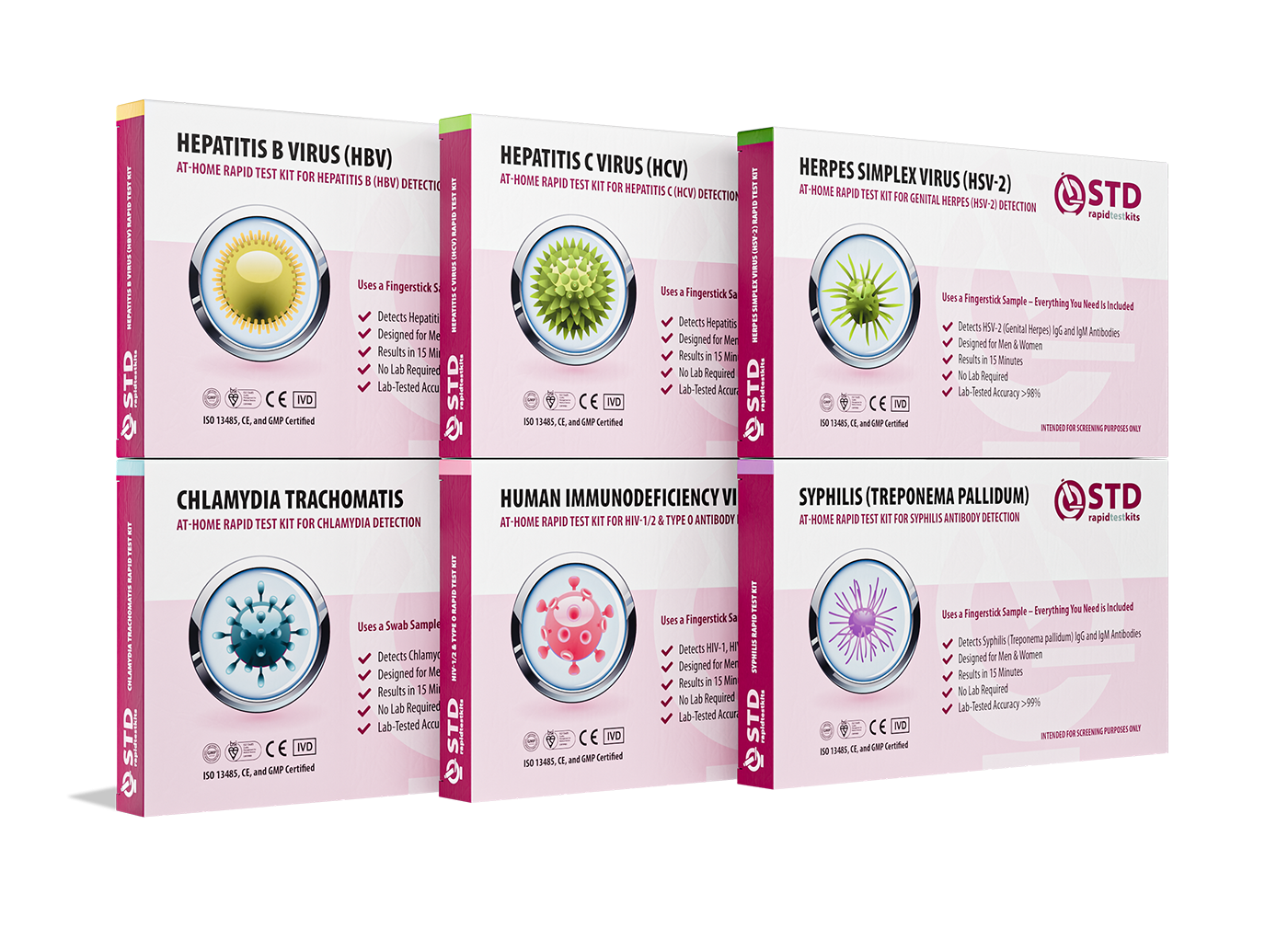
 For Men & Women
 Results in Minutes
 No Lab Needed
 Private & Discreet
Order Now $119.00 $294.00
For all 6 tests
When It Isn’t Reinfection: The Rare Case of Treatment Failure
When someone tests positive for gonorrhea again after treatment, the first thought is usually that the antibiotics didn’t work. That concern shows up a lot in clinic conversations and online forums. But in most cases, treatment failure isn’t actually what happened.
Modern treatment for Gonorrhea is highly effective when taken correctly. The antibiotics recommended by major health authorities are designed specifically to eliminate the bacteria quickly and reliably. When someone tests positive again weeks or months later, it almost always means they were exposed again rather than that the medication failed.
That said, doctors do keep a careful eye on treatment effectiveness. The bacterium that causes gonorrhea has developed resistance to several antibiotics over the decades. This doesn’t mean treatment is unreliable today, but it does explain why clinicians track reinfections carefully and sometimes recommend follow-up testing.
The distinction between reinfection and treatment failure matters because the solutions are different. Reinfection usually requires partner testing and prevention strategies, while treatment failure requires a different antibiotic approach under medical supervision.
| Situation | What Usually Happened | What To Do Next |
|---|---|---|
| Positive test months later | New exposure to infected partner | Test and treat both partners |
| Symptoms return shortly after treatment | Possible reinfection or early exposure | Retest and consult clinician |
| Positive test despite no sexual contact | Possible treatment failure | Medical evaluation and alternate therapy |
In practice, clinicians almost always investigate partner exposure first. The numbers strongly support that explanation. Reinfection is simply far more common than antibiotic failure.
The Case Study That Happens in Real Life Clinics
Daniel, 27, came into a testing clinic convinced something had gone wrong with his treatment. Two months earlier, he had taken antibiotics for gonorrhea and the symptoms disappeared within days. Everything seemed resolved.
Then a routine screening came back positive again.
“I thought the medication didn’t work,” he told the nurse practitioner during the follow-up visit. “I did everything exactly the way they told me.”
When the conversation turned toward partner testing, the explanation became clearer. His partner had never been tested after the first diagnosis. They assumed that if one person took medication, the issue was resolved for both.
That misunderstanding is extremely common. Gonorrhea doesn’t disappear automatically from both partners when only one person receives treatment. If the bacteria remain in the other partner’s body, the infection can return during the next sexual encounter.
Once both partners were treated and waited the recommended amount of time before resuming sex, the infection stopped recurring.
The story isn’t unusual. In sexual health clinics, clinicians often describe reinfection cycles as one of the most predictable patterns they see.
The Hidden Driver: Asymptomatic Infections
The fact that so many people don't show any symptoms of gonorrhea is a big reason why it keeps coming back. A lot of people who have the infection feel fine and have no reason to think anything is wrong.
This is particularly common in throat infections, which often occur after oral sex. A person can carry gonorrhea in the throat without any noticeable symptoms while still being able to transmit the bacteria.
Rectal infections can also remain silent. Without routine testing, these infections can persist for months while continuing to spread between partners.
That silent transmission is one reason health experts emphasize regular testing for people with new or multiple partners. Waiting for symptoms alone can allow infections to circulate unnoticed.
For people who prefer privacy, testing options have expanded significantly in recent years. Many people now use discreet kits like the Combo STD Home Test Kit, which screens for multiple infections at once without needing a clinic visit.
Testing early and testing partners together is one of the most reliable ways to break the reinfection cycle.
The Reinfection Risk Factors Most People Don’t Realize
Reinfection doesn’t happen randomly. Certain patterns increase the likelihood that someone will encounter gonorrhea again after treatment.
Some of these risk factors are behavioral, while others are simply the result of how the bacteria spread during different types of sexual contact.
Some common causes of reinfection are partners who don't get treated, new sexual partners who have the infection but don't show any symptoms, and having sex too soon after treatment. In each of these cases, the bacteria can get back into the body.
| Situation | Why It Increases Risk |
|---|---|
| Partner never tested | Bacteria remain in partner and can spread again |
| Sex before treatment window ends | Medication may not have fully cleared infection |
| New partner with asymptomatic infection | Transmission occurs without visible warning signs |
| Infections in throat or rectum | Symptoms are often absent, allowing unnoticed spread |
Recognizing these patterns can redirect the dialogue from assigning blame to implementing effective prevention strategies. Getting gonorrhea again is usually a matter of timing, exposure, and testing, not personal failure.

People are also reading: Your Balls Are Swollen and It’s Not Sexy: It Could Be Orchitis
Why health experts say you should test again
Because the rates of reinfection are high, many public health groups recommend retesting after treatment. This isn't because doctors think the medicine won't work. It's because exposure can happen again without anyone knowing it.
Retesting a few months later helps identify infections that may have returned through a partner or new exposure. Catching the infection early prevents complications and stops further transmission.
“We don’t recommend retesting because we think the treatment failed,” explained one infectious disease physician during a sexual health seminar. “We recommend it because people’s lives don’t stop after treatment.”
In other words, sexual activity continues, new partners appear, and infections can re-enter the picture even when the original treatment worked perfectly.
How Reinfection Actually Happens in Everyday Life
When people hear the phrase “reinfection,” it can sound dramatic or complicated. In reality, the situations that lead to gonorrhea coming back are usually very ordinary. Most involve timing, partner testing, or simple misunderstandings about how treatment works.
For example, someone might complete antibiotics and feel completely better. A few weeks later they reconnect with a partner who never realized they needed testing. From that moment forward, the bacteria can move between bodies again just like it did the first time.
Another common situation involves new partners. Gonorrhea often spreads silently because many people carry it without symptoms. Someone who feels perfectly healthy can unknowingly pass the infection during oral, vaginal, or anal sex.
The result is that reinfection sometimes feels mysterious even though the explanation is fairly straightforward: exposure happened again.
How to Break the Reinfection Cycle
The good news is that gonorrhea reinfection is preventable once the patterns behind it become clear. Prevention doesn’t require perfection or abstinence. It mostly comes down to testing habits, partner communication, and giving treatment enough time to work.
The first step is ensuring that all current sexual partners are tested and treated at the same time. This removes the hidden source that often restarts the infection cycle.
The second step is waiting the recommended period after treatment before having sex again. Even when symptoms disappear quickly, the medication still needs time to completely eliminate the bacteria.
Lastly, regular testing can find infections before they spread through relationships. This is particularly important for people with new or multiple partners, since asymptomatic infections are common.
| Prevention Step | Why It Works |
|---|---|
| Treat all partners at the same time | Prevents bacteria from being passed back and forth |
| Wait at least 7 days after treatment | Allows antibiotics to fully clear the infection |
| Routine screening | Identifies infections before symptoms appear |
| Barrier protection | Reduces transmission during sex |
None of these strategies are about blame. They’re simply tools that help interrupt the situations where reinfection tends to occur.
Check Your STD Status in Minutes
Test at Home with Remedium8-in-1 STD Test Kit
 For Men & WomenResults in MinutesNo Lab NeededPrivate & Discreet
Order Now $149.00 $392.00
For all 8 tests
When Should You Test Again After Treatment?
Another question that comes up frequently is when it makes sense to test again after treatment. Timing is important because testing too soon can sometimes find leftover bacteria instead of a new infection.
A lot of doctors suggest retesting a few months after treatment, especially for people who are still having sex. This follow-up test helps make sure that the person hasn't been reinfected by being around someone who has it.
Some people also choose to test sooner if symptoms return or if they suspect they may have been exposed again. The key point is that testing remains the most reliable way to confirm what’s happening in the body.
For people who prefer privacy or convenience, discreet testing options like at-home STD testing make it easier to check status without scheduling a clinic visit. Early detection can prevent reinfections from going unnoticed for long periods.
What Happens If Gonorrhea Keeps Coming Back?
Occasional reinfection is frustrating, but it usually doesn’t mean anything unusual about a person’s health. It simply means exposure occurred again somewhere in the sexual network.
But having the same infection over and over again without treatment can raise the risk of complications. If left untreated, gonorrhea can cause pelvic inflammatory disease in people with vaginas, which can make it harder to get pregnant. In men, the infection can sometimes spread to nearby reproductive organs, making them swell.
These problems are much less likely to happen if infections are found and treated right away. That's why public health guidelines say that sexually active adults should get tested regularly, especially when they have new partners.
Most people who experience reinfection simply need a reset in how testing and partner treatment are handled. Once everyone involved is treated and future exposures are monitored with testing, the cycle usually stops.
FAQs
1. Wait… so you really can get gonorrhea twice?
Yep. As many times as exposure happens, technically. Gonorrhea doesn’t give your immune system a “memory badge” the way some infections do, so your body doesn’t build lasting protection. If the bacteria show up again through a partner, the infection can start all over, even if you handled it perfectly the first time.
2. I finished my antibiotics and tested positive again. Did the treatment fail?
Probably not. Most of the time, what looks like treatment failure is actually reinfection. Maybe a partner didn’t realize they needed treatment, maybe someone resumed sex a little too soon, or maybe a new partner carried it without symptoms. The antibiotics usually did their job, the bacteria just found their way back.
3. Can my partner give me gonorrhea again even if they feel totally fine?
Absolutely, and this is where things get tricky. Gonorrhea is famous for being quiet, especially in the throat or rectum. Someone can feel perfectly healthy, go about their day, and still pass the infection during sex. That’s why clinics stress partner testing so much, even when nobody feels sick.
4. How soon after treatment can I have sex again?
The standard advice is to wait at least seven days after finishing treatment, and that countdown applies to both partners. Think of antibiotics like closing a faucet, the flow slows, then stops completely. Give the medication time to fully clear the infection before anything resumes.
5. If I had gonorrhea once, will the symptoms look the same the second time?
Not necessarily. Some people notice the exact same burning or discharge they had before. Others feel nothing at all the second time around. Gonorrhea doesn’t follow a script, which is why testing is the only way to know for sure what’s happening.
6. Is it possible to keep passing gonorrhea back and forth in a relationship?
Yes, and clinicians even have a nickname for it: the “ping-pong infection.” One partner gets treated, the other doesn’t realize they’re infected, and the bacteria bounce right back during the next sexual encounter. Once both partners test and treat at the same time, the loop usually stops.
7. Should I test again after treatment even if everything feels normal?
It’s a smart move. Many health experts suggest retesting a few months later because reinfection is surprisingly common. It’s not about mistrusting the treatment, it’s about catching a new infection early before it causes problems.
8. Do condoms actually help prevent gonorrhea from coming back?
They do lower the risk quite a bit. Gonorrhea spreads when you come into contact with infected fluids and mucous membranes, so using a barrier is a very important way to protect yourself. It's not perfect, but it does give you a better chance.
9. What if I just want to check my status and not make a whole appointment at the clinic?
That's when modern testing methods are useful. A lot of people now use STD tests at home to check for STDs after getting a new partner or being scared. It's fast, private, and it gives you real information instead of making you think about "what if" all night.
10.If I had gonorrhea before, should I be testing more often now?
It’s usually a good idea, especially if your sexual network has changed or you’ve had new partners. Reinfection doesn’t mean you did anything wrong, it just means exposure happened somewhere along the way. Many sexual health clinicians recommend routine screening every few months for sexually active people with new or multiple partners, simply because gonorrhea can circulate quietly without symptoms.
You Deserve Answers, Not Another Round of Guessing
Getting gonorrhea again can feel confusing, even frustrating. A lot of people assume that once the antibiotics work, the story is finished. But sexually transmitted infections don’t always follow neat timelines, especially when partners may not realize they’re carrying the same infection.
The goal isn’t to panic about every possible exposure. It’s to replace uncertainty with clear information. If a partner wasn’t treated, make sure both of you test. If you’ve had a new partner, check your status. And if something feels off, even slightly, testing is always easier than sitting with the question.
Don’t wait and wonder. If reinfection is even a small possibility, start with a discreet screen like the Combo STD Home Test Kit. Your results stay private. Your health decisions stay in your hands. And knowing your status always beats guessing.
How We Sourced This Article: This article combines current clinical guidance on gonorrhea transmission, treatment, and reinfection with peer-reviewed infectious disease research and real-world sexual health counseling experience. We looked at advice from big public health groups and epidemiological studies on how reinfection happens to make sure the explanations were clear and free of stigma. The goal is to translate medical evidence into practical advice people can actually use.
Sources
1. Centers for Disease Control and Prevention – Gonorrhea Overview
2. World Health Organization – Gonorrhoea Fact Sheet
3. Mayo Clinic – Gonorrhea Symptoms and Causes
5. Planned Parenthood – Gonorrhea Information
6. Centers for Disease Control and Prevention – Gonorrhea Treatment Guidelines
About the Author
Dr. F. David, MD is a board-certified infectious disease specialist focused on STI prevention, diagnosis, and treatment. His work blends clinical expertise with practical sexual health education designed to remove stigma and help people make confident decisions about testing and treatment.
Reviewed by: Board-Certified Infectious Disease Specialist | Last medically reviewed: March 2026
This article is for informational purposes and does not replace professional medical advice, diagnosis, or treatment.


