






Quick Answer: If your partner tests positive for Gonorrhea, you may have been exposed and should get tested. Many infections cause no symptoms, so testing, usually about 5 to 7 days after exposure, is the only reliable way to know.
First Things First: Exposure Doesn’t Always Mean Infection
One of the biggest misconceptions about sexually transmitted infections is the idea that if one partner tests positive, the other automatically has it too. In reality, transmission is very possible but not guaranteed. Gonorrhea spreads through sexual fluids and mucous membrane contact, so the exact risk depends on what type of sex occurred, how often it happened, and whether protection was used.
Public health research shows that transmission rates vary depending on the situation. Vaginal and anal sex generally carry the highest risk, while oral transmission is possible but somewhat less efficient. Condoms reduce the chance significantly, though they do not eliminate risk entirely.
In other words, hearing that a partner tested positive means you should treat the situation seriously, but it does not mean you are automatically infected. Testing is what turns uncertainty into an actual answer.
| Exposure Type | Approximate Risk | Notes |
|---|---|---|
| Vaginal sex | Moderate to high | Higher risk if condoms were not used |
| Anal sex | High | Rectal infections are common after exposure |
| Oral sex | Lower but possible | Throat infections often cause no symptoms |
This uncertainty is exactly why doctors recommend testing when a partner is diagnosed. Even if the odds feel unclear, a simple test can remove weeks of guessing.
The Complication Nobody Warns You About: Most People Feel Completely Fine
A surprising number of gonorrhea infections are completely silent. That means people carry the bacteria without noticing anything unusual. No burning. No discharge. No obvious warning signs. For many couples, the diagnosis only happens because one person happens to get tested.
Jordan, 27, described the moment his partner told him about a positive result. He remembers thinking the whole situation had to be a mistake.
“I felt totally normal. No symptoms, nothing. I honestly assumed the test was wrong. But when I got tested a week later, it came back positive too.”
Stories like that are incredibly common. In fact, public health agencies estimate that a large portion of gonorrhea infections produce mild symptoms or none at all, especially in the throat or rectum.
That silent nature is exactly why partner notification matters. Without it, infections can circulate through relationships for months without anyone realizing.
So if you feel completely fine after hearing your partner tested positive, that feeling alone doesn’t tell you very much. Testing is still the smartest next step.

People are also reading: TikTok Told You It’s Just a UTI, Here’s Why That’s Risky
When Should You Actually Get Tested?
Timing matters more than most people realize. If you test too early after exposure, the bacteria may not have multiplied enough to show up on a test yet. This period is called the window period, and every infection has one.
For gonorrhea, the window is relatively short compared with many other STDs. Most modern tests can detect the infection within about a week after exposure.
| Time Since Exposure | What the Result Means | Recommended Action |
|---|---|---|
| 1–3 days | Too early for reliable detection | Wait before testing |
| 5–7 days | Many infections detectable | Good time for first test |
| 10–14 days | Highly reliable detection | Retest if earlier result was negative |
If your partner’s diagnosis came from an infection that may have been present for weeks, doctors often recommend testing immediately rather than waiting. The exposure likely happened earlier than the day the test result arrived.
Many people now choose to test discreetly from home using services like STD Rapid Test Kits, which provide lab-grade testing without a clinic visit. For couples navigating awkward conversations, the privacy of testing at home can make the whole situation easier to handle.
Either way, the goal is simple: test soon enough to catch an infection, but not so early that the result is meaningless.
What Symptoms Sometimes Show Up (And Why They’re Easy to Miss)
When gonorrhea does cause symptoms, they usually appear within one to two weeks after infection. But the signs can be subtle, especially early on. Some people mistake them for irritation, a mild urinary issue, or nothing worth worrying about.
Symptoms can vary depending on where the infection is located. Gonorrhea can affect the genitals, rectum, or throat.
| Location | Possible Symptoms |
|---|---|
| Genital infection | Burning during urination, unusual discharge, pelvic discomfort |
| Rectal infection | Itching, soreness, discharge, or bleeding |
| Throat infection | Often none, sometimes mild sore throat |
The tricky part is that plenty of infections produce no symptoms at all. That’s why many people only discover gonorrhea during routine screening or after a partner’s diagnosis.
One patient described the moment they realized the infection had been there longer than expected.
“I kept thinking back like… was that burning sensation a few weeks ago related? Or was it just dehydration? I’ll never know.”
That uncertainty is incredibly common, and another reason testing is so important.
Check Your STD Status in Minutes
Test at Home with Remedium6-in-1 STD Test Kit
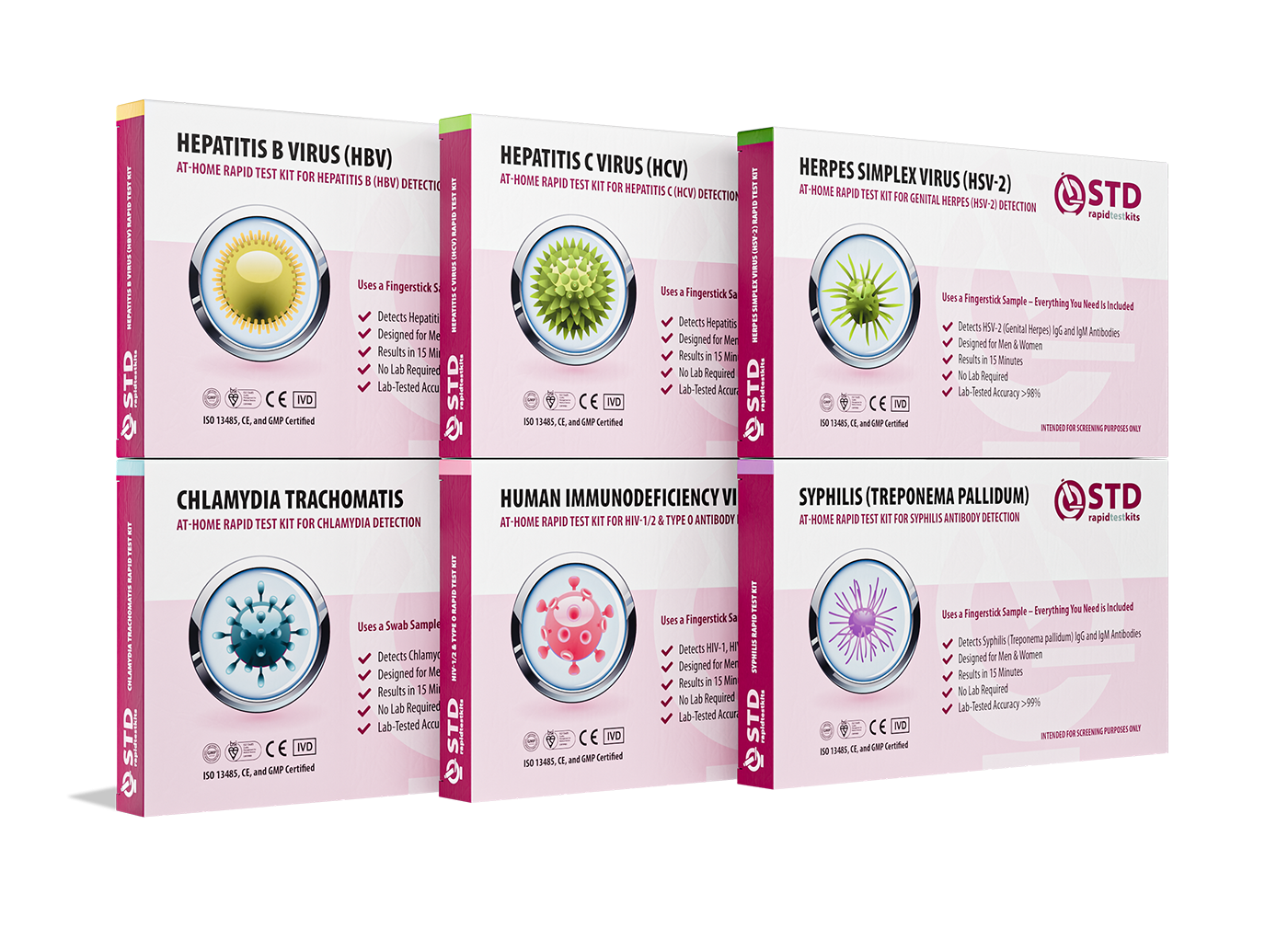
 For Men & Women
 Results in Minutes
 No Lab Needed
 Private & Discreet
Order Now $119.00 $294.00
For all 6 tests
What Doctors Usually Recommend After Partner Exposure
When someone learns their partner tested positive for Gonorrhea, clinicians usually focus on two priorities: confirming whether you are infected and preventing the infection from passing back and forth between partners. The good news is that gonorrhea is treatable, and modern treatment works quickly when infections are caught early.
The first step is straightforward: get tested. Testing confirms whether the bacteria is present and determines where the infection might be located. Many tests involve a simple urine sample or swab depending on the exposure site.
Sometimes, doctors may suggest treatment even before the test results come back. This is sometimes called presumptive treatment, and it is used when the risk of exposure is thought to be high. The goal is to stop the infection before it gets worse or spreads to other people.
Dr. Elena Rivera, an infectious disease specialist, explains the reasoning simply.
“If someone’s partner has confirmed gonorrhea, we assume exposure occurred. Testing is still important, but early treatment can prevent ongoing transmission.”
That approach may sound aggressive, but it reflects the reality that untreated infections can spread quickly between partners who continue having sex without realizing one of them is infected.
Can Couples Pass Gonorrhea Back and Forth?
Yes, and this phenomenon has a name that public health workers hear constantly: reinfection. Reinfection happens when one partner is treated while the other remains infected. The infection can be passed on again once sexual activity starts up again.
This cycle can repeat multiple times if couples do not coordinate testing and treatment. It is one of the most common reasons doctors emphasize partner testing whenever someone receives a positive diagnosis.
Chris, 31, remembers going through this exact situation with his partner.
“I got treated and assumed everything was fine. A month later I tested positive again. Turns out my partner hadn’t gotten treated yet.”
Situations like that are frustrating, but they are also preventable. Health guidelines generally recommend that partners avoid sexual contact until both people have completed treatment and symptoms, if any existed, have resolved.
Coordinated care helps break the transmission loop and allows couples to move forward without lingering uncertainty.
Testing Options: Clinic Visits vs At-Home STD Tests
There are many ways that people handle STD testing. Some people like to go to a clinic or primary care provider, while others would rather test themselves at home where no one can see them. Both options can be right if done correctly.
As part of clinic testing, a doctor or nurse will often take a urine sample or swab. The lab may take a few days to send back results.
At-home options have become increasingly common as well. With services like the Combo STD Home Test Kit, individuals can collect a sample privately and send it to a lab for analysis. For people dealing with the emotional awkwardness of partner exposure, the privacy factor can make testing feel much easier.
| Testing Method | How It Works | Typical Turnaround |
|---|---|---|
| Clinic urine test | Urine sample collected at clinic | 1–3 days |
| Swab testing | Swab from throat, rectum, or genitals | 1–3 days |
| At-home lab test | Sample collected privately and mailed to lab | Several days depending on shipping |
The most important thing is timing, no matter how the test is done. Testing too soon can give a false negative, but testing at the right time will give you a clear answer.
People are also reading: Only Had Sex Once? Here’s What That Means for STD Risk
What Treatment Usually Looks Like
If testing confirms an infection, treatment for gonorrhea is typically straightforward. Current medical guidelines usually recommend antibiotics that target the bacteria responsible for the infection. In many cases, treatment involves a single injection combined with oral medication.
Most people begin feeling better quickly after treatment. Symptoms, if present, often improve within a few days. However, finishing the full treatment plan and following medical advice about sexual activity is essential to avoid reinfection.
Doctors also recommend retesting after treatment in some cases. This follow-up testing confirms that the infection has cleared and that reinfection has not occurred.
Gonorrhea can be treated, but if you don't get treatment, the infection can get worse. If not treated, this can lead to pelvic inflammatory disease, problems with getting pregnant, or infections that spread to other parts of the body. These problems don't happen very often when infections are found and treated early.
That’s why most sexual health experts focus less on blame and more on fast action: test, treat if necessary, and move forward.
The Emotional Side No One Talks About
Learning that a partner has an STD can trigger a surprising mix of emotions. Some people feel worried about their health. Others feel embarrassed, angry, or suspicious about how the infection occurred. And many couples simply feel awkward talking about it.
But sexual health professionals hear these stories every day. Gonorrhea is one of the most common bacterial STDs worldwide, and most cases are resolved quickly once people get tested and treated.
Rafael, 24, described the moment he told his partner about his diagnosis.
“I thought the conversation was going to end the relationship. Instead, we just got tested together and dealt with it.”
That kind of response may not make headlines, but it’s extremely common. Many couples treat an STD diagnosis the same way they treat any other health issue: identify the problem, address it, and move on.
Approaching the situation with honesty and calm communication often turns a stressful moment into a manageable one.
What If Your Test Comes Back Negative?
Getting a negative result after a partner’s diagnosis can feel like a huge relief, but it does not always close the book completely. Timing matters. If testing happened very soon after exposure, there is still a small chance the infection had not reached detectable levels yet.
This is why sexual health guidelines sometimes recommend a follow-up test about two weeks after the most recent exposure. That second test acts as a confirmation that the first result truly reflects your status.
If your result is negative and you are outside the typical window period, you likely avoided infection. At that point, prevention becomes the focus: making sure both partners have completed treatment and avoiding sexual contact until the infection has cleared.
Couples who go through this situation often choose to test together again a few weeks later simply for peace of mind. It’s not always medically required, but it can provide reassurance that the infection is truly gone.
Check Your STD Status in Minutes
Test at Home with Remedium6-in-1 STD Test Kit
For Men & WomenResults in MinutesNo Lab NeededPrivate & DiscreetOrder Now $119.00 $294.00
For all 6 tests
How Couples Usually Move Forward After a Gonorrhea Diagnosis
Most couples navigate a partner’s gonorrhea diagnosis the same way they handle other unexpected health issues: step by step. Testing comes first. Treatment follows if necessary. Then both partners wait until it is safe to resume sexual activity.
Sexual health experts usually recommend avoiding sex for about seven days after treatment and until both partners have finished medication. This pause prevents reinfection and gives antibiotics time to fully clear the bacteria.
Communication is also very important. Just because someone has a diagnosis doesn't mean they cheated or were careless. Gonorrhea can stay hidden for a long time, which means that someone may have had the disease long before they started dating.
Many people are surprised to learn that discovering an STD often leads to better communication between partners about testing and prevention. Instead of treating sexual health like an uncomfortable topic, couples begin discussing it more openly.
FAQs
1. If my partner tested positive for gonorrhea, does that mean I definitely have it too?
Not necessarily. Gonorrhea spreads through sexual contact, so exposure means there’s a real chance, but it isn’t automatic. Some people have sex multiple times with an infected partner and never contract it, while others get it after a single encounter. The only way to move from guessing to knowing is to take a test.
2. My partner has gonorrhea but I feel completely fine. Should I still get tested?
Yes, feeling normal unfortunately doesn’t rule anything out. Gonorrhea is famous for being sneaky; many infections cause zero noticeable symptoms. Plenty of people only find out they have it because a partner told them to get checked.
3. How soon after exposure should I take a gonorrhea test?
Usually about 5 to 7 days after exposure is a good starting point. Testing earlier can miss the infection because the bacteria haven’t multiplied enough yet. If you tested very early and the result was negative, repeating the test around two weeks later is often recommended.
4. Can gonorrhea spread through oral sex?
It can, and this surprises a lot of people. The bacteria can infect the throat during oral sex, and throat infections often don’t cause obvious symptoms. Someone can carry gonorrhea in their throat for weeks without realizing it.
5. What symptoms should I actually watch for?
Some people notice burning when they pee, unusual discharge, or irritation in the genital area. Others experience rectal discomfort or mild throat irritation depending on where the infection is located. But here’s the twist: many people never notice anything unusual at all.
6. Can my partner and I pass gonorrhea back and forth?
Yes, and it happens more often than people think. If one partner gets treated but the other doesn’t, the infection can bounce right back during sex. That’s why doctors usually recommend both partners testing and completing treatment before resuming sexual activity.
7. Is gonorrhea actually easy to treat?
Thankfully, yes. When caught early, gonorrhea is usually cleared with antibiotics prescribed by a healthcare provider. Most people recover quickly once treatment begins, though following medical instructions, and finishing the medication, is important.
8. Should couples stop having sex until testing and treatment are finished?
Yes, most of the time. If both partners get tested and treated, they won't give the disease to each other if they stop having sex. It's a short-term problem that keeps people from having to go through the whole thing again.
9. What if my test is negative but my partner tested positive?
That can happen. You may have avoided infection, or the test might have been taken before the bacteria were detectable. If the timing was early, healthcare providers sometimes recommend a second test about two weeks after the exposure just to be sure.
10. Is it weird or embarrassing to get tested after a partner’s diagnosis?
Honestly, no, clinicians see this situation constantly. STDs are extremely common, and partner notification is one of the most responsible things someone can do. Most healthcare professionals treat it the same way they would treat a sore throat or a flu test: just another health check.
You Deserve Answers, Not Uncertainty
Finding out a partner tested positive for Gonorrhea can make your mind race. People replay every encounter, every symptom they might have ignored, every “what if.” That reaction is normal. But panic isn’t the goal, clarity is.
The practical path is simple. Test within the proper window. Treat if needed. Make sure both partners complete care before resuming sex. Each step removes another layer of uncertainty and keeps a temporary health issue from becoming a recurring one.
Don’t sit with the question longer than you have to. If exposure is even a possibility, start with a private screening option like the Combo STD Home Test Kit. Results are discreet, the process is straightforward, and knowing your status beats guessing every time.
How We Sourced This Article: This guide blends current public health guidance on gonorrhea transmission, testing windows, and treatment protocols with peer-reviewed infectious disease research. We looked at clinical resources on asymptomatic infections, how to handle partner exposure, and new testing methods to make sure the information was medically accurate while still being easy to understand. Only established medical authorities and research publications informed the health information presented here.
Sources
1. Centers for Disease Control and Prevention – Gonorrhea Fact Sheet
2. World Health Organization – Sexually Transmitted Infections Fact Sheet
4. Mayo Clinic – Gonorrhea Symptoms and Causes
5. PubMed – Research on Neisseria Gonorrhoeae Transmission and Treatment
6. Planned Parenthood – Gonorrhea Information
About the Author
Dr. F. David, MD is an infectious disease specialist who is board-certified and works to stop, diagnose, and treat STIs. He combines clinical accuracy with a straightforward, sex-positive approach that puts privacy, clarity, and patient empowerment first.
Reviewed by: Board-Certified Infectious Disease Specialist | Last medically reviewed: March 2026
This article is not meant to give you medical advice; it is meant to give you information.


