





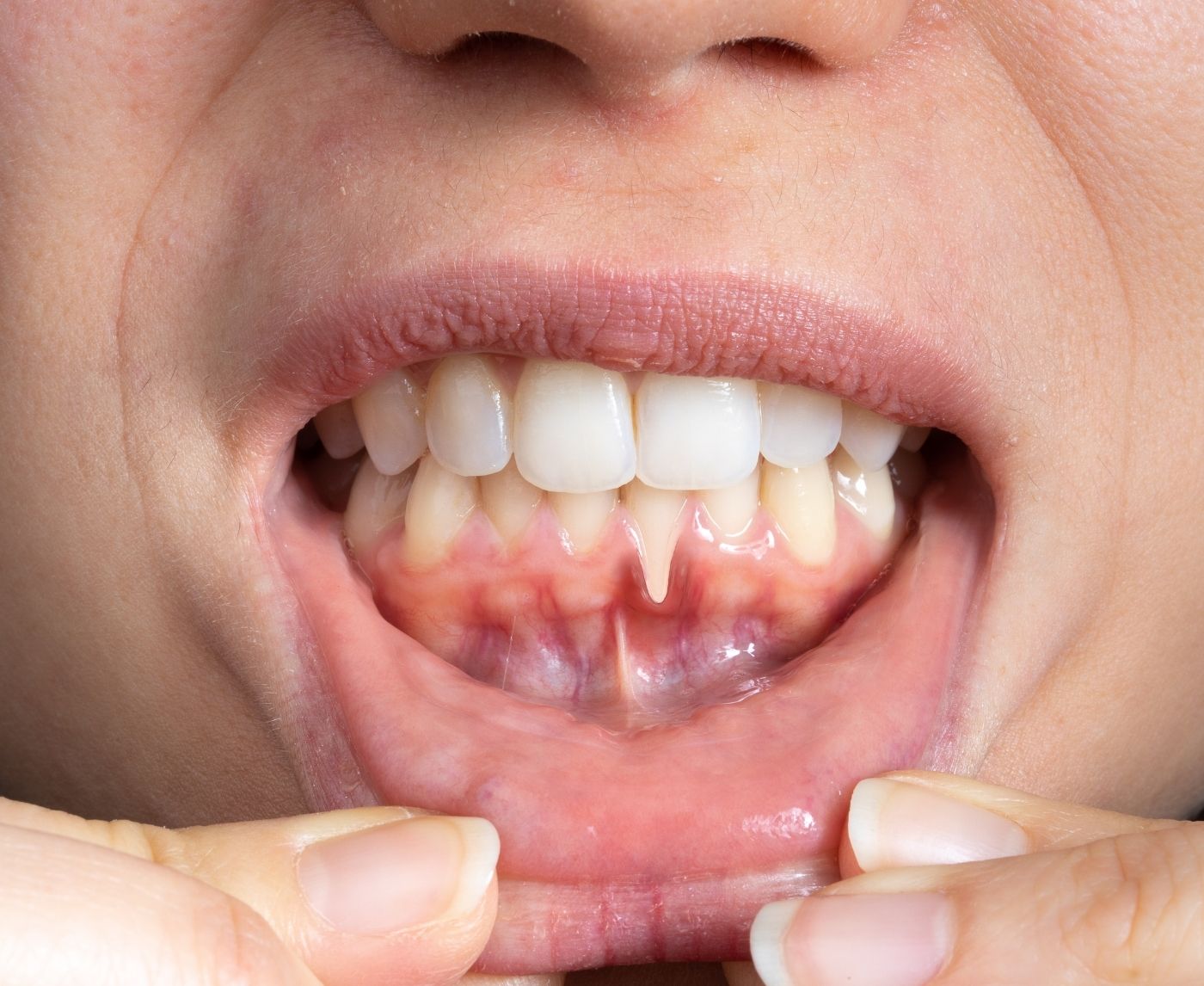

Quick Answer: Oral STD symptoms can include mouth sores, painless ulcers, red throat inflammation, white patches on the tonsils, or swollen glands. Herpes often causes painful blisters, syphilis can create a single painless ulcer, and gonorrhea usually appears as a sore throat with redness or pus near the tonsils, though many people have no visible symptoms at all.
The Moment People First Notice Something Is Off
In sexual health clinics, the conversation often starts the same way. Someone sits down and says, “I think I might have a canker sore… but it showed up right after oral sex.” The question behind that sentence is almost always the same: could this be an STD?
It’s a fair question. Oral sex can transmit several infections, including herpes (HSV-1 or HSV-2), syphilis, and gonorrhea. But the frustrating part is that the symptoms don’t always look like the scary images people imagine when they hear “STD.”
Sometimes it’s a small ulcer that doesn’t hurt. Sometimes it’s a red throat that looks suspiciously like strep. And sometimes there’s nothing visible at all, just exposure and anxiety.
“I thought it was just a mouth ulcer from stress,” one college student explained during a clinic visit. “But it didn’t hurt. That’s what made me nervous.”
That detail, pain versus no pain, is actually one of the biggest clues doctors look for when distinguishing between different infections.
How Oral STDs Usually Show Up in the Mouth
Before breaking down individual infections, it helps to understand the basic ways oral STDs tend to appear. They usually fall into a few recognizable patterns: sores, inflammation, patches, or throat infection symptoms.
| Symptom Type | What It Looks Like | Common STD Causes |
|---|---|---|
| Blisters or clusters of sores | Small fluid-filled bumps that burst and crust | Herpes (HSV-1 or HSV-2) |
| Single painless ulcer | Round sore with clean edges | Syphilis |
| Red inflamed throat | Swollen tonsils or redness | Gonorrhea or chlamydia |
| White patches or pus | Spots on tonsils or throat lining | Gonorrhea |
Those patterns can overlap with non-STD conditions like strep throat, aphthous ulcers, or irritation from dental work. That’s why visual symptoms alone can’t confirm anything.
Testing is the only way to know for sure. Many people who notice symptoms decide to check discreetly with an at-home STD testing option before scheduling a clinic visit.
People are also reading: Ingrown Hair, Allergy, or Herpes? Don’t Guess
What Oral Herpes Usually Looks Like
When people imagine oral STD symptoms, they’re usually thinking about herpes. And for good reason, it’s one of the most visible infections when it becomes active.
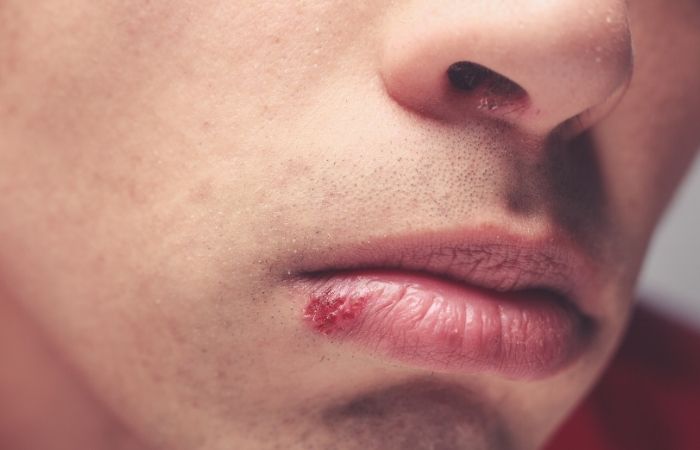
Oral herpes is typically caused by HSV-1, though HSV-2 can occasionally infect the mouth through oral sex. The first outbreak often shows up as clusters of small, painful blisters around the lips, gums, or inside the mouth.
These blisters break open and form shallow ulcers before eventually scabbing or healing. The process can take about 7–14 days.
| Stage | What People Notice |
|---|---|
| Early stage | Tingling, burning, or itching on lips or gums |
| Blister stage | Small clustered fluid-filled bumps |
| Ulcer stage | Blisters rupture and leave shallow sores |
| Healing stage | Crusting or gradual healing |
During the first outbreak, people may also feel flu-like symptoms, fever, swollen lymph nodes, and fatigue. Later outbreaks tend to be milder and shorter.
“It started with a weird burning spot on my lip,” one patient recalled. “Two days later there were tiny blisters. That’s when I realized it wasn’t just dry skin.”
Because herpes spreads through skin-to-skin contact, oral sex is a common transmission route. A partner with genital herpes can pass the virus to the mouth, and vice versa.
Syphilis in the Mouth: The Sore That Doesn’t Hurt
One of the most confusing oral STD symptoms comes from syphilis. The early infection often produces a lesion called a chancre. Unlike herpes sores, this ulcer is usually painless.
The sore often appears as a firm, round ulcer with smooth edges. It may show up on the lips, tongue, gums, or tonsils depending on where contact occurred.
The tricky part is that many people ignore it because it doesn’t hurt. Within a few weeks, the sore heals on its own even if the infection is still present in the body.
That disappearing act is part of why syphilis spreads silently.
Later stages can cause additional symptoms like rash, fever, swollen glands, and fatigue. But the initial mouth ulcer might be the only visible clue that exposure occurred.
If a painless sore appears after oral contact with a new partner, it’s worth taking seriously. Many clinicians recommend testing rather than assuming it’s a harmless mouth ulcer.
At-home testing options, like the combo STD home test kit, allow people to screen for multiple infections without waiting weeks for a clinic appointment.
When Gonorrhea Lives in the Throat Instead of the Genitals
Unlike herpes or syphilis, oral gonorrhea usually doesn’t cause obvious sores. Instead, it behaves more like a throat infection.
People who develop symptoms might notice:
- Persistent sore throat that doesn’t improve
- Red or inflamed tonsils
- White or yellow patches near the tonsils
- Swollen lymph nodes in the neck
But here’s the surprising part: most cases cause no symptoms at all.
Studies from sexual health clinics show that a large percentage of throat gonorrhea infections are discovered only through routine screening. Someone can feel completely fine and still carry the bacteria.
“I only got tested because my partner told me they tested positive,” one patient explained. “My throat felt totally normal.”
This silent nature is exactly why oral STD testing matters after certain exposures.
Check Your STD Status in Minutes
Test at Home with Remedium6-in-1 STD Test Kit
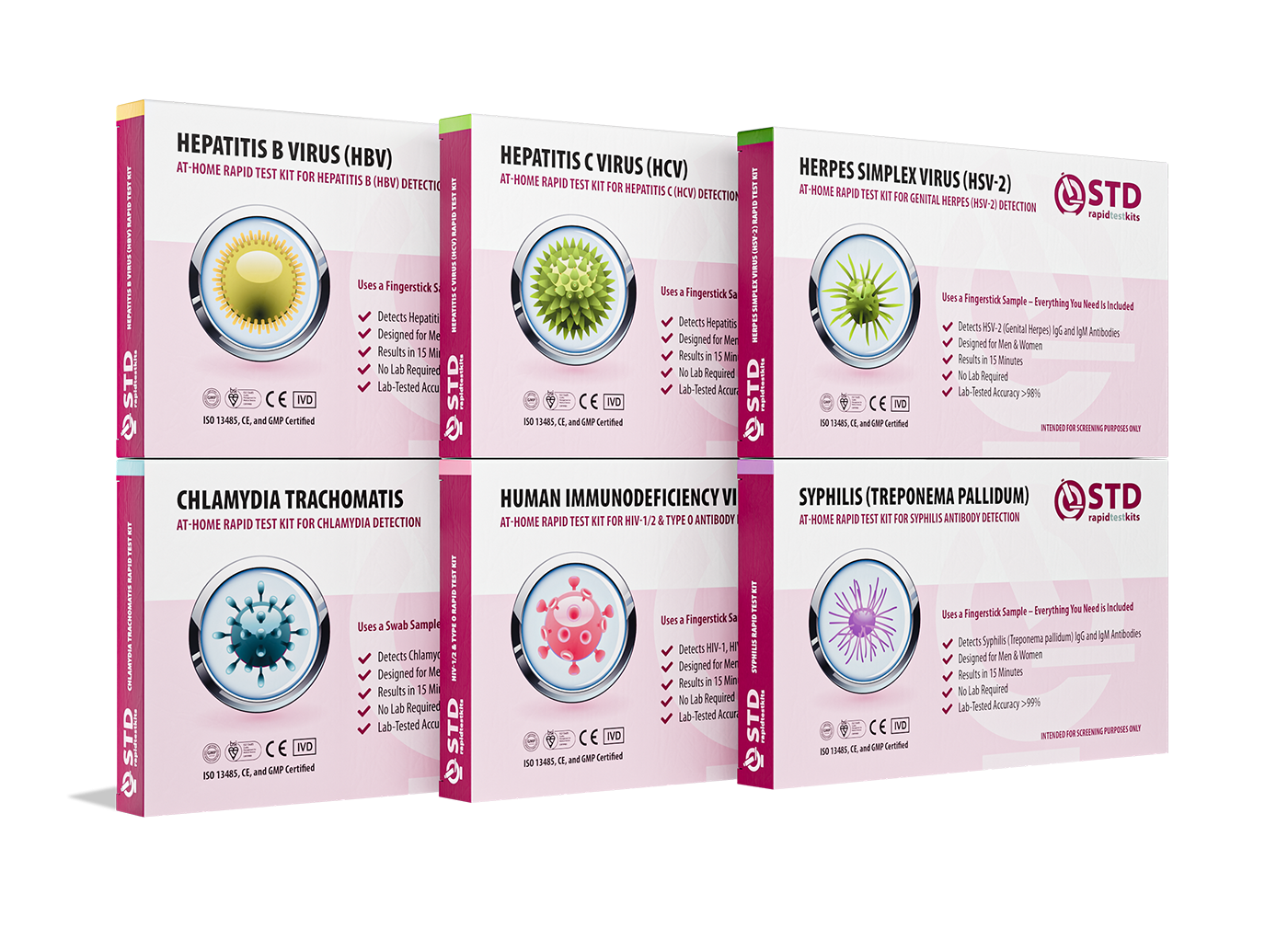
 For Men & Women
 Results in Minutes
 No Lab Needed
 Private & Discreet
Order Now $119.00 $294.00
For all 6 tests
Why Many Oral STDs Don’t Look Like Anything at All
One of the hardest truths for people to accept is that many oral STD infections produce no visible symptoms. Someone can check their tongue, gums, and throat repeatedly and still not see anything unusual.
This is especially common with throat infections caused by gonorrhea or chlamydia. These bacteria can live in the throat quietly for weeks or months without triggering obvious warning signs.
That doesn’t mean the infection isn’t there. It simply means the body isn’t producing visible inflammation yet.
Doctors sometimes describe oral STDs as “quiet passengers.” They’re capable of spreading to partners even when the person carrying them feels completely healthy.
That’s why exposure history matters so much. If someone had oral contact with a partner who later tested positive, testing becomes important even when the mouth and throat look perfectly normal.
Oral STD Symptoms vs Normal Mouth Problems
Another reason people panic about mouth sores is that the mouth naturally develops many harmless irritations. Biting your cheek, brushing too hard, or eating acidic foods can all create ulcers that resemble infections.
To help sort through the confusion, clinicians often look at a few specific characteristics: pain level, shape, number of sores, and how long the problem lasts.
| Condition | Typical Appearance | Pain Level | Healing Time |
|---|---|---|---|
| Canker sore | Round white ulcer with red border | Usually painful | 7–10 days |
| Cold sore (Herpes) | Cluster of blisters that crust | Painful or burning | 1–2 weeks |
| Syphilis chancre | Single firm ulcer | Usually painless | 3–6 weeks |
| Throat gonorrhea | Red throat or white patches | Mild to moderate | Varies |
The main point to remember is that looks alone don't usually give a clear answer. One day, the same sore may look fine, and the next day, it may look bad.
That uncertainty is exactly why testing exists.
The Timeline: When Oral STD Symptoms Usually Appear
Another factor that helps doctors narrow down possibilities is timing. Different infections develop symptoms on different schedules after exposure.
If someone develops mouth symptoms the next day after oral sex, for example, it’s unlikely to be an STD. Most infections require time to incubate before visible changes occur.
| STD | Typical Symptom Window | Common Oral Signs |
|---|---|---|
| Herpes (HSV) | 2–12 days | Blisters or ulcers |
| Syphilis | 10–90 days | Painless ulcer |
| Gonorrhea | 2–7 days | Sore throat or redness |
These windows are important because they influence when testing will produce accurate results. Clinicians often suggest waiting until the usual window period has passed before testing because testing too soon can sometimes give a false negative.

People are also reading: Herpes vs Acne: What That Facial Bump Really Means
When a Mouth Symptom Is Worth Getting Checked
Most mouth sores are harmless and disappear on their own. But certain patterns make clinicians more cautious.
If a symptom appears after oral sex and falls into one of these categories, testing is usually recommended:
- A sore that doesn’t heal after two weeks
- A painless ulcer that appeared suddenly
- Clusters of blisters on the lips or gums
- Persistent sore throat with white patches
- Swollen glands combined with mouth sores
Even then, the goal of testing isn’t to scare people. It’s simply to replace guessing with real information.
Some people prefer visiting a clinic, while others start with discreet screening through home STD testing kits so they can get clarity quickly and privately.
What Happens If an Oral STD Is Confirmed
The idea of an STD in the mouth can sound intimidating, but most infections are highly treatable.
Gonorrhea and syphilis are bacterial infections, which means antibiotics can clear them when diagnosed early. Treatment is usually straightforward once a doctor confirms the infection.
Herpes works differently because it’s a virus. While it stays in the body permanently, antiviral medications can reduce outbreaks and lower the risk of transmission.
Many people go years without another noticeable outbreak after their first episode.
“I was terrified when the doctor said herpes,” one patient admitted. “But the outbreak healed, and I haven’t had another one in almost two years.”
In other words, oral STDs are far more manageable than the stigma surrounding them suggests.
Why Oral STD Symptoms Are Often Missed
One of the biggest misconceptions about sexually transmitted infections is that they always produce obvious symptoms. In reality, a large percentage of oral infections stay subtle, or completely invisible.
This is especially true for throat gonorrhea and oral chlamydia. Many people carry these infections without noticeable pain, sores, or irritation. In some clinic studies, the majority of throat infections were discovered only during routine screening.
That’s why sexual health experts emphasize something simple but powerful: symptoms help, but testing is what gives real answers.
Someone might feel perfectly healthy and still have an infection that could be passed to a partner during oral sex.
This doesn’t mean people should panic after every encounter. It just means awareness and occasional screening are part of responsible sexual health, no different than dental checkups or routine blood work.
Check Your STD Status in Minutes
Test at Home with Remedium8-in-1 STD Test Kit
 For Men & WomenResults in MinutesNo Lab NeededPrivate & Discreet
Order Now $149.00 $392.00
For all 8 tests
A Quick Reality Check About Photos Online
If you’ve searched for “STD symptoms in mouth pictures,” you’ve probably seen dramatic images that look alarming. Many of those photos show severe cases that developed without treatment.
In real life, most infections don’t look nearly that extreme. A herpes outbreak might be a small cluster of blisters near the lip. A syphilis chancre might look like a minor ulcer. Gonorrhea in the throat may resemble nothing more than mild redness.
The internet tends to showcase the worst-case scenarios, which can make normal mouth irritation look terrifying by comparison.
Doctors are used to this dynamic. Patients often walk into clinics convinced they have a serious infection, only to discover the sore came from biting their cheek or reacting to acidic food.
“People arrive with screenshots from Google all the time,” one sexual health physician explained. “Usually the real symptom is much smaller and much less dramatic.”
So if you’re comparing your mouth to medical images online, keep in mind that lighting, camera angles, and severity can distort what symptoms really look like.
Testing Removes the Guesswork
The uncomfortable truth about oral STD symptoms is that they can be misleading. A harmless ulcer can look suspicious, and a serious infection might show no signs at all.
Testing exists to give us real information instead of guesswork.
Some people prefer visiting a clinic for throat swabs and blood tests. Others start with discreet screening at home. Options like the STD Rapid Test Kits Combo Home Test allow users to screen for several infections from home before deciding whether a follow-up appointment is needed.
The goal isn’t to diagnose yourself from a mirror. It’s simply to notice symptoms, take them seriously when appropriate, and use testing to confirm what’s actually going on.
FAQs
1. Can you really get an STD in your mouth from oral sex?
Yes, it happens more often than people realize. Infections like herpes, syphilis, and gonorrhea can pass from genitals to the mouth during oral sex. Most of the time nothing dramatic happens right away, maybe a sore throat, maybe a small blister, maybe nothing at all. That’s why people often don’t connect the dots until a test confirms it.
2. What does oral herpes actually look like in real life?
Think small clusters of blisters rather than one big sore. They usually start with a weird tingling or burning spot on the lip or gums, then tiny fluid-filled bumps appear and eventually break open into shallow ulcers. A lot of people mistake the early stage for dry lips or irritation until the blisters show up.
3. Is a painless sore in the mouth something to worry about?
Sometimes, yes. A painless ulcer can occasionally be an early sign of syphilis, which often begins with a firm round sore called a chancre. The hard part is that it usually heals on its own in a few weeks, so people think it wasn't dangerous and move on. Testing is the only way to know for sure.
4. What does gonorrhea in the throat feel like?
For many people, honestly, nothing at all. But when symptoms do show up, it often feels like a stubborn sore throat that won’t go away. Some people notice red or swollen tonsils, mild pain when swallowing, or white patches that look a lot like strep.
5. How soon after oral sex would symptoms show up?
It depends on the infection. Herpes can appear in as little as a few days, while gonorrhea throat symptoms usually show up within about a week. Syphilis is slower and might not cause a sore for several weeks. And sometimes, this is important, there are no symptoms at all.
6. Could a mouth ulcer just be… a mouth ulcer?
Absolutely. The mouth is sensitive territory. Stress, biting your cheek, spicy food, dental work, even acidic drinks can create ulcers that look suspicious but have nothing to do with STDs. That’s why doctors don’t diagnose infections just by looking at a sore, they confirm with testing.
7. If a mouth sore disappeared, does that mean everything is fine?
Not necessarily. Some infections, especially syphilis, can cause sores that heal while the infection continues quietly in the body. If a strange sore showed up after a possible exposure, it’s still worth getting tested even if the mouth looks normal again.
8. Can oral STDs spread through kissing?
Sometimes. If someone has an active cold sore, kissing them can spread herpes. Other infections like gonorrhea are far less likely to spread that way. In most cases, oral sex is the main route for STDs that infect the mouth.
9. Do oral STDs always cause visible symptoms?
No, and this surprises a lot of people. Many throat infections caused by gonorrhea or chlamydia produce zero symptoms. Someone can feel completely normal and still carry the infection. That’s one reason routine testing matters if you’re sexually active.
10. When should someone actually get tested?
If a new sore appears after oral contact, if a sore throat won’t go away, or if a partner tells you they tested positive for something, it’s a good moment to check. Testing isn’t about assuming the worst, it’s about getting clarity so you can stop guessing.
You Deserve Clarity, Not Guesswork
Mouth sores, bumps, and sore throats happen to everyone. Most of the time they’re harmless, irritation from food, stress, or a small injury you barely remember. But when something appears after sexual contact, uncertainty creeps in fast.
The goal isn’t to assume the worst. It’s to remove doubt. If a sore lingers, if your throat won’t settle down, or if a partner mentions a recent diagnosis, testing replaces speculation with facts.
Don’t wait and wonder. If exposure is even a possibility, start with a discreet screen like the Combo STD Home Test Kit. Your results stay private. Your decisions stay yours. And knowing your status is always better than guessing.
How We Sourced This Article: This guide blends current public health guidance on oral sexually transmitted infections with peer-reviewed infectious disease research and real-world clinical experience. We reviewed medical literature on oral herpes, syphilis chancres, and throat gonorrhea to ensure symptom descriptions reflect how infections actually appear in patients, not just textbook definitions. Only established medical authorities and research publications informed the clinical explanations presented here.
Sources
1. Centers for Disease Control and Prevention – Genital and Oral Herpes Fact Sheet
2. Centers for Disease Control and Prevention – Syphilis Fact Sheet
3. Centers for Disease Control and Prevention – Gonorrhea Fact Sheet
4. Mayo Clinic – Cold Sores (Oral Herpes)
5. The World Health Organization's Fact Sheet on Sexually Transmitted Infections
6. Planned Parenthood: Signs, Tests, and Treatments for Gonorrhea
About the Author
Dr. F. David, MD is a board-certified infectious disease specialist focused on sexually transmitted infections, prevention strategies, and early diagnosis. His work centers on translating complex clinical information into clear, stigma-free guidance that helps people make informed decisions about their sexual health.
Reviewed by: Michael R. Levin, MD, Infectious Disease | Last medically reviewed: March 2026
This article is only meant to give you information and should not be used as a substitute for professional medical advice.


