





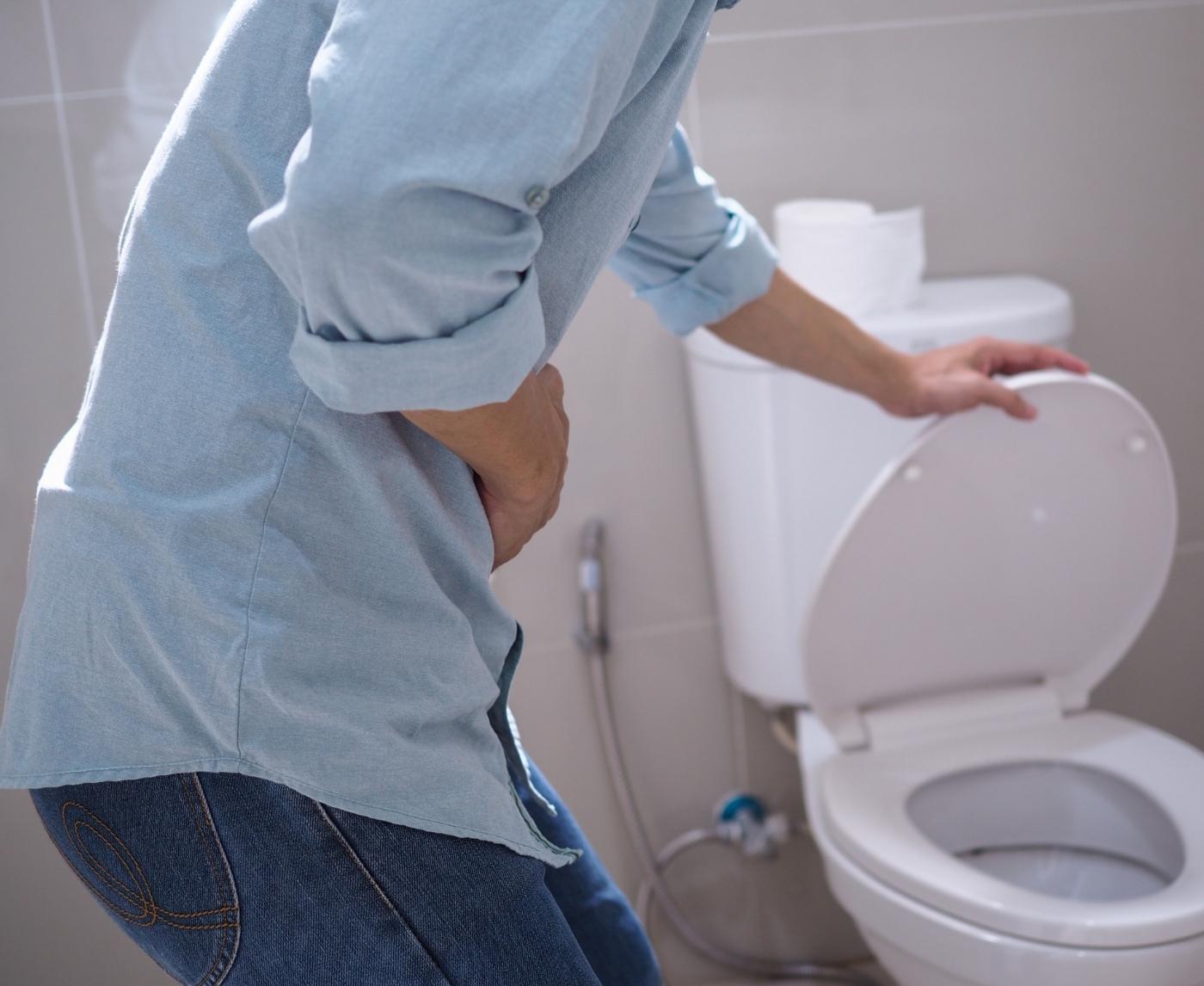

Quick Answer: Burning when you pee can come from dehydration because concentrated urine irritates the urethra. Chlamydia and gonorrhea are two sexually transmitted infections that can cause the same symptoms, so you may still need to get tested if the pain doesn't go away or happens after sex.
Why Your Urine Burns When Your Body Is Low on Water
Your urinary system is designed to flush waste and bacteria out of the body. When you’re hydrated, urine is diluted and flows smoothly through the bladder and urethra. But if you don't drink enough water, your pee will be much saltier, more acidic, and full of waste from your metabolism.
The concentrated mixture can hurt the sensitive lining of the urethra, the tube that carries urine out of the body. The result can be a burning or stinging feeling when you pee that is worryingly similar to the symptoms of STDs or urinary tract infections.
People often notice this effect after long days of travel, intense workouts, drinking alcohol, or simply forgetting to drink water. In those moments, the body is conserving fluid, which means the urine becomes darker, stronger smelling, and sometimes physically uncomfortable to pass.
Doctors frequently see patients who panic about sexually transmitted infections when the underlying issue is actually dehydration. That doesn’t mean the fear is irrational. It simply means that the body has fewer ways to express irritation than we sometimes expect.
How Dehydration Symptoms Can Resemble STD Symptoms
One reason dehydration causes confusion is that several of its symptoms overlap with early warning signs of infections like chlamydia or gonorrhea. When people search phrases like “burning when I pee but no STD” or “dehydration burning urination,” they’re usually trying to understand this overlap.
The body responds to irritation in predictable ways: inflammation, sensitivity, and discomfort. Whether that irritation comes from concentrated urine or from bacterial infection, the sensation can feel surprisingly similar in the early stages.
| Symptom | Common With Dehydration | Possible With STDs | What the Body Is Responding To |
|---|---|---|---|
| Burning during urination | Yes | Yes | Irritated urethral lining |
| Dark yellow urine | Very common | Rare | Concentrated waste products |
| Strong urine smell | Common | Sometimes | Higher concentration of ammonia compounds |
| Pelvic discomfort | Occasionally | Possible | Inflammation or infection |
| Genital irritation | Possible | Possible | Local tissue inflammation |
The overlap explains why people sometimes assume the worst when dehydration irritates the urinary tract. But the body usually gives additional clues about what’s actually happening.
People are also reading: Cheap Herpes Tests vs Accurate Ones: What’s the Price?
The Clues Your Body Gives When It’s Just Dehydration
When dehydration is the main culprit, burning urination tends to appear alongside several other signs that the body needs more fluids. These symptoms often develop gradually during the day and improve once hydration returns to normal.
The most noticeable clue is urine color. Dark yellow or amber urine typically means your kidneys are conserving water. Another common sign is a stronger smell when you urinate, which comes from the higher concentration of waste products leaving the body.
When dehydration gets bad, people often also say they have a dry mouth, headaches, tiredness, and dizziness. When burning urination happens with those other symptoms, it's usually a sign of fluid imbalance rather than an infection.
The encouraging part is that dehydration-related irritation tends to improve quickly. Within several hours of drinking water consistently, urine becomes lighter and the burning sensation usually fades.
When Burning Urination Is More Likely an STD
While dehydration can mimic STD symptoms, infections tend to produce a slightly different pattern over time. The burning sensation often persists or worsens rather than disappearing after hydration.
Sexually transmitted infections such as chlamydia and gonorrhea may also cause other symptoms that dehydration rarely produces. These additional signs often develop days or weeks after sexual exposure.
| Possible Sign | Why It Matters | Common With Which STD |
|---|---|---|
| Unusual genital discharge | Indicates infection affecting reproductive tissues | Chlamydia, Gonorrhea |
| Persistent pelvic pain | Inflammation in reproductive organs | Chlamydia |
| Testicular discomfort | Possible epididymal infection | Gonorrhea |
| Genital sores or lesions | Skin infection rather than urinary irritation | Herpes, Syphilis |
| Symptoms lasting more than 48 hours | Persistent irritation suggests infection | Various STDs |
If burning urination continues despite hydration, especially after sexual exposure, testing becomes the safest way to remove uncertainty.
Check Your STD Status in Minutes
Test at Home with Remedium6-in-1 STD Test Kit
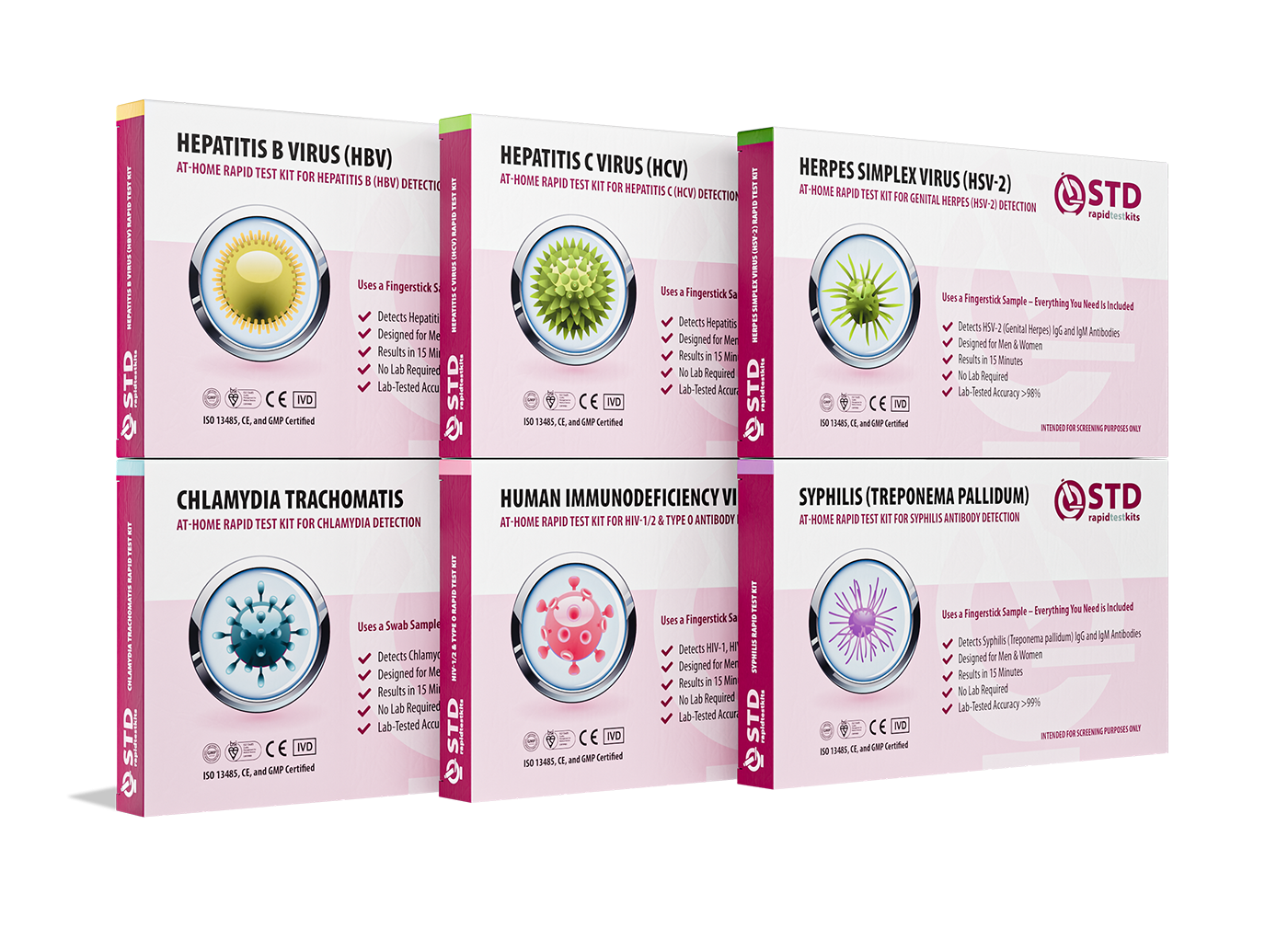
 For Men & Women
 Results in Minutes
 No Lab Needed
 Private & Discreet
Order Now $119.00 $294.00
For all 6 tests
A Story Many People Quietly Recognize
Jordan, a 27-year-old graphic designer, remembers the moment clearly. After a long weekend music festival where water had not been a priority, he woke up Monday morning with sharp burning when he urinated. His mind immediately spiraled into fear.
“I kept thinking about the person I hooked up with that weekend,” he later said. “I was convinced I had gonorrhea or something. I spent the whole day Googling symptoms.”
By the afternoon he had started drinking water consistently. Within a few hours the burning sensation had mostly disappeared. The next morning his urine was clear again and the pain was gone.
Even though the symptoms resolved, Jordan still chose to test later that week for peace of mind. The results were negative. The experience left him with a new understanding: sometimes the body sends warning signals that have nothing to do with infection.
Why Hydration Matters for Sexual Health
Water plays a surprisingly important role in protecting the urinary and reproductive systems. Adequate hydration helps flush bacteria from the urinary tract and keeps mucosal tissues healthy. When hydration drops, the protective balance changes.
Concentrated urine exposes tissues to stronger acids and waste products. Over time that irritation can inflame the urethra, which creates sensations like burning, itching, or mild pelvic discomfort.
The health of the tissues in the vagina and penis also depends on how much water you drink. If you don't drink enough water, you can get dry and irritated, especially after sex. Even when there is no infection, people sometimes think these feelings mean they have an STD.
Staying hydrated isn’t a cure-all for sexual health concerns, but it does support the body’s natural defenses. When the urinary system is well hydrated, it becomes easier to distinguish normal irritation from symptoms that require testing.
When Testing Is the Smart Move
There’s a simple principle many sexual health clinicians follow: if symptoms persist or follow sexual exposure, testing removes the guesswork. Dehydration can create temporary discomfort, but infections usually continue until treated.
If burning urination lasts longer than a couple of days, appears alongside discharge, or develops after unprotected sex, getting tested becomes the responsible next step. Testing isn’t about blame or shame. It’s simply about clarity.
For people who prefer privacy, at-home testing can provide answers without the stress of scheduling a clinic visit. You can explore discreet options directly at STD Rapid Test Kits, where several rapid tests can help check for common infections from the comfort of home.
Some readers choose a multi-infection screening option like the combo STD home test kit, which checks for multiple infections at once. For many people, the relief of knowing the answer outweighs the stress of wondering.
Testing is not a sign that something went wrong. It’s a normal part of responsible sexual health.
People are also reading: Herpes With No Symptoms: What You Need to Know About Asymptomatic Infection
Simple Hydration Habits That Protect Your Urinary Tract
Most people don’t think about hydration until their body starts complaining. Burning urination, headaches, fatigue, and darker urine are often the first signals that the body is running low on fluids. The urinary tract depends heavily on consistent hydration to dilute waste products and move bacteria out of the bladder before irritation can occur.
When hydration improves, the urinary system usually responds quickly. Urine becomes lighter in color, the smell becomes less intense, and irritation inside the urethra begins to calm down. Many clinicians encourage people experiencing mild burning without other symptoms to increase fluid intake for several hours and monitor whether the discomfort improves.
Hydration isn’t only about drinking water after symptoms appear. It's also important to keep a steady flow of fluids throughout the day so that the kidneys can stay in balance without forcing concentrated urine through delicate tissues.
Alcohol, caffeine, travel, intense exercise, and hot weather can all accelerate dehydration. These situations often explain why burning urination appears suddenly after weekends, vacations, or physically demanding activities.
How to Think About Symptoms Without Spiraling
When people notice genital or urinary symptoms, anxiety often fills in the blanks before facts have time to catch up. The brain is wired to think of the most dangerous explanation first, especially when it comes to sexual health.
The reality is that many physical sensations share overlapping causes. Irritation, inflammation, and infection all activate similar nerve pathways. That’s why burning urination can come from dehydration, urinary tract infections, friction during sex, or sexually transmitted infections.
Instead of jumping immediately to conclusions, it helps to look at patterns. Did the symptom appear after a long day without water? Did it improve once hydration increased? Or did it appear after sexual contact and continue getting worse?
Those patterns provide valuable context. They help separate temporary irritation from symptoms that deserve medical attention.
What Happens in the Body During an STD Infection
Sexually transmitted infections create symptoms through a different biological process than dehydration. These infections happen when bacteria or viruses get into the tissues of the reproductive system, not when concentrated urine irritates them.
For example, chlamydia and gonorrhea attack the cells that line the urethra, cervix, or rectum. In response, the body sends inflammatory signals and white blood cells to the area. That immune response makes you feel burning, discharge, and swelling when you pee.
Because infections involve active microbial growth, symptoms often continue until treatment stops the infection. Antibiotics are typically used for bacterial STDs, while viral infections like herpes may require antiviral medication and symptom management.
This difference in biological cause explains why hydration improves dehydration-related symptoms but has little effect on infections. Water can dilute urine, but it cannot eliminate bacteria growing inside reproductive tissues.
Check Your STD Status in Minutes
Test at Home with Remedium8-in-1 STD Test Kit
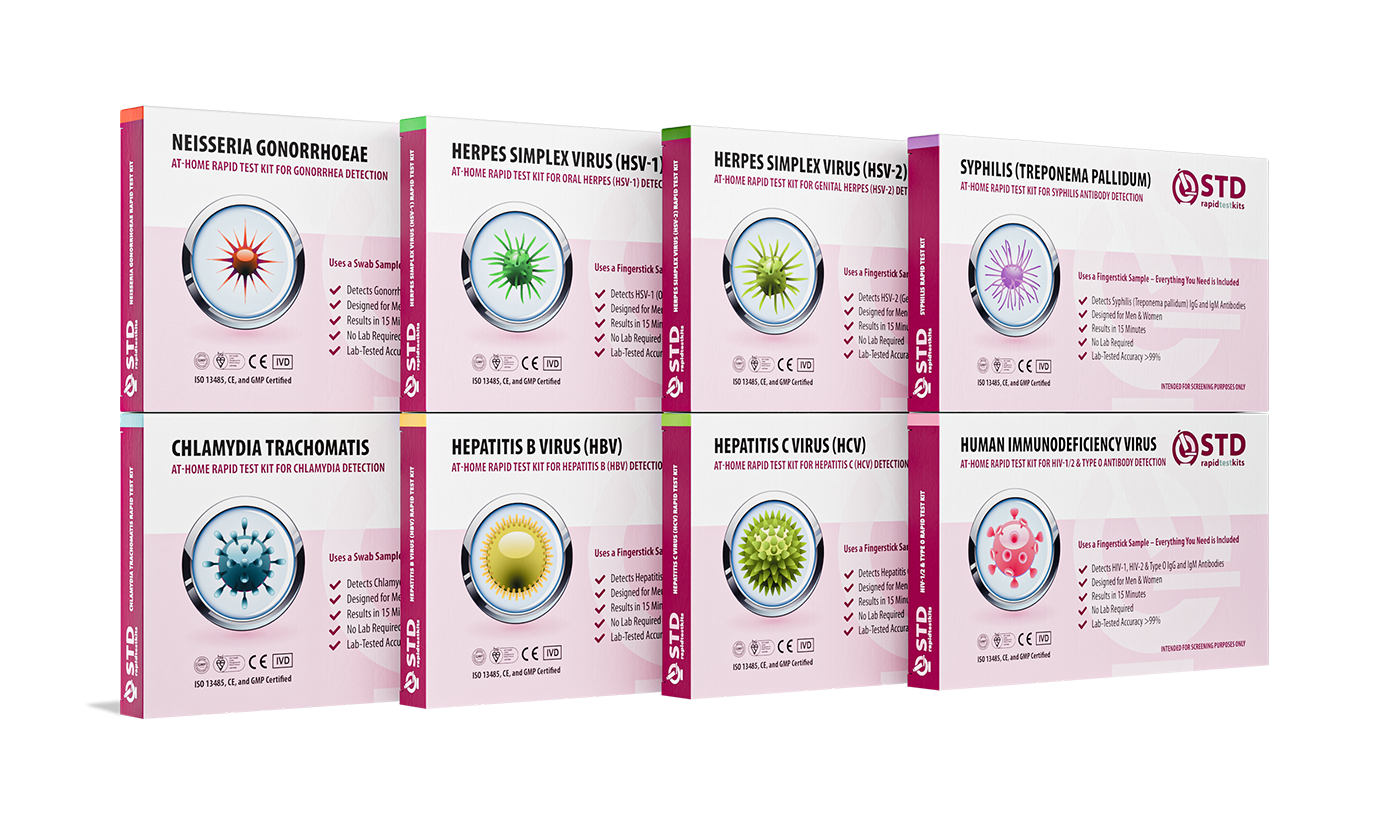 For Men & WomenResults in MinutesNo Lab NeededPrivate & Discreet
Order Now $149.00 $392.00
For all 8 tests
What Many Doctors Tell Patients About Burning Urination
Healthcare providers frequently reassure patients that burning urination has multiple possible explanations. In many cases, symptoms resolve with hydration, time, and simple observation. However, clinicians also emphasize that sexually transmitted infections are common and often produce mild early symptoms.
Because of that overlap, doctors usually recommend testing when symptoms last more than a couple of days or when there has been a recent sexual exposure. Testing allows people to move from uncertainty to evidence.
Modern rapid testing options make this process much easier than it used to be. Many people prefer the privacy of home testing kits, especially when symptoms appear outside normal clinic hours.
If you want answers without waiting for an appointment, visiting STD Rapid Test Kits can provide access to discreet testing options designed for home use. These tests help rule out common infections so you can focus on treatment or reassurance.
FAQs
1. “I barely drank any water today and now it burns when I pee. Is that really enough to cause it?”
Honestly, yes, the body can react that quickly. When you’re dehydrated, your urine turns into a much more concentrated mix of salts and waste products. Think of it like lemon juice hitting a paper cut. That irritation can sting as it passes through the urethra. The good news is that if dehydration is the cause, symptoms usually calm down pretty fast once you start drinking water steadily.
2. “If it burns when I pee, doesn’t that automatically mean I have an STD?”
Not at all. Burning urination is one of those symptoms that shows up in multiple situations. Dehydration, urinary tract infections, friction during sex, and sexually transmitted infections can all create a similar sensation. It’s frustratingly vague, which is why context matters. If it appeared after a long day of travel or alcohol with very little water, dehydration is a very plausible explanation.
3. “Okay, but how can I tell if dehydration is the reason or something more serious?”
Look at the whole picture, not just the one symptom. If your urine is darker than usual, smells stronger, and you’ve got the classic dehydration trio of thirst, fatigue, and maybe a mild headache, your body might simply be begging for fluids. If the burning goes away after you drink a few glasses of water and go to the bathroom a few times, that's a strong sign. If it sticks around or new symptoms show up, that’s when testing makes sense.
4. “How quickly should dehydration symptoms improve?”
Most of the time, pretty quickly. A lot of people feel better the same day they start drinking enough water. The burning feeling goes away as the urine becomes less concentrated. The next day, the color of the urine usually goes back to a lighter yellow and the pain goes away.
5. “What symptoms would make you think it might actually be an STD?”
A few signs raise more suspicion. Unusual discharge, pelvic pain, testicular discomfort, or sores around the genitals are red flags that dehydration doesn’t explain. Another clue is persistence. Dehydration irritation tends to fade once you rehydrate, while infections like chlamydia or gonorrhea usually keep bothering you until they’re treated.
6. “I had sex recently and now it burns when I pee. Should I panic?”
Panic rarely helps anything, and your body deserves a calmer response than that. Start by checking the basics: hydration, irritation from friction, or even soap residue can cause temporary discomfort. But if the timing lines up with sexual exposure and the symptom sticks around, testing is simply the responsible move. It’s not an accusation, it’s information.
7. “Can dehydration also make my urine smell really strong?”
Of course. Ammonia compounds are easier to see when urine is concentrated. That's why urine that has lost water often smells stronger and is darker. That smell usually goes away within a day after hydration gets better.
8. “Is it possible for dehydration to cause genital irritation too?”
Yes, it can. If you don't drink enough fluids, the tissues in your genitals can get dry, especially after sex or a lot of exercise. When their skin is dry, some people think they have an infection because it can make it feel sensitive or itchy.
9. “If the burning goes away after I drink water, do I still need an STD test?”
If symptoms disappear quickly and there wasn’t a recent sexual exposure, you probably don’t need to rush into testing. But if you’re still feeling unsure, there’s nothing wrong with checking. Many people test simply to stop the mental spiral of wondering, and peace of mind is a perfectly valid reason.
10. “What’s the healthiest way to avoid dehydration-related irritation in the future?”
The least exciting answer is the simplest: drink plenty of water. Instead of just drinking water when you're thirsty, try to drink fluids all day long. Your kidneys like a steady flow better than having to catch up in an emergency. Your urinary tract is usually happy when your urine stays pale yellow and easy to pass.
You Deserve Clarity, Not Guesswork
The body sends signals for a lot of different reasons, and peeing can hurt. At first, dehydration, irritation, urinary infections, and sexually transmitted infections can all feel the same. Instead of freaking out, the most important thing is to notice patterns and respond carefully.
If symptoms fade after hydration, your body may simply have needed fluids. If they persist, testing is the fastest way to replace uncertainty with clear information. You can explore discreet testing options at this at-home combo STD test kit, which screens for several common infections quickly and privately.
Sexual health is part of overall health. Whether the cause is dehydration or something more serious, getting answers is an act of self-respect.
How We Sourced This Article: This guide combines current sexual health guidance from major public health organizations with peer-reviewed research and real patient experiences commonly seen in clinical settings. Medical information was cross-checked against resources from the Centers for Disease Control and Prevention, Mayo Clinic, and other academic medical institutions. Additional peer-reviewed research on urinary irritation and hydration was reviewed to explain how dehydration can influence urinary symptoms.
Sources
1. CDC's Guidelines for Treating Sexually Transmitted Infections
2. Mayo Clinic: What Causes Painful Urination (Dysuria)
3. Sexually Transmitted Infections Fact Sheet – World Health Organization
4. Cleveland Clinic: What Causes and Signs of Dehydration
5. Painful Urination (Dysuria) – MedlinePlus, U.S. National Library of Medicine
6. STD Symptoms and Testing – Planned Parenthood
About the Author
Dr. F. David, MD is a board-certified infectious disease specialist focused on sexually transmitted infection prevention, diagnosis, and treatment. His work combines clinical research, public health education, and patient advocacy to make sexual health information accessible, stigma-free, and medically accurate.
Reviewed by: A. Martinez, MPH | Last medically reviewed: March 2026
This article is meant to give you information, not medical advice.


