





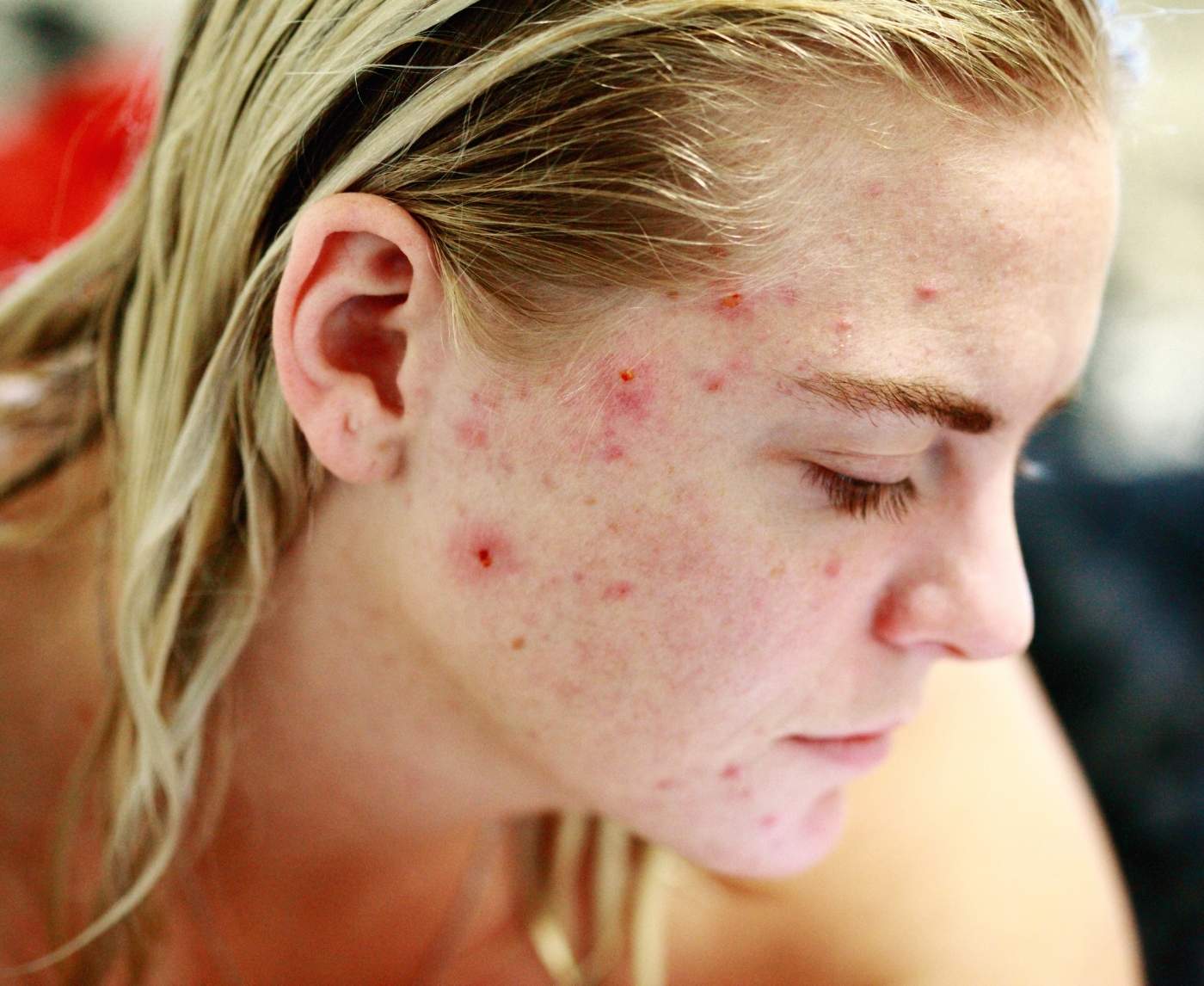

Quick Answer: Herpes usually appears as painful clusters of fluid-filled blisters that break into sores, while an ingrown hair is typically a single red bump around a hair follicle that may contain pus or a visible hair.
Why These Two Conditions Get Confused So Often
The skin in the genital area goes through a lot. Shaving, friction from clothing, sweating, sex, and hair growth all create tiny irritations in the follicles. That makes ingrown hairs extremely common. At the same time, Herpes is also widespread, and its earliest symptoms can start as very small bumps.
When someone notices a genital bump, their mind immediately goes to sexually transmitted infections. That reaction is understandable, but statistically many bumps turn out to be routine skin issues like folliculitis or ingrown hairs.
One anonymous patient once described the moment like this: “I saw one tiny bump and immediately thought my life was over. Two days later I realized it was just an ingrown hair from shaving.” This kind of panic spiral happens because people are rarely taught what normal skin problems look like in intimate areas.
The key is to slow down and look at a few objective clues. Most bumps tell a story if you watch them closely.
Side-by-Side Comparison: The Fastest Way to Tell
If you want the quickest orientation, the table below summarizes the most reliable differences doctors use when distinguishing an ingrown hair from an early Herpes lesion.
| Feature | Ingrown Hair | Herpes |
|---|---|---|
| Typical number of bumps | Usually one bump | Often multiple bumps or clusters |
| Appearance | Red pimple-like bump, sometimes with pus | Clear or cloudy fluid-filled blisters |
| Hair in center | Often visible or trapped under skin | No hair visible |
| Pain level | Mild tenderness or irritation | Often painful or burning |
| Changes over time | Gradually heals or drains | Blisters rupture into open sores |
| Other symptoms | Usually none | Possible fever, fatigue, swollen lymph nodes |
In short, a single pimple-like bump with a hair trapped inside is much more likely to be an ingrown hair. When multiple blisters appear and start turning into shallow sores, clinicians start thinking about Herpes.
People are also reading: Can Cold Sores Really Give You Herpes Down There?
What an Ingrown Hair Actually Looks Like
An ingrown hair happens when a hair curls back into the skin instead of growing outward. This is extremely common in areas that are shaved, waxed, or exposed to friction from tight clothing. The pubic region checks all those boxes.
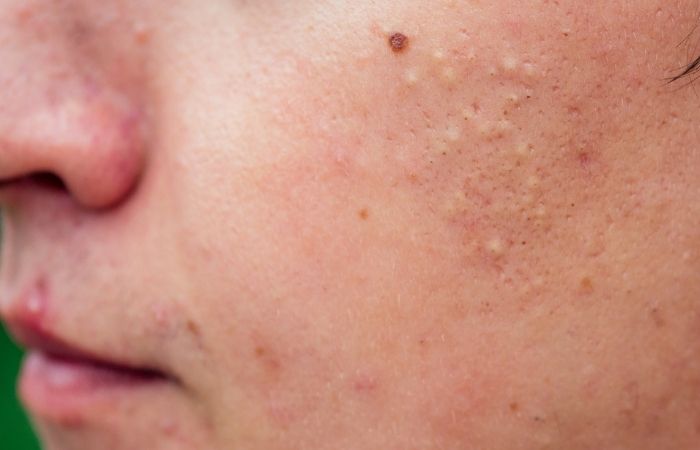
The bump that forms is basically an inflamed hair follicle. It can resemble a small acne pimple. Sometimes a white tip develops, and occasionally you can see the hair loop just beneath the skin.
People often describe it like this: “It looked exactly like a zit, just in a weird place.” That description is actually pretty accurate.
Most ingrown hairs also follow a predictable timeline. They appear shortly after shaving or friction and tend to calm down within a few days as the hair either releases or the inflammation fades.
Unlike Herpes, they rarely evolve into open sores.
How Early Herpes Lesions Typically Behave
Herpes is caused by the herpes simplex virus, most commonly HSV-2 in genital infections and sometimes HSV-1. The virus affects skin and nerve endings, which is why the earliest symptoms can include tingling, itching, or burning before any visible bump appears.
The first outbreak tends to follow a recognizable pattern. Small blisters form on the skin. These blisters contain fluid and often appear in clusters rather than as a single bump.
Over the next day or two the blisters break open. What remains are shallow sores that can feel tender or painful. Eventually they crust over and heal.
People experiencing their first outbreak sometimes describe the sensation as much more intense than an ingrown hair. One patient explained it this way: “It didn’t feel like a pimple. It felt like my skin was raw.”
This pain difference is often one of the clearest signals.
Timing Clues: When the Bump Appeared Matters
Another major clue is timing. Skin conditions and viral infections tend to follow different timelines after shaving or sexual contact.
| Situation | Ingrown Hair Timeline | Herpes Timeline |
|---|---|---|
| After shaving or waxing | Appears within 1–3 days | Not related to shaving |
| After sexual exposure | Unrelated | Usually 2–12 days after exposure |
| How long bumps last | 3–7 days typically | Outbreaks last about 1–2 weeks |
| Recurring episodes | Only if hair regrows incorrectly | Possible periodic outbreaks |
If a bump appeared immediately after shaving the bikini line or pubic area, an ingrown hair becomes the most likely explanation. If it appeared days after sexual contact and begins forming blisters, the possibility of Herpes becomes more relevant.
The “Single Bump” Question Everyone Asks
One of the most common late-night searches online is whether Herpes can appear as a single bump. The honest answer is yes, but it’s less typical. Most outbreaks involve several blisters grouped together.
Dermatologists sometimes describe herpes as “a constellation rather than a star.” That metaphor means multiple small lesions tend to appear close to each other.
An ingrown hair, by contrast, behaves like an isolated pimple. It shows up alone and stays alone.
If you see just one bump that never develops into multiple blisters, the odds tilt strongly toward a follicle issue rather than a viral outbreak.
Check Your STD Status in Minutes
Test at Home with Remedium6-in-1 STD Test Kit
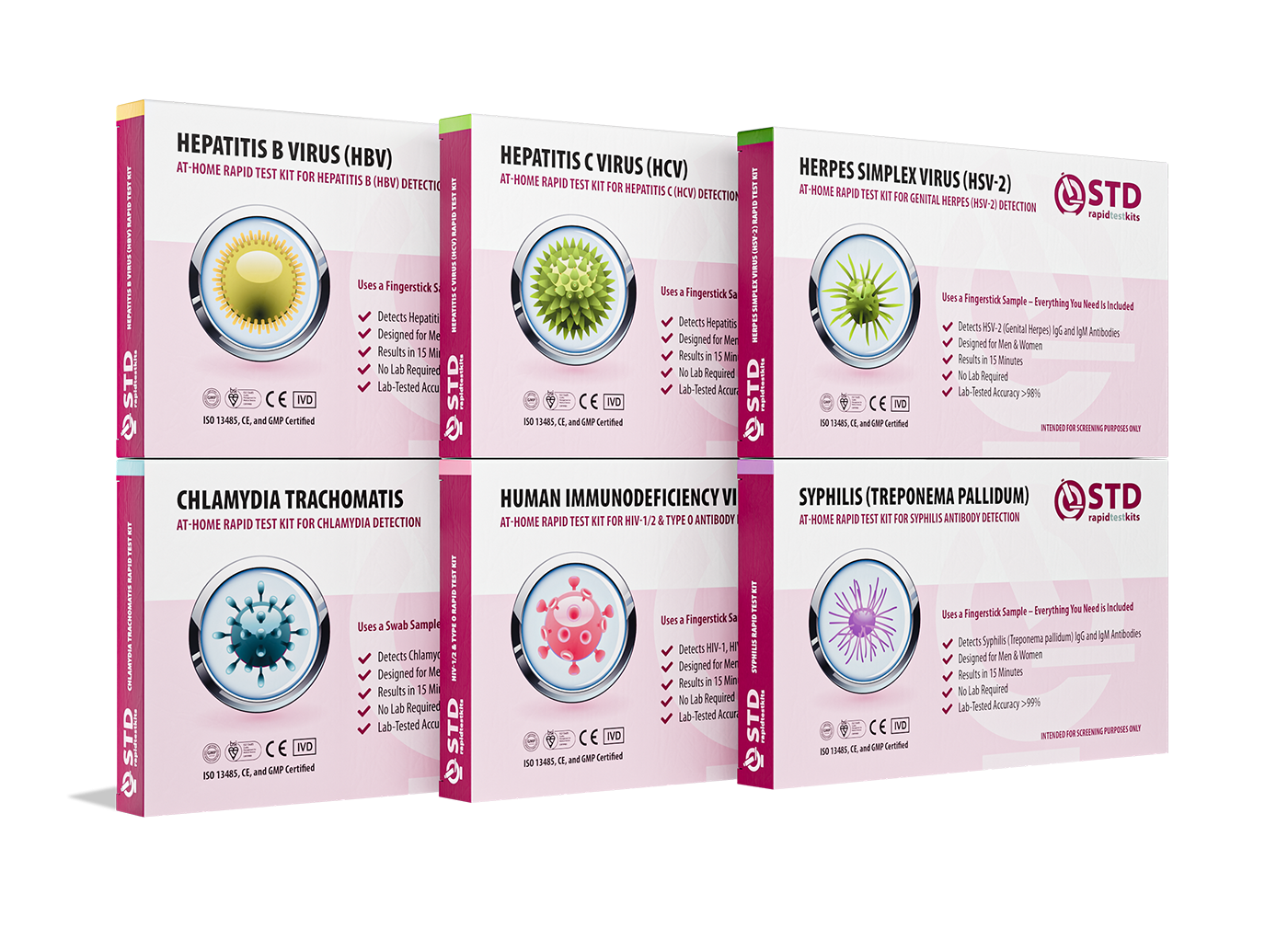
 For Men & Women
 Results in Minutes
 No Lab Needed
 Private & Discreet
Order Now $119.00 $294.00
For all 6 tests
When a Bump Is Worth Getting Tested
Even though many bumps turn out to be harmless, testing can provide peace of mind. A healthcare provider can usually identify an ingrown hair quickly during an exam. If the bump looks suspicious for Herpes, a swab test or blood test can confirm the diagnosis.
Testing is especially helpful if the bump develops into blisters, becomes unusually painful, or appears alongside other symptoms such as fever or swollen lymph nodes.
For people who prefer privacy, discreet home options exist. You can explore testing through the main site at STD Rapid Test Kits, which offers confidential screening options that allow you to check common infections without visiting a clinic.
The goal is not to panic, but to remove uncertainty. Clear answers make everything easier.
Small Details Doctors Look For During Diagnosis
Clinicians rely on a handful of subtle visual clues when examining bumps in the genital area. These details are often invisible to someone glancing quickly in the mirror but become obvious during close inspection.
One of them is texture. Ingrown hairs usually feel hard and are located around a follicle. Herpes sores usually look more fragile, with thin walls that break easily.
The surrounding skin also behaves differently. A small red halo often forms around a single hair follicle when hair grows in. The virus can affect nearby skin cells, which can make herpes outbreaks cause more redness.
These patterns help professionals decide whether a swab test is necessary.
When the Skin Sends Mixed Signals
One of the most frustrating things about bumps in the genital area is that skin does not always follow neat textbook rules. Bodies are messy. A bump might start as an ingrown hair but become irritated from friction. A shaving nick might swell and look alarming for a day or two. Even perfectly healthy follicles can get temporarily inflamed when sweat, tight clothing, or exercise irritates the skin.
That’s why clinicians rarely rely on a single clue when evaluating a bump. Instead, they look at the whole thing: how the bump looks, when it showed up, if it hurts, and how it changes over the course of a few days. A single picture in the mirror doesn't always tell the whole story, but these patterns do.
Imagine two common scenarios.
In the first, someone shaves their bikini line on Sunday. By Tuesday, they notice a red bump exactly where the razor passed. It’s tender if they press on it, maybe with a white tip forming. Over the next few days it either drains or fades away. That pattern fits perfectly with an ingrown hair.
In the second scenario, someone notices tingling or itching in the genital area that seems unusual. Within a day or two several tiny blisters appear close together. Those blisters break open, forming shallow sores that sting against clothing. This pattern raises suspicion for Herpes.
Both situations involve bumps, but the overall story behind them is very different.
People are also reading: I Got a Faint Line on My HIV Test, Then a Negative Later
Common Things That Mimic Both Ingrown Hairs and Herpes
Another reason people become confused is that several harmless skin conditions can imitate either an ingrown hair or an early herpes lesion. Dermatologists regularly see patients who arrive convinced they have a sexually transmitted infection when the real cause is something far less serious.
The genital area contains hundreds of hair follicles, oil glands, and sweat glands. Any of these can become temporarily inflamed. When that happens, the resulting bump may resemble acne or a small blister.
| Condition | What It Looks Like | Why It Gets Confused |
|---|---|---|
| Folliculitis | Small red bumps around hair follicles, sometimes with pus | Similar to ingrown hairs and can appear after shaving |
| Blocked oil glands | Tiny white or yellow bumps | May resemble early herpes blisters |
| Friction irritation | Red inflamed skin with small bumps | Can appear after sex or exercise |
| Sweat gland blockage | Clusters of tiny clear bumps | Sometimes mistaken for herpes blisters |
| Skin cysts | Firm bumps under the skin | Often mistaken for infected follicles |
Seeing this range of possibilities often surprises people. The takeaway is simple: the genital area is full of structures that can create bumps, and most of them are unrelated to sexually transmitted infections.
That said, it’s still wise to pay attention to how the bump behaves over time. Viral lesions like Herpes tend to follow a recognizable pattern, whereas follicle problems usually calm down once irritation fades.
The Pattern Doctors Watch Over the First Week
If a clinician cannot immediately identify the cause of a bump, the next step is usually observation. Skin conditions reveal their identity through change. The first week after a bump appears is often the most informative window.
During that period, doctors watch for specific transformations.
Ingrown hairs generally soften and resolve as the trapped hair finds its way out or the inflammation settles. The bump may shrink, drain slightly, or simply fade. The surrounding skin returns to normal fairly quickly once irritation stops.
Herpes lesions behave differently. The earliest stage often involves itching, burning, or tingling. Then, small blisters filled with clear fluid form. Within a short time those blisters rupture and leave shallow sores. The sores eventually crust over and heal, but the cycle usually takes longer than a simple ingrown hair.
This sequence, tingling, blistering, open sores, healing, is one of the most recognizable patterns in sexual health medicine.
One clinician summarized it to a patient this way: “Ingrown hairs look like pimples. Herpes behaves like blisters that don’t want to stay closed.”
Small Habits That Reduce Ingrown Hairs
While viral infections cannot be prevented through shaving habits, ingrown hairs absolutely can. People who shave their pubic area frequently are much more likely to experience follicle irritation, especially if the hair is thick or curly.
A few simple adjustments dramatically reduce the chance of those bumps appearing in the first place.
Using a clean razor and shaving in the direction of hair growth can prevent hairs from being cut at sharp angles. Allowing the skin to soften in warm water before shaving also helps the blade glide without creating micro-injuries. Many dermatologists recommend avoiding extremely close shaves because they increase the chance that hair will grow back into the skin.
Loose clothing after shaving can also make a difference. Tight fabrics trap sweat and friction against freshly shaved follicles, creating the perfect environment for ingrown hairs to develop.
None of these steps are about hygiene or morality. They are simply mechanical ways to reduce irritation in an area where hair growth and friction naturally collide.
Check Your STD Status in Minutes
Test at Home with Remedium7-in-1 STD Test Kit
 For Men & WomenResults in MinutesNo Lab NeededPrivate & Discreet
Order Now $129.00 $343.00
For all 7 tests
If the Bump Is Still Unclear
Sometimes the skin remains mysterious even after a few days of watching. The bump doesn’t behave exactly like an ingrown hair, but it doesn’t fully resemble a classic herpes outbreak either. When that happens, guessing becomes less useful.
This is the point where testing or a quick clinical evaluation becomes valuable. A healthcare professional can examine the lesion directly and determine whether it needs a swab test. Swabbing a fresh blister can detect the herpes simplex virus with high accuracy.
Testing is not about assuming the worst. It is about removing uncertainty so that someone can move forward with clear information instead of speculation.
Many people who want privacy choose to use STD Rapid Test Kits to find out about discreet options. These let people check for common infections without having to go to the clinic, which can be helpful when anxiety is high and answers are needed right away.
Most importantly, remember that sexual health concerns are extremely common. Doctors, nurses, and sexual health educators discuss bumps like these every single day. What feels frightening or embarrassing in the moment is often routine in clinical practice.
Skin problems happen. Viruses happen. Bodies are human. The goal is not perfection, it’s information.
FAQs
1. “I only see one bump. Does that automatically mean it’s not herpes?” Not automatically, but it does make an ingrown hair more likely. Most Herpes outbreaks behave like a small constellation of blisters rather than a single lonely bump. Think of it this way: herpes usually shows up as several fluid-filled spots that evolve together. An ingrown hair tends to act like a solo pimple. If that one bump stays alone for days and never turns into blisters or open sores, it’s usually just a stubborn hair follicle doing its thing.
2. “How painful is herpes compared to an ingrown hair?”
Pain is one of the biggest clues. Ingrown hairs are annoying, maybe a little tender if you press on them, but they rarely make you wince. Herpes lesions, on the other hand, can feel raw or burning, especially during the first outbreak. People often describe it as “my skin feels irritated all the time,” not just when touched.
3. “I shaved yesterday and now I see a bump. Should I panic?”
Take a breath. The timing alone points strongly toward an ingrown hair or razor irritation. Shaving can bend hairs back into the skin and trigger tiny inflamed follicles within a day or two. Viral infections like Herpes don’t appear immediately after shaving because they’re not caused by the razor in the first place.
4. “What does herpes actually look like as it develops?”
The classic pattern is tiny fluid-filled blisters that appear on red skin. Within a day or two those blisters break open and form shallow sores before eventually healing. The key word here is blisters. Ingrown hairs don’t create delicate fluid bubbles, they behave more like acne bumps.
5. “Can stress or friction cause herpes to appear?”
Stress and friction can sometimes trigger outbreaks in people who already carry the virus. But they don’t create herpes from scratch. That distinction matters. If someone doesn’t have the virus, shaving, tight jeans, or sweaty workouts cannot suddenly produce a herpes infection.
6. “What if the bump has a white head?”
That detail is usually reassuring. If the follicle has a white tip or a pus-filled center, it means that it is inflamed or infected, which is common with ingrown hairs. Instead of thick pus, herpes blisters have clear liquid inside them. They usually break open instead of forming a normal pimple head.
7. “How long should I watch a bump before worrying?”
Give your skin a few days to tell its story. Ingrown hairs usually calm down within about a week, especially if you avoid shaving the area again. Herpes lesions tend to change faster, they blister, rupture, and form sores in a pretty recognizable cycle.
8. “Could it still be herpes even if it doesn’t hurt much?”
It’s possible, but less typical. A lot of herpes outbreaks, especially the first one, are very painful. Later outbreaks can be milder, though, which is why doctors rely on testing if something looks suspicious.
9. “Is squeezing the bump a good idea to see what it is?”
Tempting, but not recommended. Squeezing can push bacteria deeper into the skin and make an ingrown hair angrier. If the bump happens to be herpes, breaking the skin could also irritate the area further. In short: curiosity is understandable, but patience usually wins here.
10. “What’s the best way to get peace of mind if I’m unsure?”
Testing. Not because every bump is dangerous, but because uncertainty can drive you crazy. A quick evaluation from a clinician or a discreet test can give you a clear answer. And honestly, peace of mind is often worth more than the guesswork.
Before You Panic, Here’s the Most Important Thing to Remember
Genital skin is sensitive and reactive. Most bumps people notice turn out to be harmless issues like ingrown hairs, friction irritation, or blocked follicles. Jumping to worst-case scenarios rarely helps and usually increases anxiety.
Being sexually responsible also means knowing about sexually transmitted diseases like herpes. If a bump hurts, acts like a blister, or spreads, you should see a doctor or get tested.
If you want clarity without waiting for a clinic appointment, you can explore discreet testing options through STD Rapid Test Kits. Knowing your status quickly allows you to move forward with confidence instead of uncertainty.
How We Sourced This Article: This guide combines guidance from major public health organizations, dermatology references, and peer-reviewed research on herpes simplex infections and folliculitis. The goal was to translate clinical diagnostic clues into language that everyday readers can use when evaluating common skin symptoms.
Sources
1. Genital Herpes Overview – NHS
2. Genital Herpes Symptoms and Causes – Mayo Clinic
3. Herpes Information – Planned Parenthood
4. Herpes Simplex Virus Fact Sheet – World Health Organization
5. Folliculitis – DermNet New Zealand
6. Pseudofolliculitis (Ingrown Hair) – DermNet New Zealand
7. Genital Herpes – MedlinePlus (U.S. National Library of Medicine)
8. Herpes Simplex Virus (HSV-1 & HSV-2) – Johns Hopkins Medicine
About the Author
Dr. F. David, MD is a board-certified infectious disease specialist focused on STI prevention, diagnosis, and treatment. He combines clinical expertise with a sex-positive, stigma-free approach to help readers make informed decisions about their sexual health.
Reviewed by: Clinical Review Team | Last medically reviewed: March 2026
This article is only for information and should not be taken as medical advice.


