





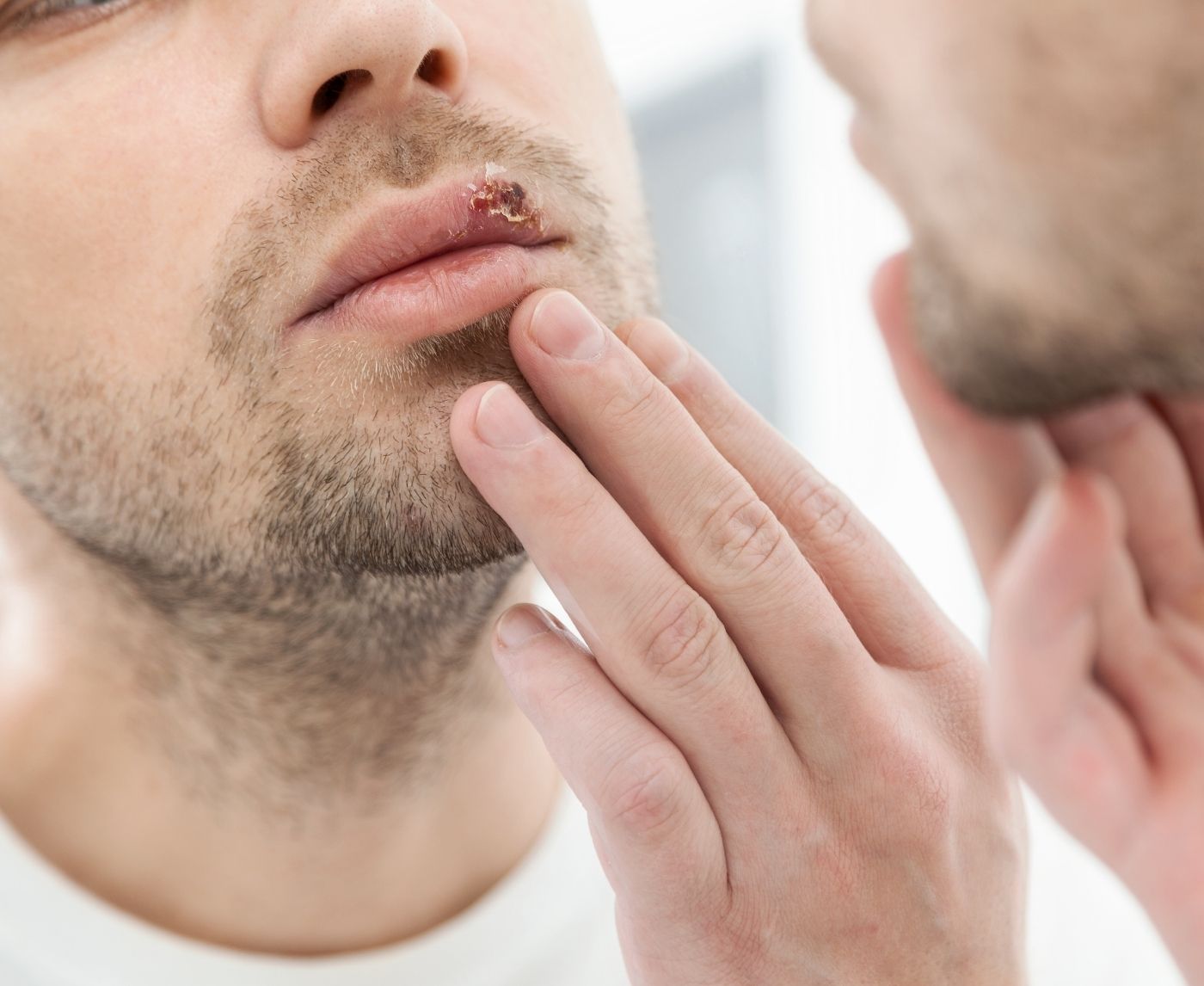

Quick Answer: Razor burn usually appears within hours after shaving and causes scattered red bumps or irritation around hair follicles. Herpes sores typically develop in clusters, often with tingling or burning beforehand, and turn into fluid-filled blisters that break open before healing.
The Bathroom Mirror Panic Moment
A lot of people recognize the scene instantly. You shaved because you wanted to feel clean, confident, maybe even a little bold. Then the next day something feels off, itchy skin, little bumps, maybe redness where the razor passed.
One anonymous patient described it this way during a clinic visit: “I shaved for the first time in months, and the next morning I saw bumps everywhere. I thought I had somehow given myself herpes overnight.”
That kind of panic is incredibly common. Genital skin is delicate. Shaving creates microscopic cuts in the skin barrier, which makes irritation, inflammation, and ingrown hairs much more likely. When those bumps appear in a sensitive place, your mind naturally jumps to the worst-case scenario.
The truth is that razor burn, folliculitis, and ingrown hairs can mimic several symptoms people associate with sexually transmitted infections. They can itch. They can sting. Sometimes they even look like small blisters before settling down.
Understanding the differences between shaving irritation and a herpes outbreak can turn that spiral of worry into something much simpler: a plan.
What Razor Burn Actually Does to Skin
Imagine the skin on your pubic area under a microscope right after shaving. Even if the shave felt smooth, the razor has scraped away the top layer of protective skin cells while slicing through coarse hair follicles.
This process leaves behind thousands of tiny micro-injuries. They are invisible to the eye but large enough for bacteria, sweat, and friction to irritate the area. That irritation is what most people call razor burn.
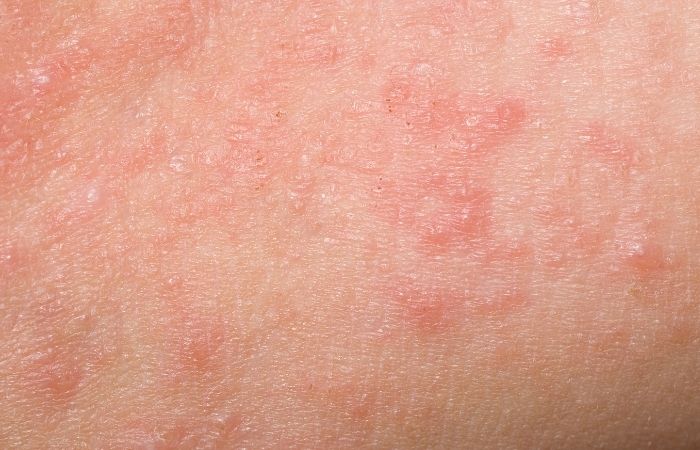
The result usually shows up within a few hours or by the next morning. Skin looks red. Small bumps appear where hairs were cut. Sometimes the bumps contain a tiny hair trapped beneath the surface.
Dermatologists often describe the reaction as follicular inflammation, which means each irritated hair follicle becomes a tiny raised bump. In warm, moist areas like the groin, this reaction can spread quickly after shaving.
For many people, the sensation is more annoying than painful. It may itch slightly or sting when clothing rubs against the skin. But it rarely causes the deep burning pain that people with herpes outbreaks often report.
People are also reading: I Felt Fine, But I Had Chlamydia: Why Silent STDs Are So Common
How Herpes Outbreaks Usually Begin
Herpes outbreaks tend to follow a different pattern entirely. Symptoms don't always show up right away after shaving. They often start with a strange feeling before anything else happens.
People commonly describe tingling, itching, or burning in a small area of skin. This feeling can show up one or two days before sores become visible.
A college student once explained the sensation in a clinic interview like this: “It felt like my skin was buzzing. I kept checking in the mirror because I knew something was coming before I could actually see it.”
Within a day or two, small fluid-filled blisters typically appear in clusters. These blisters can break open, forming shallow sores that eventually crust over and heal.
Shaving irritation usually makes bumps appear all over the shaved area, but herpes lesions usually stay close together in a tight group. They might also show up with other symptoms like swollen lymph nodes, fever, or tiredness during the first outbreak.
This difference in timing and pattern is one of the biggest clues doctors use when evaluating genital bumps.
Side-by-Side Symptom Comparison
When people try to figure out whether they are dealing with razor burn or herpes, they usually start by comparing what they see and feel. The details matter, because subtle differences can reveal what is actually happening beneath the skin.
| Feature | Razor Burn | Herpes |
|---|---|---|
| Timing | Usually appears within hours after shaving | Typically develops 2–12 days after exposure |
| Bump Pattern | Scattered bumps around hair follicles | Clusters of fluid-filled blisters |
| Pain Level | Mild irritation or itching | Often painful or burning |
| Associated Symptoms | Usually none beyond skin irritation | Possible fever, fatigue, swollen glands |
| Healing Time | 2–5 days | 1–3 weeks for full healing |
The timing difference in particular often reveals the answer. If bumps appear the morning after shaving, irritation is the most likely explanation.
Herpes outbreaks rarely appear overnight after grooming. They follow the virus’s incubation period, which means symptoms usually develop days after exposure rather than hours after a razor touches the skin.
The Ingrown Hair Trap
One of the biggest reasons shaving rashes look like herpes is something far less dramatic: ingrown hairs.
After shaving, the sharp end of a cut hair can curl back into the skin. When this happens, the body treats the hair like a foreign object. The surrounding follicle becomes inflamed, creating a red bump that sometimes fills with pus.
From a distance, these bumps can look surprisingly similar to small blisters. Up close, however, they usually have a visible hair trapped beneath the skin or a tiny white head.
Ingrown hairs often appear exactly where shaving occurred. They may follow the direction of hair growth, especially along the bikini line or inner thighs.
Herpes sores behave differently. They usually form clusters of delicate blisters that rupture into shallow ulcers rather than single bumps centered around a hair follicle.
Understanding this difference can prevent a lot of unnecessary fear.
Check Your STD Status in Minutes
Test at Home with Remedium6-in-1 STD Test Kit

 For Men & Women
 Results in Minutes
 No Lab Needed
 Private & Discreet
Order Now $119.00 $294.00
For all 6 tests
When Folliculitis Enters the Picture
Sometimes the bumps after shaving are not just irritation or ingrown hairs. They can also be folliculitis, which is a mild infection of hair follicles.
This condition occurs when bacteria enter the tiny openings left behind by shaving. It can happen more often when it's hot, when your clothes are tight, and when you sweat.
Folliculitis makes red or white bumps that can look like acne. People often mix them up with herpes because they come in groups.
The key difference lies in the center of the bump. Folliculitis bumps almost always sit directly on hair follicles, while herpes blisters form independently of hair growth.
| Condition | Typical Cause | Appearance | Healing Time |
|---|---|---|---|
| Razor Burn | Skin irritation from shaving | Red, irritated bumps | 2–3 days |
| Ingrown Hair | Hair trapped beneath skin | Single inflamed bump with hair visible | Several days |
| Folliculitis | Bacterial infection of hair follicles | Pimple-like bumps around follicles | 3–7 days |
| Herpes | HSV infection | Clustered blisters that break into sores | 1–3 weeks |
For many people, this table explains what their skin is doing far more accurately than a late-night internet search ever could.
How Timing Can Reveal the Real Cause
Doctors often ask one simple question when evaluating genital bumps: when did they appear?
Timing tells a powerful story. Razor burn almost always appears quickly, often within twelve hours after shaving. The skin reacts immediately to friction and microscopic cuts.
Herpes outbreaks follow a different timeline. After exposure, the virus typically incubates quietly for several days before symptoms begin.
A patient once described shaving on Friday, noticing bumps Saturday morning, and assuming the worst. When clinicians looked closer, the pattern matched classic razor burn perfectly. The irritation faded within two days.
If bumps appear right after grooming, irritation is far more likely than an infection acquired days earlier.
Still, timing alone is not a perfect diagnostic tool. Testing can help ease your mind when symptoms last longer than you thought they would.
When Testing Actually Makes Sense
Even when bumps appear after shaving, there are situations where testing can still be a smart step. This is especially true if symptoms do not improve or if new symptoms appear.
If blisters form instead of simple bumps, or if the area becomes very painful, medical evaluation becomes more important. Persistent sores that take more than two weeks to heal deserve attention regardless of the cause.
Testing can also be useful when someone recently had new sexual contact and wants certainty rather than guesswork.
For readers who prefer privacy, at-home options make that process simpler than ever. Discreet kits from STD Rapid Test Kits allow people to check for several infections without scheduling a clinic appointment or sitting in a waiting room.
For example, the Herpes Rapid Test Kit can provide quick results in a private setting. Many people choose this route simply because waiting and worrying is harder than testing.
The goal is not to panic. The goal is clarity.
People are also reading: Can You Have HPV With No Symptoms
What Helps Razor Burn Heal Faster
If shaving irritation is the likely culprit, the best treatment is often surprisingly simple: give the skin time to recover.
Warm showers can soothe inflammation, while loose clothing reduces friction against sensitive skin. Gentle moisturizing lotions can also calm irritation as the skin barrier repairs itself.
Most razor burn improves within a few days. Ingrown hairs may take slightly longer but usually resolve without medical treatment.
One dermatologist describes the process this way: “Skin is incredibly resilient. Once the irritation stops, healing begins almost immediately.”
Sometimes the hardest part is resisting the urge to shave again too soon. Giving the skin a break allows follicles to settle down before the next grooming session.
Before You Panic, Look at the Pattern
When bumps appear in a sensitive area, fear tends to fill the silence before facts arrive. It is a natural reaction. Sexual health carries a lot of stigma and uncertainty, even for people who take care of their bodies.
But the pattern of symptoms often tells the truth long before a diagnosis does. Razor burn appears quickly after shaving. Ingrown hairs center around follicles. Folliculitis behaves like small pimples.
Herpes outbreaks follow a different rhythm entirely. They cluster, evolve into blisters, and take longer to heal.
If something on your skin feels confusing or concerning, you deserve clear answers rather than anxiety. Testing, observation, and professional guidance can replace panic with understanding.
And sometimes the answer is far simpler than your first Google search suggested.
Why Pubic Hair Shaving Triggers So Many False Alarms
Pubic hair is thicker than the hair on most other parts of the body. That thickness matters more than people realize. When a razor cuts through coarse hair at skin level, it leaves behind sharp little edges that can curl back into the skin or irritate the follicle.
Now imagine that happening hundreds of times in one small area. Every hair follicle becomes a potential site for inflammation. Add sweat, tight underwear, and normal daily friction, and the skin suddenly has a lot to react to.
A sexual health nurse once described it in simple terms during a consultation. “Shaving the pubic area is like mowing a lawn with sensitive soil underneath. Most of the time it grows back fine. Sometimes the ground gets irritated.”
This irritation can appear as red bumps, tiny whiteheads, or patches of inflamed skin. The reaction is usually temporary, but when it shows up in such a sensitive area it can trigger immediate fear.
That’s why so many people jump straight to worrying about Herpes or another STD. The location alone can make even harmless skin reactions feel suspicious.
Check Your STD Status in Minutes
Test at Home with Remedium7-in-1 STD Test Kit
 For Men & WomenResults in MinutesNo Lab NeededPrivate & Discreet
Order Now $129.00 $343.00
For all 7 tests
The Emotional Spiral That Happens After a Google Search
The internet is amazing at delivering information. It is also very good at escalating fear when someone is already worried. A person sees a bump, types “genital bumps after shaving,” and within seconds finds themselves staring at pages about sexually transmitted infections.
Suddenly every symptom seems to match. The bumps feel itchier. The redness looks worse in the mirror. Even normal skin sensations start to feel suspicious.
A patient once joked during a clinic visit, “Google convinced me I had four different STDs and skin cancer before lunch.” That kind of spiral happens because online symptom lists often describe many conditions at once.
What those lists rarely explain is context. Timing matters. Patterns matter. The history of shaving, friction, or irritated follicles often explains far more than a single symptom ever could.
When doctors evaluate genital bumps, they look at the full story rather than a single detail. That bigger picture usually reveals something far less dramatic than a late-night search suggested.
What Doctors Usually Notice First
When someone walks into a clinic worried about genital bumps, the first thing many clinicians do is simply observe the pattern on the skin. That pattern tells a story long before laboratory testing begins.
Razor burn tends to follow the path of the razor. If the bumps appear exactly where hair was shaved, irritation becomes the most likely explanation. Folliculitis also follows hair follicles closely, creating small bumps that resemble acne.
Herpes lesions behave differently. They tend to form in small clusters that do not follow the direction of hair growth. The blisters also evolve in stages, starting as tiny fluid-filled bubbles before breaking open and healing.
A clinician once explained it this way to a nervous patient: “Skin irritation looks chaotic. Herpes looks organized.” That simple observation often helps people understand what they are seeing on their own skin.
Sometimes reassurance is all someone needs. Other times, testing provides the final answer. Either way, the goal is the same: replacing uncertainty with clarity.
FAQs
1. I shaved yesterday and woke up with bumps today. Did I give myself herpes somehow?
Almost certainly not. Herpes doesn’t appear overnight from shaving. Razor burn and irritated follicles, on the other hand, love to show up the morning after a shave. If the bumps popped up within hours of grooming and sit around hair follicles, you’re most likely dealing with irritated skin, not an STI.
2. What does razor burn actually feel like down there?
Most people describe it as itchy, slightly stingy, or just plain annoying. Think of the feeling you get when fabric rubs against freshly shaved skin. It might look dramatic in the mirror, red bumps, scattered irritation, but the sensation itself is usually mild compared with the deeper burning pain many people report during a Herpes outbreak.
3. What’s the biggest visual difference between herpes and shaving bumps?
Pattern. Razor burn tends to look messy and scattered, like tiny irritated dots wherever the razor passed. Herpes tends to organize itself into clusters. Imagine several small blisters grouped together in the same spot, almost like a tiny constellation on the skin.
4. Can ingrown hairs really look that scary?
Unfortunately, yes. An ingrown hair can swell into a red bump that looks dramatic enough to send anyone straight to Google. Sometimes there’s even a small white tip that resembles a blister. The giveaway is the hair follicle in the center. If you look closely and see a hair trapped under the skin, that bump is probably an ingrown hair staging a tiny rebellion.
5. How long should shaving irritation last?
Usually just a few days. Most razor burn goes away in 48 to 72 hours after the skin calms down. If bumps last more than a week, spread, or turn into painful sores, you should pay more attention or see a doctor.
6. Can shaving trigger a herpes outbreak?
If someone already carries the herpes virus, irritation from shaving can occasionally wake the virus up and trigger an outbreak. It doesn’t create herpes out of nowhere, but the friction can sometimes irritate nerves where the virus lives. Think of it as ringing a doorbell that was already installed, not installing the doorbell itself.
7. What if I genuinely can’t tell the difference?
That happens more often than people admit. Genital skin can be tricky, especially when anxiety is running the show. If bumps change into fluid-filled blisters, become painful, or stick around longer than expected, testing removes the guesswork. Many people find that getting a clear result is far less stressful than staring at the mirror and wondering.
8. Are genital bumps actually common after shaving?
Extremely common. Dermatologists see them constantly. The combination of thick hair, friction from clothing, sweat, and delicate skin means the pubic area is basically the perfect environment for irritation and ingrown hairs after shaving.
9. When should I actually worry?
Worry is rarely the helpful emotion here, but paying attention is useful. If bumps turn into open sores, become very painful, or last longer than two weeks, it’s smart to talk to a healthcare provider or use a reliable test. Persistent symptoms deserve clarity.
10. What’s the healthiest mindset to have when something weird shows up on your skin?
Curiosity beats panic every time. Bodies are complicated, and skin reacts to all kinds of normal things, shaving, friction, sweat, new soaps, even stress. Most bumps turn out to be harmless irritation. But if something doesn’t feel right, getting answers is an act of care for yourself and your partners.
You Deserve Answers, Not Anxiety
Finding strange bumps on your skin can make you scared right away, especially if you look them up online and find the worst-case scenarios right away. The truth is that a lot of genital rashes are just skin that is irritated from shaving, rubbing, or ingrown hairs.
If you want certainty rather than speculation, testing is one of the simplest ways to get it. Visit STD Rapid Test Kits to explore discreet at-home testing options designed to give clear answers quickly and privately.
How We Sourced This Article: This guide was written using current medical guidance from major public health organizations and dermatology references on genital skin conditions. We reviewed clinical information about Herpes, folliculitis, ingrown hairs, and shaving-related irritation from sources such as the Centers for Disease Control and Prevention, the World Health Organization, the Mayo Clinic, the NHS, and Cleveland Clinic. These sources were combined with real-world symptom patterns reported in sexual health clinics to explain how shaving irritation can resemble sexually transmitted infections.
Sources
2. World Health Organization – Herpes Simplex Virus (HSV) Fact Sheet
3. Mayo Clinic – Folliculitis: Symptoms & Causes
4. Mayo Clinic – Ingrown Hair: Symptoms & Causes
6. Cleveland Clinic – Ingrown Hair: Causes, Treatment & Prevention
About the Author
Dr. F. David, MD is a board-certified infectious disease specialist focused on STI prevention, diagnosis, and treatment. He blends clinical precision with a sex-positive approach designed to empower readers with clear, stigma-free health information.
Reviewed by: Medical Review Team | Last medically reviewed: March 2026
This article is meant to give you information, not medical advice.


