







Quick Answer: The latest U.S. surveillance data show that delayed and inconsistent STD testing, especially among people without symptoms, is widening the STI testing gap. At-home testing can help close that gap by improving access, privacy, and timing after exposure.
What the Surveillance Data Actually Show
The published analysis draws from national and regional reporting systems that track laboratory-confirmed infections across the United States. Over the past decade, rates of several STIs have increased, with particularly sharp rises in certain populations. The pattern is not simply about sexual behavior. It is about detection. When infections spread without symptoms, people often delay testing. When testing is delayed, diagnosis happens later. When diagnosis happens later, transmission continues.
According to CDC surveillance summaries, many infections are asymptomatic, especially chlamydia in women and gonorrhea in the throat or rectum. That means someone can transmit an infection without discharge, without pain, without anything obvious to prompt a clinic visit. The research underscores that asymptomatic transmission is a major driver of sustained infection rates. The testing gap widens precisely because people do not feel sick.
Picture this. Someone has a new partner. The sex was consensual, maybe spontaneous, maybe a little impulsive. A condom was used for intercourse but not for oral sex. A week later, there are no symptoms. Two weeks later, still nothing. Life moves on. The person tells themselves it was probably fine. Meanwhile, if exposure did occur, that infection could be incubating quietly.
The surveillance findings reflect thousands of stories like that, multiplied across cities and counties.
| Factor | How It Expands the Gap | Public Health Impact |
|---|---|---|
| Asymptomatic infections | Individuals delay testing because no symptoms prompt care | Continued transmission before diagnosis |
| Testing too early after exposure | False reassurance from negative results during window period | Missed cases and ongoing spread |
| Limited clinic access | Appointment delays, cost barriers, stigma | Lower testing frequency in high-risk groups |
| Inconsistent retesting | Failure to test again after treatment or new exposure | Reinfection and untreated recurrence |
The table does not tell a moral story. It tells a logistical one. The testing gap grows when timing and access do not align with real life.
Why Timing Is the Quiet Variable Most People Miss
One of the most misunderstood pieces of STD testing is the window period. The window period is the time between exposure and when a test can reliably detect infection. It is not the same as incubation, which refers to when symptoms may appear. You can be contagious during the window period even if your test is negative.
Medical guidance from sources such as the World Health Organization and clinical references like the Mayo Clinic emphasize that testing too soon after exposure can produce false negatives. This is one reason the STI testing gap widens. People test at day three or four, receive a negative result, and assume they are clear. They do not retest at the optimal time.
Imagine someone who had a condom break during sex. They panic the next morning and order a rapid test. It arrives quickly. They test on day five. The result is negative. Relief floods in. But for infections like chlamydia or gonorrhea, detection is typically more reliable closer to the two-week mark. Without retesting, that early negative may not tell the full story.
| Infection | Common Test Type | Approximate Window Period | Optimal Testing Time |
|---|---|---|---|
| Chlamydia | NAAT (urine or swab) | 7–14 days | 14 days after exposure |
| Gonorrhea | NAAT (urine or swab) | 7–14 days | 14 days after exposure |
| Syphilis | Blood antibody test | 3–6 weeks | 6 weeks after exposure |
| HIV | Antigen/antibody test | 2–6 weeks | 6 weeks or later for most screenings |
| Trichomoniasis | NAAT or rapid antigen | 5–28 days | 2–4 weeks after exposure |
Testing earlier is sometimes appropriate, especially if symptoms appear. But a single negative result during the window period should not be treated as definitive. The surveillance study indirectly reflects how misunderstanding this timing contributes to underdiagnosis.

People are also reading: What Happens After You Send an Anonymous STD Notification?
Rapid Tests, Lab Tests, and the Real-World Tradeoffs
When researchers describe a widening STI testing gap, they are not only talking about whether people test. They are also talking about how and when they test. The type of test someone chooses can influence whether infection is caught early, detected late, or missed during the window period. In everyday life, those decisions rarely feel clinical. They feel urgent, private, and sometimes emotional.
Picture someone sitting in their car outside a pharmacy, heart racing after an exposure scare. They want answers now. They do not want to schedule an appointment, sit in a waiting room, or explain their situation to a receptionist. A rapid at-home test feels immediate and contained. It offers control. That matters more than most public health models account for.
The best way to find infections like chlamydia and gonorrhea is still through laboratory testing, especially nucleic acid amplification testing. The CDC STI Treatment Guidelines say that NAAT methods are very accurate and sensitive when done after the right amount of time has passed. Blood tests for HIV and syphilis that look for antigens and antibodies also work well as tests once antibodies or viral markers can be found.
But high sensitivity on paper does not automatically translate into early diagnosis in real life. If someone delays testing for six weeks because of stigma, cost, or scheduling barriers, even the most accurate test does not close the gap quickly. Accessibility and timing are as important as laboratory precision.
| Testing Method | Turnaround Time | Accuracy After Window Period | Access & Privacy | Best Use Case |
|---|---|---|---|---|
| At-Home Rapid Test | Results in minutes | Moderate to high when used at optimal timing | High privacy, no clinic visit required | Immediate reassurance or early screening |
| Mail-In Lab Kit | Several days including shipping | High when sample collected correctly | Discreet but requires mailing sample | Lab-level confirmation without clinic |
| In-Clinic Laboratory Test | Same day to several days | Very high after window period | Lower privacy, appointment required | Persistent symptoms or confirmatory care |
No option is universally superior. The right test is the one that aligns with exposure timing and the person’s ability to actually follow through. For some, that means an at-home rapid test at day fourteen for peace of mind. For others, it means a clinic visit after symptoms appear. The key lesson from the surveillance data is not that people choose the wrong test. It is that many people wait too long, test too early, or never test at all.
Check Your STD Status in Minutes
Test at Home with Remedium7-in-1 STD Test Kit
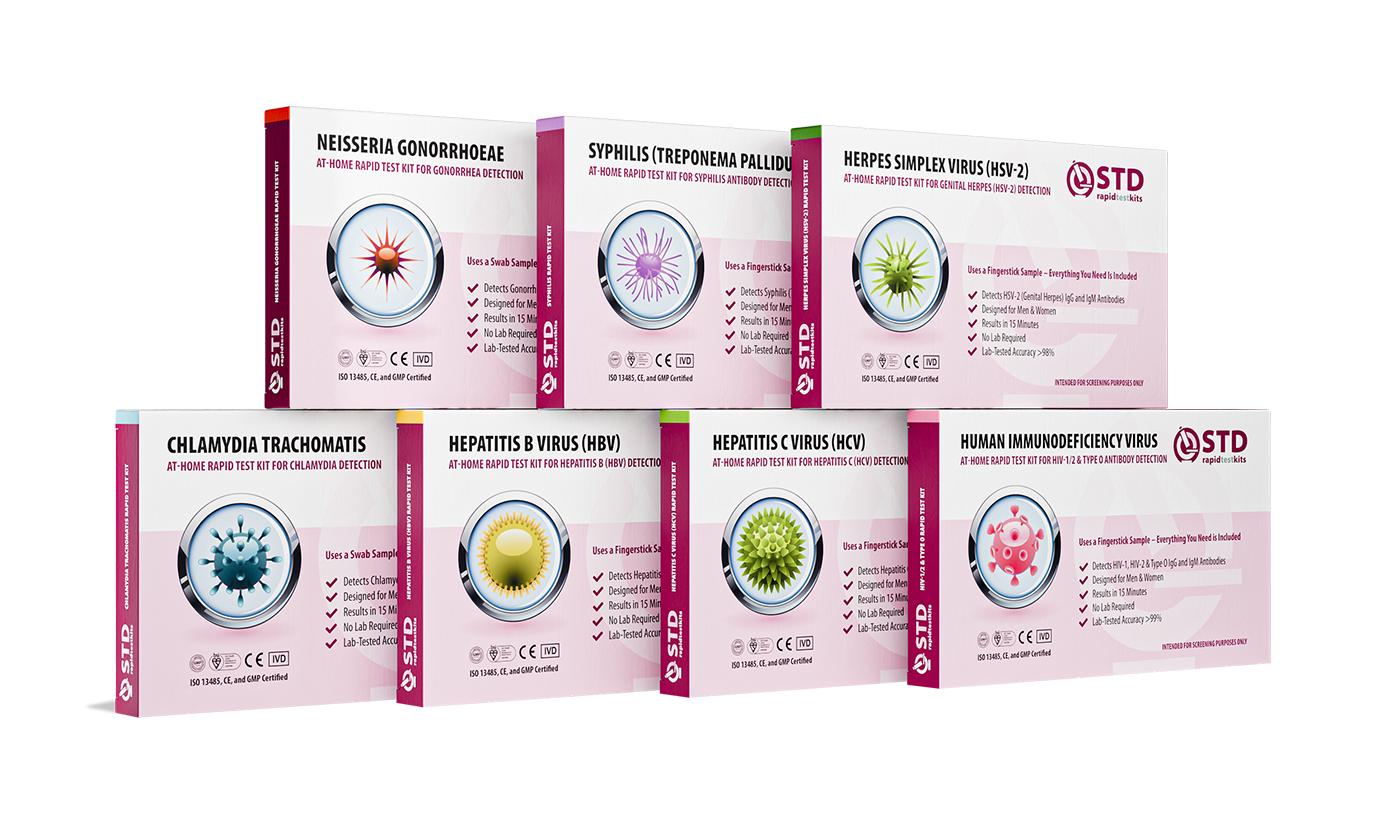
 For Men & Women
 Results in Minutes
 No Lab Needed
 Private & Discreet
Order Now $129.00 $343.00
For all 7 tests
Access, Privacy, and the Psychology of Delay
The research underscores structural barriers that contribute to delayed STD testing. Clinics may have limited hours. Insurance coverage may be confusing. Some communities have experienced clinic closures, especially in rural areas. Even in cities, stigma remains powerful. Walking into a sexual health clinic can feel like a public declaration, even though it should not.
Consider someone in a small town where everyone knows each other. They recognize the nurse at the only clinic. They imagine running into a coworker in the hallway. That anxiety alone can delay testing for weeks. During that time, if infection is present, it may spread to partners who also feel fine and therefore do not test.
At-home STD testing changes the psychological equation. It shifts testing from a public setting to a private one. The packaging is discreet. The decision happens in a bedroom or bathroom, not a waiting room. That shift does not replace clinical care when it is needed, but it reduces one layer of friction that widens the testing gap.
Access also intersects with timing. When someone can order a test online immediately after exposure and plan to use it at the optimal window period, they are more likely to test at the right time instead of abandoning the idea altogether. In this way, at-home testing supports more accurate timing rather than simply faster testing.
When to Test After Exposure: A Practical Timeline
The surveillance data tell us that delayed diagnosis fuels transmission. The solution is not panic testing the next morning. It is strategic testing based on window periods, symptoms, and ongoing risk. If exposure occurred within the last few days, it may be too early for many infections to register on a test. That does not mean you should ignore the situation. It means you should plan your testing window.
If it has been one to two weeks since exposure and there are no symptoms, testing for infections like chlamydia and gonorrhea becomes more reliable. If symptoms such as discharge, burning during urination, sores, or unusual bleeding appear at any time, earlier testing is appropriate. For infections like syphilis or HIV, blood-based testing may require waiting several weeks for optimal accuracy, even if anxiety pushes you to test sooner.
Imagine someone who marks a calendar date. Fourteen days after exposure, they take an at-home test. Six weeks after exposure, they follow up with a blood test if the risk involved syphilis or HIV. That layered approach respects both emotional urgency and biological reality. It closes the testing gap more effectively than a single early test taken in panic.
Testing is not a confession. It is maintenance. It is how adults take care of their bodies and their partners. The surveillance study reinforces that consistent, well-timed testing interrupts chains of transmission. The earlier infection is identified within its detectable window, the sooner treatment can begin and the fewer people are unknowingly exposed.
People are also reading: You Tested Negative for Hepatitis B. Here’s Why That Might Be Wrong
What Happens If You Test Positive
A positive result can feel like a punch to the chest. Even people who intellectually understand how common STIs are still experience a surge of shame or fear. Take a breath. Most bacterial STIs, including chlamydia and gonorrhea, are treatable with antibiotics. Early treatment reduces complications and lowers the chance of passing infection to others.
Guidelines from the CDC recommend prompt treatment and partner notification to prevent reinfection. That conversation can be uncomfortable, but it is also an act of care. Many people find that once the message is sent, the dread lifts. Silence is heavier than honesty.
If a rapid test is positive, confirmatory testing may be recommended depending on the infection and context. Follow-up care ensures that treatment is appropriate and that reinfection is avoided. The important thing is that a positive result ends uncertainty. It moves you from guessing to acting.
The Cost of Waiting Feels Small, Until It Isn’t
Most testing delays don’t feel dramatic in the moment. They feel rational. “I’ll wait a few more days.” “I’ll test if something shows up.” “It was probably low risk.” That internal negotiation is incredibly common. The problem is that biology doesn’t negotiate back.
An untreated infection doesn’t send reminder notifications. It doesn’t politely escalate. It continues quietly. For some infections, especially chlamydia and gonorrhea, weeks can pass without obvious signs. In that time, inflammation may develop. Partners may be exposed. The person carrying it may honestly believe everything is fine.
This is what the surveillance data really reveal beneath the charts. Not recklessness. Not irresponsibility. Just delay. And delay compounds. One missed window becomes a month. One month becomes a new partner. That’s how the testing gap widens, not through scandal, but through silence.
The fix is rarely dramatic either. It’s a calendar reminder. It’s understanding window periods instead of guessing. It’s choosing to test even when you feel normal. Small decisions, made at the right time, prevent larger consequences later.
Check Your STD Status in Minutes
Test at Home with Remedium6-in-1 STD Test Kit
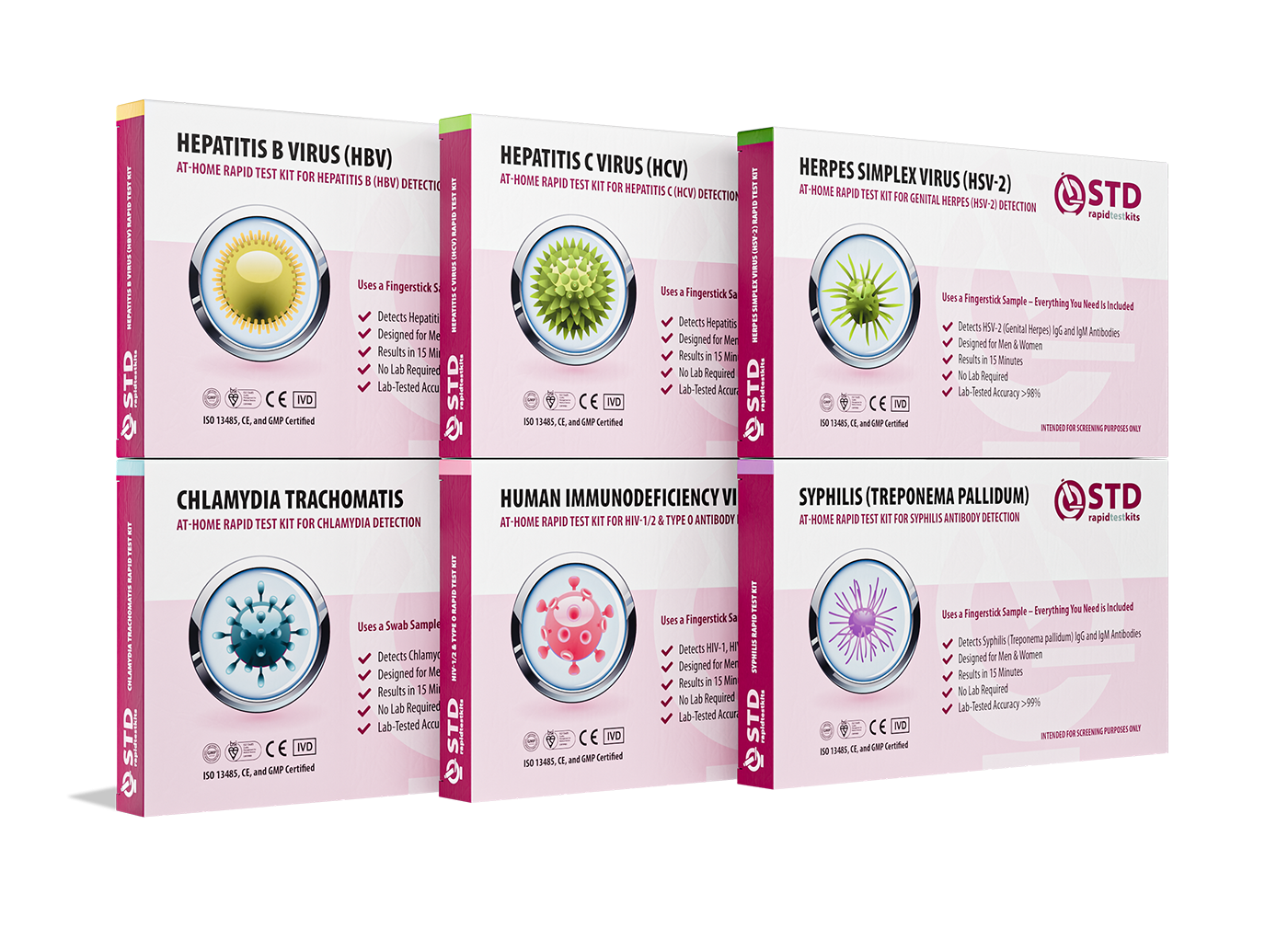 For Men & WomenResults in MinutesNo Lab NeededPrivate & Discreet
Order Now $119.00 $294.00
For all 6 tests
Closing the Gap Starts With One Person
Public health conversations often feel distant. They talk about trends, rates, percentages. But infections don’t spread statistically. They spread between people who assume they’re okay.
Imagine someone finishing a first date that turned into something more. It was consensual. It was fun. It might even turn into something meaningful. The next morning, there’s no regret, just a flicker of “Should I test?” That question matters more than any national chart.
Closing the STI testing gap does not require perfection. It requires intention. It requires understanding that being asymptomatic does not mean being uninfected. It requires recognizing that testing too early can mislead, and testing at the right time empowers.
At-home testing exists because real life is complicated. Work schedules are tight. Clinics close early. Privacy matters. When someone can test discreetly, on their own timeline, aligned with proper window periods, follow-through improves. And when follow-through improves, infections are caught earlier. That’s not abstract policy. That’s personal responsibility in action.
It doesn’t take a public health campaign to make a difference. It takes one person choosing clarity over assumption.
FAQs
1. “I feel completely fine. Do I really need to test?”
I’m going to say this gently but clearly: feeling fine does not equal being infection-free. Many STIs, especially chlamydia and gonorrhea, are famously quiet. No burning. No discharge. No dramatic movie-scene symptoms. Just silence. And silence is exactly how infections keep circulating. Testing when you feel fine isn’t paranoid. It’s proactive.
2. “If my test was negative at five days, can I relax?”
Maybe emotionally, yes. Biologically, not quite yet. Five days after exposure is often too early for certain infections to show up on a test. That early negative can feel like a green light, but it might just be a snapshot taken before the infection was detectable. A follow-up at the recommended window period gives you real confidence instead of temporary relief.
3. “Is it overkill to test twice?”
Not if timing calls for it. Think of it like taking a pregnancy test before a missed period. You can do it, but accuracy improves with time. Strategic retesting isn't about getting more and more anxious; it's about knowing how your body works and making choices that are in line with that.
4. “What if I’m embarrassed to order an at-home test?”
You’re human. Shame is loud in sexual health conversations. But here’s the truth: ordering a test is quieter than sitting in a clinic waiting room worrying someone you know might walk in. The box arrives discreetly. No neon labels. No announcements. Just healthcare delivered like any other product. You deserve privacy without apology.
5. “Do rising STI rates mean people are being reckless?”
Not necessarily. Surveillance data show that asymptomatic transmission and delayed diagnosis play a huge role. Many people who test positive genuinely had no idea. The issue is often timing and access, not recklessness. Blame doesn’t stop infections. Testing does.
6. “What if I test positive? Is my sex life over?”
Absolutely not. Most bacterial STIs are treatable. Even viral infections are manageable with medical care. A positive result is information, not a verdict on your worth or your future intimacy. Plenty of people date, love, and have fulfilling sex lives after diagnosis. Treatment and communication change the equation, not desire.
7. “Should I tell my partner even if I’m not sure when I got it?”
Yes. And that conversation does not have to be dramatic. It can be simple: “Hey, I tested positive for something routine and treatable. You should get tested too.” You are not confessing to a crime. You are sharing health information. That’s maturity, not guilt.
8. “Why does timing matter so much?”
Because biology doesn’t care about our anxiety. Tests detect infections only after certain markers are present in the body. Testing too early can create false reassurance. Testing too late can extend transmission. Hitting the right window closes the gap the surveillance study warned about.
9. “How often should I test if I’m sexually active?”
That depends on your risk level and number of partners, but many public health guidelines recommend at least annual testing for sexually active adults, and more frequently for those with new or multiple partners. If your dating life is active, your testing life should keep pace. It’s maintenance, not drama.
10. “Is at-home testing replacing clinics?”
No. It’s expanding access. Clinics remain essential, especially for symptoms, complications, or confirmatory testing. At-home testing simply removes barriers that keep people from testing at all. When access improves, detection improves. And when detection improves, the testing gap narrows.
You Deserve Answers, Not Assumptions
The widening STI testing gap isn’t just about national data. It’s about the quiet space between exposure and action. It’s about telling yourself you’re probably fine because nothing hurts, or testing too early and assuming a negative means you’re clear.
You deserve more than just guessing. You deserve testing that’s timed correctly, results you can trust, and privacy that makes follow-through easier. Whether that means marking your calendar for the right window period or choosing an at-home test you’ll actually use, the goal is simple: replace anxiety with clarity.
No panic. No shame. Just information, handled responsibly. Because when it comes to your health, assumptions aren’t enough. Answers are.
How We Sourced This Article: We reviewed the peer-reviewed surveillance analysis published in PubMed Central alongside national surveillance summaries from the Centers for Disease Control and Prevention and global STI guidance from the World Health Organization. We also consulted clinical references on STD testing accuracy and window periods to translate population-level findings into practical, at-home testing guidance.
Sources
1. Sexually Transmitted Infection Surveillance Analysis (PubMed Central)
2. Reports from the CDC on sexually transmitted diseases
3. CDC Recommendations for STI Treatment
4. Fact Sheet on STIs from the World Health Organization
5. An Overview of STD Testing at the Mayo Clinic
6. Planned Parenthood: Getting Tested for STDs
About the Author
Dr. F. David, MDis a board-certified expert in infectious diseases who works to stop, diagnose, and treat STIs. He combines clinical precision with a sex-positive, stigma-aware approach to sexual health education, emphasizing access, timing, and evidence-based care.
Reviewed by: Amanda K. Lewis, MPH | Last medically reviewed: February 2026
You shouldn't use this article as medical advice; it's just for information.


