






Quick Answer: Heat and humidity can reduce STD rapid test accuracy if the kit is stored outside its recommended temperature range, typically 36°F to 86°F (2°C to 30°C). Brief exposure may not ruin the test, but prolonged heat, freezing, or moisture can damage reagents and increase the risk of false results.
This Isn’t Just About Storage, It’s About Accuracy
STD test kits that you can use at home aren't just plastic things with a line that appears to be magic. There are chemicals in that cassette that are carefully set up to react with certain proteins, antibodies, or DNA. These reactions are very touchy. To do their jobs, they need stable conditions like temperature and humidity.
Most rapid STD tests use what’s called lateral flow technology. It’s similar to how pregnancy tests work. A liquid sample moves across a strip that contains reactive compounds. If the target infection marker is present, it binds and produces a visible line. That line only forms correctly if the chemistry inside the strip is intact.
When you leave a test in extreme heat, those compounds can degrade. Think of it like leaving milk on the counter. It might not instantly spoil, but prolonged exposure changes it. The same principle applies here. Heat accelerates chemical breakdown. Humidity introduces moisture that can interfere with how the strip absorbs and migrates fluid.
And here’s where it gets real: damaged reagents don’t always cause obvious failure. Sometimes the test still “runs.” Sometimes you still get a line. The danger isn’t always a blank cassette. It’s a false sense of security.
What the Temperature Range Really Means
If you read the fine print inside most at-home STD test kits, you’ll see a storage range listed. Usually it falls somewhere between 36°F and 86°F. That range isn’t random. It reflects the window in which the chemical components remain stable and reliable.
Below is a general guide to how temperature exposure can affect rapid STD tests. Different manufacturers have different exact tolerances, but the science behind chemical stability stays the same.
| Temperature Range | Duration of Exposure | Potential Impact on Test Accuracy |
|---|---|---|
| 36°F–86°F (2°C–30°C) | Continuous storage | Optimal stability and reliable performance |
| 87°F–104°F (31°C–40°C) | Short-term (under 24 hours) | Possible minor degradation; usually still functional |
| Above 104°F (40°C+) | Several hours to days | Increased risk of reagent breakdown and false results |
| Below 32°F (0°C) | Any significant duration | Freezing may permanently damage test components |
That hot car scenario? Interior vehicle temperatures can exceed 130°F in summer. That’s well above recommended storage limits. A brief spike might not guarantee failure, but sustained exposure absolutely increases risk.
Humidity complicates things further. Rapid tests are sealed with desiccant packets to absorb moisture. Once that seal is compromised, or if humidity penetrates during prolonged storage, the strip can absorb ambient moisture before you ever apply your sample. That changes how fluid flows across the membrane and may interfere with line development.
People are also reading: Spotting, Burning, or Nothing? What Chlamydia Feels Like for Real
Heat vs. Humidity: They Don’t Damage Tests the Same Way
Heat primarily accelerates chemical degradation. Proteins denature. Antibodies lose structure. Reactive compounds become less responsive. This often leads to decreased sensitivity, meaning the test might miss low levels of infection markers. In plain language: a higher chance of a false negative.
Humidity is sneakier. Moisture can pre-activate or partially disrupt the strip before use. Imagine a paper towel that’s already damp. It won’t absorb liquid the same way. A humid environment can cause uneven migration or faint lines that are harder to interpret.
One woman I’ll call Maya ordered a test after a weekend hookup. She stored it in her bathroom cabinet for a week. “I didn’t even think about the shower steam,” she told me later. Her test came back negative, but persistent symptoms pushed her to retest with a fresh kit stored properly. The second result was positive for Chlamydia. The first kit hadn’t visibly failed, but it likely wasn’t performing at peak sensitivity.
That’s the risk we’re talking about. Not dramatic explosions. Quiet inaccuracy.
When Should You Toss It and Start Over?
Not every warm box is ruined. But some situations should prompt you to retest with a new kit, especially if your result was negative and symptoms persist.
| Scenario | Result Obtained | Recommended Action |
|---|---|---|
| Left in hot car for several hours (100°F+) | Negative | Retest with new kit stored properly |
| Stored in steamy bathroom for weeks | Negative | Consider retesting if any symptoms or recent exposure |
| Brief mailbox heat exposure (under 6 hours) | Negative | Likely acceptable; retest if anxious or symptomatic |
| Test visibly damaged, warped, or desiccant saturated | Any result | Discard and replace immediately |
If your result was positive, temperature exposure is less likely to create a false positive than a false negative. Still, confirmatory testing is always recommended, especially for infections like HIV or Syphilis. A fresh kit or lab confirmation provides peace of mind and medical clarity.
If your result was negative but you still feel something isn’t right, burning, discharge, sores, pelvic pain, that’s your cue. Your body outranks the box.
Peace of mind is one properly stored test away. If you’re unsure whether your kit was compromised, replacing it is often cheaper than sitting with doubt. You can find discreet options at STD Rapid Test Kits, including multi-panel kits designed for home privacy and accuracy.
Check Your STD Status in Minutes
Test at Home with Remedium6-in-1 STD Test Kit
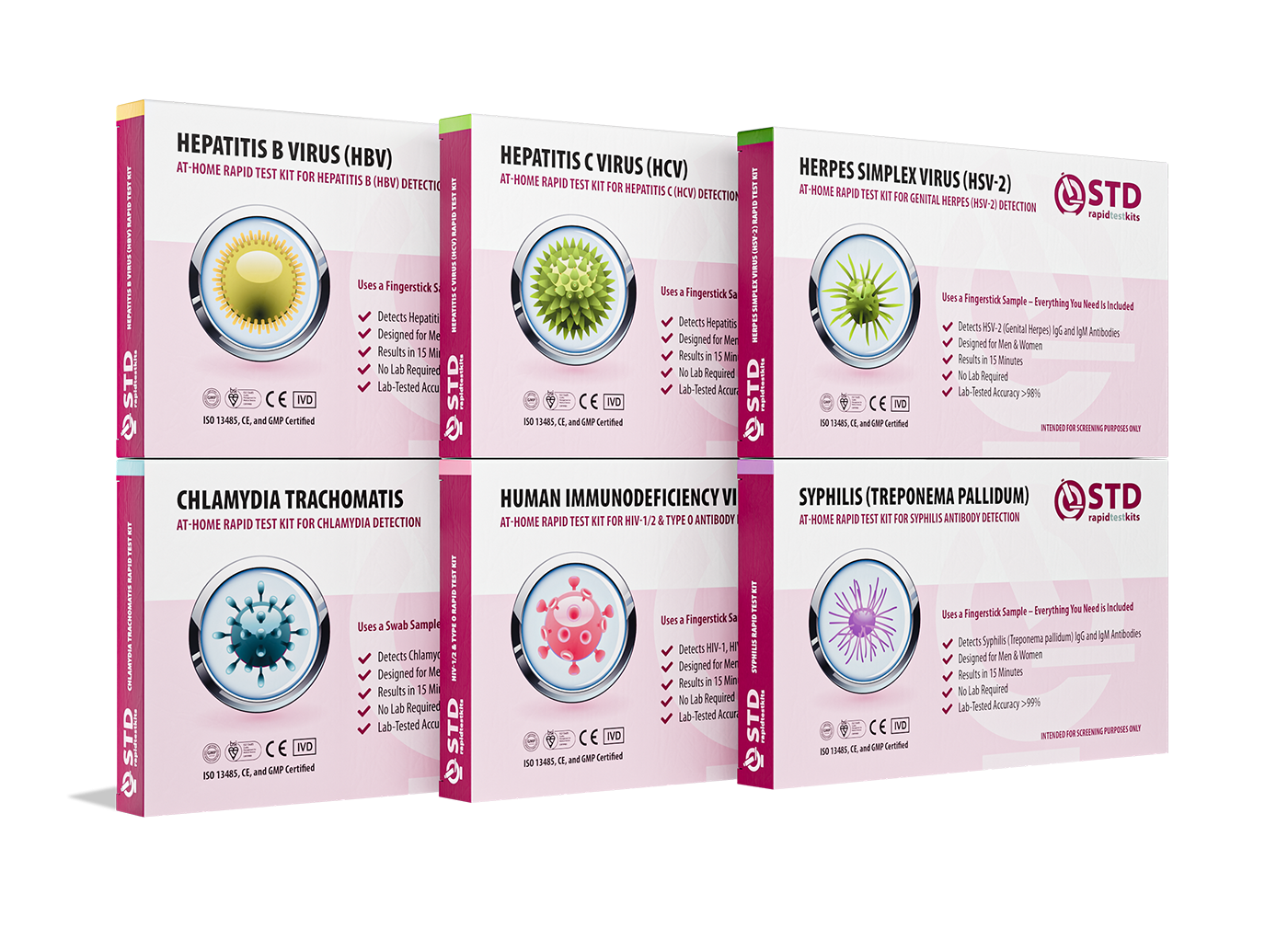
 For Men & Women
 Results in Minutes
 No Lab Needed
 Private & Discreet
Order Now $119.00 $294.00
For all 6 tests
Shipping in Summer, Freezing in Winter, What Really Happens in Transit?
There’s another layer to this anxiety that doesn’t get talked about enough: shipping. You did everything right. You ordered discreetly. You tracked the package. And then you saw the delivery notification at 11:42 a.m., while you were still at work. Your mind immediately jumps to worst-case scenarios. How hot is that mailbox right now?
Here’s the part most people don’t realize. Reputable at-home STD test manufacturers design packaging with seasonal transit in mind. Kits are sealed in foil pouches with desiccant to control moisture. They’re tested for stability across reasonable temperature swings that can happen during shipping. A few hours of elevated heat during transport does not automatically invalidate the test.
But sustained exposure does matter. A package sitting on a metal doorstep in direct sunlight for eight hours in 98-degree weather is different from a box moving through a climate-controlled distribution center. Duration and intensity both count.
If your kit felt slightly warm when you opened it but the packaging was intact and dry, it is often still usable. If it felt extremely hot to the touch, visibly warped, or the foil pouch appeared compromised, that’s when caution makes sense. When in doubt, retest. The goal isn’t to “make it work.” The goal is clarity.
Expiration Dates Aren’t Just Legal Fine Print
Heat damage and expiration are cousins. Both affect reagent stability. An expired STD test doesn’t suddenly stop functioning at midnight on the printed date, but chemical sensitivity gradually declines over time. Combine age with temperature stress and accuracy can drop further.
Think about it like this. If a test kit is nearing the end of its shelf life and then spends two days in a hot vehicle, you’re stacking stressors. Each one chips away at performance margin. That doesn’t guarantee a false result, but it narrows the buffer that ensures sensitivity.
Below is a practical comparison of how expiration and environmental exposure interact.
| Condition | Effect on Sensitivity | False Negative Risk |
|---|---|---|
| Within expiration date, properly stored | Full expected sensitivity | Low when used at correct testing window |
| Within expiration, exposed to moderate heat briefly | Slight possible reduction | Low to moderate depending on duration |
| Near expiration, exposed to high heat | Noticeable potential degradation | Moderate |
| Expired and heat exposed | Unpredictable performance | Elevated |
If you’re already pushing the window on expiration and the kit endured extreme temperatures, replacing it is usually the smartest move. It’s not about paranoia. It’s about stacking the odds in your favor.

People are also reading: Can You Trust an At-Home Syphilis Test? Here’s the Data
The False Negative Spiral No One Warns You About
This is where timing, temperature, and biology intersect. A false negative doesn’t just happen because a test got warm. It also happens when you test too early after exposure. The infection may not have reached detectable levels yet. Add degraded sensitivity from heat exposure, and you’ve compounded two variables.
Jordan, 27, tested five days after unprotected sex. The kit had arrived during a heat wave and sat in his mailbox all afternoon. His result was negative. He tried to relax, but a week later he developed mild discharge and burning. A properly stored follow-up test at the two-week mark was positive for Gonorrhea.
“I thought I was being proactive. I didn’t realize testing too early and heat exposure could both affect accuracy,” he said.
Temperature doesn’t replace the window period. It adds another variable. That’s why if your kit experienced questionable storage and you tested earlier than recommended for infections like Chlamydia, Gonorrhea, or HIV, retesting at the optimal window is wise, even if your first result was negative.
How to Store Your Kit So You Don’t Have to Wonder
The simplest prevention strategy is boring, and that’s a good thing. Store your test in a cool, dry place inside your home. Not in a car. Not next to a radiator. Not in a bathroom cabinet that turns into a sauna every morning.
A bedroom drawer works well. A hallway cabinet away from humidity works well. Climate stability matters more than convenience.
If you live somewhere with extreme seasonal swings, bring delivered packages inside promptly. During winter, avoid leaving kits in freezing mailboxes overnight. Freezing can cause internal microfractures in membranes and permanently alter fluid migration on the strip.
And before you open the foil pouch, allow the kit to reach room temperature if it was recently cold. Condensation from temperature shifts can introduce moisture. A simple thirty-minute acclimation period can protect accuracy.
When Anxiety Is Louder Than the Evidence
Sometimes the kit is fine. The seal is intact. The desiccant is dry. The temperature exposure was brief. And yet the doubt lingers. That doubt is human. Sexual health anxiety doesn’t operate on chemistry alone. It operates on what-ifs.
If replacing the kit will let you sleep tonight, that matters. A second properly stored test can restore confidence in a way logic alone sometimes cannot.
You deserve answers you can trust. If you need a fresh start, discreet at-home options are available through this Combo STD Home Test Kit, designed for privacy, accuracy, and ease of use. Sometimes clarity is worth more than the cost of a second kit.
Check Your STD Status in Minutes
Test at Home with Remedium8-in-1 STD Test Kit
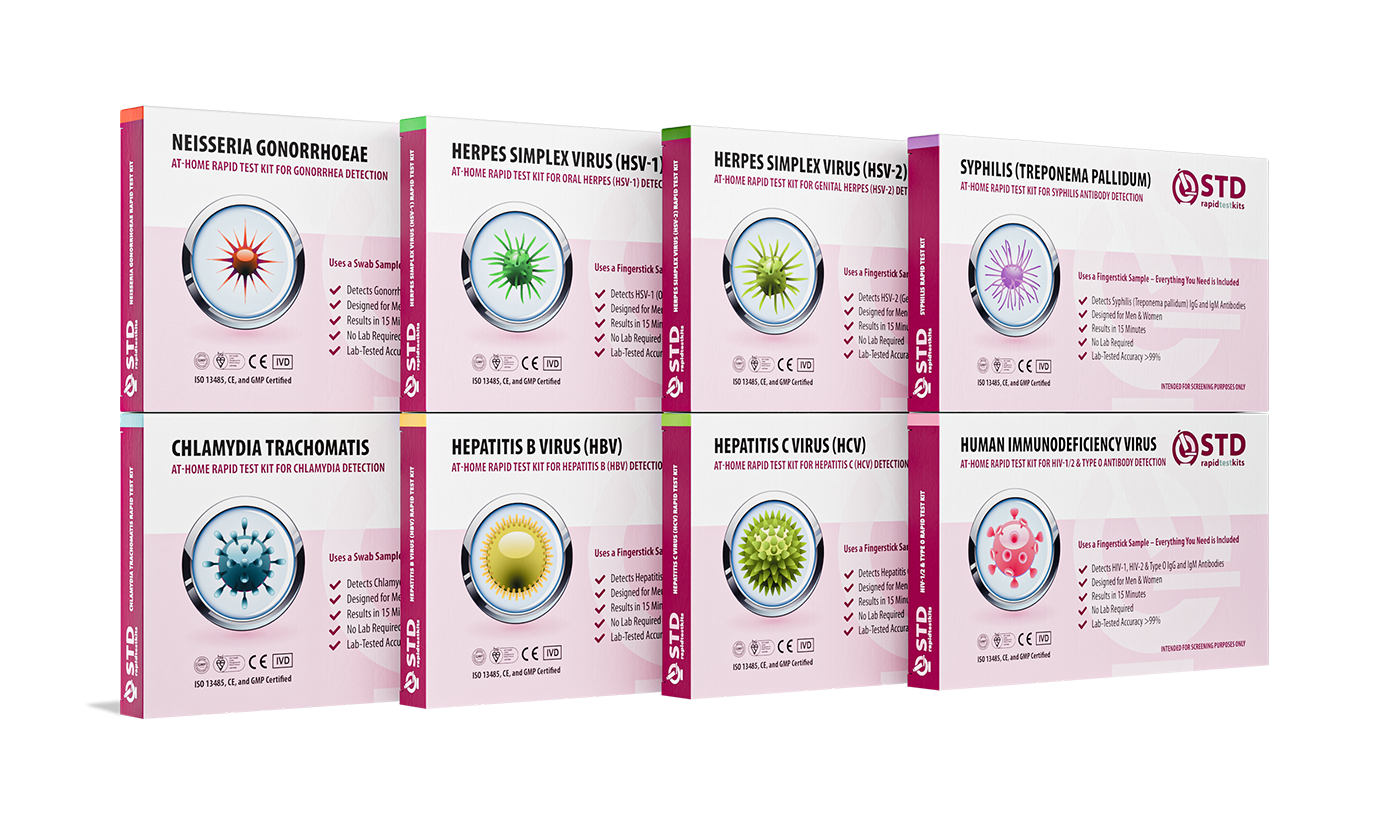 For Men & WomenResults in MinutesNo Lab NeededPrivate & Discreet
Order Now $149.00 $392.00
For all 8 tests
What This All Comes Down To
Yes, heat and humidity can ruin an STD test kit. Not always. Not instantly. But prolonged exposure outside recommended storage ranges increases the risk of reduced sensitivity and false negatives.
A little bit of warmth during shipping usually isn't a big deal. A kit that was still sealed and intact and felt a little warm to the touch is often still good. But very high or very low temperatures, like heat that stays above 104°F or freezing conditions, are very worrisome.
If your result doesn’t match your symptoms, your exposure timeline, or your intuition, retest. Accuracy isn’t about saving a box. It’s about protecting your health and your partners.
Next, we’ll move into the most common real-world questions people ask when they realize their kit may have been exposed to heat or humidity.
FAQs
1. I left my STD test in the car and it was really hot. Be honest, did I ruin it?
Okay. Take a breath. A hot car in summer can easily hit 120–130°F, which is well above what most rapid tests are designed to tolerate. If it sat there for hours baking in direct sun, I wouldn’t gamble on it, especially if you’re testing for peace of mind after a recent exposure. If it was briefly warm but not scorching and the packaging is intact, it may still be fine. When the doubt is loud, though, replacing it is often the smarter move. Confidence in your result matters more than saving one kit.
2. My bathroom gets super steamy. Is that actually a problem or am I overthinking it?
You’re not overthinking it, but you might be slightly overestimating the risk. One hot shower won’t sabotage a sealed test kit. Weeks of storage in a humid cabinet above the shower? That’s different. Steam builds up. Moisture lingers. If the foil pouch is sealed and the desiccant inside is dry, you’re probably okay. But if you opened it early or the packet inside looks damp or clumpy, I’d start fresh.
3. What worries me more: heat or testing too early
? Testing too early. Every time. Even a perfectly stored kit can’t detect what your body hasn’t produced yet. Heat exposure can reduce sensitivity, yes, but the window period is the bigger player. If you tested five days after exposure and your kit also sat in a warm mailbox, that’s two variables stacked together. Retesting at the recommended timeframe clears up both concerns at once.
4. Can heat cause a false positive? I’d rather not panic for nothing.
Heat is far more likely to cause a false negative than a false positive. When reagents degrade, they usually lose sensitivity. That means they miss infections more than they invent them. If you see a clear positive line, even if your kit felt warm, don’t dismiss it. Follow up with confirmatory testing, but don’t assume it’s just a temperature glitch.
5. The box felt warm when I opened it, but not blazing hot. Does that matter?
Slight warmth isn’t automatically dangerous. Shipping trucks, porches, and mailrooms aren’t refrigerators. What we care about is prolonged extreme heat. If the kit was sealed, dry, and structurally intact, brief warmth is usually tolerated. The difference between “warm from delivery” and “sat on a dashboard all afternoon” is huge.
6. It froze overnight in my mailbox this winter. Is freezing worse than heat?
Freezing can be just as damaging. Ice crystals can disrupt membranes inside the test strip. If your kit was left below 32°F for an extended period, I wouldn’t rely on it. Letting it warm back up doesn’t undo structural changes. If freezing definitely happened, replacement is the safest call.
7. My result was negative, but I still feel symptoms. Could temperature be the reason?
It could be, but don’t stop there. Temperature exposure, testing too early, or simply having a low level of infection at the time of testing can all produce a false negative. If your body is signaling something, burning, unusual discharge, sores, pelvic discomfort, listen to it. Your symptoms outrank the strip.
8. How do I know if humidity actually got inside the test?
Look at the desiccant packet inside the foil pouch. It should feel dry and intact. If it looks swollen, damp, or compromised, that’s a red flag. Also check for warped plastic or a foggy window on the cassette. Rapid tests are simple, but they’re not invincible. Visual damage matters.
9. If I’m already anxious, should I just retest no matter what?
Sometimes yes. Not because you’re irrational, but because anxiety can distort your interpretation of results. I’ve seen people stare at a perfectly valid negative and still spiral because the kit “felt warm.” If a second properly stored test gives you solid ground again, that’s not weakness. That’s taking care of yourself.
10. What’s the safest way to store my test so I never have to Google this again?
Keep it boring. Cool, dry, stable. A bedroom drawer. A hallway cabinet. Somewhere between 36°F and 86°F. Not your car. Not your gym bag. Not the bathroom shelf that turns into a sauna twice a day. Keep it sealed until you’re ready. Let it reach room temperature if it was cold. Simple habits prevent complicated doubts.
You Deserve Answers You Can Trust
An STD test kit can be affected by heat and humidity, but not every warm delivery is a disaster. The most important things are how long it lasted, how intense it was, and whether the packaging stayed sealed and dry. When exposure was very high or lasted a long time, getting a new kit lowers the chance of false reassurance.
Testing isn’t just about checking a box. It’s about protecting your health and making informed decisions for yourself and your partners. If you need a fresh start, you can explore discreet, temperature-stable options at STD Rapid Test Kits or choose a multi-panel option like this at-home Combo STD Test Kit for broader screening from the privacy of home.
When in doubt, retest. Peace of mind is worth it.
How We Sourced This Article: This article has information from manufacturers on how to store rapid diagnostic tests, peer-reviewed research on how stable they are, and advice from the best public health groups. We compared the most recent guidelines for infectious diseases to data on how well lateral flow assays work when the temperature changes.
Sources
1. CDC Sexually Transmitted Infections Treatment Guidelines
2. Mayo Clinic: STD Testing Overview
3. Planned Parenthood: Getting Tested for STDs
5. CDC: STI Screening Recommendations
6. The Journal of Infectious Diseases: Performance of Rapid Diagnostic Tests
7. NHS: Sexually Transmitted Infections (STIs)
About the Author
Dr. F. David, MD is a board-certified infectious disease specialist focused on STI prevention, diagnosis, and treatment. He blends clinical precision with a no-nonsense, sex-positive approach and is committed to expanding access for readers in both urban and off-grid settings.
Reviewed by: A. Martinez, PA-C | Last medically reviewed: February 2026
This article is for informational purposes and does not replace medical advice.


