






Quick Answer: Burning when you pee is most commonly caused by a urinary tract infection (UTI), followed by sexually transmitted infections like chlamydia or gonorrhea, then irritation, dehydration, or less common conditions. If the burning lasts more than 24–48 hours, worsens, or follows unprotected sex, testing is recommended.
The Ranked List: From Most Likely to Least Likely
Before we dive into the details, here’s the big-picture breakdown. This table summarizes what typically causes painful urination, who it affects most often, and what clues help you tell the difference.
| Rank | Cause | Common In | Other Clues | Testing Needed? |
|---|---|---|---|---|
| 1 | Urinary Tract Infection (UTI) | More common in women | Frequent urge, cloudy urine, pelvic pressure | Yes (urine test) |
| 2 | Chlamydia | All genders | Often mild, sometimes discharge | Yes (STD test) |
| 3 | Gonorrhea | All genders | Stronger discharge, more intense burn | Yes (STD test) |
| 4 | Vaginal irritation / BV / Yeast | Primarily women | Itching, odor, discharge changes | Sometimes |
| 5 | Prostatitis | Men | Pelvic ache, ejaculation pain | Yes |
| 6 | Dehydration or chemical irritation | Anyone | Dark urine, recent new products | Usually no |
| 7 | Kidney stones | Anyone | Severe side/back pain | Yes (urgent) |
| 8 | Less common causes (e.g., herpes, trauma) | Anyone | External sores or injury | Yes |
Urinary Tract Infection (Most Common Overall)
If you’re asking “UTI or STD?” statistically, a UTI is more common, especially if you have a vagina. According to CDC and Mayo Clinic data, UTIs account for millions of doctor visits every year, and they are significantly more frequent in women due to shorter urethral length.
UTI burning usually feels internal and sharp. It often comes with urgency, like you have to pee constantly, even if almost nothing comes out. You might notice cloudy urine, a strong smell, or mild lower abdominal pressure. Some people describe it as “razor blade pee.”
If you haven’t had new sexual exposure and the burning is paired with frequent urination, a bladder infection is statistically your leading suspect. That said, sex itself can trigger UTIs, which is why people often confuse “burning after sex but no UTI” with something more alarming.
A simple urine test can confirm it. UTIs require antibiotics, and they do not clear up reliably on their own.
People are also reading: When to Get Tested for Trichomoniasis After a Risky Hookup
Chlamydia (The Quiet STD That Mimics a UTI)
Here’s where anxiety usually spikes.
If you’ve had unprotected sex recently and now it burns when you pee, chlamydia becomes a strong contender. It’s one of the most common STDs worldwide, and many people experience very mild symptoms, or none at all.
When symptoms do show up, burning urination is common. Sometimes there’s discharge. Sometimes there isn’t. That’s why searches like “painful urination but no discharge” or “does chlamydia burn when you pee” are so common.
In men, early signs of chlamydia may include mild urethral irritation and a thin discharge. In women, symptoms can be subtle and easily mistaken for a UTI. The key difference? UTIs usually bring strong urgency. Chlamydia doesn’t always.
If there’s even a small chance of exposure, testing is straightforward and discreet. You can use a clinic or an at-home option like the Chlamydia At-Home Rapid Test Kit, which allows you to check privately. Burning that lasts more than 48 hours after a risk event deserves clarity, not guesswork.
Gonorrhea (Often Louder, Sometimes Missed)
Gonorrhea can feel similar to chlamydia but tends to be more intense. The burning may feel sharper, and discharge is more common, especially in men. Searches like “gonorrhea symptoms burning” or “burning when I pee male” often land here.
However, women can have very mild symptoms or none at all. That’s what makes “STD symptoms that feel like UTI” such a real clinical overlap. Studies published in sexual health journals show that misdiagnosis between UTIs and STIs is not rare, particularly in urgent care settings.
If your burning started 2–7 days after sexual exposure and includes discharge, gonorrhea climbs higher on the list. Testing is essential because untreated infections can lead to pelvic inflammatory disease or fertility complications.
Vaginal Irritation, BV, or Yeast (When It’s Not the Bladder)
Sometimes the burning isn’t coming from the urethra at all. It’s external. Vaginal irritation, bacterial vaginosis (BV), or yeast infections can make urine sting as it passes over inflamed tissue.
If you’re experiencing itching, unusual discharge, or odor changes along with burning, this moves up the ranking. Searches like “vaginal burning but negative UTI” often fall into this category.
This kind of irritation often worsens after sex, tight clothing, new soaps, or antibiotics. It’s uncomfortable but usually treatable once correctly identified.
Prostatitis (Common in Men, Often Overlooked)
If you’re male and experiencing burning urination with pelvic or testicular ache, especially pain during ejaculation, prostatitis is worth considering. It can be bacterial or inflammatory.
Some men describe it as a deep, dull ache combined with urinary discomfort. It’s not always sexually transmitted, but symptoms can overlap with STDs, which makes evaluation important.
This is less common than UTIs in women or chlamydia in sexually active adults, but not rare. A healthcare provider can differentiate with testing.
Check Your STD Status in Minutes
Test at Home with Remedium7-in-1 STD Test Kit
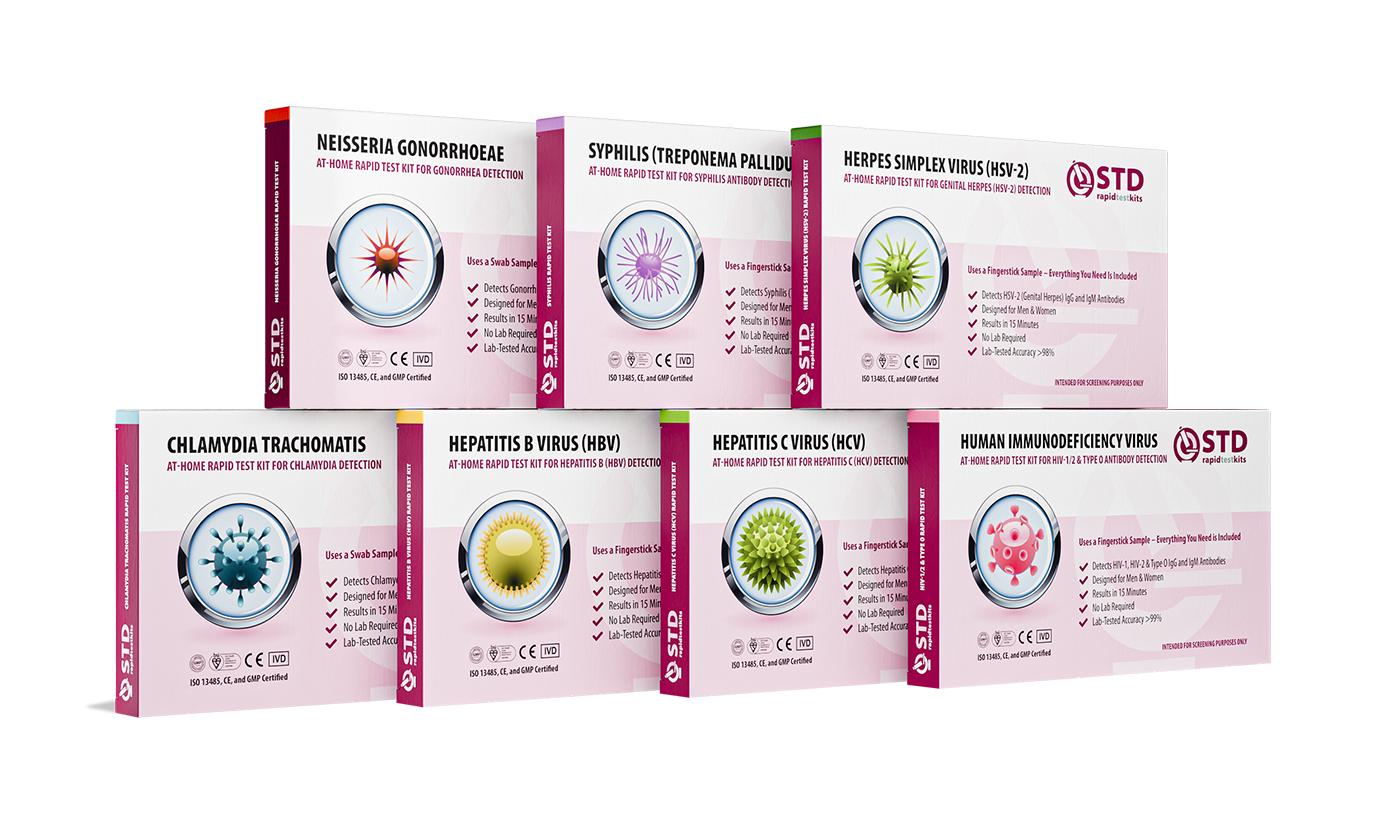
 For Men & Women
 Results in Minutes
 No Lab Needed
 Private & Discreet
Order Now $129.00 $343.00
For all 7 tests
Dehydration or Chemical Irritation
Not every burning sensation is an infection.
If your urine is dark yellow, you’ve been drinking heavily, sweating a lot, or barely hydrating, concentrated urine can irritate the urethra. That leads to mild burning that improves quickly with fluids.
Similarly, new soaps, bubble baths, spermicides, or lubricants can cause chemical irritation. If the burning started immediately after using a new product, that’s a clue.
This type of burning is usually short-lived. It improves within 24 hours once the irritant is removed and hydration improves.
Kidney Stones (Less Common, More Dramatic)
Kidney stones are not subtle. If your burning urination is paired with intense side or back pain that comes in waves, nausea, or visible blood in urine, this is urgent.
The pain tends to overshadow the burning. It’s one of the more dramatic entries on this list and requires medical evaluation quickly.
Herpes or External Sores
If it burns when urine hits the outside of your genitals rather than during internal flow, look for sores, blisters, or raw skin. Genital herpes can make urination extremely painful if lesions are present.
This kind of burning is external and surface-based. It often feels like salt hitting a cut. If you notice visible sores, testing is recommended.
UTI or STD? The Overlap That Confuses Everyone
Here’s the honest truth: burning urination is one of the most overlapping symptoms in sexual health.
UTIs are more common overall, especially in women. STDs are more likely if there has been recent unprotected sex, new partners, or additional symptoms like discharge. But you cannot reliably tell the difference based on burning alone.
| Feature | More Suggestive of UTI | More Suggestive of STD |
|---|---|---|
| Frequent urge to urinate | Common | Less common |
| Recent unprotected sex | Not required | Strong risk factor |
| Discharge | Rare | Common (especially in men) |
| Pelvic inflammatory symptoms | Uncommon | Possible |
| Improves with hydration alone | Unlikely | Unlikely |
If you’re unsure, testing removes the guessing game. You can explore discreet options through STD Rapid Test Kits if clinic access feels overwhelming.
When Burning Means “Test Now” And When You Can Wait 24 Hours
Not every sting is an emergency. But not every sting should be ignored either.
If the burning just started today and you’re mildly dehydrated, try fluids first. Clear urine within a few hours often reduces irritation. If symptoms disappear completely within 24 hours, dehydration or mild irritation was likely the cause.
But if it burns when you pee and you’ve had a recent sexual encounter that wasn’t fully protected, that changes the equation. In that case, this isn’t just about comfort. It’s about clarity.
Here’s a simple way to think about timing:
| Scenario | What To Do | Why |
|---|---|---|
| Mild burning, no sex risk, started today | Hydrate and monitor 24 hours | May be irritation or dehydration |
| Burning + frequent urination | Get urine test | Likely UTI |
| Burning + discharge after new partner | STD test within 5–7 days | Possible chlamydia or gonorrhea |
| Burning lasting more than 48 hours | Test regardless of risk memory | Persistent inflammation needs answers |
| Burning + pelvic pain or fever | Seek medical care urgently | Possible complicated infection |
If you’re thinking, “What if I test too early?” that’s valid. Most bacterial STDs like chlamydia and gonorrhea are detectable within about 5–7 days after exposure, but testing at 10–14 days gives stronger reliability. If you test earlier and it’s negative but symptoms persist, retesting is smart, not paranoid.
What Burning From an STD Actually Feels Like
People often ask how long STD burning lasts or whether it feels different from a UTI. The truth is: it can overlap a lot. But there are patterns.
- Chlamydia burning is often described as mild to moderate. It can feel like irritation rather than sharp pain. Some people don’t even notice it until they’re paying attention.
- Gonorrhea burning tends to be sharper and more obvious. In men especially, it’s often paired with noticeable discharge. In women, it can be quieter and mistaken for something else.
- Herpes burning is different. It hurts externally. Urine hitting open sores feels raw and immediate. That kind of pain usually comes with visible lesions.
One patient, Arjun, 27, described it like this: “It wasn’t dramatic. It just felt wrong. I kept thinking it would go away. After a week, I realized I was avoiding the bathroom because I didn’t want to feel it.” He tested positive for chlamydia and was treated within days.
Another patient, Sofia, 22, thought it was a UTI because she had urgency. Her test came back negative for bacteria but positive for gonorrhea. “I didn’t even know STDs could feel like that,” she said.
That overlap is exactly why guessing doesn’t help. Testing does.

People are also reading: Can You Get an STD in Your Eye? What to Know After Oral Sex
If It Burns But Tests Are Negative
This is where anxiety can spiral.
You feel burning. You test for a UTI. Negative. You test for STDs. Negative. Now what?
First, breathe. False negatives can happen if testing is done too early. That’s especially true within the first few days after exposure. If you’re in that window, retesting at the 10–14 day mark is often recommended.
Second, consider non-infectious causes. Chemical irritation from new lubricants, condoms with spermicide, fragranced washes, or even intense friction during sex can inflame tissue. That inflammation can mimic infection but resolves when the irritant is removed.
Third, stress can amplify sensation. While stress alone doesn’t directly cause burning urination, heightened body awareness can make mild irritation feel severe. This doesn’t mean it’s “in your head.” It means your nervous system is alert.
If burning continues beyond a few days with negative tests, a clinician may check for less common causes like urethral syndrome or inflammatory conditions.
Burning After Sex But No UTI , What That Usually Means
This specific scenario is incredibly common. You have sex. Within a day, it burns when you pee. You assume infection.
Sex can push bacteria toward the urethra, increasing UTI risk. But it can also cause friction-based irritation. If lubrication was low, duration was long, or condoms were tight or new, the urethra can become inflamed.
If the burning is mild and fades within 24–48 hours, irritation is likely. If it intensifies, is paired with discharge, or persists beyond two days, testing becomes important.
This is where having access to private options matters. If you don’t want to sit in a waiting room wondering who might recognize you, at-home options like the 6-in-1 STD At-Home Rapid Test Kit allow you to check multiple infections at once. That’s especially helpful when you’re unsure whether it’s chlamydia, gonorrhea, or something else.
You deserve clarity without shame. Testing is not an admission of guilt. It’s maintenance.
Red Flags You Shouldn’t Ignore
Most burning urination cases are treatable and not life-threatening. But certain symptoms demand faster care.
If you have fever, severe lower abdominal pain, back pain, nausea, visible blood in urine, or vomiting, seek medical attention promptly. These can indicate kidney involvement or a more advanced infection.
If you’re pregnant and experiencing burning urination, testing quickly is especially important. Untreated infections can carry risks during pregnancy.
And if you’ve experienced sexual assault and symptoms appear, immediate medical care is critical. Emergency departments and specialized clinics can provide both treatment and forensic support.
How Long Should Burning Last? A Timeline Reality Check
One of the most common late-night searches is some version of “how long does STD burning last” or “why does it still burn after three days.” Duration matters because irritation fades quickly. Infection usually doesn’t.
Mild chemical irritation or dehydration-related burning often improves within 12 to 24 hours once hydration increases and irritants are removed. If the sensation disappears completely in a day, that’s reassuring.
Infections follow a different pattern. They persist. Sometimes they intensify. They rarely resolve without treatment.
| Cause | When It Starts | Without Treatment | With Treatment |
|---|---|---|---|
| Dehydration/Irritation | Immediate | Resolves in 24–48 hrs | Hydration resolves quickly |
| UTI | 1–3 days | Persists or worsens | Improves in 24–72 hrs |
| Chlamydia | 5–14 days post exposure | Persists, may spread | Improves within days of antibiotics |
| Gonorrhea | 2–7 days post exposure | Often worsens | Improves rapidly after treatment |
| Herpes | 2–12 days post exposure | Lasts through outbreak cycle | Shortened with antivirals |
If you’re on day three and it still burns, that’s your signal. Waiting longer doesn’t add clarity. It adds discomfort.
What To Do Next (Without Spiraling)
Step one: assess your risk calmly. Was there recent unprotected sex? New partner? Or does this feel more like dehydration or irritation?
Step two: act based on probability, not panic. UTIs are common. STDs are common. Both are treatable. Neither defines you.
Step three: test when appropriate. If burning persists longer than 48 hours, if there’s discharge, or if there’s any sexual exposure risk, testing removes uncertainty.
You can explore discreet options through STD Rapid Test Kits. Results are private. Packaging is discreet. The goal isn’t fear, it’s information.
Because here’s the truth: the worst part of “why does it burn when I pee” isn’t usually the burning. It’s the not knowing.
What Happens If You Ignore It?
Let’s talk about the thing no one wants to Google out loud.
If it burns when you pee and you decide to just wait it out, sometimes that works. Mild irritation or dehydration resolves. But infections, whether a bladder infection or an STD, do not typically vanish on their own.
An untreated UTI can climb upward. What starts as a bladder infection can progress to a kidney infection, which brings fever, back pain, and a much more serious situation. It’s not the common outcome, but it’s a known one.
Untreated chlamydia or gonorrhea can quietly inflame reproductive organs. In women, that can mean pelvic inflammatory disease. In men, epididymitis. In all genders, untreated infection increases transmission risk to partners.
That doesn’t mean panic. It means don’t normalize persistent symptoms. Burning that lingers is your body asking for clarity.
Check Your STD Status in Minutes
Test at Home with Remedium3-in-1 STD Test Kit
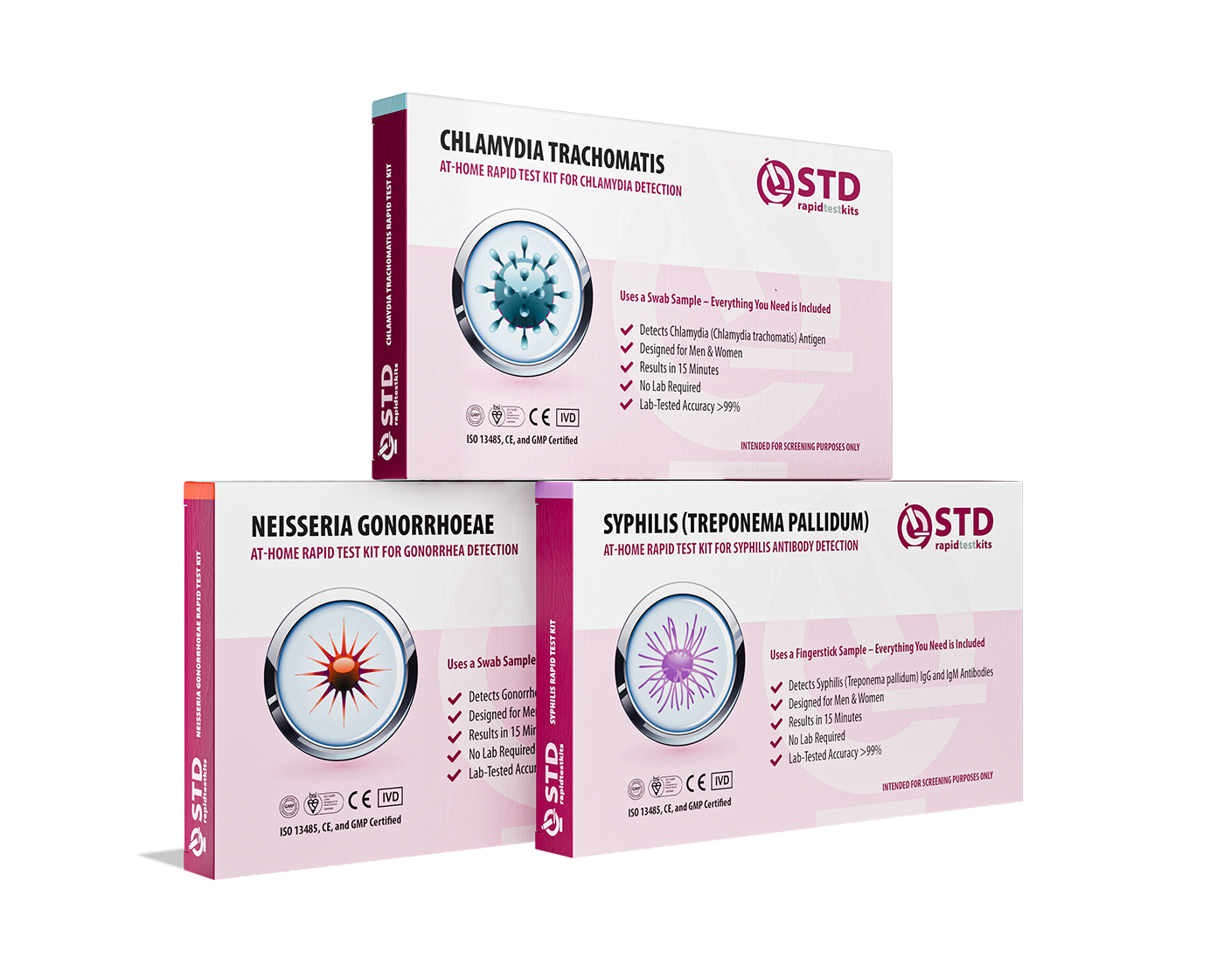 For Men & WomenResults in MinutesNo Lab NeededPrivate & Discreet
Order Now $69.00 $147.00
For all 3 tests
The Emotional Spiral (And Why It’s So Common)
When people search “why does it burn when I pee,” they’re not just asking about anatomy. They’re asking, “Did I mess up?”
I’ve had patients whisper, “I feel stupid.” Or, “I knew better.” Or, “I don’t want this on my record.” There’s this heavy, unnecessary shame around urinary and sexual symptoms.
Let’s strip that away. Bodies are exposed to bacteria constantly. Sex is human. UTIs happen to people who’ve had one partner and to people who’ve had twenty. STDs happen to careful people and careless people alike. Infection is not a moral verdict.
Testing is not a confession. It’s maintenance. It’s the same logic as checking your blood pressure or getting dental X-rays. Quiet prevention beats loud complications.
If You’re Googling at 2AM, Here’s Your Calm Plan
If the burning is mild and just started today, hydrate aggressively and monitor for 24 hours. Notice whether frequency increases, discharge appears, or pain intensifies.
If there has been recent sexual exposure, especially without barrier protection, plan to test within the appropriate window. Most bacterial STDs become detectable within a week, and reliability improves after 10–14 days.
If burning persists beyond 48 hours, don’t debate yourself into delay. Whether it’s a UTI or an STD, both require straightforward treatment. The earlier you confirm, the easier the fix.
If privacy is your biggest barrier, that’s valid. Many people prefer to avoid urgent care or primary care clinics for sexual health concerns. That’s where discreet at-home kits become a practical option. They allow you to check for infections without sitting in a waiting room replaying your weekend in your head.
You don’t need drama. You need data.
FAQs
1. Be honest , is it usually a UTI or an STD?
Statistically, it’s usually a UTI, especially if you have a vagina and feel that constant “I have to pee again” pressure. But if you’ve had recent unprotected sex, you can’t rule out chlamydia or gonorrhea based on burning alone. The overlap is real. That’s why testing beats guessing every time.
2. Does chlamydia burn when you pee, or is that more gonorrhea?
Both can burn. Gonorrhea often feels sharper and may come with noticeable discharge, especially in men. Chlamydia can be quieter , a subtle sting that lingers. Some people barely notice it until it doesn’t go away. The sensation alone won’t tell you which one it is.
3. If it burns but there’s no discharge, should I relax?
Not automatically. A lot of people assume “no discharge means no STD,” but that’s not reliable. Many infections, especially early ones, show up as burning only. If symptoms stick around more than a day or two, it’s worth checking.
4. What if it only burns a little? Like a 3 out of 10?
Intensity doesn’t equal seriousness. Some mild infections barely whisper. Others shout. What matters more is duration and context. If it’s been more than 48 hours or followed a risk event, mild still counts.
5. Can dehydration really make it sting?
Yes. Super concentrated urine can irritate the urethra, especially first thing in the morning. If drinking a lot of water makes it completely disappear within a day, dehydration was probably the culprit. If it keeps coming back, that’s a different story.
6. Why does it burn after sex but my UTI test was negative?
Friction, tight condoms, spermicide, or just longer-than-usual sex can inflame tissue. That kind of irritation usually improves within 24–48 hours. But if it doesn’t, or if discharge shows up, think beyond irritation and consider STD testing.
7. I’m a guy. Don’t women get UTIs more than men?
They do. But men absolutely get UTIs , and prostatitis can mimic both UTIs and STDs. Burning when I pee male searches spike for a reason. If you’re feeling pelvic ache or pain during ejaculation too, that’s worth mentioning to a clinician.
8. How long does STD burning last if I ignore it?
Longer than you want. It usually doesn’t fade on its own. Some infections simmer quietly while continuing to inflame tissue. Treatment often improves symptoms within days. Waiting just stretches out the discomfort.
9. Can stress make it burn?
Stress doesn’t cause infection, but it does amplify sensation. When you’re anxious, every twinge feels louder. That doesn’t mean it’s imaginary. It means your nervous system is on high alert. Still, persistent burning deserves real evaluation.
10. When should I stop Googling and just test?
If it’s been more than 48 hours. If there’s discharge. If there was unprotected sex. If you’re losing sleep over it. At some point, clarity becomes more valuable than speculation.
Before You Panic, Do This Instead
Burning when you pee triggers fear because it’s immediate and personal. But most causes are common and treatable. The key difference between stress and solution is action.
Hydrate if it just started. Test if it persists. Seek urgent care if severe symptoms appear. Remove the guesswork as quickly as possible.
If access or privacy is holding you back, explore discreet options through STD Rapid Test Kits. Quick answers protect your health and your partners.
The discomfort is temporary. Clarity lasts.
How We Sourced This Article: We reviewed current guidance from the CDC, Mayo Clinic, NHS, and WHO, along with peer-reviewed research on dysuria and sexually transmitted infections. Clinical overlap data between UTIs and STIs was incorporated to clarify diagnostic confusion. In total, approximately fifteen references informed this piece, with six key reader-facing sources listed below. Every external link opens in a new tab and leads to a reputable medical authority.
Sources
1. CDC Sexually Transmitted Infections Treatment Guidelines
2. Mayo Clinic: Painful Urination (Dysuria)
3. NHS: Urinary Tract Infections
4. Painful urination (dysuria) - Definition | Mayo Clinic
5. Sexually Transmitted Infections (STIs) | WHO
About the Author
Dr. F. David, MD is a board-certified infectious disease specialist who works to stop, diagnose, and treat STIs. He teaches patients in a way that is both accurate and free of stigma and sex-negative attitudes.
Reviewed by: Jordan Patel, PA-C | Last medically reviewed: February 2026
This article is for informational purposes and does not replace medical advice.


