





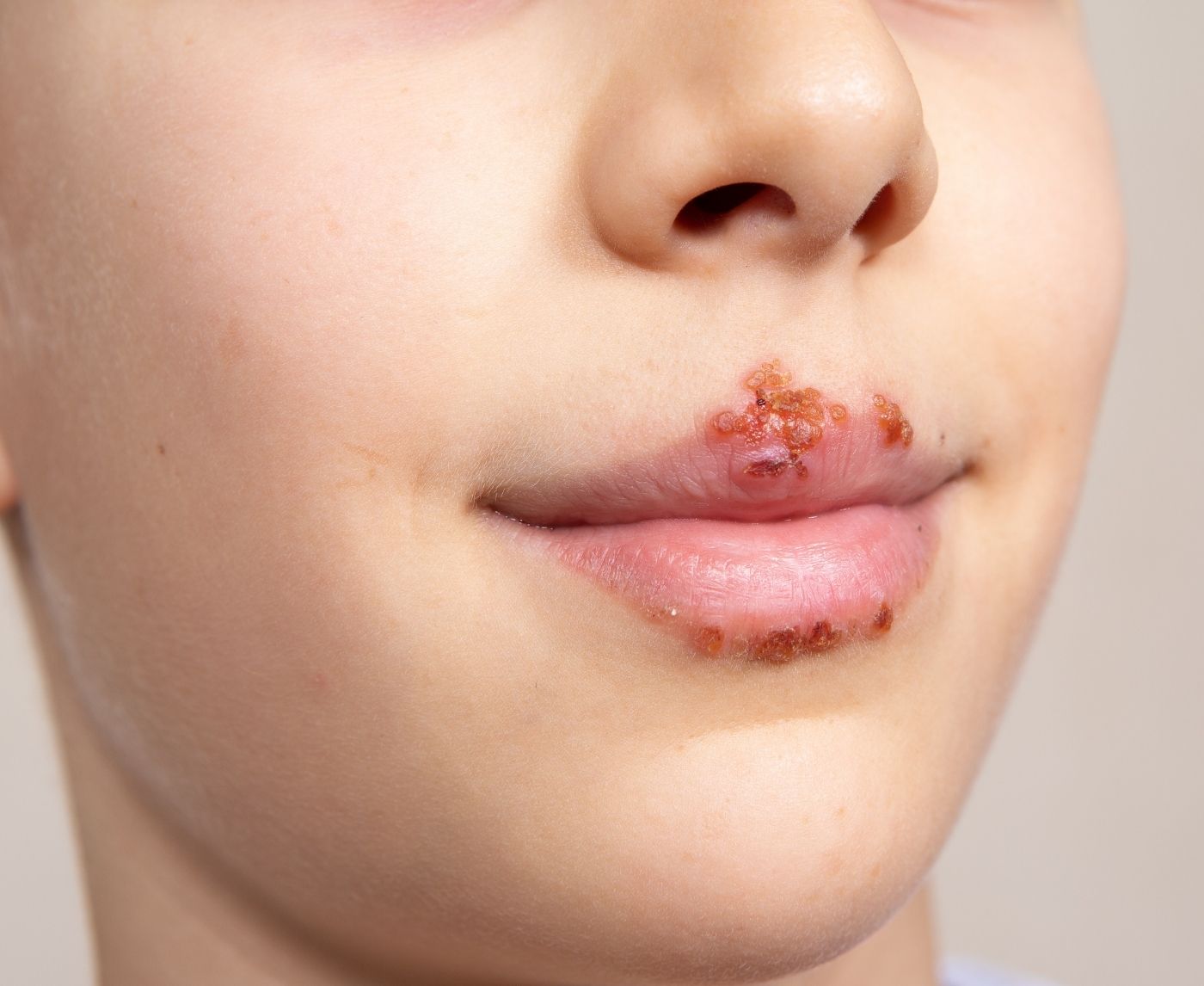

Quick Answer: A syphilis rash most often appears during secondary syphilis as a non-itchy, reddish or brownish rash that can affect the trunk, palms, and soles. It may be flat or slightly raised and often doesn’t hurt or itch, which is why many people miss it.
What a Syphilis Rash Actually Looks Like
Let’s start with the part nobody explains well: a syphilis rash is usually subtle. It doesn’t scream. It doesn’t burn. It doesn’t demand your attention the way hives or poison ivy would. In many cases, it quietly spreads across the body while you’re busy living your life.
The rash most people search for, “what does a syphilis rash look like?”, typically shows up in what doctors call secondary syphilis. By that point, the infection has already moved beyond the initial stage. The first stage often includes a single painless sore called a chancre. Many people never notice it, especially if it’s inside the vagina, rectum, or mouth.
Weeks later, the rash appears. It can look like faint red, pink, or copper-colored spots. On darker skin tones, it may appear more brown, purplish, or hyperpigmented. It can be flat or slightly raised. Sometimes it resembles mild eczema. Sometimes it looks like scattered freckles that weren’t there before.
| Stage | What It Looks Like | Location | Pain or Itch? | Timing After Exposure |
|---|---|---|---|---|
| Primary Syphilis | Single painless sore (chancre), firm edges | Genitals, anus, mouth | Usually painless, not itchy | About 3 weeks (range 10–90 days) |
| Secondary Syphilis | Diffuse rash, red or brown spots, may be flat or slightly raised | Torso, arms, legs, palms, soles | Usually not itchy | Weeks to months after chancre heals |
The palm and sole involvement is what makes clinicians pay attention. Very few common rashes show up prominently on both palms and soles. That’s why searches like “rash on palms and soles std” tend to lead back to syphilis.
But here’s what makes this complicated: not every syphilis rash looks textbook. Some people develop faint scaling. Others notice patchy hair loss or small mucous patches in the mouth. Some feel flu-like symptoms alongside the rash, fever, swollen lymph nodes, fatigue, while others feel completely normal.
That’s why so many people miss it.
Why It Often Doesn’t Itch (And Why That’s So Confusing)
Most of us are trained to take itching seriously. If something itches, it’s irritated. If it burns, it’s urgent. But a secondary syphilis rash often does neither. It can sit quietly on your skin like background noise.
Imagine this: you notice a faint rash on your chest after a weekend away. No pain. No itching. Maybe you assume it’s laundry detergent from the hotel sheets. Maybe stress. Maybe just dry skin. A week passes and it’s still there. You feel fine otherwise, so you ignore it.
This is the part where the gritty public health investigator in me leans in. Syphilis is called “the great imitator” for a reason. It can look like heat rash. It can resemble a mild allergic reaction. It can even mimic certain viral rashes. The absence of itch doesn’t make it harmless. In fact, the absence of dramatic symptoms is exactly how it spreads quietly.
According to the Centers for Disease Control and Prevention, secondary syphilis frequently presents with a non-pruritic rash. That clinical term, non-pruritic, simply means not itchy. For anxious late-night searchers typing “non itchy rash std,” this is the detail that flips the switch.
People are also reading: What Testicle Pain Really Means, And When to Worry
Syphilis Rash vs Heat Rash vs Allergic Reaction
Let’s ground this in something practical. Because not every rash after sex is an STD. Sometimes it really is just sweat, friction, or a new body wash. The goal here isn’t to assume the worst. It’s to notice patterns.
Picture someone who just started a new gym routine. They’re sweating more. Wearing tighter clothes. They develop small red bumps across their chest. That could absolutely be heat rash. Now picture someone who hasn’t changed anything environmentally, but develops a symmetrical rash across their trunk and palms weeks after unprotected sex. That pattern raises different questions.
| Feature | Syphilis Rash | Heat Rash | Allergic Reaction |
|---|---|---|---|
| Itching | Usually no | Often yes | Usually yes |
| Pain | Typically no | Mild stinging possible | Sometimes burning |
| Palms & Soles | Commonly involved | Rare | Rare |
| Systemic Symptoms | Possible fever, swollen nodes | No | Rare unless severe |
| Timing Pattern | Weeks after exposure | After heat or sweating | Minutes to hours after trigger |
The timeline is often the giveaway. Heat rash follows heat. Allergic reactions follow exposure to a specific trigger. A syphilis rash follows infection, often appearing weeks after the initial exposure. That delayed onset is why so many people disconnect the dots.
If you’re staring at a rash and wondering whether it’s syphilis or something else, context matters. Recent sexual contact without protection. A partner who mentioned symptoms. A sore you ignored weeks ago. These details shape the story.
Check Your STD Status in Minutes
Test at Home with Remedium8-in-1 STD Test Kit
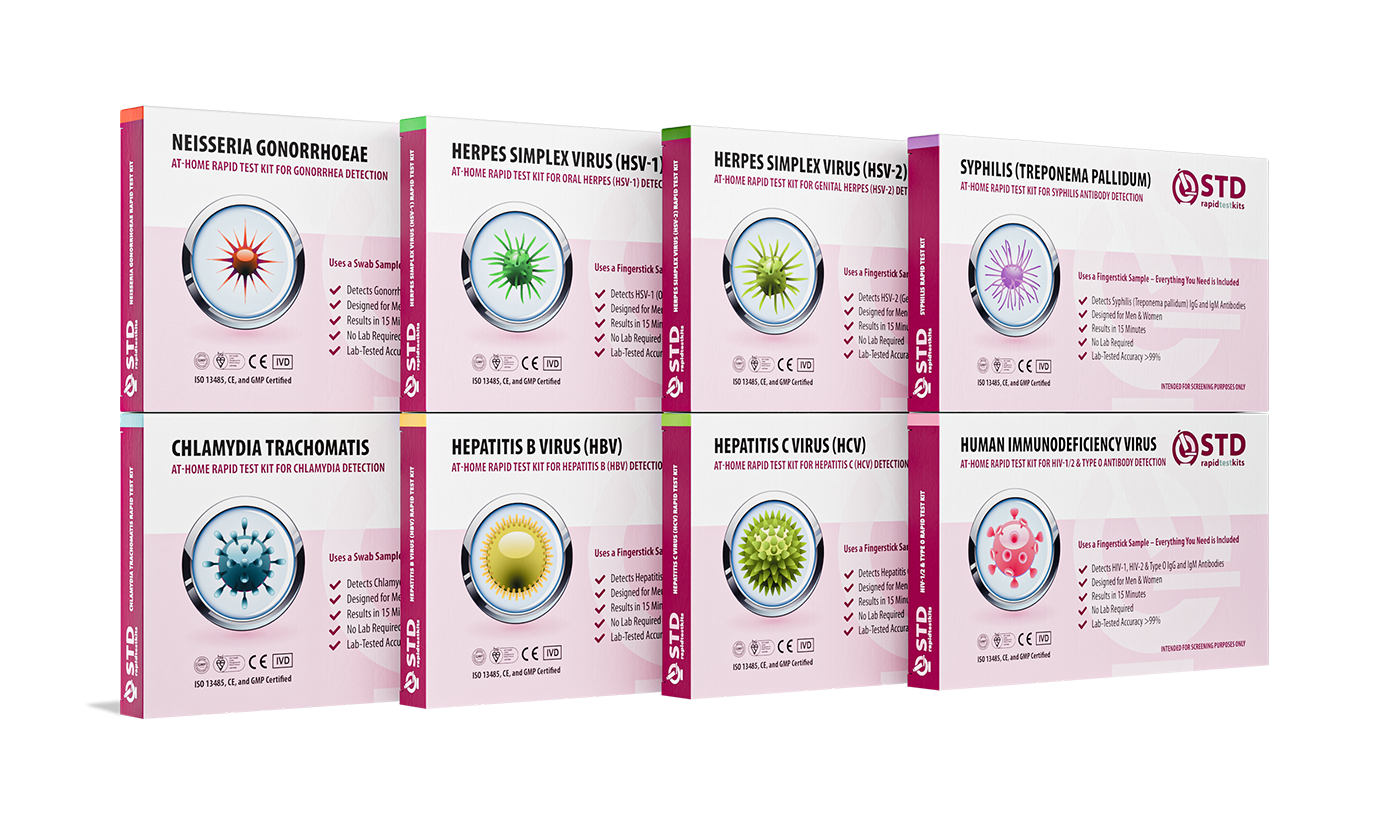
 For Men & Women
 Results in Minutes
 No Lab Needed
 Private & Discreet
Order Now $149.00 $392.00
For all 8 tests
When the Rash Appears, And How Long It Lasts
Now let’s talk timing, because searches like “how long does a syphilis rash last” are usually driven by dread. The secondary rash typically appears weeks to a few months after the initial infection. It can last several weeks, and sometimes it fades without treatment.
That’s the dangerous part. It can disappear on its own. You might wake up one day and notice it’s gone. No treatment. No explanation. Just vanished. That doesn’t mean the infection is gone. It means the bacteria have moved into a latent stage, where symptoms quiet down but the infection persists.
In that way, the rash is like a warning flare. Your immune system is responding. If not treated, the infection can stay quiet for years after it goes away, which could lead to serious problems.
We’ll talk next about how this timeline affects testing accuracy and what kind of test makes sense depending on where you are in that window.
Timing, Testing, and the Window You Don’t Want to Miss
Let’s go back to the bathroom mirror for a second. The rash is there. It doesn’t hurt. It doesn’t itch. You feel mostly fine. The big question forming in your chest is simple: if this is syphilis, when should I test?
Testing for syphilis is different from testing for infections like chlamydia or gonorrhea. The most common way to find syphilis is through blood tests that look for antibodies that your immune system makes when it comes into contact with the bacteria. That means timing is important. Your body needs enough time to create a detectable immune response.
If you test too early, especially within the first couple of weeks after exposure, the result may come back negative even if infection is present. That false reassurance is what we want to avoid.
| Event | Typical Timing | What’s Happening | Testing Reliability |
|---|---|---|---|
| Exposure | Day 0 | Bacteria enter through microscopic skin breaks | Too early to detect |
| Primary sore (chancre) | 10–90 days (avg. ~3 weeks) | Localized painless ulcer appears | Blood tests may still be negative early |
| Secondary rash | Weeks to months later | Immune system reacting systemically | Blood tests usually positive |
| Latent stage | Months to years | No visible symptoms | Blood tests remain positive |
If you’re currently seeing a rash that looks suspiciously like a secondary syphilis rash, this is often an ideal time to test because antibodies are usually detectable by this stage. According to guidance from major public health authorities, most standard blood tests become reliable several weeks after infection, with accuracy improving as time passes.
If your exposure was recent and your test is negative, retesting after a few weeks may be recommended. The goal isn’t to test once and panic. It’s to test strategically.
If you need privacy or want immediate clarity without waiting for a clinic appointment, you can explore discreet options at STD Rapid Test Kits. A properly timed at-home blood-based test can give you clear next steps without sitting in a waiting room replaying your life choices.

People are also reading: Countries That Still Ban Travel for People with HIV
What a Syphilis Rash Looks Like on Different Skin Tones
This is the part too many guides skip.
Most textbook images of syphilis rashes are shown on lighter skin. That leaves people with medium to deep skin tones scrolling, unsure whether what they’re seeing applies to them. On darker skin, the rash may not appear bright red. It can look brownish, purplish, or slightly darker than the surrounding skin. Sometimes it shows up as subtle hyperpigmented patches rather than obvious redness.
Imagine someone with deep brown skin noticing faint darker spots on their palms. They might assume dryness. Maybe new hand soap. It doesn’t “look red,” so it doesn’t trigger alarm. But color contrast on darker skin presents differently. The rash may feel more like texture change than color change.
This matters because delayed recognition contributes to delayed treatment. Syphilis rates have risen significantly in recent years, and part of addressing that rise is making sure everyone can recognize symptoms on their own body.
If you’re unsure, especially if you’ve had a new partner recently, testing removes guesswork. Guesswork breeds anxiety. Data brings calm.
What Happens If You Ignore It
Let’s say you decide it’s nothing. The rash fades after a few weeks. Life gets busy. You feel normal again.
Syphilis doesn’t always shout. Sometimes it whispers, then goes quiet. In the latent stage, symptoms disappear but the infection remains. Months or years later, untreated syphilis can affect the nervous system, heart, and other organs. These late-stage complications are far less common today because testing and treatment exist. But they are preventable only if infection is diagnosed.
I once spoke to a patient who said, “I thought it was just stress. It didn’t itch, so I ignored it.” Years later, routine bloodwork revealed untreated syphilis. Treatment was straightforward, but the emotional weight of realizing it had been there all along was heavy.
This isn’t about fear. It’s about respect for your body’s signals. A rash that doesn’t itch is still information.
Check Your STD Status in Minutes
Test at Home with Remedium6-in-1 STD Test Kit
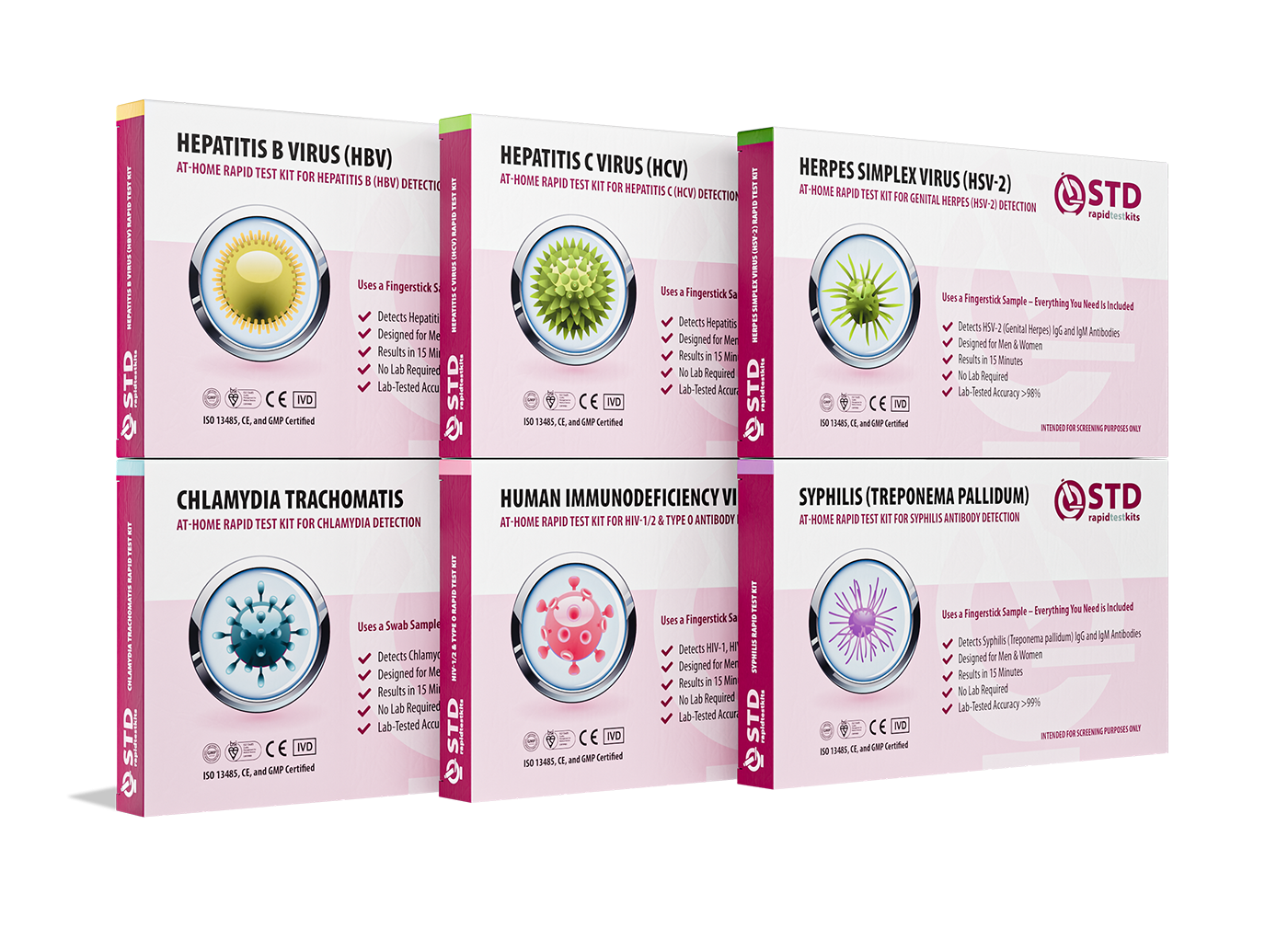 For Men & WomenResults in MinutesNo Lab NeededPrivate & Discreet
Order Now $119.00 $294.00
For all 6 tests
Choosing the Right Test and What Results Mean
Syphilis testing typically involves blood analysis looking for antibodies. Some rapid tests provide results within minutes from a fingerstick sample. Others require lab processing. The key difference is timing and confirmation.
If a rapid test is positive, confirmatory testing is often recommended to distinguish active infection from past treated infection. If it’s negative but exposure was recent, a follow-up test after the window period adds clarity.
For people navigating this alone, discretion matters. That’s why many choose to order an at-home syphilis test kit rather than scheduling a clinic visit. If privacy and speed are priorities, a discreet option like the Syphilis Rapid Test Kit allows you to test on your timeline.
One micro-scene I hear often: someone sitting in their car after taking a rapid test, heart pounding, staring at the cassette window. Two lines appear. There’s a deep breath. Then action. A call to a healthcare provider. Antibiotics. Relief that there’s a plan.
Syphilis is treatable. Early treatment with antibiotics is highly effective. The longer you wait, the more complex management can become.
FAQs
1. Does a syphilis rash always show up on the palms and soles?
Not always, but when it does, that’s a clue doctors pay attention to. Very few rashes hang out on both your palms and the bottoms of your feet. If you’re staring at faint spots on your hands thinking, “This feels random,” that’s worth noticing. It doesn’t guarantee syphilis, but palms plus recent exposure is a pattern you shouldn’t ignore.
2. Can a syphilis rash disappear on its own?
Yes. And that’s part of why this infection is sneaky. You might wake up one morning and realize the rash has faded. Relief floods in. You tell yourself it must’ve been stress or detergent. But syphilis can slip into a quieter stage without treatment. When symptoms vanish without antibiotics, that’s not closure, it’s just a transition.
3. How long does a syphilis rash actually last?
For many people, a few weeks. Sometimes longer. It’s rarely dramatic. It’s more like a background hum that lingers. The exact timeline depends on your immune response, but here’s the important part: the rash fading doesn’t mean the infection cleared.
4. If it doesn’t itch, why would it be an STD?
We’re trained to treat itching as the alarm bell. No itch, no problem, right? Not here. A syphilis rash is often completely non-itchy. That’s why people Google “non itchy rash after sex” in confusion. The absence of itch isn’t reassuring in this case. It’s just one of the infection’s calling cards.
5. Could this just be heat rash or an allergy?
Absolutely possible. Heat rash usually follows sweat and friction. Allergic reactions usually follow a new soap, fabric, or product. The difference is timing and distribution. A rash that shows up weeks after sex and spreads symmetrically across the body, especially including palms, tells a different story than a patchy rash that appeared hours after switching laundry detergent.
6. What if I had a sore weeks ago but didn’t think much of it?
That detail matters. A painless sore that healed on its own can be the first stage of syphilis. Many people miss it because it doesn’t hurt. If you’re connecting those dots now, a sore weeks ago and a rash today, testing becomes less optional and more practical.
7. If I test negative, can I relax?
It depends on timing. If you tested during the right window, typically several weeks after exposure, and it’s negative, that’s reassuring. If you tested very early, a follow-up test may still be smart. Think of it less like pass/fail and more like gathering accurate information.
8. Is syphilis actually treatable?
Yes. And this is the part people don’t talk about enough. Early syphilis is usually treated effectively with antibiotics. It’s not a life sentence. It’s a bacterial infection with a clear treatment plan. The earlier it’s addressed, the simpler it is.
9. Am I “irresponsible” if this turns out to be syphilis?
No. Full stop. Adults have sex. Condoms fail. People don’t always disclose perfectly. Stigma doesn’t prevent infection, testing does. If you’re here reading this instead of pretending nothing’s happening, you’re already doing the responsible thing.
10. What’s the smartest next move right now?
If your rash lines up with possible exposure, get tested. Not because you’re doomed. Not because you should panic. But because clarity feels better than spiraling. One small action beats ten hours of Google anxiety.
You Deserve Clarity, Not Panic
If you’re reading this while staring at your skin in harsh lighting, let’s reset something important: noticing your body and asking questions is responsible, not shameful. Sex is human. Exposure happens. The power move is choosing clarity over avoidance.
A syphilis rash doesn’t always look dramatic. It doesn’t always itch. Sometimes it’s just faint spots you almost miss. But if your gut is nudging you to check, listen to it. Testing is not an accusation. It’s information.
Don’t wait and spiral. If you want private, fast answers, explore discreet testing options at STD Rapid Test Kits. If syphilis is specifically your concern, the at-home Syphilis Rapid Test Kit provides a straightforward way to get clarity without sitting in a clinic lobby replaying worst-case scenarios.
Peace of mind is not dramatic. It’s practical. And it’s available.
How We Sourced This Article: We reviewed current clinical guidance from leading medical organizations including the Centers for Disease Control and Prevention, the World Health Organization, Mayo Clinic, and NHS resources. We also examined peer-reviewed infectious disease literature on syphilis staging and dermatologic presentation to ensure accuracy.
Sources
2. CDC – Sexually Transmitted Infections Treatment Guidelines: Syphilis
3. World Health Organization – Syphilis Fact Sheet
4. Mayo Clinic – Syphilis Symptoms and Causes
6. StatPearls – Syphilis (NCBI Bookshelf)
About the Author
Dr. F. David, MD is a board-certified infectious disease specialist focused on STI prevention, diagnosis, and treatment. He blends clinical precision with a no-nonsense, sex-positive approach and is committed to expanding access for readers in both urban and off-grid settings.
Reviewed by: Jordan Alvarez, PA-C | Last medically reviewed: February 2026
This article is only meant to give you information and should not be used instead of medical advice.


