






Quick Answer: Fishy odor without intense itching often points to BV. Thick white “cottage cheese” discharge with strong itching usually suggests a yeast infection. Green, yellow, frothy discharge, pelvic pain, or pain during urination may signal an STD like chlamydia, gonorrhea, or trichomoniasis, testing is the only way to know for sure.
This Isn’t Just “Something Down There”, It’s a Pattern
Alyssa noticed it first after sex. The smell. Not rotten, not infection-level horror, just noticeably fishy. She showered twice. It came back the next morning. No real itching. No burning. Just odor. Her first thought was cheating. Her second thought was an STD. Her third thought was shame.
But here’s what most people don’t realize: BV is not technically an STD. It’s a bacterial imbalance. The vagina naturally contains a mix of bacteria, and when that balance shifts, certain bacteria overgrow. Sex can trigger that shift. New partners can trigger that shift. Even semen changing vaginal pH can trigger that shift. But it’s not the same thing as contracting chlamydia or gonorrhea.
Meanwhile, yeast infections operate differently. They’re fungal. And they tend to feel louder. More irritation. More burning. The kind of itching that makes you shift in your seat at work and count down the minutes until you can get home.
Then there are STDs. Some are quiet. Some mimic BV. Some barely cause symptoms at all. That’s why guessing rarely works. Patterns matter. Timing matters. Testing matters.
Discharge Decoder: What the Color and Texture Might Mean
Before panic takes over, look at the discharge itself. Not obsessively. Just observationally. Texture and smell often tell a more reliable story than Google headlines do.
| Feature | BV | Yeast Infection | Common STDs |
|---|---|---|---|
| Color | Thin gray or milky white | Thick white | Yellow, green, or cloudy |
| Texture | Watery or thin | Clumpy, “cottage cheese” | May be frothy or mucus-like |
| Odor | Strong fishy smell, worse after sex | Usually no strong odor | May have unpleasant smell |
| Itching | Mild or none | Common and often intense | Sometimes present |
If the dominant symptom is a fishy smell, especially after sex, and the discharge is thin rather than clumpy, BV is statistically more likely. If the discharge is thick and white with strong itching but little odor, yeast jumps higher on the list.
Green or frothy discharge raises suspicion for trichomoniasis, an STD that can mimic BV in odor but tends to cause more irritation. Pain with urination and pelvic discomfort can raise flags for chlamydia or gonorrhea, though both can also be symptom-free.
The important part is this: no discharge pattern guarantees anything. Bodies are messy. Hormones shift things. Antibiotics throw things off. That’s why pattern recognition is step one, not the final answer.

People are also reading: You’ve Probably Never Heard of Trich, But It’s More Common Than Gonorrhea
The Smell Question No One Likes to Ask
“Why does my discharge smell fishy?” might be one of the most searched phrases in vaginal health. And it usually comes with quiet panic.
Fishy odor is strongly associated with BV because certain bacteria produce amines that create that scent. It often intensifies after sex because semen temporarily raises vaginal pH, amplifying the smell. That can make it feel like sex “caused” something infectious, when in reality it triggered an imbalance.
Contrast that with yeast. Yeast infections typically don’t produce strong odor. They produce inflammation. Redness. Swelling. The kind of itch that makes sleep difficult.
STDs sit somewhere in between. Trichomoniasis can produce a strong odor similar to BV but often comes with frothy discharge. Gonorrhea and chlamydia may cause odor, but they’re more likely to cause subtle pelvic discomfort or urinary burning, or nothing at all.
If odor is your only symptom and itching is minimal, BV rises to the top of the list. But if odor is paired with pain during urination or unusual bleeding between periods, STD testing becomes more urgent.
When Itching Takes Over the Story
Jasmine couldn’t stop shifting in her chair. The itch wasn’t subtle. It was distracting. By the time she checked in the mirror, the redness was obvious. The discharge was thick and white. No strong smell. Just irritation.
That combination, intense itching, redness, swelling, clumpy white discharge, is classic yeast infection. Yeast thrives after antibiotics, during hormonal shifts, or when moisture levels change. It doesn’t require sexual transmission to occur.
Now compare that with STDs. While some infections can cause itching, it’s often milder or paired with other signs like unusual discharge color, pelvic pain, or urinary burning. Severe itching without odor often leans fungal rather than bacterial or sexually transmitted.
But here’s the curveball: you can have both. Someone can have BV and a yeast infection at the same time. Someone can have BV and an STD simultaneously. That’s where self-diagnosis starts to wobble.
Symptom Timing: When Did This Start?
Timing tells stories your brain might overlook. Did symptoms begin within a day or two of finishing antibiotics? Yeast becomes more likely. Did symptoms appear a few days after a new sexual partner? BV or an STD move higher in probability.
Most bacterial STDs like chlamydia and gonorrhea can show symptoms within one to two weeks, but many people remain asymptomatic. Trichomoniasis may show symptoms within five to twenty-eight days. BV can appear quickly after sexual activity but also after stress, new hygiene products, or hormonal changes.
When symptoms don’t resolve after over-the-counter yeast treatment, that’s often the moment to pause and test instead of doubling down on antifungal creams.
Testing: The Line Between Guessing and Knowing
If symptoms are mild and clearly match yeast patterns, some people try over-the-counter antifungal treatment first. But if symptoms persist, return quickly, or don’t match classic yeast signs, testing is smarter than guessing.
Testing for STDs at home has changed everything. You can order directly from STD Rapid Test Kits without having to wait weeks for a clinic appointment. It's quick, private, and discreet. If you're not sure if you have BV or an STD, the Combo STD Home Test Kit checks for several infections at once, which lowers the amount of uncertainty.
Testing doesn’t mean you’re guilty of something. It means you value clarity. It means you’d rather know than spiral.
Check Your STD Status in Minutes
Test at Home with Remedium8-in-1 STD Test Kit
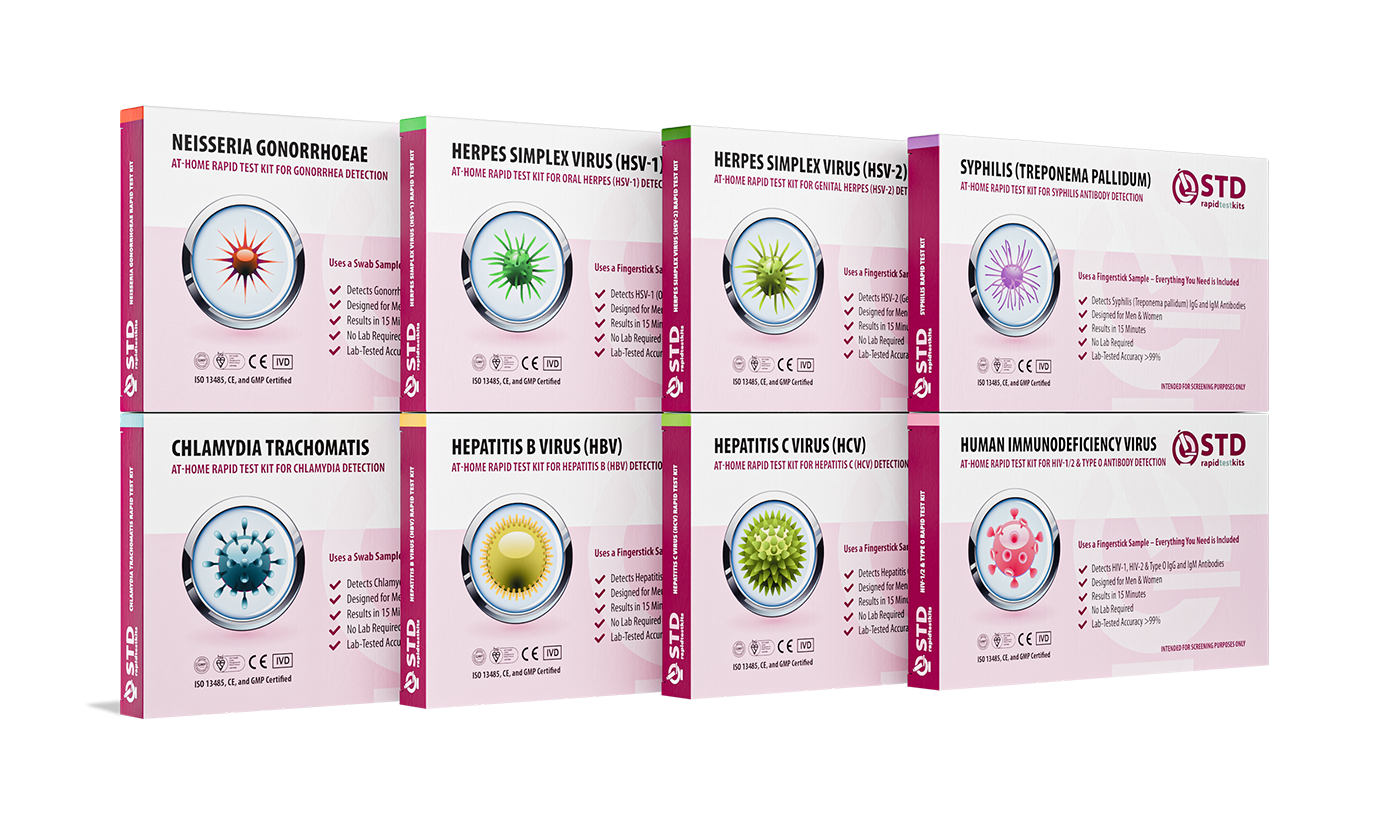
 For Men & Women
 Results in Minutes
 No Lab Needed
 Private & Discreet
Order Now $149.00 $392.00
For all 8 tests
When Symptoms Overlap: A Comparison That Actually Helps
| Question | More Likely BV | More Likely Yeast | Consider STD Testing |
|---|---|---|---|
| Is odor the strongest symptom? | Yes | Usually no | Sometimes |
| Is itching severe? | Mild | Often intense | Mild to moderate |
| Is discharge green or frothy? | Rare | No | Possible with trichomoniasis |
| Is there pelvic pain or urinary burning? | Uncommon | Possible external burning | Common with chlamydia/gonorrhea |
If you read that table and still feel uncertain, that’s normal. Bodies don’t read textbooks. But if you see pelvic pain, fever, or pain during urination layered on top of discharge changes, testing should move from “maybe” to “yes.”
When It’s Not Just BV or Yeast: STD Red Flags You Shouldn’t Ignore
Let’s zoom in on the symptoms that shift this from “annoying imbalance” to “possible infection that needs testing.” Not to scare you. To ground you.
Maria thought it was BV. The smell fit. The discharge was thin. But then she noticed a dull ache low in her pelvis. Not sharp. Just persistent. A few days later, urination started to sting. That’s when the story changed.
Pelvic pain, burning during urination, bleeding between periods, or pain during sex move the needle toward bacterial STDs like chlamydia or gonorrhea. These infections can silently travel upward, affecting the cervix and, in some cases, leading to pelvic inflammatory disease if untreated. The Centers for Disease Control and Prevention emphasizes that many people with chlamydia have no symptoms at all, which makes testing crucial when patterns don’t add up.
Trichomoniasis deserves special mention. It often gets lumped in with BV because of odor, but it’s sexually transmitted. Discharge may appear yellow-green and frothy. Irritation can be stronger than with BV. Some people feel a rawness that yeast doesn’t quite explain.
If you’re noticing fever, severe abdominal pain, or sudden intense discomfort, that’s not a “wait it out” situation. That’s same-day medical care territory.
Could You Have More Than One Thing at Once?
Short answer: yes.
Longer answer: yes, and that’s where confusion multiplies.
Imagine treating what you believe is a yeast infection. The itching improves slightly, but the odor remains. You assume the antifungal just needs more time. Meanwhile, BV continues untreated. Or you treat BV with antibiotics, which then trigger a yeast overgrowth days later. It can feel like chasing ghosts.
There’s also the possibility of BV coexisting with an STD. Having BV can slightly increase susceptibility to certain infections because the protective balance of vaginal bacteria is disrupted. That doesn’t mean you’ve done anything wrong. It means biology is complicated.
When symptoms evolve instead of resolve, testing becomes less about paranoia and more about pattern recognition.
The Timeline Question: When Should You Test?
Timing affects accuracy. Testing too early after exposure can produce false reassurance. Testing too late can mean sitting in anxiety longer than necessary.
Here’s a simplified timing overview for common infections that can mimic BV or yeast.
| Infection | Earliest Detection Window | Most Reliable Testing Time |
|---|---|---|
| Chlamydia | 7 days after exposure | 14 days after exposure |
| Gonorrhea | 7 days after exposure | 14 days after exposure |
| Trichomoniasis | 5–7 days after exposure | 2–4 weeks after exposure |
If symptoms are already present, testing can be done right away. If exposure was recent but symptoms haven’t started, waiting until the reliable testing window improves accuracy.
This is where at-home options can reduce stress. Instead of debating whether to call a clinic or sit in a waiting room, you can order discreetly from STD Rapid Test Kits and choose targeted or combo panels depending on your situation. The Combo STD Home Test Kit is particularly helpful when symptoms don’t clearly point in one direction.
Testing doesn’t accuse your partner. It doesn’t confirm betrayal. It confirms biology.

People are also reading: I Went to a Sex Party, Here’s What I Learned About STI Risk
Does BV Mean Cheating?
This question carries more emotional weight than medical complexity.
No, BV does not automatically mean someone cheated. BV is caused by bacterial imbalance, not by a specific pathogen passed exclusively through sexual contact. New partners can shift vaginal flora. So can stress. So can menstruation. So can douching. Even semen exposure can temporarily alter pH levels.
That said, BV can occur alongside an STD. Which is why persistent or recurring symptoms sometimes warrant broader testing. Not because you’re suspicious. Because you’re thorough.
Shame doesn’t treat infections. Information does.
If You’ve Already Tried Treating It
There’s a common arc. You assume yeast. You buy antifungal cream. You wait three days. Maybe five. The itching fades but the odor lingers. Or nothing improves at all.
That’s the moment to pivot.
Repeated antifungal use when the issue isn’t yeast can cause irritation without solving the underlying imbalance. Similarly, untreated BV won’t resolve with yeast medication. If symptoms persist after a full over-the-counter treatment cycle, it’s time to test or consult a clinician.
And if symptoms come back within weeks, especially after sex, that pattern suggests BV recurrence or possible reinfection with an untreated partner in the case of certain STDs.
The Emotional Spiral (And How to Interrupt It)
There’s a specific kind of silence that happens when you suspect something sexual-health related. You might not tell friends. You might not tell your partner right away. You might just sit with your phone and search quietly.
The truth is, vaginal infections are common. Yeast infections affect most women at some point in their lives. BV is one of the most common vaginal conditions in reproductive-age women. STDs are also common, and most are treatable, especially when caught early.
Testing is not a confession. It’s maintenance. Like checking your blood pressure. Like scheduling a dental cleaning. Your body deserves clarity, not silent anxiety.
How Results Guide What Happens Next
If testing confirms BV, treatment typically involves antibiotics prescribed by a clinician. If it’s yeast, antifungals resolve most cases quickly. If it’s an STD like chlamydia or gonorrhea, antibiotics are effective and partner notification becomes part of responsible care.
For trichomoniasis, prescription medication is also effective, and treating partners helps prevent reinfection. Most bacterial STDs are curable. Viral STDs like herpes require management rather than cure, but that’s a different symptom profile entirely and rarely confused with BV or yeast.
Clarity reduces fear. A diagnosis may not be the outcome you hoped for, but it replaces guessing with a plan.
Check Your STD Status in Minutes
Test at Home with Remedium7-in-1 STD Test Kit
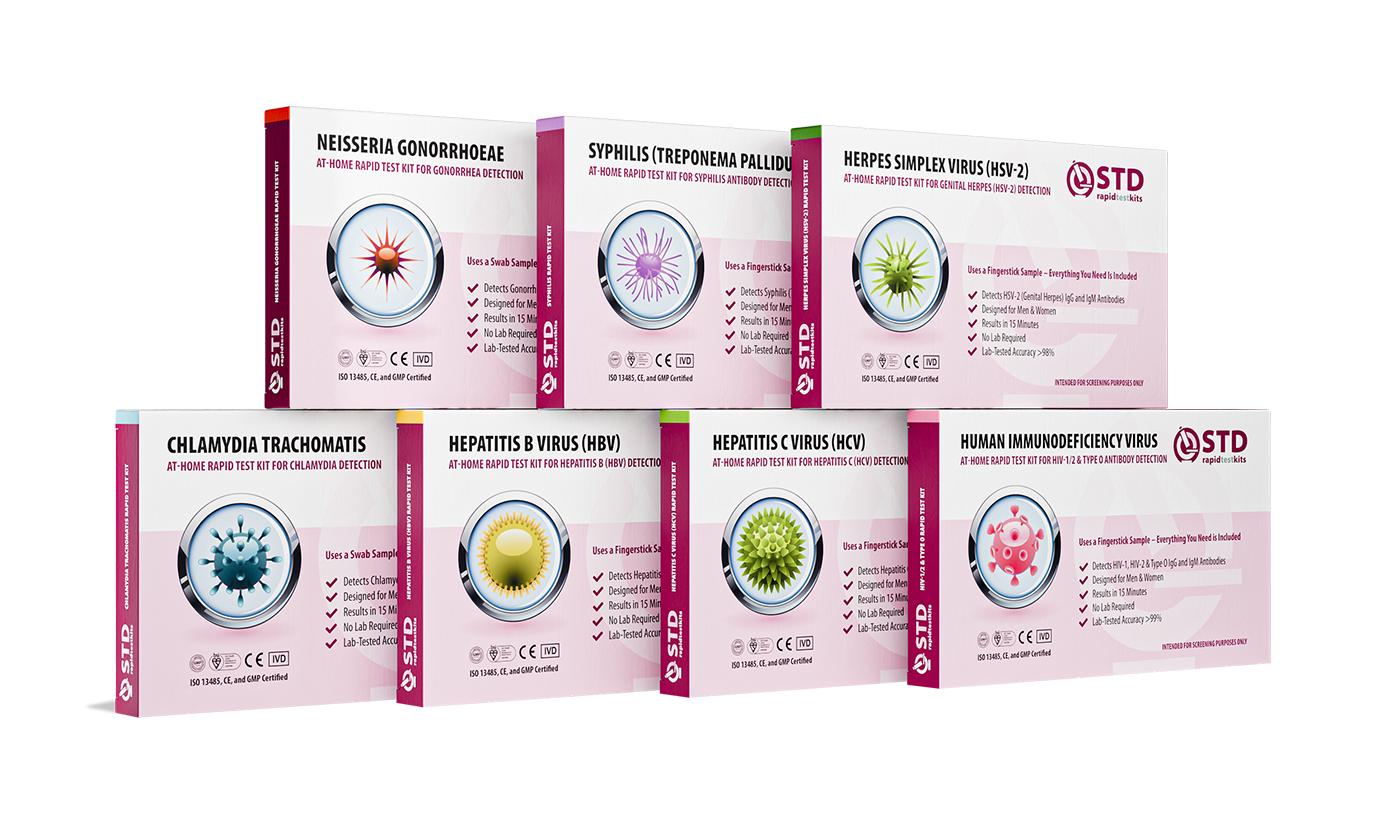 For Men & WomenResults in MinutesNo Lab NeededPrivate & Discreet
Order Now $129.00 $343.00
For all 7 tests
Before You Panic, Pause and Pattern-Match
If odor dominates and itching is mild, think BV. If itching is intense and discharge is thick and white, think yeast. If discharge is green, frothy, or paired with pelvic pain or urinary burning, prioritize STD testing.
And if you’re unsure, don’t crowdsource your body in anonymous forums. Test. Knowing beats spiraling every time.
FAQs
1. Okay, be honest, does BV mean my partner cheated?
No. And I want you to breathe when you read that. BV is about bacterial balance, not betrayal. It can happen after a new partner, yes, but it can also happen after stress, your period, semen exposure, or even just a shift in hormones. It’s chemistry, not confession. If your only “evidence” is a fishy smell, that’s not proof of infidelity, it’s usually proof of pH disruption.
2. If it itches like crazy, is that automatically yeast?
Intense, distracting, can’t-sit-still itching? That leans strongly toward a yeast infection, especially if the discharge is thick and white and there’s little to no odor. Yeast tends to feel loud and inflamed. STDs can itch, but usually not with that relentless, swollen, irritated intensity. Still, if itching doesn’t improve after treatment, that’s your cue to test instead of guessing.
3. What if it smells fishy but there’s barely any itching?
That pattern, strong odor, thin discharge, minimal itch, is classic BV. Many people notice it most after sex because semen changes vaginal pH temporarily, amplifying that smell. It doesn’t mean something new was “caught.” It usually means something shifted.
4. Green discharge. Should I panic?
Not panic. But don’t ignore it. Green or yellow-green discharge, especially if it looks frothy or bubbly, can point toward trichomoniasis or sometimes gonorrhea. That’s not a home-remedy situation. That’s a “let’s get tested and get clarity” moment. The good news? These are treatable.
5. I treated for yeast and nothing changed. Now what?
That’s your body waving a small red flag. If antifungal treatment didn’t improve symptoms within a few days, it may not have been yeast to begin with. Repeating the same treatment over and over can irritate the tissue without solving the real issue. At that point, testing for BV or common STDs is smarter than doubling down.
6. Can I have BV and an STD at the same time?
Yes. And this is where self-diagnosis gets messy. BV doesn’t protect you from STDs, and STDs don’t cancel out BV. If symptoms feel layered, odor plus pelvic discomfort, or discharge plus urinary burning, testing for multiple infections at once makes more sense than playing elimination games.
7. How do I know if it’s serious enough to see a doctor right away?
Fever. Severe pelvic or abdominal pain. Faintness. Bleeding that isn’t your period. Those are not “wait and see” symptoms. Those are same-day care symptoms. BV and yeast are uncomfortable, but they don’t usually make you feel systemically ill.
8. If my STD test is negative, can I relax?
Mostly, yes, especially if you tested during the reliable window period. If symptoms persist despite negative results, it may point toward BV, yeast, or even non-infectious irritation from soaps or new products. Negative STD results don’t mean you imagined symptoms. They narrow the field so you can treat the right thing.
9. Why does this always seem to happen after sex?
Sex changes vaginal chemistry temporarily. Semen raises pH. Friction can irritate tissue. New partners introduce different bacteria. None of that automatically equals infection. Sometimes it’s just biology adjusting. If symptoms resolve within a day or two, it may have been temporary imbalance. If they linger, test.
10.What’s the smartest move when I’m not 100% sure?
Pause. Pattern-match. Then test instead of spiraling. Guessing creates anxiety. Data creates direction. Whether it’s BV, yeast, or an STD, clarity shortens the emotional spiral dramatically.
You Deserve Clarity, Not Guesswork
Standing in your bathroom at midnight, trying to decode your body from a search bar, is exhausting. The truth is simpler than the panic makes it feel. Odor-heavy and thin discharge often signals BV. Intense itching with thick white discharge often signals yeast. Green, frothy discharge or pelvic pain moves STD testing higher on the list.
But patterns are not proof. Testing is.
Take charge of the next step if you're having trouble sleeping because of uncertainty. Look into discreet and trustworthy options at STD Rapid Test Kits. If symptoms don’t clearly point in one direction, the Combo STD Home Test Kit checks for multiple common infections at once, giving you clarity without a waiting room.
Peace of mind is not dramatic. It’s quiet. It’s informed. It’s yours.
How We Sourced This Article: This guide was built using current clinical guidance from leading public health organizations, peer-reviewed research on bacterial vaginosis, candidiasis, and common sexually transmitted infections, and lived-experience reporting to ensure emotional accuracy. Approximately fifteen reputable medical and academic sources informed the writing.
Sources
1. CDC – Bacterial Vaginosis Fact Sheet
4. CDC – Trichomoniasis Fact Sheet
5. Mayo Clinic – Yeast Infection (Vaginal) Overview
6. American College of Obstetricians and Gynecologists – Vaginitis FAQ
About the Author
Dr. F. David, MD is a board-certified specialist in infectious diseases who works to stop, diagnose, and treat STIs. He uses a stigma-free, sex-positive approach and clinical accuracy to support easy testing and smart decisions about sexual health.
Reviewed by: A. Reynolds, PA-C | Last medically reviewed: February 2026
This article is for informational purposes and does not replace medical advice.


