





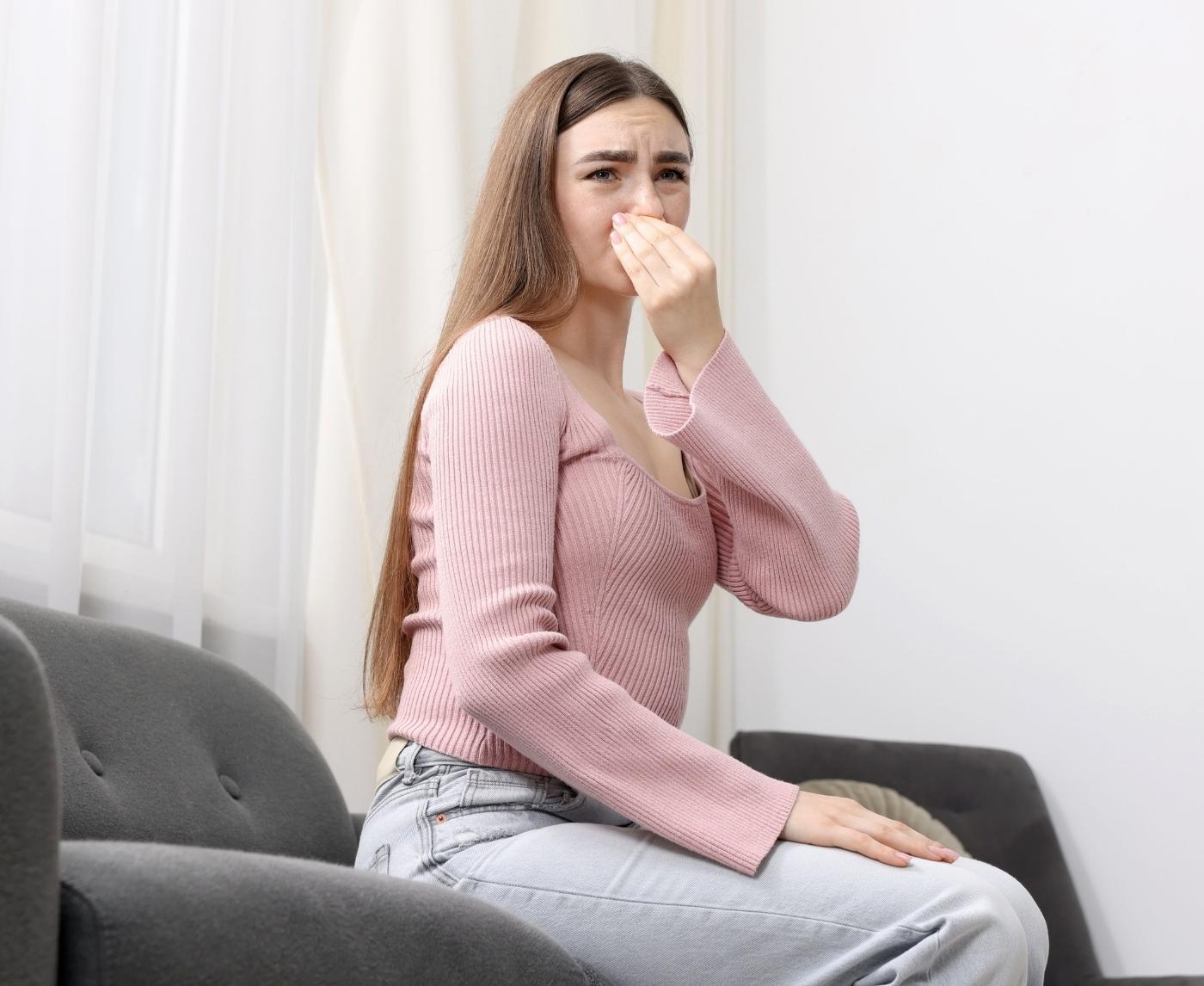

Quick Answer: Fishy smell after sex most often suggests Bacterial Vaginosis (BV), especially if it worsens after semen exposure. Trichomoniasis can also cause odor but usually includes greenish discharge or irritation. Mild odor without other symptoms may be a temporary pH shift, but persistent smell lasting more than a few days should be tested.
The Moment After: Why Sex Changes Vaginal Smell
Let’s start with something no one says clearly enough: sex changes vaginal chemistry. Immediately. Semen is alkaline. The vagina is naturally acidic. When the two mix, even in perfectly healthy bodies, the pH temporarily shifts.
That shift can amplify odor-producing bacteria that were already present in small amounts. Suddenly what was subtle becomes noticeable. It doesn’t mean you’re dirty. It doesn’t mean your partner is infected. It means chemistry happened.
Picture Maya, 27, who noticed a strong smell only after unprotected sex with her long-term boyfriend. “It disappears in a day or two,” she said. “But every time, I panic like it’s something serious.” In her case, testing ruled out infection. The smell was simply her microbiome reacting to semen exposure.
But here’s where the investigator voice steps in: if the smell lingers longer than 48 to 72 hours, returns consistently, or comes with discharge changes, that’s when we look closer.
BV vs Trich vs Normal Changes: Side-by-Side
Not all fishy smells are equal. The details matter. Color. Texture. Timing. Irritation. Pattern. When we line them up side by side, the differences become clearer.
| Feature | Bacterial Vaginosis (BV) | Trichomoniasis | Normal pH Shift |
|---|---|---|---|
| Smell | Strong fishy odor, worse after sex | Fishy or musty odor | Mild odor, resolves in 1–2 days |
| Discharge | Thin, gray or white | Greenish-yellow, frothy | Clear or slightly milky |
| Itching/Burning | Usually minimal | Common | None |
| Cause | Bacterial imbalance (not always an STD) | Sexually transmitted parasite | Semen temporarily alters pH |
| Needs Treatment? | Yes, antibiotics | Yes, prescription medication | No |
Figure 1. Key differences between BV, trichomoniasis, and temporary pH-related odor.
Notice the pattern. BV is about imbalance. Trich is about infection. Normal changes are about chemistry. The smell alone doesn’t diagnose, the combination of symptoms does.

People are also reading: No Symptoms, Still Positive: What Hep C Means for You Now
When It’s Probably Bacterial Vaginosis
Bacterial Vaginosis is the most common cause of fishy vaginal odor. It happens when protective lactobacilli bacteria drop and other bacteria overgrow. According to the Centers for Disease Control and Prevention, BV is extremely common in people with vaginas and does not automatically mean an STD.
The classic sign? The smell intensifies after sex. That’s because semen makes the environment more alkaline, which releases compounds called amines. Amines are what create that fishy scent.
There’s often thin gray or white discharge, but minimal itching. That’s a key distinction from yeast infections, which are typically itchy and thick. BV is more about smell than irritation.
Jasmine, 32, described it this way: “I felt completely fine. No pain. No itching. Just this strong smell after sex that wouldn’t go away.” A simple test confirmed BV, and a short course of antibiotics cleared it within days.
Untreated BV can increase susceptibility to other STDs and may lead to complications in pregnancy. So while it’s common and treatable, it’s not something to ignore if it persists.
When It Might Be Trichomoniasis
Trichomoniasis is a sexually transmitted infection caused by a parasite. Unlike BV, it is transmitted through sexual contact. The smell can be similar, fishy or strong, but trich usually brings more noticeable symptoms.
Greenish-yellow discharge. Frothy texture. Vaginal irritation. Burning during urination or sex. Some people describe a raw feeling that wasn’t there before.
And here’s the tricky part: some people have trich with almost no symptoms at all. That’s why it spreads easily. You can carry it without knowing.
Think of Alina, who assumed she had BV because of the odor. She treated it twice without improvement. Testing eventually revealed trichomoniasis. One prescription later, the symptoms resolved, and her partner was treated too.
Trich will not resolve on its own. It requires specific medication. That’s why testing matters if the smell persists, especially after new or unprotected sex.
Could It Just Be… Normal?
This is the part most people skip. Bodies are not scentless. They are not supposed to be. And sex changes things, temporarily.
If the odor appears only right after sex, fades within a day or two, and doesn’t come with itching, unusual discharge, pelvic pain, or burning, you may simply be experiencing a temporary pH shift. Semen, sweat, friction, even certain lubricants can alter vaginal chemistry for a short window.
Picture this: it’s Sunday morning. You had sex late Saturday night. By Monday afternoon, everything smells and feels normal again. That pattern, appearance, then quick resolution, is often chemistry, not infection.
Hormones also matter. Around ovulation, discharge becomes thinner and more noticeable. After your period, slight odor shifts can happen as blood changes the pH. These variations are part of being human, not a failure of hygiene.
The investigator voice cuts in here gently: normal changes resolve. Infections persist or escalate. Duration is a major clue.
How Long Is Too Long?
Time is one of the most useful diagnostic tools you have at home.
If a fishy smell lasts more than three days, returns consistently after sex, or becomes stronger instead of fading, that moves it out of “temporary shift” territory and into “needs testing” territory.
If discharge changes color to gray, green, or yellow. If irritation appears. If urination burns. Those are signals that your body is not just recalibrating, it’s responding to imbalance or infection.
Testing early prevents weeks of wondering. And honestly? The emotional relief of knowing often matters as much as the medical answer.
Check Your STD Status in Minutes
Test at Home with Remedium7-in-1 STD Test Kit
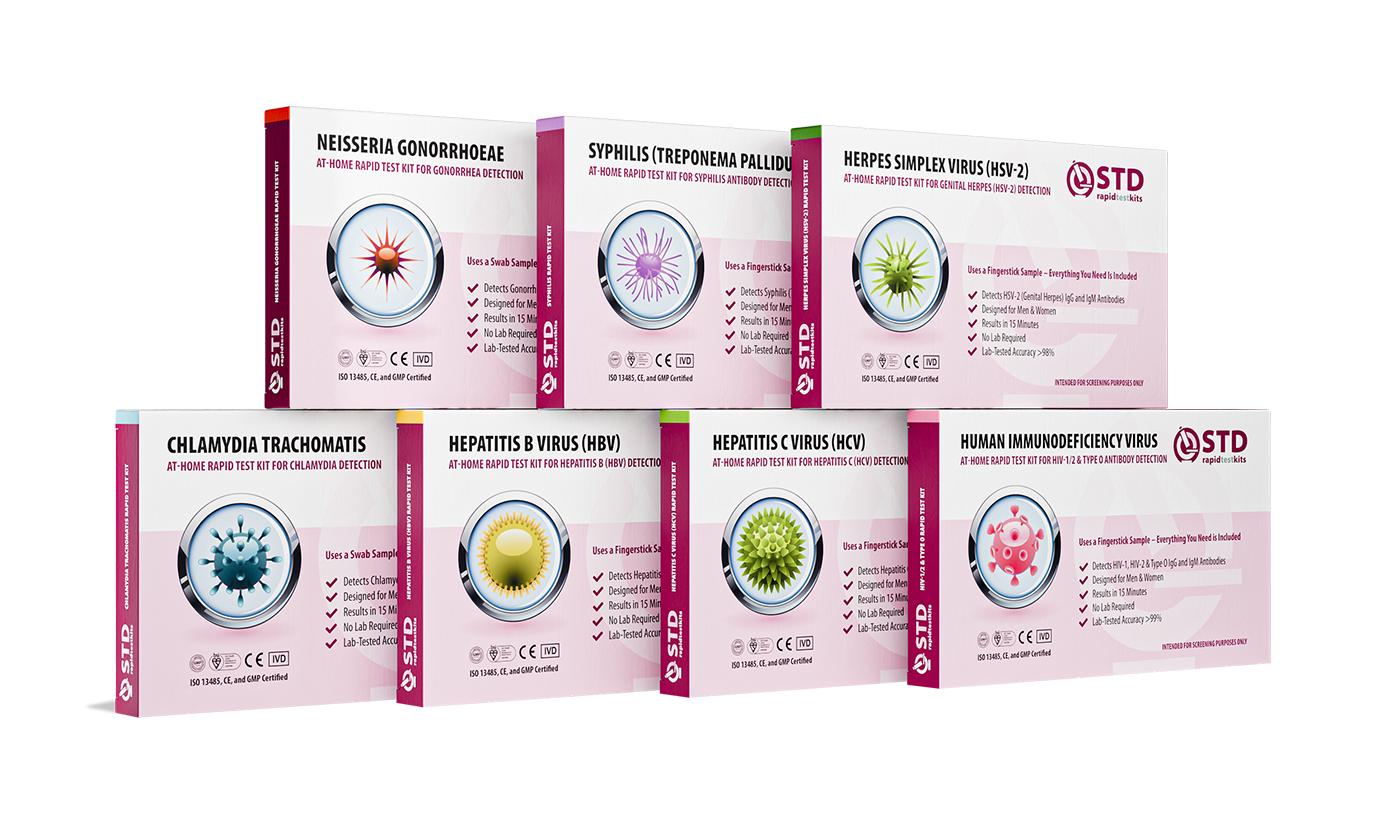
 For Men & Women
 Results in Minutes
 No Lab Needed
 Private & Discreet
Order Now $129.00 $343.00
For all 7 tests
Testing Options: What Actually Works
There is no reliable over-the-counter home test for Bacterial Vaginosis that replaces a clinical evaluation, but there are accurate at-home screening options for Trichomoniasis and comprehensive STD panels that can detect common infections linked to odor changes.
Modern nucleic acid amplification tests (NAATs) are highly sensitive for trichomoniasis. These tests detect genetic material from the parasite, even in early infection. According to clinical guidelines, NAAT testing is considered the most accurate diagnostic method for trich.
For someone sitting on the edge of their bed Googling at midnight, the practical question is simple: where do I start?
If symptoms are mild and recent, you might wait 48 hours to see if odor resolves. If it doesn’t, testing becomes the next calm, logical step.
You can explore discreet, FDA-authorized at-home options at STD Rapid Test Kits. If trichomoniasis is a concern, a targeted rapid test can provide clarity without a clinic visit.
When to Test After Sex: Timing Matters
One of the biggest mistakes people make is testing too early. You want the test to be accurate, not just fast.
Trichomoniasis typically becomes detectable within about 5 to 7 days after exposure, though some cases may take longer. Testing immediately the day after sex may not capture a new infection.
The table below breaks down recommended testing windows for odor-related concerns.
| Condition | Earliest Testing Window | Best Accuracy Window | Retest Recommended? |
|---|---|---|---|
| Bacterial Vaginosis | When symptoms appear | Any time symptomatic | If symptoms return |
| Trichomoniasis | 5–7 days after exposure | 7–14 days after exposure | Yes, 3 months after treatment |
| Other STDs (Chlamydia/Gonorrhea) | 5–7 days | 14 days | Yes, if ongoing risk |
Figure 2. Testing windows for common causes of fishy odor after sex.
If you’re unsure about timing, waiting a full week after potential exposure increases accuracy for trichomoniasis. That week can feel long. But it’s shorter than months of uncertainty.
The Emotional Spiral: “Does This Mean Someone Cheated?”
This question comes up constantly. Quietly. Shamefully.
A fishy smell after sex does not automatically mean infidelity. BV is not proof of cheating. It is a bacterial imbalance that can occur even in monogamous, long-term relationships. Stress, antibiotics, hormonal shifts, and semen exposure can all disrupt vaginal flora.
Trichomoniasis, on the other hand, is sexually transmitted. But infections can persist silently for months before symptoms appear. That means a new odor does not necessarily equal a recent betrayal.
Conversations based on facts, not fear, are what relationships need. Testing clears things up before people start making accusations.

People are also reading: Sore Throat After a Hookup? It Might Be an STD
When to Seek Urgent Care
There are some signs that something is wrong with the smell, even though most of the time it's not an emergency.
If you have severe pelvic pain, a fever, a bad discharge with abdominal tenderness, or bleeding that isn't related to your cycle, you need to see a doctor right away. Those symptoms go beyond BV or trich and may indicate pelvic inflammatory disease.
Trust your instincts. Don't wait if something feels really wrong.
How Results Shape What Happens Next
If you have BV, your doctor will probably give you antibiotics like metronidazole or clindamycin. Most of the time, the problem goes away in a week. Sexual partners typically do not require treatment unless symptoms recur repeatedly.
If trichomoniasis is diagnosed, both partners must be treated simultaneously to prevent reinfection. Abstaining from sex until treatment is complete is recommended.
If testing is negative and the odor resolves, you can likely attribute it to temporary pH shifts. Just knowing that can help you feel less anxious the next time it happens.
Clarity changes everything. It replaces spiraling thoughts with a plan.
What Makes BV More Likely After Sex?
There’s a reason the smell often appears specifically after intercourse. Semen raises vaginal pH, and BV thrives in less acidic environments. If protective lactobacilli bacteria are already slightly reduced, that shift can tip the balance.
Frequent unprotected sex, new partners, douching, recent antibiotic use, and even high stress levels can all influence bacterial balance. None of those are moral failings. They are biological variables.
Imagine someone starting a new relationship. More frequent sex. Different microbiome exposure. The body recalibrates. Sometimes it adapts smoothly. Sometimes BV develops. It’s not about cleanliness. It’s about ecosystem shifts.
What matters is pattern recognition. If odor consistently intensifies after intercourse and lingers, BV becomes the top suspect.
Why Trich Can Be Harder to Spot
Trichomoniasis is caused by a microscopic parasite called Trichomonas vaginalis. It spreads through sexual contact, and many people carry it without obvious symptoms.
That’s part of why it travels quietly between partners. A person can have trich for months and never notice more than mild irritation or slight odor changes. Then suddenly, symptoms flare.
Consider Daniela, who had been with her partner for a year. A new fishy smell appeared along with mild burning during urination. She assumed BV. Testing revealed trich. Neither partner had cheated recently; the infection had likely been dormant.
This is why testing is powerful. It replaces suspicion with science.
Reinfection and Recurrence: The Frustrating Loop
BV has a frustrating habit of coming back. Even after treatment, recurrence rates within three months can be significant. That doesn’t mean treatment failed. It means the vaginal microbiome is sensitive and dynamic.
Trich can also reappear if both partners are not treated at the same time. Reinfection is common when one person completes medication and resumes sex while the other remains untreated.
Patterns tell the story. If odor disappears with treatment but returns quickly, partner testing may be necessary. If BV recurs multiple times, a healthcare provider may recommend longer or suppressive therapy.
How At-Home Testing Fits Into the Picture
Clinic visits can feel intimidating. Waiting rooms. Insurance questions. Awkward explanations. For many people, that alone delays testing.
At-home options provide privacy and control. A discreet package arrives. You collect the sample in your own bathroom. Results come without fluorescent lighting or small talk.
If you’re weighing your options, a comprehensive home panel can screen for trichomoniasis alongside other common infections. Explore options directly through STD Rapid Test Kits to compare available rapid tests and combo kits.
The goal isn’t fear. It’s clarity. Testing is not an admission of guilt. It’s an act of self-respect.
BV, Trich, or Normal? A Pattern-Based Comparison
When you zoom out, the difference between temporary odor and infection becomes clearer in pattern form.
| Pattern Clue | Likely Normal Shift | Likely BV | Likely Trich |
|---|---|---|---|
| Duration | 1–2 days | Persistent for days | Persistent and may worsen |
| Discharge Texture | Clear or slightly cloudy | Thin, smooth | Frothy or bubbly |
| Color Changes | No major change | Gray-white | Green-yellow |
| Irritation | None | Mild or none | Common |
| Response to Waiting | Improves | Does not resolve without treatment | Does not resolve without treatment |
Figure 3. Pattern-based differentiation for fishy smell after sex.
This table isn’t a diagnosis. It’s a compass. It helps you decide whether to wait briefly, test soon, or seek care immediately.
Check Your STD Status in Minutes
Test at Home with Remedium8-in-1 STD Test Kit
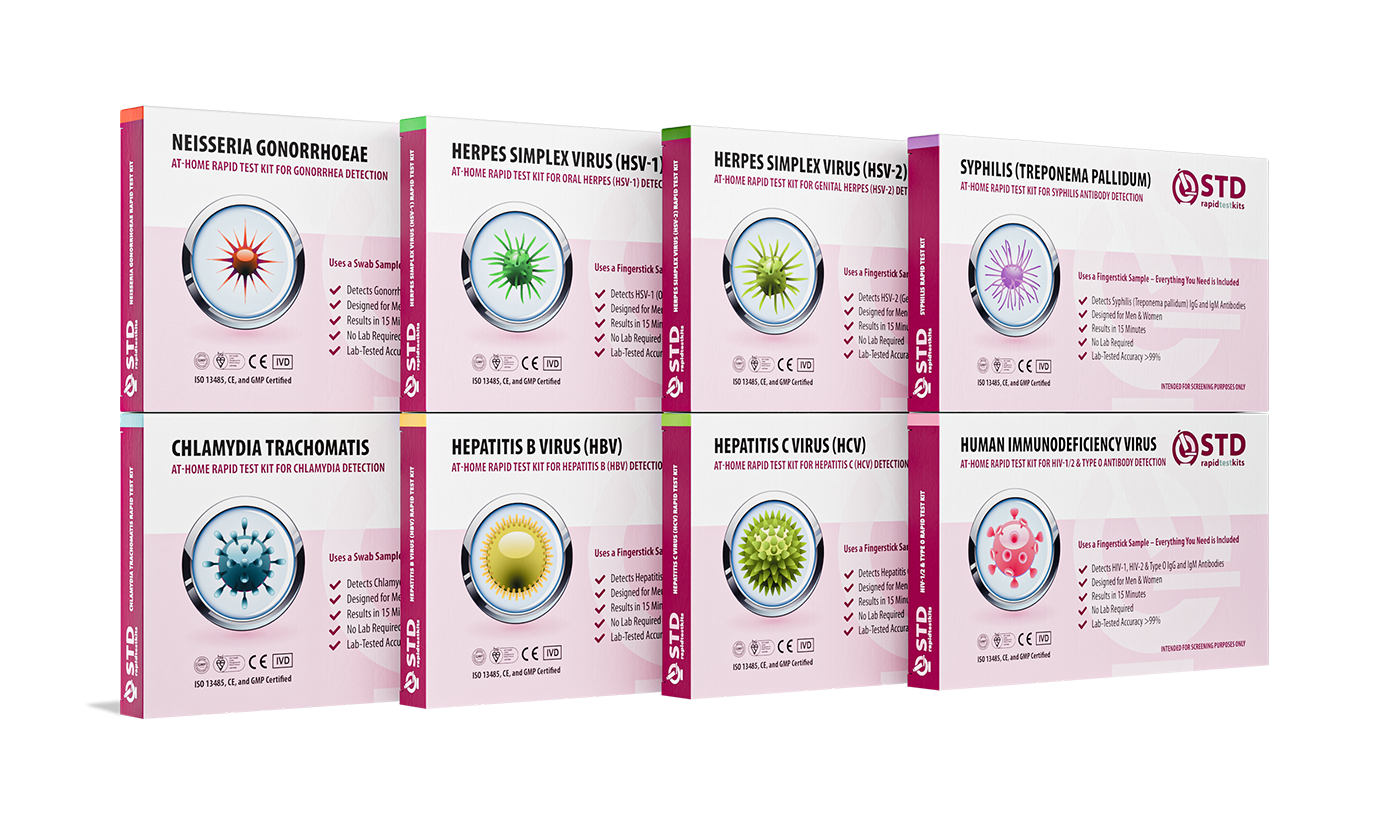 For Men & WomenResults in MinutesNo Lab NeededPrivate & Discreet
Order Now $149.00 $392.00
For all 8 tests
Protecting Your Vaginal Microbiome
You cannot sterilize your vagina into permanent freshness. Nor should you try. Overwashing, douching, and using scented products often disrupt the protective bacteria that prevent BV.
Gentle cleansing of the external vulva with mild soap and water is enough. The internal vagina is self-cleaning. Interfering with that process usually backfires.
Using condoms consistently can reduce pH shifts from semen exposure. For people prone to recurrent BV, this alone can make a noticeable difference.
Your body is not defective. It is responsive. That distinction matters.
FAQs
1. Okay, real talk, is a fishy smell after sex automatically BV?
Not automatically. BV is the most common reason for that classic fishy odor, especially if it ramps up after semen exposure. But sometimes your vagina just had chemistry class with someone else’s body and needs 24–48 hours to recalibrate. If the smell fades and nothing else changes, that’s often a pH shift. If it lingers, repeats, or comes with gray discharge, that’s when BV moves to the top of the suspect list.
2. If it’s trich, would I definitely know?
Not necessarily, and that’s the sneaky part. Some people with Trichomoniasis have obvious symptoms like greenish discharge or burning. Others just notice “something’s off.” Maybe a stronger smell. Maybe mild irritation. Or maybe nothing at all. That’s why testing matters more than guessing. Trich doesn’t always announce itself dramatically.
3. Why does it smell worse right after sex?
Semen is alkaline. The vagina is acidic. When they mix, the pH shifts temporarily. That shift can amplify odor-producing compounds, especially if BV bacteria are present. It’s not about being unclean. It’s chemistry. Bodies interacting.
4. How long should I wait before freaking out?
Give it a beat. If the smell disappears within a day or two and you feel totally normal otherwise, you probably don’t need to panic. If it sticks around past three days, gets stronger, or comes with discharge changes or irritation, that’s your cue to test. Anxiety thrives in uncertainty. Testing shuts that down.
5. Does BV mean someone cheated?
No. Full stop. Bacterial Vaginosis is about bacterial imbalance, not betrayal. It can happen in monogamous relationships. It can happen without sex at all. Stress, antibiotics, hormonal shifts, they all play a role. If you’re worried about infidelity, testing provides facts before assumptions start doing damage.
6. Can trich stay hidden for months?
Yes. Someone can carry trich without dramatic symptoms, which means a new odor does not automatically equal a recent exposure. That timeline confusion is why conversations should be grounded in testing results, not fear-based math.
7. If my test is negative but the smell keeps coming back, what then?
Recurrent BV is common. Frustrating, but common. Sometimes the vaginal microbiome needs longer or tailored treatment. Sometimes condom use reduces recurrence because it prevents repeated pH shifts. If negative tests keep happening and odor persists, a provider can help map out a longer-term plan.
8. Will douching fix it?
It might mask the smell for a day. Then it often makes things worse. Douching disrupts protective bacteria and can increase BV risk. The vagina is self-cleaning. Gentle external washing is enough. Anything more is usually counterproductive.
9. Should my partner get tested too?
If it’s BV, not necessarily, partner treatment isn’t routinely recommended. If it’s trich, absolutely yes. Both partners need treatment at the same time to prevent passing it back and forth. Reinfection loops are common when only one person takes medication.
10. What’s the smartest next step if I’m still unsure?
Test. Quietly. Discreetly. From home if you prefer. The mental relief of knowing is often bigger than the diagnosis itself. Clarity gives you back control, whether it's BV, trich, or just chemistry.
Before You Panic, Here’s What to Do Next
If you notice a fishy smell after sex, pause before spiraling. Ask yourself three grounded questions. How long has it lasted? Has discharge changed color or texture? Is there irritation or burning?
If the odor fades within a day or two and nothing else shifts, your body likely experienced a temporary pH response. That’s chemistry, not catastrophe. Testing gives you control instead of uncertainty if the smell doesn't go away, gets worse, or comes back.
You should be able to get answers without feeling bad. If you want discreet clarity from home, consider a rapid test or combo panel through STD Rapid Test Kits. Results bring relief, and relief changes how you move forward.
How We Sourced This Article: This guide blends current recommendations from leading medical authorities including the Centers for Disease Control and Prevention, Mayo Clinic, and peer-reviewed infectious disease research with lived-experience reporting.
Sources
1. World Health Organization – Trichomoniasis Fact Sheet
2. Vaginal Microbiome and Bacterial Vaginosis – NCBI Review
3. CDC – Bacterial Vaginosis (BV) Fact Sheet
4. CDC – Trichomoniasis Fact Sheet
5. Mayo Clinic – Bacterial Vaginosis: Symptoms and Causes
6. Mayo Clinic – Trichomoniasis: Symptoms and Causes
7. American College of Obstetricians and Gynecologists – Vaginitis FAQ
About the Author
Dr. F. David, MD is a board-certified infectious disease specialist focused on STI prevention, diagnosis, and treatment. He combines clinical precision with a candid, sex-positive approach designed to reduce stigma and expand access to discreet testing.
Reviewed by: A. Martinez, PA-C | Last medically reviewed: February 2026
This article is only meant to give you information and should not be used as medical advice.


