






Quick Answer: Pelvic pain after sex without discharge can be caused by friction, deep penetration, ovulation, or muscle tension, but it can also signal silent infections like chlamydia or gonorrhea. If pain persists, worsens, or follows unprotected sex, testing 7–14 days after exposure is recommended.
This Isn’t Just in Your Head
First, let’s slow the spiral. Pelvic pain after sex is common. Very common. Studies referenced by organizations like the Centers for Disease Control and Prevention show that many sexually transmitted infections cause minimal or no early symptoms at all. That means your body can feel “off” without dramatic signs like discharge or fever.
But here’s the part no one explains clearly: pain alone doesn’t automatically equal infection. Sometimes it’s your cervix getting bumped during deep thrusting. Sometimes it’s ovulation. Sometimes it’s pelvic floor muscles tightening because you were tense without realizing it.
The problem isn’t that pain exists. The problem is that pain overlaps. Mechanical causes and infectious causes can feel almost identical in the early stages. That’s why context matters more than panic.
Infection or Irritation? A Side-by-Side Breakdown
Let’s look at what typically separates post-sex irritation from infection-related pelvic pain. The distinction often isn’t dramatic. It’s subtle. Timing, persistence, and accompanying symptoms matter more than intensity.
| Feature | Mechanical / Friction-Related Pain | Possible Infection-Related Pain |
|---|---|---|
| Onset | Immediately after deep or vigorous sex | May appear days later after exposure |
| Duration | Improves within hours to 1–2 days | Persists or gradually worsens |
| Discharge | Usually none | May be absent early, especially with chlamydia |
| Other Symptoms | Tenderness with movement | Spotting, fever, nausea, deeper pelvic ache |
| Risk Context | Rough sex, new position, large partner | Unprotected sex or new partner within 2–3 weeks |
Table 1. Mechanical versus infection-related pelvic pain patterns. Early infections may present subtly without discharge.
Notice what’s tricky here. Discharge isn’t a reliable dividing line. Many cases of early chlamydia cause lower abdominal pain without dramatic vaginal changes. The same can be true for gonorrhea.
That’s why we shift the question from “Do I have discharge?” to “What was my exposure risk, and how long has this pain lasted?”
People are also reading: How to Tell Someone You Have HSV-1 (Without Losing the Relationship)
The Silent STD Factor
Here’s the uncomfortable truth: most people with chlamydia don’t notice obvious symptoms right away. According to public health data, a significant percentage of infections in women are asymptomatic in early stages. That doesn’t mean harmless. It just means quiet.
Picture this: you had sex 10 days ago. No condom. You felt fine all week. Then you notice a subtle ache after sex tonight. It’s not dramatic. Just… different. That timeline matters. Many bacterial STDs have a window period of about 7–14 days before reliable testing detects them.
Which means testing tomorrow might be too early for accuracy. And testing three weeks from now might give you clarity.
If your mind keeps circling the question, that’s often your cue. Peace of mind is medical, too. You can explore discreet options at STD Rapid Test Kits, including combo tests that check multiple infections at once.
When Pain Becomes Something More: Early PID Signals
Pelvic inflammatory disease, often called PID, develops when infections like chlamydia or gonorrhea travel upward into the uterus or fallopian tubes. It doesn’t happen overnight. It evolves.
The early phase can feel deceptively mild. Dull lower abdominal pain. Discomfort during sex. Maybe light spotting. No dramatic discharge. No headline symptoms.
But if pain becomes sharper, spreads across both sides of the lower abdomen, or pairs with fever or nausea, that’s not a “wait and see” moment. That’s a call-your-provider moment.
| Symptom Pattern | Monitor at Home | Seek Medical Care Promptly |
|---|---|---|
| Mild ache after sex | Yes, if improves within 48 hours | No, unless worsening |
| Pain lasting more than 3 days | Consider testing | Yes, especially with risk exposure |
| Fever above 100.4°F | No | Yes |
| Nausea or vomiting with pelvic pain | No | Yes |
| New bleeding between periods | Testing recommended | If heavy or severe |
Table 2. Red flag symptoms that shift pelvic pain from “watchful waiting” to urgent evaluation.
Most pelvic pain after sex is not PID. But ignoring persistent pain after risky exposure can allow silent infections to progress. The goal isn’t fear. The goal is timing.
Timing Is Everything: When to Test After Sex
Testing too early can create false reassurance. Testing too late can prolong anxiety. So here’s the practical window guidance based on common bacterial STDs.
If it has been fewer than five days since exposure, most urine or swab tests may not detect infection yet. Between seven and fourteen days, detection becomes much more reliable. After two weeks, most chlamydia and gonorrhea tests reach high accuracy.
If your pain started three days after sex, that doesn’t automatically mean infection. But if it started ten days later and lingers, testing becomes a rational step rather than a reactive one.
Many people prefer privacy and speed. A discreet Combo STD Home Test Kit allows you to check multiple infections without stepping into a clinic waiting room. Results are yours. The timing is yours. The decision is yours.
How Soon Do STD Symptoms Start, And Does Pain Come First?
This is where most late-night searches land: how soon do STD symptoms start? The frustrating answer is that there isn’t one universal clock. Some infections cause noticeable irritation quickly. Others sit quietly for days or weeks before your body reacts.
With chlamydia and gonorrhea, symptoms can begin within 7 to 14 days after exposure. But many people never notice classic signs like unusual discharge. Instead, they describe a vague heaviness in the pelvis. A dull ache after intercourse. A sense that something feels “inflamed,” even though nothing looks different.
Imagine this scenario. You had sex twelve days ago. Everything seemed fine. Then tonight, after intercourse again, you feel a deep soreness that lingers. No discharge. No odor. Just a persistent, low abdominal ache. That timeline fits the window when bacterial infections become detectable.
But here’s the nuance: pain during the first 24 hours after sex is usually mechanical. Pain appearing days later, especially with new risk exposure, deserves a more careful look.
Check Your STD Status in Minutes
Test at Home with Remedium8-in-1 STD Test Kit
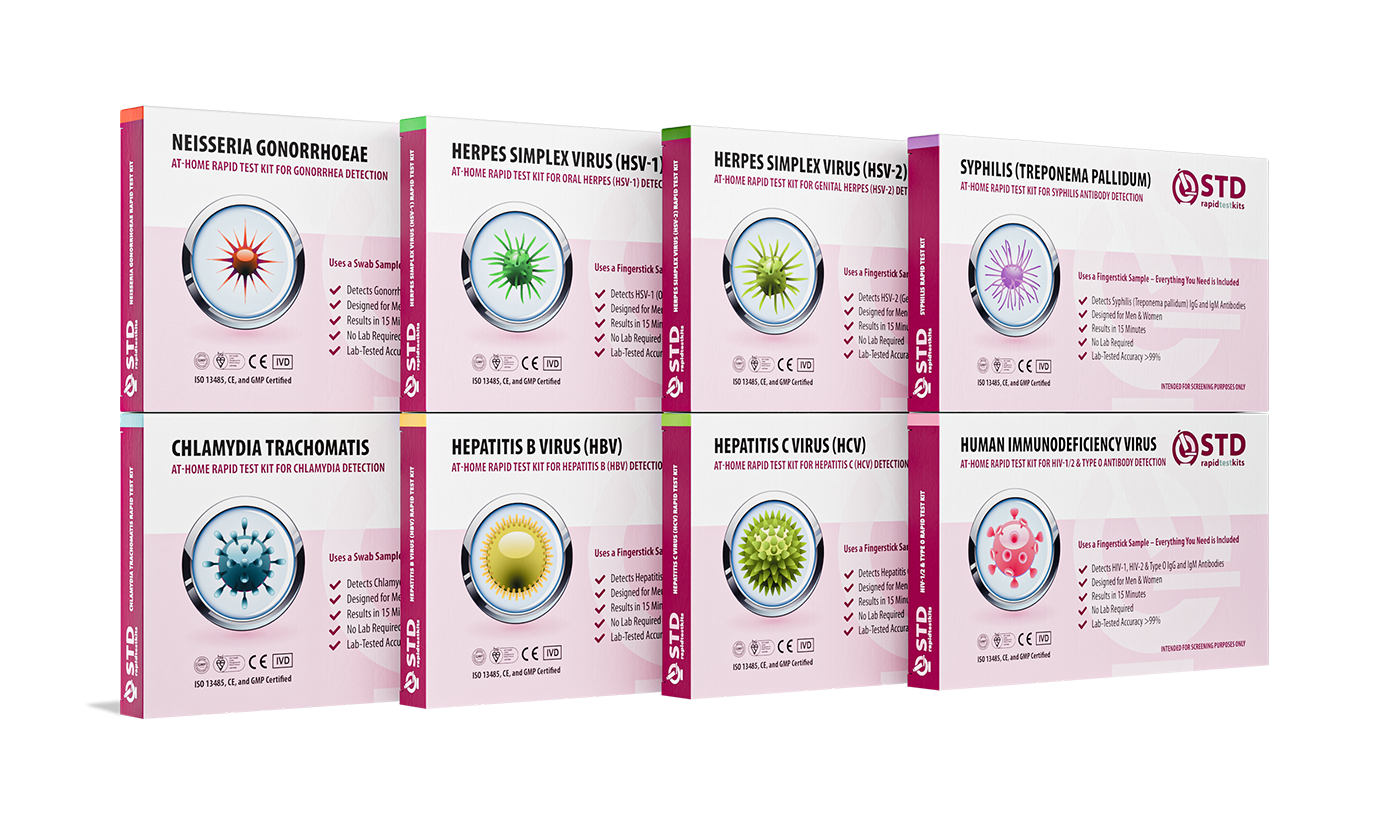
 For Men & Women
 Results in Minutes
 No Lab Needed
 Private & Discreet
Order Now $149.00 $392.00
For all 8 tests
The Cervix, the Uterus, and Why Deep Sex Can Hurt
Not all pelvic pain is infection. The cervix sits at the lower end of the uterus, and for some people, deep penetration can bump it repeatedly. That can create a bruised, cramp-like sensation afterward. It’s not dangerous. It’s anatomical.
There’s also ovulation. Mid-cycle, the ovary releases an egg. Some people feel this as one-sided lower abdominal pain called mittelschmerz. If sex happens around that time, the sensation can intensify and feel like post-sex cramping.
And then there’s muscle tension. The pelvic floor is a group of muscles that contract during orgasm. If you were anxious, not fully aroused, or bracing subconsciously, those muscles can stay tight afterward. The result? Aching that feels deep and internal.
None of those causes require antibiotics. But none of them cancel out risk exposure either. That’s why we don’t rely on feeling alone to rule infection in or out.
Window Periods and Testing Accuracy
Window period is a term that gets thrown around without explanation. It simply means the time between exposure and when a test can reliably detect infection. Testing during the window period can give you a false negative result, not because you’re fine, but because the infection hasn’t reached detectable levels yet.
| Infection | Typical Detection Window | Most Reliable Testing Time | Common Early Symptom Pattern |
|---|---|---|---|
| Chlamydia | 7–14 days | 14+ days after exposure | Often mild pelvic ache or none at all |
| Gonorrhea | 5–14 days | 14+ days after exposure | Pelvic pain, sometimes spotting |
| Trichomoniasis | 5–28 days | 2–4 weeks | Irritation may be subtle early |
| Syphilis | 3–6 weeks | 6 weeks+ | Painless sore, not always pelvic pain |
Table 3. Approximate detection windows for common STDs associated with pelvic discomfort.
Notice something important here. Pelvic pain without discharge does not exclude infection. Early-stage chlamydia in particular can present quietly.
If you test at day five and it’s negative, that doesn’t guarantee you’re clear. If you test at day fourteen and it’s negative, your confidence increases significantly. Timing transforms uncertainty into clarity.
The Emotional Side of “What If?”
Let’s acknowledge something human. Pelvic pain after sex hits differently depending on context. If it happened with a long-term partner and you both test regularly, it may feel annoying but manageable. If it happened after a new partner, especially without protection, the anxiety spikes.
One woman described it like this: “It wasn’t even that painful. It was just enough to make me think. And once I started thinking, I couldn’t stop.”
That spiral is common. And sometimes, testing isn’t about symptoms. It’s about closing the mental loop. The relief of knowing is often worth more than the cost of guessing.
For those who want privacy and speed, testing at home can feel safer. With STD Rapid Test Kits, you can look into private options, such as combination panels that check for several infections at once.
When Pain Is Not an STD at All
There are medical conditions unrelated to sexually transmitted infections that cause pelvic pain after intercourse. Ovarian cysts can create sharp, sudden pain that lingers. Endometriosis can cause deep pain during and after sex. Even gastrointestinal issues like constipation or IBS can create lower abdominal discomfort that feels reproductive.
The key difference is pattern. If pain happens every time you have deep sex, regardless of partner or protection status, infection becomes less likely and structural causes become more plausible.
If pain is random, tied to new sexual exposure, and persists longer than two days, testing becomes a practical next step.
People are also reading: Painful Peeing, No UTI? Here's What Else It Could Be
So… Should You Test?
If you had unprotected sex within the last two weeks and now have pelvic pain, even without discharge, testing is reasonable. Not dramatic. Not paranoid. Reasonable.
If the pain improves within 24 to 48 hours and you had low-risk exposure, you may choose watchful waiting. But if your gut keeps nudging you, listen to it.
Testing after 14 days provides strong reassurance for common bacterial STDs. And if your exposure was very recent, you can test now for baseline clarity and repeat at the optimal window.
You deserve information, not speculation. A discreet combo STD test kit allows you to check multiple infections from home and move forward with confidence instead of fear.
What If You Test Too Early, Or Too Late?
There’s a quiet frustration that comes with testing during the wrong window. You finally work up the courage, take the test, and it says negative. Relief floods in. Then three days later, the pain is still there. Now you’re wondering whether the result was real or just premature.
Testing too early can create false reassurance because bacterial levels may not yet be detectable. Testing too late, on the other hand, doesn’t usually reduce accuracy, but it can allow untreated infections to progress.
This is why timing isn’t about paranoia. It’s about biology. Chlamydia and gonorrhea replicate quietly in the reproductive tract before reaching levels that urine or swab tests can identify. Waiting until day fourteen after exposure significantly improves reliability.
And if your pain is still present at that point, testing moves from optional to wise.
Retesting: The Step Most People Forget
Even if your first test is negative, persistent symptoms deserve follow-up. This doesn’t mean something catastrophic is happening. It simply means your body is still signaling.
Picture this: you test on day eight after sex because the anxiety feels unbearable. The result is negative. But by day fifteen, the dull ache hasn’t disappeared. In that scenario, retesting at the two-week mark provides much stronger diagnostic confidence.
If a test is positive and you receive treatment, retesting is typically recommended about three months later, not because treatment failed, but because reinfection rates can be higher than people expect.
Pelvic pain is information. Testing is confirmation. Retesting is reassurance.
At-Home Testing vs Clinic Testing: What Fits Your Situation?
Some people feel safest in a clinic setting, with a provider asking questions face-to-face. Others feel their chest tighten at the idea of sitting in a waiting room wondering who might recognize them. Both reactions are valid.
At-home testing has become a reliable option for many common bacterial STDs. It offers privacy, speed, and control. Clinic testing offers immediate professional evaluation if symptoms are severe or complicated.
| Factor | At-Home Testing | Clinic Testing |
|---|---|---|
| Privacy | High discretion, no waiting room | Medical record documented visit |
| Speed of Results | Minutes to a few days depending on type | Often 1–3 days |
| Immediate Treatment Access | Requires follow-up if positive | Often same-day prescription |
| Best For | Mild symptoms or peace-of-mind screening | Severe pain, fever, or complex cases |
Table 4. Comparing at-home STD testing and clinic-based testing for pelvic pain evaluation.
If your pain is mild, you have no fever, and you simply need clarity after unprotected sex, a discreet test from STD Rapid Test Kits can be an empowering first step. If you develop severe pain, fever, vomiting, or heavy bleeding, skip the kit and seek in-person care immediately.
The Fertility Question Nobody Wants to Ask
Here’s the deeper fear beneath many searches about pelvic pain after sex: what if I ignored something that could affect my fertility?
Untreated chlamydia and gonorrhea can, in some cases, lead to pelvic inflammatory disease, which may increase the risk of fertility complications. That risk grows with delayed treatment, not with responsible testing.
Testing early doesn’t create problems. It prevents them. And most bacterial STDs are fully treatable with antibiotics when caught in time.
The takeaway is not panic. It’s timing. Pain that lingers beyond a couple of days after risky exposure deserves clarity, not guesswork.
Check Your STD Status in Minutes
Test at Home with Remedium7-in-1 STD Test Kit
 For Men & WomenResults in MinutesNo Lab NeededPrivate & Discreet
Order Now $129.00 $343.00
For all 7 tests
If It’s Not an STD, What Helps?
If the test comes back negative and the pain goes away quickly, your body may have just reacted to deep penetration, dryness, or muscle tension. To help with cervical irritation, use lubrication, switch positions, and make sure the woman is fully aroused before penetration.
If you have deep pelvic pain during sex that comes back, a doctor may check for conditions like endometriosis or ovarian cysts. Those are problems with the structure, not infections, and they need to be handled in different ways.
Knowing the difference matters. But you don’t have to diagnose yourself perfectly before testing. You only have to respond responsibly to your body’s signals.
When to Stop Googling and Take Action
If your pelvic pain has lasted more than three days after unprotected sex, testing is appropriate. If it has worsened, or you’ve developed fever, nausea, or unusual bleeding, seek medical care immediately.
If the pain is mild and fading, and you had protected sex with a trusted partner, monitoring may be reasonable. But if anxiety keeps resurfacing every time you shift in bed, that’s your cue.
Testing provides a finish line to uncertainty. A Combo STD Home Test Kit can screen for multiple common infections in one step, helping you move forward confidently instead of replaying possibilities in your head.
FAQs
1. Can you really have chlamydia without any discharge at all?
Yes. And this is the part that catches people off guard. Chlamydia is famous for being quiet. You might not see anything unusual in your underwear. You might not smell anything different. You might just notice a weird, persistent pelvic ache and think, “That’s odd.” Silence doesn’t mean safety. It just means subtle.
2. If it was rough sex, wouldn’t I know?
Usually, yes. Mechanical soreness tends to feel immediate, like, “Okay, that was a lot.” It fades within a day or two. Infection-related pain is sneakier. It might show up days later, feel deeper, and linger. The timeline tells a story your body won’t narrate out loud.
3. How do I know if this is pelvic inflammatory disease?
You don’t self-diagnose PID from Google, and you don’t need to. What you watch for is escalation. Is the pain spreading across your lower abdomen? Do you feel feverish? Nauseated? That’s when you skip the overthinking and call a provider. Mild, isolated soreness is common. Worsening pain with systemic symptoms is different.
4. I tested negative at day five. Can I relax?
Maybe. But maybe not fully yet. Day five can be early for bacterial detection. If your exposure was recent and your symptoms persist, retesting at 14 days gives you much stronger reassurance. Think of the first test as a preview, the second as confirmation.
5. What if I feel totally fine except for the pain?
That’s actually common. Many early STDs don’t come with dramatic symptoms. No discharge. No odor. No burning. Just a vague “off” feeling in your pelvis. Your body doesn’t always scream. Sometimes it just taps you on the shoulder.
6. Could anxiety make pelvic pain worse?
Absolutely. When you’re stressed, your pelvic floor muscles tighten. That tension can amplify discomfort. I’ve seen people convince themselves something is catastrophic, only for the pain to ease once they feel reassured. Anxiety and physiology are close friends. But anxiety doesn’t cancel out the need for testing if exposure risk exists.
7. If it’s an STD, will it definitely affect my fertility?
No. That’s the fear talking. Untreated infections over time can increase risk. But early detection and treatment dramatically reduce complications. Testing is protective. Ignoring persistent symptoms is what creates risk.
8. What if my partner says they’re clean?
Most people don’t mean harm when they say that. But “clean” usually means “I don’t have symptoms,” not “I tested recently at the right window.” Infections can be asymptomatic. Testing isn’t about mistrust. It’s about biology.
9. Is it dramatic to test just because I’m anxious?
Not at all. Sexual health isn’t a performance of chillness. If your mind keeps replaying the scenario and your body feels different, testing is a reasonable act of self-care. Peace of mind is not overreacting.
10. So what’s the simplest next step?
If it’s been less than a week since exposure, mark your calendar and test at day 14. If it’s already been two weeks and the pain lingers, test now. If you have fever or severe pain, seek care today. Clear steps reduce spirals.
You Deserve Answers, Not Anxiety
Pelvic pain after sex without discharge is uncomfortable. But it’s also common. Sometimes it’s friction. Sometimes it’s ovulation. And sometimes it’s your body quietly signaling infection.
The difference isn’t guesswork. It’s timing, context, and testing. If your pain lingers, follows unprotected sex, or simply keeps your mind racing, you deserve clarity. A discreet at-home combo STD test kit allows you to check for the most common infections privately and move forward with confidence instead of doubt.
Peace of mind is not dramatic. It’s responsible.
How We Sourced This Article: To make sure that this guide strikes a balance between medical accuracy and emotional clarity, we compiled the most recent recommendations from leading public health authorities, peer-reviewed infectious disease research, and patient-centered reporting.
Sources
1. Centers for Disease Control and Prevention – Chlamydia Fact Sheet
2. Centers for Disease Control and Prevention – Gonorrhea Fact Sheet
3. Mayo Clinic – Pelvic Inflammatory Disease Overview
4. NHS – Pelvic Inflammatory Disease (PID)
5. World Health Organization – Sexually Transmitted Infections Fact Sheet
6. Pelvic Inflammatory Disease (PID) – CDC Fact Sheet
About the Author
Dr. F. David, MD is a board-certified infectious disease specialist focused on STI prevention, diagnosis, and treatment. He blends clinical precision with a no-nonsense, sex-positive approach and is committed to expanding access for readers in both urban and off-grid settings.
Reviewed by: Amanda Reyes, NP-C | Last medically reviewed: February 2026
This article should not be used as a substitute for medical advice; it is meant to be informative.


