





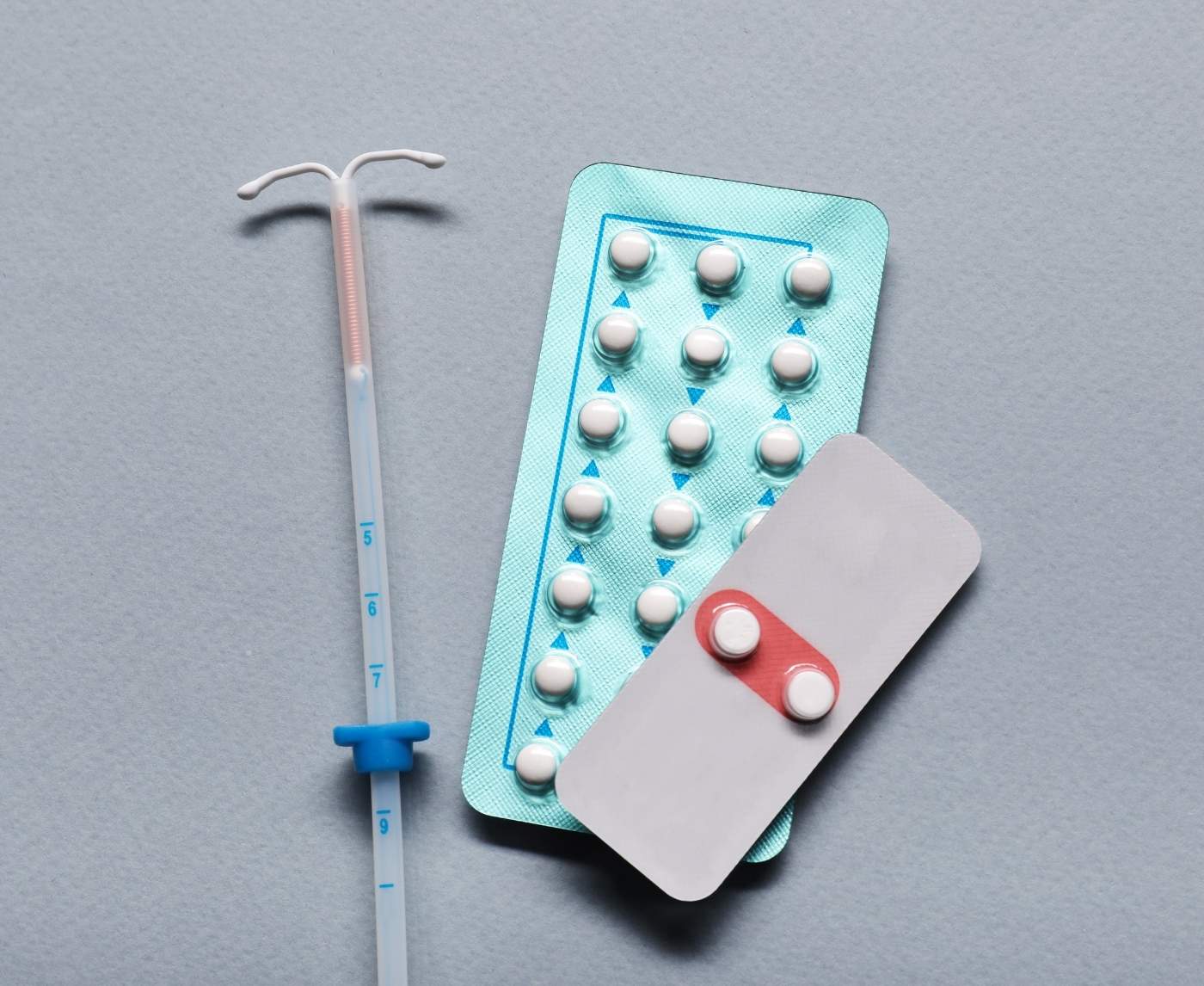

Quick Answer: Birth control methods like the IUD do not protect against STDs. Only barrier methods like condoms reduce infection risk. You can get an STD while using an IUD, even if it’s working perfectly.
"I Thought I Was Safe, But I Still Got Chlamydia"
Marissa had gotten the IUD at 22 because she was tired of remembering pills. Her doctor called it “worry-free contraception.” She liked that it was hormone-based, discreet, and supposedly long-term. But two years later, after a breakup and a rebound hookup she swore “wasn't even that wild,” she started spotting between periods. Then came a burn during urination. Then that call.
“I felt dirty. Like I’d failed at something,” she told us. “I thought I was safe. That’s what everyone kept saying, ‘you’re protected.’ But no one said protected from what.”
This is the core myth we’re here to dismantle: birth control is not STD control. The IUD does an incredible job preventing pregnancy. But STDs, like chlamydia, gonorrhea, trichomoniasis, and even HIV, move through different channels. The uterus isn't the only access point. Infections travel via skin, fluids, and contact, often silently, without symptoms.
| Method | Prevents Pregnancy | Prevents STDs | Notes |
|---|---|---|---|
| Hormonal IUD (e.g. Mirena) | ✔️ Very effective | ❌ No STD protection | Can mask irregular bleeding caused by infections |
| Copper IUD (e.g. Paragard) | ✔️ Very effective | ❌ No STD protection | No hormones, but similar STD risk profile |
| Condoms (internal or external) | ✔️ Moderately effective | ✔️ Yes, blocks most STDs | Only method that blocks both pregnancy and infections |
| Birth Control Pills | ✔️ Effective if used perfectly | ❌ No STD protection | No barrier to fluid transmission |
Does Birth Control Protect Against STDs at All?
It’s a reasonable question. IUDs live inside your uterus. Hormonal birth control thickens your cervical mucus. Surely that does something, right? Yes, but not enough. The truth is, none of these methods were designed to block bacteria, viruses, or parasites. They weren’t built to handle gonorrhea, chlamydia, syphilis, or HPV.
In fact, one of the most confusing realities for patients is that birth control can make STDs easier to miss. Hormonal methods like the IUD can suppress some of the inflammation or irregular bleeding that would otherwise raise a red flag. That doesn’t mean they cause infection, it means they can hide it while it’s already happening.
According to the CDC's STD prevention guidelines, barrier methods (like condoms) are the only reliable tools for reducing transmission of most STDs. Everything else is pregnancy prevention, valuable, but different.
So where does the confusion come from? Honestly, from us, the clinicians, the public health system, even the ads. Birth control gets marketed as empowerment (and it is), but somewhere along the way, the message blurred. And now too many people think “protected sex” means “I won’t get anything.”
We need to be more specific. Protected from what, and how? The IUD is phenomenal for pregnancy prevention. It is not STD armor.
People are also reading: Asymptomatic but Contagious: Male HPV Risks Explained
The Real Link Between IUDs and Pelvic Infections
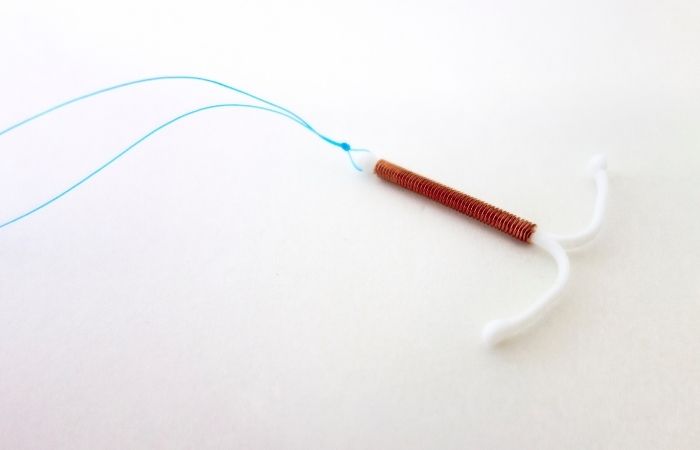
Let’s clear something up: the IUD itself doesn’t “give” you an STD. But here’s where things get murky, if you already have an undiagnosed infection like chlamydia or gonorrhea when the IUD is inserted, those bacteria can be pushed further into your reproductive tract during the process. That’s how some people end up with pelvic inflammatory disease (PID) right after insertion.
Haley, 27, thought she just had bad cramps from her copper IUD. “I was doubled over for a week. They told me it was normal at first. Then I started running a fever and couldn’t have sex without stabbing pain.” Her urine test had missed an early gonorrhea infection. When the IUD was placed, it migrated upward. “I had no idea that was even a thing.”
And it’s not just rare. According to a study published in Sexually Transmitted Diseases, up to 5% of IUD users with an untreated cervical infection at insertion may develop PID. The risk is highest within the first 20 days post-insertion, especially in people with multiple or new partners who weren’t screened beforehand.
It's not about the device, it’s about what was already there. That’s why the CDC recommends STD screening before or at the time of IUD placement if you’re under 25 or at increased risk. But too many people don’t realize that’s even an option to ask for.
| Factor | Hormonal IUD | Copper IUD |
|---|---|---|
| Risk of PID if STD present at insertion | Moderate (1–5%) | Moderate (1–5%) |
| Effect on cervical mucus | Thickens mucus, which may slightly reduce ascending infection | No hormonal effect, mucus unchanged |
| Recommended STD screening before insertion | Yes, especially for <25 or high risk | Yes, same guidance applies |
| Common misinterpretation | “Hormones protect me from everything” | “Non-hormonal means safer” |
The truth is, both IUD types can increase complications if an infection is already present, and neither stops new ones from arriving.
Check Your STD Status in Minutes
Test at Home with Remedium7-in-1 STD Test Kit
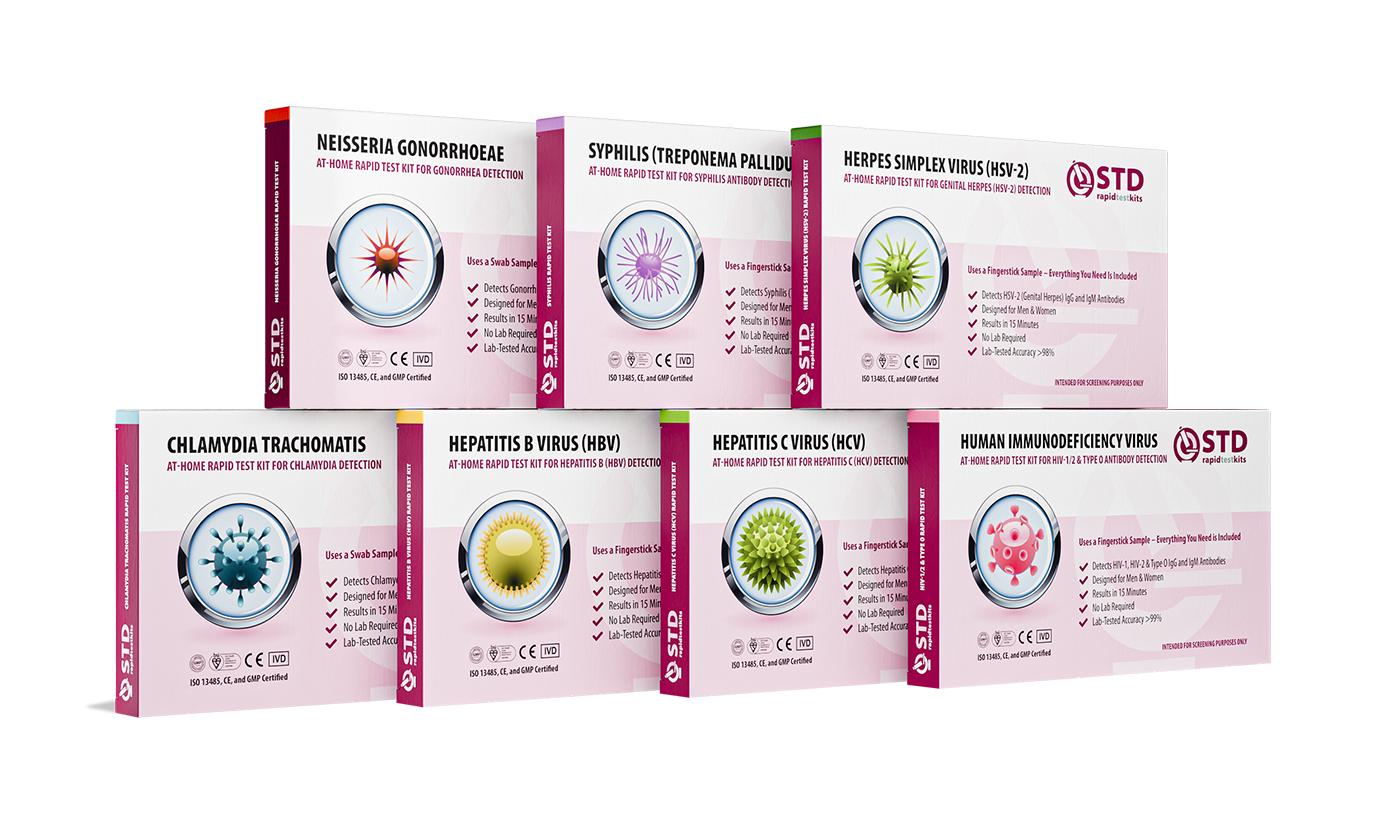
 For Men & Women
 Results in Minutes
 No Lab Needed
 Private & Discreet
Order Now $129.00 $343.00
For all 7 tests
Can You Get an STD Right After Getting an IUD?
Yes, and here’s why that matters. Right after insertion, your cervix is slightly dilated and the barrier between the lower and upper genital tract is more vulnerable. There may be microtears. There’s also often some bleeding, which can facilitate transmission. If you have unprotected sex during that window, especially with a new or untreated partner, the risk of acquiring an STD goes up.
Sasha, 31, said she “waited five days” before having sex again after her IUD went in. “We didn’t use a condom. I thought it was fine, my doctor didn’t say anything about infections, just that I might cramp or spot.” She started feeling pelvic heaviness a week later. By day 12, she tested positive for trichomoniasis. “It felt like the IUD triggered everything. But now I know, I just didn’t know what I didn’t know.”
This isn’t about blame. It’s about informed timelines. The first week after IUD placement is sensitive. While it’s rare for the insertion itself to introduce an STD, the reality is that most infections are already incubating, or arrive quickly if unprotected sex resumes too soon.
| Time Post-Insertion | What’s Happening | STD Risk Level | Testing Recommendation |
|---|---|---|---|
| Days 0–7 | Cervical dilation, healing, increased susceptibility | High if exposed | Consider baseline testing before first unprotected sex |
| Days 8–14 | Healing continues, mucus thickens (hormonal only) | Moderate | Monitor for symptoms; early testing may miss incubation |
| Day 15+ | Device stable, normal mucus and immune response | Standard risk | Test at 2–3 weeks post-exposure for accurate results |
It’s not the IUD itself that creates infection, but the context around it that makes testing and timing crucial. The more you know going in, the more power you have after.
IUD vs Condoms: The Protection Most People Skip
“He said it didn’t feel as good with condoms,” said Lena, 26. “And I was on the IUD, so I figured, fine. We were exclusive. Or I thought we were.” She tested positive for gonorrhea two months later.
This is painfully common. Starting a long-acting birth control method like the IUD often leads people to drop condoms, especially if they’re in a new relationship that feels serious. But comfort isn’t the same as immunity. Even in monogamous setups, STDs can still enter the picture. Sometimes from past partners. Sometimes from asymptomatic carriers. Sometimes from secrets you didn’t know were being kept.
And the statistics back this up. According to the CDC’s screening recommendations, sexually active people under 25 should be tested for chlamydia and gonorrhea annually, regardless of birth control use. Why? Because hormonal protection doesn’t prevent exposure, and infections don’t always announce themselves.
This is where the condom comes in, not as a backup, but as a different line of defense entirely. Pregnancy and infection are separate risks. They require separate protections. And when condoms are removed from the equation, infection odds go up, dramatically.
If this is hitting a nerve, maybe because you’ve skipped condoms lately, or never thought much about STD testing while on birth control, you’re not alone. And you don’t have to stay in the unknown.
Peace of mind is one test away. If you’ve recently had sex without a barrier, or you’re not sure what your partner’s testing status is, consider trying a Combo STD Rapid Test Kit. It checks for the most common infections in one discreet, at-home kit. No clinic drama. Just clarity.
People are also reading: STD Symptoms in Teens That Everyone Misses
So What Actually Prevents STDs?
Let’s bring this home with clarity: the only methods proven to reduce STD transmission are barrier-based. External condoms, internal condoms, and dental dams form a physical barrier that blocks fluid and skin contact, the two primary routes of STD spread. Hormonal IUDs? Pills? Rings? Patches? Those help with pregnancy, but leave your infection risk untouched.
There’s one major exception, if you count vaccines. The HPV vaccine and Hepatitis B vaccine both offer long-term protection against specific sexually transmitted viruses. But those aren’t related to your birth control choice. They’re an extra layer, like antivirus software on top of a firewall. Worth having. But still incomplete without testing and safe practices.
Testing is not just about suspicion. It’s about stewardship, of your health, your peace, your partners. Even in committed relationships, routine testing helps uncover the invisible. Think of it as hygiene, not scandal.
Marissa, from earlier, put it this way: “I used to think testing meant someone cheated. Now I think it means someone cares.”
Check Your STD Status in Minutes
Test at Home with Remedium6-in-1 STD Test Kit
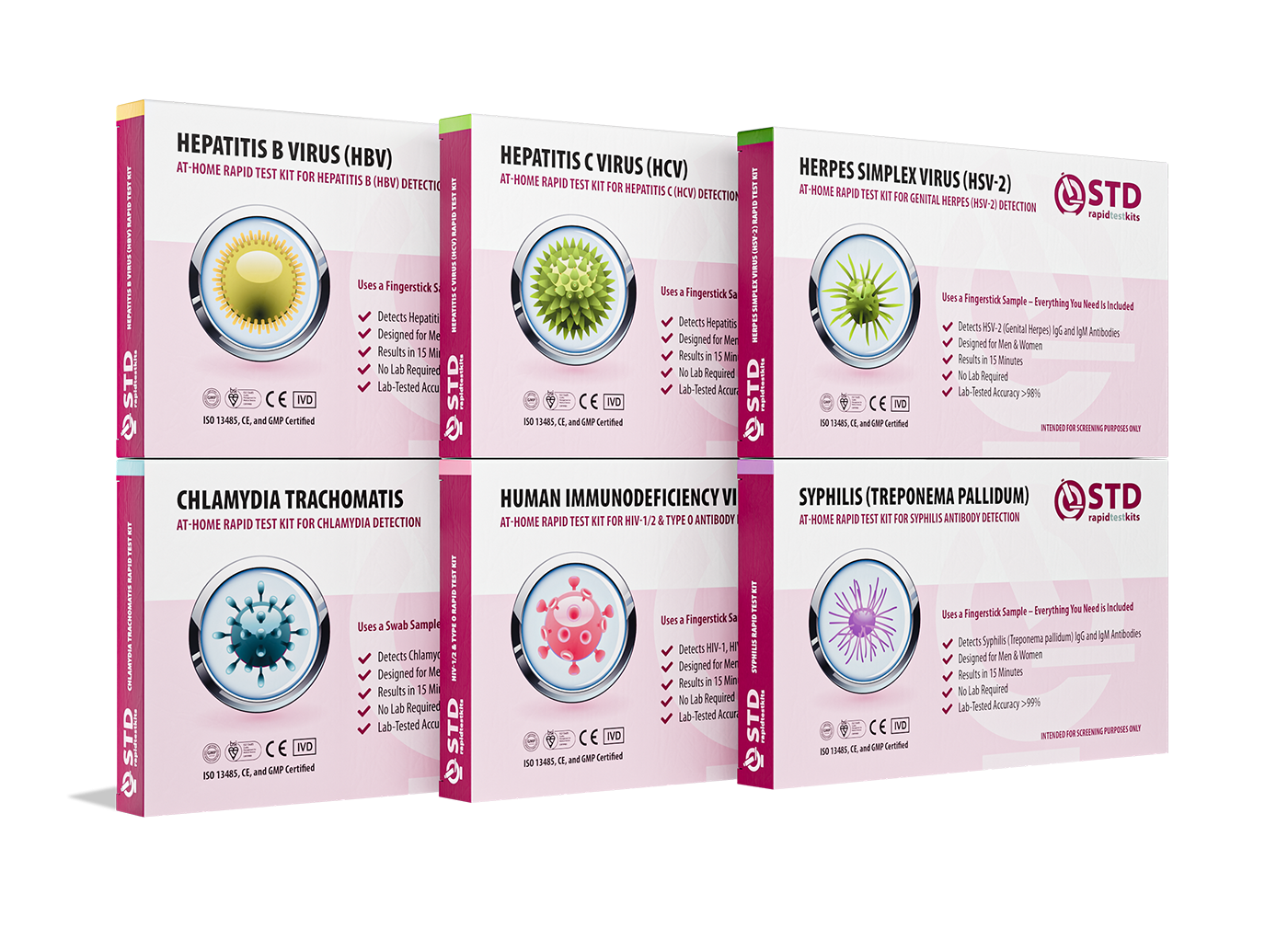 For Men & WomenResults in MinutesNo Lab NeededPrivate & Discreet
Order Now $119.00 $294.00
For all 6 tests
What If You Already Have Symptoms?
If you’re reading this with a pit in your stomach, maybe because something feels off down there, or because you’re bleeding between periods post-IUD, it’s okay to pause and breathe. The next step isn’t panic. It’s precision.
Here’s what we recommend: if you’re experiencing any of the following, burning with urination, new discharge, pelvic pressure, pain during sex, bleeding between periods, or simply a gut feeling that something’s off, it’s worth testing. Even if your symptoms turn out to be unrelated (like a UTI or BV), you’ll know. And knowing beats spiraling.
Rapid tests can give answers in minutes, and lab mail-ins offer high accuracy with privacy. If you’re not sure where to start, you can return to our homepage to explore options for different STDs, symptom timelines, and privacy needs.
No shame. Just steps forward. You deserve answers, not assumptions.
FAQs
1. Wait, so my IUD doesn’t protect me from STDs at all?
Nope, not even a little. It’s amazing at preventing pregnancy, but STDs? That’s a different battlefield. IUDs don’t block fluids, don’t stop skin contact, and don’t come with any anti-STD powers. For that, you need condoms, or testing if you skipped them.
2. Then why do so many people think they’re safe on birth control?
Because we were told “protected sex” meant “on the pill” or “got the IUD.” It’s marketing, shorthand, confusion, all rolled into one. The truth? Protected from pregnancy is not the same as protected from infections. Nobody explains that part loud enough.
3. Can I get chlamydia even if my partner has no symptoms?
Oh yes. Most people with chlamydia don’t show symptoms at all. That’s how it spreads. Quietly. So when someone says, “I feel fine,” remember, that’s not a diagnosis. That’s a guess. Testing is the only real way to know.
4. My doctor never tested me before I got my IUD. Should they have?
Technically? If you’re under 25 or have new/multiple partners, CDC guidelines say yes. But not every provider follows that to the letter. If yours didn’t offer screening, you can still test now, especially if you’ve had unprotected sex since.
5. Is it true that an IUD can cause an infection?
Not directly. The IUD doesn’t create infection, but if you had an untreated STD like gonorrhea or chlamydia at the time of insertion, it can push bacteria deeper and cause PID (pelvic inflammatory disease). That’s why timing and testing matter so much.
6. I had unprotected sex right after getting my IUD. Am I screwed?
Not necessarily, but it’s worth testing. The first week after insertion, your cervix is slightly more open and vulnerable. If you had exposure during that window, get checked. Better peace of mind than playing the “what if” game for weeks.
7. Should I still use condoms if I have an IUD?
If you want STD protection? Absolutely. Think of the IUD and condoms as tag-team champions: one blocks pregnancy, the other blocks infection. Together? That’s real protection.
8. Do I need to get tested if I don’t feel any symptoms?
Yes. A thousand times yes. Most STDs don’t show symptoms, especially early on. You don’t test because something feels wrong. You test because it might not feel wrong at all.
9. What kind of test should I get if I’m on birth control?
A combo panel is your best friend. It checks for common infections like chlamydia, gonorrhea, syphilis, trichomoniasis, and HIV. You can do it at home (yes, it’s discreet), or go to a clinic if you prefer face-to-face care.
10. Is it shameful to test after a hookup?
Not even close. It’s hot. It’s responsible. It’s self-care. Testing isn’t an admission of guilt, it’s an act of protection. For you. For your future. For your partners. No shame, just information.
You Deserve Real Protection
We don’t blame anyone for thinking an IUD was “protection.” It is, for one important thing. But when it comes to STDs, protection means something else. It means honesty, testing, and barriers that actually stop infections from getting through.
If you’ve ever skipped a condom because you thought birth control was enough, or if you’re reading this after a surprise positive result, you’re not alone, and you’re not reckless. You were likely misinformed. And now, you’re informed differently.
Don’t wait and wonder, get the clarity you deserve. This at-home combo test kit checks for the most common STDs discreetly and quickly.
How We Sourced This Article: We combined current guidance from leading medical organizations with peer-reviewed research and lived-experience reporting to make this guide practical, compassionate, and accurate.
Sources
1. CDC – STD Prevention Guidelines
2. CDC – IUD Use and STI Screening
3. Planned Parenthood – Safer Sex and STDs
4. Intrauterine Contraception (CDC – IUDs and STI Protection)
5. Contraception and Birth Control Methods (CDC – STI Protection Clarification)
6. Sexually Transmitted Infections (STIs) | STI (CDC)
7. Getting Tested for STIs | STI (CDC)
8. Sexually Transmitted Diseases (Mayo Clinic – Overview & Prevention)
9. STD Testing: What’s Right for You? (Mayo Clinic)
10. Condoms (World Health Organization – Fact Sheet)
11. What is the Effectiveness of the IUD? (Planned Parenthood – STI Protection Info)
About the Author
Dr. F. David, MD is a board-certified infectious disease specialist focused on STI prevention, diagnosis, and treatment. He blends clinical precision with a no-nonsense, sex-positive approach and is committed to expanding access for readers in both urban and off-grid settings.
Reviewed by: J. Lin, NP-C, WHNP-BC | Last medically reviewed: February 2026
This article is only meant to give you information and should not be used as medical advice.


