







Quick Answer: Teens can get tested for STDs with or without a parent, depending on state laws. The best time to talk is before there’s a scare, calmly, factually, and without judgment.
This Isn’t About Morality, It’s About Biology
When Natalie found a pack of condoms in her 16-year-old’s backpack, she didn’t yell. She Googled. She found herself deep in a Reddit thread of panicked parents and sex-positive educators saying the same thing: talk early, talk often, and don’t make it weird.
“I don’t care if she’s having sex,” Natalie later told us. “I care that she knows how to test, how often to test, and how to tell me if something hurts.”
This conversation isn’t about whether your teen should or shouldn’t be sexually active. It’s about preparing them to protect themselves if and when they are. And STD testing? That’s a vital piece of that puzzle. Most STDs, like chlamydia, gonorrhea, and even herpes, can be completely asymptomatic. Teens might have no clue anything’s wrong until long-term damage is already happening.
Testing isn’t a confession. It’s health care.
If your teen had strep throat, you’d get them a throat swab. If they might have an STD, they deserve the same level of care, minus the judgment.
Can Teens Get Tested Without Their Parents Knowing?
Yes. In many U.S. states, minors can legally get tested for STDs without parental consent. But the nuance matters. Here's how it breaks down:
| State | Minor Consent for STD Testing | Parent Notification Required? |
|---|---|---|
| California | Yes, at any age | No |
| Texas | Yes, 14+ | No (unless billing reveals it) |
| Florida | Yes, no minimum age | No |
| Alabama | Yes, 12+ | No |
| New York | Yes, all ages | No |
Figure 1. Sample of U.S. state policies. Full list available at Guttmacher Institute.
The catch? Insurance billing. Even if your teen legally tests solo, insurance explanation-of-benefits (EOBs) might rat them out. That’s why many teens seek at-home STD test kits, no doctor’s office, no pharmacy pickup, no surprise paperwork in the mail.
People are also reading: How Polyamorous People Actually Stay STD-Free
What Testing Looks Like (So You Can Explain It Without Panic)
Your teen may be terrified of what testing involves. You might be too. So here’s the calm breakdown:
| STD | Common Test Type | Sample Needed | Is It Painful? |
|---|---|---|---|
| Chlamydia/Gonorrhea | NAAT (PCR) | Urine or vaginal swab | No |
| HIV | Rapid fingerstick or oral fluid | Blood or saliva | Minimal |
| Syphilis | Blood test | Fingerstick or draw | Minimal |
| Herpes | Blood or swab | Lesion swab or blood | No (unless sores are present) |
Figure 2. What testing involves: safe, simple, and mostly painless.
If they’re anxious, you can remind them: most modern STD tests are painless, fast, and don’t require a pelvic exam. You can even order a combo STD home test kit that checks for multiple infections in one go. They can collect in privacy, send it back, and get results in days.
Frame it like a flu test, not a crisis. It’s about responsibility, not punishment.
When’s the Right Time to Talk?
You don’t have to wait for a pregnancy scare or visible rash to bring up STD testing. In fact, the earlier the conversation starts, the easier it is to keep it normal. Think of it like talking about seatbelts before a crash, basic prep, not proof of guilt.
Here are a few natural openings for the conversation:
- When your teen starts dating
- After a health class (even if it was awkward)
- When someone in your circle talks about sexual health (celeb scandals count)
- If they ask questions about symptoms, relationships, or contraception
Be honest. Be calm. And when in doubt, try this phrase:
“If you ever want to get tested, no matter what, we can figure it out together. It doesn’t mean I’m mad. It means I care.”
That one sentence has helped dozens of families we’ve spoken with start real conversations.
What If You Suspect Something’s Wrong?
Your teen’s avoiding eye contact. They’ve Googled “burning after peeing” or they’re suddenly quiet about a partner who was previously all over their social media. If your gut says something’s off, it might be.
But here’s what doesn’t work: accusations, lectures, or threats. They shut down. Fast.
Instead, name what you notice. Gently.
“I saw a search on your phone about itching after sex. I want you to know you’re not in trouble, but that might be something we should check out together.”
They might deny it. They might cry. They might shut their door. That’s okay. You planted a seed: testing is safe, and you’re not the enemy.
If they won’t talk, remind them they can test privately at home. They don’t need permission to take care of themselves.
Order a discreet chlamydia rapid test kit if you suspect exposure to one of the most common, and most silent, STDs in teens.
Check Your STD Status in Minutes
Test at Home with Remedium6-in-1 STD Rapid Test Kit

 For Men & Women
 Results in Minutes
 No Lab Needed
 Private & Discreet
Order Now $119.00 $294.00
For all 6 tests
What If They Test Positive?
Take a breath. Then take another one.
We’ve talked to dozens of parents who’ve sat next to a trembling teenager holding a phone screen that says positive for gonorrhea. The silence can be deafening. Or it can be a turning point.
Here’s what to say:
“Okay. We’ll figure this out. You’re not dirty. You’re not doomed. You’re not alone.”
Most STDs are treatable. Some, like herpes or HIV, are manageable long term. None of them are moral failings.
Encourage them to finish treatment fully. Help them navigate telling a partner (or find a way to do it anonymously). And when it’s time, help them retest, ideally 3 months later, even if they feel fine.
For teens under 18, many clinics will offer confidential treatment. You can also use telehealth services or pharmacy pickup if insurance feels too risky for privacy. The Planned Parenthood website has a location finder and FAQ page just for teens.
You Don’t Have to Be Perfect. Just Present.
Here’s what teens tell us: the hardest part isn’t getting tested. It’s wondering if their parents would still love them if they said, “I think I need to.”
So here’s your job. Not to panic. Not to preach. But to normalize, inform, and be there. Whether they test with you, without you, or never tell you at all, you’ll know you showed up right.
And if they’re ready to test now? You can order an at-home kit here, no judgment, just results.
Case Study: “I Was Scared to Tell My Mom, So I Googled ‘STD Home Test’ Instead”
Tyler, 17, had been dating his girlfriend for about four months. They used condoms most of the time, but one night at a party, they didn’t. Two weeks later, he started feeling a weird burning sensation when he peed. It wasn’t terrible, but it wasn’t normal either.
“I thought maybe it was dehydration or something,” he said. “But then I started spiraling. What if I gave something to her? What if I got something? I didn’t want to talk to my mom. Not because she’d be mad, but because I didn’t want her to look at me different.”
Tyler Googled: “Can I get tested for chlamydia at home?” He clicked through a few sketchy sites before landing on a guide about discreet, lab-backed test kits for teens. The relief? Immediate.
“It felt like, okay. I can do this. I don’t need to confess to anybody. I can just find out.”
He ordered a kit. Took the sample. Mailed it back. Three days later, he had his result: positive for chlamydia. He told his girlfriend. They both got treated. No drama, no judgment, just resolution.
That’s what access looks like. That’s what testing without shame can do.
The Words That Land (And the Ones That Blow It)
Let’s be real: most teens tune out the second you start sounding like a school assembly or a "when I was your age" monologue. They need real talk, not euphemisms or panic.
Here’s what works:
“I’m not asking because I think you’ve done something wrong. I’m asking because I want you to have options before you ever feel scared.”
And what doesn’t:
“You better not be doing anything you’re not ready for.”
That kind of language doesn’t prevent sex. It prevents honesty. Instead, name your values without shaming theirs. Try things like:
“Whatever choices you make, I want you to be informed.”
“You deserve to know how to protect yourself, emotionally and physically.”
One of our favorite reframes? Testing is self-respect. Full stop. Whether they’re 14 and curious, 16 and active, or 19 and unsure, it’s never too early to normalize testing as an act of care, not fear.
What If They’re Queer, Trans, or Don’t Trust Doctors?
Queer and trans teens are disproportionately affected by STIs, not because they’re riskier, but because they’re often underserved, misgendered, or ignored in healthcare. Many LGBTQ+ teens avoid testing because they’ve had bad clinic experiences, been outed by providers, or simply haven’t seen themselves reflected in sexual health materials.
If you have a queer or questioning teen, your job isn’t to interrogate, it’s to affirm:
“However you identify, I want you to have the information and tools to stay healthy.”
STD risks aren’t always covered in school for same-sex encounters or non-penetrative sex. But STDs like HPV, herpes, and syphilis can spread through oral, anal, and skin contact alone. That means inclusive education and testing options matter.
If they don’t feel safe going to a clinic, or don’t want to risk being misnamed or misunderstood, at-home tests can be a powerful solution. No misgendering. No explaining. Just empowerment.

People are also reading: Can You Have an STD With No Symptoms at All? Here's What to Know
Testing After an Assault: What Parents Need to Know
This is the section no one wants to think about. But some teens aren’t navigating consensual sex, they’re surviving trauma. If you suspect your teen may have been assaulted, the conversation around testing becomes even more delicate, and even more urgent.
Here’s what not to do: press for details, ask “why didn’t you tell me,” or rush them to a clinic without consent.
Instead, ground the moment:
“You don’t have to say anything right now. But if anything happened that you didn’t want, and you want to check your body, you have every right to.”
STD testing after an assault should always be paired with emotional support. That might mean a survivor hotline, a forensic nurse (SANE), or just a quiet room with you holding space.
Most post-assault care centers offer free, confidential STD testing. But if your teen isn’t ready to involve others, a private test at home can still be a meaningful first step in reclaiming their power. Just make sure they know: this is their choice. Not another decision being made for them.
But What If They Roll Their Eyes and Walk Away?
You finally work up the nerve. You sit them down. You say the thing, maybe even perfectly, and all you get back is an eye-roll, a shrug, or worse: total silence.
That doesn’t mean you failed. It means they’re a teenager. The truth is, a lot of teens need time to metabolize this stuff. Sex, health, testing, consequences, emotions, it’s overwhelming. Sometimes the best conversations don’t look like conversations at all.
We’ve heard this over and over from parents:
“I thought I bombed the talk. A week later, she came to me and said, ‘Hey, can we get one of those test kits you talked about?’”
Trust builds in layers. If they seem cold now, it’s often because they’re listening harder than they want you to know. You gave them a resource. You made it safe to ask. That is the conversation, even if it ends with “Whatever, I’m fine.”
And sometimes? That silent teenager ends up being the one who helps their friend test. Who knows their rights. Who doesn’t panic when symptoms show up.
Give them that foundation. Even if you don’t see the impact right away.
Check Your STD Status in Minutes
Test at Home with Remedium7-in-1 STD Test Kit
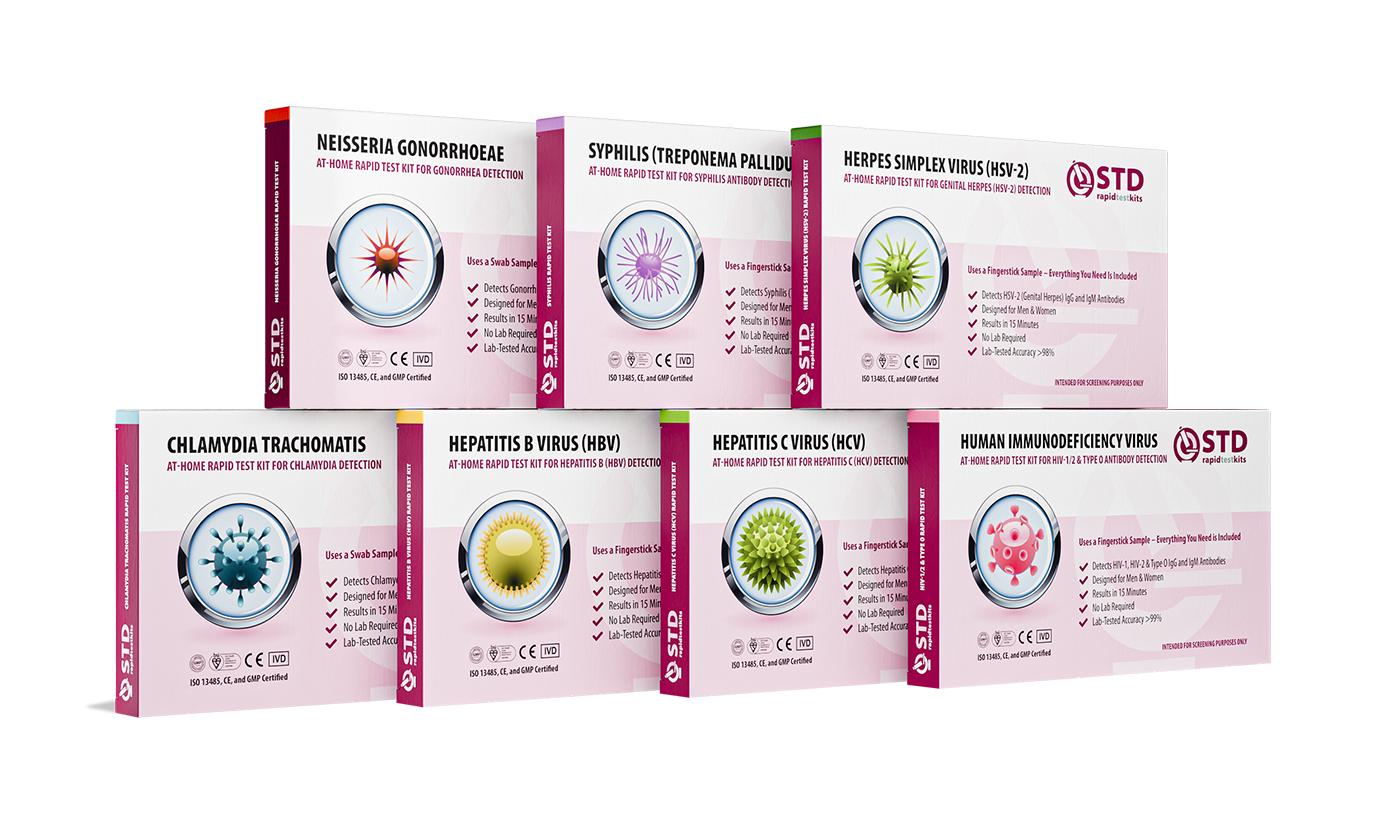 For Men & WomenResults in MinutesNo Lab NeededPrivate & Discreet
Order Now $129.00 $343.00
For all 7 tests
Privacy Isn’t Just for Them, It’s for You Too
Let’s be honest. You might not want to bring your teen to a clinic because you’re not ready. Maybe it’s hard to imagine them needing care like this. Maybe you’re scared of what a test result means, for them, for you, for the version of childhood you’re still holding onto.
That’s okay. You’re allowed to feel weird. Protective. Even sad.
But the gift of at-home testing is that it gives you both a buffer. No waiting rooms. No awkward forms. No risk of running into your kid’s classmate’s mom in the pharmacy line. Just a plain white envelope, a few clear steps, and results that belong to them.
Some parents even test alongside their teens, not as proof of anything, but as solidarity. You can say:
“I haven’t tested in a while either. Let’s both make sure we’re good. Just in case.”
You’d be surprised how much that normalizes the process, and how healing it can be to model that care isn’t conditional on age, gender, or relationship status. It’s just care.
If you’re ready, this at-home combo test kit makes it easy to test privately, together or separately.
Remember: being a good parent doesn’t mean preventing every mistake. It means helping your kid make it through those mistakes without shame. And testing? It’s one of the most powerful ways you can say: “Your health matters. Your body matters. And you’re not alone.”
FAQs
1. Can my teen actually get tested without me knowing?
In most states, yes, and many already do. Laws protect minor consent for sexual health care in over 30 states, but the catch is billing. If they use your insurance, that paper trail might show up in an EOB (Explanation of Benefits). If privacy matters, consider using an at-home STD test kit. No awkward doctor visit. No mailbox surprises. Just answers.
2. How do I bring up STD testing without making it weird?
You skip the lecture. You skip the “when I was your age.” Try: “Hey, just so you know, if you ever want to get tested, I’ll support you 100%. No questions, no judgment.” It gives them room. And trust me, they’ll remember it, even if they grunt and walk away.
3. What if they say they’re a virgin?
Cool. Believe them. But also remember: STDs don’t need penis-in-vagina sex to spread. Oral sex, mutual masturbation, even just skin-to-skin contact can do it (hello, herpes and HPV). Testing isn’t an accusation, it’s just smart self-care, like brushing your teeth but for your junk.
4. My kid would rather eat gravel than talk about sex. Now what?
That’s normal. A lot of teens shut down because they think you’ll freak. So keep the door open. Leave a link. Drop a pamphlet. Send them this blog. Say, “No pressure, but if you ever have questions or need help testing, I’m here.” That’s all it takes sometimes.
5. Is testing going to traumatize them?
Honestly? Probably not. Most tests are super simple, urine sample, cheek swab, maybe a fingerstick. No pelvic exam. No stirrups. No humiliation. And if you’re worried they’ll panic, you can walk them through it or let them do it privately. Control = comfort.
6. Can I just order a test and put it in their backpack?
You could. But unless it comes with a “Let’s talk about this if you want to” vibe, it might backfire. Teens don’t like surprises in their underwear drawer, especially not ones that scream, “I think you’re up to something.” Better to ask, “Would having a test at home make things less stressful?”
7. How often should teens be tested?
Depends. If they’re sexually active, even just once, they should get tested at least once a year. If they’ve had a new partner, unprotected sex, or any symptoms (burning, bumps, weird discharge), test ASAP. And if they’re queer? They may need different sites swabbed. Clinics don’t always explain that. But you can.
8. What if the test comes back positive?
You breathe. Then you say, “Okay, let’s figure this out.” Because most STDs are treatable. And all of them are manageable with care. You don’t shame. You don’t blame. You step into the role your teen needs most: calm co-pilot. We’ve seen this go really well when parents keep it low-key and focused on next steps, not how it happened.
9. Will an at-home STD test even work for teens?
Yes, if it’s from a legit source. Our combo kits use the same tech as clinics (like NAATs for chlamydia and gonorrhea). They’re FDA-approved, accurate, and designed to work with clear instructions and zero judgment. Teens like them because they don’t involve a waiting room, or awkward eye contact with a school nurse.
10. Should I be worried if my teen wants to test?
Actually, it’s a good sign. It means they care about their health. It means you raised someone who’s thinking critically, taking ownership, and not hiding in fear. That’s the opposite of a crisis, it’s a win.
It’s Not About Trust, It’s About Truth
If you’re here, it means you care. And that matters more than perfect phrasing. STD testing is never just about the results, it’s about modeling what responsibility looks like, what safety feels like, and what unconditional love sounds like.
Whether it’s a scare, a symptom, or just a “what if”, you can give your teen clarity without causing chaos. You can say: “Let’s handle this together.” And you can mean it.
Don’t wait and wonder, get the clarity you deserve. This at-home combo test kit quickly and discreetly checks for the most common STDs.
How We Sourced This Article: We combined current guidance from leading medical organizations with peer-reviewed research and lived-experience reporting to make this guide practical, compassionate, and accurate.
Sources
1. CDC: Adolescents and Young Adults – STDs
2. Talk with Your Teen About Preventing STIs (Office of Disease Prevention and Health Promotion)
3. STI Testing | Healthy Youth Parent Resources (CDC)
4. Getting Tested for STIs | STI (CDC)
5. Get Yourself Tested for High Schools (CDC)
6. Talking with Your Teens About Sex (CDC)
7. Talking to Kids About Sex (Mayo Clinic)
8. STD Testing: What’s Right for You? (Mayo Clinic)
9. Sexually Transmitted Infections: Behavioral Counseling (USPSTF)
About the Author
Dr. F. David, MD is a board-certified infectious disease specialist focused on STI prevention, diagnosis, and treatment. He blends clinical precision with a no-nonsense, sex-positive approach and is committed to expanding access for readers in both urban and off-grid settings.
Reviewed by: Simone Y. Alvarez, RN, MPH | Last medically reviewed: February 2026
This article is for informational purposes and does not replace medical advice.


