





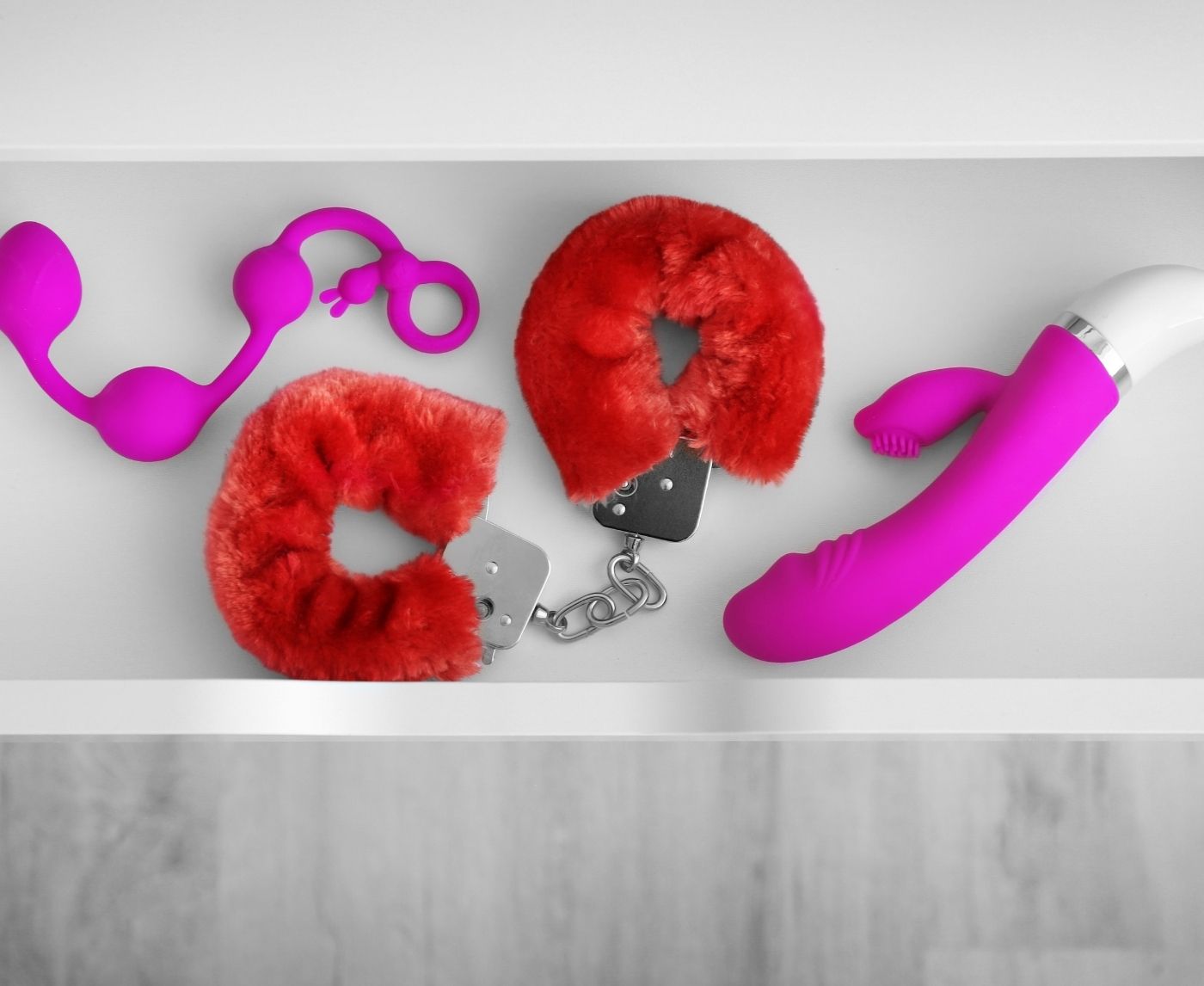

Quick Answer: Yes, you can get an STD from a sex toy, especially if it's shared without proper cleaning between users. Chlamydia, herpes, and trichomoniasis are the most common infections spread this way. Testing is recommended if symptoms develop or if a toy was used without being cleaned.
“But We Didn’t Even Have Sex”: Who This Happens To
Ellie was 21 when it happened. She and her girlfriend had been dating for a few months, taking things slow. They used fingers, mouths, and toys, but never had what they considered “real” sex. When Ellie started spotting, she chalked it up to stress. When the burning urination hit, her mind spiraled.
“I told the doctor, ‘I’m not even sexually active in the normal way.’ She said, ‘You’re sexually active if you’re sharing toys.’”
People often assume STDs require fluid-to-fluid, genital-to-genital contact. But many infections can live on surfaces, especially porous or soft ones like silicone or rubber, long enough to cause problems. This risk is especially high when toys are passed between partners quickly or without cleaning, or if used on multiple parts of the body (vaginal to anal, for example) without protection.
This article is for:
Anyone who's used a sex toy with a partner (or solo, and is still unsure), anyone noticing symptoms after non-penetrative intimacy, queer and poly folks often left out of mainstream STD narratives, and anyone who’s ever wondered if soap and water are really enough.
We see you. And we’re going to walk you through what matters.
What STDs Can Live on Sex Toys?
Some STDs are surprisingly resilient when it comes to surviving outside the human body, especially in warm, moist conditions. A toy recently inside someone’s body can become a short-term carrier, and if not properly cleaned, it can transmit the same infection to the next user.
Let’s break down the most common culprits:
| STD | Can It Spread Via Toys? | Survival on Surfaces | Notes |
|---|---|---|---|
| Chlamydia | Yes | Several hours (moist environment) | Often asymptomatic; easy to miss |
| Trichomoniasis | Yes | Can live for 45 minutes to several hours | Thrives on damp surfaces |
| Herpes (HSV-1/2) | Yes | Minutes to hours depending on material | Can transmit without visible sores |
| Gonorrhea | Possible | 1–2 hours in ideal conditions | Rare but documented on toys |
| HPV | Rare | Unclear, possibly minutes | More research needed |
Figure 1. STDs known or suspected to spread via sex toys. These survival times are based on controlled studies and may vary in real-life conditions depending on heat, material, and cleaning practices.
According to a 2009 study published in "Sexually Transmitted Infections", herpes simplex virus and HPV DNA were both detected on shared vibrators even after cleaning with standard soap and water. And in 2018, trichomoniasis was added to the CDC’s list of infections that could be spread via contaminated objects.
It’s not fear-mongering, it’s just biology.

People are also reading: Shame Is the Real STD: Why Men Still Avoid Getting Tested
How Long Do STDs Live on Silicone, Glass, or Rubber?
It matters what your toy is made of. Different materials hold moisture, bacteria, and viruses differently, and not all are equally easy to clean. Let’s break it down based on what’s most commonly in people’s drawers.
| Material | Porosity | Cleaning Difficulty | STD Risk (if unwashed) |
|---|---|---|---|
| Silicone (medical grade) | Non-porous | Moderate | Lower, but still possible |
| Glass | Non-porous | Easy (boilable) | Low if cleaned |
| Rubber / Jelly | Porous | Hard to fully clean | High |
| Hard Plastic | Semi-porous | Moderate | Medium |
| Metal (stainless steel) | Non-porous | Easy (boil or alcohol) | Very low if cleaned |
Figure 2. Material risk overview. Porous toys (rubber, jelly) are harder to sanitize and more likely to harbor infectious agents if reused without cleaning.
This isn’t about judgment, it’s about information. The toy you grabbed on sale five years ago might still bring pleasure, but if it’s made from porous jelly or old plastic, it might also be bringing something else. When in doubt, upgrade. Your body’s worth it.
“I Rinsed It, So I Thought It Was Fine”: Cleaning Doesn’t Always Mean Clean
Rin once wiped their favorite toy with a baby wipe and tossed it back into the drawer. That was their version of “cleaning.” No judgment here, we’ve all done some version of it. The problem is, a damp wipe isn’t enough to kill Trichomonas vaginalis or deactivate herpes. And most people have no idea their go-to method isn't doing what they think it is.
The line between “used” and “safe to use again” isn’t always clear. Rinsing with water alone? Doesn't cut it. Soap and water? Sometimes, but it depends on how thoroughly you scrub and whether you reach every crevice. Dishwasher? Only if the toy is non-vibrating and dishwasher-safe. Boiling? Works for some materials, but can melt others. It’s a chemistry experiment no one warned us about during sex ed.
Studies show that even after standard washing, traces of HPV and herpes DNA can remain detectable on silicone and rubber toys. That doesn’t mean you’ll definitely get infected, but it means transmission is possible, especially if the toy is used vaginally, anally, or on a mucous membrane shortly after.
Here's the core issue: you can't always see what you're passing. Many STDs are asymptomatic, and you won’t know if you’re carrying chlamydia, gonorrhea, or trich unless you test. Which means the toy isn’t just yours, it’s part of a microbial handoff you didn’t sign up for.
Check Your STD Status in Minutes
Test at Home with Remedium8-in-1 STD Test Kit
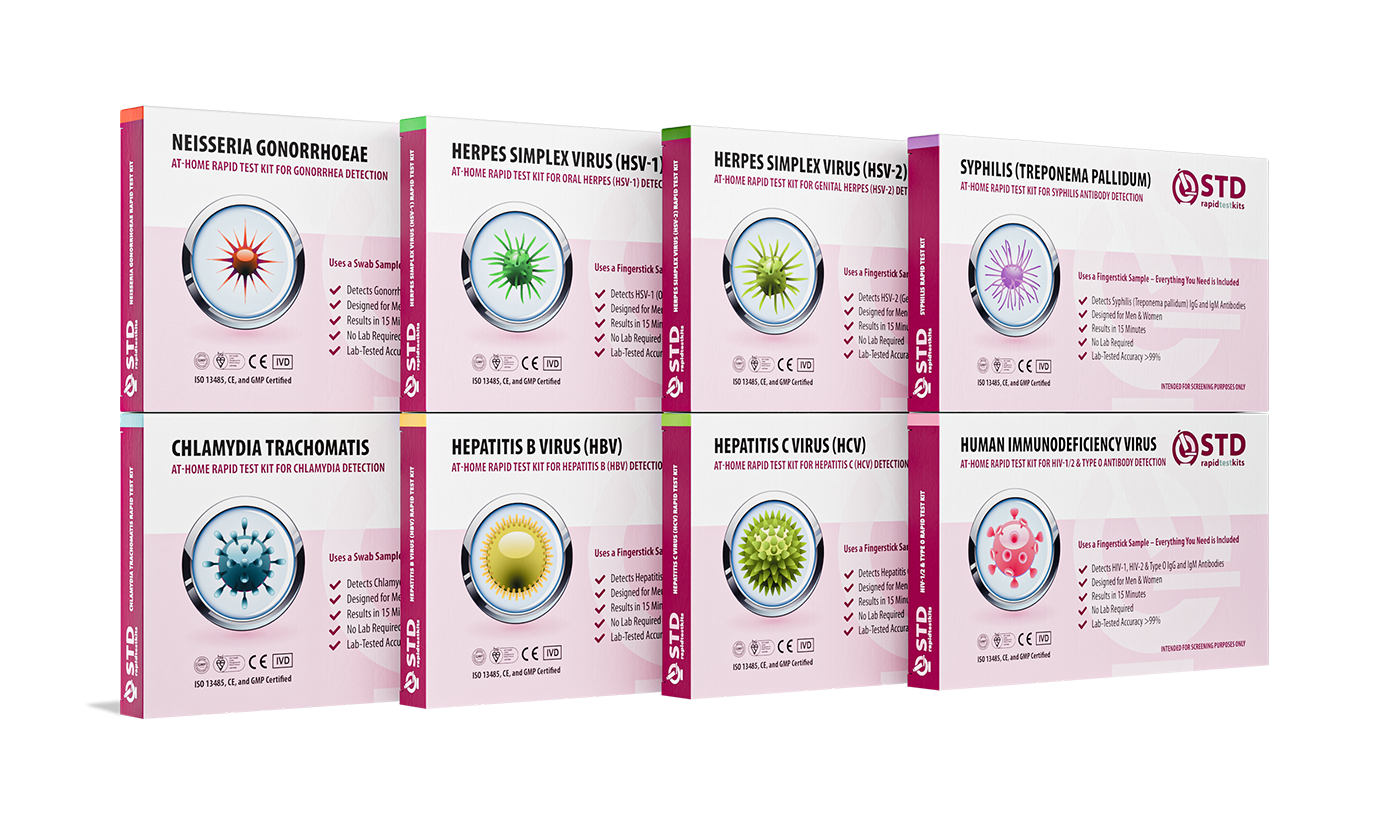
 For Men & Women
 Results in Minutes
 No Lab Needed
 Private & Discreet
Order Now $149.00 $392.00
For all 8 tests
What If You Start Having Symptoms?
Imagine this. You wake up three days after using a toy with someone, and something feels... off. There's an itch. A burn. Maybe a weird discharge that doesn’t look like your usual post-ovulation stuff. Or maybe it’s just a vague internal irritation, one you hope will pass. You Google, scroll, panic a little. “STD symptoms after vibrator?” You’re not alone.
The truth? Symptoms from toy-transmitted STDs don’t look any different than ones from intercourse. But people often overlook them because the exposure doesn’t feel “real enough” to justify panic.
Still, the body doesn’t care about definitions. It reacts the same way to trichomoniasis, chlamydia, or gonorrhea whether it came from unprotected sex or a toy used without a condom.
What you might notice:
A burning feeling when you pee. A change in vaginal smell or color. Sores or bumps that show up and don’t hurt, but also don’t go away. Pain during penetration. Bleeding between periods. These are all red flags, not just for STDs, but for vaginal or urethral infections caused by bacteria transferred from a toy that wasn’t fully clean.
One study found that more than 50% of people with trichomoniasis had no noticeable symptoms at all, until complications showed up months later in the form of pelvic pain or recurrent UTIs. That’s what makes testing essential, even if you’re “not sure.”
And here's where things get emotional. People often delay care not because they don’t care, but because they feel ashamed. They blame themselves for being careless or think a doctor will judge them for saying, “I think I got this from a sex toy.” That judgment is real. But we’re not here for it. You deserve better than silence.
When Should You Test After a Toy Exposure?
Let’s get clinical for a second, but keep it human. Testing for STDs isn’t just about “did I catch something?” It’s about when to test to get a result you can trust. That means understanding the difference between exposure, incubation, and detection.
If it’s only been a day or two since using an unwashed toy, your body likely hasn’t developed enough of a detectable viral or bacterial load for a test to pick up. But wait too long, and you risk passing something to someone else before you even know you’ve got it. Timing matters.
Here’s how the window period works for toy-based transmission. The same timelines apply as they would with penetrative sex, because what’s being transferred is the same, just via silicone instead of skin.
| STD | When to Test After Toy Use | Retest Window (if early) | At-Home Test Available? |
|---|---|---|---|
| Chlamydia | 7–14 days | 3 weeks after exposure | Yes |
| Trichomoniasis | 5–14 days | 2–3 weeks | Yes |
| Gonorrhea | 7–14 days | 2–4 weeks | Yes |
| Herpes (HSV-1/2) | 3–6 weeks (if no visible sores) | 8–12 weeks for blood test | Yes (blood or swab) |
Figure 3. Testing guidance by infection type after toy-based exposure. Testing too early can produce false negatives; a retest may be needed for confirmation.
If you're spiraling in the meantime, know this: this discreet at-home combo test kit checks for the most common infections, including those spread through toys, without leaving your house. If your head keeps spinning, peace of mind is one test away.
And if you're reading this thinking, “I tested too soon,” that doesn’t make you dumb or reckless. It makes you human. Retest. Recenter. You’ve got options.
People are also reading: Why It’s So Common to Catch Chlamydia and Gonorrhea Together
“I Didn’t Know She’d Used It on Someone Else”: The Unspoken Risks of Sharing
Jay thought they were in a monogamous situationship. Not labeled, but exclusive, or so they believed. When they used her toy that night, they didn’t think to ask who’d used it last. It felt intimate. Playful. Safe. Weeks later, when Jay tested positive for chlamydia and hadn’t had sex with anyone else, everything unraveled.
It’s easy to assume people are as cautious as you are. That they clean their toys. That they wouldn’t use something on you without disinfecting it. But assumptions don’t prevent infection, only conversations and cleaning do. And while that sounds simple, we know it’s not. Talking about toys, hygiene, and past use still feels taboo, especially in queer and poly spaces where toy play is more common and more diverse.
Let’s get one thing straight: using condoms or barriers on toys isn’t overkill. It’s basic protection, especially when a toy is moving between people or between body parts. Think of it like dishware, you wouldn’t use someone’s fork straight from their mouth. Same principle. The difference is that STDs aren’t always visible, and the stakes are higher than double-dipping hummus.
There’s no shame in wanting to play. There is power in doing it safely. And power means being honest, asking questions, and knowing how to clean a toy like your health depends on it, because sometimes, it does.
If You Test Positive After Using a Toy
First, take a breath. Then another. This isn’t the end of your sex life. It’s not a punishment. It’s a result, and one that millions of people face every year, even those in committed, careful relationships. Testing positive after using a toy can feel especially confusing, because it breaks the script we’re taught about how STDs “should” happen. But your body doesn’t care about the script. It cares about what happens next.
Depending on the infection, treatment might be a simple round of antibiotics (like for chlamydia, gonorrhea, or trich), or a management plan for viral infections like herpes. Either way, what matters is that you get care, tell any partners who might be at risk, and protect yourself going forward. Most providers won’t judge you for saying “this happened after toy use.” And if they do? They don’t deserve your story or your money.
If you’re not sure where to start, you can test again in a few weeks post-treatment to confirm clearance. You can also offer to test with a partner if trust has been shaken. It’s not always about blaming, it’s about grounding. Knowing what happened doesn’t change it. But it helps you feel less alone inside it.
And if you want to make sure your next steps are protected and private, you can return to STD Rapid Test Kits to explore discreet options, whether you’re retesting post-treatment or checking after a shared toy experience you’re unsure about.
Check Your STD Status in Minutes
Test at Home with Remedium7-in-1 STD Test Kit
 For Men & WomenResults in MinutesNo Lab NeededPrivate & Discreet
Order Now $129.00 $343.00
For all 7 tests
Why This Is Still So Hard to Talk About
Sex toys sit in a strange space: intimate, pleasurable, empowering, but still wrapped in stigma. Add in infection risk and suddenly people freeze up. “You got an STD from that?” becomes the kind of shame-laced whisper that keeps people from seeking help.
The silence is dangerous. Not just because it delays care, but because it tells people their experience is abnormal, when it’s not. Toy-based transmission isn’t rare, it’s just rarely talked about. Especially in queer, non-monogamous, and kink communities, where toy play is part of everyday intimacy, the need for honest, informed conversations has never been higher.
You don’t have to feel embarrassed. You don’t have to “have had sex” in the way others define it for your symptoms or experience to be valid. If you used a toy with someone and didn’t clean it before or after, and now something feels off, you’re not dirty, careless, or gross. You’re human. And you deserve clear information, not whispers and myths.
Whether you're standing in a bathroom Googling symptoms, sitting in a clinic unsure what to say, or quietly spiraling alone at 2AM, you’re not the only one. There’s no perfect way to talk about it. But there are better ways to move through it, and this is one of them.
FAQs
1. Can you actually get chlamydia from a vibrator?
Yep, you really can. Chlamydia isn’t picky about how it travels, it just needs a moist surface and a quick jump from one body to another. If someone used a toy, didn’t clean it properly, and then it ended up inside you? That’s enough for transmission. Doesn’t matter if there was no “sex” involved. Your body doesn’t care about semantics.
2. I wiped it off… isn’t that enough?
We wish. A quick rinse or baby wipe might make it look clean, but it doesn’t kill bacteria or viruses. Especially not things like trich or herpes. Think of it like food prep: would you eat off a cutting board someone just rinsed after raw chicken? Same deal. Rinse doesn’t equal sterile.
3. How soon should I test if something feels off?
If you're feeling symptoms, burning, itching, unusual discharge, test ASAP. But if there are no symptoms and you're just worried, wait at least 7 days after the exposure. Some infections, like herpes, take longer to show up on tests, so a second test a few weeks later can give you peace of mind. Testing isn’t about guilt, it’s about clarity.
4. What if I didn’t share the toy, but used it right after someone else?
That still counts. If the toy wasn’t disinfected and enough time hadn’t passed for things to dry out or die off, infections can hang around. Especially in warm, moist toy materials like jelly or rubber. Even if it was “just sitting there,” it’s better to test than assume you’re in the clear.
5. Are some toys safer than others?
Definitely. Glass and stainless steel are your best friends when it comes to cleanliness. They’re non-porous, easy to disinfect, and don’t trap bacteria in tiny surface cracks. Silicone is usually safe too, as long as it’s medical grade and you clean it well. Jelly, rubber, or “mystery plastic” toys? Higher risk, harder to sanitize, and worth replacing if they’re old.
6. I tested positive and I swear I haven’t had sex. Is that even possible?
Yes. It doesn’t mean you’re lying or confused. If a shared toy wasn’t cleaned, or if it was used on you and another person without a barrier, you absolutely could’ve picked up an infection. You don’t need to have had penis-in-vagina or anal sex to get an STD. Let’s kill that myth right here.
7. Can I use at-home tests for toy-related exposure?
Absolutely. At-home kits test for the infection, not the method of transmission. Whether you got exposed through a hookup, a long-term partner, or a toy passed during a group scene, a rapid test doesn’t judge. If you want discreet answers, the combo kit has your back.
8. Do condoms on toys really make a difference?
They do. Swapping a condom between people (or between holes) keeps bacteria and viruses from getting passed around. Plus, cleanup is easier. Less scrubbing, more peace of mind. Think of it like a phone screen protector, it’s a small barrier that saves you a lot of hassle later.
9. Can lube affect STD risk with toys?
Oh, 100%. Lube can act like a comfy little hotel for microbes if you’re not careful. Water-based lubes dry faster (less risk), but silicone-based or flavored lubes can stick around, and if the toy’s not cleaned, so do the germs. Lube should always be cleaned off, particularly if the toy will be stored later.
10. What if I’m scared to tell my partner I tested positive?
That fear is so valid. Start with what’s true: you care about your health and theirs. You don’t need to have all the answers, just honesty. You can say, “I tested positive and I want you to be safe too.” If it happened via a toy, say that. It doesn’t make it your fault, it makes you informed. And being informed is sexy, honestly.
You Deserve Answers, Not Assumptions
Here’s the truth they don’t print on the box: sex toys can bring you closer, unlock pleasure, deepen trust, and yes, sometimes carry risk. But that risk doesn’t have to mean fear or shame. It means you get to make informed, protective choices. It means your health is worth a five-minute cleaning or a discreet test kit.
If you’ve used a shared toy and something feels off, or you just want peace of mind, don’t wait and spiral. This at-home combo test kit checks for the STDs most likely to be spread this way, and arrives discreetly, fast, and without judgment.
How We Sourced This Article: We combined current guidance from leading medical organizations with peer-reviewed research and lived-experience reporting to make this guide practical, compassionate, and accurate.
Sources
1. CDC: 2021 STD Treatment Guidelines
2. Preventing HIV with Condoms – CDC
3. Preventing Shigella Infection Among Sexually Active People – CDC
4. Bacterial vaginosis – Symptoms and causes – Mayo Clinic
5. Sexual practices, risk perception and knowledge – NCBI (peer‑reviewed)
6. Gonorrhea – Symptoms and causes – Mayo Clinic
7. About Sexually Transmitted Infections (STIs) – CDC
8. Sex activities and risk – NHS (UK)
About the Author
Dr. F. David, MD is a board-certified infectious disease specialist focused on STI prevention, diagnosis, and treatment. He blends clinical precision with a no-nonsense, sex-positive approach and is committed to expanding access for readers in both urban and off-grid settings.
Reviewed by: L. Parker, FNP-C | Last medically reviewed: February 2026
This article is for informational purposes and does not replace medical advice.


