What Are Sexually Transmitted Diseases? How to Use STDs Rapid Test Kit?
Sexually transmitted diseases are the infections one usually acquires through different types of sexual contact, including vaginal and anal or oral intercourse. The diseases can be brought about by bacteria, viruses, parasites, and other organisms. Infections caused by STDs have assumed a very important role in sexual and reproductive health. According to the World Health Organization, more than 1 million people acquire sexually transmitted disease infections every day.
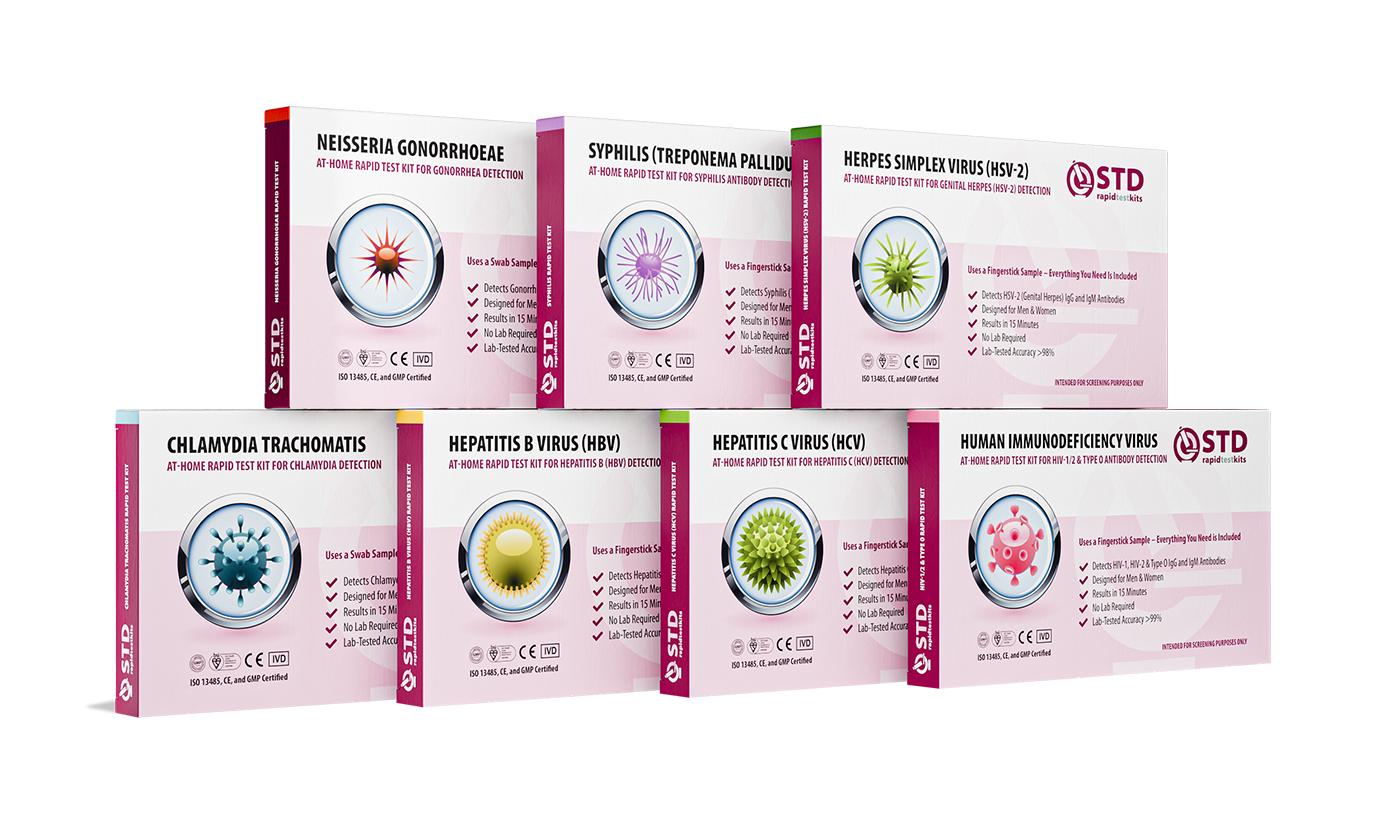
More than 30 different types of STDs are known to affect humans. The more common examples include gonorrhea, chlamydia, syphilis, trichomoniasis, human papillomavirus (HPV), herpes simplex virus (HSV), hepatitis B and C, and human immunodeficiency virus (HIV). Treatment allows most of the STDs to be cured; however, other types cannot be treated and may result in severe complications if management is not appropriately initiated.
05 October 2024
7 min read
146853
Early Diagnosis and Management
Early diagnosis is, in fact, the key to their successful treatment. Early detection of such infections allows for treatment on time and saves the person from complications of such an infection apart from preventing further transmission. Some rapid test kits have made this process of diagnosing STDs quite convenient and accessible.
Understanding Syphilis
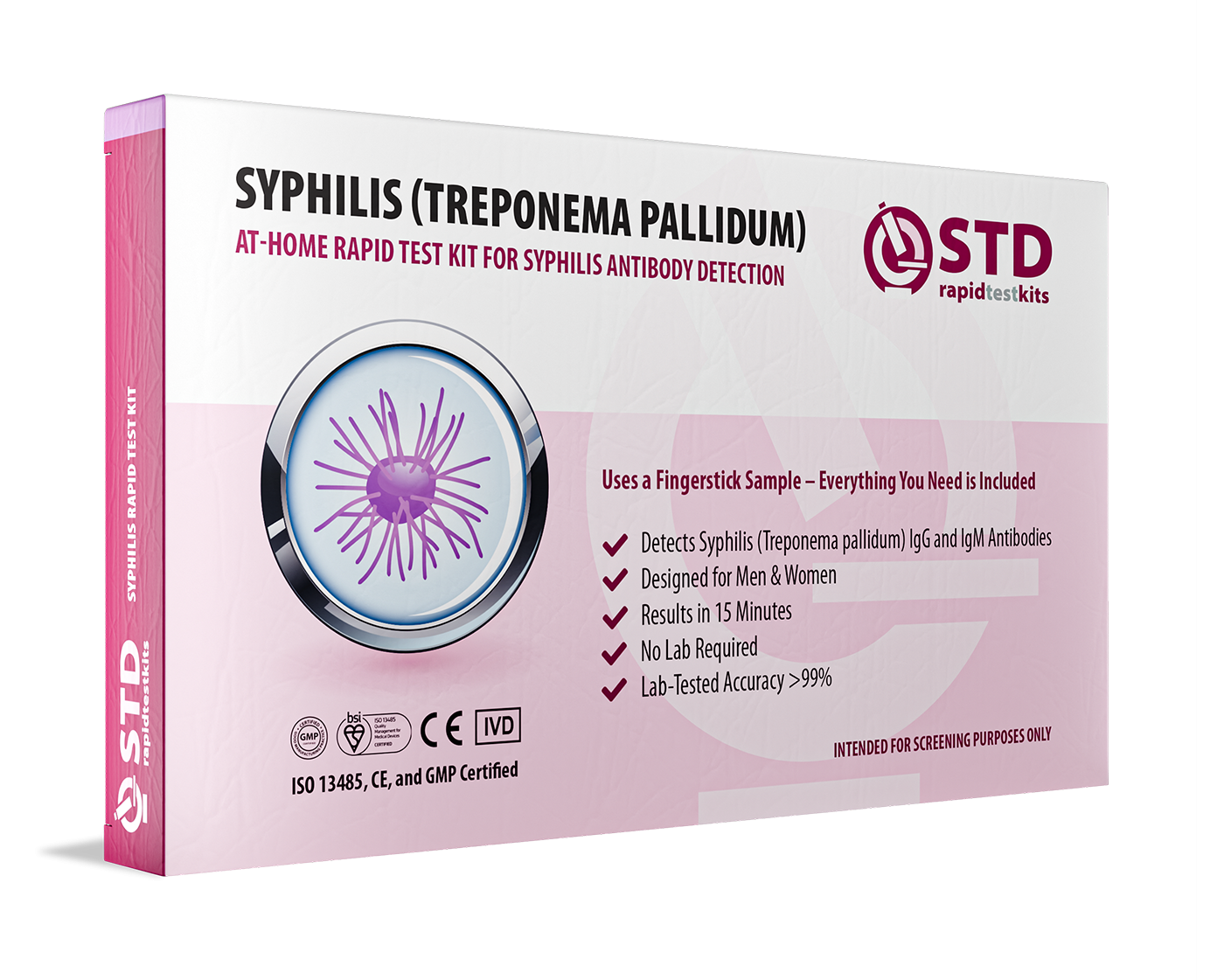
Syphilis is a sexually transmitted infection caused by the bacteria Treponema pallidum. It can be spread by sexual intercourse and from an infected mother to her unborn child. Syphilis is a disease which progresses in many stages, depending on the time-duration of the disease. At the first stage of syphilis, painful and contagious sores appear on the mouth, the genital area, or the rectum. If left untreated, the infection spreads into the second stage of the disease. During this secondary phase of the disease, symptoms include sore throat, swollen lymph nodes, rash, and fever. Latency of infection will take place, and the symptoms will vanish. If left untreated, syphilis can also cause serious complications in the brain, heart, and blood vessels. Quick test kits like the Anti-Syphilis Rapid Test Kit give an efficient and fast way of detection of syphilis in the blood samples.
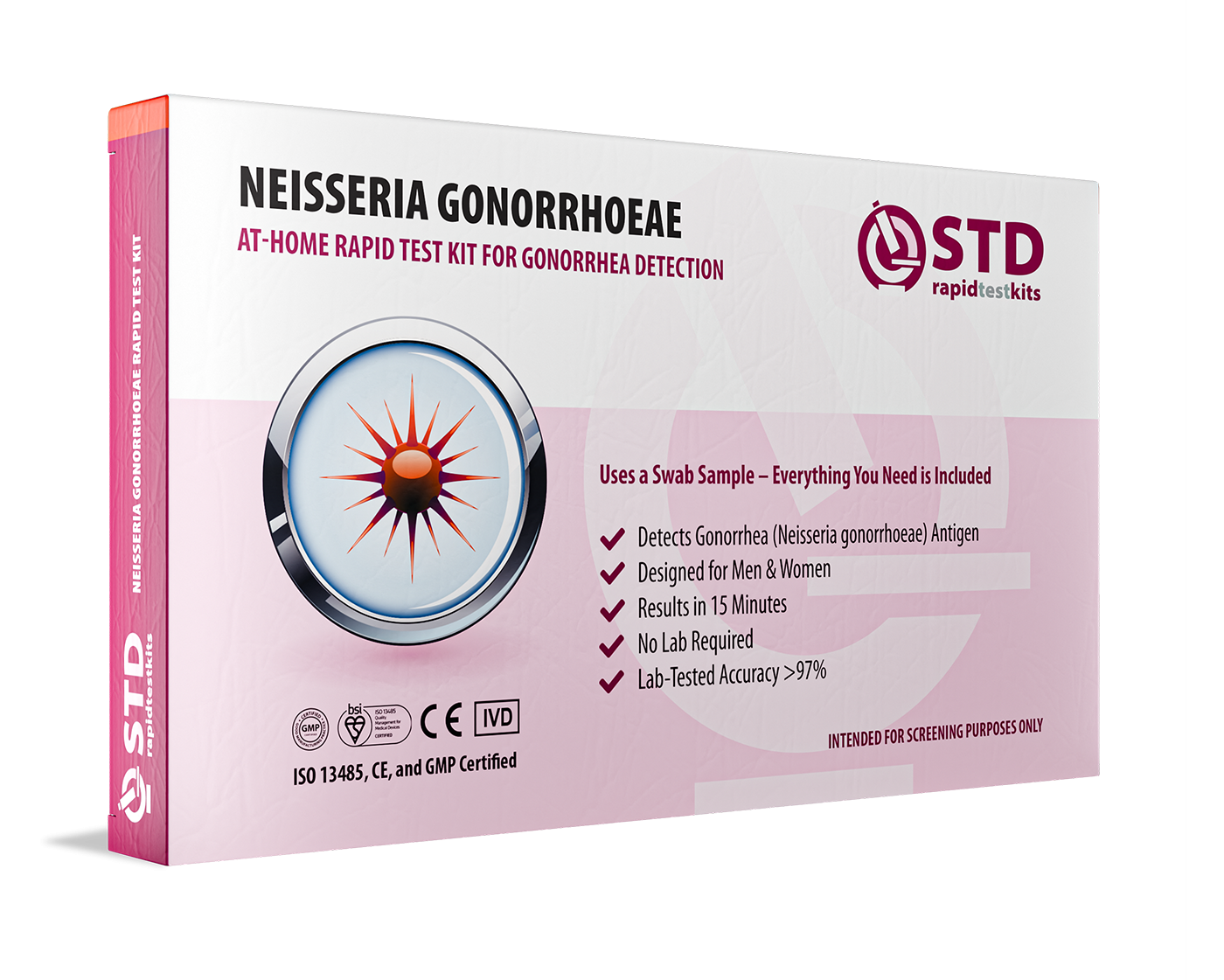
Gonorrhea is caused by a bacterium called Neisseria gonorrhoeae. Depending on the type of sexual exposure, the following sites can be infected: genitals, rectum, and throat. Sexual exposure to gonorrhea may occur through vaginal, anal, or oral sex. Many people with gonorrhea have no symptoms-they are asymptomatic. Symptoms include painful urination, discharge, and pain in the genital area. If left untreated, gonorrhea may lead to complications such as pelvic inflammatory disease, epididymitis, and infertility. Rapid antigen tests, such as the Gonorrhea Rapid Test Kit, enable rapid and accurate identification of gonorrhea-specific proteins present in urine or vaginal swab samples.
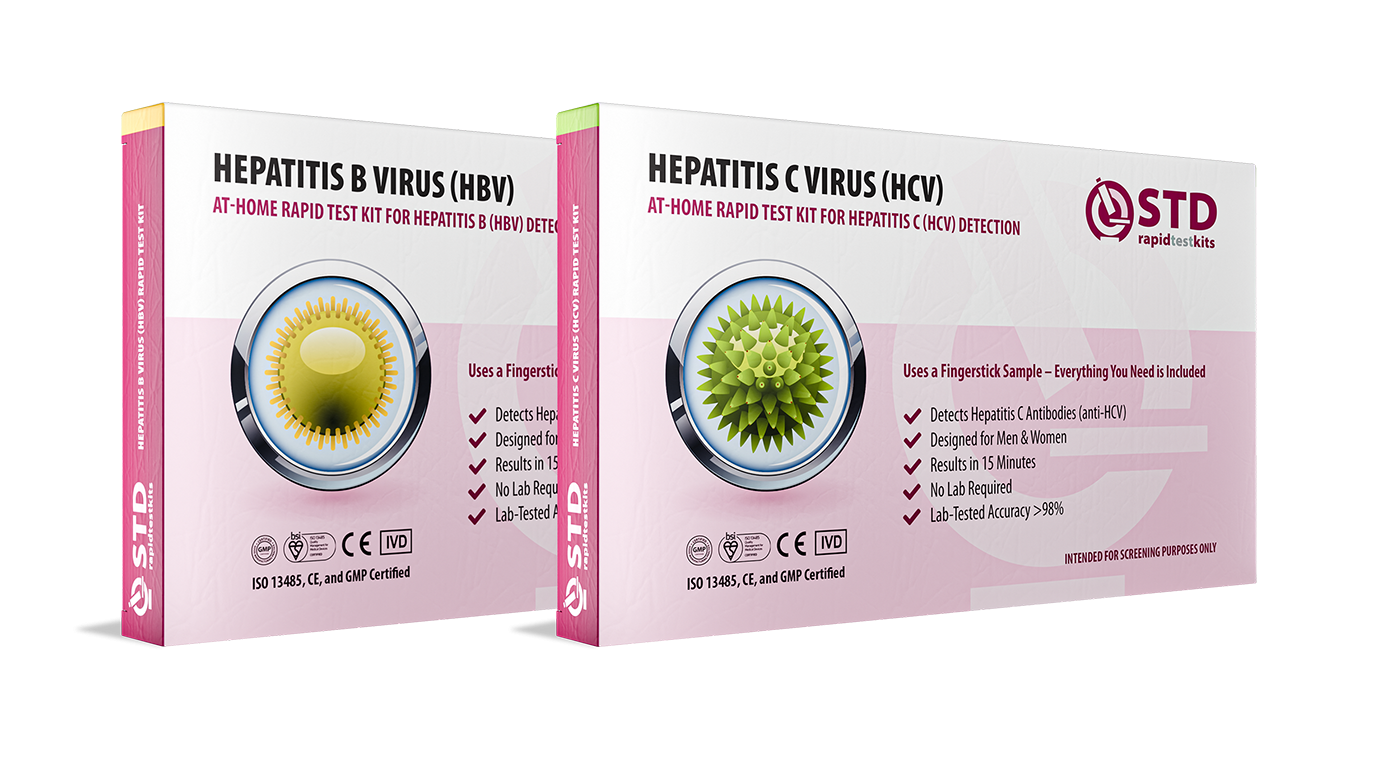
Viral hepatitis is a general term for infections arising from the hepatitis viruses-acute or chronic infections caused by hepatitis A, B, C, D, or E viruses. The main target of the viruses is the liver. They are transmitted through different modes of contact. Hepatitis A is primarily transmitted via fecal contamination, but hepatitis B and C viruses are taken up through infected blood and bodily fluids. Generally, hepatitis A tends to cause an acute and limited illness, whereas hepatitis B and hepatitis C can present with a chronic long-standing illness of the liver. The earlier the diagnosis of viral hepatitis, the lesser the chances of serious complications like cirrhosis, liver failure, and liver malignancies. Rapid Tests like HBsAg Rapid Test Kit and HBsAg/HCV/HIV/TP Rapid Test Kit are some viral hepatitis proteins that provide quick results.
Check Your STD Status in Minutes
Test at Home with Remedium Hepatitis B & Hepatitis C Test Kit
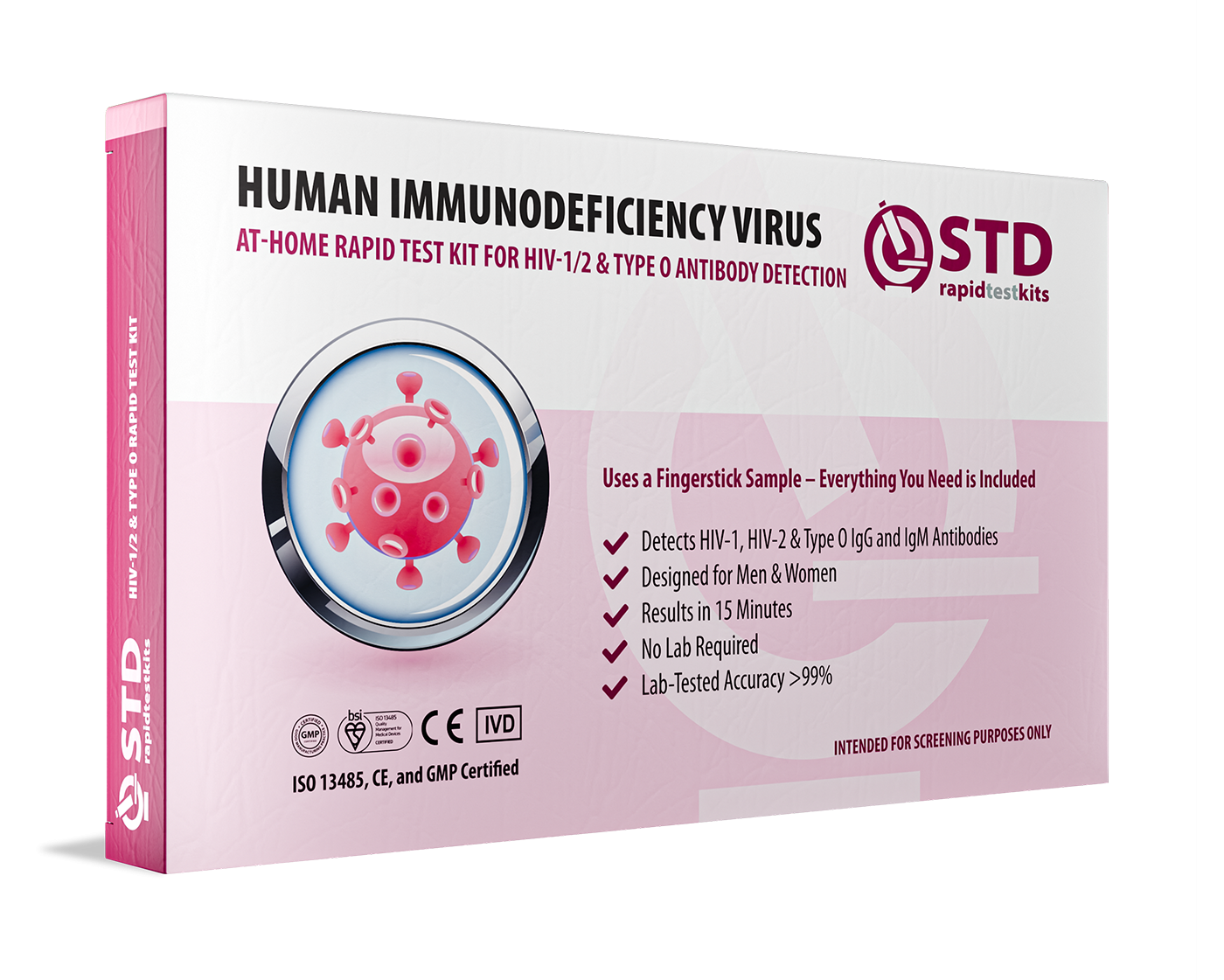
HIV is a chronic and sometimes life-threatening disease that, basically, is caused by the human immunodeficiency virus. It usually spreads when infected blood, semen, vaginal fluid, rectal fluid, and breast milk comes into direct contact. The type of attack that HIV carries out against the immune system destroys important cells, called helper T-cells, that protect one from a wide range of infectious agents and cancers. If left undiagnosed or untreated, the disease most certainly will advance into its more terminal phase, AIDS, characterized by the onset of very serious complications and impairment in the immunity system.
Timely diagnosis, in the case of HIV, is very important for the early institution of anti-retro-viral therapy. This has helped people with HIV to lead long and healthy lives. Rapid tests, such as the Anti-HIV 1/2 Rapid Test Kit and the HIV Ag/Ab Combo Rapid Test Kit, are a rapid, easy, and accurate method of testing for infection with human immunodeficiency virus. These tests detect antigens or antibodies specific to the virus and provide immediate results. This is where other prevalent STDs viruses besides or with HIV can be tested by using multiplex tests like the HBsAg/Anti-HIV (1/2) Combo Rapid Test Kit and HBsAg/HCV/HIV/TP Rapid Test Kit.
Among the major sexual and reproductive health issuessexually transmitted diseases represent a high place. The critical strategy of successful management of the infection and prevention of complications is represented by early diagnosis coupled with appropriate treatment. These rapid test kits have truly built a revolution in the diagnosis of the different STDs in a simple, quick, and apparently final way. Be it syphilis, gonorrhea, viral hepatitis, or HIV, these rapid test kits play an important role in every respect for early detection and control of sexually transmitted diseases. Regular testing, safe sex, and proper consultation with physicians will surely help people avoid many problems of STDs and thus save themselves and others from this menace.
How to Use STDs Rapid Test Kit?
Rapid testing kits have made diagnosing sexually transmitted diseases quite easier and accessible. The rapid test kit can be taken from the comfort of your home and generally gives quick results without having to actually go to a healthcare facility. Here's a step-by-step guide on how to use an STDs rapid test kit:
Read the instructions: Rapid test kits come along with a set of instructions regarding the type of STD in question. Start with the reading of the instructions given along with the kit. One must know the testing process and any precaution or requirement for the same.
Preparation of materials: These involve having all materials ready to be used in taking the test. These may include the test kit, the collection of samples-swab or lancet, test tube, or cassette, and all the accompanying reagents or buffers.
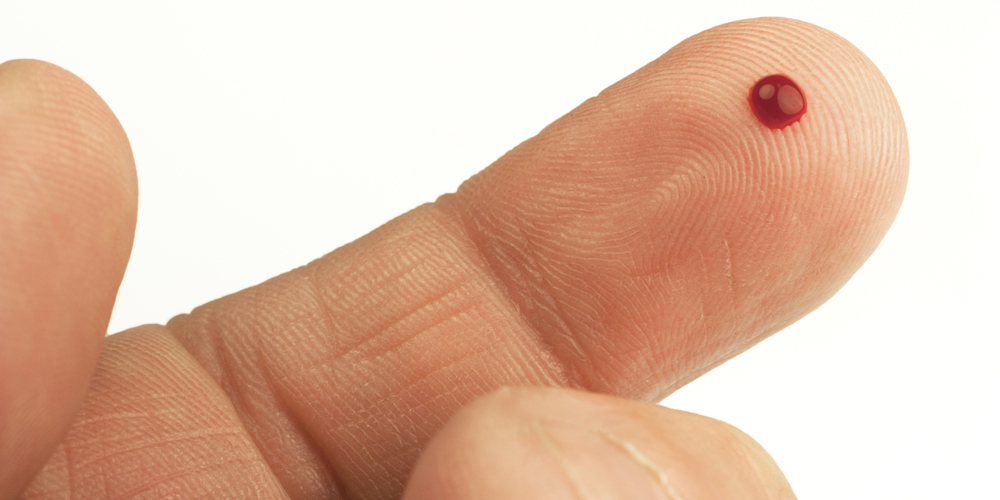
Prepare the specimen: Depending on the type of STD, blood, urine, or a swab from the infected area may be collected. Collect the specimen as directed. Follow proper hygiene procedures and dispose of collecting devices as instructed.
Conducting the test: With your sample prepared, the time for conducting the test has come. This generally involves adding the sample into the test tube or cassette, together with any necessary reagents or buffers. Follow instructions very carefully, adding the right amount of each of the components.
Waiting for results: You'll have to wait in a few minutes after adding the sample and the reagents for the test results. Anything from a couple of minutes up to 15 minutes will vary depending on the particular test kit you are dealing with. Use a timer or watch to precisely chart the waiting time.
Reading the results: You can read the results after waiting for whatever time is recommended. Most rapid tests today involve a visual display in the case of results, involving lines or color changes. Check the instructions to read how you should interpret the type of test that you are using. It's important not to make any incorrect interpretations.
Seek professional help. Though the rapid test kits can be a real source of information, remember that these are not diagnostic tests but screening ones. If you turn out to be positive or have any suspicion, then you have to consult a professional as soon as possible. A healthcare professional will confirm the diagnosis with further testing and guide through proper treatment options accordingly.
Using STD rapid test kits can enable an individual to take responsibility for his or her sexual health. However, strict adherence to instructions on their use, proper interpretation of results, and seeking advice from a professional health expert are indispensable. Regular testing for such diseases, use of protection, and candor with one's sexual partner will help prevent the acquisition and transmission of such diseases, hence promoting sexual health in entirety.







 For Men & Women
 Results in Minutes
 No Lab Needed
 Private & Discreet