





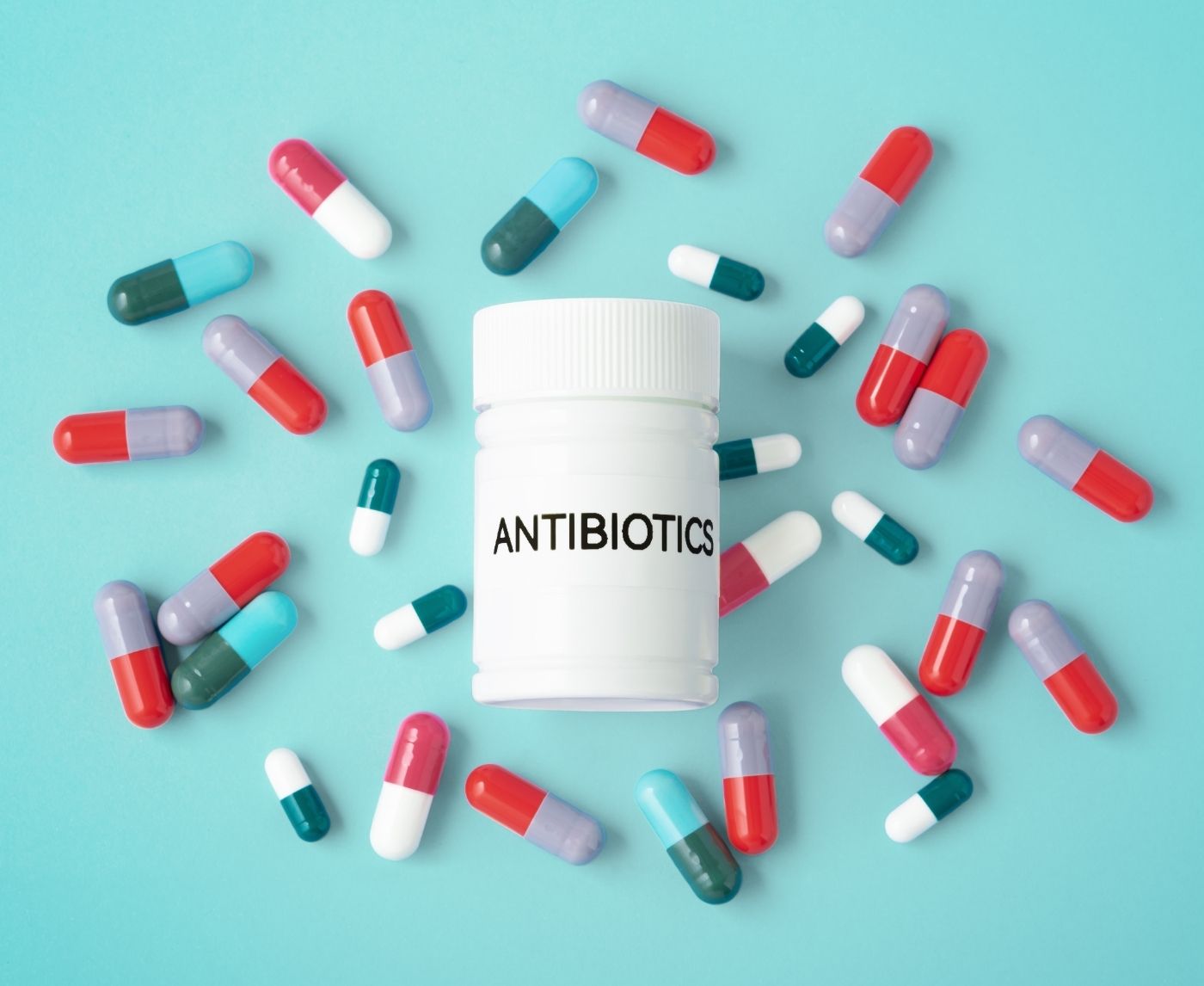

Quick Answer: Doxycycline can prevent certain STIs like chlamydia and syphilis if taken within 72 hours after sex, but it’s currently recommended only for specific high-risk groups and may contribute to antibiotic resistance.
“Wait, There’s a Pill for That?”: DoxyPEP 101
The idea of a morning-after pill for STIs sounds almost too good to be true, because for decades, it was. While PrEP transformed HIV prevention, nothing similar existed for the more common STIs. You could get tested. You could get treated. But you couldn’t stop an infection in its tracks before it took hold. That’s what makes DoxyPEP (short for doxycycline post-exposure prophylaxis) so groundbreaking.
Imagine this: It’s Sunday morning. You went out, hooked up, and didn’t use a condom. By Monday, you’re already feeling uneasy. You’re not showing any symptoms, but the “what ifs” won’t quit. In certain communities, especially among men who have sex with men (MSM) and some trans women, doctors are now prescribing a single 200mg dose of doxycycline to be taken within 72 hours of unprotected sex. That one pill can lower your risk of getting bacterial STIs like chlamydia and syphilis, sometimes by more than 60%.
This isn't an internet myth or a TikTok trend. In 2022 and 2023, two major studies (DOXY-PEP and DoxyVAC) showed promising results for Doxycycline as a post-exposure method. The CDC published draft guidance in 2023 recommending DoxyPEP for some high-risk groups based on those findings. But that guidance comes with caveats, and the bigger picture is more complicated than just “take a pill and forget it happened.”
What the Studies Actually Found
Let’s get into the data. In the DOXY-PEP trial, researchers enrolled over 500 participants who were either HIV-positive or on PrEP, and who had a history of recent STIs. Participants were told to take a 200mg dose of doxycycline within 72 hours of condomless sex, not daily, just when exposure occurred. Over the course of a year, the study showed a dramatic drop in new cases of chlamydia (around 88% reduction) and syphilis (around 87% reduction). Gonorrhea prevention wasn’t as effective, only around 55%, and that came with its own issues regarding antibiotic resistance.
It’s worth noting that this wasn’t a random population. These were people with high exposure rates, multiple partners, and previous STIs, groups already prioritized for intensified prevention. The results don’t necessarily apply to everyone, and the studies didn’t include cisgender women, heterosexual men, or people with compromised immune systems. That’s part of why DoxyPEP isn’t being handed out like candy, it’s still being evaluated for safety, impact, and equity.
Here’s a breakdown of what we know so far:
| STI | DoxyPEP Effectiveness | Notes |
|---|---|---|
| Chlamydia | ~88% reduction | Most effective; well-supported by data |
| Syphilis | ~87% reduction | Significant impact on new infections |
| Gonorrhea | ~55% reduction | Effect limited due to resistance concerns |
Table 1: Summary of DoxyPEP effectiveness in recent clinical trials (DOXY-PEP & DoxyVAC).
People are also reading: Can Antibiotics Make You More Vulnerable to STDs?
Who Can Actually Get DoxyPEP Right Now?
This is where things get tricky, and honestly, where frustration sets in for a lot of people. Right now, DoxyPEP is not a widely available prescription for everyone. The CDC’s current guidance (as of late 2023) only recommends it for men who have sex with men and certain trans women who’ve had an STD in the past year. In plain terms: unless you’re in that group and already connected to a sexual health provider who’s up to date on the research, it may not be offered to you at all.
In real life, that means someone like Chris, a 31-year-old cis man in a new open relationship, might read about DoxyPEP online and feel empowered, only to hit a wall when his doctor says it’s not available for “his population.” Or someone like Jess, a nonbinary person in rural Texas, might try to find Doxy online and get lost in a sea of sketchy overseas pharmacies. The gap between what’s possible and what’s accessible is huge right now. And while enthusiasm is building, the infrastructure isn’t fully there yet.
If you do qualify, the prescription usually includes guidance on when to take it (within 72 hours of sex), how often (not more than once daily), and what to watch out for (like side effects or overuse). But getting to that point takes a provider who knows the protocol, understands the guidelines, and sees value in prevention, not just treatment.
Why Isn’t Everyone Using This Yet?
Let’s be honest, if there were a pill that could stop syphilis and chlamydia after a risky hookup, and it was completely safe, people would be lining up. So why isn’t everyone using DoxyPEP already? One word: resistance. Bacterial resistance is the single biggest shadow hanging over this conversation, and it’s the main reason many health providers are cautious, even skeptical, about widespread rollout.
Antibiotics don’t just work on STIs. They affect your gut flora, your immune response, and your entire bacterial ecosystem. Overuse of doxycycline could potentially make it less effective in the future, not just against STIs, but against other infections you might face. And when we talk about gonorrhea, which already shows high levels of resistance worldwide, the stakes get even higher. That’s why some clinicians worry that giving people antibiotics “just in case” could do more harm than good long-term.
Dr. Marin, a sexual health provider in Los Angeles, explains it like this: “We want to empower our patients, but we also have to think about the broader population impact. If DoxyPEP gets overused, we might lose it as a tool. It’s about balance.”
In other words, this isn’t a moral judgment. It’s a systems-level question of sustainability. And like with many harm reduction tools, the rollout will likely remain focused on high-incidence groups first, while data continues to accumulate.
Check Your STD Status in Minutes
Test at Home with Remedium7-in-1 STD Test Kit
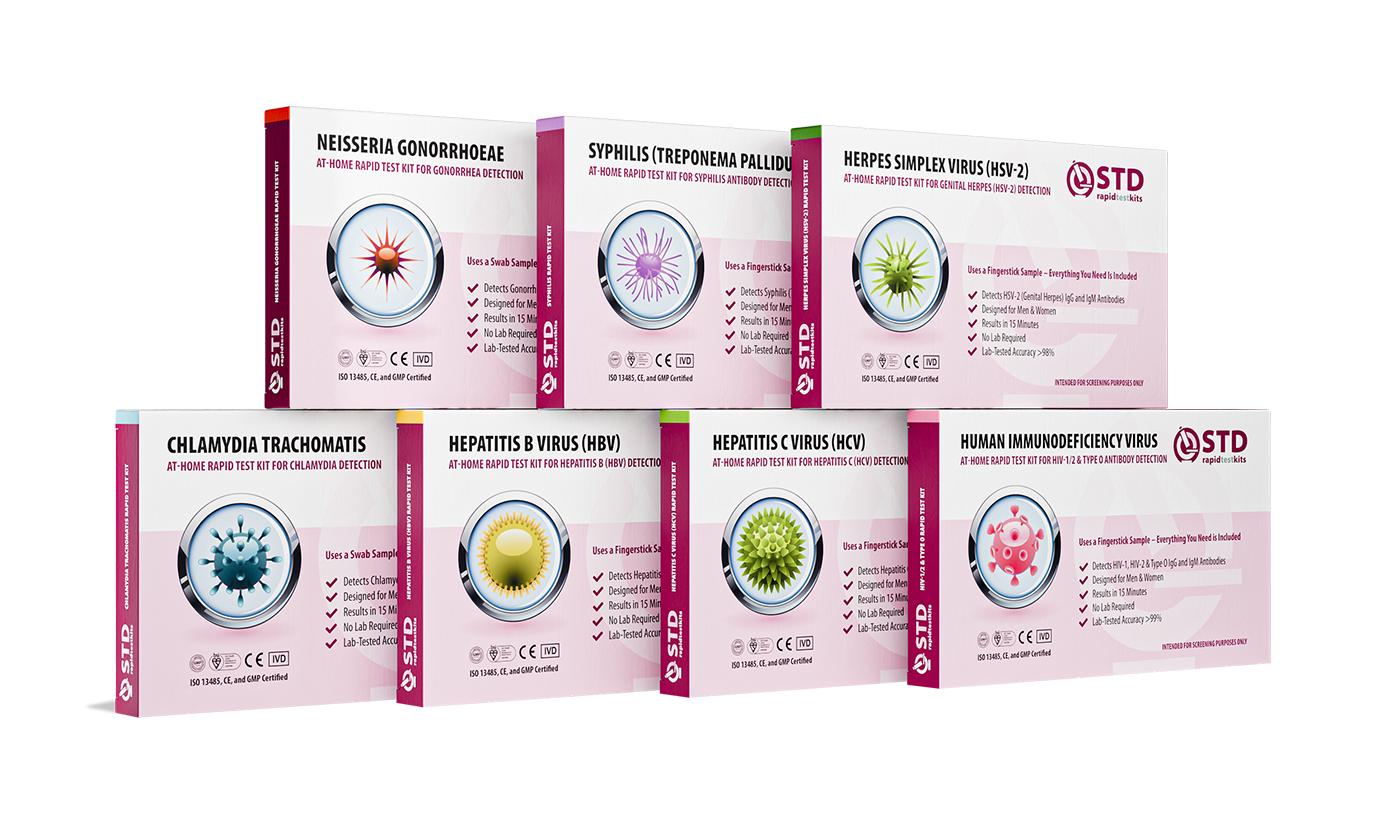
 For Men & Women
 Results in Minutes
 No Lab Needed
 Private & Discreet
Order Now $129.00 $343.00
For all 7 tests
What Happens If You Take Doxycycline After Sex?
Let’s walk through what actually happens inside your body. When you take a 200mg dose of doxycycline soon after being exposed, it gets into your blood and tissues. The antibiotic can stop a bacterial infection like chlamydia or syphilis from spreading before it starts to spread quickly. This is when the drug works best, which is usually within 72 hours.
But timing matters. Take it too late, and the bacteria may have already rooted deep. Take it too often, and you increase your risk of side effects, including nausea, light sensitivity, and antibiotic-resistant infections down the line. For most people who qualify, DoxyPEP isn’t meant to be a daily thing. It’s situational, reserved for specific exposures with real risk, not routine hookups with condom use or low-risk partners.
Here’s a typical progression of how someone might use DoxyPEP after sex:
| Time Since Exposure | Recommended Action | Rationale |
|---|---|---|
| Within 24 hours | Take 200mg doxycycline | Best chance at preventing STI from taking hold |
| 24–48 hours | Still take if eligible | Efficacy remains high for most bacterial STIs |
| 48–72 hours | Take with clinical guidance | May still offer some protection, especially against syphilis |
| Past 72 hours | Testing and monitoring recommended | DoxyPEP no longer advised; risk assessment needed |
Table 2: DoxyPEP timing and efficacy after sexual exposure.
And here's what it doesn’t do: DoxyPEP does not protect you against HIV, HPV, herpes, or hepatitis. This isn’t PrEP. It’s not a vaccine. It’s a narrow but powerful tool that, when used precisely, can fill a dangerous gap in protection, but only for certain bacterial infections. And only for certain people, at least for now.
Real Talk: How It Feels to Use STI Prevention Pills
Kai, a 28-year-old gay man living in Chicago, recalls the first time his doctor offered DoxyPEP. “It was weird. I’d just gotten over a syphilis scare, and my provider said, ‘Next time, you could take this after sex.’ I was like, wait, like a Plan B for STDs? I felt relieved, but also unsure if I’d be judged. Turns out, it was offered because I’m already on PrEP and have a regular provider. But my roommate? Same risks, no offer.”
The emotional terrain here is real. Some people feel liberated by the option of DoxyPEP. Others feel left out, stigmatized, or confused about whether they “qualify.” There’s also the fear of looking reckless or irresponsible for asking. That’s where stigma creeps in, and where sexual health needs to evolve. Preventive medicine is about care, not character. And the more we normalize these conversations, yes, even the awkward ones, the better our outcomes will be.
One way to take control is by combining access to DoxyPEP with regular testing. Whether you’re trying to prevent exposure or catch something early, timing is everything. At-home STI tests make this easier than ever, especially for people who don’t have supportive providers or can’t walk into a clinic without fear.
If your head keeps spinning, peace of mind might be one test away. Order a discreet combo test kit to screen for multiple STIs in the privacy of your home. Fast results, no appointments, no judgment.
People are also reading: What It’s Like Living in One of the Top States for Chlamydia
How Much Does DoxyPEP Cost, and Can You Even Get It?
Here’s the frustrating part: even if you qualify for DoxyPEP under CDC guidance, actually getting it can feel like navigating a maze blindfolded. Some clinics offer it. Some doctors have never heard of it. Some won’t prescribe it without jumping through hoops. And if you’re not in a major city or don’t already have an LGBTQ+ affirming provider, the odds get even slimmer.
As of early 2026, doxycycline is a generic drug, which means the cost itself isn’t the biggest barrier, it’s usually under $20 for a full course. The barrier is access. Most insurance companies don’t yet list DoxyPEP as a preventive service, so unless you’re part of a specific program or pilot project, you might be paying out-of-pocket for both the doctor visit and the drug. That means financial privilege often determines who gets preventive care, exactly the kind of inequality STI public health strategies should aim to fix.
There are exceptions. In some major cities, community clinics and telehealth platforms have begun offering DoxyPEP consults to people who meet the CDC’s risk profile. But that’s far from universal. And in rural areas or red states where sexual health access is already under attack, DoxyPEP may not even be on the radar.
Here’s the emotional rub: even though the science is promising, many people are still forced to roll the dice after sex. They search online for aftercare, they wait in silence, they hope for the best, and if something shows up later, they’re stuck navigating treatment, stigma, and disclosure alone.
What Should You Ask Your Doctor About DoxyPEP?
If you want to bring up DoxyPEP with your doctor, you’re not being “risky” or dramatic, you’re being informed. But the reality is, many providers are still catching up. So here’s how to approach that conversation without shame:
First, ground the request in your real-life risk factors. You might say, “I’ve had multiple partners recently and I want to talk about all my prevention options, including antibiotics after sex.” Or, “I’ve read about DoxyPEP and I’m wondering if it’s something I should consider.” You don’t need to have had an STI in the last 12 months to ask. You’re allowed to be proactive about your body.
Second, be prepared to explain what you mean. DoxyPEP isn’t yet a household term. Clarify: “It’s a 200mg dose of doxycycline taken within 72 hours after sex to prevent certain STIs. The CDC recently issued guidelines for it.” This not only shows you’ve done your homework, it helps your provider feel informed too.
And third, ask directly: “Are you comfortable prescribing DoxyPEP if I meet the criteria?” If the answer is no, ask for a referral to a sexual health specialist who can. Your health shouldn’t depend on whether your doctor happened to read the latest issue of JAMA or attend a particular training. But too often, it does.
If you don’t have a doctor you can talk to? That’s where at-home testing comes in. You can still protect yourself. You can still take action. And you can still make empowered choices, even if the system doesn’t make it easy.
Check Your STD Status in Minutes
Test at Home with Remedium8-in-1 STD Test Kit
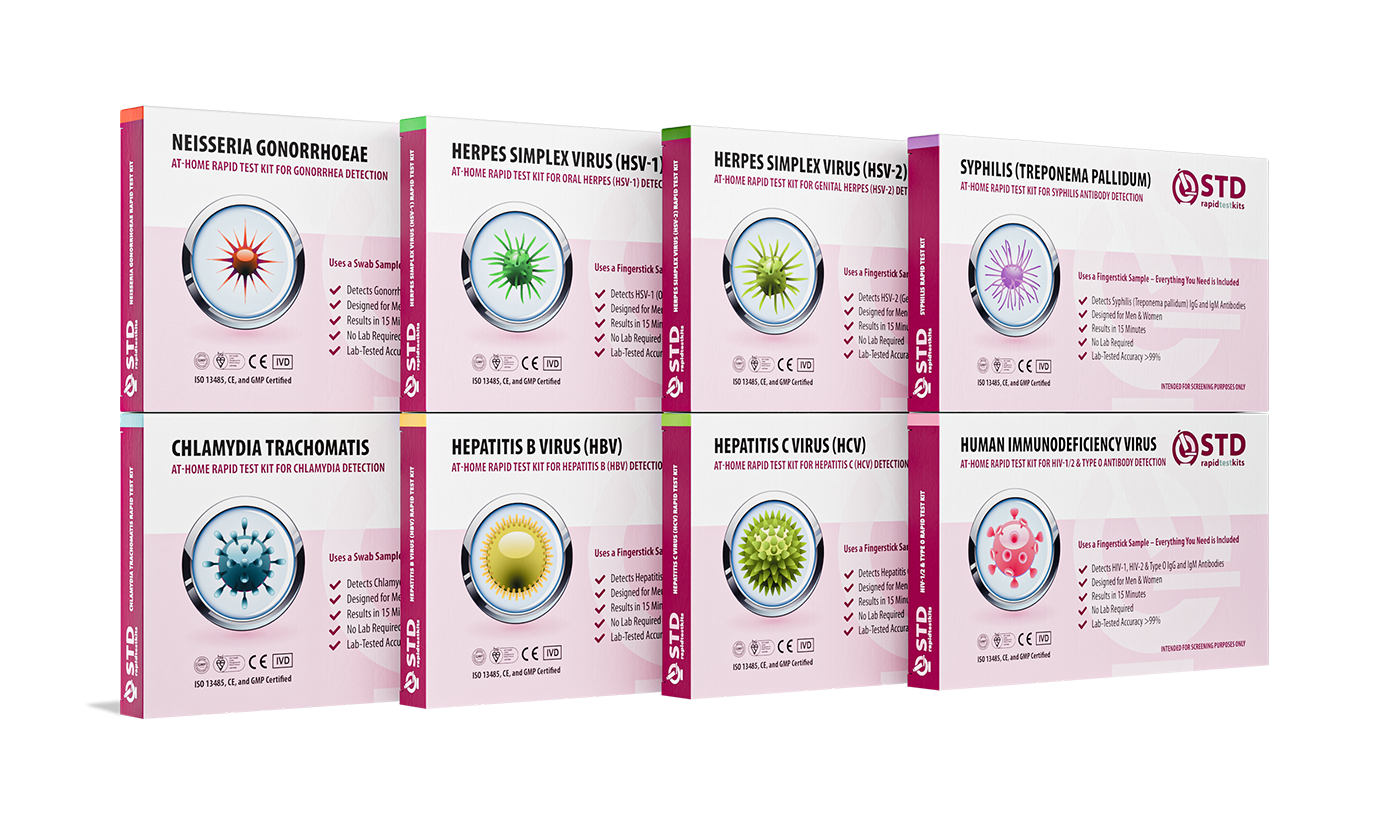 For Men & WomenResults in MinutesNo Lab NeededPrivate & Discreet
Order Now $149.00 $392.00
For all 8 tests
DoxyPEP + Testing = The Real Morning-After Plan
Here’s what no one tells you: even if you can’t get DoxyPEP, you can still make smart, science-backed decisions after a risky encounter. Testing is your safety net. It’s how you track your body and protect your partners. And when you combine regular testing with access to post-exposure tools like DoxyPEP, you’re creating your own prevention plan, even when the system is behind.
Let’s say you had unprotected sex on a Saturday night. You don’t have DoxyPEP. But you do have access to a home test kit. You wait 5 to 7 days, then take the test. If it’s negative, great, you’re likely in the clear for early-stage chlamydia or gonorrhea. If it’s positive, you get treated fast and avoid passing it to anyone else. That’s harm reduction. That’s care.
Or maybe you do get DoxyPEP from your provider. You take it, but you still follow up with testing 2–3 weeks later, because no drug is 100%, and knowing your status is still the gold standard. In both cases, you’re making choices from a place of power, not panic.
That’s the future of STI prevention. Not just medicine, but autonomy. Not just prescriptions, but access. Not just numbers on a chart, but lives and relationships and bodies that matter.
If you're navigating that messy middle, between exposure and certainty, testing is your first step. Explore at-home STD test kits here, and take control on your terms.
FAQs
1. Is DoxyPEP really like a morning-after pill for STDs?
Kinda, yeah. It’s not as universal as Plan B, but for certain STIs like chlamydia and syphilis, a 200mg dose of Doxycycline taken within 72 hours can actually stop an infection before it starts. It’s post-exposure protection, not a time machine. Think of it as a backup plan when condoms weren’t used, broke, or just didn’t happen.
2. Can anyone take Doxycycline after sex?
Not quite yet. As of now, DoxyPEP is recommended for men who have sex with men and some trans women who’ve had an STI in the past year. That’s based on the studies done so far, but it doesn’t mean you shouldn’t ask your doctor if it makes sense for you. The science is evolving. Access, unfortunately, isn’t keeping pace.
3. What happens if I take it too late?
If you’re outside that 72-hour window, DoxyPEP likely won’t help. But that doesn’t mean you’re out of options. Your best move is to test, ideally around 7 to 14 days post-exposure depending on the infection. If anything shows up, you treat it fast. If not, you breathe easier. Either way, you’re back in the driver’s seat.
4. Does it work for all STDs?
Nope. DoxyPEP doesn’t protect against herpes, HPV, hepatitis, or HIV. It’s all about the bacterial STIs, mostly chlamydia, syphilis, and sometimes gonorrhea. You’ll still need other tools (like condoms or PrEP) to build a full protection plan.
5. How often can I take DoxyPEP?
This isn’t a daily vitamin. Most guidance says no more than once per day, and only when there’s a real risk. It's for the times you know you slipped up, not for every single hookup. Using it too often might mess with your gut, your sun tolerance, and yes, global antibiotic resistance.
6. What if I can’t get a prescription?
You’re not alone. Many providers still don’t know about DoxyPEP, and some won’t prescribe it even if you ask. If that’s your situation, focus on what you can control: test early, test again if symptoms show up, and advocate for better care. Oh, and if you're ordering meds online, double-check that it’s a legit pharmacy. Your health is worth more than a sketchy shortcut.
7. Are there side effects?
There can be. Some people get nausea, stomach issues, or feel weirdly sensitive to sunlight, yes, like a vampire but less glamorous. Most effects are mild and go away, but if anything feels off, call your provider. Taking care of yourself includes checking in when your body says “what the hell is this?”
8. Do I still need to get tested if I took DoxyPEP?
Absolutely. DoxyPEP helps, but it’s not a guaranteed block. Testing is how you confirm you’re in the clear, and how you avoid unknowingly passing something along. Especially if you’re sexually active with multiple partners, regular testing is just basic self-care (and partner-care too).
9. What if I already have symptoms?
If you’re itchy, burning, spotting, or seeing weird discharge, this isn’t the time for prevention. It’s the time for diagnosis and treatment. Skip the DoxyPEP and go straight to testing. And be honest with whoever you’re seeing sexually. STIs are common. Ghosting someone after exposure? That shouldn’t be.
10. Can I use DoxyPEP if I’m on PrEP for HIV?
Yes, and that’s actually where most of the research has focused. People on PrEP often qualify for DoxyPEP too, especially if they’ve had an STI recently. The two meds serve different roles, and they can work together as part of a stronger prevention plan. You’ve just gotta have a provider who’s on board.
You Deserve Options, Not Just Afterthoughts
Sex happens. So do slip-ups, choices we second-guess, and moments when protection didn’t happen the way we hoped. But what shouldn’t happen is shame, or silence. You deserve real tools, real prevention, and real answers. DoxyPEP is one part of that story, and so is testing. Whether or not your provider offers this pill, your power lies in what you do next.
Don’t wait and wonder, get the clarity you deserve. This at-home combo test kit quickly and discreetly checks for the most common STDs.
How We Sourced This Article: We combined current guidance from leading medical organizations with peer-reviewed research and lived-experience reporting to make this guide practical, compassionate, and accurate.
Sources
1. Preventing STIs with Doxy PEP | STI | CDC
2. CDC Clinical Guidelines on the Use of Doxycycline Postexposure Prophylaxis
3. Doxycycline Postexposure Prophylaxis Is Effective and ... | PubMed
4. Postexposure Doxycycline to Prevent Bacterial Sexually ... | NEJM
5. Doxycycline Post-Exposure Prophylaxis to Prevent Bacterial STIs | NCBI Bookshelf
6. Evidence-Informed Provision of Doxycycline Postexposure ... | Clinical Infectious Diseases
7. Doxycycline Post-Exposure Prophylaxis to Prevent STIs | HIVGuidelines
8. Public health considerations on the use of doxycycline for post‑exposure prophylaxis | ECDC
About the Author
Dr. F. David, MD is a board-certified infectious disease specialist focused on STI prevention, diagnosis, and treatment. He blends clinical precision with a no-nonsense, sex-positive approach and is committed to expanding access for readers in both urban and off-grid settings.
Reviewed by: A. Li, MPH | Last medically reviewed: February 2026
This article is for informational purposes and does not replace medical advice.


