







Quick Answer: Practicing polyamory doesn’t automatically increase your risk of getting an STD, what matters most is testing frequency, communication, condom use, and honesty about symptoms and exposure. Monogamous people who don’t test or lie about cheating may carry more hidden risk.
Why This Matters: Polyamory, Shame, and Sex Ed Gaps
Most sex ed never taught us how to navigate relationships beyond the monogamous binary. So when someone says they’re polyamorous or in an open relationship, the cultural reflex is often judgmental: “That’s dangerous,” or “You must have so many STDs.” This isn’t just offensive, it’s medically misleading.
In fact, studies show that polyamorous people often get tested more frequently than their monogamous peers, precisely because they understand that multiple partners require more diligence, not less. According to a 2021 study published in the Journal of Sexual Medicine, individuals in consensual non-monogamy reported higher rates of regular STD testing than those in assumed monogamy where cheating may go undisclosed.
That doesn’t mean there’s no risk. But it does mean risk has to be understood through the lens of behavior, not identity. Just like being queer doesn’t mean you’re unsafe, being poly doesn’t mean you’re reckless. Let’s explore the actual dynamics that affect STD transmission, and how to protect yourself without shame.
It’s Not the Relationship Style. It’s the Testing Culture.
Meet April. She’s been married for five years and recently opened up her relationship with her husband after lots of therapy, boundaries, and planning. They each have one additional partner. Every 90 days, they test together using an at-home combo test for chlamydia, gonorrhea, syphilis, HIV, and trichomoniasis. They talk about protection, share results, and make adjustments as needed.
Now compare that to Derek, who’s been in a “monogamous” relationship for three years but secretly hooked up with two people while traveling for work. He’s never been tested. His partner trusts him completely, and has no idea they’ve been exposed.
Which scenario actually carries more STD risk?
This isn't a morality play. It's about systems of trust and tools of prevention. Polyamorous relationships often come with built-in testing expectations, known as “sexual health agreements.” These can be verbal or written, and they typically cover testing frequency, condom use, new partner protocols, and symptom disclosure.
That said, no agreement can prevent human error or biology. You still need to test yourself regularly and at the right times, no matter how ethical your setup is. This is because the incubation and window periods for different STDs still apply.

People are also reading: Why North Carolina Tops STD Charts: Chlamydia and Gonorrhea Rates Uncovered
Table 1: Comparing STD Risk Drivers in Poly vs Monogamy
| Risk Factor | Polyamorous Relationship | Monogamous Relationship |
|---|---|---|
| Number of Partners | Higher, often disclosed | Typically lower, but undisclosed cheating raises risk |
| Testing Frequency | Often regular, planned (e.g., every 3–6 months) | Rarely discussed unless symptoms appear |
| Communication About Risk | Explicit conversations expected | Assumed safety; often unspoken |
| Condom Use | Depends on agreement; may be consistent across all partners | Often fades in long-term pairings |
Table 1. A comparison of common risk factors in monogamous vs. polyamorous relationships. As seen here, relationship structure alone doesn’t determine STD risk, testing, trust, and transparency do.
How Exposure Adds Up: The Real Math of Multiple Partners
Yes, the more sexual connections you have, the more potential exposure points exist. But that doesn’t automatically translate into an infection. Here’s how risk is actually shaped:
If Sam has three partners and they all test regularly, use condoms for new partners, and notify each other about any issues, then Sam’s “networked risk” stays relatively low. Now if one of those partners gets exposed to gonorrhea but catches it early through testing, they can treat it before it spreads.
Contrast this with someone in a supposedly closed relationship who never tests. If an infection slips in undetected, it can circulate for months or even years, especially for infections like chlamydia that often present with no symptoms at all.
One 2022 review in the Archives of Sexual Behavior found that perceived monogamy was one of the strongest predictors of people not testing, because many assumed “we’re exclusive, so we’re safe”. In truth, false reassurance is a major driver of untreated STDs.
What a “Poly Testing Schedule” Actually Looks Like
There’s no universal testing calendar for polyamorous people, but many communities follow a shared rhythm. Some folks test every new partner. Others go by a time-based cadence: every 3 months, quarterly, or at major check-ins like New Year’s or birthday month. It’s common to sync testing with partners, making it part of relationship care, not punishment.
Here’s a sample testing timeline used by several poly households:
| Testing Trigger | Recommended Action |
|---|---|
| New partner, no barrier protection used | Test within 2 weeks, then again at 6 weeks |
| Ongoing partner, routine check | Every 3–6 months, even if asymptomatic |
| Partner discloses a positive result | Immediate testing + retest in 2–4 weeks |
| Symptoms appear (e.g., burning, rash) | Test immediately and avoid new contacts |
| Before fluid bonding (condom-free sex) | Test both partners; discuss boundaries and retest in 4 weeks |
Table 2. Example testing protocol adapted from community-based polyamory and public health guides. Actual timing may vary depending on test type, incubation periods, and exposure events.
Order Now $119.00 $294.00 Check Your STD Status in Minutes
Test at Home with Remedium
6-in-1 STD Test Kit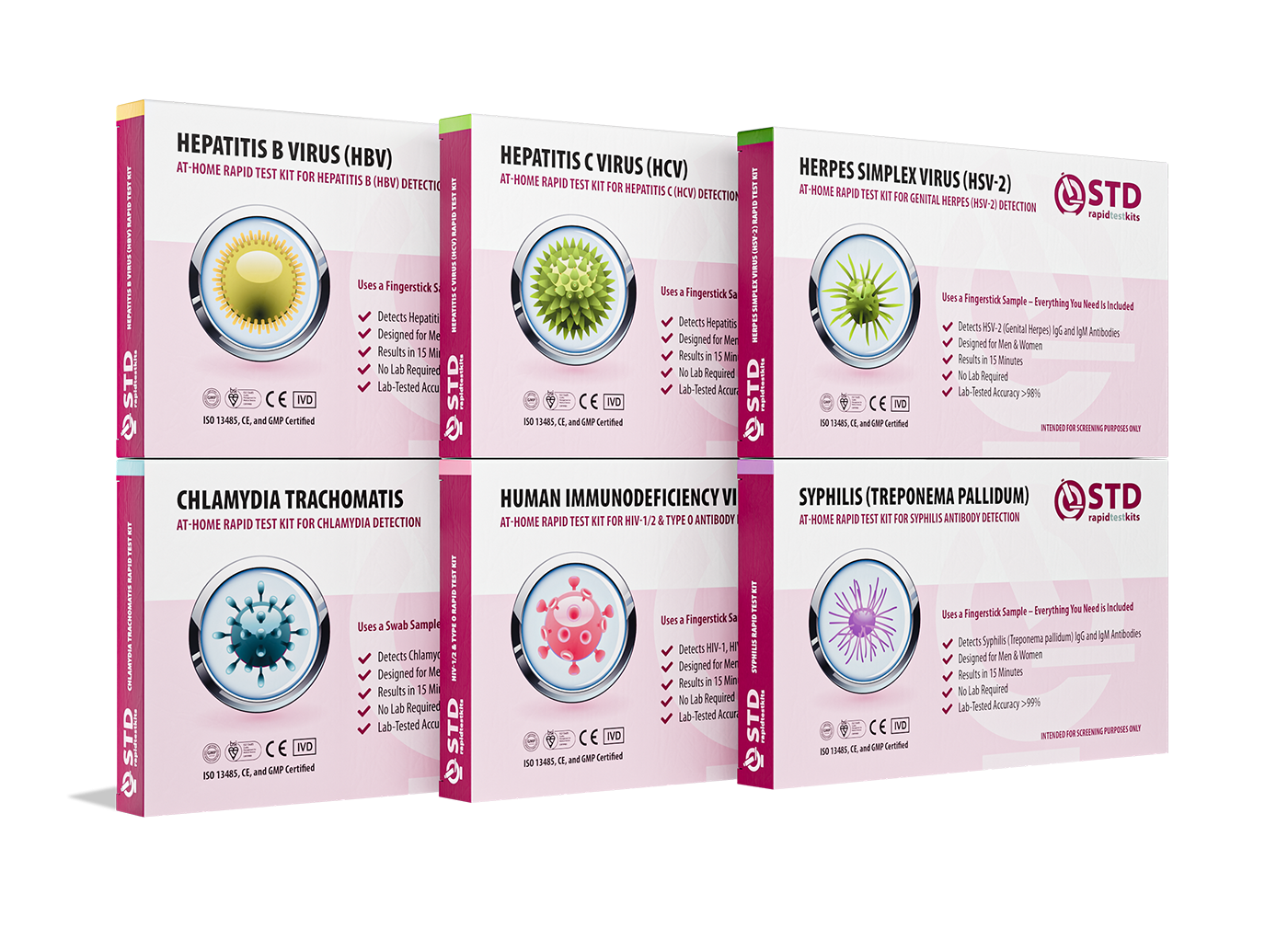
 For Men & Women
 Results in Minutes
 No Lab Needed
 Private & Discreet
For all 6 tests
Understanding Window Periods in Poly Contexts
Even when you test regularly, the timing of the test matters just as much as the frequency. This is where many well-meaning poly folks get tripped up, especially when negotiating new relationships or reacting to a partner’s positive result.
The window period is the time between getting an STD and when a specific test can find it. For some infections, like HIV, an NAAT test can show results in as little as 10 days, while certain antibody tests can take up to 90 days. Finding out if you have gonorrhea or chlamydia typically takes seven to fourteen days. Testing too soon can result in a false negative, and that’s a critical point in any web of partners.
Rina, a 32-year-old polyamorous person living in Phoenix, shared this: “I hooked up with someone new, then tested the next morning. It was negative, so I felt safe. But I didn’t realize I had to wait at least a week for accurate results. I ended up unknowingly passing trichomoniasis to my other partner. I felt awful, even though I was trying to do everything right.”
This is why every community or pod should build shared literacy around window periods, not just test frequency. Waiting isn’t always easy, especially when a relationship feels new and exciting. But patience protects everyone.
Real Talk: Testing Doesn’t Mean You’re Dirty
If you’ve internalized shame about needing STD tests, you're not alone. In mononormative culture, getting tested is often linked to suspicion, betrayal, or crisis. In polyamory, it can be part of love language.
Jess and their partners have a “testing brunch” every three months. They each take their at-home tests in the morning, then go out for pancakes and share results. It’s become a ritual, a moment of accountability and intimacy. “I don’t do it because I’m scared,” Jess said. “I do it because I care about them.”
Think of it like this: getting tested isn’t an admission of guilt, it’s a practice of consent. It says: I respect your body enough to tell you what I know about mine. That’s one of the most loving things you can offer in any kind of relationship, monogamous or not.
How to Handle a Positive Result Without Breaking Everything
Let’s be honest, no matter how mature your setup is, getting a positive result for something like herpes or chlamydia is scary. Shame can rear up fast. So can blame.
But here's the thing: STDs are common, often asymptomatic, and sometimes passed despite protection. A positive result doesn’t mean someone lied, cheated, or broke the rules. It means they’re human, and now it’s time for care, not condemnation.
Consider Alex’s story. When he tested positive for syphilis, he expected his partners to ghost him or freak out. Instead, they responded with clarity: one scheduled their test immediately, one sent soup and a meme, and one asked for his treatment timeline so they could sync retesting.
“I realized I wasn’t being punished, I was being cared for,” Alex said. “And that changed how I thought about being sick. I wasn’t disgusting. I was part of a community that actually showed up.”
This level of grace doesn’t happen by accident. It grows from shared values, lived experience, and clear communication plans. Which brings us to…
Partner Notification Doesn’t Have to Feel Like Confession
One of the most stressful parts of testing positive, especially in a poly network, is notifying multiple partners. You might be afraid they'll freak out, judge you, or tell other people.
But here’s the shift: you’re not confessing to a crime. You’re offering timely, useful information. And tools can help make it easier.
Services like TellYourPartner.org allow you to send anonymous texts to sexual partners, alerting them to test. Some people use group chats or closed community boards. Others prefer one-on-one convos with a tone of “Hey, this happened, I wanted you to know so you can take care of yourself.”
In polyamorous contexts, many people actually build in “positive protocols” ahead of time: shared agreements on how to notify, how to pause sexual contact, and how to check in emotionally afterward. That preplanning can take the sting out of the moment when it finally arrives.
And if you’re the one receiving the news? Take a breath. Thank them for their honesty. Then make a plan. That’s it.
The Emotional Math: Jealousy, Fear, and Shame in the STD Equation
Jealousy doesn’t just live in romantic territory, it shows up in health fears too. You might feel fine about your partner having another partner… until that partner has a symptom or a scare. Suddenly, it feels personal. Violating. Unsafe.
That’s real. But it’s also something you can prepare for. Many poly folks use “risk ladders” to set comfort levels: maybe condoms with everyone except one partner, or fluid bonding only after joint testing. What matters most isn’t the ladder, it’s that everyone knows what rung they’re on.
When fear shows up, it helps to name it: Am I scared of the infection itself? Or of what it means about trust? About being chosen? About safety? These aren’t just sexual questions. They’re relational ones.
One therapist we spoke to who works with polycules said this: “Most STD panic in poly networks comes from emotional vulnerability, not medical facts. Once people realize that a UTI or HPV doesn’t mean betrayal, the energy shifts to problem-solving.”
Can You Use At-Home STD Tests in Polyamory? Absolutely.
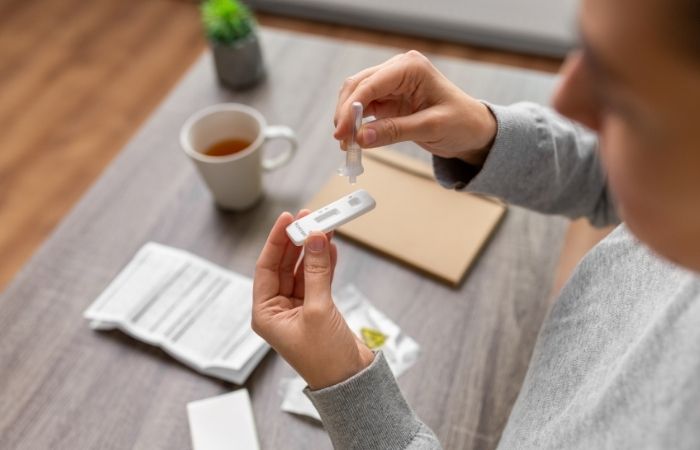
At-home STD tests have become a cornerstone of many poly households. They offer privacy, convenience, and the power to test on your own timeline, without waiting rooms or awkward conversations. For folks managing multiple relationships, they also provide autonomy. You don’t need to negotiate a joint clinic visit just to get clarity on your own health.
Here’s how it often plays out: someone in a triad orders a Combo STD Home Test Kit. They test on a Sunday. On Monday, their nesting partner does the same. By Wednesday, everyone has their results and can proceed with full consent and current information. No one had to miss work, schedule a doctor, or wait two weeks for lab processing.
Rapid tests aren’t perfect, they can miss early infections depending on window periods. But when combined with honest timing, follow-ups, and awareness, they become a powerful tool. Think of them like a smoke detector: not infallible, but far better than flying blind.
If you need high-accuracy lab-grade results, mail-in kits are another great fit. Many now offer multi-STD panels that check for HIV, syphilis, herpes, and more, using finger-prick or urine samples from home.
People are also reading: Is It Oral Gonorrhea or Just Strep? Here’s How to Tell
Does Group Sex Automatically Mean Higher STD Risk?
It’s easy to assume that group sex = danger. That’s the cultural narrative. But again, context matters. Group sex with no communication, no testing, and no condoms? Risky. Group sex at a curated, consent-based event with required testing and protective protocols? Surprisingly structured, and often safer than a random hookup from an app.
Many organized sex-positive spaces actually mandate proof of recent testing. Some even use wristbands or tokens to indicate testing status, boundaries, or safer-sex preferences. This doesn’t eliminate risk, but it reframes the experience from chaotic to conscious.
The real issue isn’t the number of bodies. It’s the number of unknowns. If you’re entering a group scene where you know no one and there’s no testing protocol, yes, your exposure network expands rapidly. But if you’re within a community that values health, transparency, and accountability, then the risk can be lower than you’d expect.
And remember: condoms and barriers aren’t just for penises. Dental dams, gloves, and even clean toy protocols matter. Talk before play. Check in during. Debrief after. Those aren’t just kink best practices, they’re public health ones.
Why Some Monogamous Couples Are Learning From Poly Health Models
This may surprise you: many monogamous couples are now adopting poly-style testing rhythms. Why? Because relying on assumed exclusivity doesn’t always protect you. According to the CDC, nearly 1 in 5 Americans has an STD right now, and many don’t know it because they never thought they needed to test.
Monogamous couples are now incorporating routine testing into their annual health checkups. Some sync it with pap smears or physicals. Others test before ditching condoms or trying to conceive. These steps mirror what poly communities have done for years: making sexual health visible, normalized, and shame-free.
One couple wrote in a Reddit thread: “We’re monogamous but follow a poly testing model because it feels safer. Just because we trust each other doesn’t mean we shouldn’t verify. It’s become a form of care, not suspicion.”
That’s the heart of the issue. Polyamory doesn’t create risk. Assumptions do. And honest, regular testing, no matter your relationship style, is how we stay in front of it.
When One Partner Refuses to Test
This is one of the most common and painful situations in any relationship style. You’re doing everything right, testing, communicating, staying informed. But one of your partners avoids testing. Maybe they’re scared. Maybe they feel ashamed. Maybe they say, “I know I’m clean.”
That’s not enough.
Testing isn’t about accusations. It’s about creating a shared baseline. If someone refuses to test, you have a right to pause physical intimacy until that changes. You’re not being dramatic. You’re being responsible.
Sometimes, people just need support, not pressure. Offer them options: “Would you feel more comfortable with an at-home test?” or “Can we test together?” The goal isn’t control. It’s collaboration.
If they still say no? That’s data. And it’s okay to act on it.
Check Your STD Status in Minutes
Test at Home with Remedium8-in-1 STD Test Kit
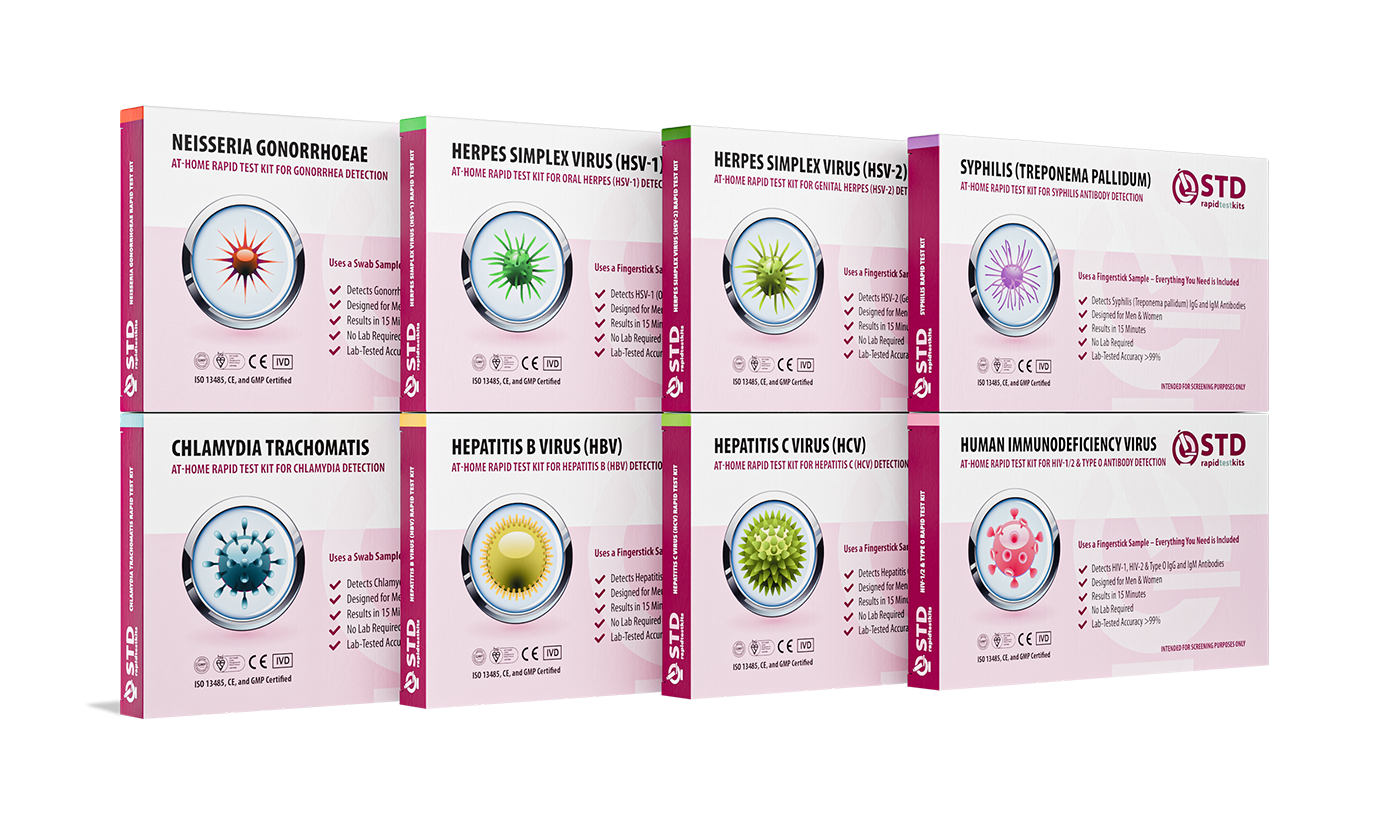 For Men & WomenResults in MinutesNo Lab NeededPrivate & Discreet
Order Now $149.00 $392.00
For all 8 tests
Final Table: Testing Practices That Reduce Risk in Poly Circles
| Practice | Why It Matters |
|---|---|
| Quarterly or biannual testing | Captures asymptomatic infections early |
| Testing before fluid bonding | Reduces transmission of HIV, syphilis, and herpes |
| Transparent symptom reporting | Speeds up intervention, reduces spread |
| Partner notification plans | Enables fast, stigma-free responses |
| Using at-home test kits | Improves access and privacy, increases compliance |
Table 3. Best practices adopted by polyamorous communities that contribute to lower-than-assumed STD transmission when testing and communication are prioritized.
FAQs
1. So… am I automatically at higher risk for STDs just because I’m poly?
Nope. Risk isn’t about how many partners you have, it’s about how often you test, how honest your communication is, and what protection agreements you follow. You could have five partners and stay consistently safer than someone in a monogamous relationship where nobody ever tests. It’s not about the label, it’s about the habits.
2. How often do polyamorous people really test?
Depends on the person and the circle. Some test every 3 months like clockwork. Some test before starting anything new. Others do it after a scare. There’s no single “poly rule,” but many communities treat testing like brushing your teeth, it’s just part of good care. Pro-tip: syncing tests with your partners can actually make it feel intimate, not clinical.
3. What if one of my partners refuses to get tested?
That’s a big deal. And yeah, it sucks. You can’t force them, but you can absolutely say, “I’m not comfortable having sex until we’re on the same page about testing.” You’re not being dramatic. You’re protecting your health. If they won’t test, that’s information, not rejection. Use it to make decisions that align with your safety, not their discomfort.
4. Can I use an at-home test after group sex?
Yes, and many people do. Just wait for the right window (usually about 14 days for things like gonorrhea or chlamydia, longer for HIV). You’ll want to retest if anything weird pops up, like a sore, rash, or unusual discharge. And if you’re in group scenes often, consider regular testing as part of your aftercare.
5. Are condoms enough to prevent herpes?
Condoms help a lot, but herpes can show up on areas condoms don’t cover. Think: upper thighs, buttocks, or mouth. So while barriers lower your odds, they don’t erase them. Honest convos and testing fill in those gaps. If someone discloses they get cold sores or have genital herpes, it’s not the end of intimacy, it’s the start of informed choices.
6. Is it actually possible to be poly and never get an STD?
Totally. Plenty of people practice ethical non-monogamy for years without a single positive test. It all comes down to consistency: regular testing, smart agreements, early symptom checks. But if you do catch something? That’s not a moral failure. It’s a moment for treatment, not shame.
7. How do I start “the talk” about testing with someone new?
You can be chill and clear: “I usually test every few months, last one was in [insert date]. What’s your usual testing rhythm?” Treat it like comparing favorite movies. It’s just part of getting to know each other. If they squirm or dodge? That’s a red flag, not a personality quirk.
8. I tested positive and don’t know who I got it from. What now?
First, take a deep breath. Then notify everyone you’ve been with recently. You don’t need to play STD detective. Just give people the info they need to care for themselves. It’s not about blame, it’s about being a decent human. There’s strength in that honesty.
9. Can I have an STD and not feel anything?
Absolutely. Most STDs are sneaky. Chlamydia, for example, can simmer for months with zero symptoms, especially in people with vaginas. That’s why “I feel fine” is not the same as “I’ve tested recently.” If you’re sexually active, especially with multiple partners, assume routine testing is part of the deal.
10. Can we share one home test kit between partners?
Love the frugal thinking, but nope. Each person needs their own test. Swapping test parts can screw up results and raise contamination risks. Plus, it’s your health. Worth doing right. Order one per person and keep it clean, accurate, and safe.
You Deserve Answers, Not Assumptions
Whether you’re solo poly, in a triad, or figuring out your relationship shape, your health isn’t up for debate. STD risk doesn’t come from loving multiple people. It comes from silence, shame, and lack of tools. And you don’t have to live in that space anymore.
Take back your power. Use what polyamory already does well, transparency, care, and consent, and apply it to your sexual health. This at-home combo test kit checks for the most common STDs quickly, privately, and on your own terms.
How We Sourced This Article: We combined current guidance from leading medical organizations with peer-reviewed research and lived-experience reporting to make this guide practical, compassionate, and accurate.
Sources
1. CDC – STD Facts & Testing Guidelines
2. Planned Parenthood – Safer Sex and STD Testing
3. Sexually transmitted infections (STIs) – WHO Fact Sheet
4. Re-examining the effectiveness of monogamy as an STI prevention strategy (PubMed)
5. Comparison of sexual health history and practices among monogamous and CNM partners (PubMed)
6. Getting Tested for STIs | CDC
8. Sexually Transmitted Infections - StatPearls | NCBI Bookshelf
About the Author
Dr. F. David, MD is a board-certified infectious disease specialist focused on STI prevention, diagnosis, and treatment. He blends clinical precision with a no-nonsense, sex-positive approach and is committed to expanding access for readers in both urban and off-grid settings.
Reviewed by: S. Kim, MPH | Last medically reviewed: February 2026
This article is for informational purposes and does not replace medical advice.


