







Quick Answer: Vaginal discharge that changes color, texture, amount, or smell can signal an STD, but it can also point to non-STD issues like yeast or BV. If the change follows a new partner, exposure risk, or other symptoms, test within 7–14 days to catch common infections like chlamydia, gonorrhea, or trichomoniasis.
“It Was Just Discharge”, Why This Symptom Gets Overlooked
Raya, 26, brushed it off the first time. She had a new partner, they’d used protection, and her discharge only looked slightly more yellow than usual. No smell. No itch. Two weeks later, she tested positive for gonorrhea, an infection she didn’t even realize could fly under the radar.
She’s not alone. Vaginal discharge changes are one of the most common, earliest signs of several STDs, but they rarely arrive with a neon warning sign. They’re subtle, sometimes temporary, and often dismissed as hormonal shifts, cycle variation, or irritation from new products. That’s exactly why this symptom matters. If your discharge looks, smells, or feels different, and especially if it happens after a new partner, a condom slip, or unprotected oral, it’s worth paying attention.
Many people associate STDs with pain or sores. But the truth? Discharge is often the only symptom. In a 2022 CDC study on undiagnosed STDs in women, over 60% of chlamydia and gonorrhea cases were asymptomatic, yet when symptoms did appear, discharge was the most common clue.
STD Discharge vs Normal: What to Look For
Healthy discharge is anything but one-size-fits-all. It can range from clear to milky white, slippery to sticky, depending on your cycle, hydration, and even stress levels. The challenge? STDs don’t always bring wild, obvious changes. Sometimes they just dial up what’s already happening.
But there are patterns. When discharge suddenly changes, especially in color, smell, or consistency, it’s worth cross-checking. Below is a side-by-side comparison based on typical presentations seen in clinical settings. This isn’t diagnostic, but it’s a practical place to start:
| Appearance | Possible Cause | Common Accompanying Signs |
|---|---|---|
| Clear or white, egg-white texture | Normal mid-cycle discharge | Ovulation, no odor, no pain |
| Thick white, clumpy (like cottage cheese) | Yeast infection | Itching, redness, no strong odor |
| Gray or white, thin, fishy odor | Bacterial Vaginosis (BV) | Strong odor after sex, little irritation |
| Yellow or green, pus-like, foul smell | Gonorrhea or Chlamydia | May include spotting, pelvic pain, or burning |
| Frothy, yellow-green, bad smell | Trichomoniasis | Often with itching and discomfort during sex |
| Brown or streaked with blood | Hormonal changes, STDs, or post-period | If persistent, consider cervicitis or STD testing |
Table 1: Common discharge presentations and what they might mean. Note: Discharge alone is not enough to diagnose, testing is always the safest path.

People are also reading: STD from a Vape? What Experts Say About the Risk
The Timing Trap: When Does STD Discharge Actually Start?
Here’s a frustrating truth: you can be infected and not see discharge changes for days, or even weeks. Different STDs have different “window periods,” or timeframes between exposure and detectable symptoms or test results. This lag is exactly why early reassurance can be dangerous. You might test negative five days after a risky hookup and still be positive two weeks later.
Key timelines to keep in mind:
- Chlamydia and Gonorrhea: Changes in discharge usually start 7 to 14 days after the infection.
- Trichomoniasis: Symptoms can show up anywhere from 5 to 28 days later, and they usually include a strong smell and a frothy discharge.
- Herpes: Usually doesn't cause discharge directly unless sores get infected again.
- Syphilis: Early discharge is rare, more common in late-stage inflammation.
- BV and Yeast: Not STDs but often triggered by new sexual activity or imbalance.
Let’s put this into a scenario. Sienna, 30, had sex with a new partner on a Saturday. By Wednesday, she noticed a yellow-green discharge and thought it might be BV. She used an OTC treatment, but nothing changed. By the next week, she was cramping and bleeding between periods. Her clinic confirmed chlamydia. If she’d tested sooner, around the 7-day mark, she might have avoided that progression.
This is why many health experts recommend testing for STDs between 7 to 14 days after unprotected sex or condom failure, even if the only sign is discharge. You can explore discreet options here: STD Rapid Test Kits offers privacy-focused at-home options for major infections.
Check Your STD Status in Minutes
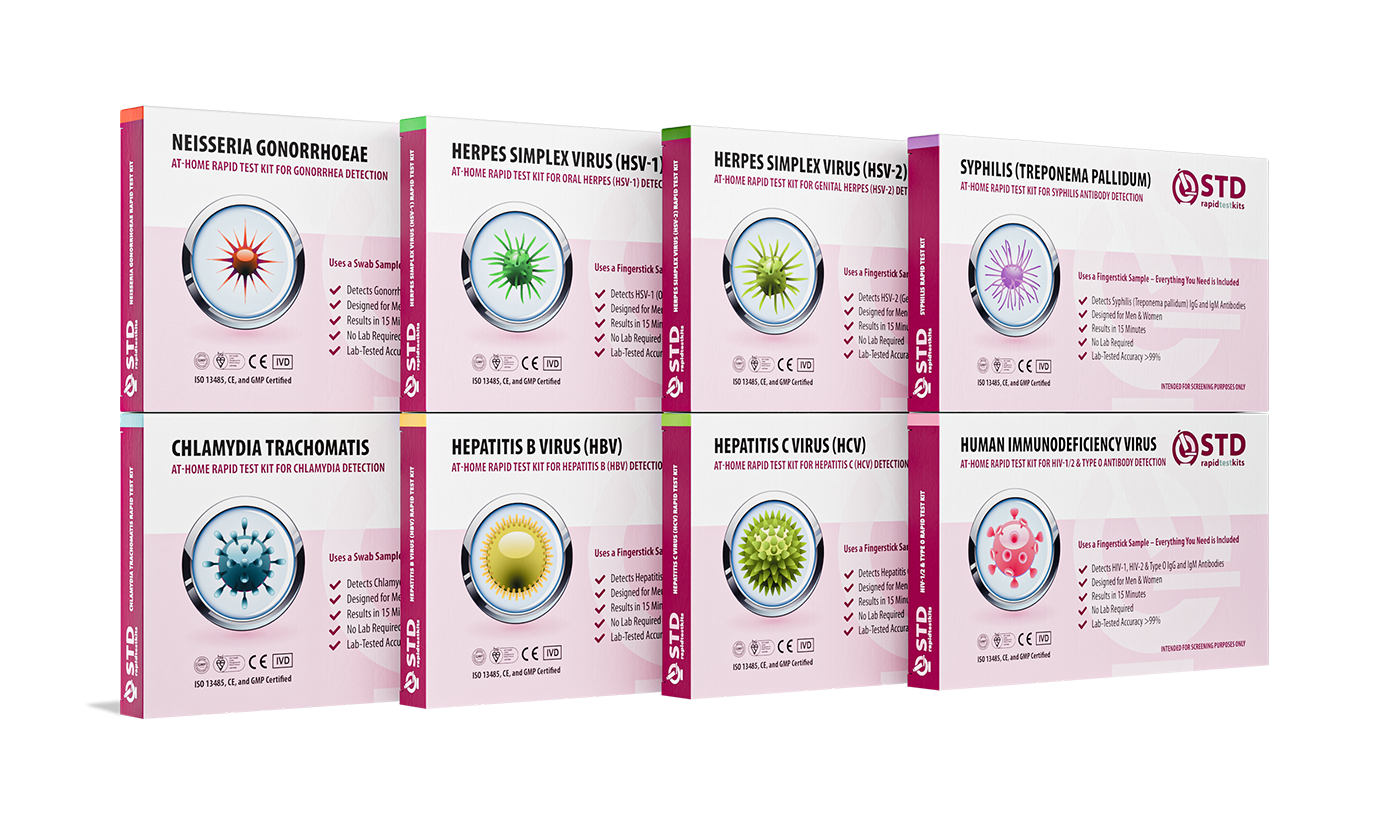
Test at Home with Remedium8-in-1 STD Test Kit
 For Men & Women
 Results in Minutes
 No Lab Needed
 Private & Discreet
Order Now $149.00 $392.00
For all 8 tests
Not Just STDs: Other Reasons Your Discharge Might Change
So let’s say you test negative. Discharge still looks weird. What now? It’s important to remember that vaginal discharge is responsive to a lot more than just infection. Everything from stress and travel to your laundry detergent can affect it. But when the shift is sudden, and especially if it follows sex, it’s still worth decoding.
Hormonal changes from birth control, emergency contraception, or even early pregnancy can make discharge thicker, creamier, or more noticeable. Vaginal pH shifts from semen, lube, or new partners can disrupt your microbiome and temporarily trigger odor or color changes. Then there’s Bacterial Vaginosis (BV) and yeast infections, which aren’t technically STDs but often follow sex or stress. Both can mimic STD discharge, but respond to totally different treatments.
Here’s a breakdown that shows how these non-STD causes stack up against STD-related discharge. Again, this isn’t for self-diagnosis, but it helps you ask the right questions at your next visit or telehealth consult:
| Condition | Discharge Traits | Triggered By | STD-Like Symptoms? |
|---|---|---|---|
| Bacterial Vaginosis | Thin, gray, fishy odor | pH imbalance, new partner, douching | Yes – odor overlaps with STDs |
| Yeast Infection | Thick, white, no odor | Antibiotics, tight clothing, sex, stress | Yes – may feel like STD itching or soreness |
| Early Pregnancy | White or milky, increased volume | Hormonal surge | Sometimes – can cause alarm if unexpected |
| Hormonal Fluctuations | Variable: clear, sticky, white | Cycle, contraception, perimenopause | Not usually – but can mimic infection |
| Cervical Irritation | Spotting or pinkish discharge | Rough sex, IUD, exams | Yes – can look like STD-related bleeding |
Table 2: Discharge triggers beyond STDs. These conditions are common and often co-occur with exposure risk or recent sex.
When to Test: What to Do If Discharge Is Your Only Symptom
Here’s the dilemma many people face: your discharge has changed, but you feel fine otherwise. Should you test now? Wait? Go to a clinic? Let’s break it down by timing, risk, and emotional peace of mind.
If it’s been less than 5 days since potential exposure, most tests, especially at-home ones, may not pick up the infection yet. If discharge has started changing already, you might be seeing an early immune response, especially with trichomoniasis or gonorrhea, which can provoke faster discharge changes than others. In that case, it’s still smart to wait until day 7 or beyond to test, unless symptoms are severe.
For example: Dayna, 21, ordered an at-home test after noticing greenish discharge and discomfort during urination. She tested on day 4 after the hookup, negative. But when her partner disclosed a positive result for gonorrhea, she retested at day 10 and showed a positive. “I felt so stupid,” she told a Reddit forum. “But honestly, I tested too soon. I just didn’t know better.”
That’s why we suggest this approach:
- Discharge change + known exposure = test at 7–14 days
- Discharge change with no known exposure = test if symptoms last more than 3–4 days
- No symptoms but anxiety is high = test anyway. Peace of mind matters.
Need a fast, discreet option? You can order the Combo STD Home Test Kit here, which covers the most common discharge-related STDs. It’s especially useful when you’re not sure what’s causing the change, or you want to rule out multiple infections at once.
Retesting and What Happens After Treatment
Testing isn’t the end of the story. If you get treated, or even if your discharge clears up, you might still need to retest. Here’s why: some STDs can linger or return if a partner isn’t treated too. And in some cases, testing too soon after treatment can give a false-positive due to leftover DNA or proteins from the infection.
Let’s say Zoey, 34, tested positive for chlamydia, took the full course of antibiotics, and her discharge went back to normal. She slept with her partner again, but hadn’t realized he never got treated. Two weeks later, the discharge came back, this time with spotting. She’d been reinfected without knowing it.
CDC guidance suggests retesting for chlamydia and gonorrhea 3 months after treatment, or sooner if symptoms return. For trichomoniasis, retest after 2 weeks. If your original test was at-home, you can use the same method to confirm clearance, but always retest outside the original treatment window.
We recommend setting a calendar reminder for 4–6 weeks post-treatment if your partner situation hasn’t changed. And if you're unsure what kind of test to pick the second time, consider speaking with a telehealth provider who can help interpret symptoms and timing.
Need another round of discreet testing? Check out the STD Rapid Test Kits homepage for options that don’t require a clinic visit, or your name on a waiting room clipboard.
People are also reading: Herpes vs. Chlamydia: What Itches, What Stays, What You Need to Test For
Preventing Discharge-Related STDs in the Future
Discharge doesn’t just signal that something’s changed, it often tells a story about what came before. A night where the condom broke. Oral sex without protection. A partner who said they were “clean” but hadn’t tested in a year. While we can’t undo exposure, we can shift what happens next. That includes prevention for the next time around.
Condoms and dental dams help reduce, but don’t eliminate, your risk of discharge-causing STDs. STIs like trichomoniasis and HPV can be passed through skin-to-skin contact, even without penetration. That’s why regular testing, even when you feel fine, is part of a strong prevention game.
Communication matters too. If a partner gets diagnosed, or your discharge changes after sex with them, having the confidence to speak up (and test early) can prevent bigger complications later. Most people aren’t trying to hurt you, they just haven’t been taught what “normal” even looks like. The more we normalize discharge talk, the fewer people get blindsided.
Lina, 29, had one of those hard conversations. Her partner had no symptoms but tested positive after a routine screen. She hadn’t noticed anything unusual, until he mentioned it. “I realized I’d had more discharge than usual for a few weeks,” she told her best friend. “I just figured it was the IUD or my cycle. I was dead wrong.” She tested, treated, and now encourages everyone to check in with their bodies, even when it’s “just discharge.”
Privacy, Shipping, and Judgment-Free Testing
Let’s be real: many people delay testing because they don’t want to explain their discharge to a stranger. That’s where at-home STD testing comes in. You pee in a cup, swab yourself, or do a quick finger prick, then ship it off in discreet packaging. No awkward looks. No clinic waiting room. Just answers.
At STD Rapid Test Kits, all test kits ship in unmarked envelopes and don’t reveal your results to anyone but you. Orders usually ship within 24 hours, and most people get results in minutes or a few days, depending on the type of kit. If you're traveling, testing can even be scheduled around your departure.
If you're someone who lives rurally, works irregular hours, or just doesn’t want a medical chart noting “abnormal discharge,” this is your zone. Testing is for you, not for judgment, shame, or insurance codes. It’s your body. Your timeline. Your right to know.
Check Your STD Status in Minutes
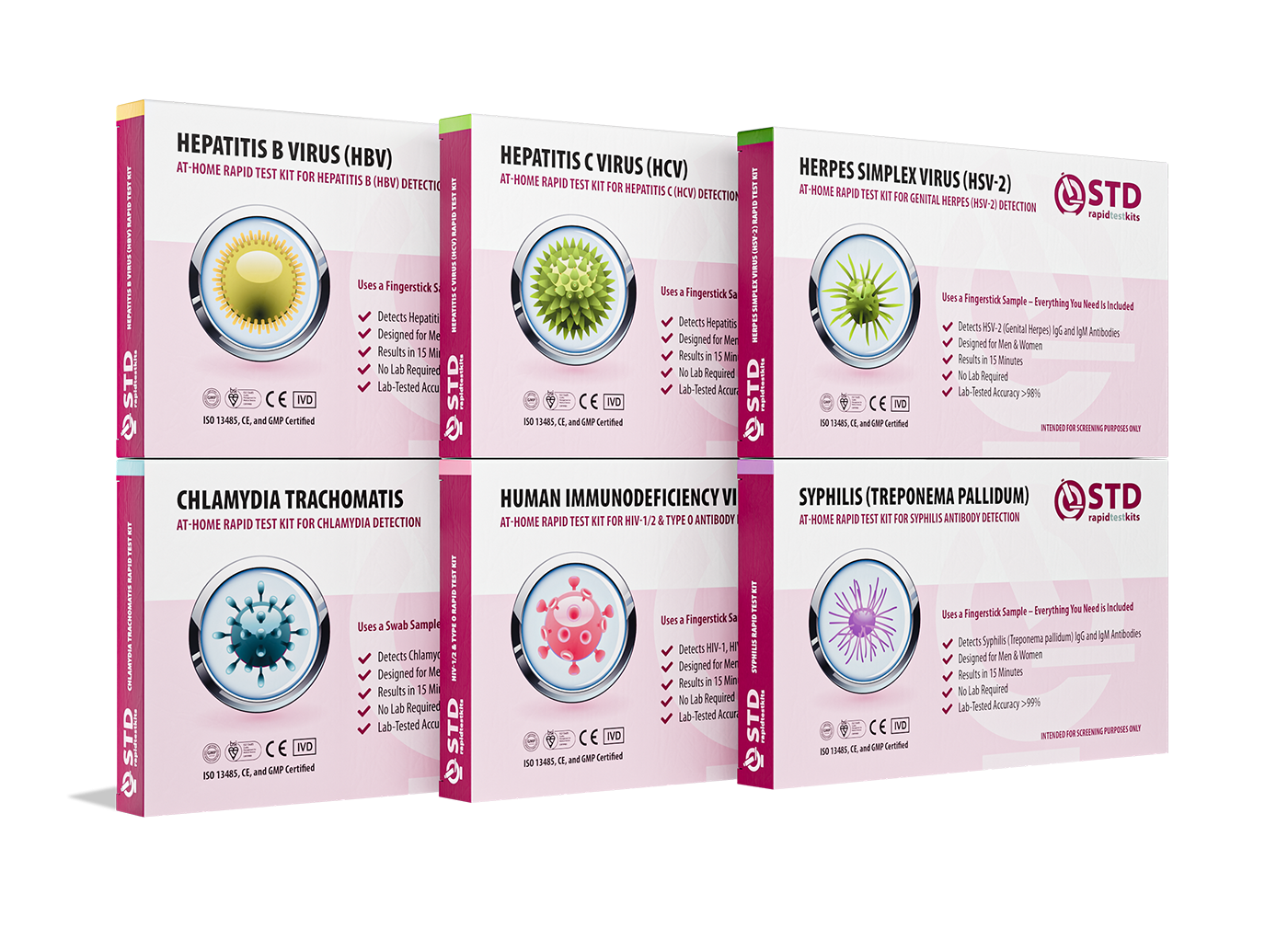
Test at Home with Remedium6-in-1 STD Test Kit
 For Men & WomenResults in MinutesNo Lab NeededPrivate & Discreet
Order Now $119.00 $294.00
For all 6 tests
Tested Positive? Don’t Panic. Here’s What Comes Next
Discharge led you to test, and the result came back positive. It feels like your body betrayed you. But this isn’t a death sentence. It’s a turning point. And the truth is, you’re not alone. Millions of people test positive for chlamydia, gonorrhea, trichomoniasis, or other infections every year. Most are treatable with a short course of medication.
The first step? Breathe. Then read your result carefully. If it's from an at-home kit, follow the instructions about follow-up. Some positive results may require a second confirmatory lab test, especially if the result is faint or borderline.
Then tell your partner(s). Yes, it’s uncomfortable, but you’re protecting them too. There are anonymous notification tools online and clinics that will contact partners without revealing your name. You can also text them yourself: “Hey, I tested positive for something and wanted to give you a heads up to get checked. Hope you’re okay.”
Kevin, 33, got that exact message. “I respected it,” he said. “I tested, and yeah, I had it too. No symptoms, no idea. But because she told me, I got treated early.”
If you need to retest or test your partners from home, check out the Combo STD Home Test Kit. It’s fast, private, and can help close the loop with confidence.
FAQs
1. Can discharge really be the only STD symptom?
Yes, and it often is, especially for infections like chlamydia and trichomoniasis. You might feel totally fine otherwise. No itching, no pain. Just... something's off down there. If your discharge changes color, texture, or smell out of nowhere, don’t second-guess yourself. Your body whispers before it screams.
2. What kind of discharge means I should test?
Think: greenish, yellow, frothy, or suddenly fishy-smelling. If it looks like pus or smells like a bad Tinder date story, that’s your cue. Also, if you notice spotting or weird consistency after sex, test. Don't wait for pain or full-blown symptoms. Catching it early makes treatment easier (and spares your cervix).
3. I used a condom, why would my discharge change?
Because life’s not that simple. Some STDs (like HPV or herpes) spread via skin contact. Also, condoms can break, slip, or be used late. Even if nothing “went in,” oral and fingers can carry trich or gonorrhea. So if your discharge gets weird after protected sex, listen to it. Test anyway.
4. How soon after sex can discharge change?
It depends on the infection. Trichomoniasis and gonorrhea can cause changes in as little as 5–7 days. Chlamydia tends to take closer to 10–14. If discharge changes a day after sex, it’s probably not an STD, but it could be irritation or BV. Either way, keep an eye on it, and if it sticks around, test around day 7–14 to be sure.
5. Can I tell the difference between yeast, BV, and an STD?
Sometimes, but it’s tricky. Yeast is usually thick, white, and itchy. BV is thin, grayish, and smells like overripe fish (sorry, but true). STD discharge tends to be yellow, green, or bloody, and often comes with odor or spotting. But these overlap more than you’d think. When in doubt? Don’t guess. Test.
6. My discharge is brown after sex, should I freak out?
Probably not. Brown usually means old blood. But if it's not your period window, and especially if it happens more than once after sex, it could mean cervicitis, hormonal shifts, or an STD irritating the cervix. Worth testing if it keeps happening or comes with pain or odor.
7. What if I tested negative, but discharge still looks weird?
Then we zoom out. Could be BV, yeast, hormonal shifts, or even irritation from soap, lube, or a new partner’s body chemistry. Negative test = good news. But if the discharge sticks around or gets worse, talk to a provider. You deserve more than a shrug and a Google spiral.
8. How accurate are at-home tests for discharge-causing STDs?
Really accurate, if you time them right. NAAT-based at-home tests (like the ones here) are 90–99% accurate for chlamydia, gonorrhea, and trich when done after day 7 post-exposure. Too early, and even the best test might miss it. So don’t just swab and pray. Swab smart.
9. Does discharge always mean I need antibiotics?
Nope. Some causes, like yeast or BV, require antifungals or different meds entirely. And some discharge changes are normal (looking at you, ovulation slime). That’s why testing is better than self-diagnosing from Reddit. The right treatment depends on the right test.
10. I’m scared to talk to a doctor about discharge. Can I skip the clinic?
Yes, absolutely. That’s the whole point of at-home testing. If you’re not ready to explain your underwear situation to a stranger, test from home. You’re not gross. You’re smart. Privacy is power, and it’s how healing starts.
You Know Your Body. Trust It, Then Test
If you’ve made it this far, you already know something most people don’t: discharge is never “just discharge.” It’s communication. And when it changes, especially after a hookup, a risky moment, or out of the blue, it's worth listening to. You don’t have to freak out. You don’t have to wait it out. You just have to get clear.
Whether it’s yellow, green, frothy, fishy, or just off, your body is giving you a signal. Testing doesn’t mean you’re dirty. It means you’re aware. You care. You’re in charge of what happens next. Discharge is data. Use it.
Don’t wait and wonder, get the clarity you deserve. This at-home combo test kit quickly and privately checks for the most common STDs.
How We Sourced This Article: We combined current guidance from leading medical organizations with peer-reviewed research and lived-experience reporting to make this guide practical, compassionate, and accurate.
Sources
1. CDC – Sexually Transmitted Infections Prevalence, Incidence, and Cost Estimates
2. Mayo Clinic – STD Symptoms and Causes
3. CDC – Vulvovaginal Discharge STI Treatment Guidelines
4. CDC – About Bacterial Vaginosis (BV)
5. CDC – Vulvovaginal Candidiasis Guidelines
7. Mayo Clinic – Vaginal Discharge Overview
8. NIH/NCBI – Vaginal Discharge Syndrome
9. Cleveland Clinic – Vaginal Discharge Causes & Symptoms
About the Author
Dr. F. David, MD is a board-certified infectious disease specialist focused on STI prevention, diagnosis, and treatment. He blends clinical precision with a no-nonsense, sex-positive approach and is committed to expanding access for readers in both urban and off-grid settings.
Reviewed by: D. Alvarez, PA-C | Last medically reviewed: February 2026
This article is just for information and should not be used as medical advice.


