






Quick Answer: A toddler nearly lost her eye from a kiss that transmitted HSV-1, the virus behind cold sores. This case underscores how easily herpes can spread, sometimes without visible symptoms, and why at-home herpes testing is a crucial tool for awareness and prevention.
Why This Story Hits So Hard
The girl's name is Lola. She’s three years old. One day, her eye began to look puffy. Then it turned red. Then it turned purple. Doctors later confirmed it was a herpes simplex virus (HSV-1) infection. She likely contracted it from someone with a cold sore who kissed her. Her mother described the nightmare unfolding: daily hospital visits, antiviral treatments, and the looming possibility that Lola could go blind in one eye, all from a kiss.
This isn’t fear-mongering. It’s a real, preventable tragedy that started with something most people see as harmless. Cold sores are common. An estimated 50–80% of U.S. adults carry HSV-1, often without knowing. Many never show symptoms. Others assume a scab on the lip isn’t contagious unless it’s “weeping.” But herpes doesn’t care about what we think is visible or harmless. Transmission can occur when there’s no sore at all.
So what do we do with that? Panic? No. Test. Talk. Normalize. Because herpes doesn’t just live in bedrooms or on lips, it lives in our blind spots. This article is about those blind spots, and how to bring them into focus.
The Myth of “Just a Cold Sore”
You’ve probably heard someone say it before, or maybe said it yourself: “It’s just a cold sore.” Maybe that person didn’t realize those words downplay a lifelong virus. Or that for immunocompromised people and young children, it can mean hospitalization. HSV-1 isn’t benign. It’s unpredictable, and it doesn’t need sex to spread.
Let’s break this down. Cold sores are caused by the herpes simplex virus type 1. While HSV-2 is more commonly linked to genital herpes, HSV-1 is no stranger down there either. In fact, oral-genital transmission is one of the fastest-growing sources of genital herpes in young adults. And yes, kissing can be enough. So can sharing utensils, lip balm, or even towels, especially when the virus is shedding invisibly.
The key takeaway? Herpes isn’t always visible. Most people who transmit it don’t know they’re shedding it. That’s what makes it so frustrating, and why stories like Lola’s matter. They cut through the noise and make the stakes real. It’s not about shame. It’s about clarity.

People are also reading: Is My Cold Sore an STD? What It Means If You’ve Never Had Herpes Before
How Herpes Spreads: Sex Isn’t Always Involved
In sexual health conversations, herpes is often framed as an STI, and that’s accurate. But it’s also an easily transmissible skin-to-skin virus that doesn’t require penetration, ejaculation, or even sexual intent. That’s part of what makes it so difficult to track and contain.
Take the case of an adult with no active cold sore, just a tingling sensation, what’s called the prodrome phase. The virus is active, but there’s no visible sign. If they kiss a partner or a child during that time, transmission is still possible. In Lola’s case, her family believes she was kissed by someone with a cold sore in its later stages. Even then, the virus had enough strength to cause a full-blown ocular infection.
We often think of herpes as “embarrassing,” a punchline, or a dating hurdle. But when it affects someone who didn’t even consent to exposure, like a toddler, the conversation shifts. This is a virus that demands respect, not ridicule.
Understanding HSV-1: Oral Herpes Is Still Herpes
Let’s remove the stigma for a moment and just look at the facts. HSV-1 is a virus that remains in the body for life. After the first infection, it retreats into the nervous system and can reactivate during stress, illness, or even sun exposure. While most infections are mild, some, like in Lola’s case, can cause severe complications, especially in infants and people with compromised immune systems.
Still think it’s “just a cold sore”? Here’s what HSV-1 can do beyond the lips:
| Area Affected | Potential Complications |
|---|---|
| Eye (Ocular Herpes) | Scarring, vision loss, blindness |
| Brain (Herpes Encephalitis) | Swelling, seizures, neurological damage |
| Genitals (via oral-genital contact) | Recurring outbreaks, stigma, emotional distress |
| Newborns (Neonatal Herpes) | Multi-organ failure, death if untreated |
Figure 1. Complications of HSV-1 when transmitted beyond the mouth. HSV-1 isn’t always mild, it depends on the context and the immune system of the person exposed.
Knowing your status doesn’t just help you, it protects everyone around you. That’s why testing matters, even if you’ve never had a visible sore.
At Home Herpes Testing: Why It's Finally Normal
In the past, getting tested for herpes meant asking your doctor, justifying your request, and possibly being told, “We don’t test for that unless you have symptoms.” Now? You can test from your couch. No questions. No explanations. Just information.
At-home herpes test kits typically use fingerstick blood samples to detect HSV-1 and HSV-2 antibodies. This means they look for your body’s immune response to a past or current infection, not just active outbreaks. That’s helpful for the 80% of carriers who never show symptoms and might otherwise never know they’re contagious.
You might wonder: if there's no cure, what’s the point of knowing? Here’s why: boundaries, informed consent, prevention. Knowing your status means you can avoid kissing a baby when you’re shedding the virus. It means telling a partner before oral sex. It means understanding what that tingling feeling might be, and taking action to reduce risk.
Testing doesn’t make you dirty. It makes you responsible. It also makes you less likely to pass herpes to someone who could be seriously harmed by it.
Check Your STD Status in Minutes
Test at Home with Remedium6-in-1 STD Test Kit
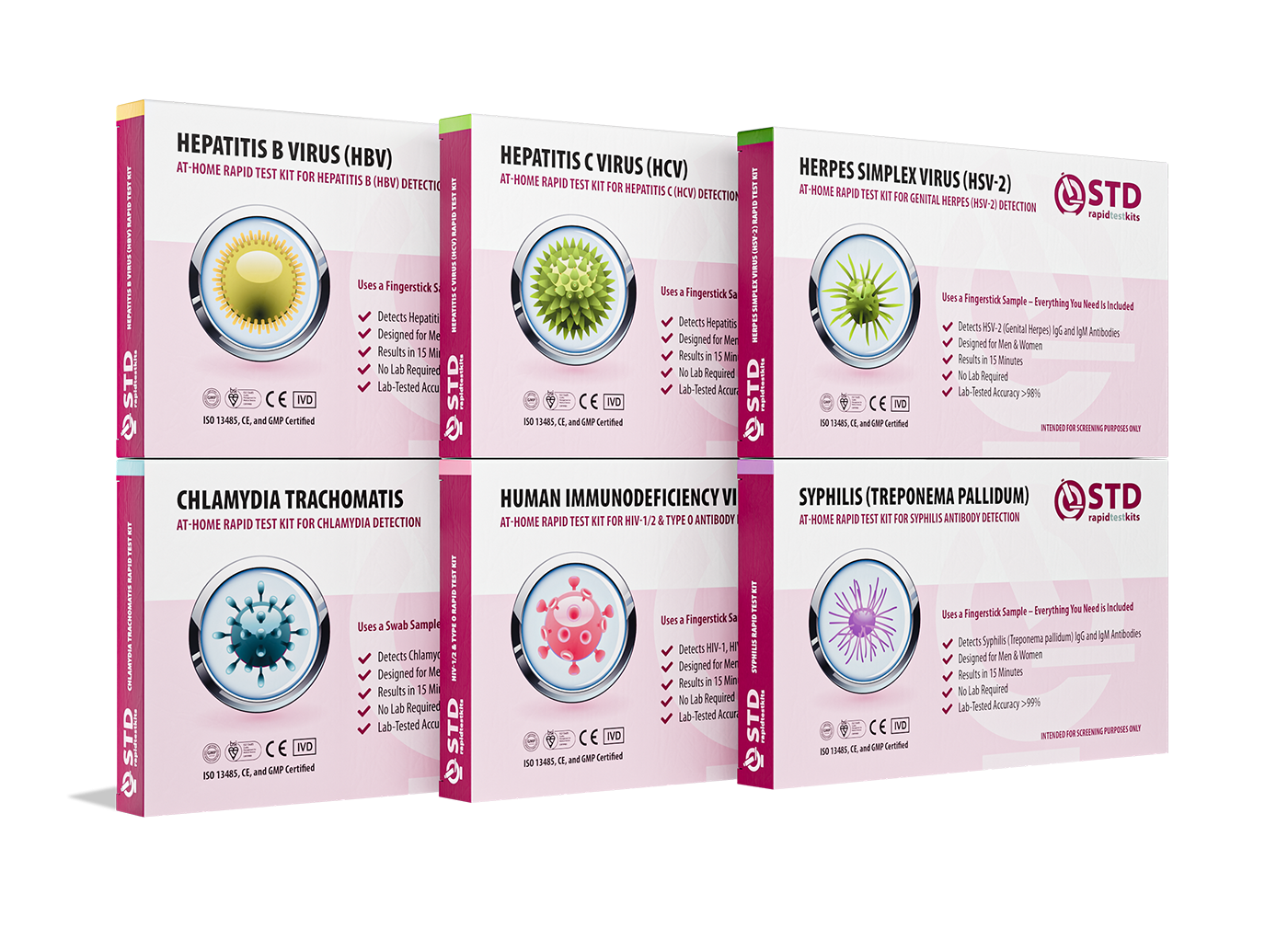
 For Men & Women
 Results in Minutes
 No Lab Needed
 Private & Discreet
Order Now $119.00 $294.00
For all 6 tests
What About Children? Understanding the Risk
Infants and toddlers are especially vulnerable to herpes infections. Their immune systems haven’t built the defenses adults take for granted. Infections in young children can move fast and hit hard. That’s why pediatricians warn against kissing babies on the face or lips, even when you feel “fine.”
Lola’s case isn’t isolated. According to the American Academy of Pediatrics, neonatal herpes occurs in approximately 1 in 3,000 to 1 in 20,000 live births in the United States, and the virus is usually acquired during delivery or from postnatal contact. In 2018, a 2-week-old baby in Iowa died after a visitor with a cold sore kissed her. These aren’t just tragic outliers. They’re reminders that herpes doesn’t follow our scripts.
Testing before a new baby arrives. Disclosing your status to loved ones. Skipping kisses when a sore is forming. These are acts of protection, not paranoia. And none of them require shame, they just require honesty and access. Both of which are now easier than ever with discreet at-home kits.
Herpes Is Often Asymptomatic, But Still Contagious
Here’s the hard part: you might have it and never know. As many as 90% of people with HSV-2 don’t know they’re infected. HSV-1, which causes most cold sores, is also frequently silent. And while symptoms like tingling, itching, and lesions are well known, many infections come with no obvious signs at all.
This matters because viral shedding, the period when herpes is contagious, can occur without symptoms. That means even people who feel healthy, have no sores, and have never been “diagnosed” can still transmit it. At-home testing helps identify these silent cases before they cause harm to someone else.
| Symptomatic Status | Viral Shedding Risk | Transmission Possibility |
|---|---|---|
| Active Cold Sore | Very High | Yes |
| Prodrome (Tingling) | High | Yes |
| No Symptoms | Low to Moderate | Yes |
Figure 2. Herpes transmission potential across symptom stages. Even when symptoms are absent, the virus may still shed and spread.
This chart makes one thing clear: visible signs aren’t the whole story. The only way to know your true status is through testing. And knowing your status lets you break the chain of silent spread, especially for people like Lola, who never had a say.
Case Study: “I Thought It Was Just a Canker Sore”
Mateo, 29, didn’t think twice when he went down on a new partner. He had a tiny bump inside his lip but figured it was from stress or biting his cheek. Two weeks later, that partner developed genital sores. “They were kind about it, but I felt horrible,” he says. “I went to urgent care, and they said I had HSV-1. I didn’t even know you could give someone herpes without any visible cold sore.”
Mateo’s story isn’t rare. It’s representative. What makes herpes so frustrating is also what makes it so easy to pass on, the ambiguity, the invisibility, the myths. That’s why this article doesn’t end in panic, it ends in agency.
If you're reading this and feeling anxiety rising in your chest, that’s okay. That means you care. Take that care and turn it into clarity. You don’t need symptoms to justify a test. You just need a question mark, and a willingness to answer it.
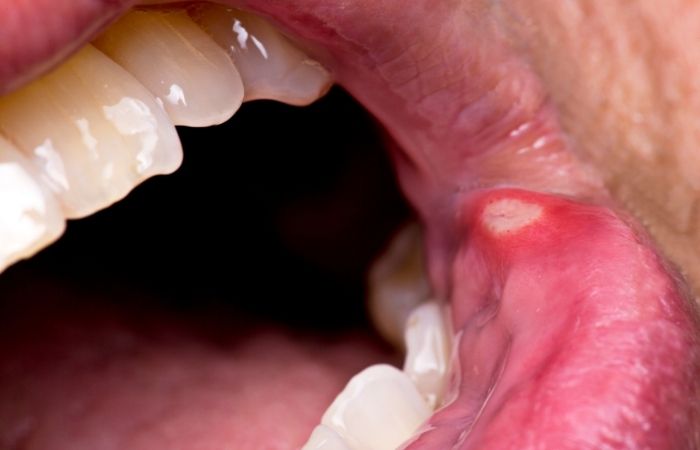
People are also reading: Can You Get Chlamydia Without Having Sex? What Native Teens Should Know
So Who Should Get Tested?
If you’ve had oral sex. If you’ve shared lip products. If you’ve kissed while someone had a "cold sore." If you've never had symptoms but know a past partner has herpes. Or if you're just not sure, testing is for you.
Testing can also be part of your regular sexual health check-ins. Just like HIV, chlamydia, or gonorrhea, herpes deserves a seat at the testing table. And unlike in the past, you don’t need a doctor’s referral or a visible outbreak to get started. At-home herpes test kits offer a discreet, science-backed way to take control.
Whether you’re in a monogamous relationship, navigating a breakup, or starting something new, knowing your herpes status gives you power. Power to protect, to disclose, to act. Power to stop another child from becoming another headline.
Peace of mind is one test away. Order your HSV-1 and HSV-2 at-home rapid test kit here.
What to Do If You Test Positive
First: breathe. Herpes is common. Most people who test positive live full, healthy lives, and many never have another outbreak. A positive test result isn’t a punishment. It’s a permission slip to care for yourself and others with more knowledge.
Here’s what comes next: consider a confirmatory test, especially if your at-home test was your first ever. Reach out to a healthcare provider for options. They may recommend antiviral medication, even if you don’t have symptoms, to reduce transmission risk or manage future flare-ups.
If you’re in a relationship, or starting one, disclosing can be scary. But most people respond with empathy when you lead with honesty. You’re not alone, and you’re not broken. You’re just human with a common virus, now armed with information.
And if you’re a parent or around children often? Knowing your HSV-1 status means you can make choices that protect the most vulnerable, from skipping kisses during shedding periods to educating others who might not realize the risks. That’s what testing is really about: expanding care beyond the self.
Check Your STD Status in Minutes
Test at Home with Remedium8-in-1 STD Test Kit
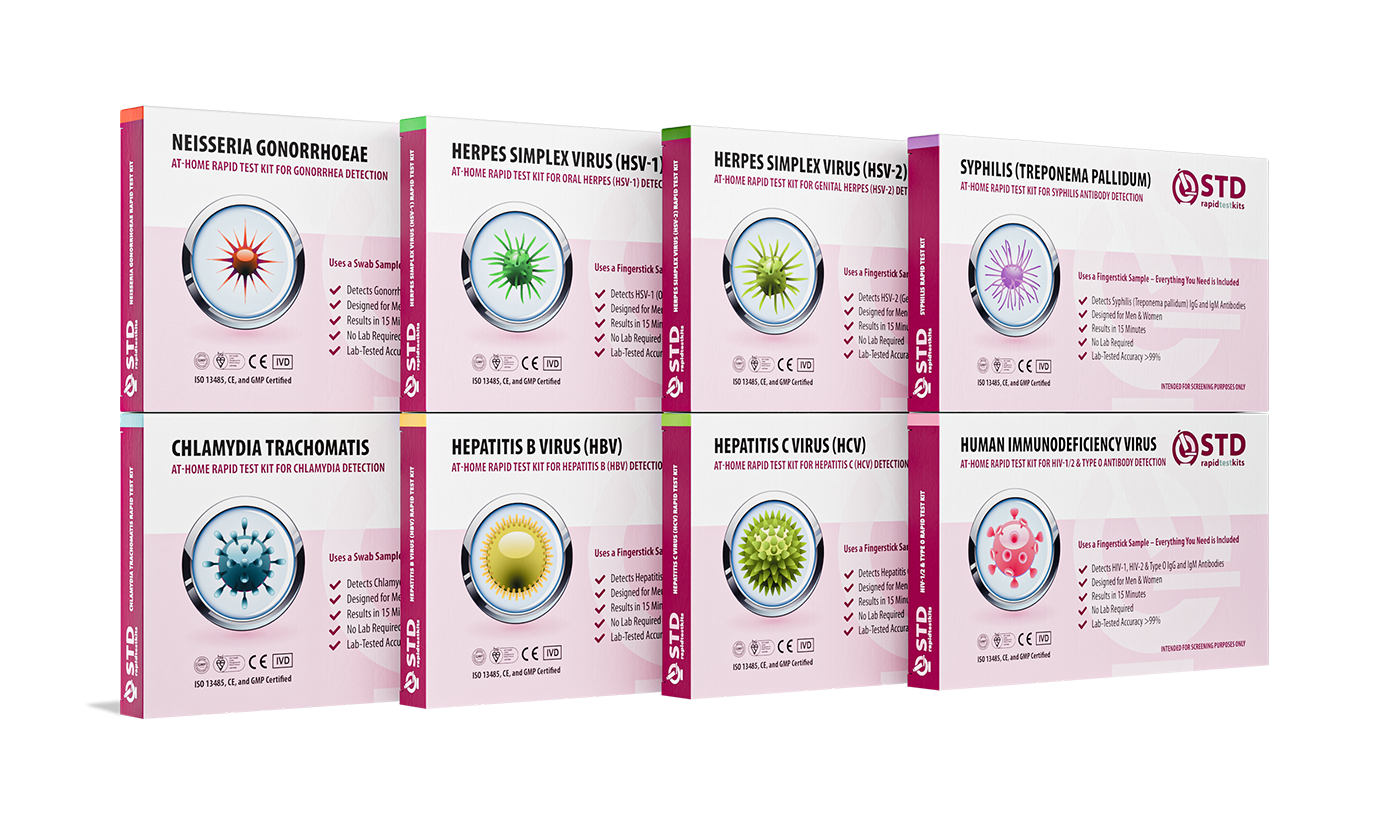 For Men & WomenResults in MinutesNo Lab NeededPrivate & Discreet
Order Now $149.00 $392.00
For all 8 tests
What We Miss When We Wait to Talk About Herpes
There’s a pattern that repeats in story after story, someone didn’t realize their cold sore was contagious, or they assumed their lack of symptoms meant nothing was wrong. And in the quiet in-between, someone else got infected. Not out of recklessness, but out of silence.
We met one reader, Naomi, 33, who found out she had HSV-2 only after her partner tested positive and had their first outbreak. “I felt like a villain,” she admitted. “I genuinely didn’t know. I thought I was being safe. I’d never had a sore or a sign of anything.” It wasn’t about blame. It was about missed information, and the guilt that came with it.
That guilt is preventable. What Naomi wished she'd known, and what many of us are still learning, is that herpes doesn’t always show up with fireworks. It often moves quietly, through the spaces we assume are safe. That’s why we test. That’s why we talk. That’s why we treat a cold sore not as a shameful secret, but as a signal to pause, protect, and make an informed choice.
In the end, herpes is more about moments than diagnosis. A moment when you choose to test, even if you're scared. A moment when you tell a partner the truth. A moment when you kiss a baby on the forehead instead of the lips, because you care enough to do it differently.
And if you're standing at the edge of one of those moments, uncertain, heart racing, these next questions are for you.
FAQs
1. Can you really get herpes from a single kiss?
Yes, and it happens more often than people think. HSV-1, the virus behind cold sores, can be passed on even if there’s no visible sore. That means a quick kiss on the cheek, lips, or even sharing a straw during a flare-up (or just before one) could be enough to transmit it. It's not about fear, it's about knowing how sneaky this virus can be.
2. If I’ve had cold sores since childhood, does that mean I already have herpes?
Most likely, yes. Cold sores = HSV-1, which is a type of herpes. It's not a separate thing. If you’ve ever had a crusty, painful bump on your lip that came and went, especially during stress or illness, chances are you’re already carrying the virus. The question is whether you know it, and whether you're talking about it when it matters.
3. Does everyone who gets herpes show symptoms?
Nope. In fact, most people don’t. Some might go their whole lives without a single visible sore. Others have subtle signs, a little tingle, a tiny cut, or irritation they chalk up to something else. That’s why herpes spreads so easily: it doesn’t always announce itself. Which makes testing even more powerful.
4. I tested positive. Am I going to break out all the time now?
Probably not. Many people who test positive never have an outbreak, or only get one. And if you do have recurring symptoms, there are antiviral meds that can reduce how often they happen, or stop them altogether. You don’t have to live in fear. You just have to live informed.
5. Is it safe to kiss babies if I get cold sores?
It’s safest to avoid kissing infants or toddlers when you feel a cold sore coming on, or even if you had one recently. Their immune systems are still developing, and what’s mild for you could be dangerous for them. You don’t have to live in a bubble, but you do have to be cautious. Loving someone sometimes means not kissing them.
6. How long after exposure should I wait to take a herpes test?
Give it at least 3 to 12 weeks. That’s how long it can take for your body to develop detectable antibodies. If you test too soon, you might get a false negative, and that’s just added confusion. Waiting might be hard, but it gives you answers you can trust.
7. Can I have both HSV-1 and HSV-2?
You can, and some people do. One affects the mouth more often, the other the genitals, but either can show up in both places depending on how it was transmitted. What matters isn’t the number. It’s understanding your body, your risk, and how to reduce the chance of passing it on.
8. Why didn’t my doctor ever test me for herpes before?
Because most don’t, unless you ask, or unless there’s a visible sore. Many providers don’t offer routine herpes screening because the virus is so common and often asymptomatic. That’s where at-home testing changes the game. You don’t need permission to take charge of your own health anymore.
9. If my partner and I both have herpes, do we still need to worry?
That depends. If you have the same type (e.g., both HSV-1), reinfection is unlikely. But if one of you has HSV-1 and the other has HSV-2, or one has oral and the other genital, there’s still some risk of cross-transmission. It’s worth talking through and maybe testing to see what you’re both working with.
10. Can I ever date or hook up again if I have herpes?
Absolutely. Millions of people do every day, with honesty, care, and thriving sex lives. Herpes doesn’t make you unlovable. It just makes you one of many people managing a very common virus. With communication and tools like at-home tests or suppressive therapy, you can have intimacy without anxiety.
You Deserve Answers, Not Assumptions
This story about a toddler’s eye isn’t just about one child. It’s about all the invisible transmissions we never hear about. The sore that didn’t “look bad.” The kiss that felt innocent. The moment that changed someone else’s life forever.
You don’t need shame to act. You don’t need symptoms to test. You just need the decision to care, and the tools to follow through. STD Rapid Test Kits offers discreet, science-backed testing for herpes and other STDs. Take control, get clarity, and protect what matters most.
How We Sourced This Article: We combined current guidance from leading medical organizations with peer-reviewed research and lived-experience reporting to make this guide practical, compassionate, and accurate.
Sources
1. Toddler could lose her eye after being kissed by someone with a cold sore
2. CDC – Genital Herpes – Detailed Fact Sheet
3. Planned Parenthood – Herpes
5. What Causes HSV (Herpes Simplex Virus) Keratitis (CDC)
6. Herpes Simplex Virus Fact Sheet (WHO)
7. Herpes Simplex Virus: Adult and Adolescent OIs (NIH)
About the Author
Dr. F. David, MD is a board-certified infectious disease specialist focused on STI prevention, diagnosis, and treatment. He blends clinical precision with a no-nonsense, sex-positive approach and is committed to expanding access for readers in both urban and off-grid settings.
Reviewed by: Alicia R. Mendel, RN, MPH | Last medically reviewed: February 2026
This article is just for informational purposes and should not be taken as medical advice.


