







Quick Answer: If you test positive for gonorrhea, you need antibiotic treatment as soon as possible. Avoid sex until you’ve completed treatment and your provider says it’s safe. Retesting is often recommended 3 months later to confirm you’re clear.
Day One: What to Do in the First 24 Hours
It’s tempting to downplay the result. “Maybe it’s a false positive,” you think. Or “I’ll deal with it later.” But the first 24 hours are crucial, not because the infection is deadly (it usually isn’t), but because this is the window when you set the tone for how you’ll handle it emotionally and physically.
Picture Jordan, 29. They saw the faint line on their at-home gonorrhea test on a Sunday morning after hooking up with a new partner midweek. Instead of panicking, they double-checked the instructions, then scheduled a telehealth appointment through a local clinic. That same day, they picked up antibiotics at a 24-hour pharmacy. Jordan still hadn’t told their partner yet, but just knowing they were treating it gave them a sense of control again.
That’s your goal in this first day: confirm the result, start treatment, and hit pause on any new sexual contact. Even if you got the result from a lab, don’t assume you’re already in the clear. Treatment doesn’t happen automatically. You need to follow up, fast.
Was the Result Accurate? Here's How to Be Sure
Gonorrhea rapid tests, especially those using urine or swab samples, are highly sensitive but not flawless. False positives are rare, but not impossible. False negatives are more common, especially if you test too early. If you tested with an FDA-approved home kit and followed the timing and steps correctly, chances are your result is accurate.
But let’s break it down. Below is a table summarizing different test types, their accuracy, and when a retest might be recommended. This helps clarify if what you're holding is likely legit, or if you need a second look.
| Test Type | Sample Used | False Positives? | Recommended Retest? |
|---|---|---|---|
| At-Home Rapid Test (Lateral Flow) | Urine or genital swab | Very rare | If unsure, repeat with lab NAAT |
| Mail-In Lab Test (NAAT) | Urine, swab | Extremely rare | Not usually needed unless new exposure |
| Clinic Test (NAAT/PCR) | Urine, vaginal, rectal, throat swab | Highly reliable | Only if symptoms persist after treatment |
Table 1. Gonorrhea test accuracy across methods. NAAT = Nucleic Acid Amplification Test, the current gold standard.
If you're still doubting, don’t spiral. Just follow up with a clinic or order a second kit through a verified provider like STD Rapid Test Kits. False positives can happen, but they’re not the norm. Trust the test, and take action.
People are also reading: When to Relax, When to Test: Your Rash Doesn’t Always Mean an STD
Who You Need to Talk To (And Who You Don’t)
This part is awkward. There’s no sugarcoating it. You’ve got to tell anyone you’ve had sexual contact with in the last 60 days, or since your last negative test, whichever came first. Why? Because untreated gonorrhea can quietly infect partners without causing symptoms, leading to complications like pelvic inflammatory disease or infertility down the line.
Take Rina, 23. She tested positive after noticing unusual discharge. She’d been sleeping with two partners, one casually and one long-distance. It took her two days to work up the nerve to send them both a text. She kept it simple: “Hey, I just tested positive for gonorrhea. You should get tested too. Let me know if you have questions.” One replied with thanks. The other ghosted. But she did her part, and that matters.
You don’t have to give a TED Talk. You don’t owe anyone a full history. Just the facts. Here’s the key takeaway: telling a partner isn’t about blame. It’s about keeping them safe, and keeping your conscience clear. If speaking directly isn’t safe or feels impossible, use an anonymous notification tool like TellYourPartner.org or ask your clinic for help.
Treatment 101: What You’ll Take and How It Works
Most adults only need one dose of antibiotics to treat gonorrhea. The CDC's most recent guidelines say that for uncomplicated infections, this is usually a single intramuscular injection of ceftriaxone (500 mg). If there is a chance of getting chlamydia at the same time, a doctor may also give you an oral antibiotic like doxycycline.
| Medication | How It's Given | Typical Use | Side Effects |
|---|---|---|---|
| Ceftriaxone | Injection (one-time) | First-line treatment for all sites | Soreness at injection site, nausea |
| Doxycycline | Oral, 100mg twice daily for 7 days | Often added for chlamydia co-infection | Upset stomach, sun sensitivity |
Table 2. Common treatment regimens for gonorrhea, based on current CDC recommendations.
The most important thing? Finish your meds. Even if you feel better. Even if the symptoms vanish in 48 hours. Stopping early can allow the bacteria to survive and become resistant, a growing concern with gonorrhea globally.
Wondering if you need in-person care or can treat remotely? Many telehealth services now offer prescriptions after confirmed results. Some even deliver the medication to your door. The key is not to delay, gonorrhea doesn’t wait, and neither should you.
Check Your STD Status in Minutes
Test at Home with Remedium8-in-1 STD Test Kit
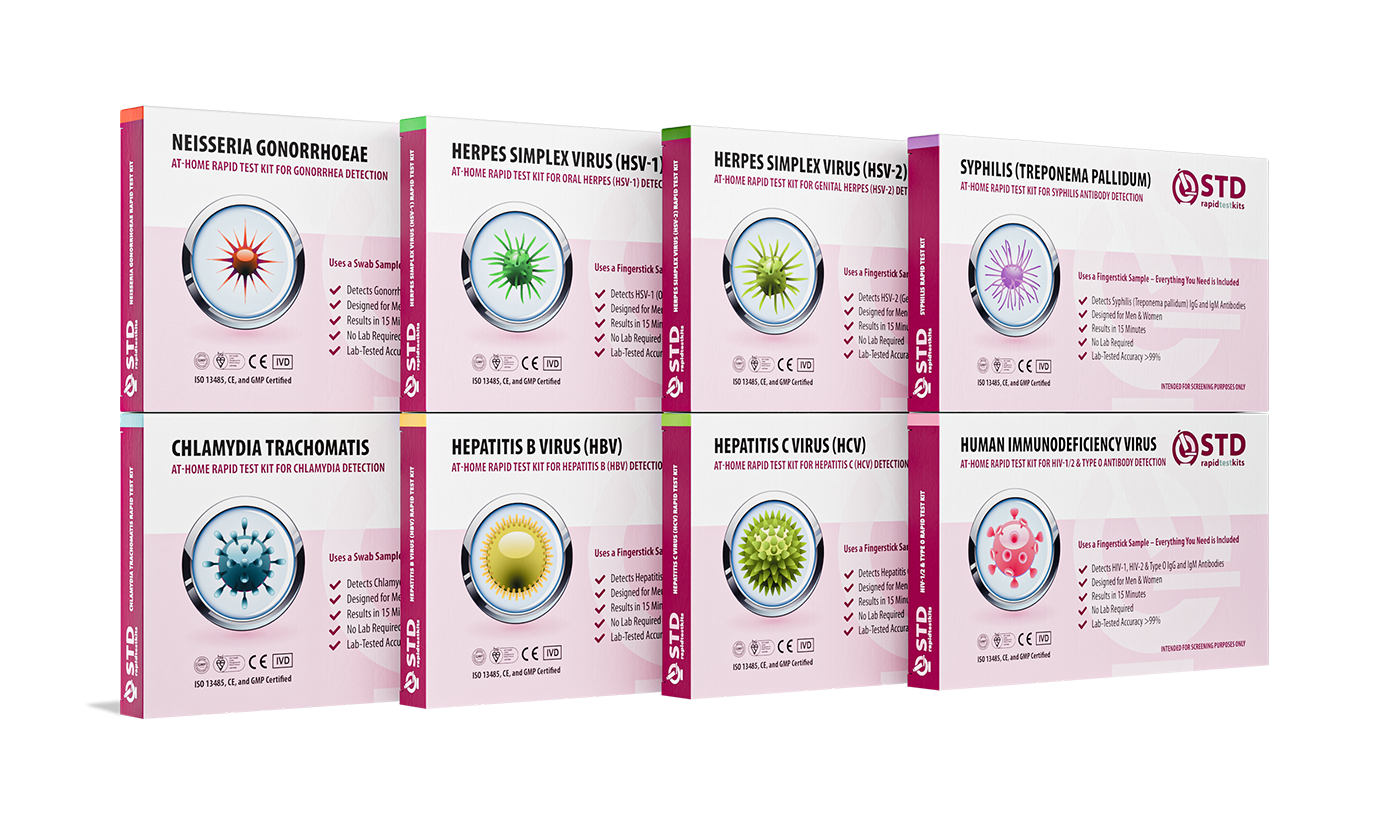
 For Men & Women
 Results in Minutes
 No Lab Needed
 Private & Discreet
Order Now $149.00 $392.00
For all 8 tests
When to Retest, and Why It Matters
It’s easy to think that once you’ve taken your meds, it’s over. But here’s the reality: gonorrhea can come back, either because your partner wasn’t treated, you were re-exposed, or the infection wasn’t fully cleared. That’s why the CDC recommends retesting 3 months after treatment, even if you feel fine and have no symptoms.
Imagine Kevin, 35. He got treated for gonorrhea after a one-night stand. Three months later, during a routine check-in, he tested positive again. The twist? He hadn’t hooked up with anyone new, but his regular partner hadn’t gotten treated the first time. It’s a frustrating loop, but one that can be broken with honest conversations and retesting.
If you're pregnant, immunocompromised, or experiencing persistent symptoms, retesting might need to happen sooner. Some people also choose to test again 14–21 days post-treatment to ease anxiety, though this is more about reassurance than protocol. Whatever your timeline, make a plan. Add it to your calendar. Your future self will thank you.
What About Your Partner(s)? Shared Care Is Safer Care
Let’s be blunt: gonorrhea is a team sport. If one person gets treated and the other doesn’t, you’re just passing it back and forth. This isn’t just awkward, it’s dangerous. Repeated infections raise your risk for infertility, chronic pain, and in rare cases, systemic spread (a serious medical emergency).
So what are your options? Some clinics offer expedited partner therapy (EPT), where you’re given medication to pass along to your partner, no appointment needed. This isn't legal in every state, but it’s worth asking about. If you’re using an at-home test service like STD Rapid Test Kits, consider ordering two kits, one for you, one for them. It's less awkward than asking them to go to a clinic, and way more effective than hoping for the best.
Bottom line: Don’t assume your partner is fine just because they “feel fine.” Most people with gonorrhea don’t have noticeable symptoms. Treating both of you means fewer complications, fewer awkward conversations, and way fewer return trips to the pharmacy.
Can You Still Have Sex, and When?
This is the million-dollar question. If you’re in a relationship, or even just casually dating, you want to know: when is it safe to have sex again?
According to public health guidelines, you should avoid all sexual activity, including oral and anal sex, until:
1) You’ve completed the full course of antibiotics, and
2) Your symptoms are completely gone (if you had any), and
3) Your partner has also been treated
Most people are cleared to resume sexual activity 7–10 days after starting treatment. But again, it depends. If you only got one dose and your symptoms resolve quickly, that might be enough. But if you had a more complicated infection, or if you’re not sure your partner was treated, waiting longer is smarter.
Think of it like healing a wound: it needs time, care, and protection. Rushing back into sex before you’re fully cleared is like picking a scab, it might look okay, but underneath, it’s still vulnerable.
Preventing Reinfection: It’s Not Just About Condoms
Yes, condoms help. So do dental dams. But preventing reinfection is about more than latex. It’s about communication, trust, testing, and behavior change. None of which are easy, especially if you’re navigating dating apps, non-monogamy, or a partner who’s reluctant to talk about STIs.
Take Emma and Sofía, 27 and 30, who were in an open relationship. After Emma tested positive for gonorrhea, they made a pact: both would get tested every three months, disclose outside partners, and always use protection with anyone new. It wasn’t perfect, but it worked. They stayed negative for the next two years, and got way better at talking about sex.
If you’re not sure where to start, start with this: get tested together. Make it a thing. Normalize it like going to the dentist. Use apps like inSPOT to send anonymous test reminders. And if you’re not sure whether that casual partner from two weeks ago got treated, don’t assume, ask.

People are also reading: Georgia’s Double Hit (Chlamydia + Gonorrhea): Why Regular Home Screening Matters
When Gonorrhea and Mental Health Collide
STIs carry emotional weight. Shame. Anger. Grief. Even betrayal. You might be replaying conversations, imagining worst-case scenarios, or questioning your judgment. That’s normal. But it doesn’t have to be your forever state.
Here’s the truth: getting gonorrhea doesn’t mean you’re dirty, reckless, or irresponsible. It means you had sex, something that, by the way, is normal, natural, and often wonderful. It also means you’re paying attention. You got tested. You’re reading this. You’re taking care of your body.
If the diagnosis hit you hard, talk to someone. A friend. A therapist. A sexual health hotline. There are also peer forums like Reddit’s r/STD that offer non-judgmental support from people who’ve been where you are. This moment might feel defining, but it isn’t. It’s just one page in a much bigger story.
Gonorrhea and Pregnancy: What You Need to Know
If you're pregnant and test positive for gonorrhea, the stakes change, but so does the support. Left untreated, gonorrhea can lead to serious complications like premature labor, low birth weight, or even infection in the baby’s eyes (a condition called ophthalmia neonatorum). That sounds terrifying, but here’s the good news: with timely treatment, these risks drop dramatically.
Case in point: Lila, 33, discovered her gonorrhea diagnosis during her first trimester routine screening. She panicked, thinking it meant something terrible had already happened. Her OB-GYN reassured her: a single injection of ceftriaxone, plus a close monitoring plan, was enough. Lila’s baby was born healthy, full-term, and completely uninfected.
If you're in this situation, don’t wait. Let your prenatal care provider know immediately. Treatment protocols are adjusted during pregnancy to keep both you and the baby safe. And make sure your partner gets tested, too, because reinfection during pregnancy is something no one wants to mess with.
Myths, Misconceptions, and Emotional Whiplash
Let’s clear something up right now: gonorrhea doesn’t mean someone cheated. That’s one of the most damaging myths out there. This bacteria can live quietly in your body for weeks, sometimes months, without symptoms. That means you (or your partner) could have picked it up from a past relationship and just never knew.
There’s also the myth that only “promiscuous” people get STIs. Nope. Monogamous people get them. People in long-term relationships get them. Virgins who’ve only had oral sex get them. Gonorrhea isn’t picky, and it doesn’t care how much you love your partner.
These myths hurt more than they help. They delay treatment. They breed suspicion. They isolate people when what they need most is clarity and support. If your mind is spinning with blame or fear, pause. Focus on facts. Treat, test, talk, and then move forward. You deserve that peace.
Check Your STD Status in Minutes
Test at Home with Remedium6-in-1 STD Test Kit
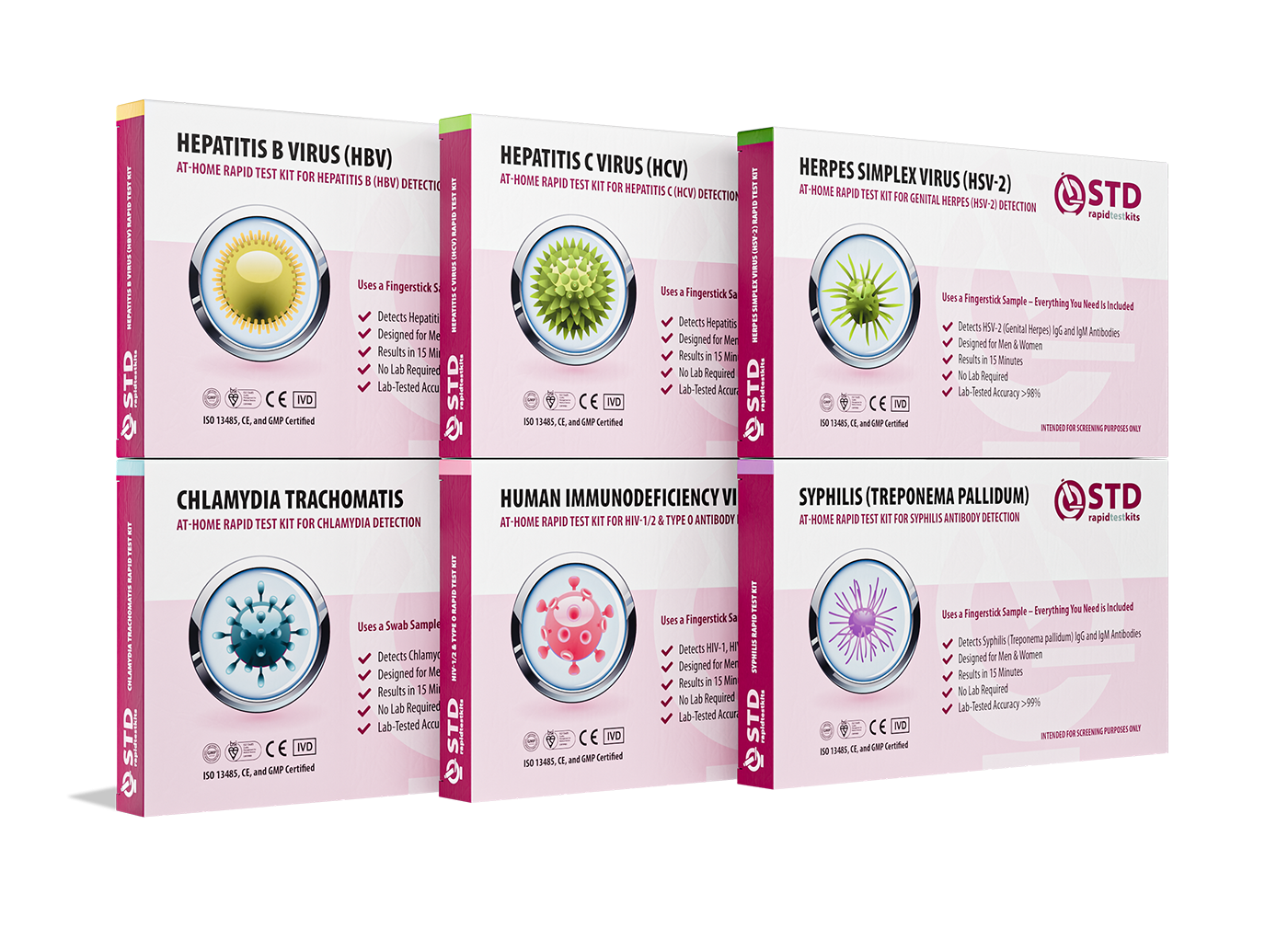 For Men & WomenResults in MinutesNo Lab NeededPrivate & Discreet
Order Now $119.00 $294.00
For all 6 tests
What the Next 90 Days Should Look Like
Okay, so you’ve tested, treated, and (hopefully) told your partner. What now? Here’s a general arc of what your next three months might include, not as a rulebook, but as a sanity-saving roadmap:
Weeks 1–2: Complete your treatment. Avoid all sex until symptoms clear. Let partners know. Focus on rest and hydration if needed. If you’re pregnant or high-risk, schedule follow-up labs.
Week 3–4: Evaluate your exposure timeline. Did all partners get tested? Were any symptoms lingering? Consider ordering a second at-home kit if you need peace of mind. You can get one from this FDA-approved gonorrhea home test kit.
Month 2–3: Retest, especially if you're under 25, have new partners, or didn’t complete partner notification. This isn’t paranoia, it’s prevention. Take this time to think about what went wrong, get back on track, and make sure you don't make the same mistakes again by testing new partners, using protection, and talking openly.
This timeline isn’t about guilt, it’s about control. Because what you do after a diagnosis is what defines you, not the diagnosis itself.
FAQs
1. Can I really have gonorrhea and feel totally normal?
Yup. That’s the scary part, and the reason so many people spread it without knowing. Gonorrhea loves to fly under the radar, especially in the throat or rectum. You might feel 100% fine and still be infectious. That’s why routine testing isn’t “paranoid”, it’s smart.
2. Does a positive result mean someone cheated
? Not automatically. Gonorrhea can hang out quietly for weeks or longer. That means either of you could’ve gotten it from a past partner, even in what felt like a “safe” encounter. Don’t jump to conclusions. Get facts first, feelings second.
3. How soon after treatment can I have sex again?
Wait at least 7 days after finishing your antibiotics, longer if you still have symptoms. And only go back to sex if your partner’s been treated too. Otherwise, you're just tossing the infection back and forth like a hot potato no one wants.
4. What if my partner refuses to get tested?
That sucks, and it happens more than you think. You can’t force someone, but you can protect yourself. No treatment = no sex. Period. And if it’s unsafe to confront them directly, you’ve got options like anonymous partner notification tools.
5. Should I get retested even if I took all my meds?
Yes. The CDC recommends everyone with gonorrhea retest about 3 months after treatment. Not because the meds didn’t work, but because reinfection is super common. Think of it as a follow-up, not a fail.
6. Is this going to affect my fertility?
If caught and treated early, probably not. But untreated gonorrhea, especially in people with uteruses, can cause pelvic inflammatory disease (PID), which can mess with fertility long-term. That’s why even a “minor” infection deserves major respect.
7. Can I treat gonorrhea at home?
Kind of. You can test at home, even get prescriptions through telehealth in some states. But the gold-standard treatment is usually an injection, so you may need to swing by a clinic or pharmacy. Skip shady online pills. Trust real providers.
8. How did I get this if we used condoms?
Condoms lower the risk but don’t erase it, especially if you had oral sex, or if the condom didn’t cover everything (like in outer-genital contact). Gonorrhea’s a slippery one. Protection helps, but testing is what catches the misses.
9. Can you get it more than once?
Oh yes. Gonorrhea doesn’t give you immunity. You can get it again from the same partner if they weren’t treated, or from someone new. That’s why the retest + partner treatment combo is so crucial.
10. Do I have to tell every past partner ever?
Nope. The rule of thumb is: anyone you’ve had sexual contact with in the past 60 days, or since your last negative test. Keep it simple. It’s not a confession, it’s a heads-up that could protect them (and stop this from coming back to you).
You Deserve Answers, Not Assumptions
There’s no shame in knowing your status. A gonorrhea diagnosis doesn’t mean you’re broken, reckless, or alone, it means you took the brave step to test. And now, you’re doing the right thing by seeking answers. That makes you stronger than you think.
Whether you’re waiting for symptoms to clear or wondering how to talk to your partner, remember: this isn’t permanent. It’s a bump in the road, not the end of the story.
Don’t wait and wonder, get the clarity you deserve. This at-home combo test kit checks for the most common STDs discreetly and quickly.
How We Sourced This Article: To make this guide helpful, compassionate, and accurate, we drew on the most recent recommendations from leading medical organizations, peer-reviewed studies, and testimonies from individuals who have experienced similar circumstances.
Sources
1. CDC – Gonorrhea: Detailed Clinical Overview
2. Planned Parenthood – Gonorrhea
3. CDC – Gonococcal Infections: Treatment Guidelines
4. Fact Sheet on Gonorrhea from the World Health Organization
5. Mayo Clinic: Gonorrhea—What It Is and How to Get It
6. NIH – Gonorrhea (StatPearls)
About the Author
Dr. F. David, MD is a board-certified infectious disease specialist focused on STI prevention, diagnosis, and treatment. He combines clinical accuracy with a straightforward, sex-positive approach and is dedicated to making his work available to more people in both urban and rural areas.
Reviewed by: J. Patel, MPH | Last medically reviewed: February 2026
This article is only for information and should not be used as medical advice.


