






Quick Answer: Yes, you can get an STD from pre-cum. Infections like chlamydia, gonorrhea, herpes, and HIV can be present in pre-ejaculate fluid, and skin contact alone can also transmit STDs even if there’s no ejaculation.
Why This Still Happens, Even When You “Play It Safe”
The pull-out method, or withdrawal, is often framed as the responsible fallback when a condom “isn’t around.” It’s discreet, immediate, and doesn't require planning. But here’s the thing, it's a method designed to reduce pregnancy risk, not prevent infections. That distinction matters more than most people realize until it’s too late.
Let’s go back to Chris. He didn’t ejaculate inside, sure, but what about the moments before that? Pre-cum had already been released, a small amount of fluid that exits the penis before orgasm. Pre-cum doesn’t just act as a lubricant. It can contain live STI pathogens like chlamydia, gonorrhea, HIV, and even herpes, depending on the infection and its stage. And unlike sperm, which has one goal, STIs don’t need ejaculation to spread. They need access. And that can happen through skin, mucus membranes, tiny cuts, or friction, none of which pulling out prevents.
According to the CDC, skin-to-skin contact and pre-ejaculate are both viable modes of STD transmission. This includes oral, anal, and vaginal sex, even if you're just "rubbing" or think you were careful. A 2021 review in the Journal of Sexually Transmitted Diseases found evidence of viable pathogens in pre-cum samples of men with asymptomatic infections, confirming what many have feared but few have been told clearly.
What's Inside Pre-Cum, And Why It’s Riskier Than You Think
Pre-cum, or pre-ejaculate, is released from the Cowper’s glands before orgasm. It can carry leftover semen from previous ejaculations, and, critically, live pathogens if the person is infected. It’s not just about fluids, though. Friction and contact also play a role. That means even if pre-cum were somehow clean (which you can’t know without testing), the act itself could still transmit an infection.
| STD | Can It Be in Pre-Cum? | Transmission Without Ejaculation? |
|---|---|---|
| Chlamydia | Yes | Yes |
| Gonorrhea | Yes | Yes |
| Herpes (HSV-1 & HSV-2) | No (but skin contact is enough) | Yes |
| HIV | Yes (lower concentration than semen) | Yes |
| HPV | No (spread through skin) | Yes |
| Trichomoniasis | Unclear, but likely | Yes |
Table 1. Common STDs and their risk profile with pre-cum or without ejaculation.
So if you’re wondering whether you “finished” or not, that’s not really the point. The risk starts before orgasm. That means every time you rely on pulling out, especially without routine testing, you’re rolling the dice with your health and your partner’s.
People are also reading: The Future of STD Testing: Telemedicine, AI, and At‑Home Kits
Real Stories, Real Consequences
Jazmine, 26, had been in a monogamous situationship for three months when she noticed something was off. A small bump, some itching, then burning during urination. Her partner insisted they’d never “gone all the way,” and that he always pulled out early. “I believed him. I believed us,” she said. A few weeks later, she tested positive for chlamydia. Her partner had no symptoms, but carried the infection.
In another case, Malik, 22, was stunned after a routine campus screening came back positive for herpes type 1 genitally. He'd only had protected sex once, and one instance where he “just rubbed against someone and pulled out before anything serious happened.” That was all it took.
These aren’t rare outliers. According to the National Institutes of Health, over half of new STD infections each year come from people under 25, many of whom report using the pull-out method, incorrectly assuming it shields them from infection.
If you’ve been in a similar scenario, you’re not alone, and you’re not doomed. But knowing how infections work is your first step toward reclaiming your peace of mind. That starts with understanding when to test and how accurate results will be based on timing. We'll dive into that next.
When Should You Test If You Pulled Out?
Maybe it’s been two days. Maybe it’s been a week. You’re watching the calendar like a hawk and wondering if a test will even show anything yet. The bad news? Testing too early can give you false reassurance. The good news? You don’t have to wait forever. The sweet spot depends on the STD you’re worried about, and whether symptoms show up at all.
Let’s break it down with something clear. Imagine you had a partner last Friday. You pulled out. No visible symptoms now, but your brain won’t stop spinning. Here's what you need to know: each STD has a “window period”, the time between exposure and when a test can reliably detect infection. Testing during that window might give you a negative even if you're infected. Testing after the window gives you the best shot at an accurate result.
| STD | Minimum Time to Test | Best Time for Accurate Result |
|---|---|---|
| Chlamydia | 7 days | 14 days |
| Gonorrhea | 7 days | 14 days |
| Herpes (HSV) | 10–14 days (if symptomatic) | 4–6 weeks (blood test) |
| HIV | 10 days (NAAT) | 3–6 weeks (Ag/Ab Combo) |
| Trichomoniasis | 5–7 days | 2 weeks |
| HPV | Not routinely screened in men | Best detected via pap or DNA test (women) |
Table 2. Window periods for common STDs after potential exposure through pre-cum or skin contact.
If it’s been less than a week since your last risky encounter, it’s okay to wait. You’re not being irresponsible, you’re being smart about timing. Some people choose to test early and then retest after the optimal window, especially if anxiety is high. That’s valid, too. Just know that an early negative may not be conclusive.
Need to test discreetly? You can order an at-home STD test that ships privately. Options like the Combo STD Home Test Kit screen for the most common infections and are processed with lab-grade accuracy.
Check Your STD Status in Minutes
Test at Home with Remedium8-in-1 STD Test Kit
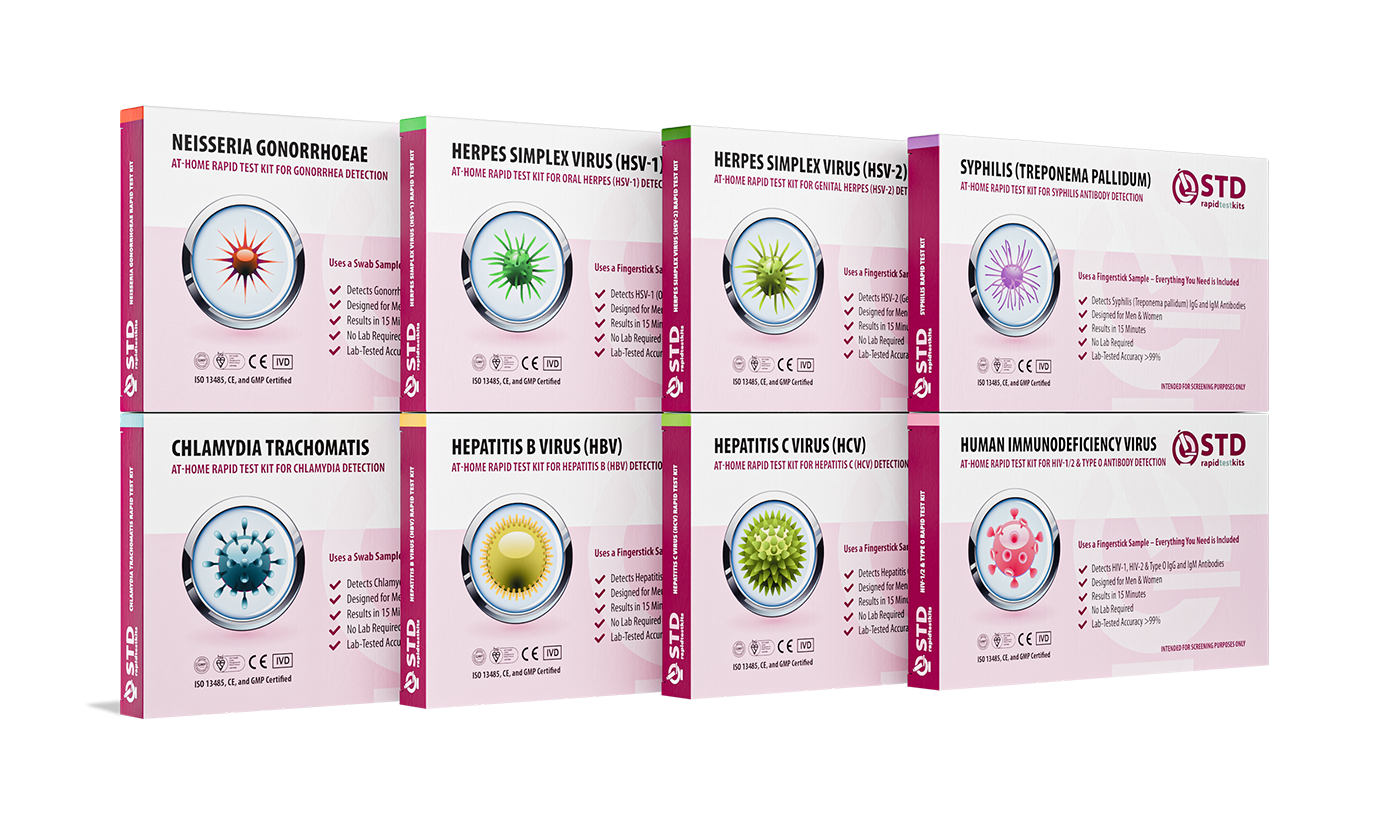
 For Men & Women
 Results in Minutes
 No Lab Needed
 Private & Discreet
Order Now $149.00 $392.00
For all 8 tests
Why Pulling Out Is Still So Popular, Even When It Doesn’t Prevent STDs
If pulling out doesn't prevent STDs, why do so many people rely on it? The answer lies in sex ed gaps, trust in monogamy, and convenience. For many, it feels better, more intimate, or simply safer than nothing. And when you're caught in the moment, it's the fallback that feels less risky than going fully unprotected.
Diego, 28, says, “I used to think as long as I pulled out and didn’t finish, I was being careful. I didn’t realize STDs don’t care about finishing. They care about contact.” He didn’t feel sick or notice symptoms. He only got tested after a new partner asked to see his results. The test came back positive for gonorrhea. No ejaculation had occurred during the hookup in question. The bacteria didn’t care.
This confusion isn’t a fluke. A 2020 survey by the Guttmacher Institute found that nearly 1 in 4 young adults relied on withdrawal as a main form of contraception, often with no awareness of its complete lack of STD protection. And the emotional reasoning behind it runs deep: pulling out can feel like a form of “controlled chaos”, as if you're keeping some boundary, even while crossing others.
The truth? It's not about morality or mistakes. It's about information. And too many people aren’t getting it from their schools, partners, or doctors.
The Reality of Asymptomatic Infections
Here’s a hard truth that doesn’t get said enough: most STDs don’t come with warning signs. Especially in men. Especially in people under 30. That means even if you’re feeling totally fine right now, you could still be carrying something, and passing it unknowingly. The absence of burning, itching, discharge, or bumps isn’t a green light. It’s just silence.
Talia, 31, went for a pap smear and was surprised when her doctor casually mentioned she'd tested positive for trichomoniasis. “I hadn’t had any symptoms at all. My partner and I were only doing outercourse, and he pulled out every time,” she said. That’s because trich can be completely silent, especially in people with vulvas. Without testing, it would’ve stayed hidden, and possibly spread further.
That’s why routine screening matters, even if you're symptom-free. At-home kits make this easier than ever, especially for people who don’t feel comfortable going to a clinic. Whether it's about cost, shame, or time, the solution is the same: test anyway. Test because silence doesn't mean you're in the clear.
How Accurate Are At-Home STD Tests After Pre-Cum Exposure?
If you’re panicking about last weekend and Googling things like “can you test for STDs from pre-cum?”, you’re not alone. And yes, you can. But, as with everything in medicine, how accurate a test is depends on when you take it, how good the sample is, and what kind of test you use.
There are three primary ways to get tested: rapid at-home tests, mail-in lab kits, and in-clinic screenings. All can detect infections spread through pre-cum, but each comes with different pros and cons.
| Method | Results Speed | Privacy | Accuracy (after window) |
|---|---|---|---|
| At-Home Rapid Test | 10–20 minutes | High | Moderate–High |
| Mail-In Lab Kit | 1–3 days after mailing | Very High | High (lab-grade) |
| Clinic-Based Testing | Same-day to several days | Low–Moderate | Very High |
Table 3. STD testing method comparison after unprotected sex or pre-cum exposure.
If discretion, speed, or anxiety is your main concern, STD Rapid Test Kits offer a compromise between convenience and clinical accuracy. For example, the Chlamydia Rapid Test Kit provides reliable results in minutes, no awkward conversations, no waiting room energy, no ID required.
For higher sensitivity, especially when you’re testing within the early window period, a lab-based kit may catch infections that rapid tests miss. But if it's been 14 days or more since exposure, many rapid tests will give accurate results, especially for high-burden STDs like chlamydia and gonorrhea.
People are also reading: Alaska’s Gonorrhea Crisis: What Symptoms Locals Miss Most
What If You Already Tested Negative?
This one trips people up: you tested negative, but you’re still worried. Should you retest? Maybe. It depends on when you tested, what you tested for, and how confident you are that your exposure risk is over. Remember, early testing isn’t always conclusive. That’s why many health experts recommend a second test at the end of the window period.
Let’s say you tested on day 5 after pulling out. That might be too soon for chlamydia or gonorrhea to show up. If symptoms arise later, or if your partner tests positive, you’ll want to retest after 14 days. The same applies to HIV. If you test within 10 days, even the most sensitive tests might miss early infection. A follow-up at 4 to 6 weeks is the gold standard.
In short: testing early can ease your mind, but it’s not a one-and-done deal. Think of it like checking the weather before a trip, you might look once today, and again the morning you leave. The more you know, the better you can prepare.
How to Talk to a Partner If You’re Worried
This might be the hardest part. You didn’t use a condom, but you did pull out. Now you’re concerned, and you’re not sure how to bring it up without sounding accusatory or paranoid. But honesty matters. So does tone.
Sasha, 24, shared, “I was terrified to tell my partner I wanted to get tested. I thought it would make me look untrusting. But when I finally said it, he said he’d been thinking the same thing. We ordered a kit together that night.”
It doesn’t have to be a confrontation. Try something simple and honest: “I know we were careful in our own way, but I’ve been reading that STDs can still happen from pre-cum or contact. I’m thinking of getting tested, would you be open to doing it together?”
You’re not accusing anyone. You’re taking care of yourself. And that’s not just okay, it’s attractive, mature, and real.
Check Your STD Status in Minutes
Test at Home with Remedium6-in-1 STD Test Kit
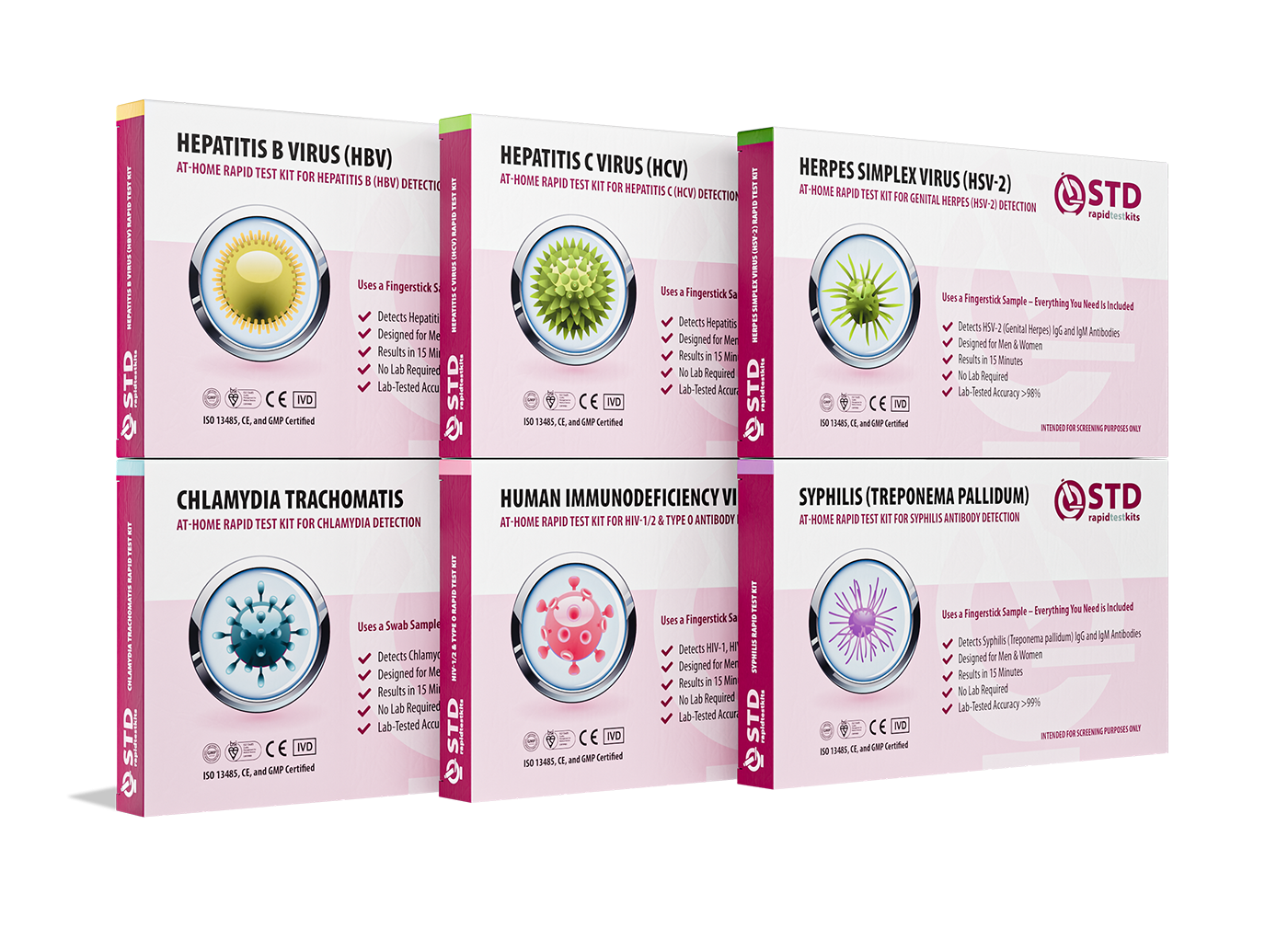 For Men & WomenResults in MinutesNo Lab NeededPrivate & Discreet
Order Now $119.00 $294.00
For all 6 tests
What Happens If the Test Is Positive?
First, breathe. You’re not dirty. You’re not doomed. You’re not alone. STDs are incredibly common, especially among sexually active people in their 20s and 30s. A positive result is not a verdict, it’s a starting point.
If you test positive for chlamydia, gonorrhea, or trichomoniasis, treatment is usually fast and effective, typically a round of antibiotics. Herpes and HIV require longer-term management, but both are treatable, and many people with these conditions live healthy, full, completely normal lives.
Most importantly, if you test positive, encourage your partner to test too. Reinfection is a common cycle when only one person gets treated. Partner notification can feel scary, but there are anonymous services that help, like TellYourPartner.org or Doxy.me, a telehealth platform for partner conversations.
We’ll talk more about how to move forward in the final section. But for now, know this: the worst part is not the result. It’s not knowing. And that part? You can control.
FAQs
1. Can you actually get chlamydia from pre-cum?
Yes, totally. Pre-cum isn’t just harmless lube. If someone has chlamydia (which many people don’t know they do), the bacteria can be hanging out in that fluid. Even if they didn’t finish, even if it was “just for a second,” transmission can happen the moment there’s contact with vaginal, anal, or oral tissue. It’s not about the finish, it’s about exposure.
2. But if I didn’t feel anything, doesn’t that mean I’m fine?
Not even close. Most STDs, especially in guys, are completely silent for weeks or months, sometimes forever. No burn, no bump, no discharge doesn’t mean you’re clear. It just means you’re in that awkward stage where only a test can tell you what’s really going on. Herpes, chlamydia, gonorrhea, trich, they all love to stay quiet. Don’t wait for symptoms to show up. They might never.
3. I pulled out. Why would I still need to get tested?
Because pulling out stops babies, not bacteria. STDs don’t care if you were “careful” or “responsible.” They only care if they made contact, and pre-cum + friction + mucous membranes = plenty of opportunity. Even if you’ve always pulled out, if you’ve never tested, now’s the time.
4. What’s the best time to take a test after something like this?
Depends on what you’re worried about. For stuff like chlamydia or gonorrhea, 14 days post-exposure is solid. Herpes and HIV? You’ll want to wait a bit longer, closer to 4–6 weeks for the most reliable results. But if anxiety’s chewing at your brain, you can test early and then again later. Many people do that just for peace of mind.
5. My partner says they’re clean. Isn’t that enough?
It’s a good start, but it’s not the whole story. Unless they’ve tested recently and know their results, it’s just a guess, one made with love, sure, but still a guess. Many STIs hang around undetected for months. It’s not about trust. It’s about facts. Ask for receipts (in the form of recent test results), not vibes.
6. If my test comes back negative, am I in the clear?
Hopefully, yes, but timing matters. If you test too early, the infection might not show up yet, and you could get a false negative. That’s why doctors often recommend a second test after the full window period passes. It’s not overkill. It’s just being thorough, like double-checking your front door before bed.
7. Is herpes even testable if I don’t have symptoms?
Yes, but it’s tricky. There are blood tests that look for HSV antibodies, but they’re not always offered unless you ask, and they don’t tell you when or where you got it. If you’ve had any tingling, itching, or weird skin stuff down there, even if it wasn’t “classic blisters,” it’s worth flagging. And if you ever get a sore, swab it within 48 hours, those tests are way more accurate.
8. Do at-home tests really work, or should I just go to a clinic?
They work. Seriously. As long as you follow the instructions and test at the right time, at-home kits, especially lab-backed ones, can be just as accurate as clinic tests for things like chlamydia, gonorrhea, trich, and HIV. Plus, you don’t have to explain anything to a stranger or sit in a cold waiting room scrolling Reddit to feel less weird.
9. What happens if I test positive?
You breathe. You remember that you’re still worthy of love and intimacy. Then you follow the steps: confirm the result if needed, get treated (many STIs are cured with a single antibiotic), and tell any partners who might also need to test. It’s not a scarlet letter. It’s just a bump in the road. You’re still you.
10. Should I keep testing if I don’t change partners?
Yup. Even in monogamous relationships, it’s smart to test once or twice a year, especially if you didn’t test before becoming exclusive. STIs can lie dormant or go undetected for ages, and testing shows you’re both still prioritizing each other’s health. Call it a trust-building exercise with bonus peace of mind.
You Deserve Answers, Not Assumptions
Pulling out might seem safer than doing nothing, but when it comes to STDs, it’s still a gamble. Pre-cum carries real risk. Skin contact matters. Silence doesn’t equal safety. But knowledge changes everything. When you understand how infections work, when to test, and how to talk about it, you shift from guessing to clarity.
Don’t wait and wonder, get the clarity you deserve. This at-home combo test kit checks for the most common STDs discreetly and quickly. You don’t need to wait for symptoms, or a clinic appointment, to take control.
How We Sourced This Article: We combined current guidance from leading medical organizations with peer-reviewed research and lived-experience reporting to make this guide practical, compassionate, and accurate.
Sources
1. CDC – Sexually Transmitted Diseases
3. CDC: The Dangers of Oral Sex and STDs
4. Sexually Transmitted Infections (STIs) from the World Health Organization
5. NICHD – Sexually Transmitted Diseases (STDs/STIs Factsheet)
6. NIH – Use of Withdrawal and Its Impact on HIV Exposure
7. NHS – Sex Activities and STI Risk
About the Author
Dr. F. David, MD is a board-certified infectious disease specialist focused on STI prevention, diagnosis, and treatment. He blends clinical precision with a no-nonsense, sex-positive approach and is committed to expanding access for readers in both urban and off-grid settings.
Reviewed by: Dr. Sonya Keller, MPH | Last medically reviewed: January 2026
This article is for informational purposes and does not replace medical advice.


