







Quick Answer: Syphilis can affect the brain in any stage, but most cases of neurosyphilis develop after months or years of untreated infection. Early signs can include headaches, behavior changes, memory loss, and vision problems.
This Isn’t Rare, It’s Just Rarely Talked About
There's a false comfort in thinking syphilis is a problem of the past. But the CDC reports an alarming rise in syphilis cases in recent years, including cases of neurosyphilis among young adults, people living with HIV, and even pregnant patients. The brain isn’t off-limits. In fact, the brain and spinal cord are among the first places syphilis bacteria try to reach via the bloodstream.
The idea that a “simple STD” can mimic dementia or cause paralysis sounds dramatic, but it’s real. Neurosyphilis can occur at any stage of infection, even early on, and it doesn’t always come with dramatic symptoms. Some people feel fine until the lights start flickering. Others live for months in a fog of anxiety, confusion, or depression without knowing an infection is to blame.
That’s why brain involvement isn’t some rare complication. It’s an outcome of inaction. A slow erosion of function when the infection is left untested and untreated. And it doesn’t discriminate. Neurosyphilis can hit anyone, regardless of gender, background, or number of partners.
What Happens in the Brain During Untreated Syphilis?
Syphilis is caused by the bacteria Treponema pallidum. Once it gets into the body, it spreads quickly, usually through skin-to-skin sexual contact. If not found and treated, the bacteria can eventually get through the blood-brain barrier, which can cause inflammation and damage to the brain, spinal cord, and nerves that are close by.
Here’s what that process can look like at a biological level:
| Stage of Infection | Brain Involvement Risk | Possible Effects |
|---|---|---|
| Primary Syphilis | Low (but CNS invasion can start) | Often asymptomatic in brain; main symptom is genital sore |
| Secondary Syphilis | Moderate | Visual changes, headaches, mild behavioral changes |
| Latent Syphilis | High (especially late latent) | Silent spread into CNS; no symptoms yet |
| Tertiary Syphilis / Neurosyphilis | Very high | Memory loss, psychosis, dementia, stroke, paralysis |
Table 1. How syphilis progresses toward neurological damage across infection stages.
The terrifying part? You don’t need to wait years for brain symptoms to show. Some people develop ocular or early neurosyphilis within a few months of infection, especially if their immune systems are compromised.
In one published case, a 26-year-old man presented with blurred vision and was misdiagnosed with optic neuritis. It wasn’t until his memory slipped and speech became slurred that doctors realized it was syphilis of the brain.

People are also reading: Men Get HPV Too, And the Cancer Risk Is Real
Symptoms Most People Miss (Until It’s Too Late)
Neurosyphilis is called “the great imitator” for a reason. Its symptoms can resemble anxiety disorders, multiple sclerosis, depression, or even age-related memory loss. That’s why many people, even those already diagnosed with syphilis, fail to connect their mental changes to the infection.
Here’s a look at the most common neuro-related symptoms:
| Neurosyphilis Symptom | What It Feels Like | When It Typically Appears |
|---|---|---|
| Headaches | Dull, persistent pressure, often behind the eyes or at the base of the skull | Months into infection |
| Vision changes | Blurry or double vision, light sensitivity | Can be early sign of ocular syphilis |
| Behavioral shifts | Agitation, paranoia, impulsivity, or social withdrawal | Often mistaken for mood disorders |
| Memory issues | Forgetting names, misplacing things, repeating questions | Later-stage, often progresses subtly |
| Tremors or coordination problems | Shaky hands, unstable gait, slurred speech | Late sign of advanced neurodegeneration |
Table 2. Neurological symptoms of syphilis and how they present in daily life.
Unlike classic STDs that scream with itching or discharge, neurosyphilis whispers. You might feel off, not yourself, foggy, or easily irritated. That’s why so many people seek help from therapists, optometrists, or neurologists before ever thinking to test for syphilis.
But if you’ve had unprotected sex, especially anal or oral, with a new partner in the past year, and now you feel like you’re unraveling mentally, this test belongs on your list.
Case Study: “I Thought I Was Just Depressed”
Lucía, 41, had been in a new monogamous relationship for six months when the fog began. She was crying at work, forgetting tasks, and snapping at her partner over small things. Her therapist suspected burnout. A month later, she collapsed in her bathroom. At the hospital, a spinal tap confirmed neurosyphilis. Neither she nor her partner had ever tested for it.
“I didn’t have any sores or rashes. Just sadness and confusion. I thought I was losing it.”
Lucía’s story isn’t rare. Especially in women, neurological symptoms of syphilis are often mislabeled as hormone-related, psychological, or stress-induced. The delay in diagnosis can lead to irreversible nerve damage, vision loss, or in rare cases, death.
But here's the thing: syphilis is curable. Even neurosyphilis. The key is catching it before the brain damage becomes permanent. That’s where testing, especially from home, can save lives.
Check Your STD Status in Minutes
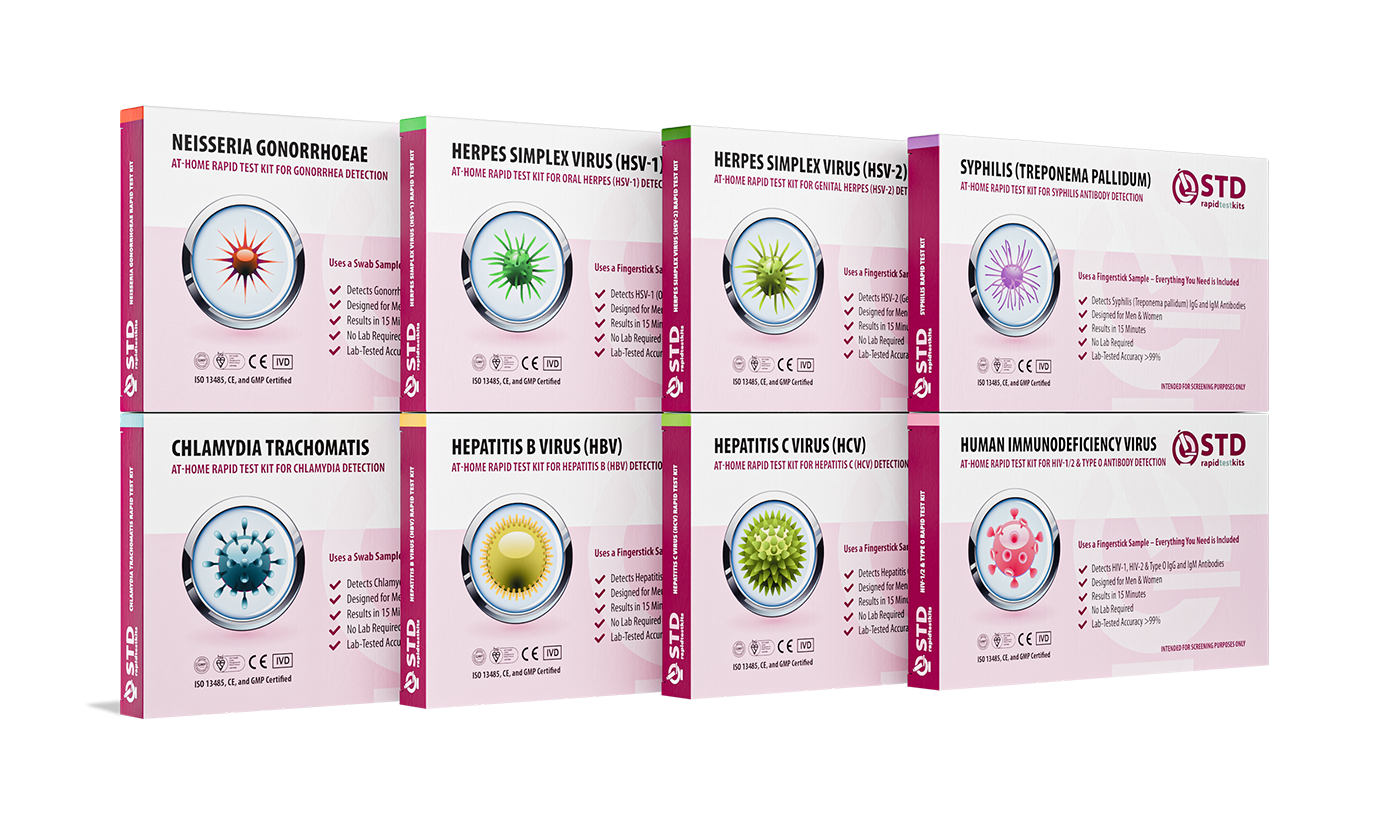
Test at Home with Remedium8-in-1 STD Test Kit
 For Men & Women
 Results in Minutes
 No Lab Needed
 Private & Discreet
Order Now $149.00 $392.00
For all 8 tests
When Does Syphilis Start Affecting the Brain?
There’s no single answer. For some, brain involvement happens within weeks. For others, it takes years. But the longer syphilis goes undiagnosed, the more likely it is to impact your nervous system. Here’s a simplified look at the timeline:
| Time Since Exposure | What May Be Happening in the Brain |
|---|---|
| 0–3 weeks | Primary stage; CNS invasion rare but possible |
| 3–12 weeks | Secondary stage; early CNS symptoms may appear |
| 3–12 months | Latent syphilis; CNS colonization may go unnoticed |
| 1+ years | Neurosyphilis risk increases; damage may begin |
Table 3. General timeline of brain involvement in syphilis infection.
Importantly, not everyone with untreated syphilis will develop brain symptoms. But it’s impossible to predict who will and who won’t. That’s why anyone with risk factors, especially men who have sex with men, people living with HIV, sex workers, or those with multiple partners, should test regularly, even without symptoms.
And testing isn’t invasive. You can now screen for syphilis at home using a finger-prick rapid test with results in minutes. If you test positive, further confirmatory testing can rule out CNS involvement.
Testing: Your First Defense Against Brain Complications
The only way to know if syphilis is affecting your brain is to test early, and retest if symptoms evolve. The CDC recommends syphilis screening at least once a year for people at increased risk, and more often for those with frequent new partners.
Here’s what most people don’t know: you can start with an at-home syphilis test. These are highly sensitive, discreet, and easy to use. If positive, a follow-up test and spinal tap (if needed) can assess for neurosyphilis.
And don’t worry, if brain involvement is found, treatment still works. You’ll likely be given IV penicillin for 10–14 days. Many symptoms, especially early ones, can improve or even reverse with proper care.
If you’re scared, that’s normal. But silence lets this infection spread. Action, no matter how small, breaks that cycle.
Ready to stop the spiral of doubt? Order your rapid syphilis test here, fast, discreet, and medically backed.
But I Don’t Have Any Symptoms, Do I Still Need to Test?
This is the question most people ask. If you're not oozing or aching, does that mean you're safe?
Not with syphilis. Up to 40% of infected people show no visible symptoms in the early stages. And when it comes to neurosyphilis, the symptoms that do appear often get dismissed as “just stress,” “getting older,” or “too much coffee.”
Here’s what you need to consider instead:
Did you have condomless sex in the past year? Have you noticed subtle mental changes lately, fog, forgetfulness, odd anxiety? Are you living with HIV or on PrEP? Have you had another STD recently?
If you said yes to any of those, a syphilis test isn’t overreacting. It’s proactive care.
One man shared on Reddit that he ignored odd tingling and short-term memory loss for months until he found out his ex tested positive for syphilis. He tested the next day. The result was positive, and he started treatment within the week.
“I thought I was developing adult ADHD,” he wrote. “Turns out, it was just syphilis. And now it’s gone.”
That’s the kind of ending you want. Not years of confusion, neurologist visits, or regrets. Just answers, and a path forward.
How to Talk to a Partner if You’re Worried
One of the hardest parts of suspecting or confirming syphilis, especially with potential brain symptoms, is figuring out how to bring it up. Shame whispers, “They’ll think you’re dirty.” Fear yells, “They’ll leave.” But silence makes the infection more dangerous, for both of you.
Start simple. If you're still waiting on a test: "Hey, I’ve been feeling off lately, and I read that syphilis can cause memory issues if it goes untreated. I’m getting tested this week. Just wanted to be upfront."
If you’ve already tested positive: "This is hard to say, but I tested positive for syphilis. I didn’t have any symptoms until recently, and I didn’t realize I was at risk. I’m being treated, and I wanted you to know so you can get tested too."
These aren’t admissions of guilt, they’re acts of care. And for those whose brains are already fogged with worry, taking this step can clear the emotional static and open space for real healing.
If your partner resists or denies, stay calm. Offer a link, not a lecture. Testing is a decision, not a demand. And if you need anonymity, some clinics offer partner notification services that don’t reveal your name.
Protecting your brain also means protecting your peace. And nothing clears your head like honesty, especially when it’s grounded in care.

People are also reading: Lesbian STDs 101: Myths, Symptoms, and How to Get Tested Without Being Dismissed
Can Syphilis Damage Be Reversed?
Short answer: sometimes.
If caught early, neurosyphilis symptoms often improve after treatment. Blurred vision can stabilize. Personality shifts can fade. Memory might sharpen again. But in cases where the infection has caused long-term inflammation or scarring in the brain, full reversal isn’t always possible.
That’s why timing matters. Antibiotics stop the bacteria, but they can’t always undo the damage it leaves behind. The longer syphilis is allowed to roam your nervous system, the more it reshapes the terrain. And the changes aren't always dramatic. A little less clarity. A little more fog. It adds up.
If you’ve already noticed symptoms, don’t wait. Don’t spiral. You’re not broken, and you’re not alone. But your next move matters.
Start by ruling out the obvious with a test. One prick, 15 minutes, clear results. Return to STD Rapid Test Kits to explore your options.
What Treatment Looks Like (And Why It’s Not as Scary as You Think)
If you’re diagnosed with syphilis, including early brain involvement, treatment is usually straightforward. The standard is penicillin, either as a single intramuscular injection for early syphilis, or a 10–14 day course of IV penicillin for neurosyphilis.
The IV route requires hospital time or outpatient infusion, but most people tolerate it well. Side effects are manageable, and the benefits are enormous: stopping the bacteria before it causes deeper, irreversible harm.
You might also need a lumbar puncture (spinal tap) to confirm neurosyphilis. Scary? Maybe. But doable. And a small trade-off compared to what untreated syphilis can do long-term: psychosis, seizures, blindness, dementia.
For most people, symptoms begin to ease within weeks of starting treatment. But follow-up is crucial. Retesting at 3, 6, and 12 months is standard. This ensures the treatment worked and gives your nervous system time to heal.
Neurosyphilis doesn’t mean your life is over. It just means your nervous system needs backup. And antibiotics are one hell of a backup plan.
Check Your STD Status in Minutes
Test at Home with Remedium7-in-1 STD Test Kit
 For Men & WomenResults in MinutesNo Lab NeededPrivate & Discreet
Order Now $129.00 $343.00
For all 7 tests
You’re Not Dirty. You’re Not Alone. You’re Just Human.
If you’ve made it this far, you’re probably scared. Or confused. Or spiraling through memories wondering when and how this could’ve happened. That’s okay. This article isn’t here to shame you. It’s here to ground you.
STDs don’t care if you’re cautious or wild, straight or queer, monogamous or exploring. Syphilis can reach anyone. What matters isn’t how you got here, it’s what you do next.
Testing for syphilis isn’t just about protecting your body. It’s about protecting your clarity, your peace of mind, and your future. Especially if your brain is already sending you warning signs.
So take the next step. Whether it’s a test, a conversation, or a treatment plan, every move toward clarity is a move toward healing.
And if you're ready to stop wondering, this at-home combo test kit checks for the most common STDs, including syphilis, fast and discreetly.
FAQs
1. Can syphilis really mess with your brain?
It can, and it does. We’re talking headaches, blurry vision, memory fog, even personality shifts. The medical name is neurosyphilis, and it happens when the bacteria behind syphilis sneaks into your brain and spinal cord. Not everyone gets it, but the risk goes way up if you skip testing or treatment.
2. How long does it take for syphilis to reach the brain?
There’s no exact countdown clock, but brain involvement can start within months of infection. For some people, especially if their immune system is struggling, it kicks in early. Others go years before symptoms show. That’s the danger: it can creep in silently, while you’re living life and thinking everything’s fine.
3. What does brain-related syphilis feel like?
It’s not usually dramatic, at first. Think: mood swings you can’t explain, forgetting stuff you normally wouldn’t, weird eye issues, headaches that feel “off.” One patient described it as “feeling like my brain was underwater.” It can also mimic anxiety, depression, or ADHD. That’s why it gets missed so often.
4. Is it permanent?
Not necessarily. If you catch it early, most symptoms improve, some even disappear completely, with antibiotics. But long-term damage, especially nerve-related stuff like vision loss or memory gaps, may stick around. Early treatment is your best bet for a full comeback.
5. What kind of test checks for this?
You start with a simple blood test, available at home or at a clinic. If it comes back positive and you’re having brain-type symptoms, your provider might recommend a spinal tap (yeah, it sounds intense, but it’s routine) to check if the bacteria has made it into your central nervous system.
6. Do I need to test even if I feel fine?
Yup. That’s the kicker with syphilis, it can sit quietly in your system, doing damage without screaming for attention. No sores, no rashes, no clue… until something shifts upstairs. Testing is how you stay one step ahead. Especially if you've had new partners in the last year.
7. Is this only a risk for people with HIV?
No. People living with HIV do have a higher risk of developing neurosyphilis, but anyone, regardless of gender, status, or lifestyle, can get it. We've seen it in straight monogamous couples, new moms, and 22-year-olds on dating apps. Syphilis does not discriminate.
8. Will people know if I test positive?
Not unless you tell them. At-home syphilis tests are private, fast, and don’t go on your insurance record. And even clinic testing is confidential under U.S. law. You control who sees your results, and how you handle them.
9. Can syphilis make you feel like you’re going crazy?
Unfortunately, yes. Neurosyphilis has been linked to paranoia, depression, emotional outbursts, even psychosis in severe cases. But here’s the hopeful part: it’s one of the few causes of those symptoms that can actually be cured. No shame in checking it out.
10. Okay, but real talk, what happens if I ignore it?
Left untreated, syphilis can cause permanent brain damage, vision loss, stroke, and in extreme cases, death. But that’s not your future. You’re here. You’re reading this. And you’ve got options. Testing today changes everything about tomorrow.
You Deserve Answers, Not Assumptions
You’re not overreacting. You’re not dramatic. You’re listening to your body, or your gut, and that’s powerful. Maybe something feels off. Maybe it doesn’t, but you read a sentence in this article that hit a little too close. Either way, this isn’t about shame. It’s about clarity.
Syphilis doesn’t always show up with flashing warning signs. Sometimes it taps the brakes on your focus. Sometimes it dims your personality like a light on a dimmer switch. And sometimes, it does nothing… until it’s already in your brain.
But here’s the truth: you don’t need to wait until things get scary. You don’t need to wait for a diagnosis from a stranger in a white coat. You can get answers, now, from home, privately, and on your terms.
Don’t wait and wonder, get the clarity you deserve. This at-home combo test kit quickly and privately checks for the most common STDs.
How We Sourced This Article: We combined current guidance from leading medical organizations with peer-reviewed research and lived-experience reporting to make this guide practical, compassionate, and accurate.
Sources
1. CDC – Syphilis: Detailed Fact Sheet
2. Neurosyphilis | National Institute of Neurological Disorders and Stroke (NIH)
3. Syphilis - Symptoms and causes | Mayo Clinic
4. Syphilis - Diagnosis and treatment | Mayo Clinic
5. Neurosyphilis, Ocular Syphilis, & Otosyphilis | CDC
6. Neurosyphilis - StatPearls - NCBI Bookshelf
7. Syphilis | World Health Organization (WHO)
About the Author
Dr. F. David, MD is a board-certified infectious disease specialist focused on STI prevention, diagnosis, and treatment. He blends clinical precision with a no-nonsense, sex-positive approach and is committed to expanding access for readers in both urban and off-grid settings.
Reviewed by: Brianna K. Mendoza, NP | Last medically reviewed: January 2026
This article is for informational purposes and does not replace medical advice.


