







Quick Answer: If someone blames you after you test positive for an STD, start by grounding yourself, then respond with clarity, not guilt. You don’t need to defend your worth. Focus on facts, timelines, and next steps, not accusations.
This Is What Shock Looks Like
Jasmin, 29, had been with the same partner for over a year. They used protection inconsistently. When her pap smear came back abnormal and further testing revealed HPV, she was blindsided. But not as much as when her boyfriend accused her of cheating, within seconds of hearing the news.
“He said, ‘You must’ve stepped out. I’ve only been with you.’ I hadn’t touched anyone else. Not once. I felt like I had to defend myself while I was still processing the result.”
This is more common than most people think. STDs often bring out fear, not logic. And fear likes to wear the mask of blame. But here’s what many people forget: some STDs can lie dormant for months, or even years. They can stay silent in the body, especially HPV, herpes, and even chlamydia. So being the first to test positive doesn’t mean you were the first to have it, or the one who “brought it in.”
Instead of scrambling to prove your innocence, start with this truth: the test result tells you something about your health, not your morality. You are allowed to take time, set boundaries, and choose how to respond. Let’s break down your options.
Why Blame Happens (Even When It's Not Fair)
STDs don’t come with timestamps. They don’t say, “Hey, this entered your body on March 4th, 2023, from your ex named Chris.” The lack of a clear origin story can make people spiral. Add shame, stigma, and the fear of having to explain this to someone else, and you’ve got a perfect storm for misdirected rage.
In our culture, STDs are often still wrongly tied to dirtiness or infidelity. So when a partner hears “I tested positive,” their brain might not hear “I got tested”, they might hear “You’ve been betrayed.” But that’s not science. It’s stigma.
Some people weaponize that stigma. Others panic. Many simply weren’t educated about incubation periods or asymptomatic carriers. That doesn’t excuse cruelty, but it helps you understand where it’s coming from. And knowing that gives you power.
So before you craft your response, take a beat. Sit in your body. Ask yourself: are you safe? Do you want to continue this conversation now? Or do you need space?

People are also reading: What Dating With Herpes Really Looks Like, From First Disclosure to First Kiss
Micro-Timeline: What the Test Can and Can’t Tell You
If blame is being thrown your way, a common question will be: “Can’t you tell who gave it to who?” The honest answer? Not usually. Here's how STD incubation periods and test detection windows often overlap and confuse things:
| STD | Average Incubation | Time to Positive Test | Can You Tell Who Had It First? |
|---|---|---|---|
| Chlamydia | 7–21 days | ~14 days post-exposure | Rarely, often asymptomatic |
| Gonorrhea | 2–7 days | 5–14 days post-exposure | Only if symptoms appear first |
| HPV | 1 month to years | Detected via pap or swab | No, can lie dormant |
| Herpes | 2–12 days | Blood test or swab (during outbreak) | No, many carry it unknowingly |
Figure 1. Incubation vs Detection: These timelines show why blame often doesn't match biology.
Let’s say you test positive for herpes, and your partner never has. That still doesn’t mean you gave it to them, or got it from them. It may have been in either of you for years without symptoms. The only thing the test proves is that you have it now. That's it.
Educating a partner about that is hard, especially when they’re mid-outburst. But you don’t owe them a lecture. You owe yourself dignity. If you choose to explain, keep it short and factual. You can say:
“This test result doesn’t tell us who had it first. Some STDs can stay silent for months. I got tested because I care about my health. I hope we can talk when things are calmer.”
Case Study: “He Said I Was Lying. I Was Just Scared.”
Marcus, 34, got tested after feeling a strange burning sensation. His results showed gonorrhea. When he told his partner, she flipped.
“She said I must’ve cheated. That I was trying to blame her. I wasn’t. I honestly didn’t know how long I’d had it. I thought maybe I had a UTI. I was just trying to be honest.”
Marcus’s story is painfully common. Honesty doesn’t always earn you grace. But that doesn’t mean you were wrong to disclose. In fact, choosing to tell someone about an STD, even knowing they might blame you, is brave. It’s also the right thing to do for health, ethics, and prevention. But your responsibility ends at disclosure. You are not responsible for how they react. You are responsible for your boundaries.
If their response includes yelling, name-calling, threats, or emotional withdrawal, hit pause. Take space. Say:
“This isn’t a conversation I can have if I’m being blamed or attacked. I’m willing to talk when it’s safe and respectful.”
And if they can’t meet you there? That’s information, too. Some relationships don’t survive a positive test, not because of the STD, but because of the reaction to it. That’s not your fault.
Check Your STD Status in Minutes
Test at Home with Remedium6-in-1 STD Test Kit
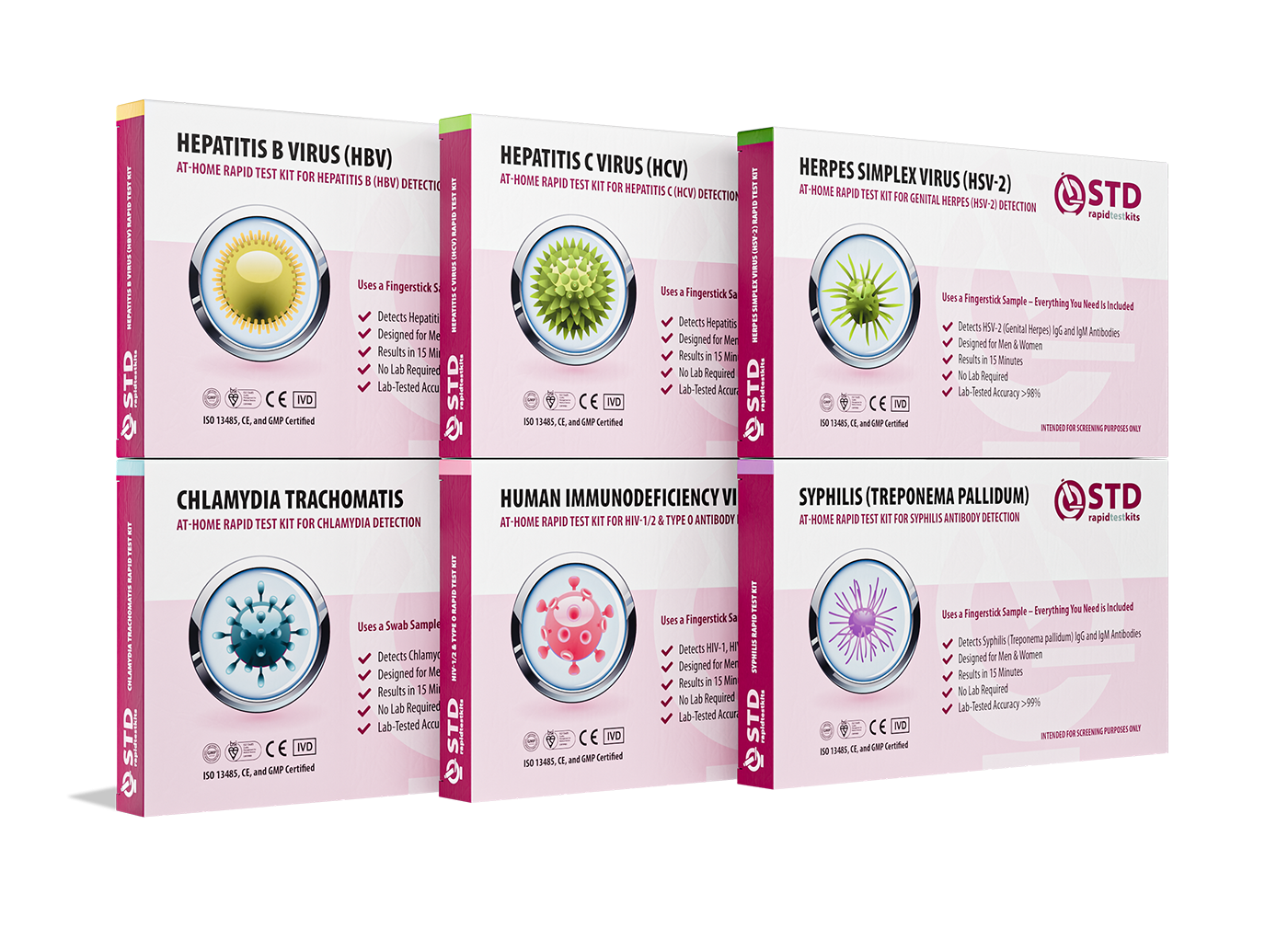
 For Men & Women
 Results in Minutes
 No Lab Needed
 Private & Discreet
Order Now $119.00 $294.00
For all 6 tests
What to Say in the Heat of Blame
When someone is spiraling, logic isn’t their language. Emotion is. And if you’re still raw from reading your own result, it’s almost impossible to find the right words. That’s why it helps to have a few phrases ready, not to “win” the conversation, but to anchor it in something steady. You’re not here to beg. You’re here to protect your peace and speak your truth.
Here are some trauma-informed responses people have used when dealing with unfair blame:
“I’m telling you because I care, not because I want to start a fight.”
“I’m still learning what this means. But this isn’t about who’s guilty. It’s about getting healthy.”
“I don’t know how or when I got it. But I know it’s common, and I wanted to be honest.”
“I will not be shamed for taking care of my health.”
Sometimes, it helps to say less. A calm, “I need some time before I can keep talking about this,” can protect you from escalating conflict. That’s not avoidance, it’s regulation. And that regulation might be what saves your sense of self in a moment where everything feels out of control.
Table: Common Blame Reactions and How to Respond
Not all blame sounds like shouting. Some of it is subtle. Here’s how different types of partner reactions may show up, and how you might choose to respond:
| Reaction | What It Might Sound Like | How to Respond |
|---|---|---|
| Accusatory | “You must’ve cheated.” / “You’re lying.” | “I understand this is scary, but I won’t be spoken to with blame. This isn’t about fault.” |
| Silent Withdrawal | Disappears, doesn’t respond, ghosts | “I hope we can talk when you're ready. I got tested because I care about health, not to cause distance.” |
| Emotional Collapse | “You ruined my life.” / Sobbing or panic | “I hear you. This is overwhelming. But it’s manageable. Most STDs are treatable. Let’s breathe.” |
| Righteous Rage | “I’ve never had anything! You brought this into my life!” | “I don’t know where this came from. Some infections are asymptomatic for months. That’s why testing matters.” |
Figure 2. Emotional responses are often about fear, not truth. Responding calmly can redirect the conversation toward facts and healing.
Remember, you’re not obligated to keep explaining if you’re not being heard. You are not a defendant on trial for your body. You're someone who made a responsible choice to know your status. That’s courageous, not criminal.
When They Accuse You of Cheating
This one hurts. Especially if you didn’t. The sad reality is that a positive result, especially for chlamydia or gonorrhea, can instantly trigger assumptions of infidelity. Why? Because most people have only heard about STDs in scare tactics or gossip, not from real education.
Here’s what you can say when the cheating accusation drops:
“I didn’t cheat. I understand that’s hard to believe right now. But I got tested because I wanted to be proactive.”
“If I had symptoms, I would’ve said something sooner. Some STDs don’t show signs. I’m not hiding anything.”
“I get that this feels like betrayal. But the truth is, either of us could’ve had this without knowing.”
And yes, sometimes these responses won’t land. Because if someone’s worldview is “STDs = cheating,” there may be no room for science in their emotional state. That’s not your burden to carry. Let their beliefs be theirs. You get to protect your peace.
Do You Need to Retest, or Talk About Past Partners?
Sometimes the blame comes not from the result, but from the timing. Maybe your last test was six months ago. Maybe theirs was never. Maybe you used protection but not always. The timelines get blurry fast, and that’s why retesting is often part of the picture.
Retesting doesn’t mean you’re guilty. It means you’re careful. If you’re unsure when you were exposed, or if your partner’s status is unclear, getting another test 3–6 weeks after the first can confirm the result. And it gives both of you peace of mind moving forward.
Talking about past partners can be especially triggering when blame is in the air. But if you choose to do it, do it on your terms. You don’t owe a sexual history spreadsheet. You owe honesty that’s relevant to safety. You can say:
“I’ve had other partners before you, yes. But I can’t say who I got this from, or when. That’s why I test.”
“I’m not looking for someone to blame. I just want us both to be safe moving forward.”
Try to steer the conversation from “Who did this?” to “How do we take care of it?” Testing, treatment, and communication, not detective work, are the tools that help you heal.
Protecting Yourself When Blame Turns Toxic
In some cases, blame becomes more than hurtful, it becomes dangerous. Emotional abuse, threats, manipulation, or violence should never be tolerated. If your partner’s reaction makes you feel unsafe, prioritize your well-being first.
Here’s a sobering truth: some people weaponize your vulnerability. They’ll use your honesty against you. They’ll try to “win” the narrative of who’s clean, who’s dirty, who’s wrong. Don’t play that game. Step out of it entirely. Your body is not a courtroom.
If you need support, consider reaching out to confidential services, such as a sexual health clinic, Planned Parenthood counselor, or a domestic violence hotline. Testing positive for an STD can bring clarity, not just about your health, but about the people around you.
You deserve to be with someone who responds with maturity, not shame. Who cares more about next steps than point-scoring. If that’s not the response you got, this result might be the beginning of something better, not the end of something broken.
And if you need a starting place for clarity, comfort, and fast answers?
This at-home combo STD test kit lets you check for multiple infections discreetly and get results quickly. No waiting rooms. No raised eyebrows. Just answers.

People are also reading: What Men Need to Know About HPV, And Why Most Never Get Tested
Rebuilding After Blame: What Healing Can Actually Look Like
Healing doesn’t always happen together. Sometimes it starts in silence, on your own terms, in your own space, long after the argument fades. You may still hear their voice in your head: “This is your fault.” You may still wonder if they’re right. But here’s the truth no one tells you loud enough, STDs happen to people who care. To people who are careful. To people who didn’t “do anything wrong.”
Sasha, 26, tested positive for chlamydia during a routine screening. Her boyfriend accused her of sleeping around. She left him a week later.
“I realized it wasn’t the test that hurt me. It was the way he treated me when I was vulnerable. That was the real infection.”
You don’t have to rush forgiveness. You don’t even have to reconcile. But you do have the right to stop internalizing the blame someone else projects onto you. Your status isn’t a moral report card. It’s medical data. And you handled it with courage.
Table: Healing Language vs Harmful Language
If you’re continuing a conversation with a partner who blamed you, or if you’re processing your own self-talk after that experience, reframing is key. Here’s how harmful phrasing can be swapped out for healing, fact-based language:
| Harmful Phrase | Why It Hurts | Healing Reframe |
|---|---|---|
| “You gave this to me.” | Assigns blame without proof or context | “Let’s both get tested and talk about treatment options.” |
| “You must’ve cheated.” | Jumps to conclusions based on stigma | “I want to understand when this could’ve happened, without blame.” |
| “You’ve ruined everything.” | Uses shame as a weapon | “This is hard, but we can face it if we work together.” |
| “I don’t believe you.” | Dismisses your truth and vulnerability | “I need time to process this, but I appreciate you telling me.” |
Figure 3. Language shapes recovery. Choose words that build trust, even in fear.
If your partner can move toward these kinds of reframes, there may be room for growth. But if they can’t, or won’t, you get to walk away. Silence is also a boundary.
Getting Support Without Judgment
You’re not the only one. Millions of people test positive for STDs every year. The CDC estimates that 1 in 5 Americans has an STI at any given time, and many don’t even know it. What that means is: this isn’t rare. It isn’t shameful. And you aren’t broken.
Still, when the blame hits hard, and especially if it comes from someone you love, it helps to have backup. You can talk to:
- An online therapist who specializes in sexual health
- A peer-support group for people living with STIs
- A friend who listens without making it about them
- A nurse or clinician who can explain your results in plain terms
- Yourself, in a journal, without judgment
What matters most is that you don’t isolate. Shame thrives in silence. But healing thrives in community, even if that community starts with just one person who says, “I believe you.”
And if you need a tool to regain some control? At-home testing helps you stay proactive without relying on anyone else’s schedule or approval.
Return to STD Rapid Test Kits to explore discreet, doctor-trusted options you can use on your terms.
Check Your STD Status in Minutes
Test at Home with Remedium8-in-1 STD Test Kit
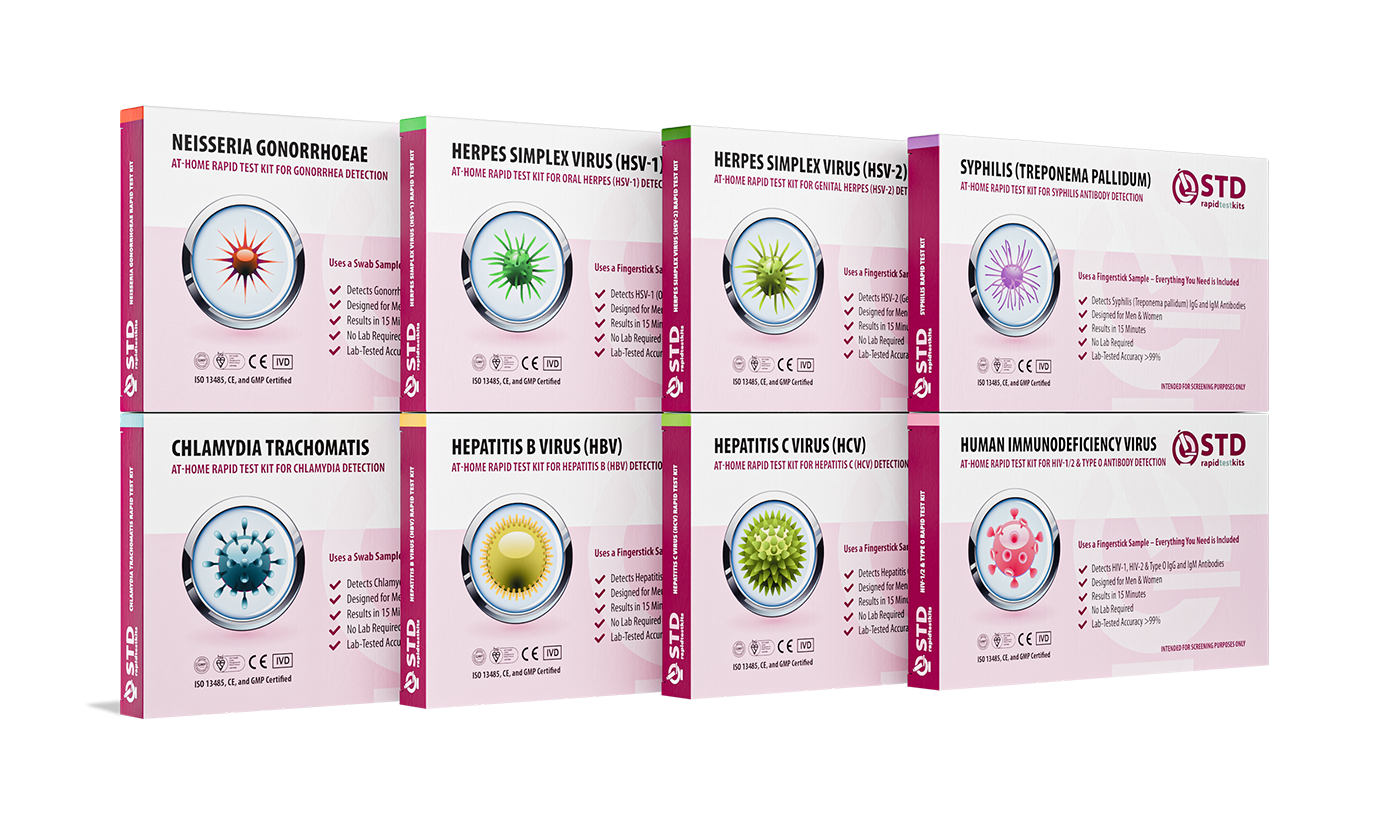 For Men & WomenResults in MinutesNo Lab NeededPrivate & Discreet
Order Now $149.00 $392.00
For all 8 tests
Why You’re Not “Dirty”, Even If They Say So
Let’s say it clearly, one last time: you are not dirty. You are not reckless. You are not less worthy of love, safety, or care. Testing positive for an STD doesn’t make you a punchline, a liar, or a cheat. It makes you someone who chose to know your status, and that choice protects not only you, but every partner you’ve had or will have.
If someone calls you names, makes you feel like garbage, or says you “deserve” this, they’re revealing their ignorance, not your identity.
Let them sit in that ignorance alone. You’ve got more important things to do. Like heal. Like get treated. Like breathe again. Like talk to someone who sees your whole self, not just your lab result.
Because here’s the wildest part of all: this test might be the beginning of a different kind of love. One rooted in honesty. One that doesn’t weaponize your body against you. One that starts with a simple sentence:
“I got tested. I wanted to know. I deserve care, not blame.”
FAQs
1. Can someone pass you an STD and not know they have it?
100% yes. That’s one of the trickiest things about STDs, people can carry them for weeks, months, even years without a single symptom. So your partner might’ve had something lingering from way before you ever met, without having a clue.
2. Does testing positive mean you cheated?
Nope. It means you took your health seriously. That’s it. STDs don’t come with name tags or timestamps. So unless you had a recent negative test and a very specific exposure timeline, there’s no way to say when it happened, or from who.
3. What if my partner blames me right away?
Take a breath. Their panic doesn’t mean you did anything wrong. Sometimes people react out of fear or shame and throw blame like a reflex. You don’t have to accept it. You can say, “Let’s get the facts before we go to war.” And then pause the convo if you need to.
4. Is it normal to feel gross or dirty after a positive test?
It’s common, but let’s call that what it is: internalized stigma. You’re not dirty. You’re a human with a diagnosis, and most of them are treatable or manageable. The gross feeling? That’s shame trying to rent space in your head. Kick it out.
5. What if they ghost me after I tell them?
Honestly? That sucks, and it happens. But it also shows you something important about them. If someone can’t handle a hard truth about health, they’re probably not ready for the rest of what relationships demand. Your honesty still mattered. It was never wasted.
6. Can I still have sex after testing positive?
Totally. Depending on what you have, you might need treatment first, or a convo about protection. But an STD doesn’t lock your sex life in a dungeon. You just move forward with more info, more care, and probably better conversations.
7. Should I tell future partners about my STD?
Yes, but on your terms. You don’t need to lead with it on a first date, but before things get physical? It’s part of consent. And guess what? Loads of people will respond with, “Thanks for telling me. Let’s figure it out together.”
8. What if we both test positive, how do we know who had it first?
Short answer? You probably can’t. And that’s okay. Focus less on the origin story and more on what comes next: treatment, support, maybe even rebuilding trust, if the relationship’s worth it.
9. I’m scared to get tested again. What if it’s bad news?
That fear is real. But not knowing doesn’t protect you, it just keeps you stuck. Testing is how you take back control. Think of it like flipping on a light in a dark room. You deserve to see clearly, no matter what’s there.
10. What do I say to someone who gave me an STD?
That depends. If you’re safe and ready, you can keep it simple: “I tested positive, and you’re the only person I’ve been with. You should get tested too.” You’re not calling them out, you’re calling them in to take responsibility for their health too.
You Deserve Answers, Not Accusations
If you’ve made it this far, you already know the truth matters. But so does how it’s delivered, and received. If you tested positive and got hit with blame instead of support, you’re not alone. And you’re not the villain. You took a responsible step. You faced reality. That’s brave.
No matter what happens next, whether you make up, leave, or start over, remember that STDs don't define you. How you respond to them does. And you’ve already done the hardest part: facing it head-on.
Don’t wait and wonder, get the clarity you deserve. This at-home combo test kit checks for the most common STDs discreetly and quickly.
How We Sourced This Article: To make this guide helpful, compassionate, and accurate, we used the most recent recommendations from leading medical organizations, peer-reviewed research, and testimonies from individuals who have experienced the circumstances we discuss.
Sources
1. CDC – STD Facts and Treatment Guidelines
2. Planned Parenthood – STDs, Safer Sex, and Testing
3. World Health Organization – STI Overview
4. Sexually transmitted diseases (STDs) – Diagnosis and Treatment | Mayo Clinic
5. Partner Services | CDC HIV Nexus
6. Conversation Tips for Talking About STIs | CDC
7. Getting Tested for STIs | CDC
8. How Do I Talk With My Partner About STI Testing? | Planned Parenthood
9. Willingness to disclose STI status to sex partners (NIH/PMC)
10. Strategies for Partner Notification for STIs (NIH/PMC)
About the Author
Dr. F. David, MD is a board-certified infectious disease specialist focused on STI prevention, diagnosis, and treatment. He blends clinical precision with a no-nonsense, sex-positive approach and is committed to expanding access for readers in both urban and off-grid settings.
Reviewed by: L. Martinez, MPH | Last medically reviewed: January 2026
This article is only for information and should not be used instead of medical advice.


