





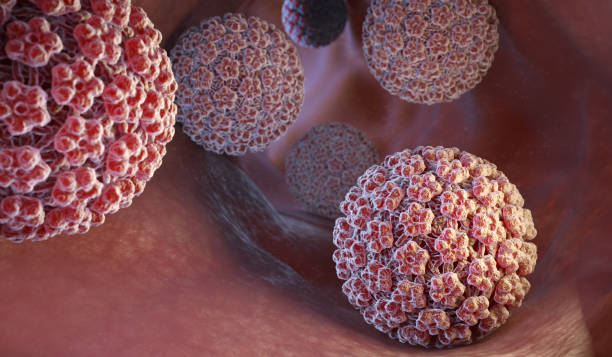

Quick Answer: Most men never get tested for HPV because there’s no routine screening test for them, even though HPV can cause genital warts, throat cancers, and anal cancers. Prevention through vaccination, condoms, and regular health checks is the best protection.
The Infection No One Talks About
HPV isn’t just “a women’s health issue.” In fact, research from the CDC shows that nearly half of sexually active men will contract HPV at some point in their lives. Many will never know it because HPV often has no symptoms and clears on its own, but some strains can lead to serious health problems.
Unlike women, who are screened for HPV during routine cervical cancer screenings, men don’t have a standard test unless symptoms appear. This means the virus can circulate silently, spreading to partners and potentially leading to cancers years later.
People are also reading: Sexual Health After Coming Out: A Toolkit for LGBTQ+ Teens Without Family Support
Why Men Are Not Routinely Tested for HPV
There isn't a male HPV screening test that has FDA approval at the moment. The reason for this is not that men cannot contract HPV, but rather that testing methods, such as anal Pap tests for high-risk men, have not been standardized for routine use outside of certain circumstances. The majority of diagnoses are made after symptoms start to show up, which is frequently too late for early intervention.
This screening gap highlights the importance of prevention: the primary ways that men can protect themselves from HPV are through regular health checkups, safer sex practices, and HPV vaccination.
How Partners Acquire HPV
Since HPV is spread by skin-to-skin contact, penetration sex is not necessary to get it. The virus can spread during any sexual activity that involves genital, anal, or oral contact. Despite their high level of protection, condoms only lessen the risk because they can't completely stop skin-to-skin contact.
According to this, men can get HPV by:
- Anal sex: People who have sex with men (MSM) are more likely to be affected by certain strains that can cause anal cancer.
- HPV can spread from oral sex to the throat, where it can cause oropharyngeal cancers.
- Genital touching: Even in the absence of penetration, the virus can spread through intimate skin-to-skin contact.
]
Check Your STD Status in Minutes
Test at Home with Remedium8-in-1 STD Test Kit

 For Men & Women
 Results in Minutes
 No Lab Needed
 Private & Discreet
Order Now $149.00 $392.00
For all 8 tests
HPV’s Hidden Risks for Men
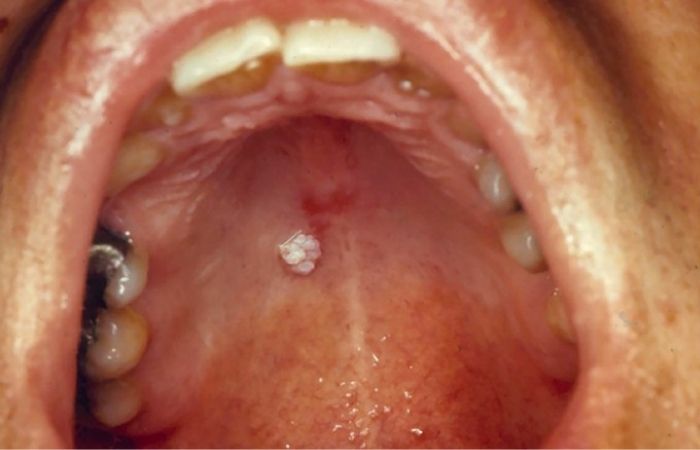
Some strains of HPV persist and can lead to major health issues, but the majority of infections go away on their own. Anus, penis, and throat cancers are known to be caused by high-risk strains of HPV, such as HPV-16 and HPV-18. Genital warts, which are not cancerous but can be upsetting, can be caused by low-risk strains.
According to the World Health Organization, HPV-related cancers in men are on the rise, particularly throat cancers linked to oral sex. The lack of routine testing means these are often diagnosed at later stages, when treatment is more invasive.
Why Vaccination Is Critical for Men
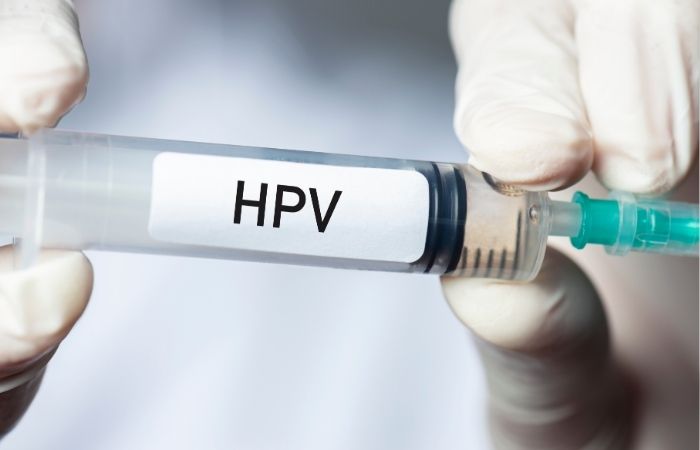
The HPV vaccine isn’t just for women, it’s highly effective for men, too. The CDC recommends vaccination for boys starting at age 11 or 12, and for men up to age 26 who haven’t completed the series. Some adults up to age 45 may also benefit, depending on their risk factors.
The vaccine protects against the most dangerous strains, including those that cause the majority of genital warts and HPV-related cancers. For men who have sex with men or have compromised immune systems, vaccination can be especially important.
Case Study: “The Vaccine I Didn’t Know I Needed”
Andre, 22, said his doctor never mentioned HPV vaccination until he came in for an STD check. “I’d had partners of all genders, but I thought HPV was only a cervical cancer thing,” he said. “When I learned it could cause throat cancer and warts in men, I got the shots immediately.”
“It wasn’t about being scared, it was about taking control. I wish someone had told me when I was a teenager.”
Andre’s experience is a reminder that HPV education should be for everyone, not just women.
People are also reading: STD Symptoms You Might Have Ignored During Lockdown
Why Men Rarely Get Tested for HPV
The main reason most men never get tested for HPV is simple, there’s no standard, widely available test for them. While women are screened for HPV during routine Pap smears, men only get tested in specific scenarios, such as anal Pap tests for those at higher risk (including men who have sex with men, HIV-positive men, or those with a history of anal warts).
Things Men Can Do to Stay Safe
Even without regular testing, men can reduce their risk of HPV infection and related health problems in a number of ways:
- Get vaccinated: The vaccine protects against the most dangerous strains of HPV.
- Consistently use barriers: Dental dams and condoms reduce the risk of transmission.
- Get regular checkups: If you experience any new symptoms, like lumps, warts, or soreness in your throat, you should let your doctor know.
- Communicate honestly with your partners: Discuss your history of STI testing and immunizations
Check Your STD Status in Minutes
Test at Home with RemediumPapillomavirus (HPV) Test
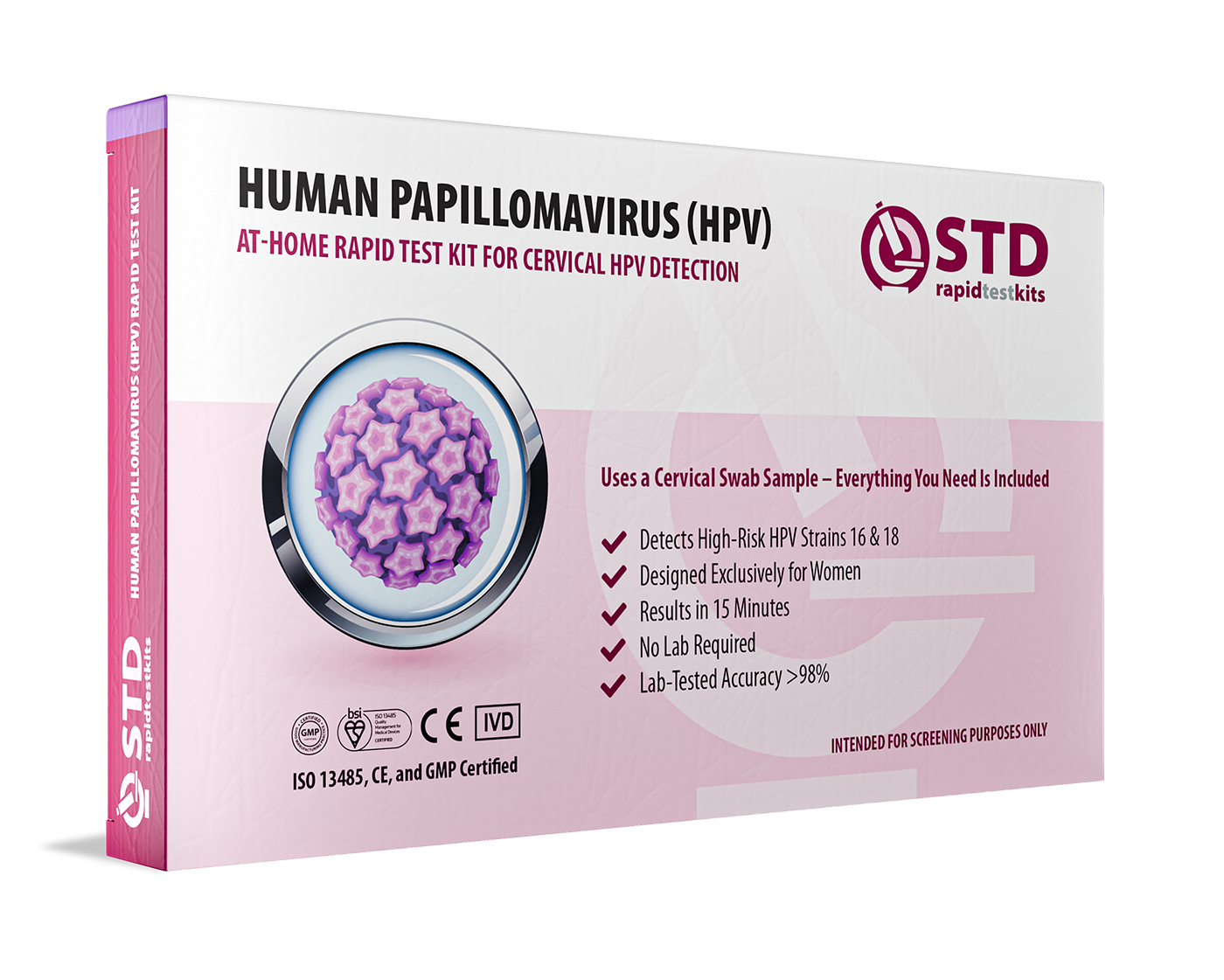
 For WomenResults in MinutesNo Lab NeededPrivate & Discreet
Order Now $33.99 $49.00
When to Consult a Physician
Men should consult a physician if they have voice changes, persistent throat pain, anus bleeding, genital warts, or unexplained lumps. Despite the fact that there are numerous potential causes, you should have these symptoms evaluated right away, particularly if you have had prior exposure to HPV or have multiple partners.
If you struggle to get in-person care, think about using an at-home STD test kit for other infections. Although it won't identify HPV, it can help you maintain your overall sexual health.
Understanding the Distinctions Between Low-Risk and High-Risk HPV Types
Although HPV comes in over 100 varieties, not all of them are equally dangerous. Most cases of genital warts are caused by low-risk HPV types, such as HPV-6 and HPV-11. Despite not being cancerous, these warts can cause emotional and physical discomfort. Male cancers, such as anal, penile, and throat cancers, are most frequently associated with high-risk HPV types, such as HPV-16 and HPV-18.
Knowing which strains are high-risk is important for understanding your prevention plan. While there’s no way for most men to find out which strain they have without symptoms, vaccination can protect against the most harmful ones before you’re exposed.
The Association Between Male Throat Cancer and Oral Intercourse
The increase in HPV-related oropharyngeal cancers, which are cancers of the tonsils, tongue, and throat, especially in men, is one of the most alarming results of recent studies on sexual health. The National Cancer Institute reports that in certain nations, the incidence of throat cancer in men has now overtaken that of cervical cancer in women.
Since these cancers often develop silently, early symptoms such as a lump in the neck, hoarseness, or a persistent sore throat may go unnoticed. By the time symptoms worsen, the cancer might have spread. Vaccination and safer oral sex practices are therefore crucial preventative measures.

People are also reading: The Post-Trip Rash No One Warns You About
HPV and Men Who Have Sex With Men (MSM)
The risk of HPV-related health problems, particularly anal cancer, is increased for men who have sex with other men. According to the CDC, anal cancer rates among MSM are much higher than those in the general male population, especially for those who are HIV positive. Because of this, routine screening and immunization are even more crucial.
Some clinics offer MSM anal Pap tests as part of a comprehensive sexual health program. If you fit this description, find out from your healthcare provider if this screening is available where you live.
The Reasons Behind the Decline in HPV Education for Men
HPV has traditionally been presented as a health issue for women because it is associated with cervical cancer. As a result, the risks that men face are often overlooked in sexual health education. This ignorance contributes to low vaccination rates as well as a lack of awareness about symptoms and prevention.
Sexual health education in clinics, schools, and public campaigns needs to change in order to address this. Men should be made aware early and often that HPV is a risk that they can reduce by adopting simple, preventative steps.
Relationships and HPV: Having the Discussion
Being open and honest is one of the best ways to lower risk, even though talking about HPV with a partner can be awkward. Because HPV is so common, it's likely that one or both partners have been exposed at some point. The focus should be on immunization, prevention, and regular health exams rather than assigning blame.
When talking about the topic, maintain composure and be ready to offer facts: HPV often has no symptoms, most people will get it at some point, and the vaccine can protect against new strains. Stigma is avoided and the conversation is kept productive by presenting it as a shared responsibility.
Check Your STD Status in Minutes
Test at Home with Remedium7-in-1 STD Test Kit
 For Men & WomenResults in MinutesNo Lab NeededPrivate & Discreet
Order Now $129.00 $343.00
For all 7 tests
Taking Charge When You're Not Tested by the System
It can be annoying that men aren't routinely tested for HPV, but it doesn't mean you have no options. Get the HPV vaccine first, if you haven't already. Use condoms and dental dams for oral sex as well as other forms of sex. Schedule a regular examination and report any symptoms, including lumps that don't seem to be connected, warts, or changes in the throat.
If you’re concerned about your risk, combine prevention strategies with testing for other STDs using a discreet at-home combo test kit. Although it won't identify HPV, it makes sure you don't miss any other common infections that could affect your immune system and general health.
FAQs
1. Is HPV contagious in men?
Indeed. The most prevalent STI in men, HPV, can lead to throat cancer, anal cancer, penile cancer, and genital warts.
2. Is there an HPV test for men?
A routine HPV test for men has not received FDA approval. Testing is only done in certain high-risk circumstances, such as anal Pap smears.
3. Can men spread HPV to their partners?
Yes. HPV is spread through skin-to-skin contact, even when there are no overt symptoms.
4. Does HPV go away in men?
Although HPV is usually eliminated by the immune system in a year or two, some infections persist and can cause serious health problems.
5. Is the HPV vaccine beneficial for men?
Yes. Boys and men up to age 26 and, in some cases, up to age 45 are recommended to get the vaccine. It provides defense against the most harmful HPV strains.
6. Can condoms help prevent HPV?
Because HPV can spread to unprotected areas, using a condom reduces the risk but cannot totally prevent infection.
7. What is the prevalence of HPV in men?
According to studies, approximately 50% of men who engage in sexual activity have HPV infection at any given time.
8. Can HPV cause cancer in men?
Yes. Anal, penile, and oropharyngeal cancers can develop in men with high-risk HPV types.
9. Can oral sex spread HPV?
Yes. During oral sex, HPV can spread to the throat, increasing the risk of throat cancer.
10. How can men lower their HPV risk?
Limiting sexual partners, using condoms consistently, getting vaccinated, and getting regular checkups can all reduce risk.
You Are Deserving of the Information and the Defense
HPV is a problem that affects both men and women. You can still be in charge even if there isn't regular testing. Your best defenses are vaccination, safer sexual behavior, and being aware of the warning signs of potential HPV-related issues. We can slow the spread of this very common infection to a greater extent if men are more aware of their risk.
Don’t wait and wonder, take action for your health. Order a discreet at-home combo STD test kit today and take the first step toward peace of mind.
Sources
1. CDC – About Genital HPV Infection
2. National Cancer Institute – HPV and Cancer


